


By Jeff Huneycutt – Images by the Author
There’s no doubt that when it comes to the second-gen Camaro, the early years are by far the hottest. It’s been that way for a long time. But as time has gone by, the later years have certainly grown in popularity.
Normally, second-gen Camaros are divided between the debut models from 1970-74 and the mild, mid-gen refresh that came in the 1975 models with the wraparound rear glass, catalytic converters, and other changes that lasted until the end of the generation in 1981. The good news is that while there are some changes under the skin so that everything on the suspension isn’t interchangeable, the differences are minor enough that it’s relatively easy to make performance components and kits that work well across the entire range from 1970 all the way to 1982.
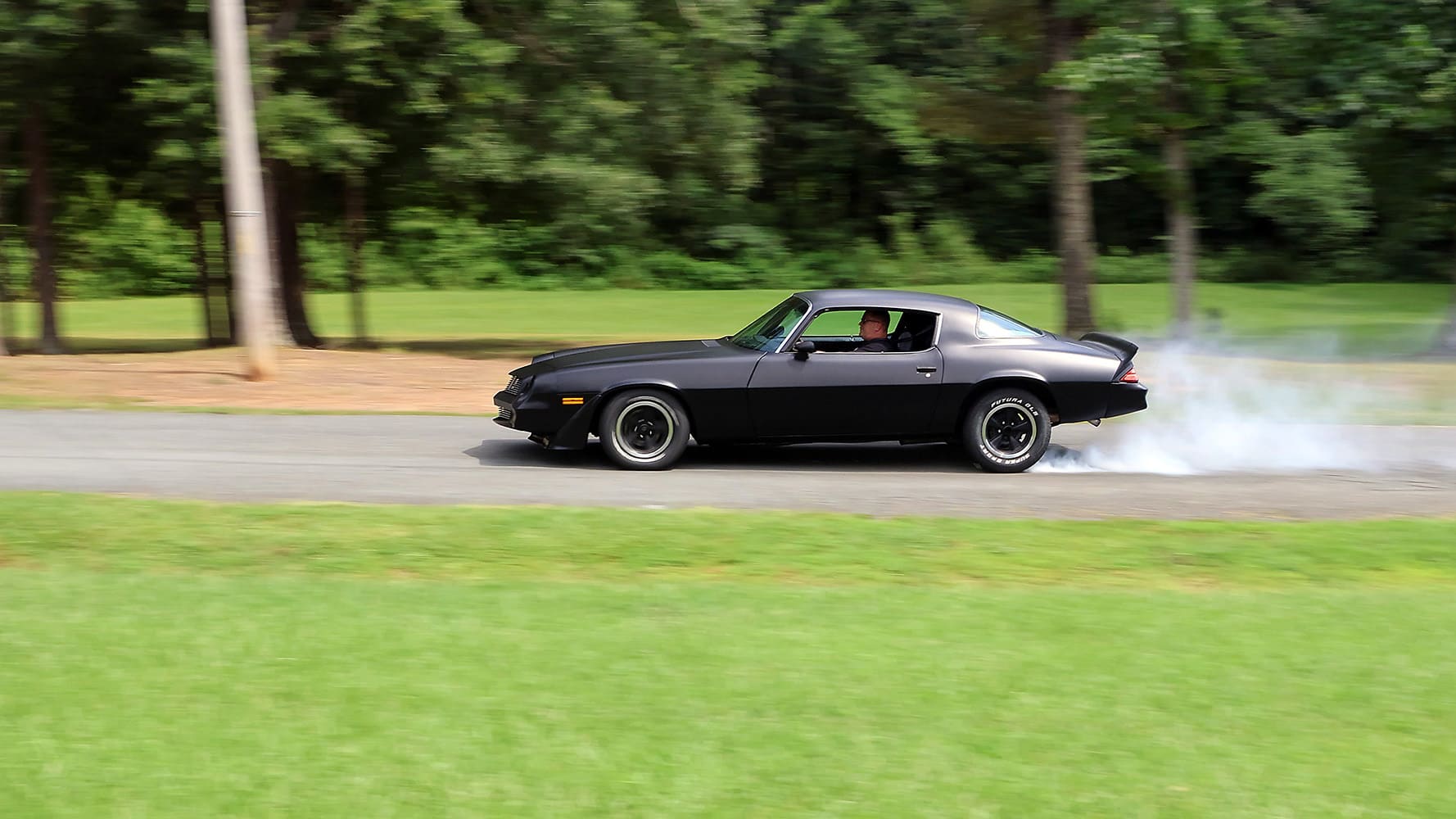
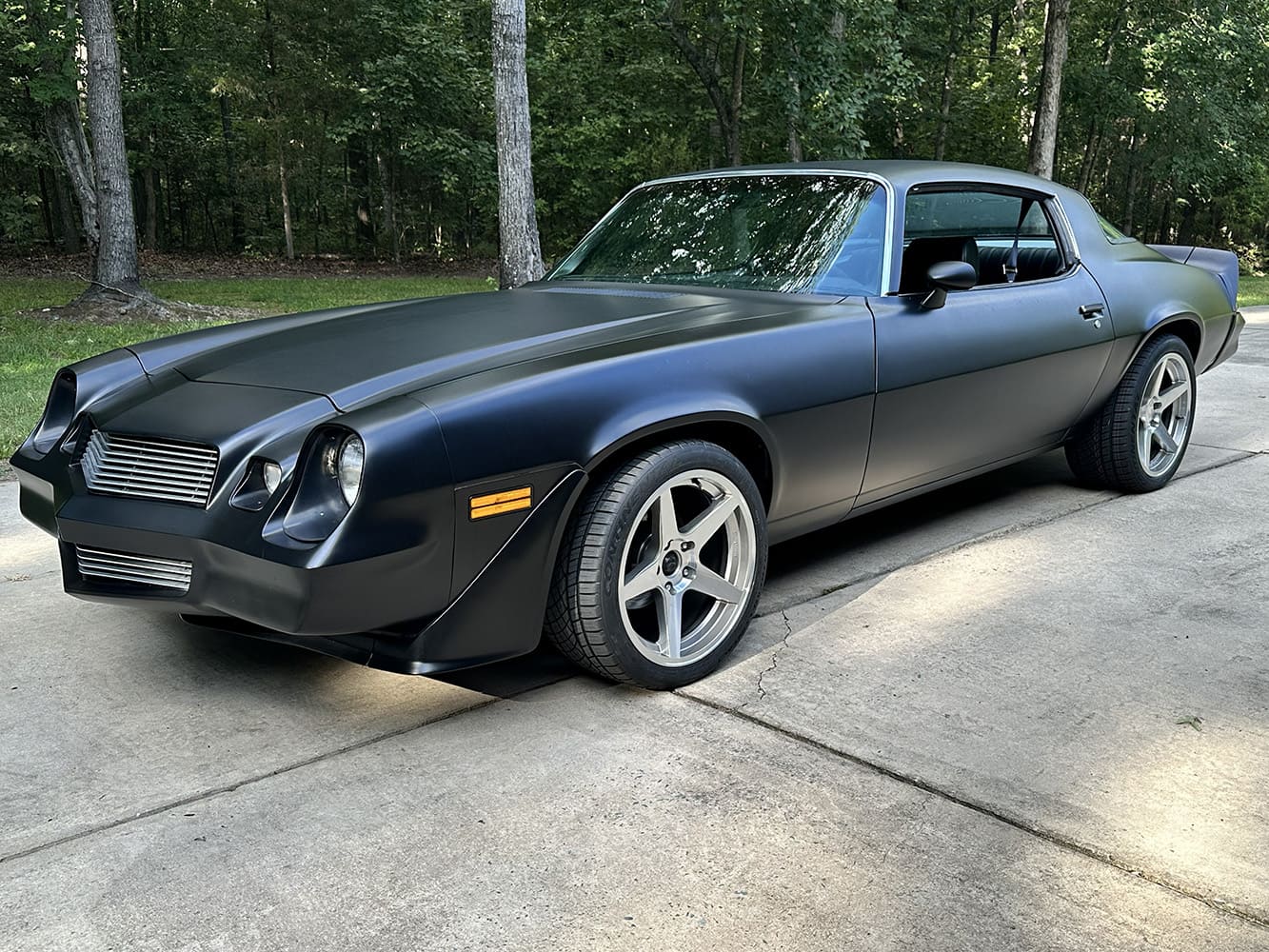
Our project car is a lowly base model 1978. It has a single-stage flat-black paintjob that was a quick and cheap way to cover the mixture of dead silver paint and primer that covered the car when it came into our possession. A while back we built a supercharged 427ci small-block in the pages of the All Chevy Performance Sept. ’23 issue that we plan to put in the car, but with 643 lb-ft of torque and 688 hp, it was way too much for the worn-out Camaro.
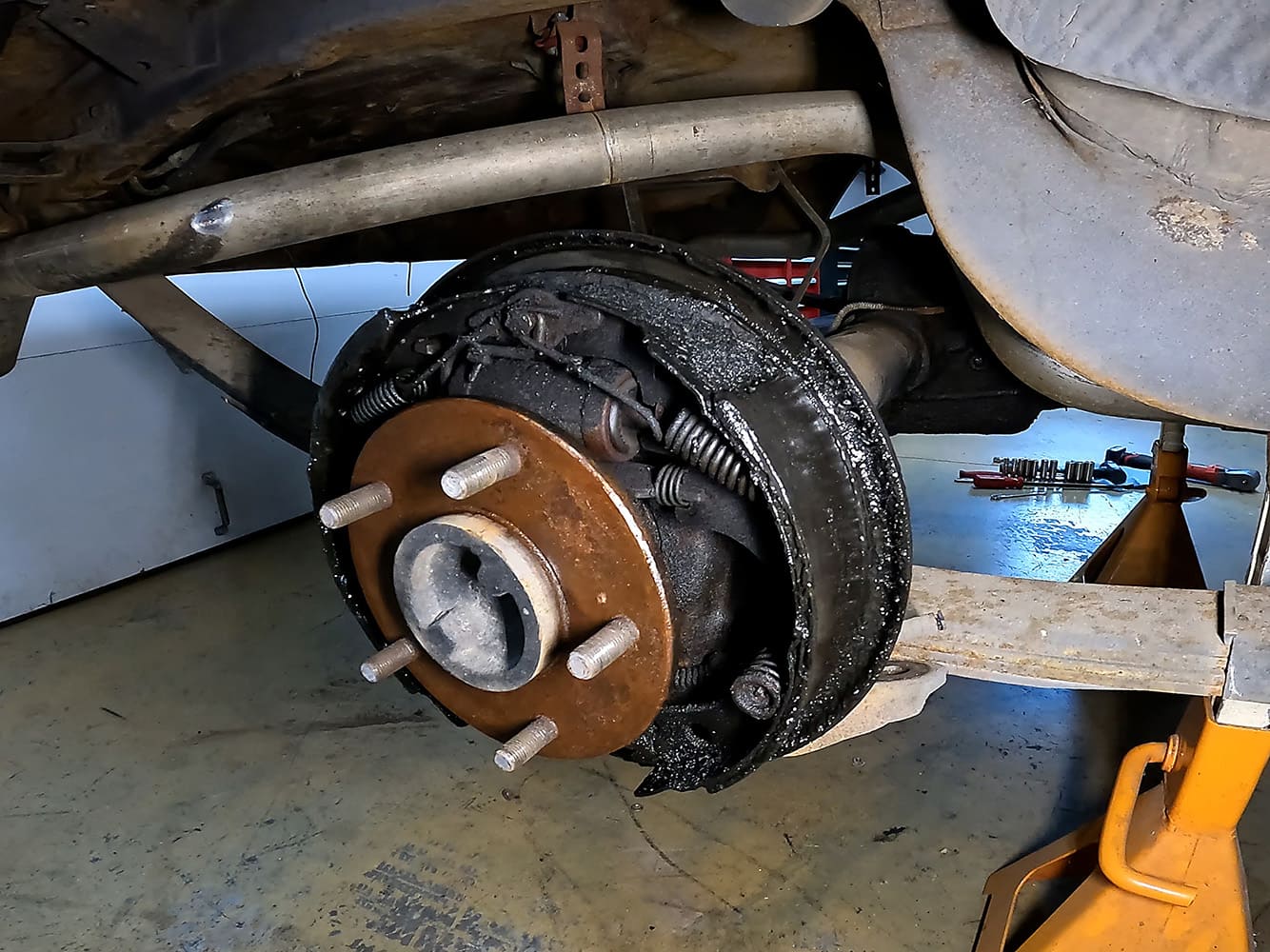
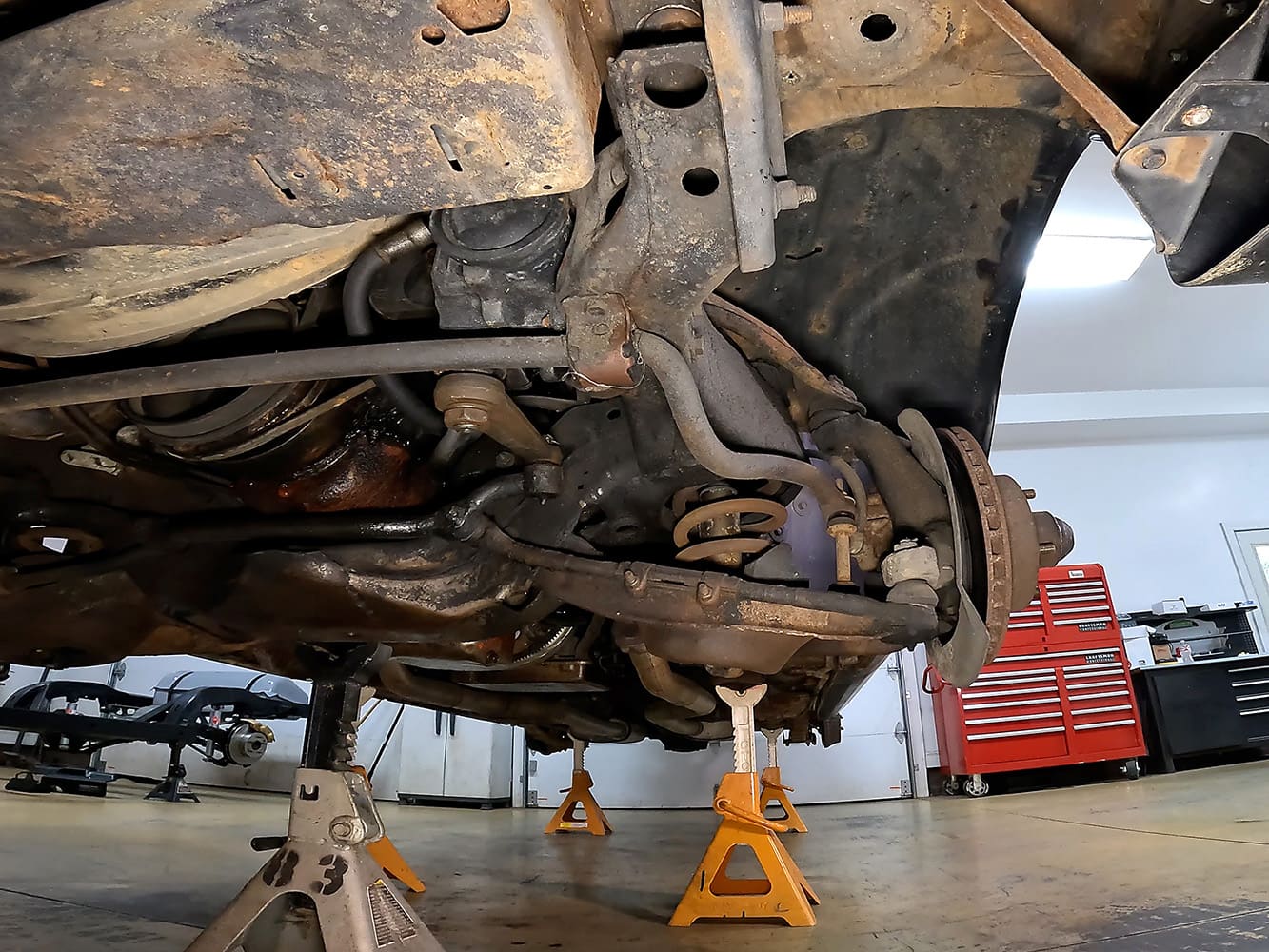
So, the Vortech supercharged small-block was pushed into a corner of the shop and plans put into place to make significant upgrades to the Camaro so that it wasn’t an overpowered death trap. The car was like a lot of Chevrolets that are nearly 50 years old—maintained but basically worn out. Everything with the suspension and brakes was either stock or stock replacement. We’d replaced things like the spindles, rotors, flex lines, and even some hard lines, but we still struggled with leaks and regularly needed to bleed the brakes to keep the pedal firm.
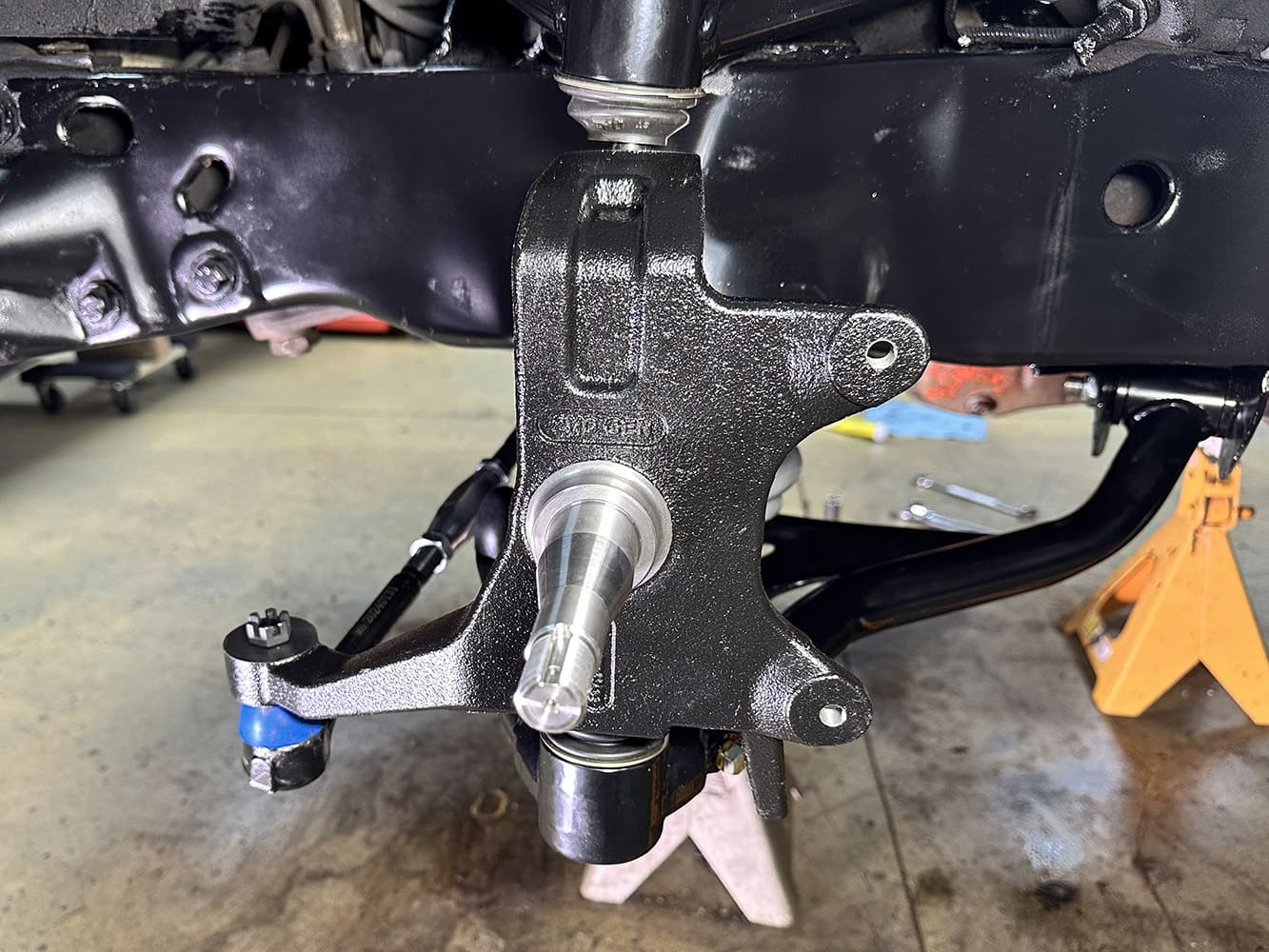
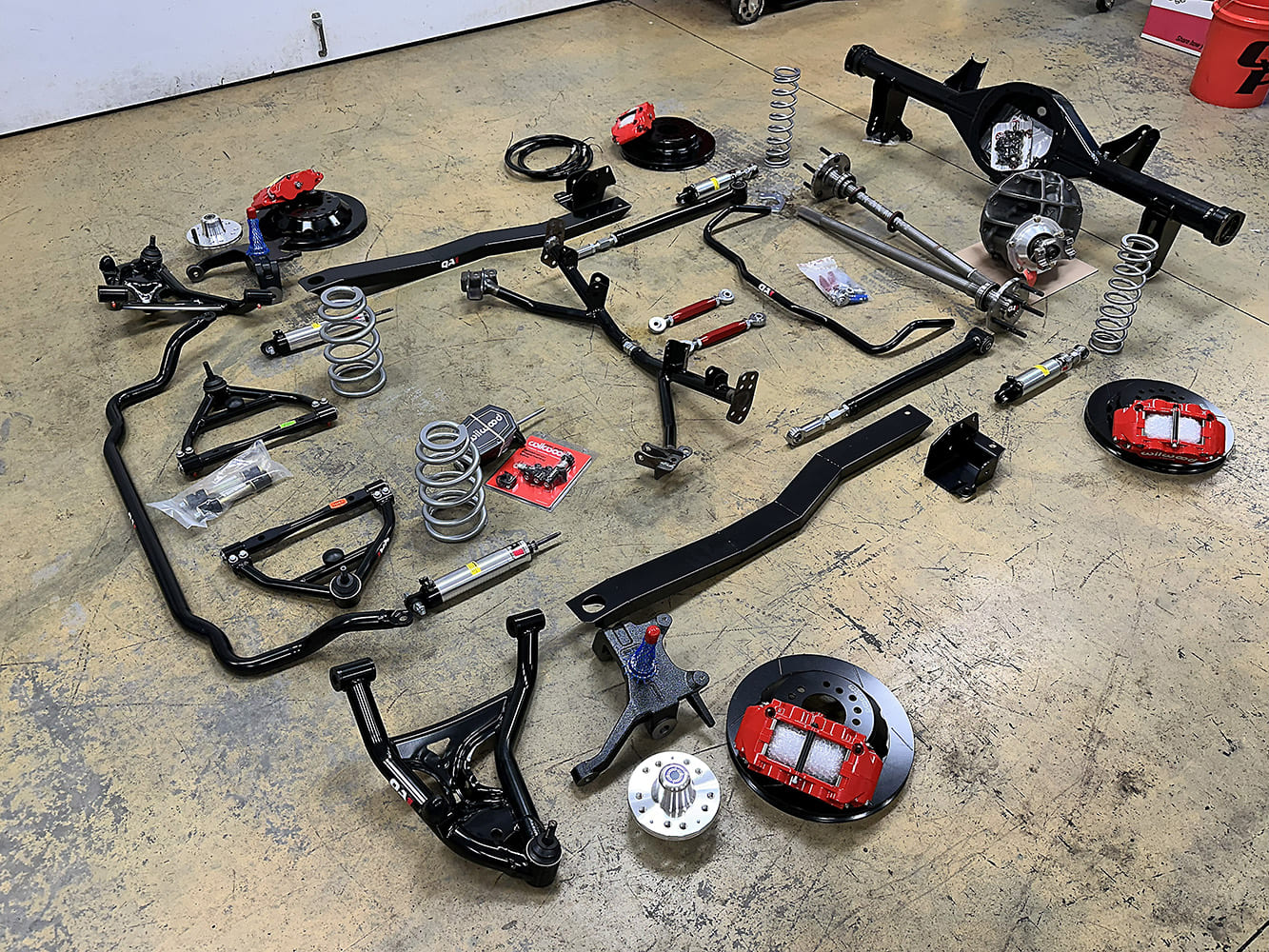
Continuing to invest finances and effort into stock components was just throwing good money after bad, so we made a plan with Wilwood to significantly upgrade the entire braking system. That’s not just a set of six-piston calipers and big-inch rotors. We’ll also be using their new, high-strength drop spindles to lower the front of the car 2 inches, hubs and converting to a manual master cylinder because the 688hp engine won’t be producing much in the way of vacuum.
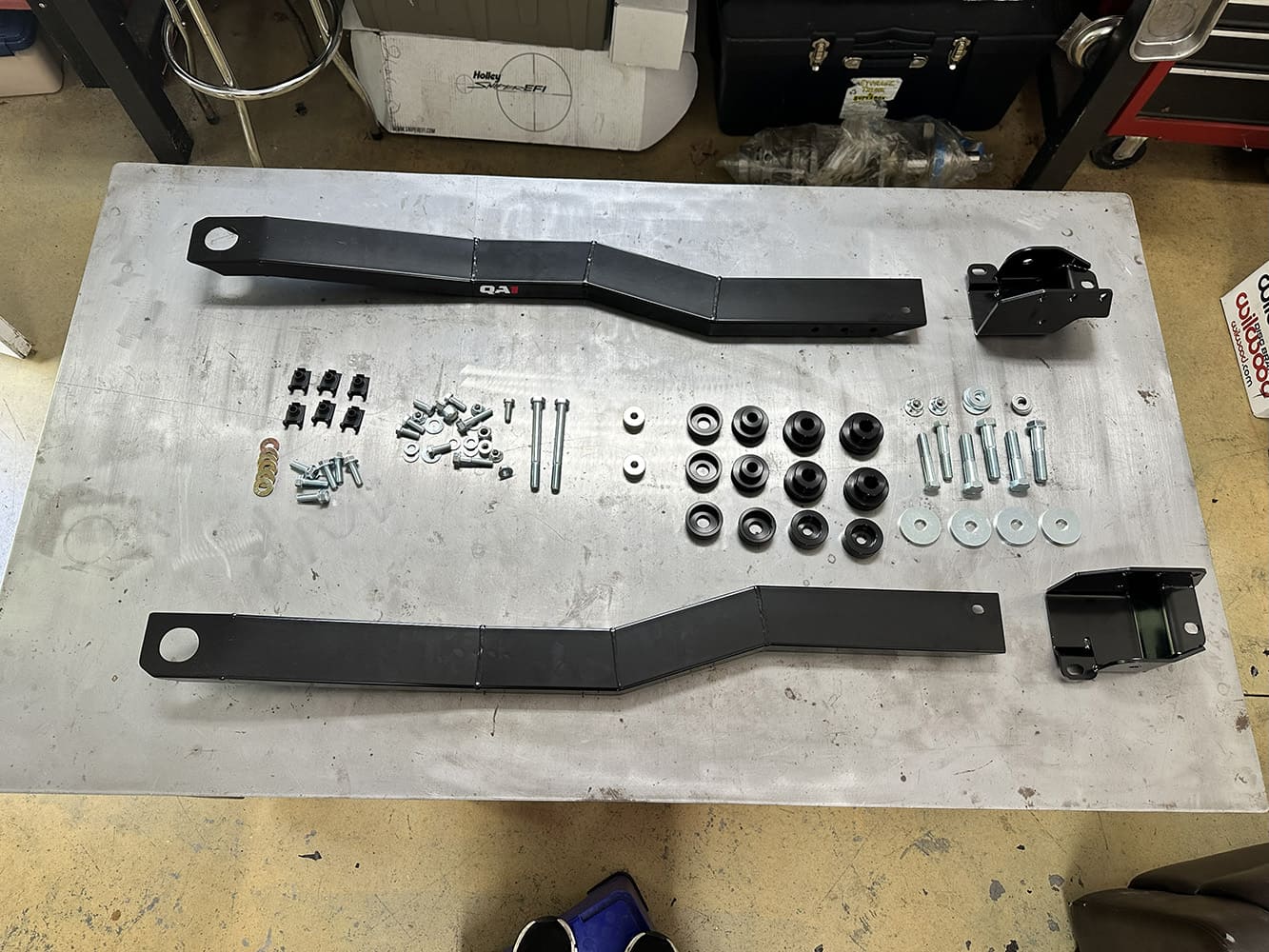
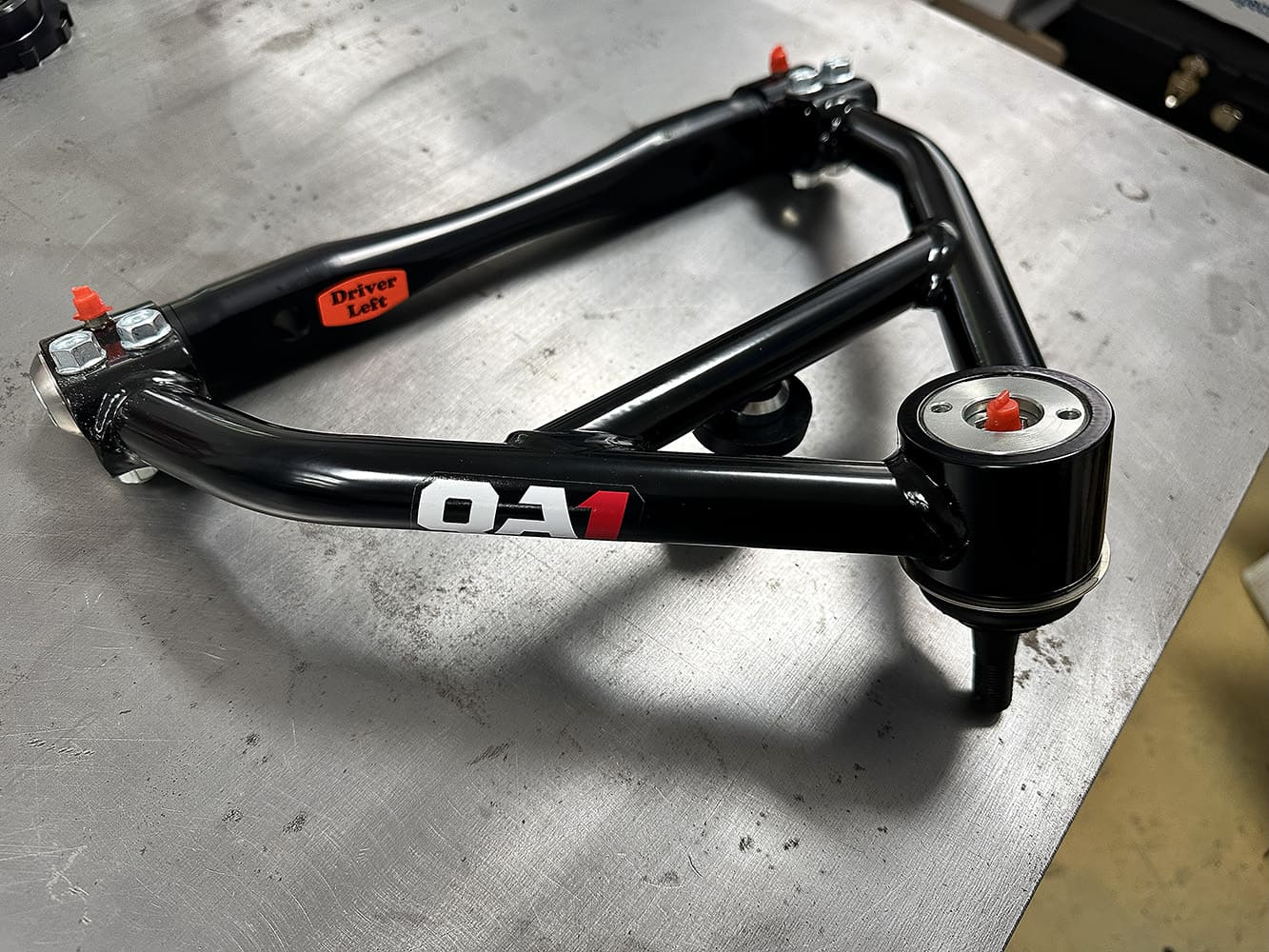
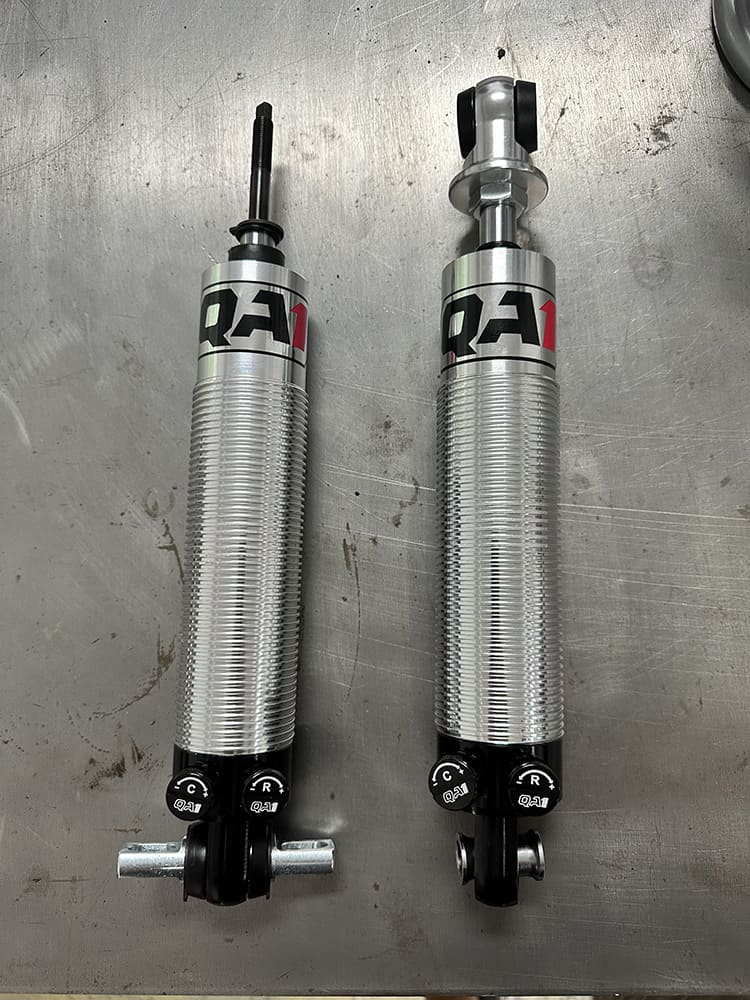
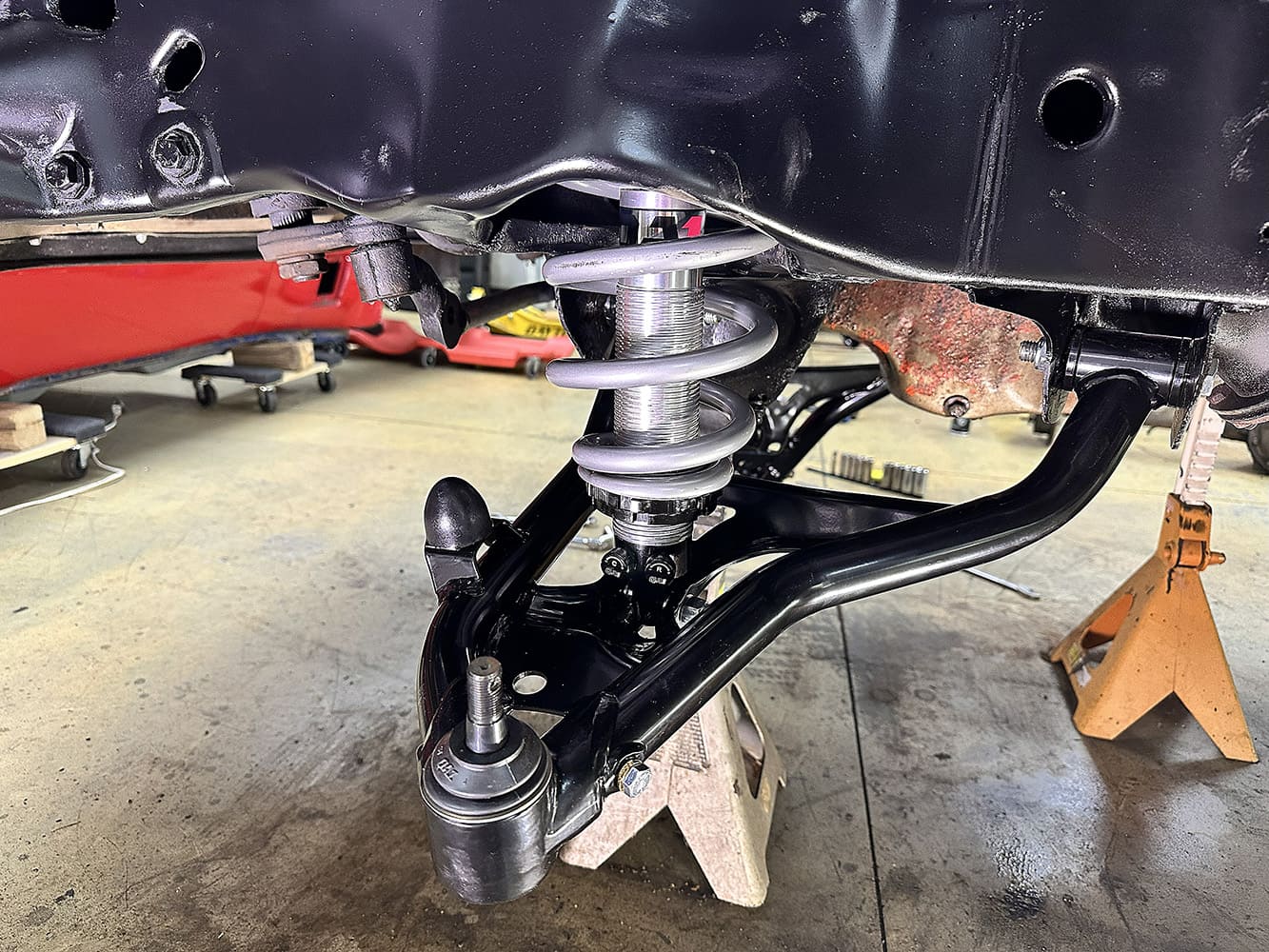
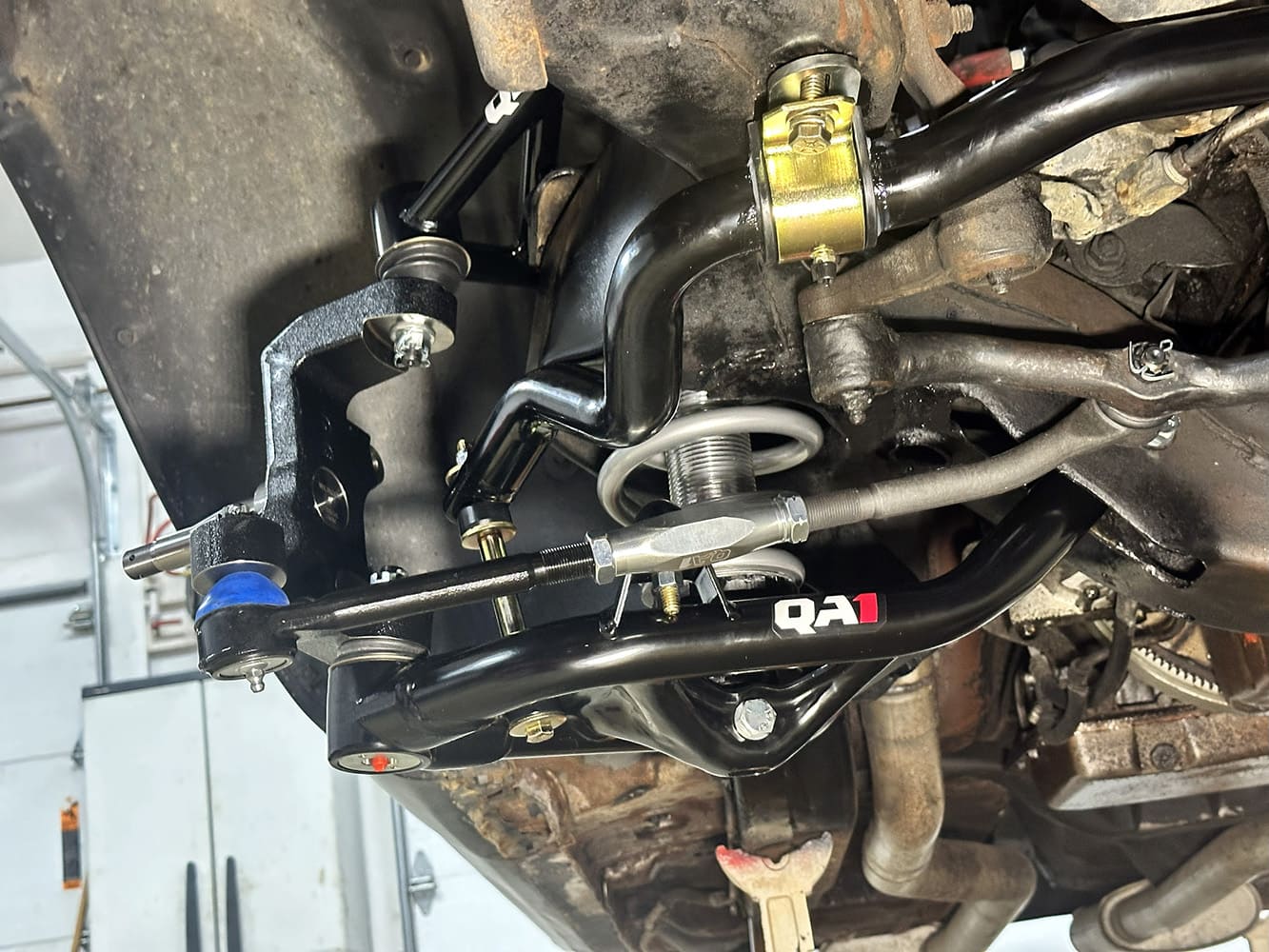
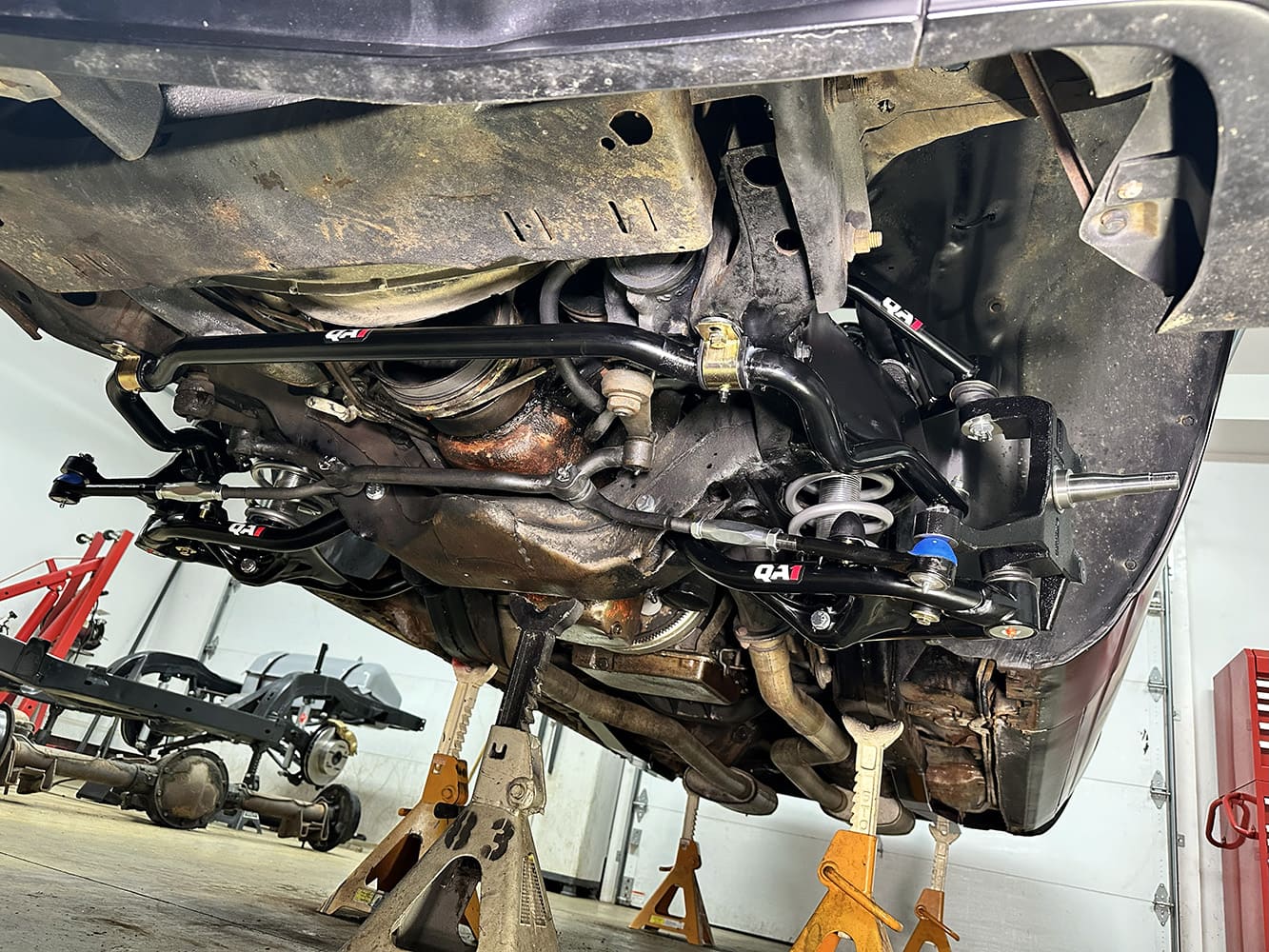
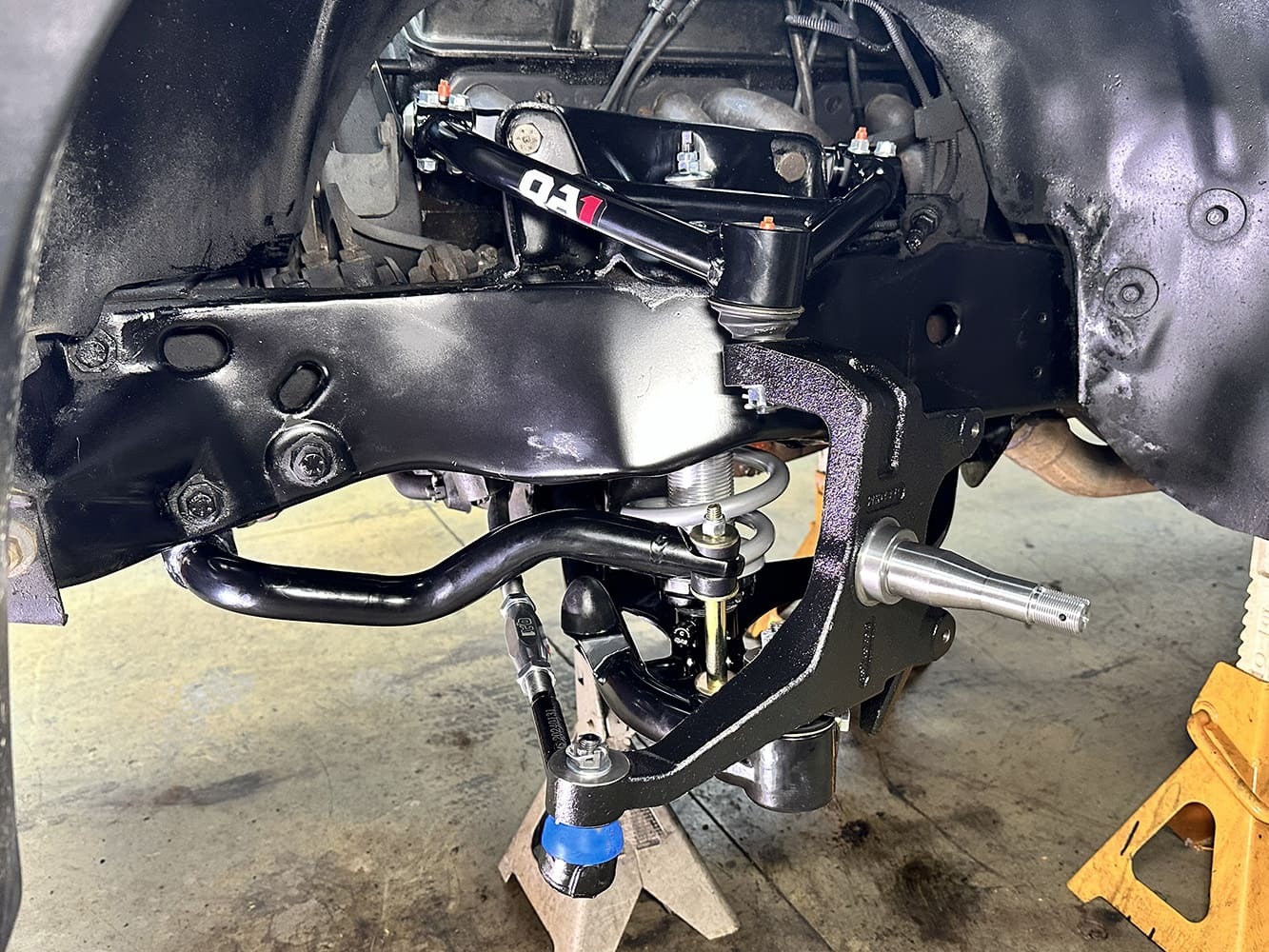
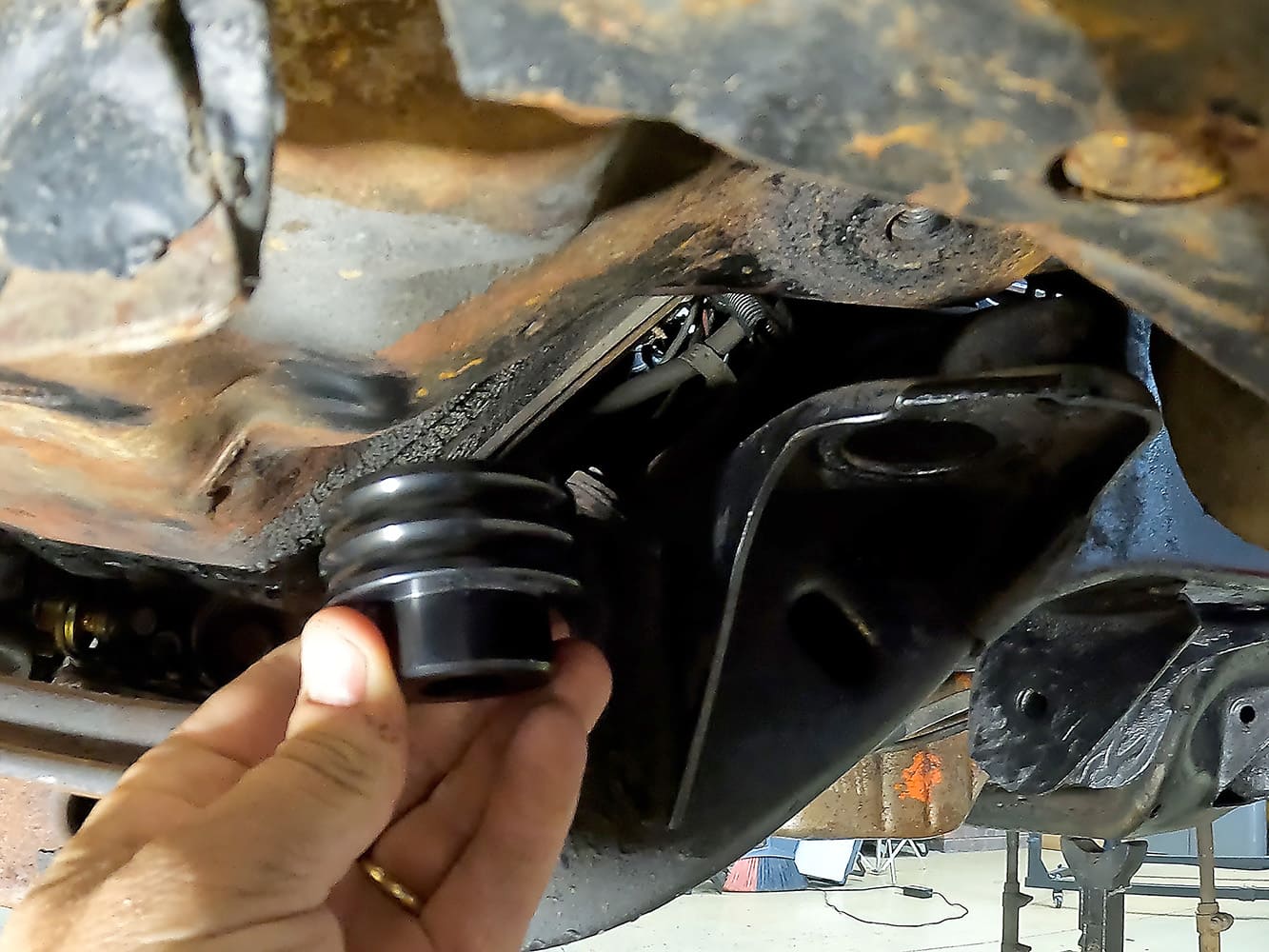
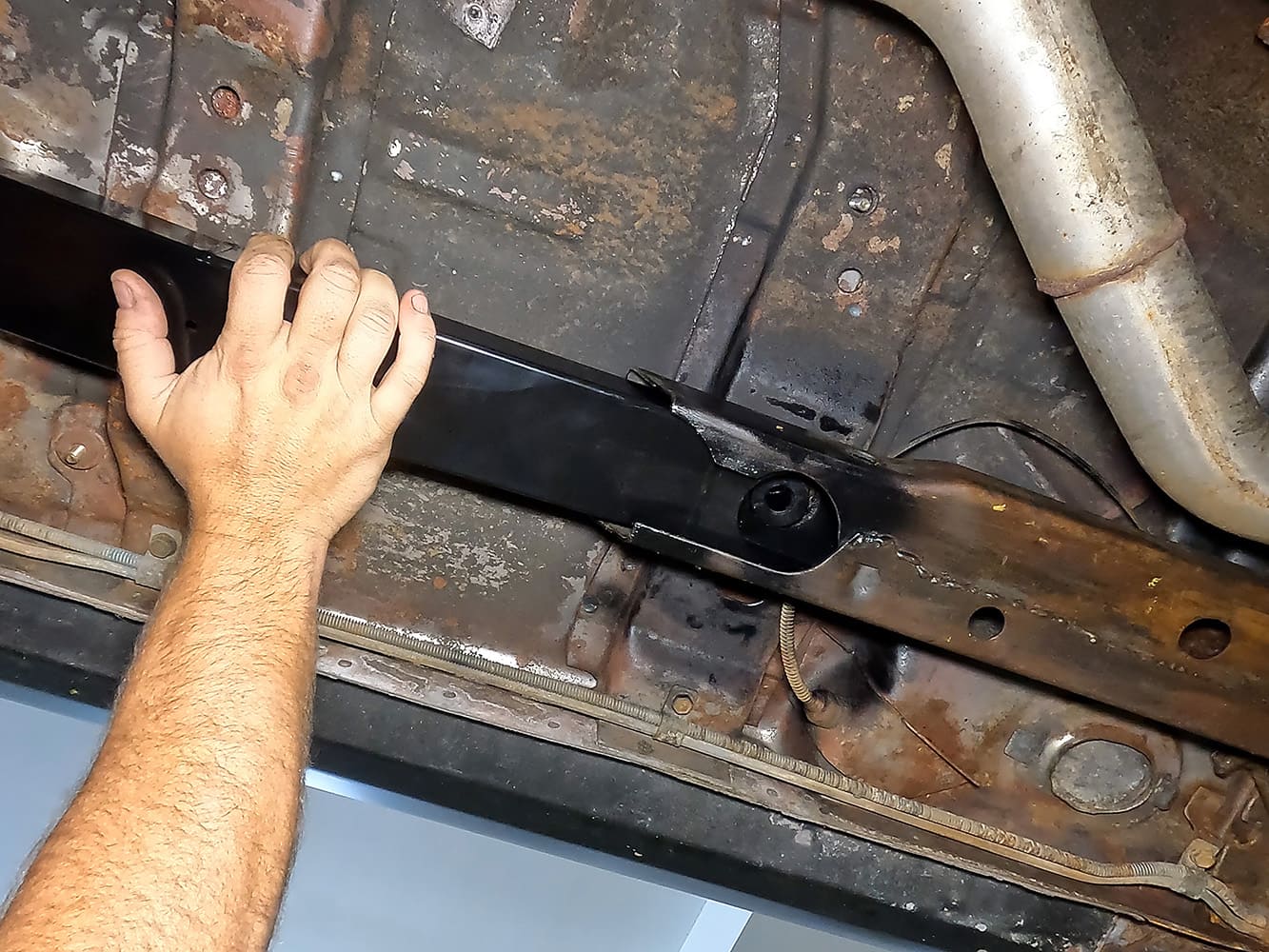
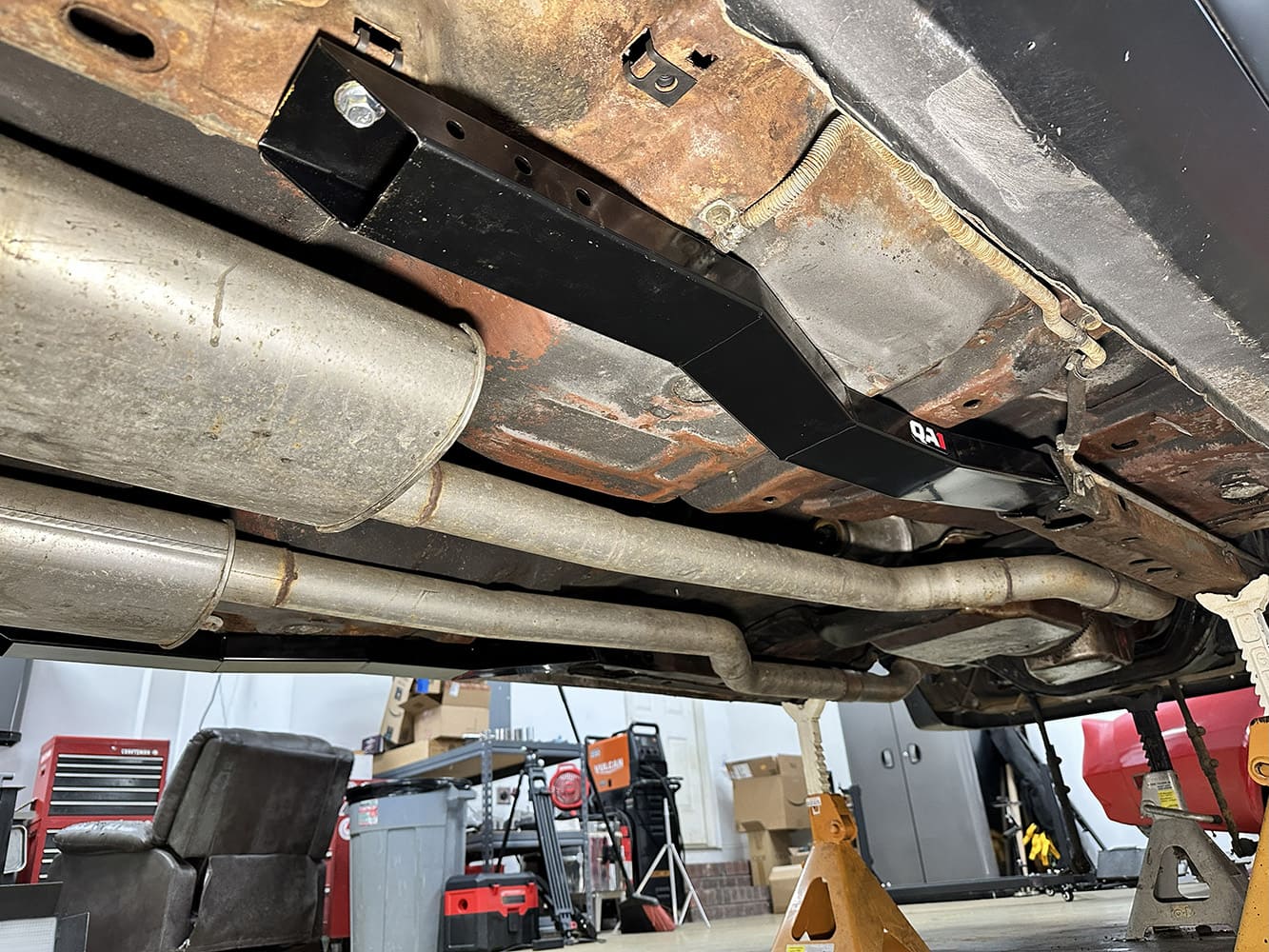
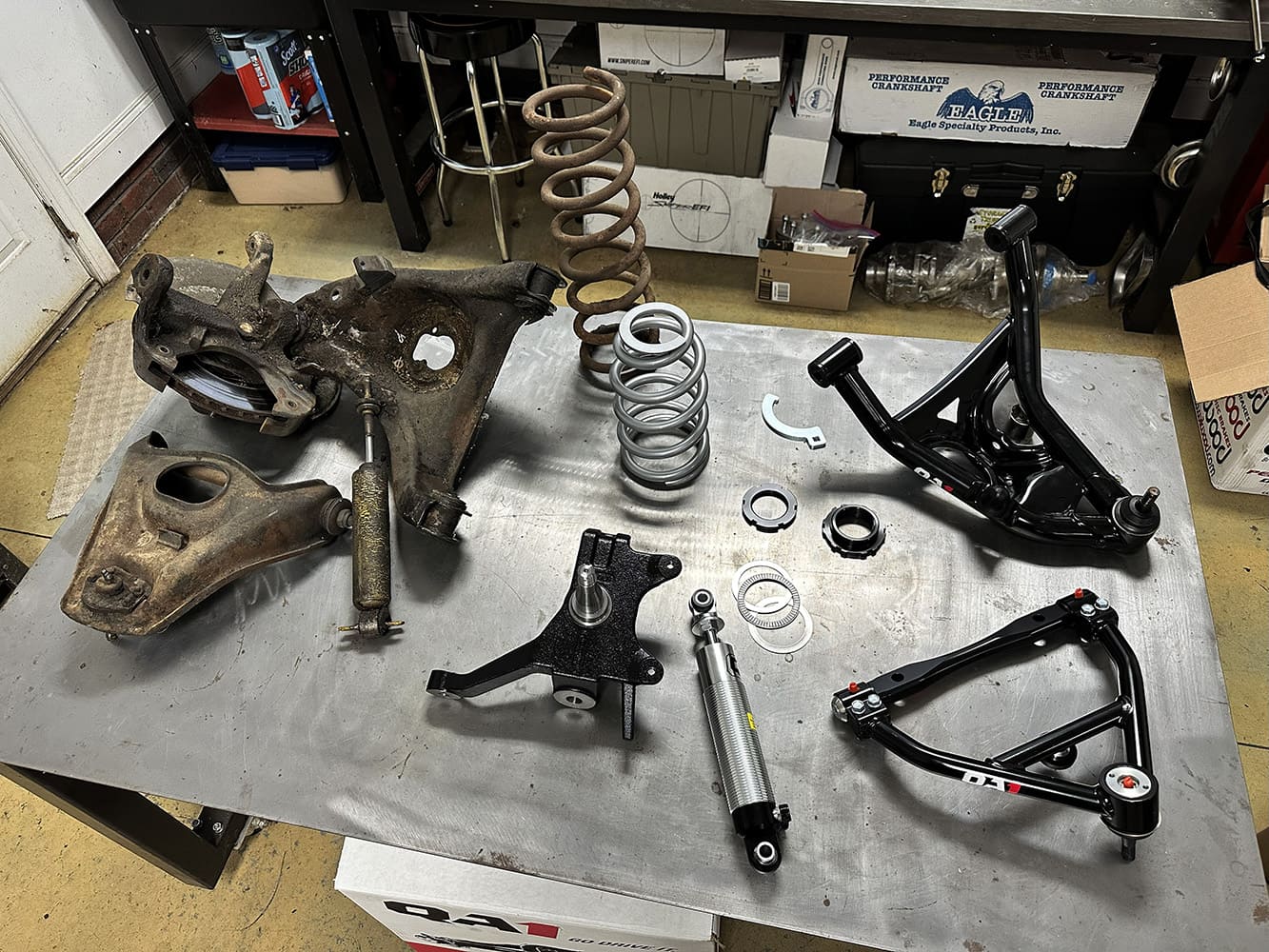
Going hand-in-hand with the brake upgrades, we also wanted to significantly improve the stock suspension. Even if the rubber bushings weren’t entirely rotten and the ball joints absolutely worn out, the stock suspension with its leaf-spring rear was originally designed all the way back in the 1960s. So, we decided to bring the car into the 21st century with QA1’s comprehensive Level 2 handling kit. This setup scraps the car’s entire suspension and replaces it with fabricated upper and lower control arms up front, a four-link suspension in the rear, beefy sway bars front and back, double-adjustable coilover shocks at all four corners, and a 9-inch rearend with stout axles. There is even a pair of stout subframe connectors to help tie the rear suspension to the front subframe and stiffen up the notoriously flexible unibody. The only thing we need to come up with is a centersection and gearset, which we sourced from the experts at Quick Performance. At first the new rearend may seem a bit much, but it was definitely necessary considering the engine will blow up the stock 10-bolt faster than you can say, “Will that thing do a burnout?”
Of course, we had to have a little fun with this buildup along the way. We won’t name names, but too many times we read brake install articles (or watched them on YouTube) and then we’re just told the “new brakes are much better” without any numbers to back it up. So, we decided to actually do some brake tests and provide you with actual numbers.

We took the Camaro to a private asphalt drive with plenty of room to do a 60-to-0 mph braking test after bleeding the brakes and doing everything we could to make the stock setup work as well as possible. Notice we didn’t say “like new” or even “acceptable.” It turns out the left rear would lock up way too early but the other three wheels wouldn’t lock up no matter how hard we mashed the brake pedal. Still, with the stock tires and stock brakes we came up with a stopping distance of 167 feet pretty consistently. That, by the way, was done on a set of P245/60/R15 Futura GLS Super Sport tires of unknown age on the original 15-inch wheels.
Obviously, with poorly functioning brakes and a car on old tires this isn’t the most scientific test ever. Fresh from the factory back in 1978 the Camaro almost certainly performed much better than that. But that’s also exactly the point. If they are driven like they should be, old cars gather wear and tear. You can spend your money trying to keep your car properly maintained and functioning as it did when it was new, or, if you aren’t trying to keep a museum piece, you can spend it on upgrading the performance or doing anything else that will improve your enjoyment of your car. In this case, we chose the latter.
The problem that popped up in our situation is there’s no way the stock 15-inch wheels will fit over the 12.88-inch rotors and six-pot calipers from Wilwood. So just for fun we also mounted up a set of new Continental ExtremeContact tires on our five-spoke Flares from Rocket Racing Wheels. The tires are much bigger, at 265/35R18 for the fronts and 285/35R18 for the rears. This is the wheel and tire combo that we’ll run after all the installs are complete, so this is a more legitimate test comparing before and after with the brakes. This time around, with only one wheel locking up, the braking distance from 60-to-0 dropped to 133 feet. Just by changing the rubber we were able to drop the braking distance 34 feet, but it’s still nothing to write home about. Those numbers will certainly drop again after installing the Wilwood braking system when we have all four corners braking properly and are able to adequately dial in the brake bias. But just as important is the repeatability. The stock brakes can handle only three or four hard stops before dreaded brake fade starts to set in, but the larger Wilwood rotors and calipers can handle many more stops with the same performance and feel time after time.
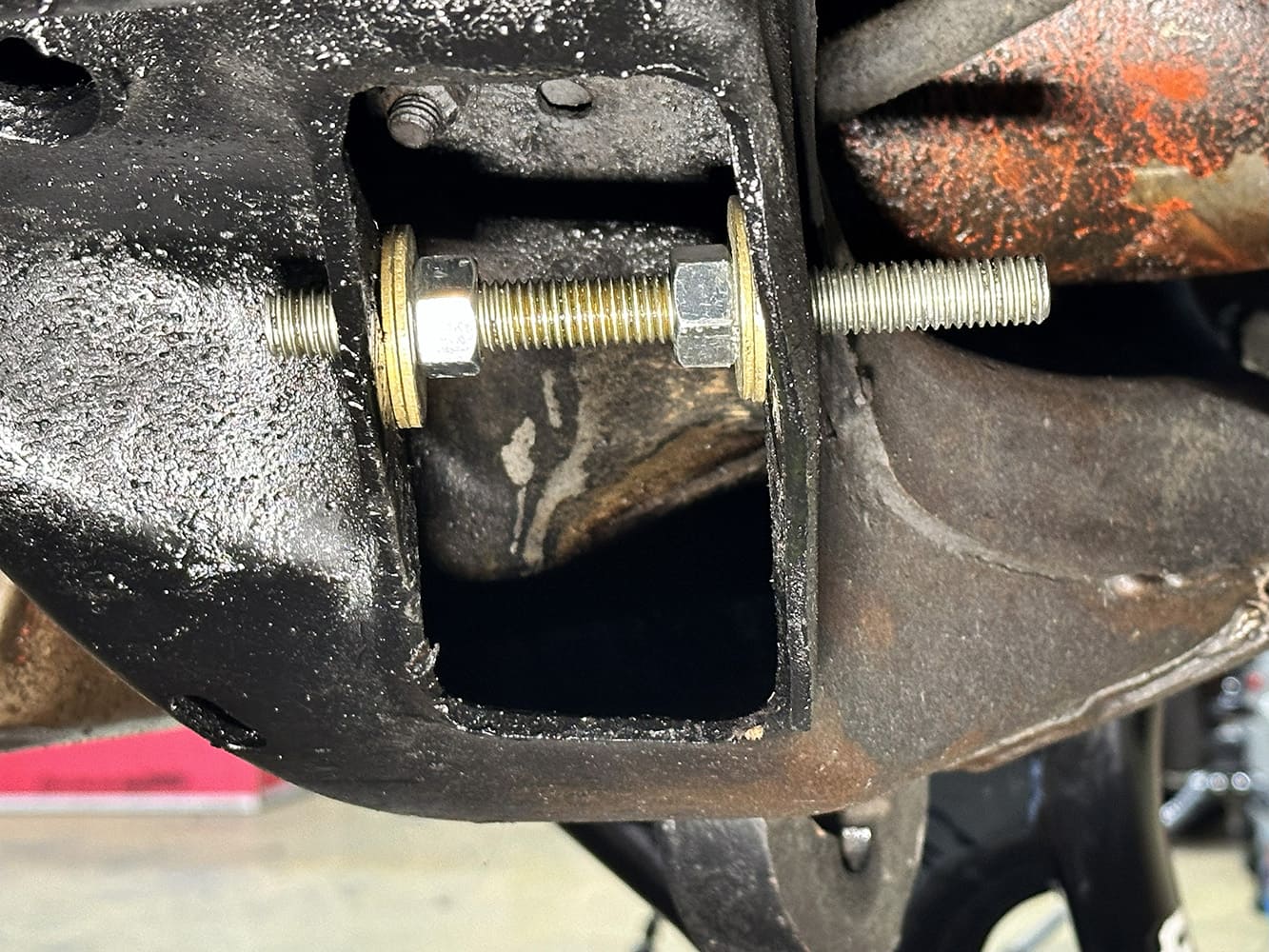
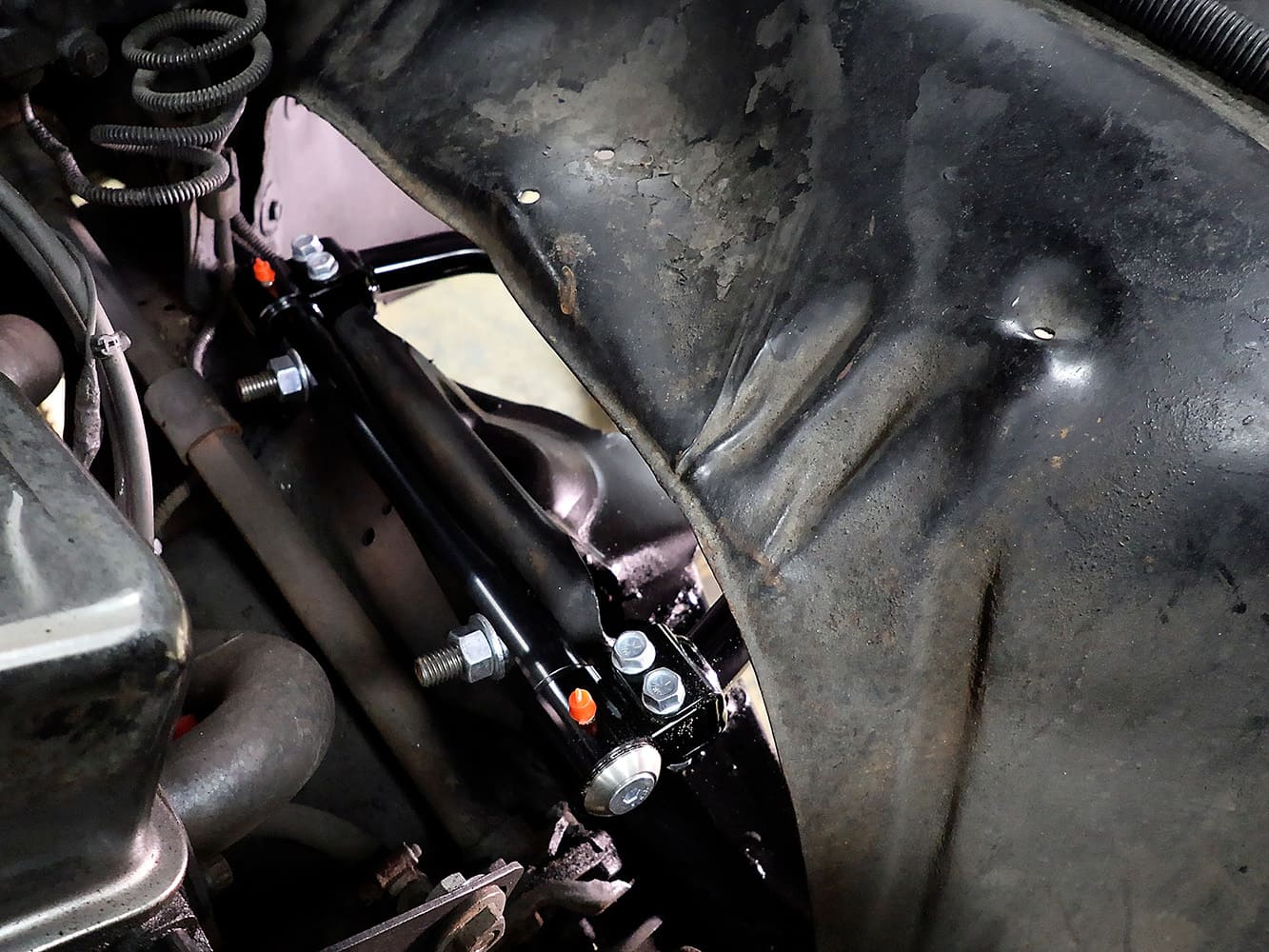
There’s a lot going on with this Camaro upgrade project, so we’ll have to take it on in chunks. But the good news is it doesn’t require any fabrication beyond a little welding and can be done in a driveway with basic hand tools. As you can tell from the photos, we are taking on this project in a shop that’s the basic dimensions of your ordinary two-car garage and with the car on jackstands.
Follow along as we give our old Camaro the upgrades it deserves.
Check out this story in our digital edition here.