


By Nick Licata – Images by Marc Gewertz
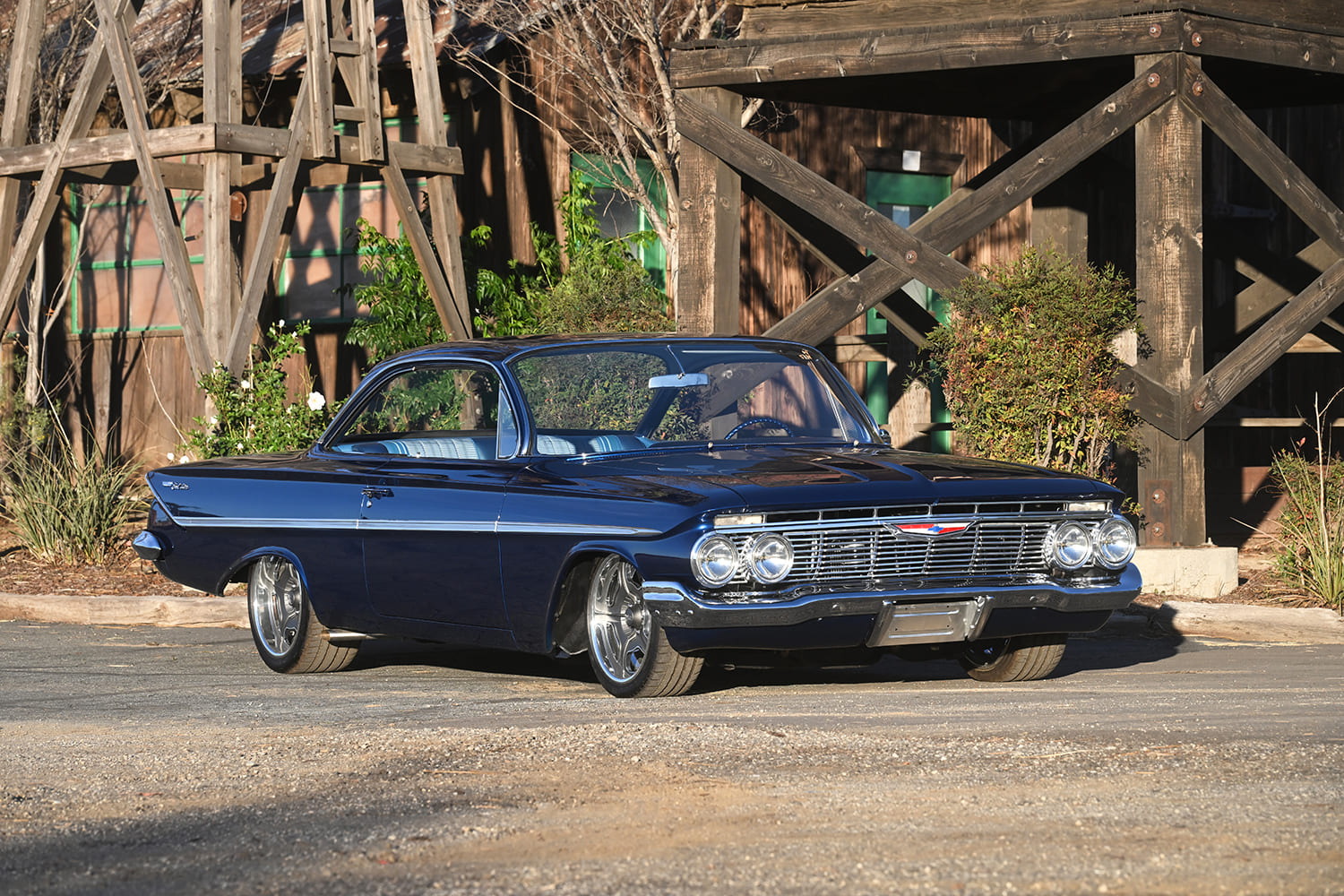
There’s a certain kind of car story that sounds too strange to be true until you’re standing in the middle of it, brushing dirt off quarter-panels while opening doors that haven’t creaked since Duran Duran ruled MTV back in the early ’80s. This 1961 Chevy Bel Air was one of those stories
This one came to Paul Marcinek as a bit of a surprise as his brother had been car hording classics without his knowledge for decades.
When his brother died in 2020, Paul inherited a sprawling Southern California property packed with more than 60 vintage cars that he never knew existed. Some were buried beneath decades of dust and overgrown weeds, while others sat quietly under makeshift covers, most of which were worth saving.
“It was overwhelming,” Paul says. “I had no idea he had collected that many cars.”
Paul isn’t a loud, chest-thumping car guy, but he’s owned quite a few vintage muscle cars over the years and still has a big-block, four-speed Impala wagon. The bowling ball pro shop owner lives a fairly quiet life out in Montrose, Colorado, these days and confesses muscle cars have always been stitched into this DNA.
“The first car I bought was a 1957 Chevy when I was 14 years old,” he says with a laugh. “A friend and I went in together on it, but we didn’t have a place to keep it, so we rented a garage for $5 a month. It was a good idea for a while, but a few months in we couldn’t come up with rent money, so we just left the car in the garage.”

When the dust settled around his brother’s collection, one particular car tugged harder than others: a weathered 1961 Chevy Bel Air six-cylinder car that reminded him of the one he drove in high school. He only paid $150 for it back then, but the car has since paid him back with a lifetime of memories.
The car itself had survived remarkably well considering it had been sitting dormant for nearly 30 years. The body was solid and the bones were strong enough to justify a redo. In fact, a tree fell on the car next to it, so the message was sent that this car had a strong will to survive.
Instead of building a showpiece, Paul wanted a clean purposeful car that respected Chevrolet’s original lines while quietly carrying modern muscle underneath.
That’s where Steve Wilk of Wilk Worx, in Nuevo, California, entered the picture.

Wilk became caretaker of the collection while Paul sorted through the emotional and logistical avalanche of vehicles. Some cars were sold. Others parted out. A few stayed with Wilk, but the Bel Air became the centerpiece.
Once the decision was made to restore the Chevy, Wilk handled the heavy lifting while keeping the car’s character intact. The idea was simple: Make it reliable, make it powerful, and make it look like Chevrolet could have built it that way if engineers in 1961 had access to modern hardware.
Under the hood now lives a 5.3L LS packing 325 ci of aluminum small-block efficiency. Factory-built and brutally dependable, Wilk handled the installation and utilized the stock internals and topped the mill with an LS2 intake and GM fuel injection to keep the package straightforward. Custom stainless rear-dump headers feed a handcrafted 3-inch side-exit exhaust system fitted with MagnaFlow resonators to give the Bel Air a deep voice.
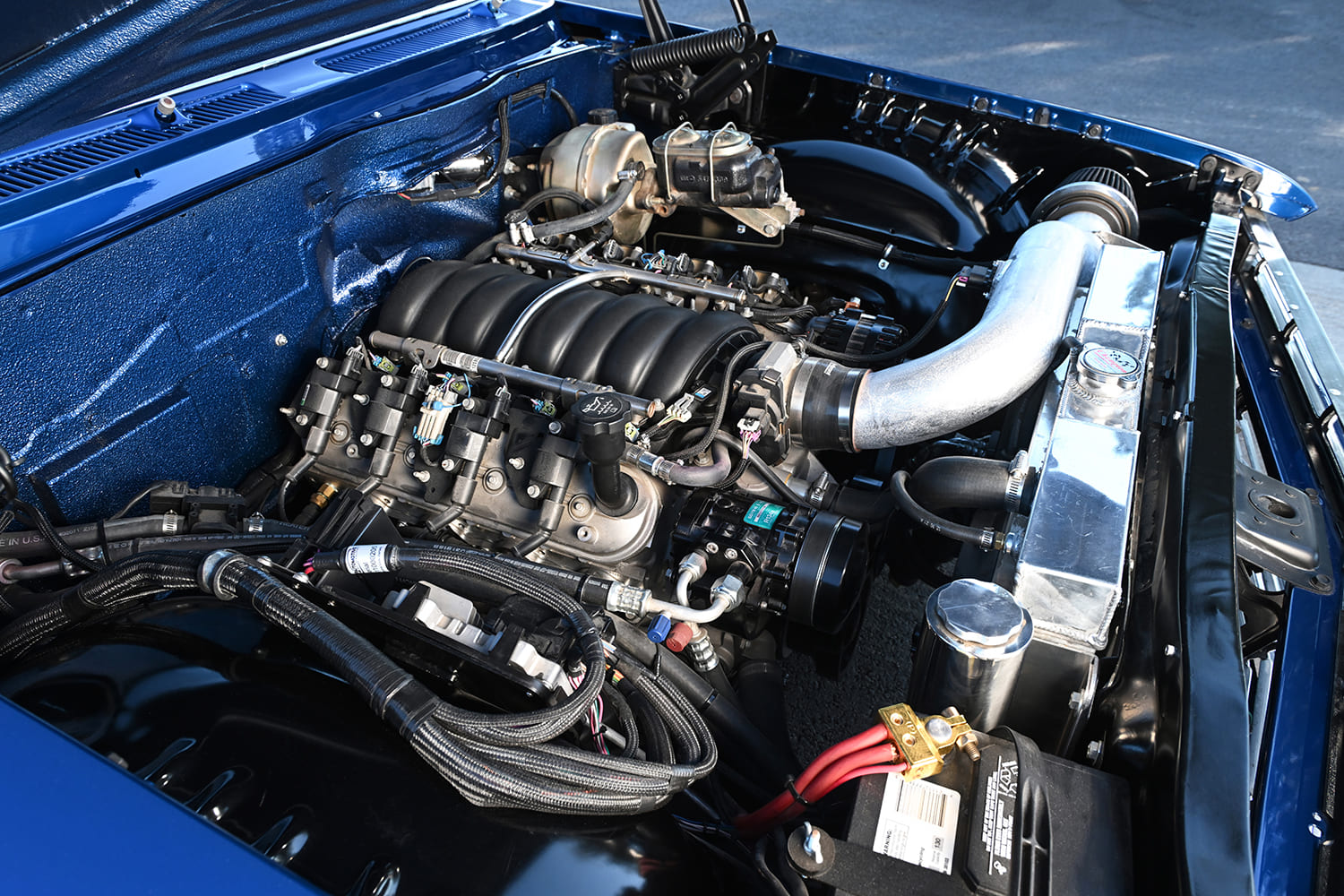
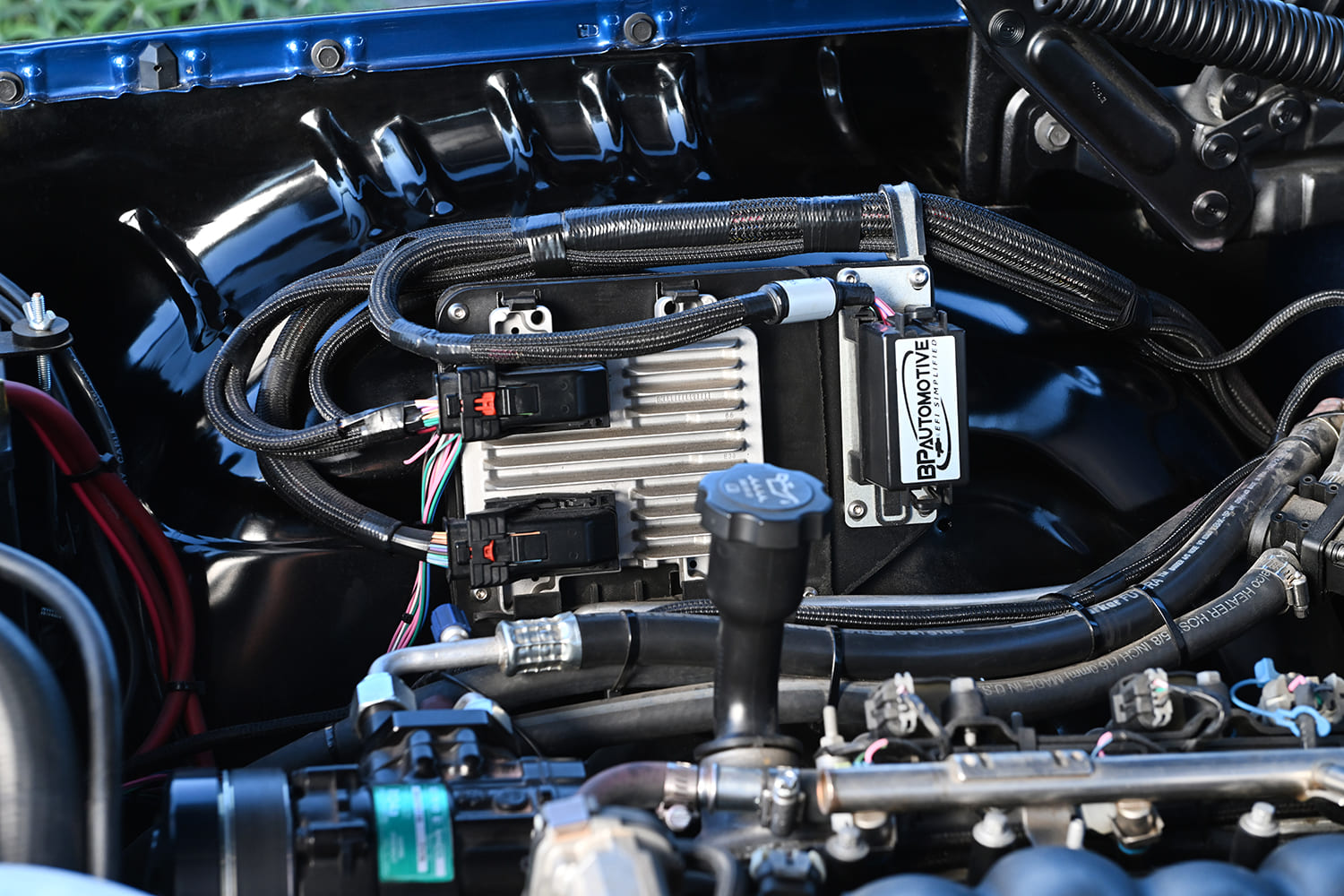
Open the hood and the engine bay reflects the entire philosophy of the build. Nothing screams for attention, and the Wegner accessory drive system keeps everything tight and orderly while a Powermaster 220-amp alternator and Tanks EFI conversion tank make the Chevy behave more like a modern performance car than a six-decade-old survivor.
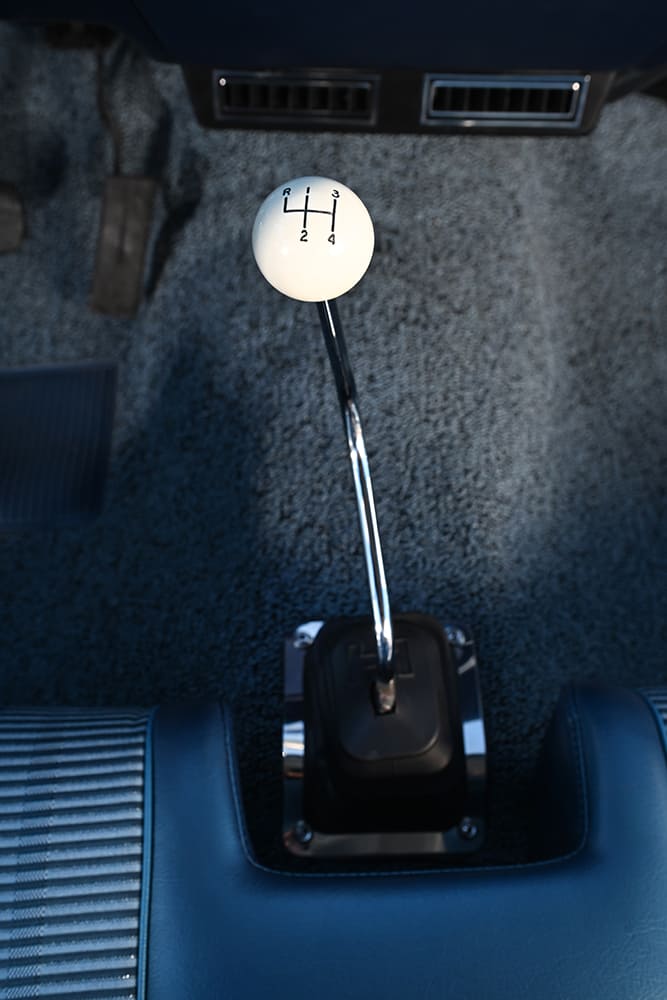
Backing the LS3 is a TREMEC T-56 transmission paired to a Centerforce clutch and Inland Empire Driveline driveshaft ensuring the Bel Air slices through gears with precision while carrying enough overdrive to comfortably stretch its legs on the highway.
The chassis remains mostly stock, and the factory control arms remain in place alongside drop spindles and an upgraded power steering box. Out back, adjustable hardware and POL springs dial in the stance while keeping the ride smooth.
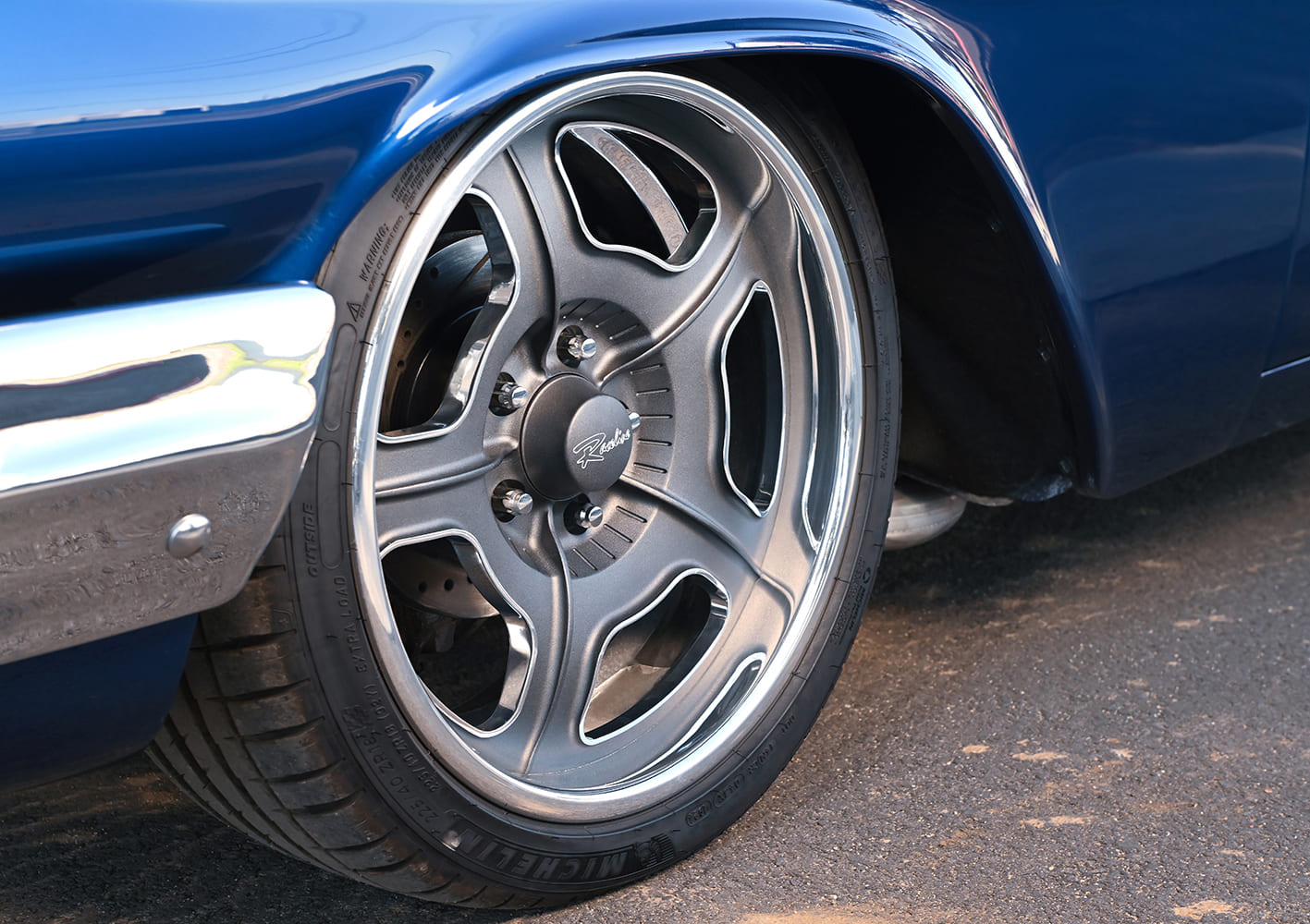
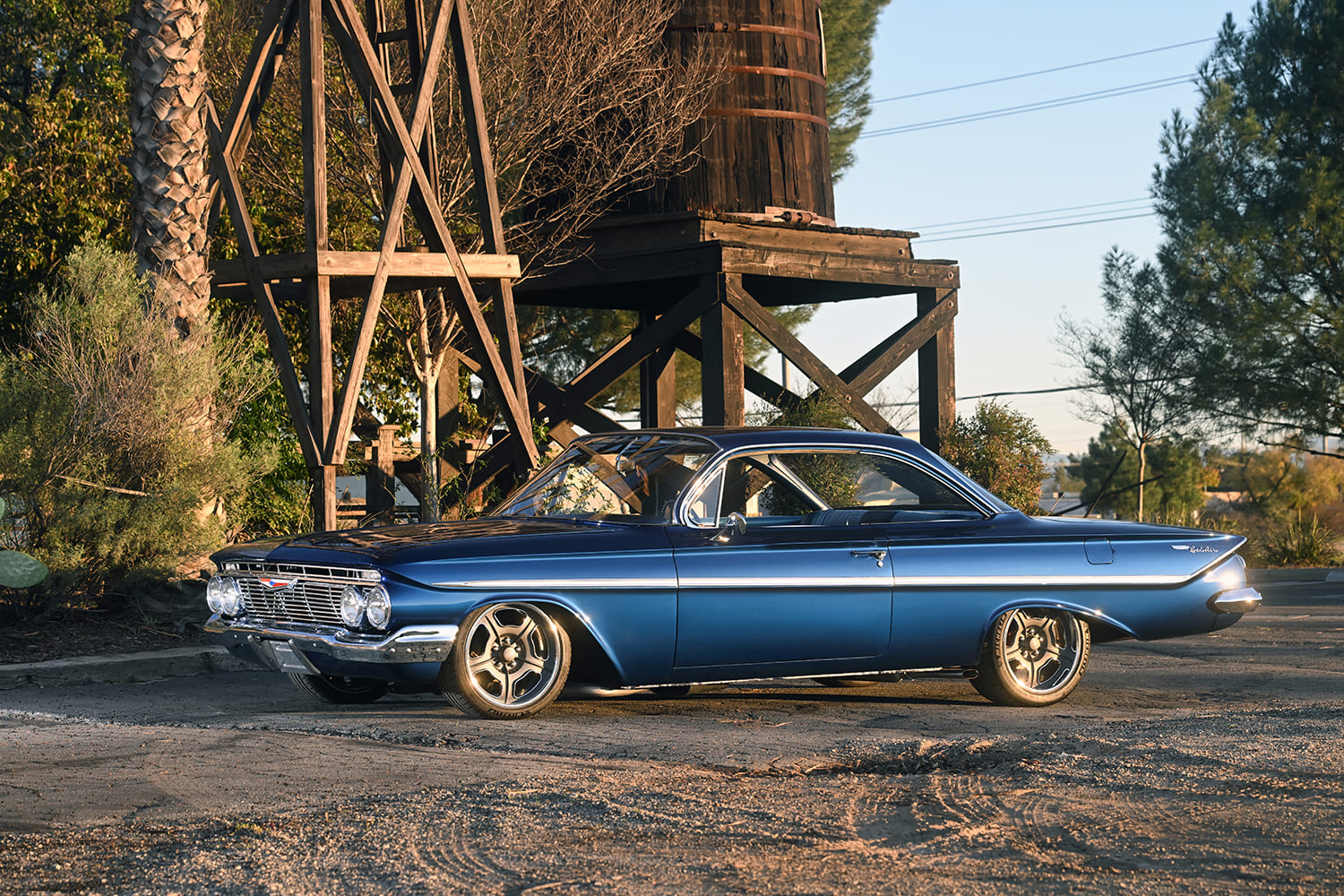
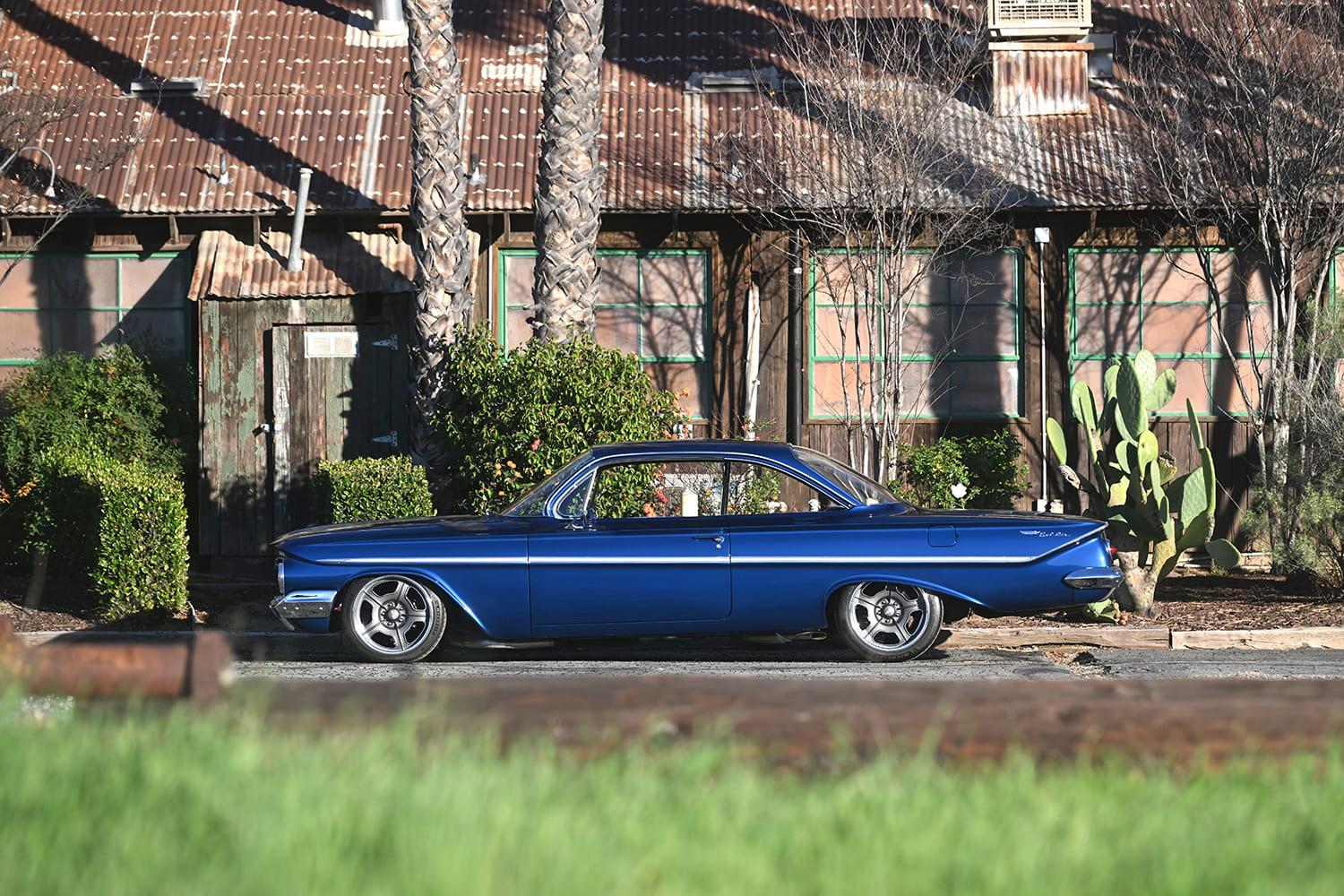
Stance-wise, the Bel Air sits with just enough attitude to let you know it means business. Raceline Fugitive wheels measuring 18×8 up front and 18×9 out back fill the wheel openings perfectly, wrapped in Michelin Pilot Sport rubber to give the Chevy far more grip than what was offered in 1961.
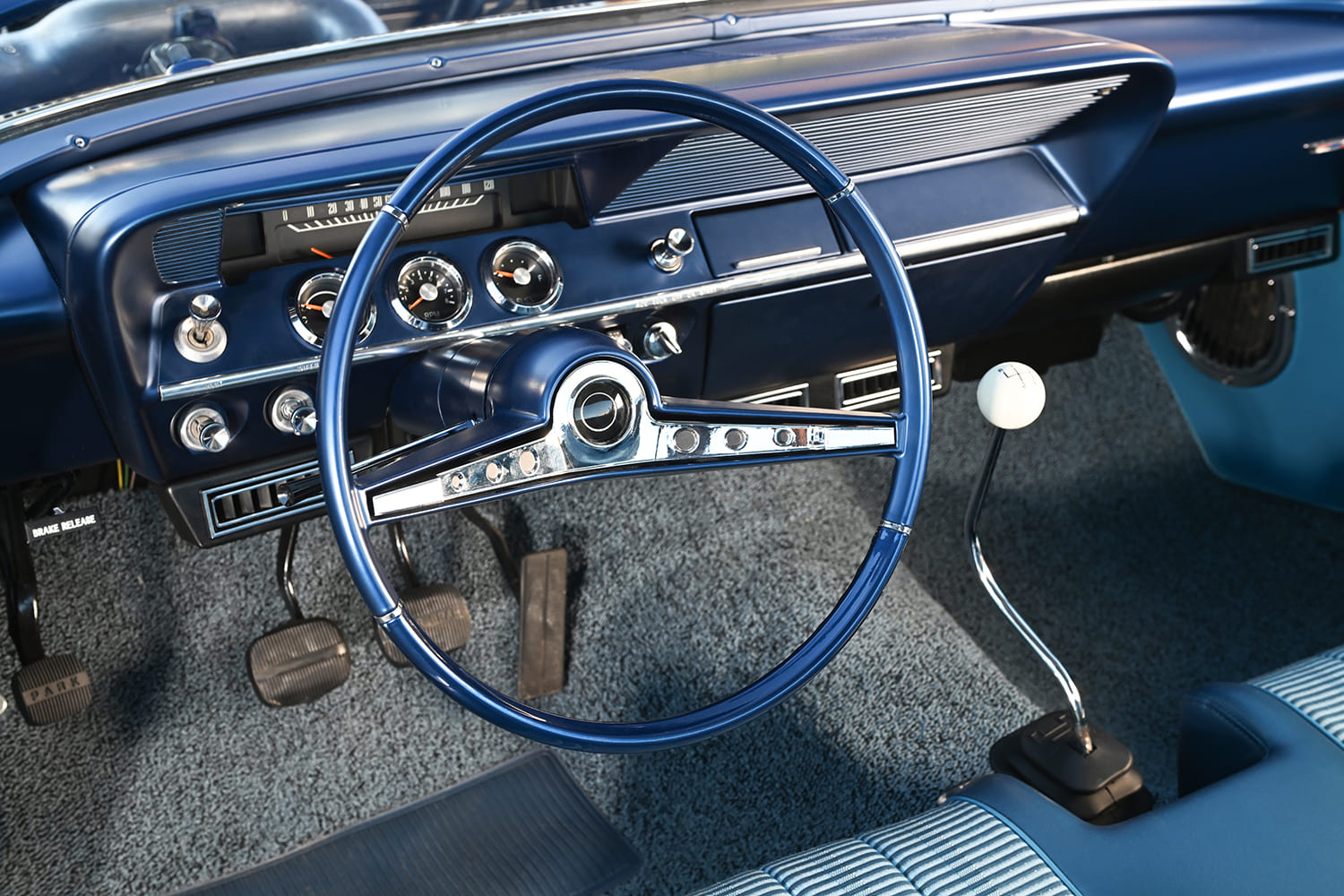
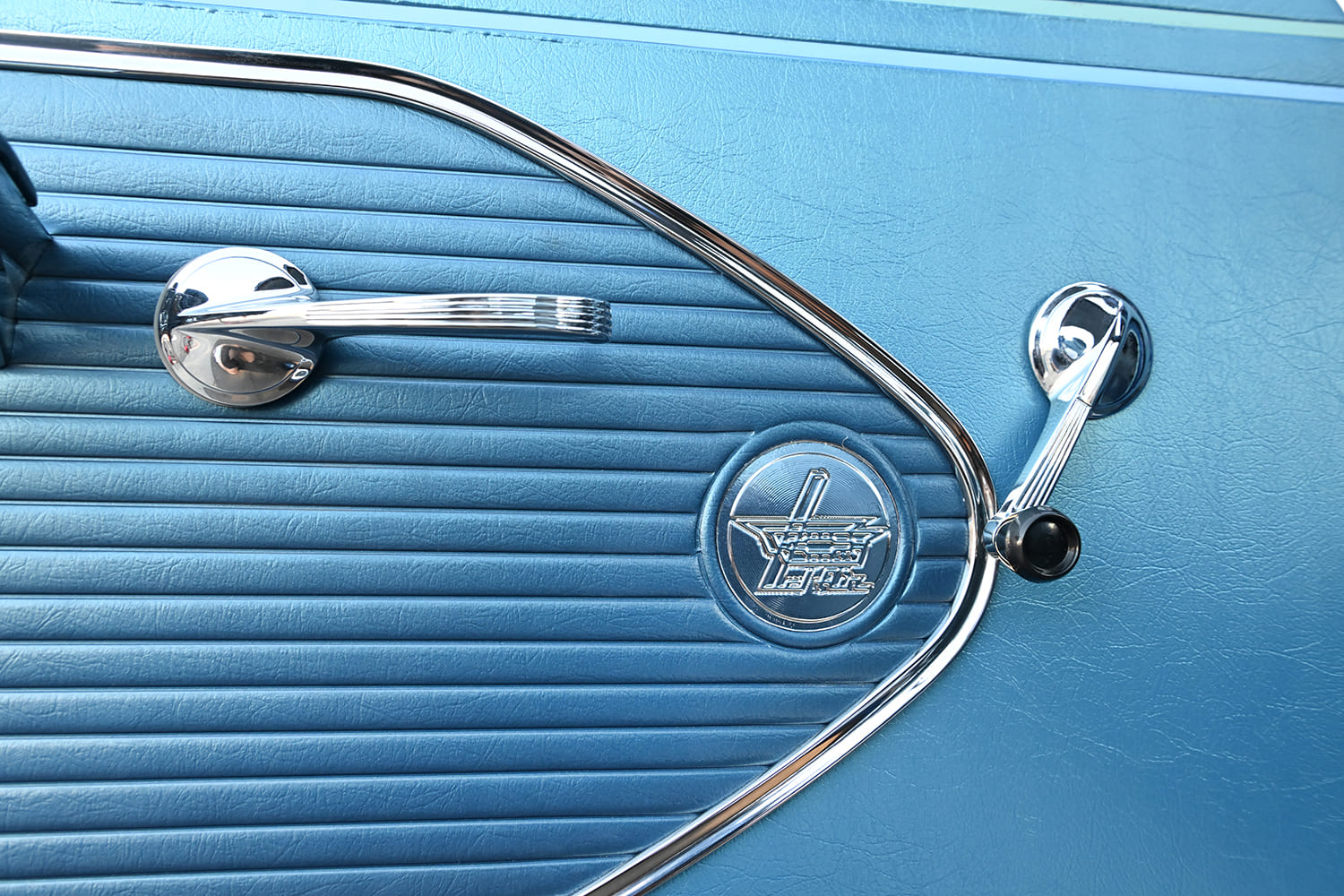
Ron Mangus Hot Rod Interiors in Rialto, California, handled the upholstery work using factory-inspired materials and patterns that preserve the car’s original personality. The factory seats were reshaped and recovered, while custom Ciadella door panels subtly elevate the cabin without drifting into excess.
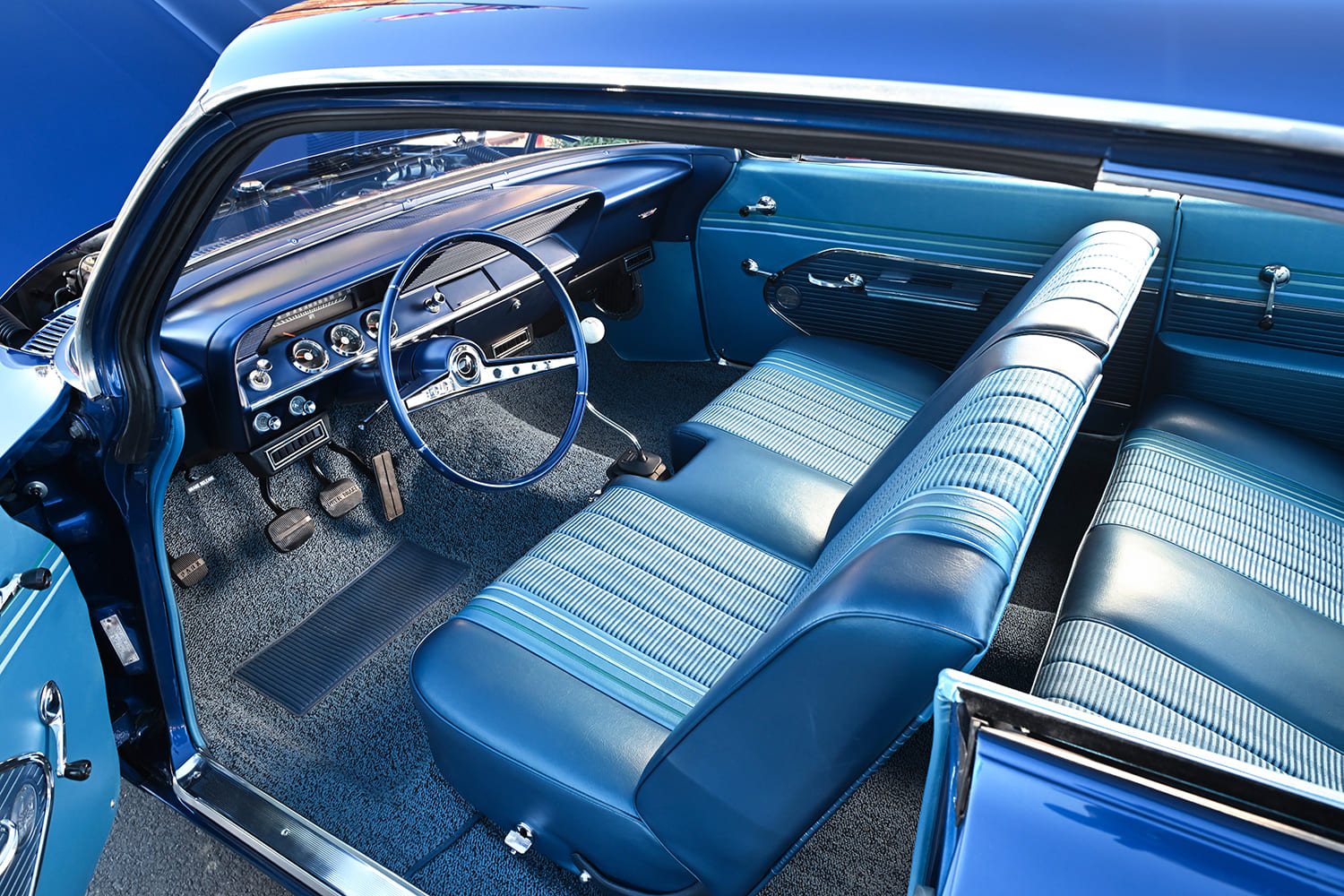
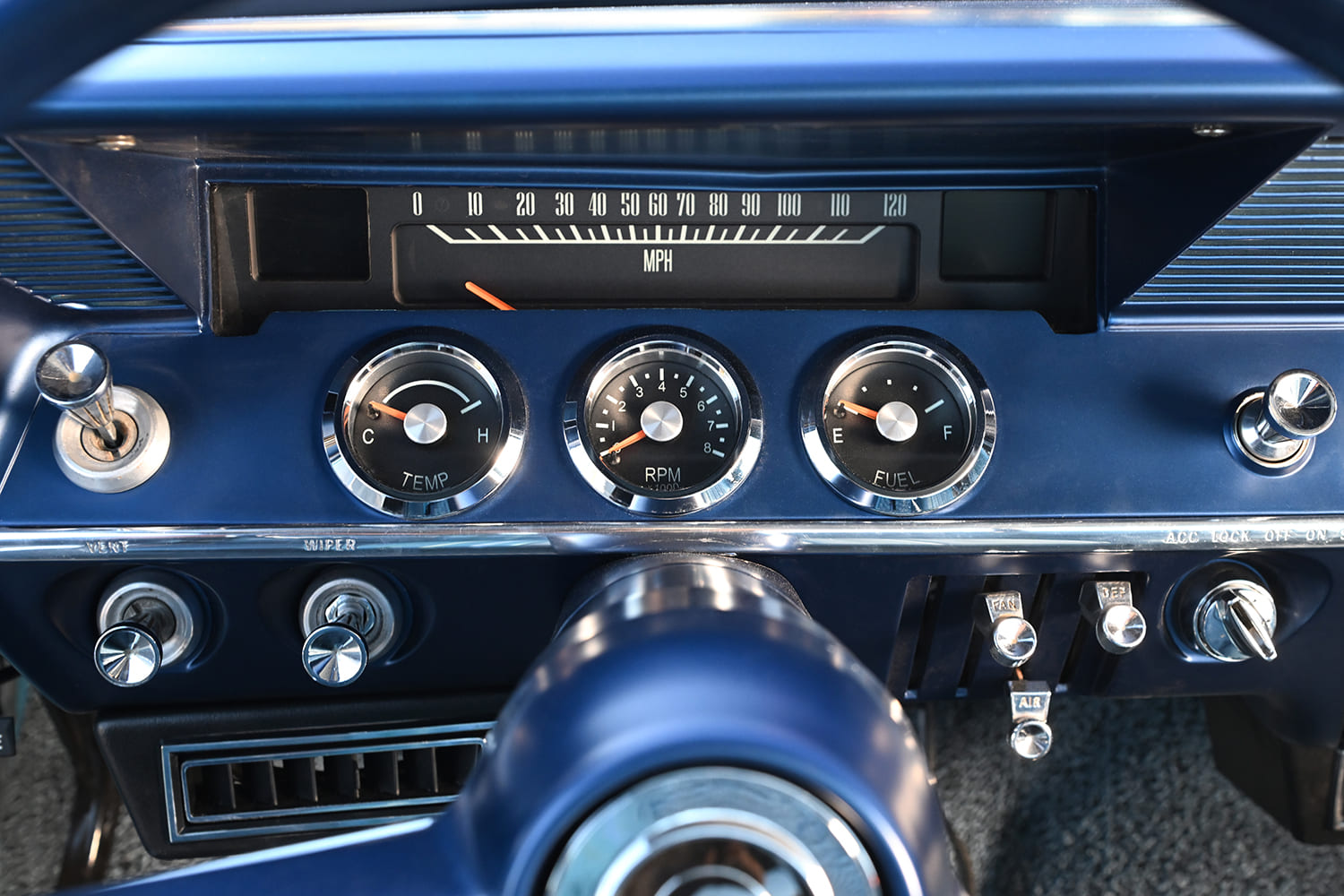
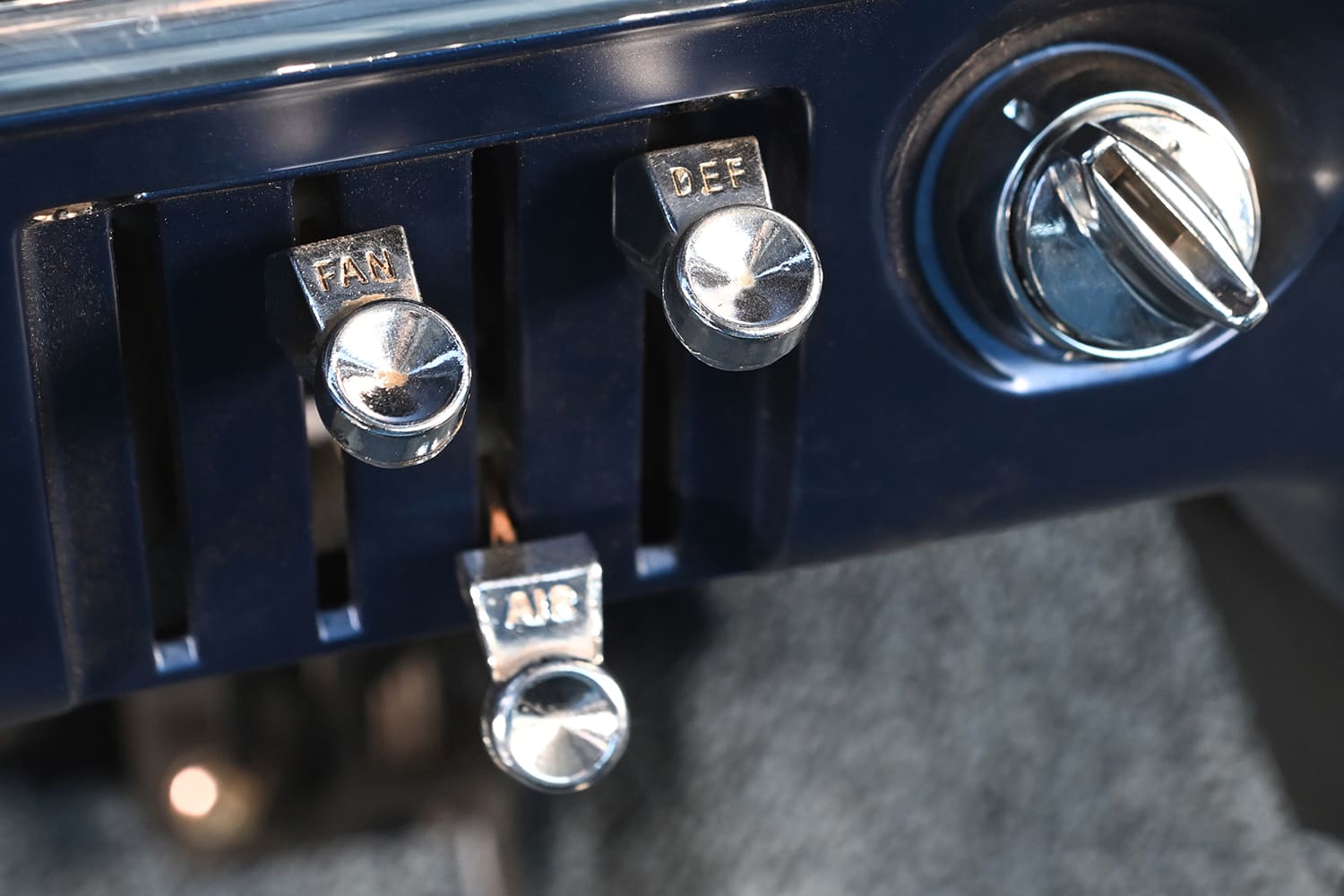
The American Retro 15-inch steering wheel styled after a 1962 Impala piece looks right at home in the cockpit, sitting ahead of the Dakota Digital RTX gauges integrated into the stock dash. Vintage Air climate-control adds modern comfort while American Autowire wiring quietly eliminates the electrical nightmares that can haunt vintage Chevys.
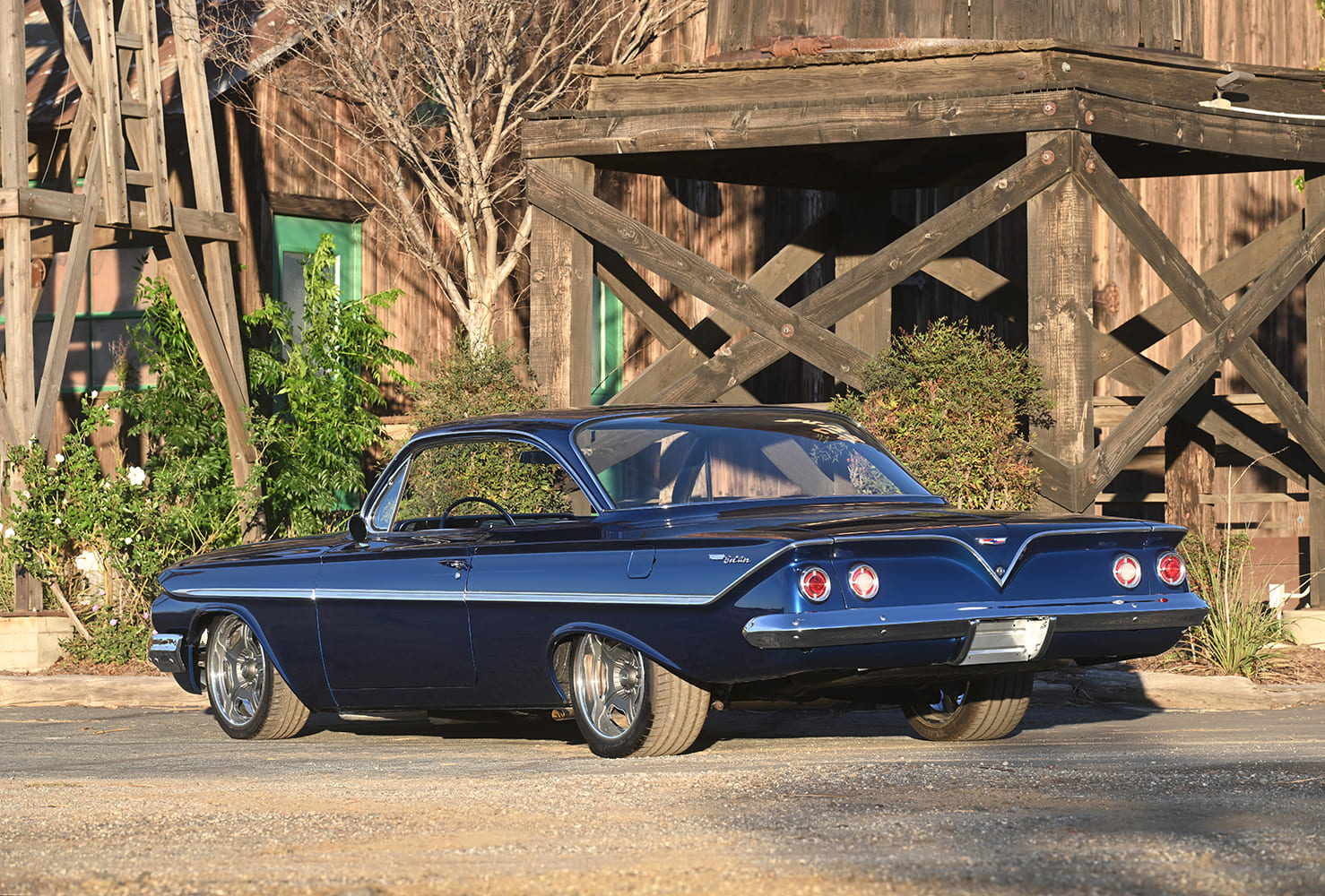
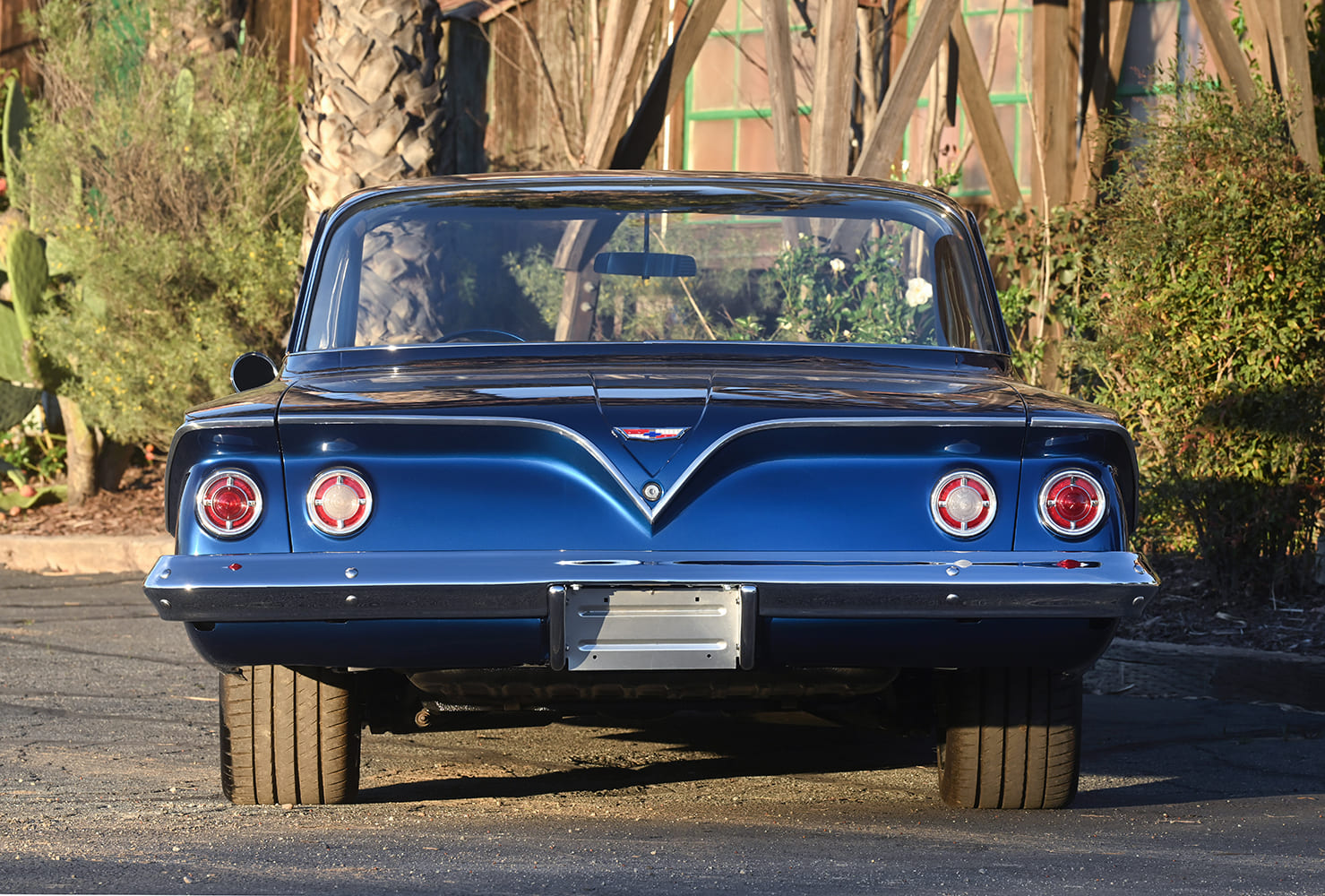
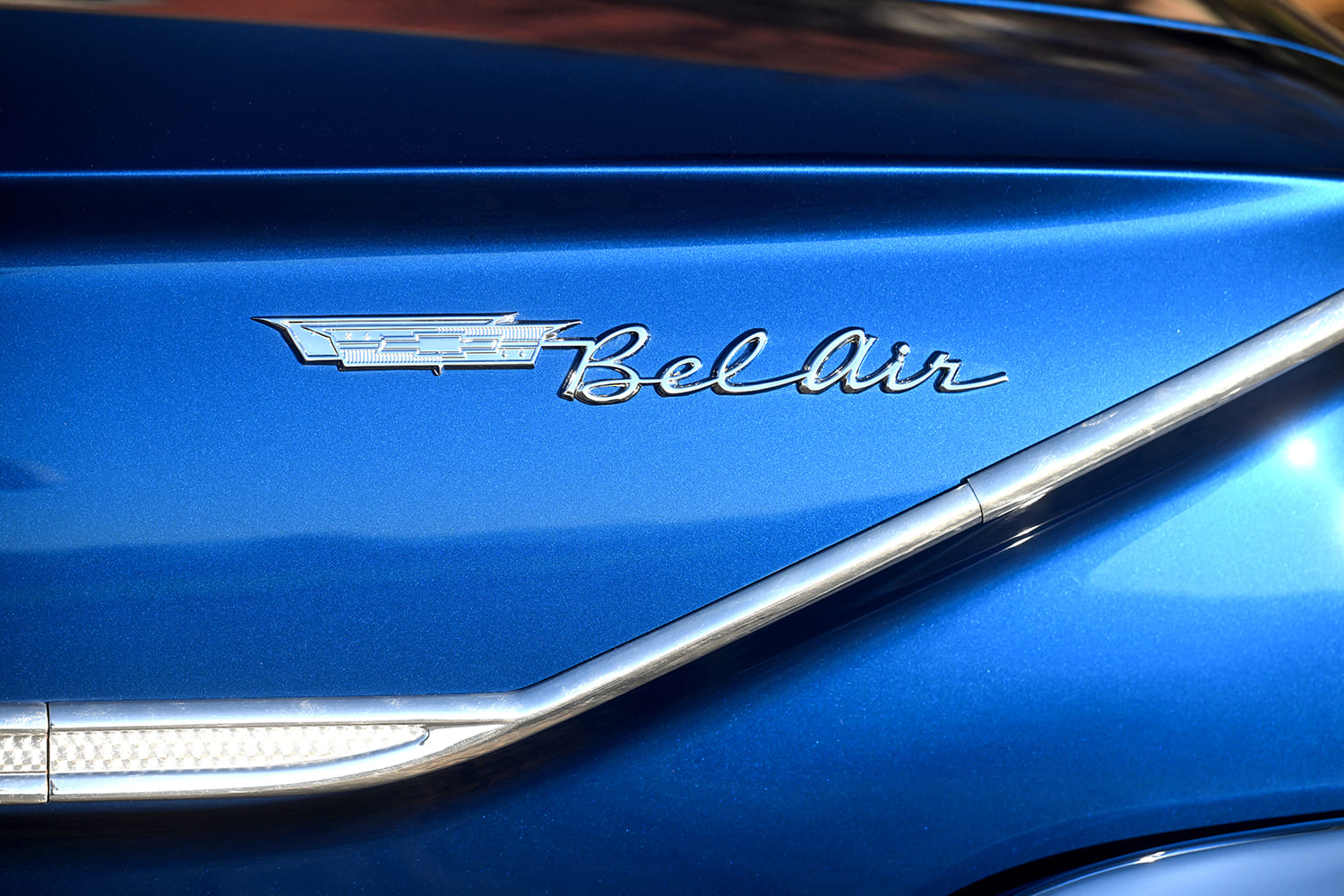
Outside, Hillview Customs in Nuevo, California, handled the body- and paintwork, with Dalton Hill laying down an Axalta custom-mixed blue pigment that looks deep across the Bel Air’s crisp body lines. Chevrolet’s 1961 fullsize cars have always possessed an understated elegance often overshadowed by the flashier ’59s and ’60s cars, but this build reminds you how clean these cars really are.
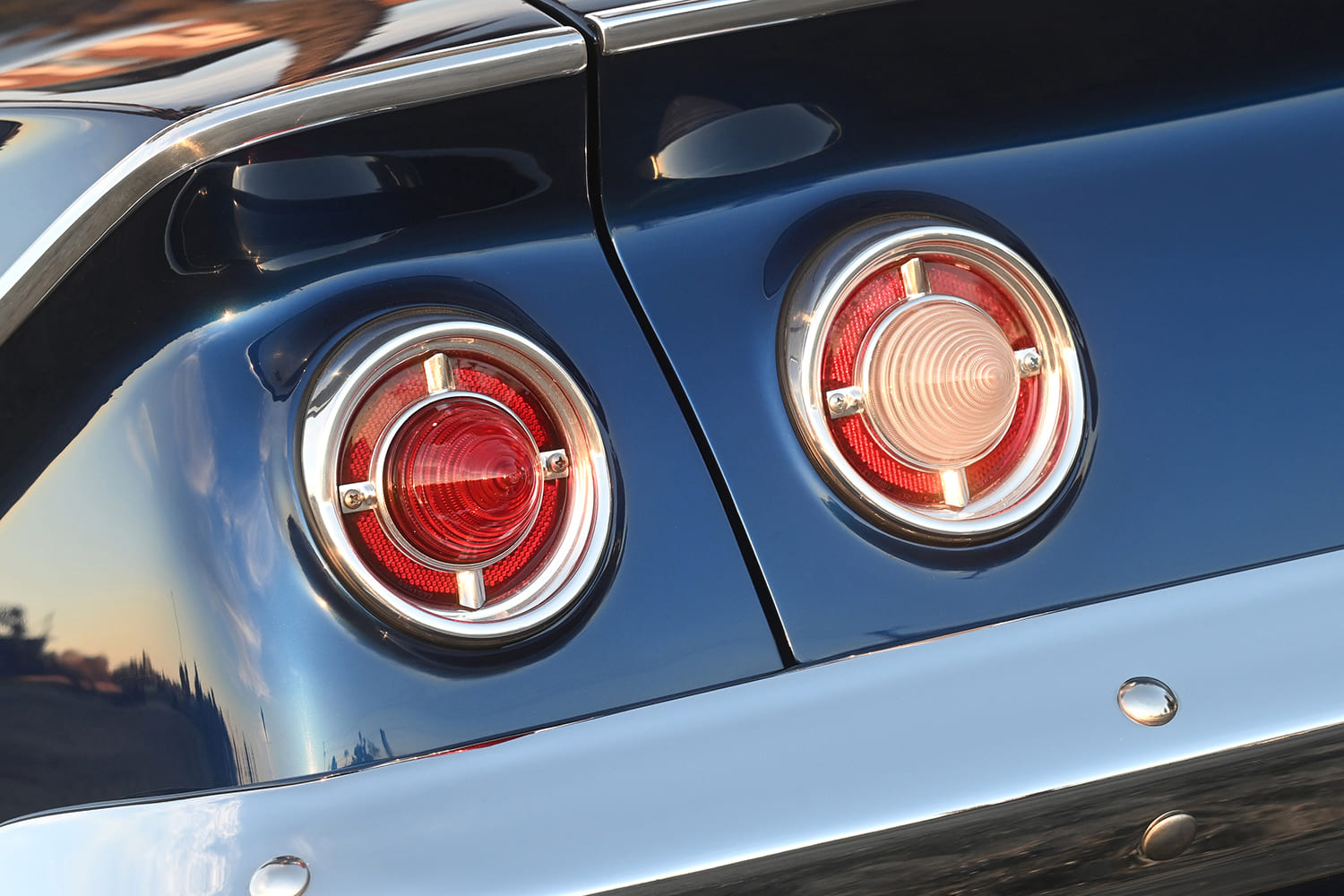
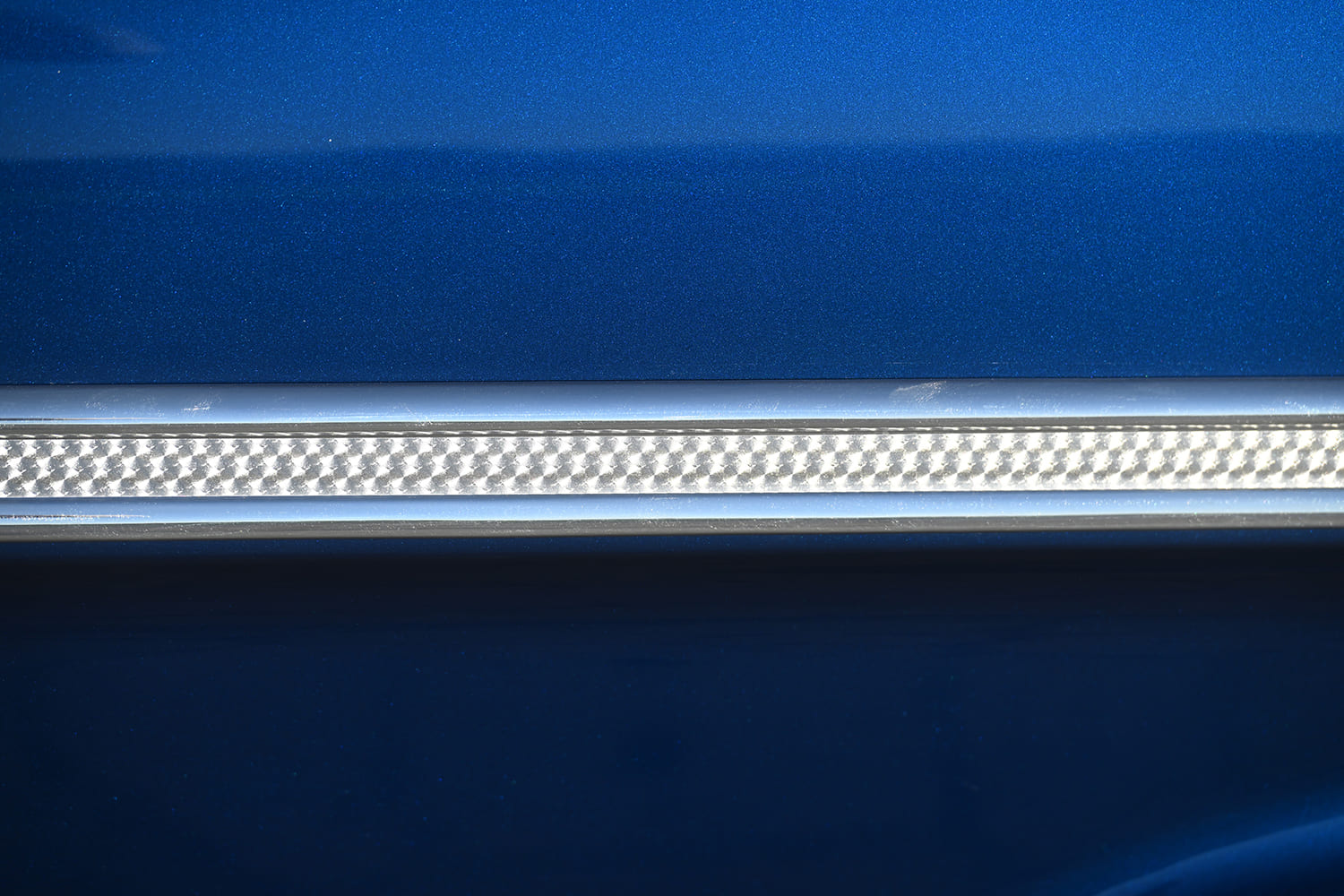
The stock grille, bumpers, headlights, and taillights remain intact, preserving the timeless character Chevrolet designers originally intended. Steve Jones handled polishing duties while Awthentik Wraps applied engine-turning details to the side trim that sharpens the presentation.
The result is a car that’s not over-restored and retains its soul.
In many ways, this Bel Air has become a bridge between Paul’s past and present. A reminder of the cheap Chevy he drove as a teenager, the brother he unexpectedly lost, and the hidden collection that revealed itself like an automotive archaeology dig in the California sun.
Somewhere beneath the smooth paint and LS rumble, that original $150 high-school Chevy still rides along for the journey.
Check out this story in our digital edition here.
TECH CHECK
Owner: Paul Marcinek, Montrose, Colorado
Vehicle: 1961 Chevy Bel Air
Engine
Type: LS
Displacement: 5.3L
Compression Ratio: 10.5:1
Bore: 3.78 inches
Stroke: 3.62 inches
Builder: GM
Rotating Assembly: Powdered metal, I-beam rods, cast-iron crankshaft, hypereutectic cast-aluminum pistons
Camshaft: Hydraulic roller, 0.457/0.466 lift, 191/190 degrees duration at 0.050, 116 LSA
Cylinder Heads: Aluminum, Cathedral port
Induction: LS2
Fuel Injection: GM
Exhaust: Custom rear dump stainless headers, custom stainless 3-inch exhaust, dual MagnaFlow resonators
Valve Covers: GM
Engine Management: E38 ECU, BP Automotive harness
Air Cleaner: Custom aluminum tube, K&N element
Accessory Drive: Wegner Automotive
Ancillaries: Powermaster 220-amp alternator, Tanks Inc. EFI conversion tank with in-tank fuel pumps
Drivetrain
Transmission: TREMEC T-56
Clutch: Centerforce
Driveshaft: Inland Empire Driveline
Rear Axle: GM
Chassis
Chassis: Stock
Front Suspension: Stock control arms with drop spindles, upgraded steering box to power unit
Rear Suspension: Stock with adjustable Panhard bar and POL lowering springs
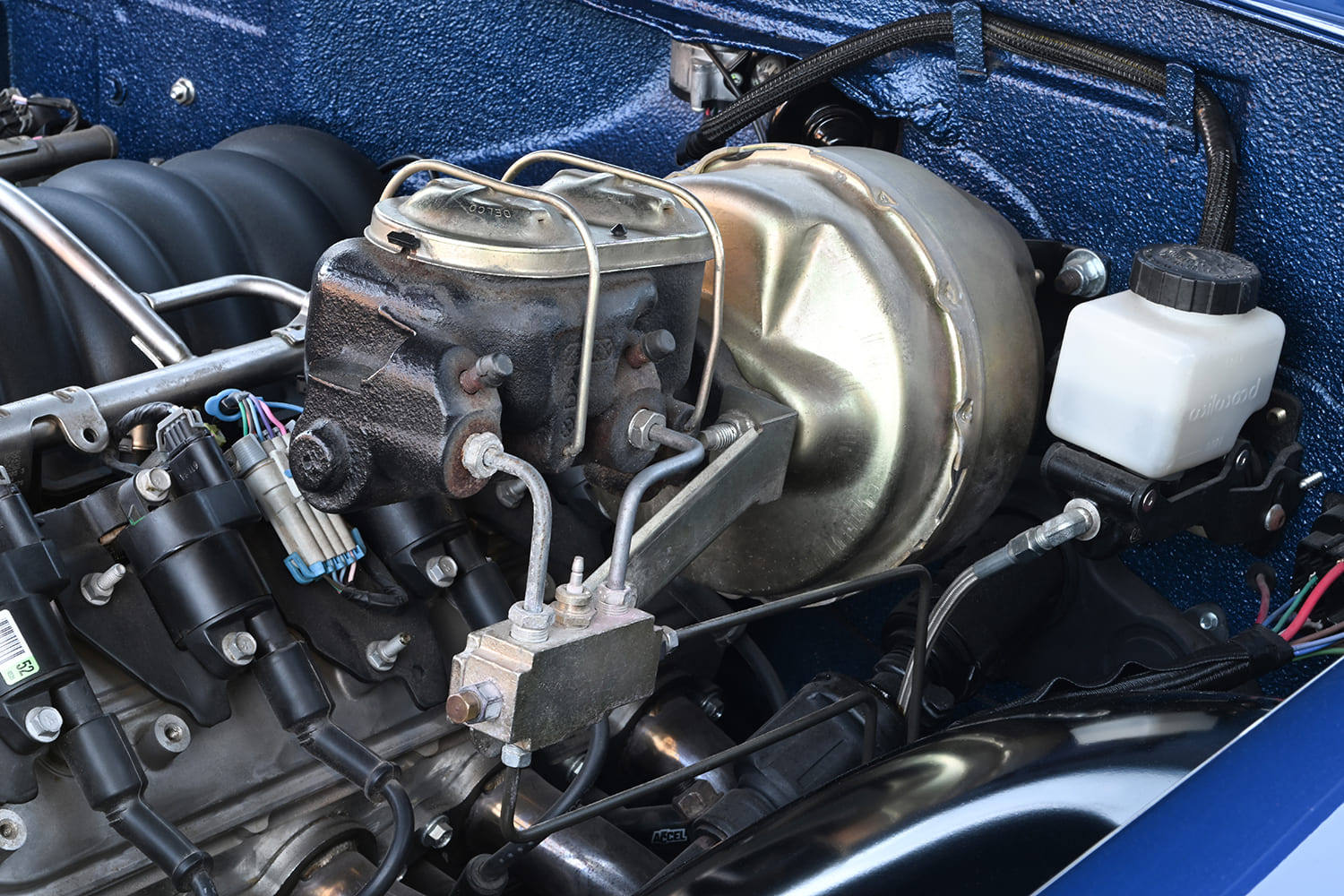
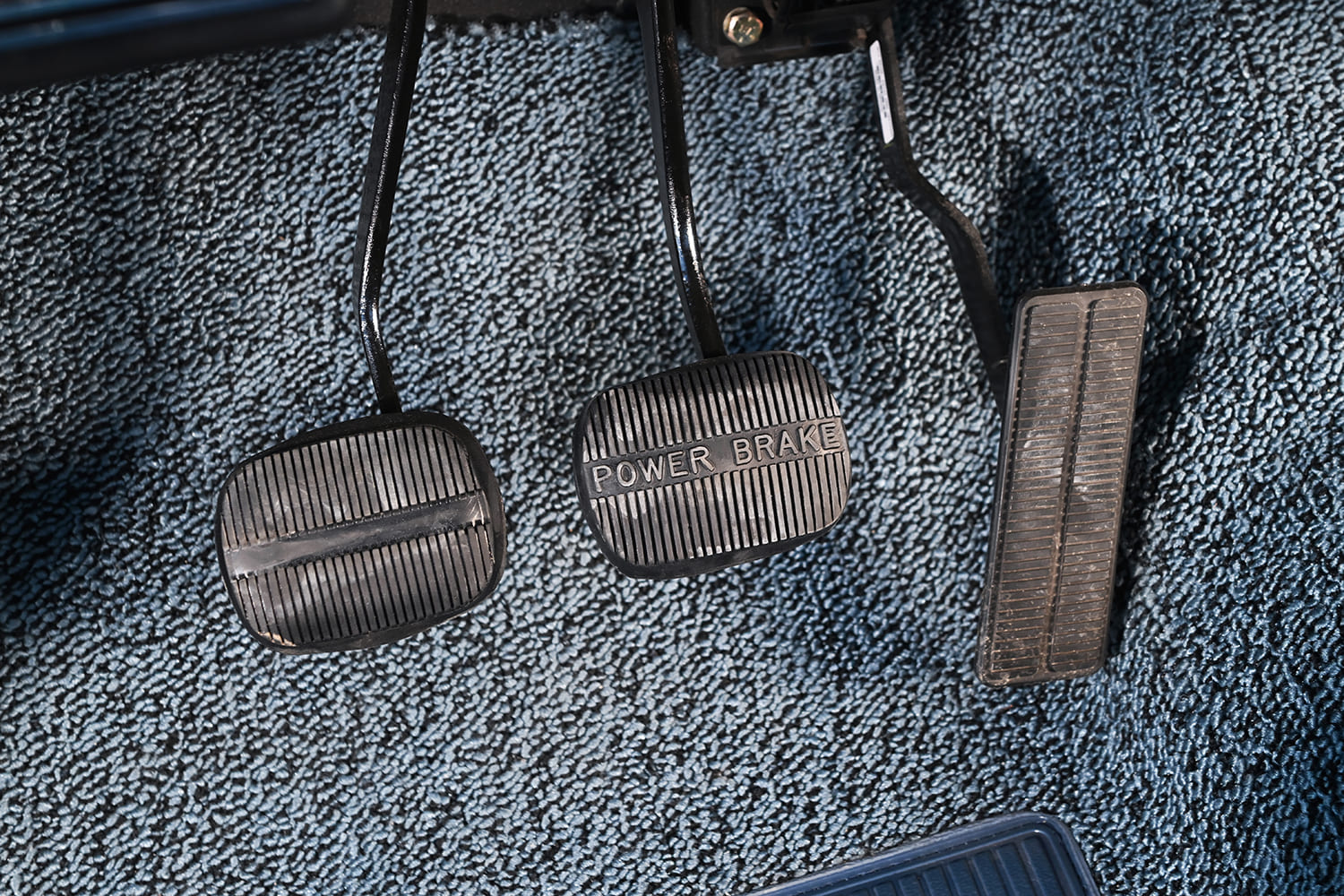
Brakes: Factory GM, ABS Power Brake master cylinder
Wheels & Tires
Wheels: Raceline Fugitive 18×8 front, 18×19 rear
Tires: Michelin Pilot Sport 255/40R18 front, 285/35R18 rear
Interior
Upholstery: Factory-style carpet and headliner by Ron Mangus Hot Rod Interiors (Rialto, CA)
Door Panels: Custom from Ciadella Interior
Seats: Factory reshaped and covered by Ron Mangus
Steering: American Retro 15-inch 1962 Impala steering wheel
Shifter: Stock 409
Dash: Stock painted to match exterior
Instrumentation: Dakota Digital RTX gauges
Wiring: American Autowire
HVAC: Vintage Air
Entertainment System: None
Exterior
Bodywork and Paint: Hillview Customs (Nuevo, CA)
Painter: Dalton Hill
Paint: Axalta custom mix; PPF and engine-turned on side trim by Awthentik Wraps
Grille: Stock
Bumpers: Stock
Headlights and Taillights: Stock
Polishing: Steve Jones