


By Fuelish Media – Images by the Author
Building a vintage performance car from scratch is impressive, but restoring one with a rich regional history is far more rewarding. Jonathan “Hoss” Nagel has grown up around Corvettes. His dad bought his first old car when Hoss was only 10, and when he turned 16 Hoss received a crashed 1958 Vette project car from Pops. “My dad and I mainly worked on old Corvettes,” he states. “We turned that ’58 into a legit Pro Street car that was featured on the cover of Hot Rod magazine’s Jan. ’90 issue. I was only 18 at the time, but it cemented my love of these cars for the rest of my life.”
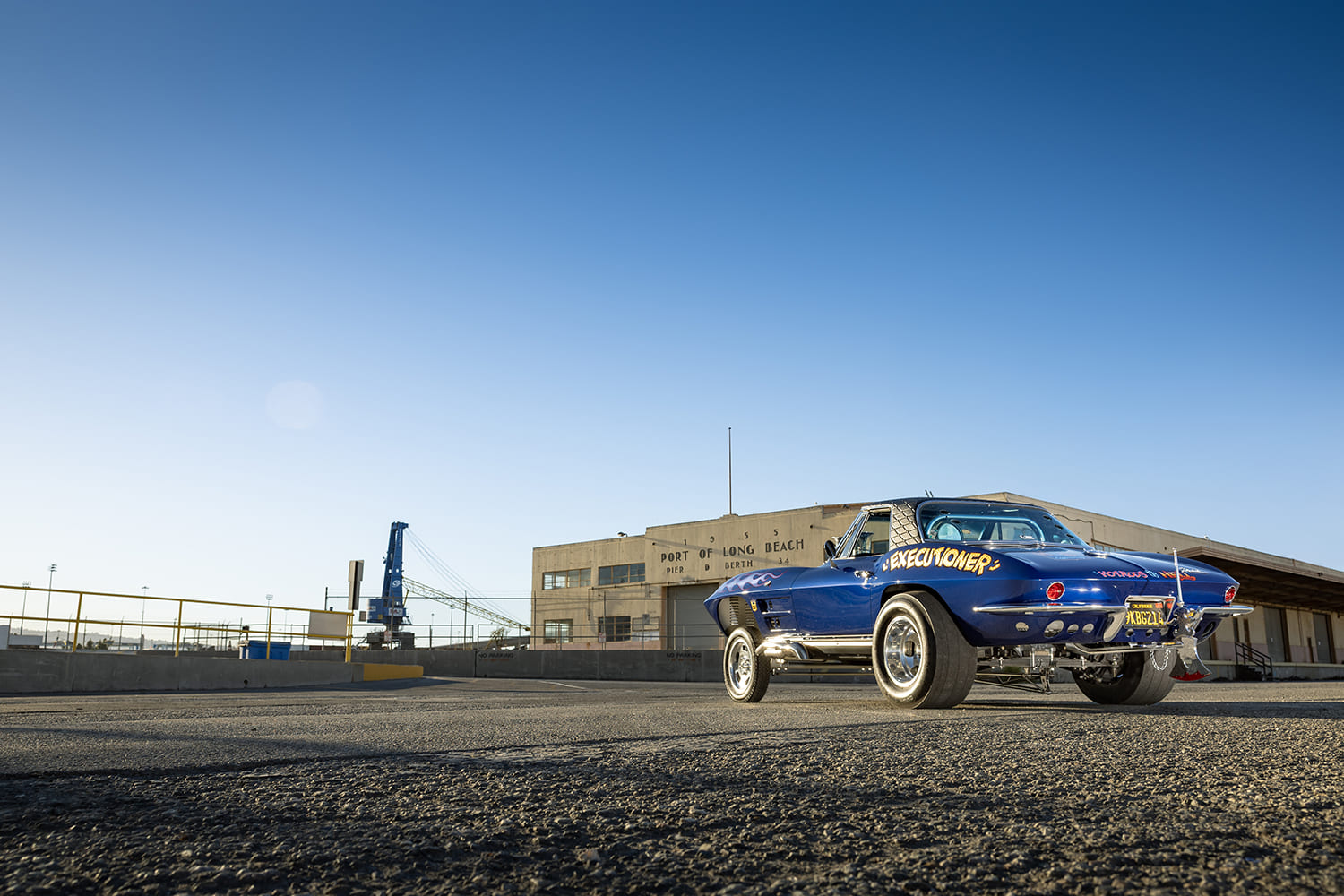
Hoss enjoys spending his downtime browsing online classified ads for Corvettes. It’s just what he does. He spotted a ’64 for sale not too long ago, and the seller included two black and white photos of what it used to look like in the late ’60s. While some modernization had taken place over the years, Hoss liked what he saw in the old photographs. “All the car’s over-the-top modifications of the era were changed,” he says. “Somehow, its ‘coolness’ was erased throughout the years. I found out that the car was originally built into a straight-axle setup by Bob Regan in Milwaukee in 1968. The car was raced at the Great Lakes Dragway a few times, but over the years it changed hands and eventually made its way out to the West Coast.”
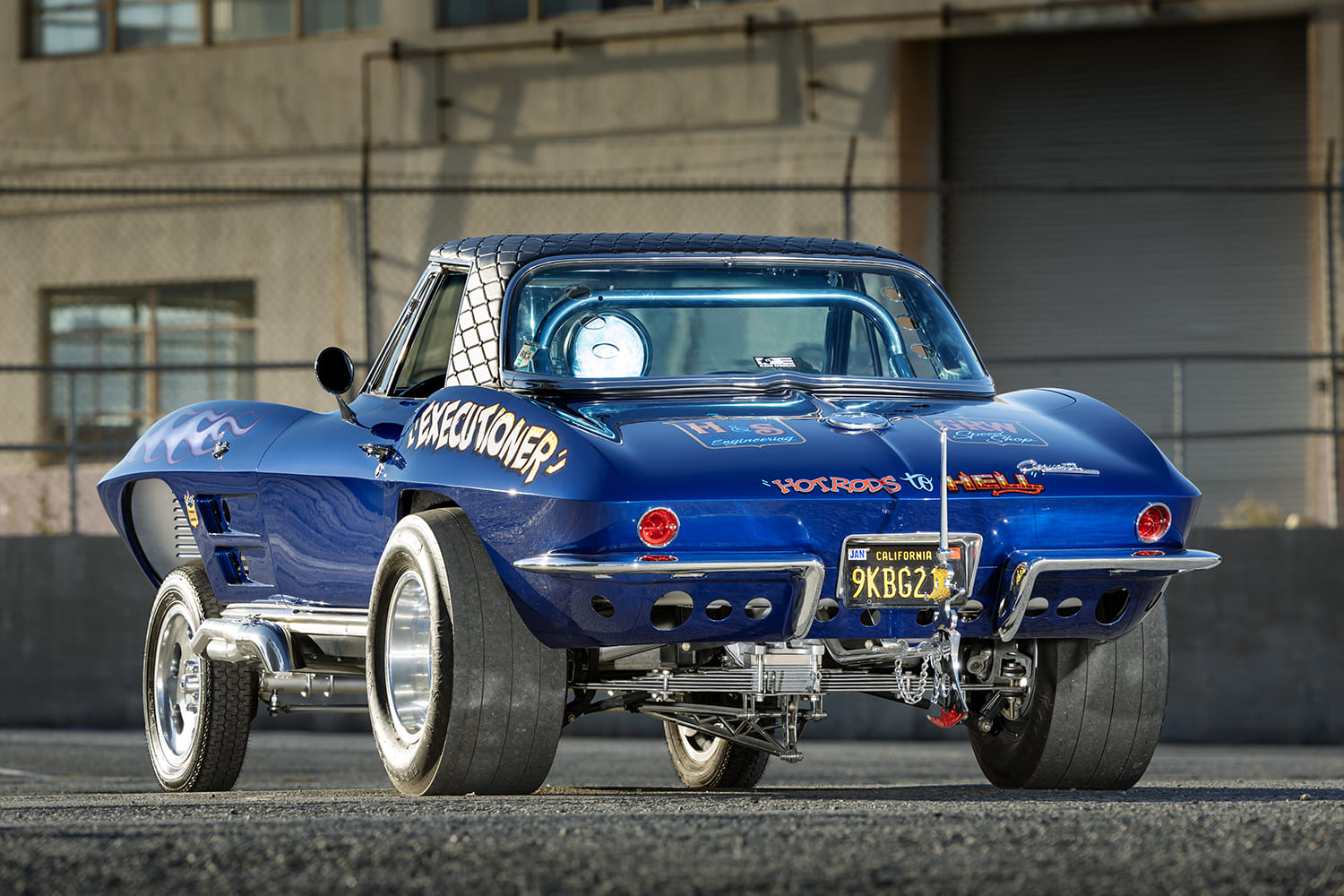

Now, some periods of the car’s history get a little fuzzy, but after this ’64 reached California, it underwent a bout of restoration but then its owner died and it was sold off. “Bill was who I bought the car from,” Hoss adds. “He filled me in on as much info as he could. It was helpful to learn more about its Midwest roots. I had already owned several Corvettes by this point, but I always wanted to build a period-style gasser version. This car seemed to be the right one to do that with.”
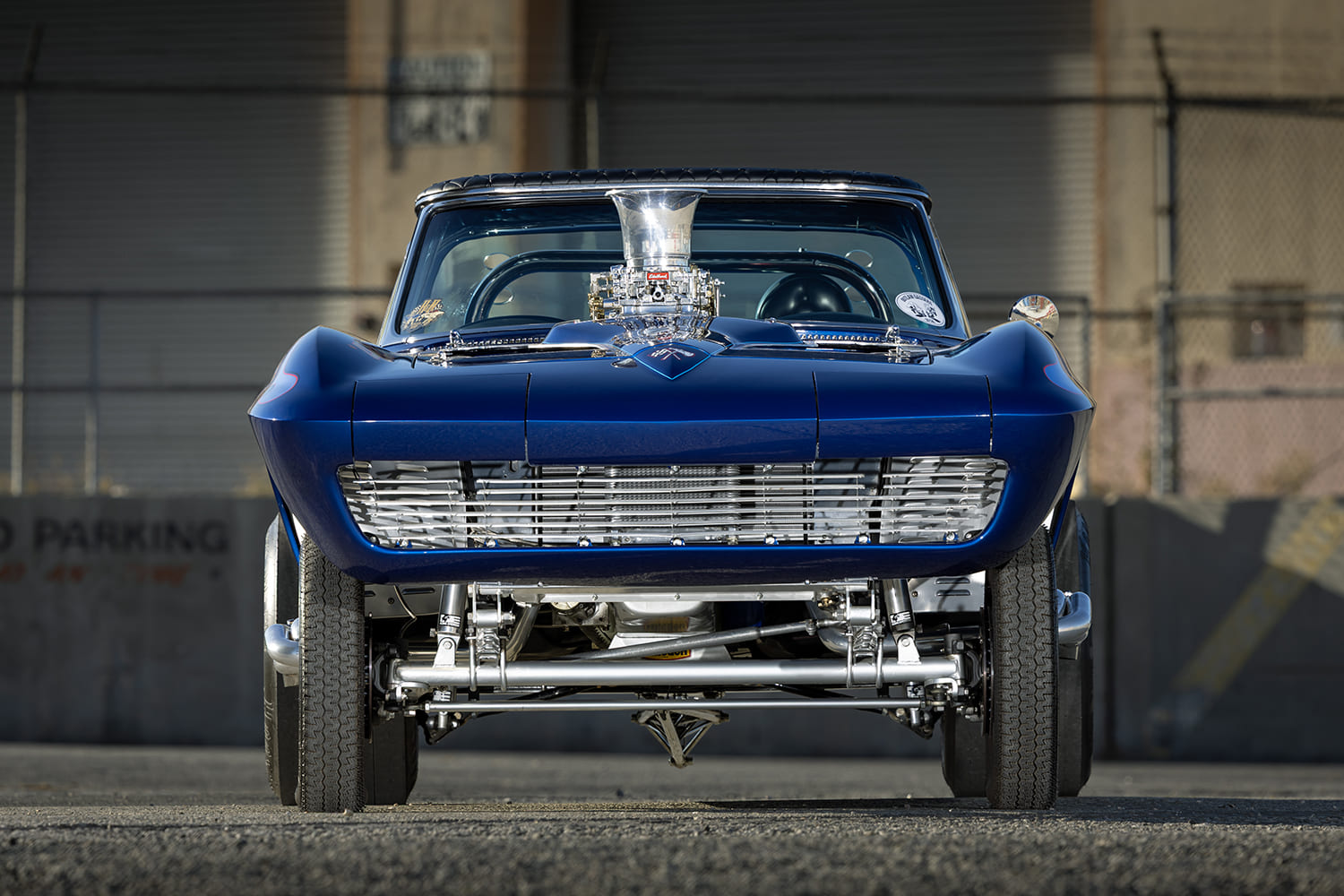
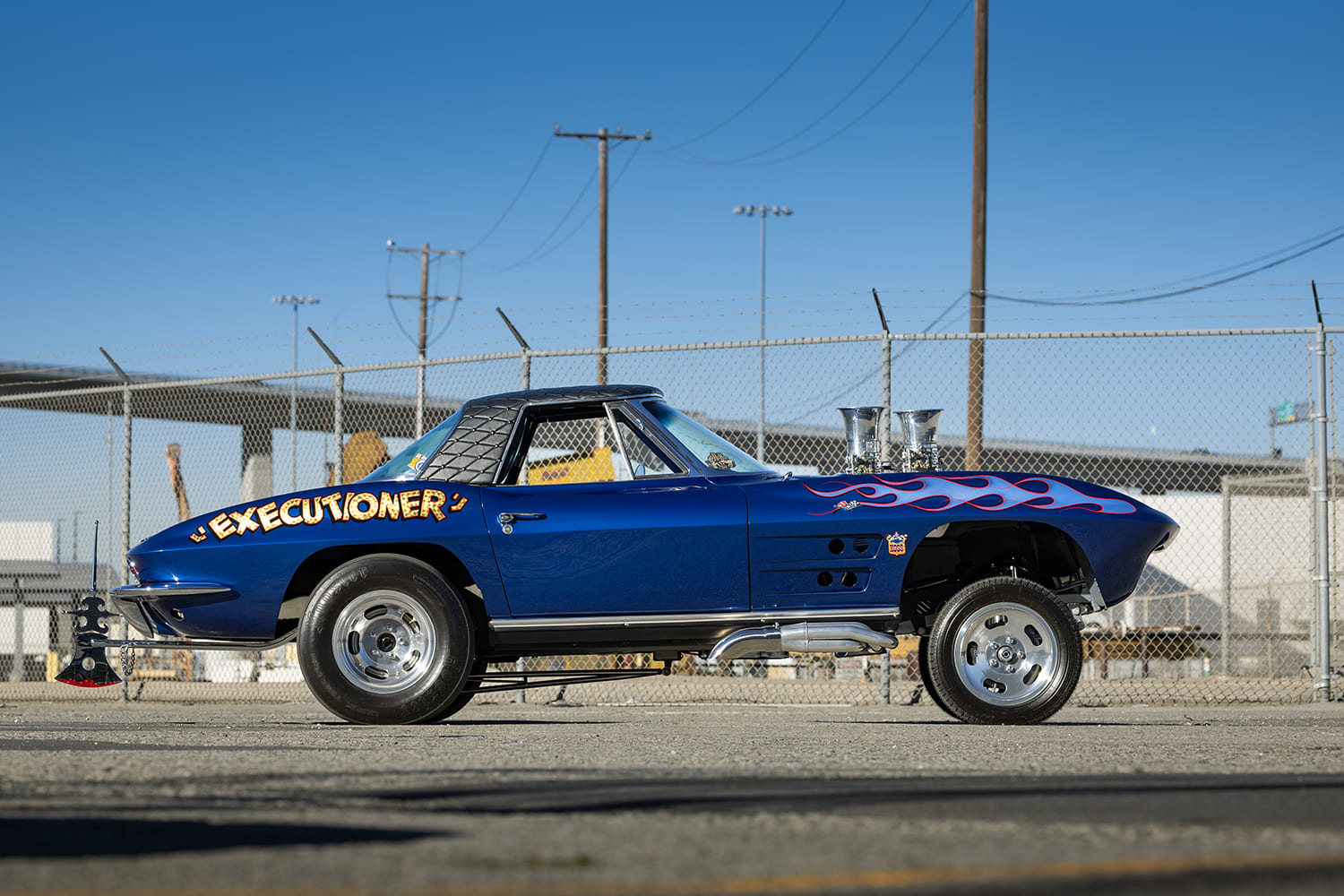
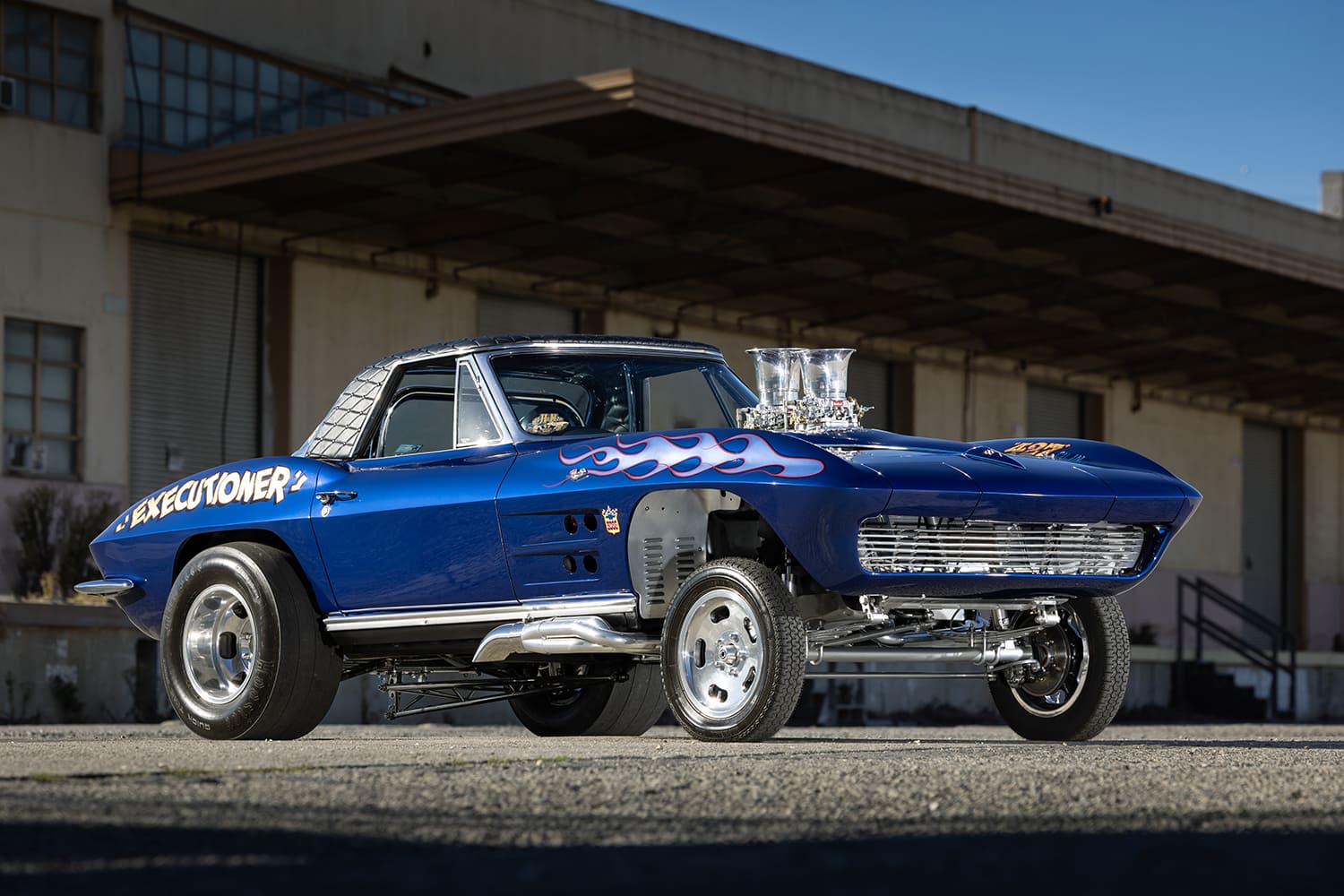
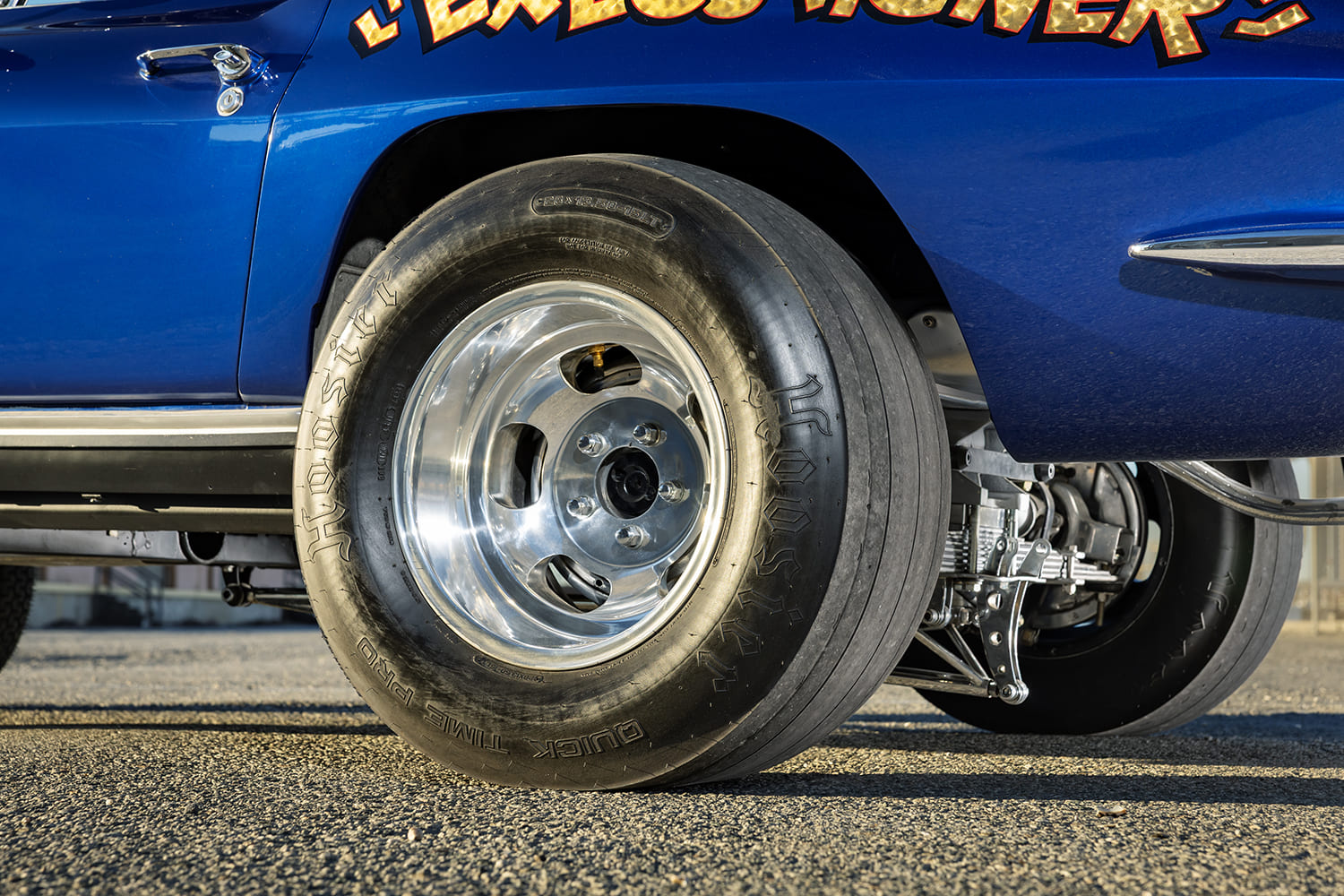
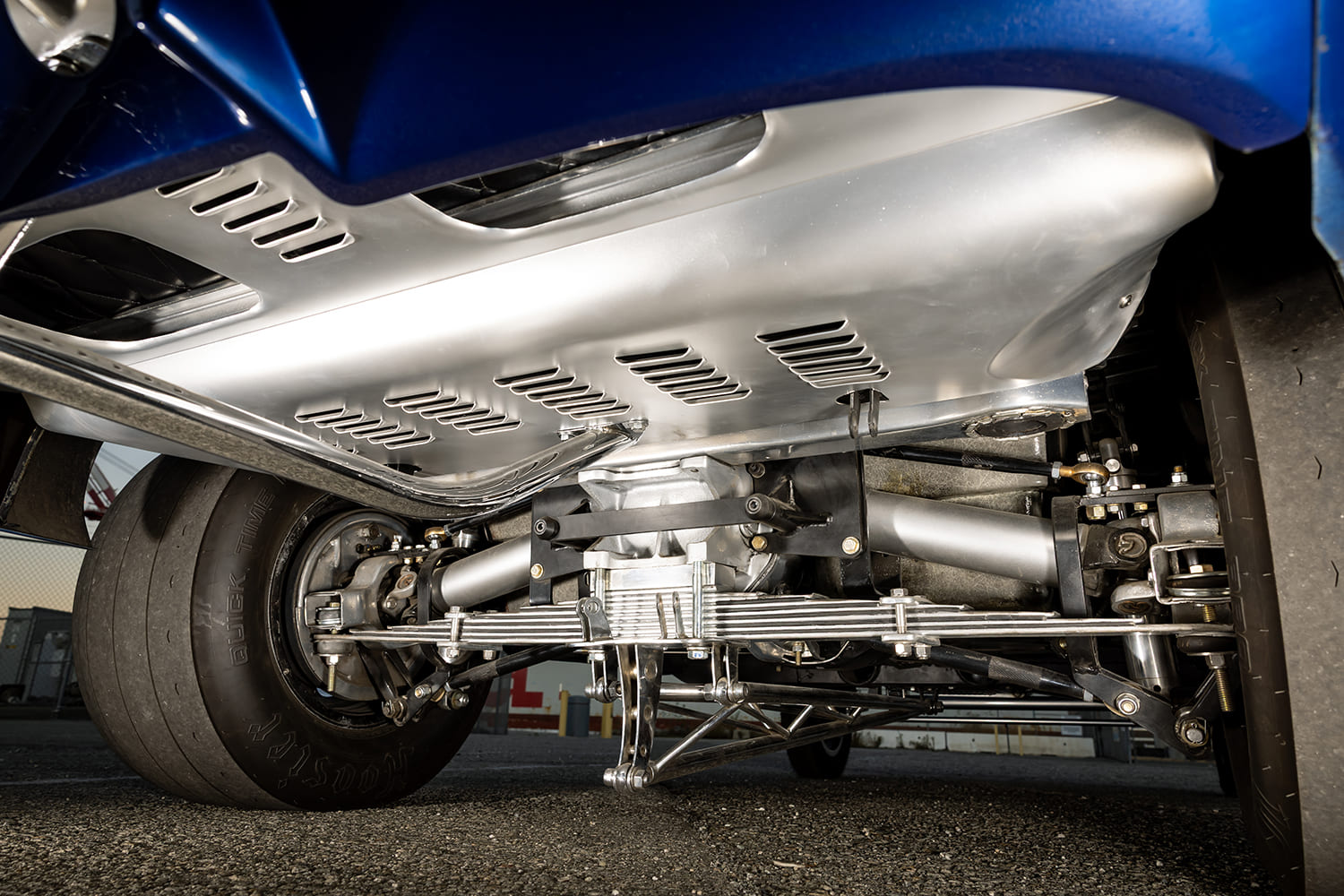
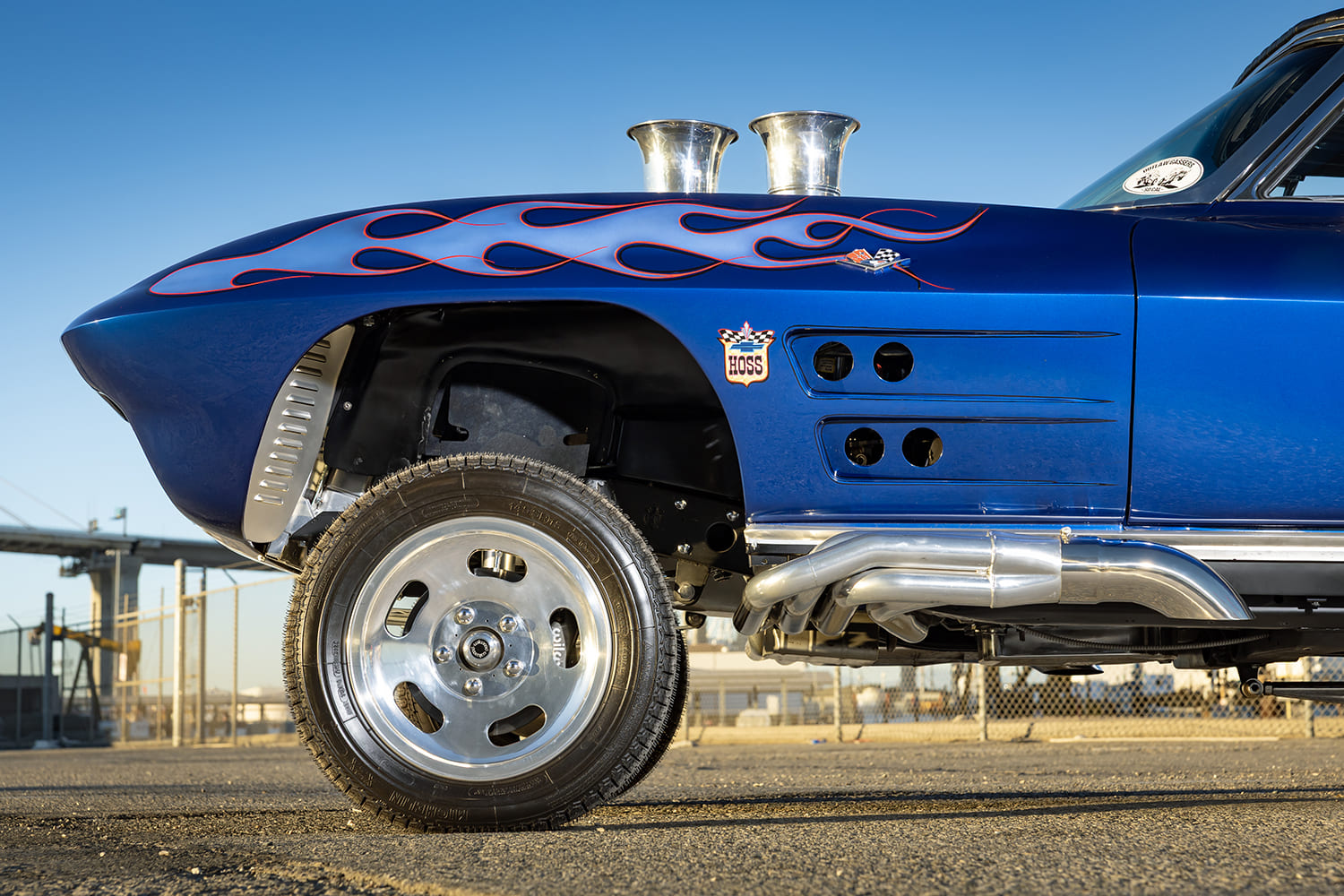
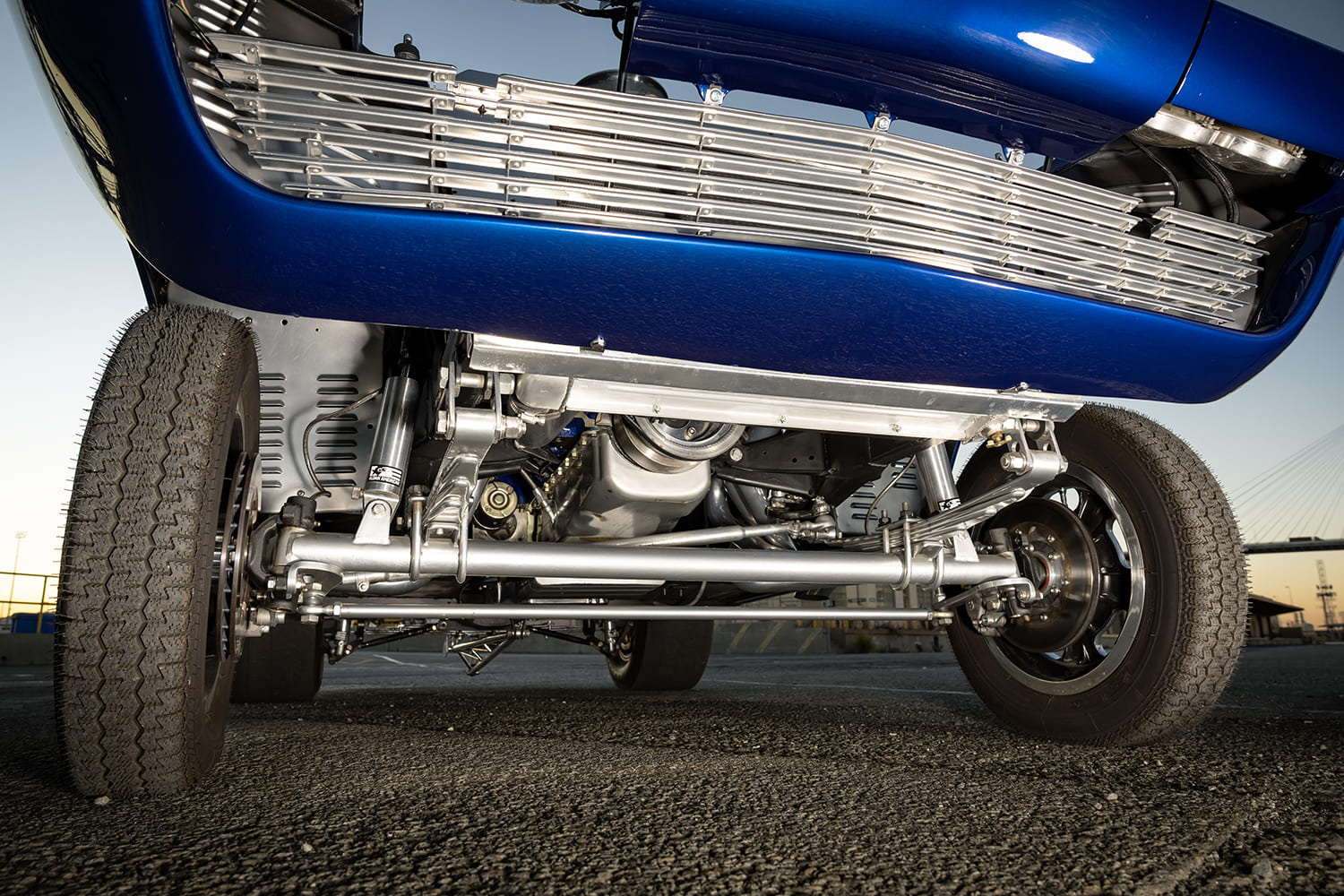
Hoss’ most important challenge going forward with the project was to make the modifications he wanted while staying true to the car’s original late-’60s build. He figured it was best to start working on the Corvette from the ground up. Along with friends Bruce Boardman and Paul Solis, the guys refreshed the front straight-axle modification that was originally done in 1968. Suspension components in the way of front Speedway spindles, custom Deaver leaf springs, and a Dragvette six-link get the Corvette’s ride height and performance dialed in. To further improve the car’s stance, a set of staggered-width wheels, 3.5 inches up front and 10 inches in the rear, were mated with performance rubber to truly complete the gasser aesthetic.
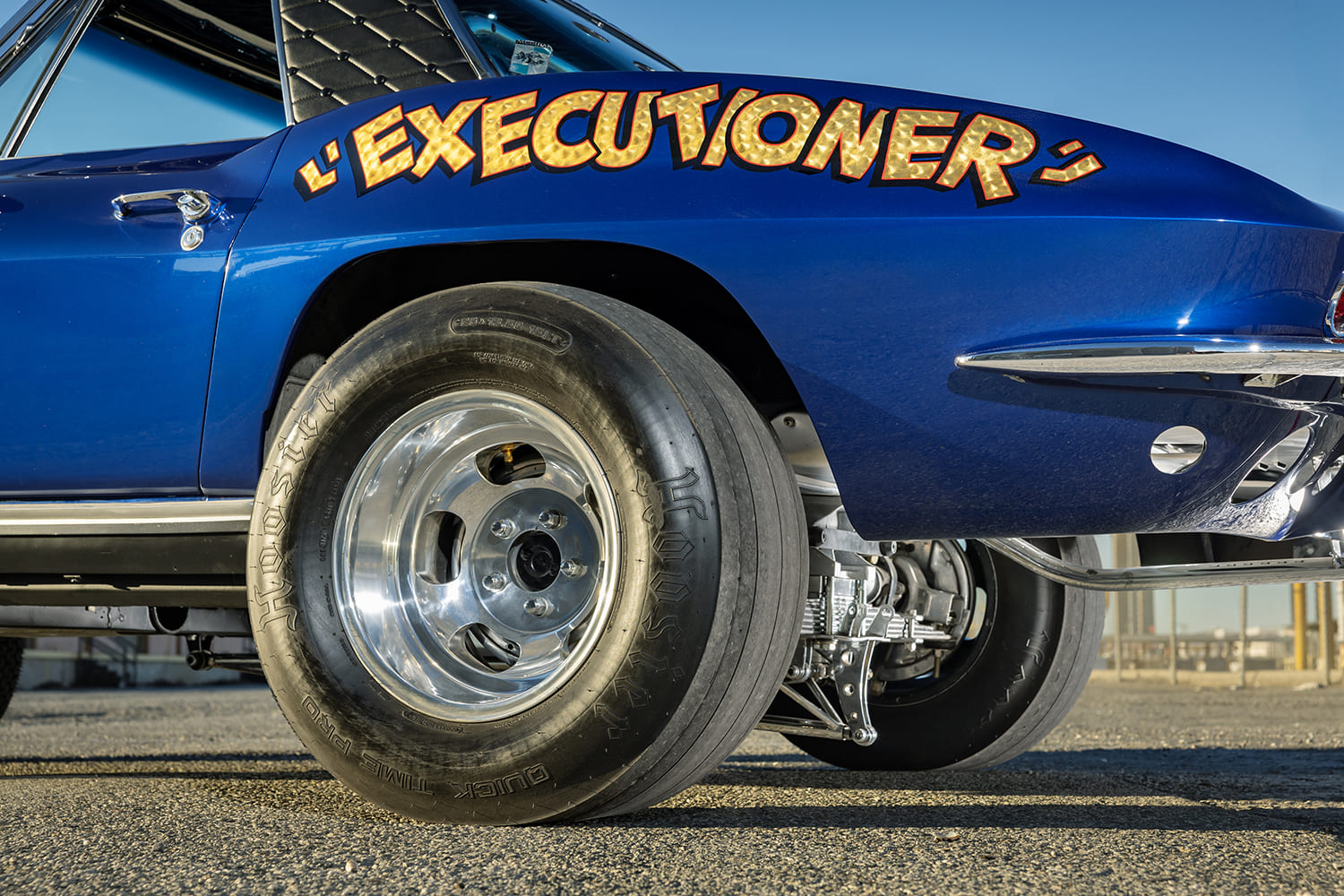
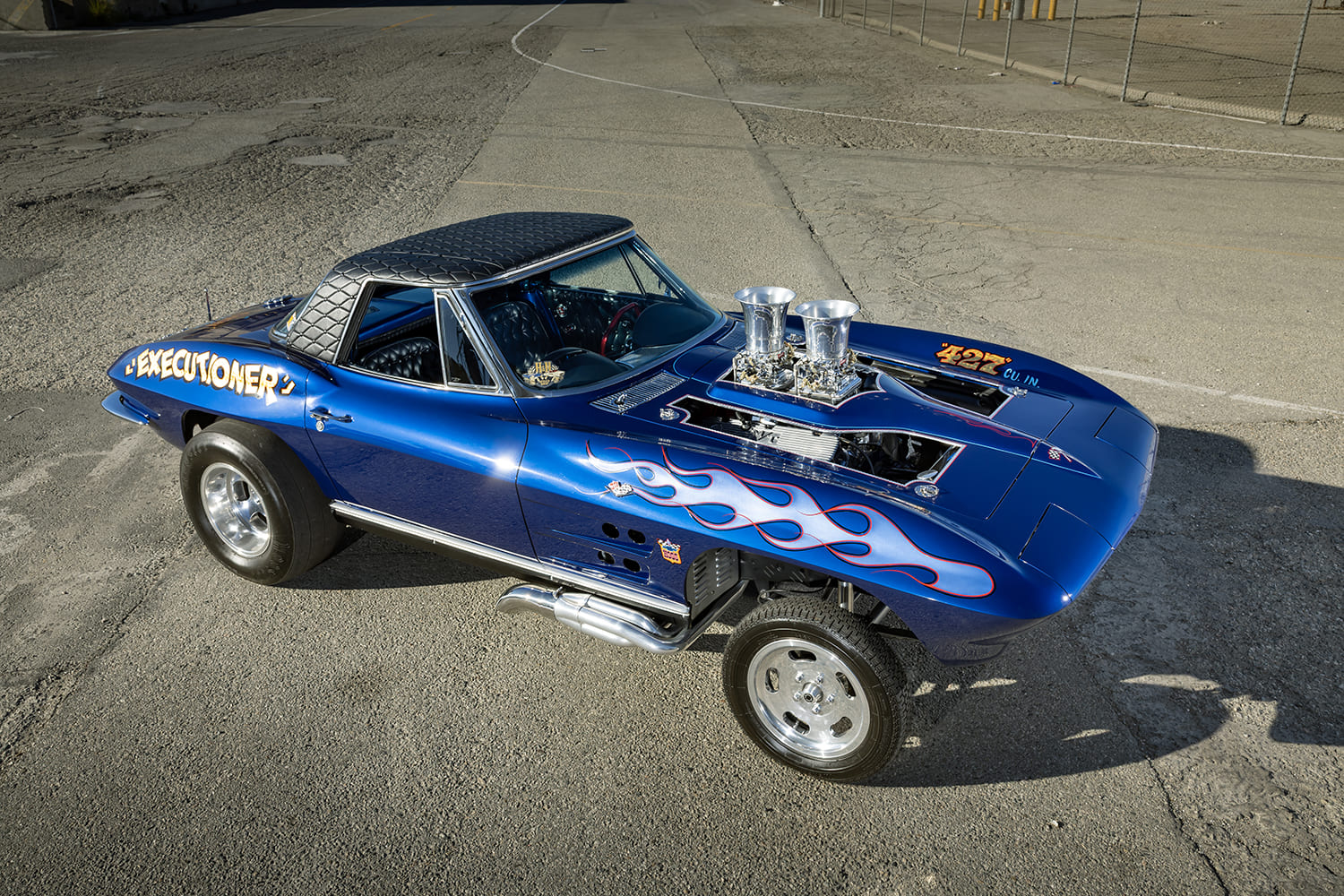
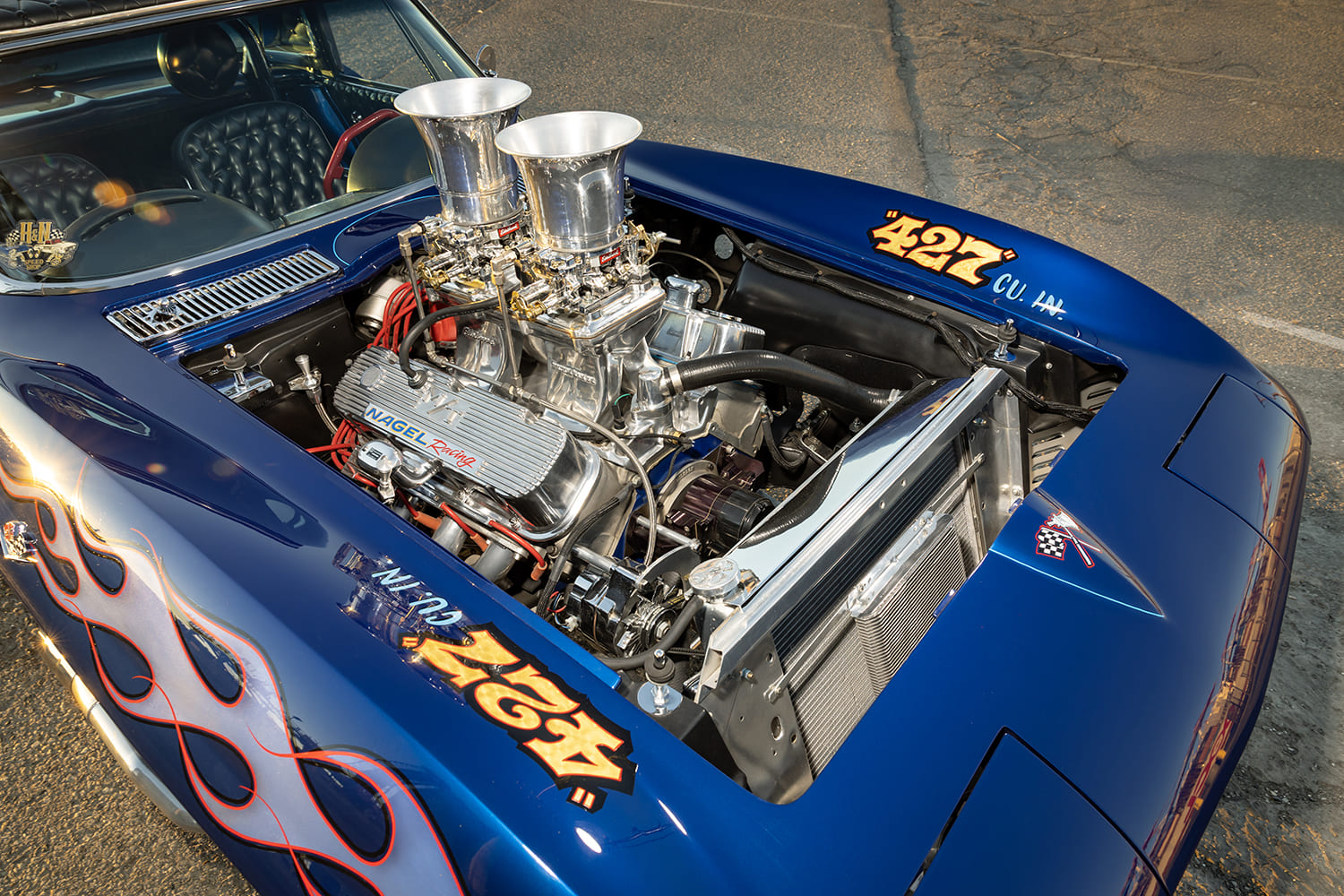
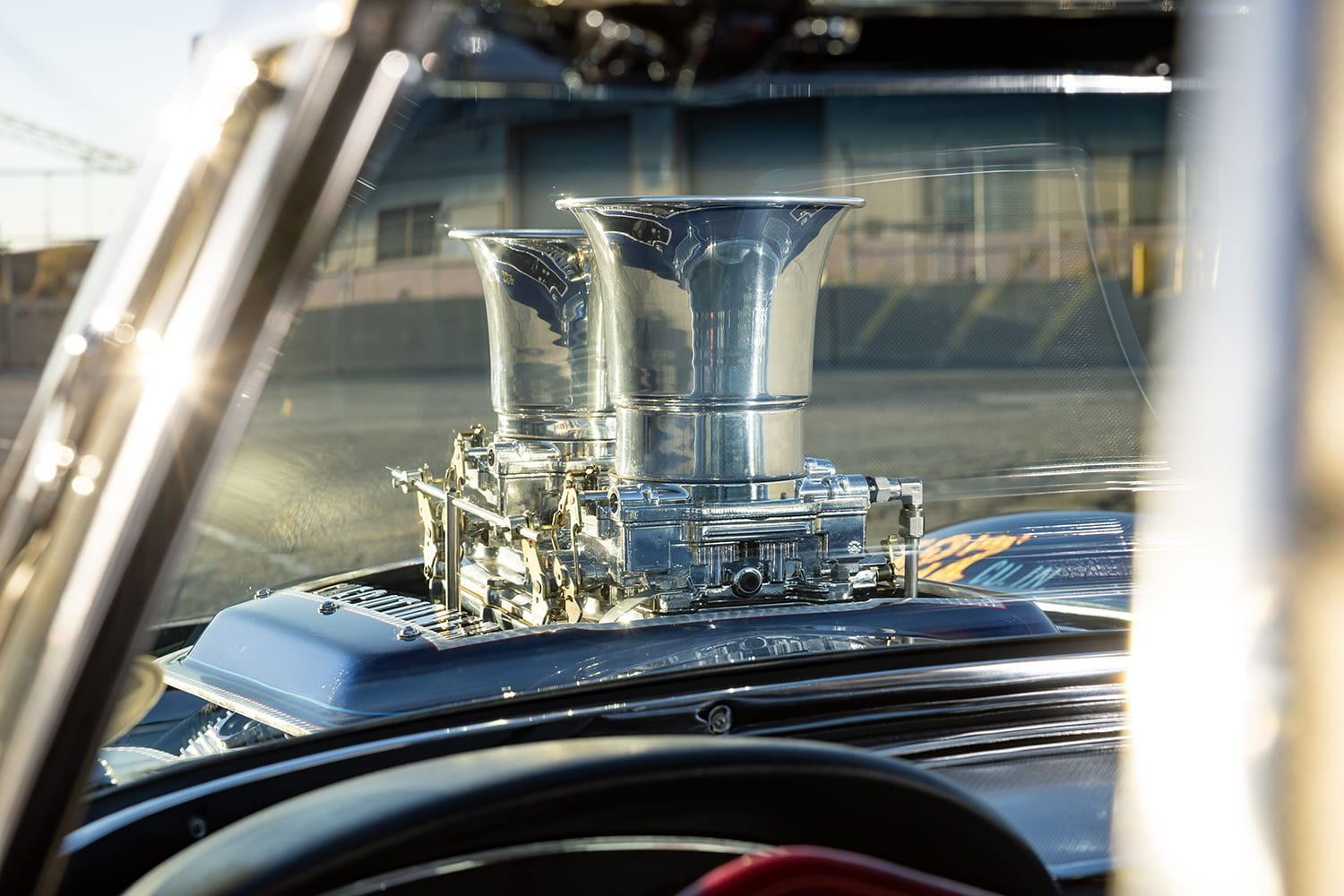
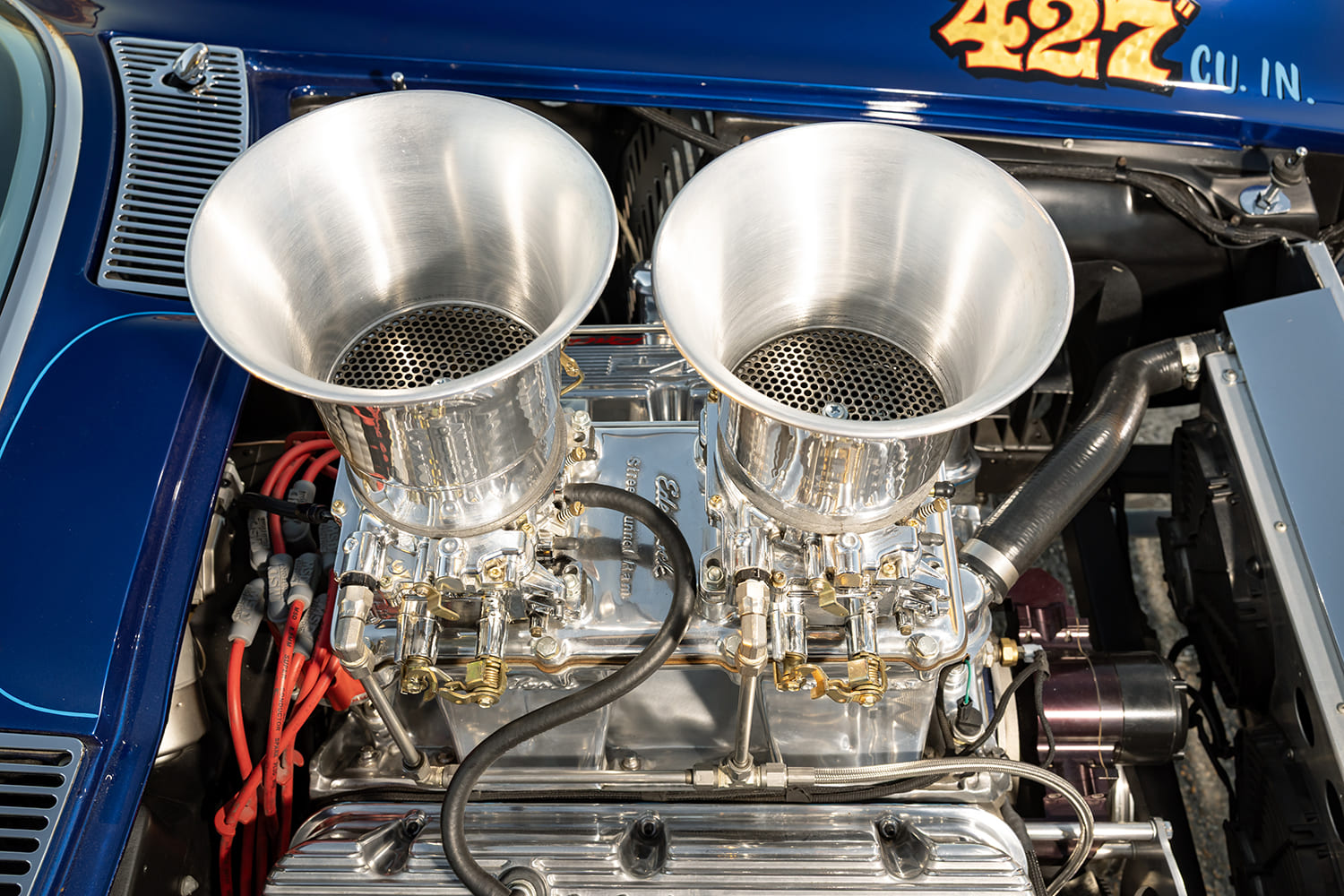
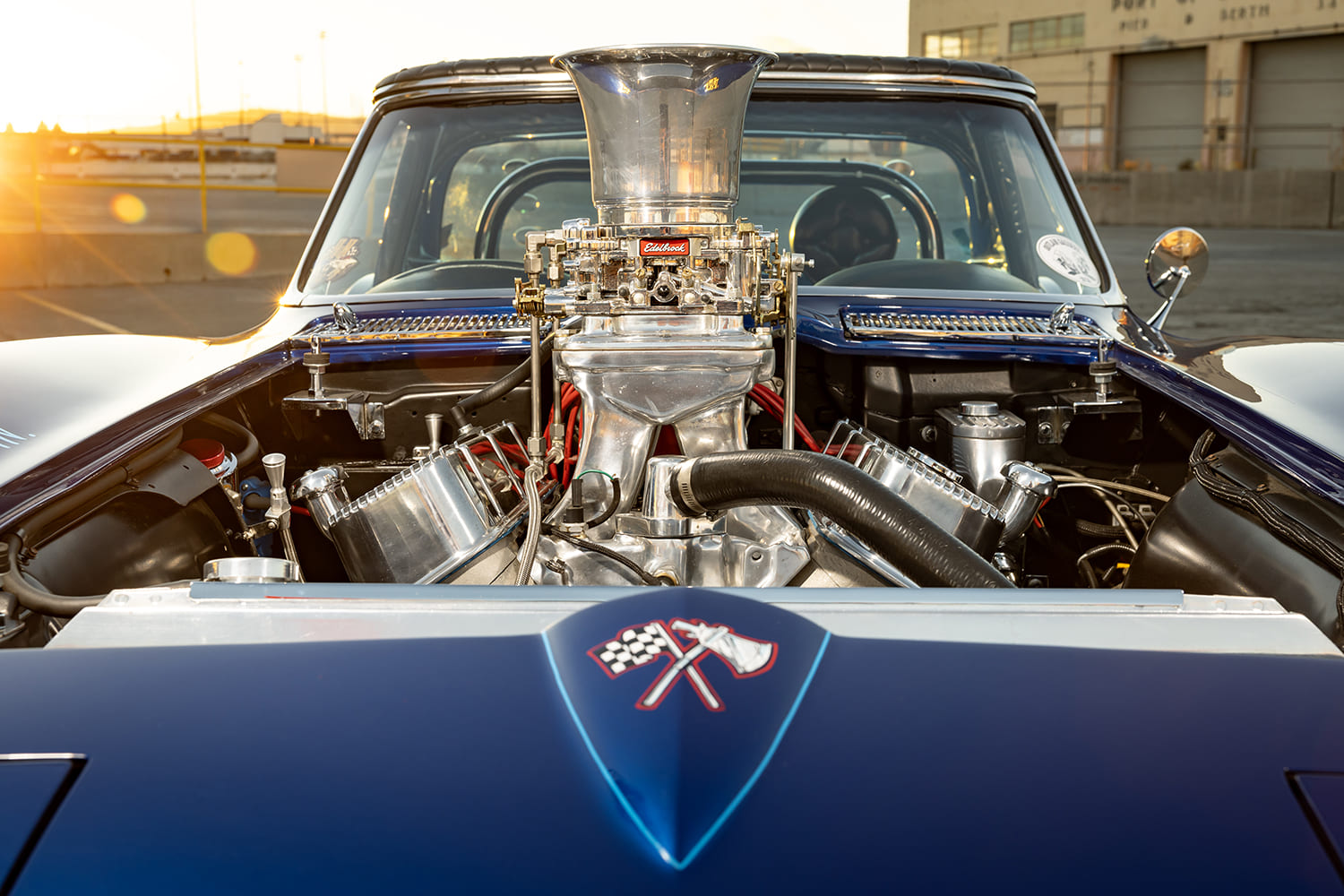
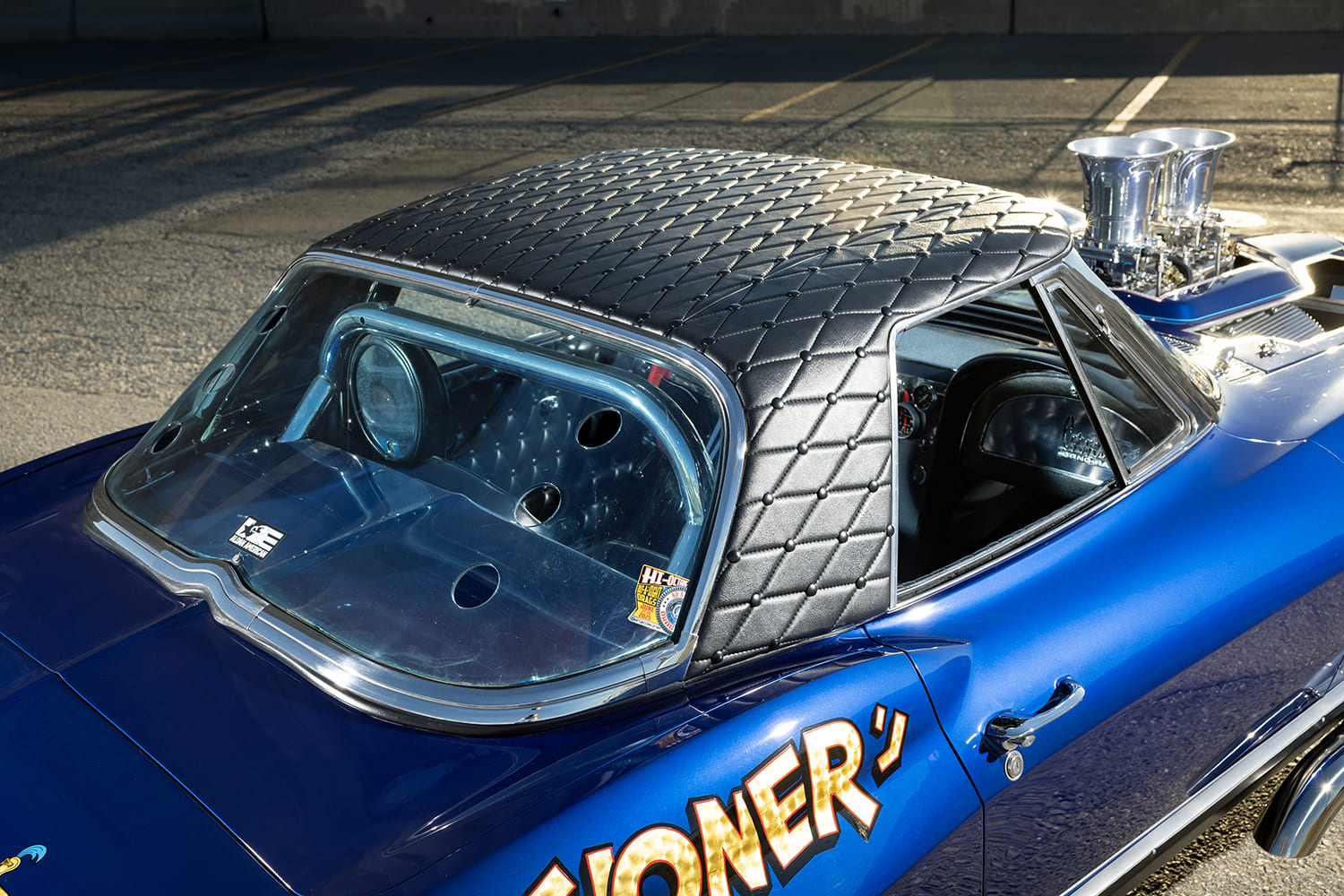
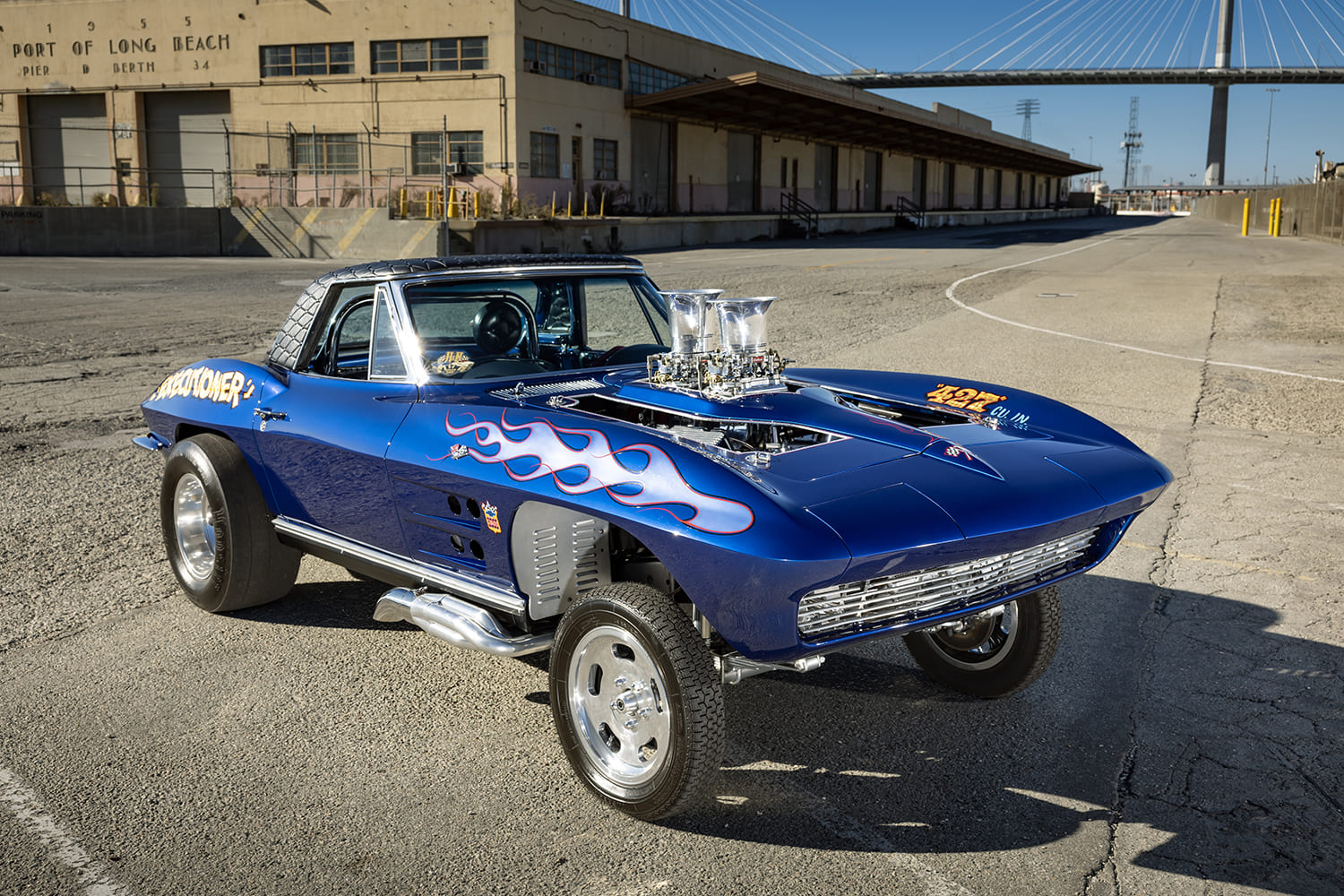
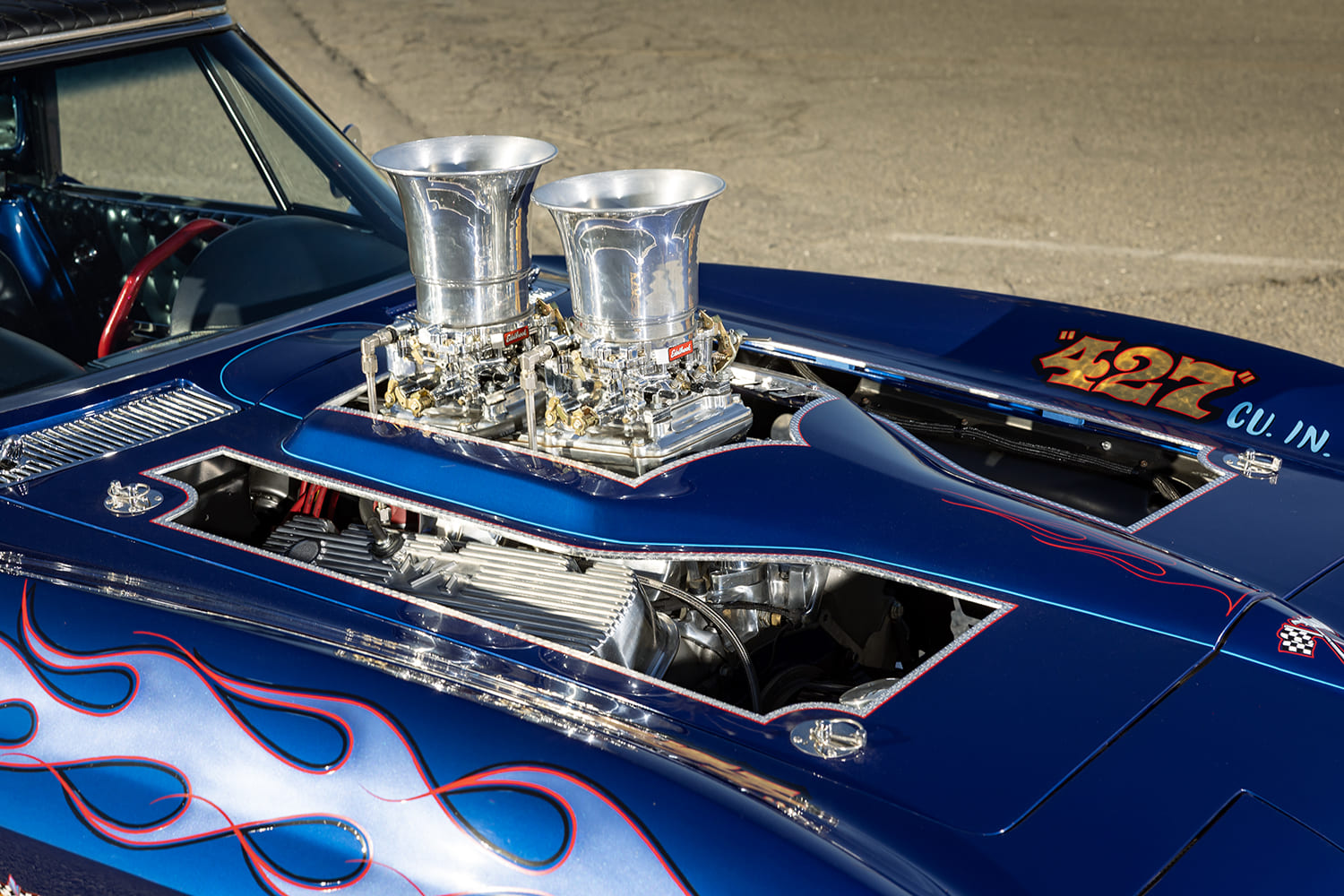
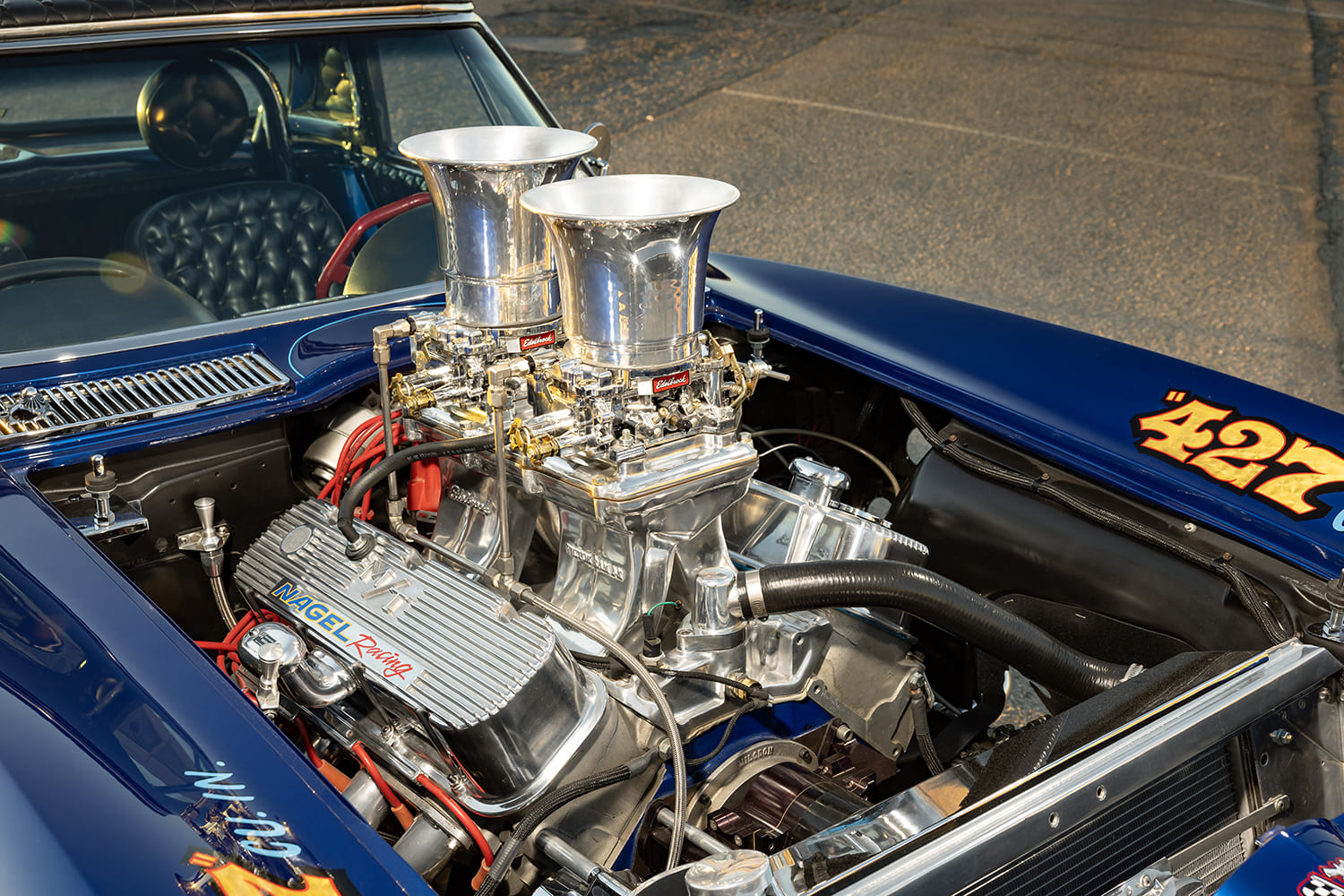
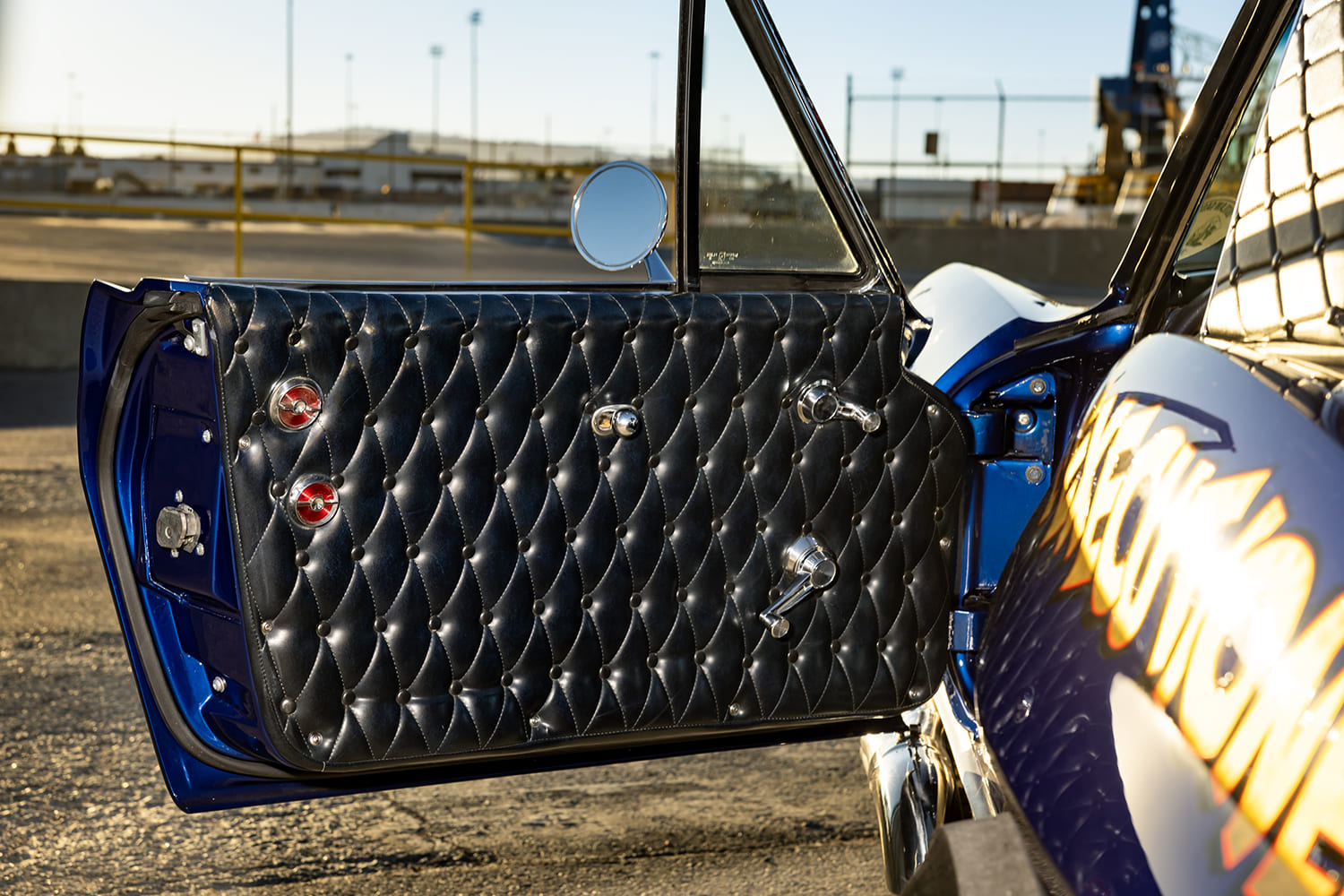
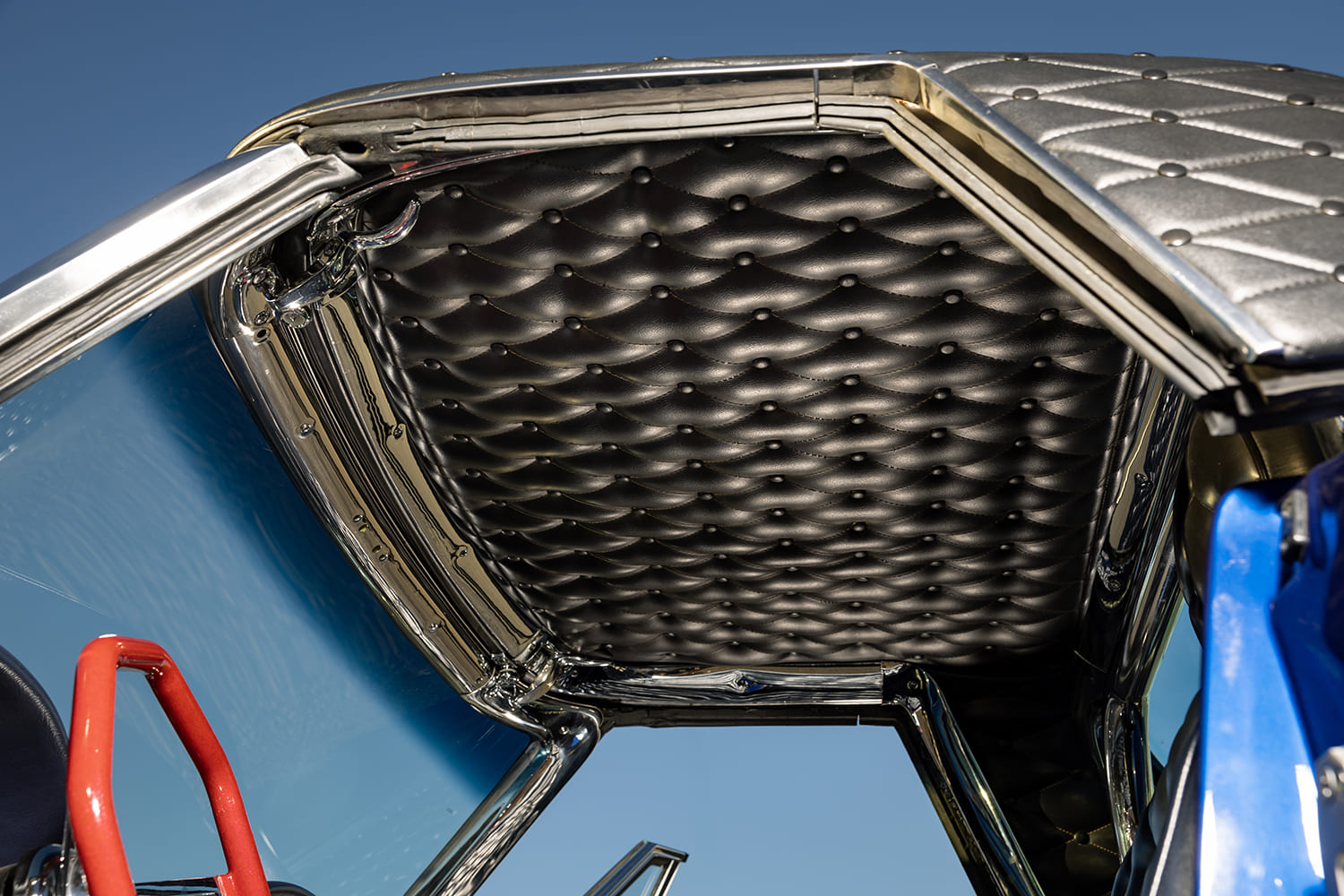
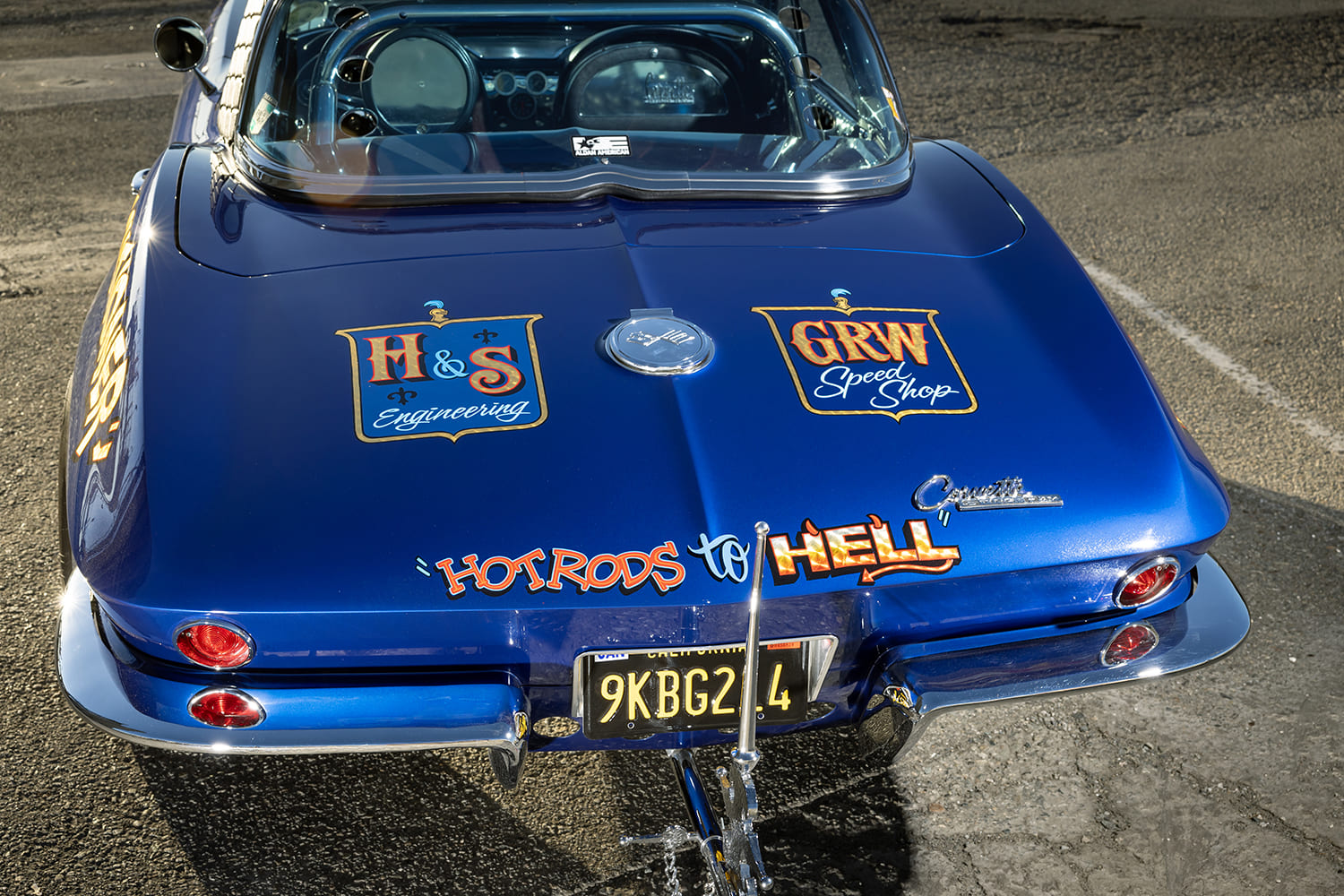
The Corvette was originally painted in 1968 by Milwaukee paint legend Butch Brinza, but it has since been refreshed by another painter unknown to Hoss. What he did know is that he wanted to get rid of the unsightly yellow lettering that was painted on the Corvette’s surface. In its place, he invited Tom Clark to apply fresh pinstriping and gold leaf lettering that looks much more vibrant. The car has gone by the “Executioner” name since 1968, but now its identification is more impactful. Other notable changes Hoss made to the exterior includes having Ruben Gastelum alter the hood to better frame the extruding Edelbrock Tunnel Ram intake and had Ryan Brown add stainless lettering around the new openings. Then, he replaced the diamond-tuck upholstery of the roof, which brings the car closer to looking like it did in the old black-and-white photographs.
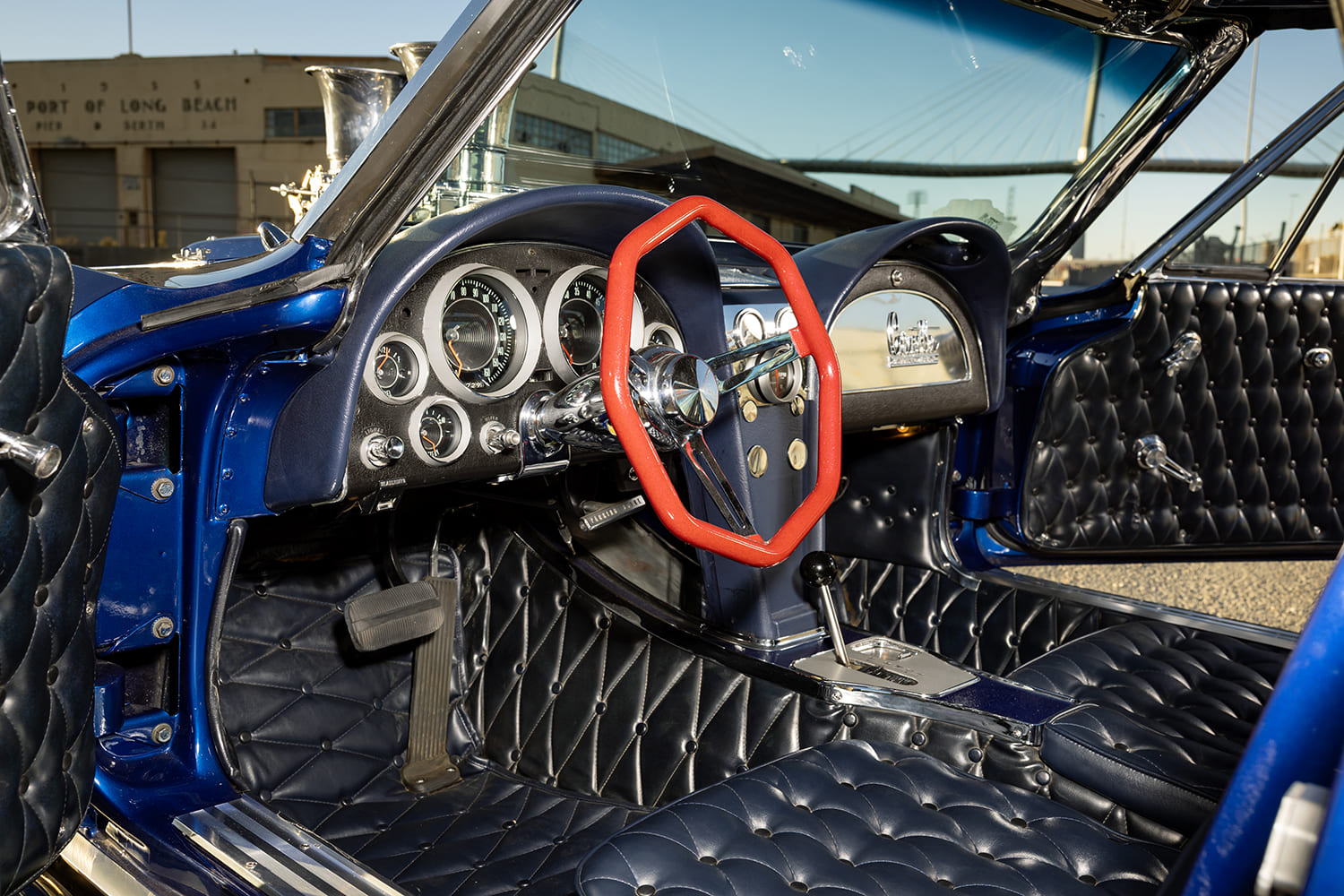
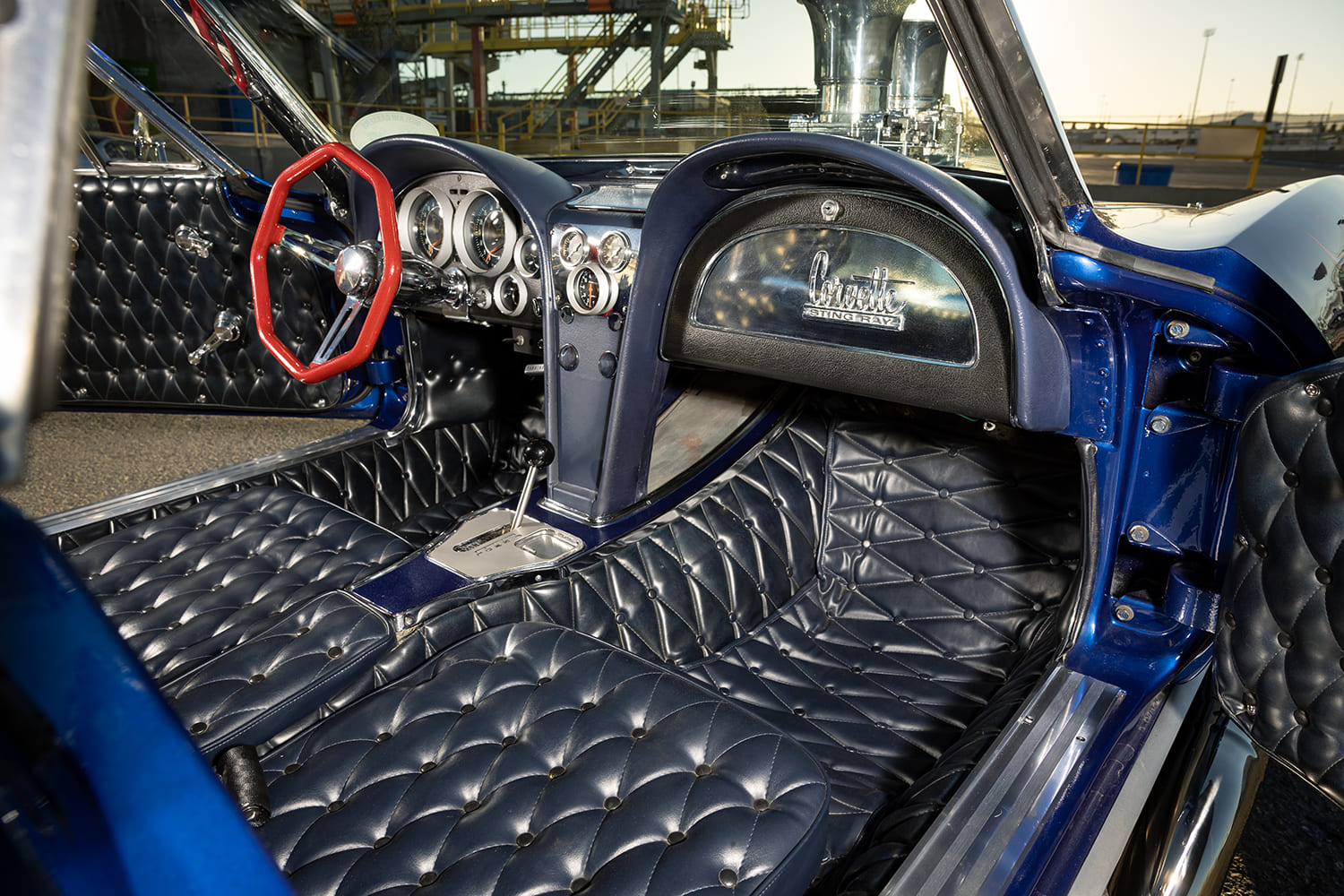
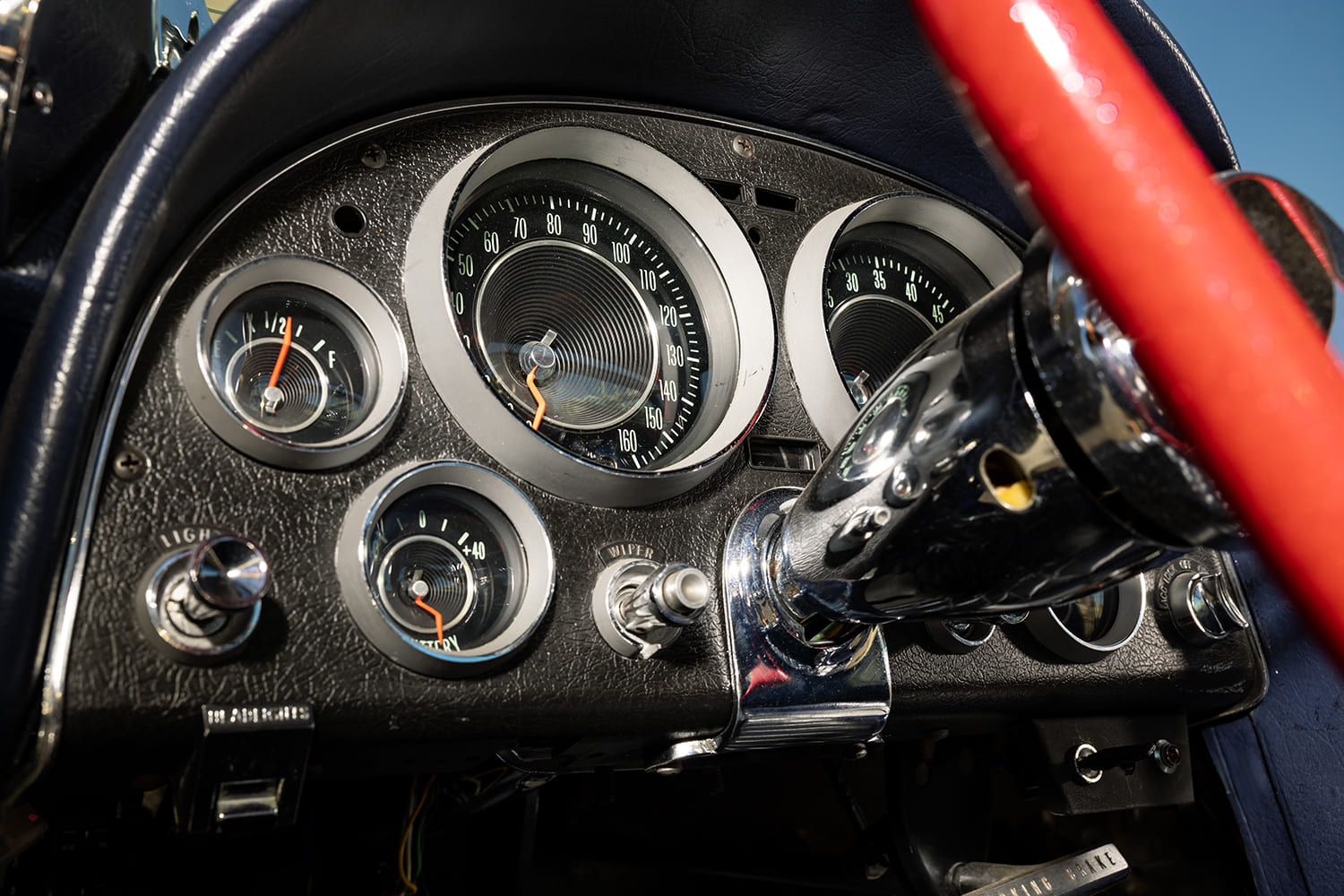
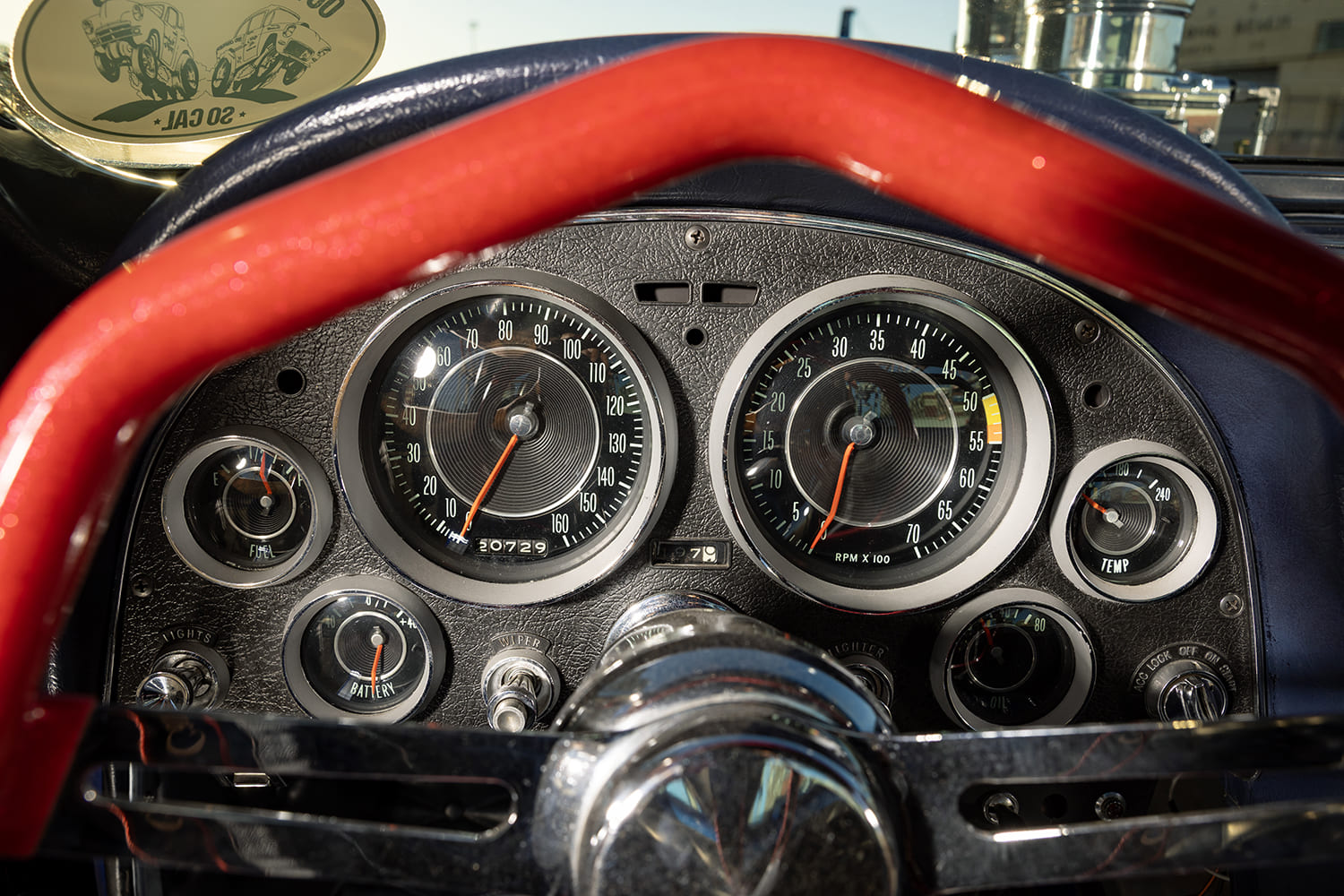
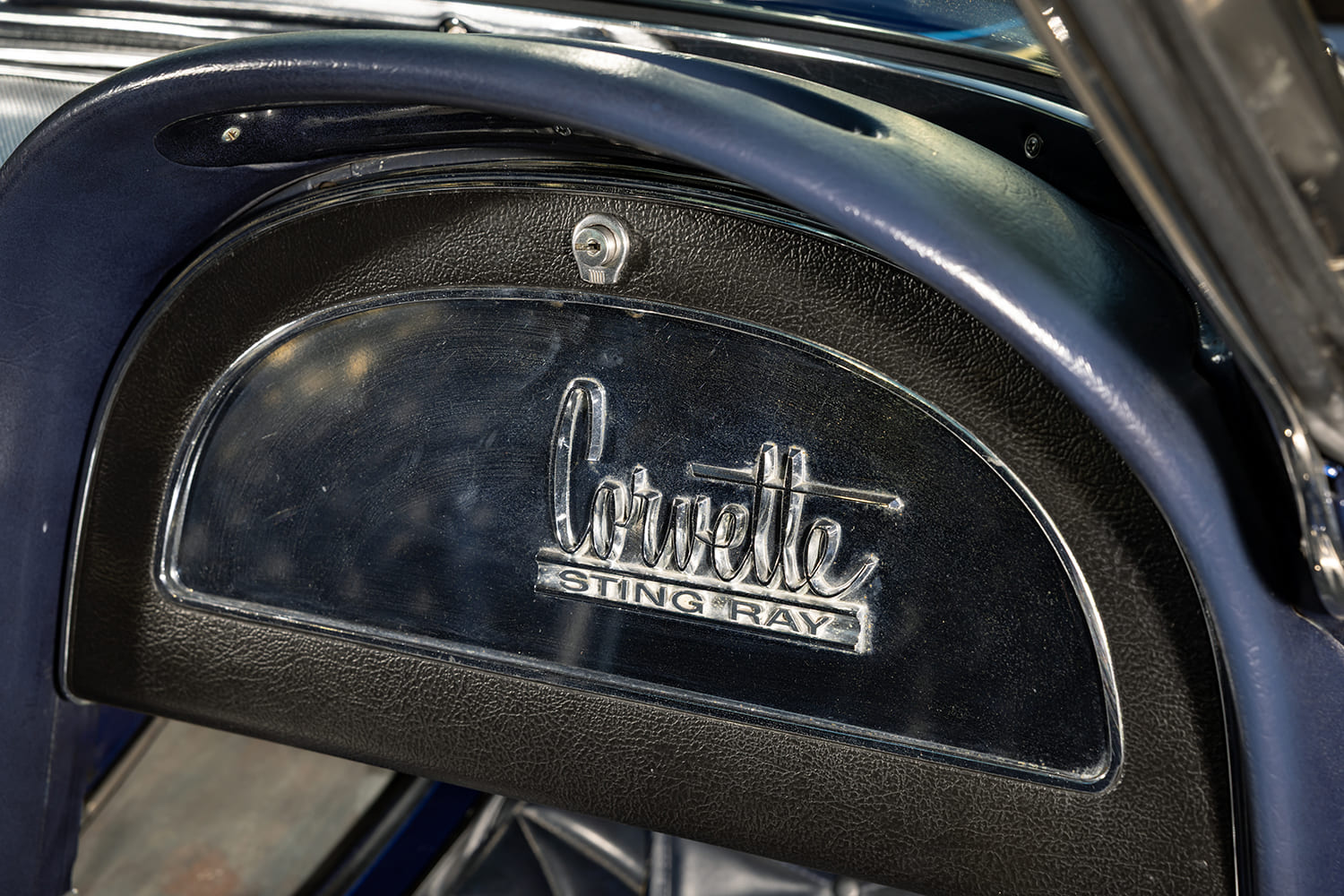
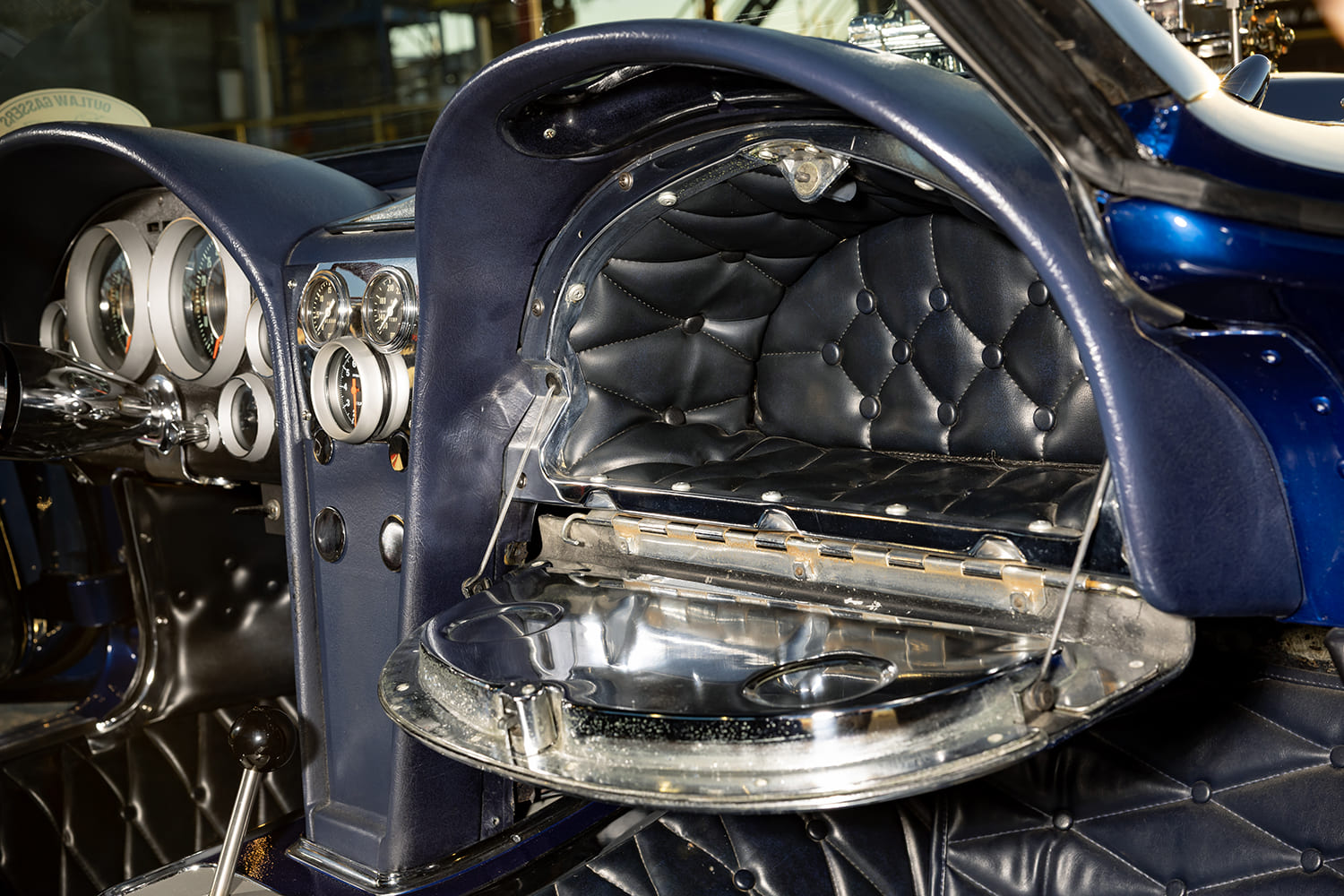
The next important updates took place inside of the car. Carl Kasprzyk’s at Kasper Auto Trim in Wisconsin originally handled the interior styling, but L’s Upholstery in Anaheim, California, cleaned things up a bit. Hoss liked the way things were shaping up inside his Vette but something still just wasn’t right. The old steering wheel was functional but swapping it out with a red hexagon wheel from Mooneyes did the trick of adding that missing piece of eye candy inside the car.
Since the Corvette has been finished, Hoss has taken the car back to its old stomping grounds at the Great Lake Dragway in Wisconsin. Being the car looks a lot more like it did back in those days, it was easily recognized by the OG drag race guys in the area. “There was a 70-ish-year-old guy who ditched a family gathering to come see the car he fell in love with at that track back when he was a teenager,” Hoss says proudly. “He had a great time reminiscing about the old days and even sat in the driver’s seat. I’d like to take a minute to thank the Brew City Gassers, a local Wisconsin group, for their warm welcome and for hosting their Out-A-Sight Drags event out there.”

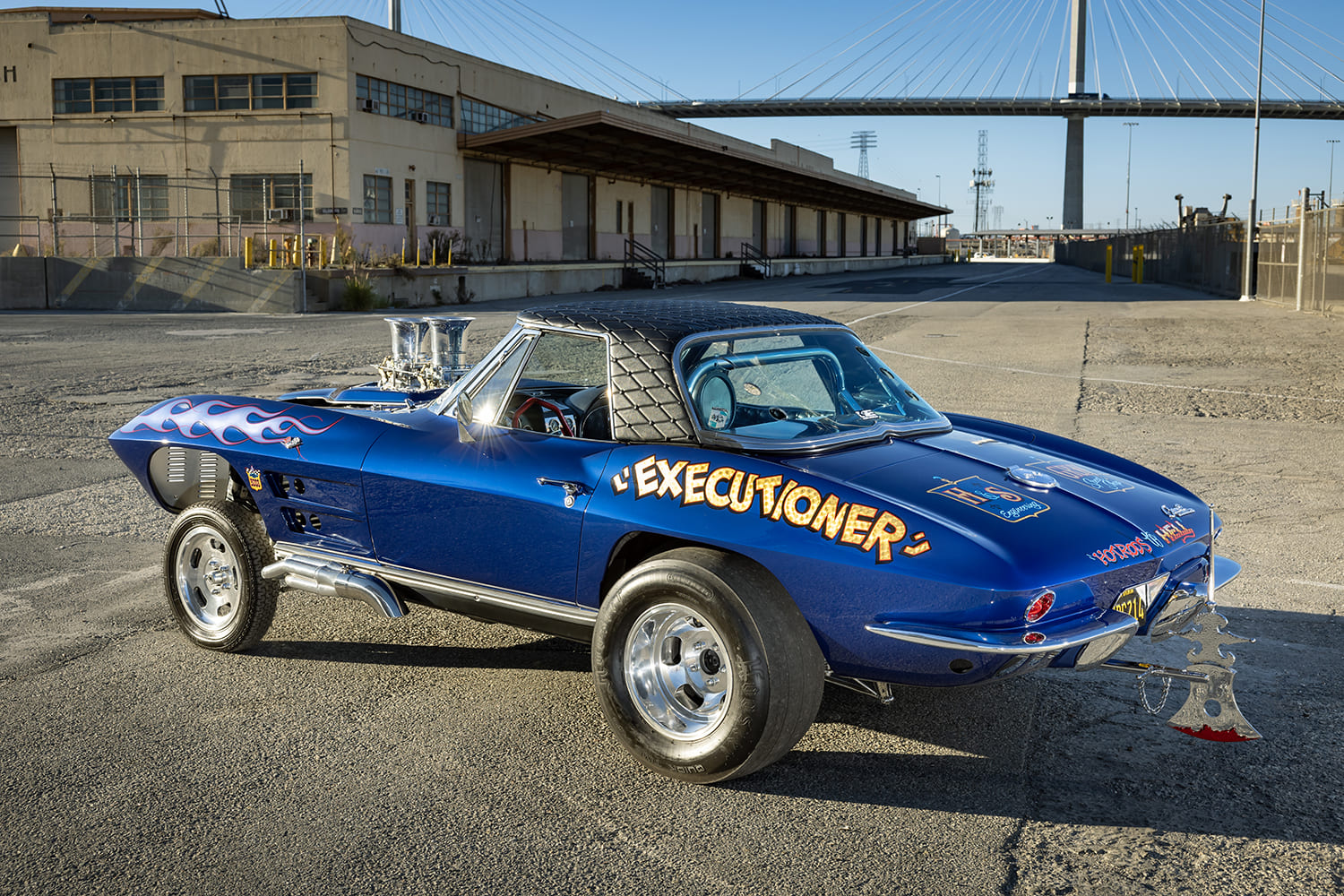
Hoss was able to transform the bland-looking ’64 Corvette he bought into a drag machine with a reclaimed vintage soul in just about six months. He channeled his love for period-correct Vettes and his eye for true throwback styling into the reincarnation of the Executioner.
Check out this story in our digital edition here.
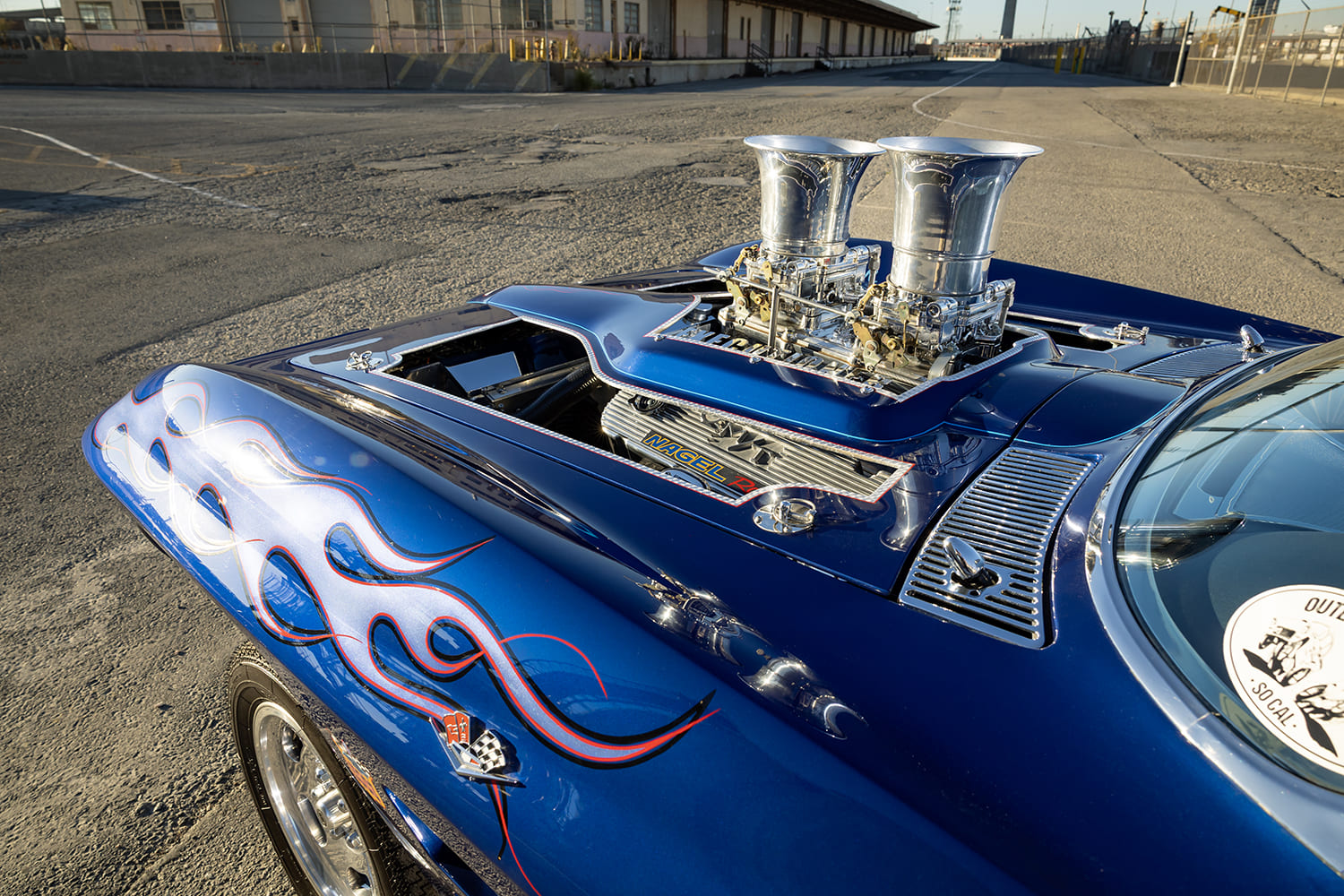
Tech Check
Owner: Jonathan “Hoss” Nagel
Vehicle: 1964 Chevy Corvette
Engine
Type: 572 ci
Cylinder Heads: Aluminum
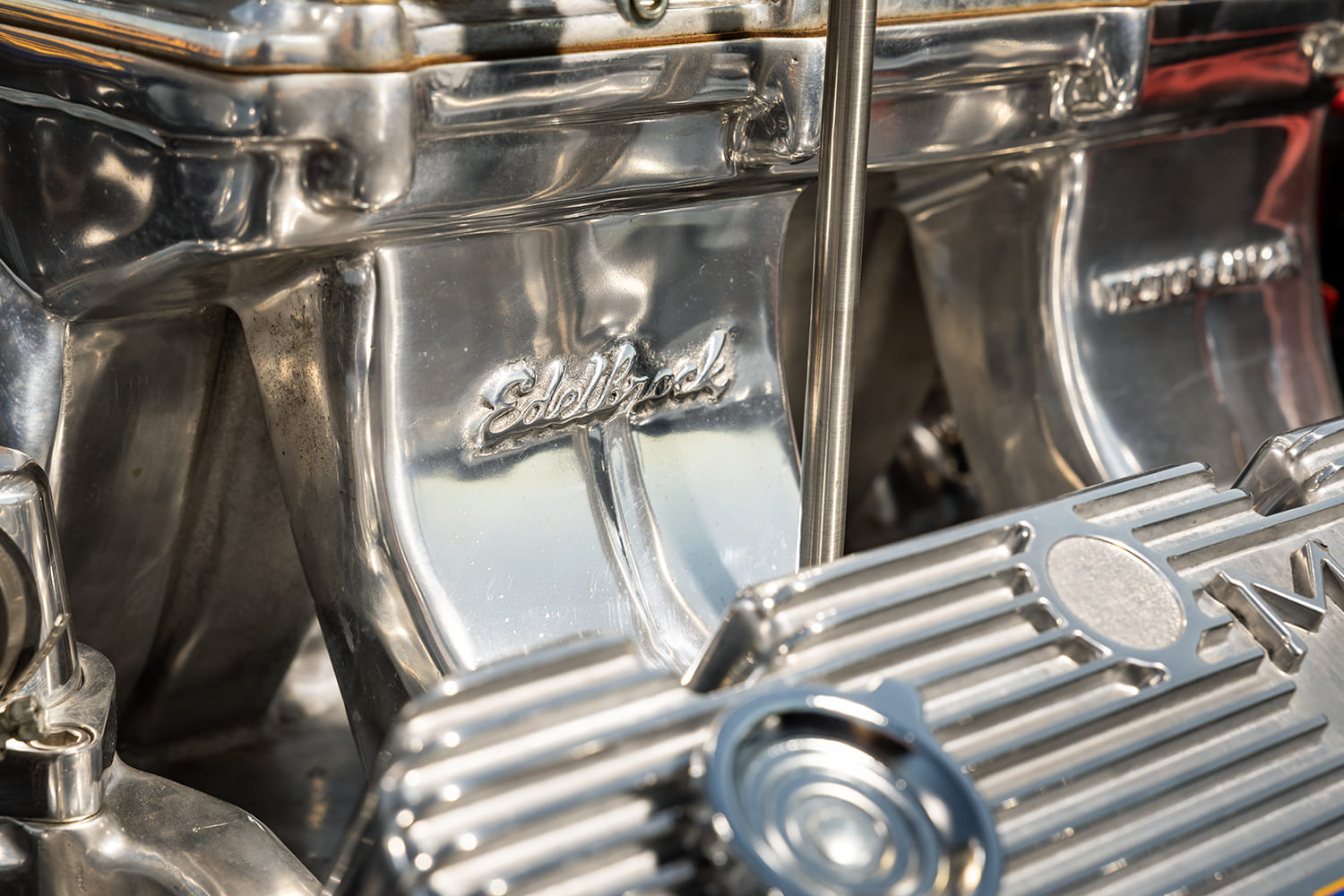
Induction: Edelbrock Tunnel Ram intake and carbs
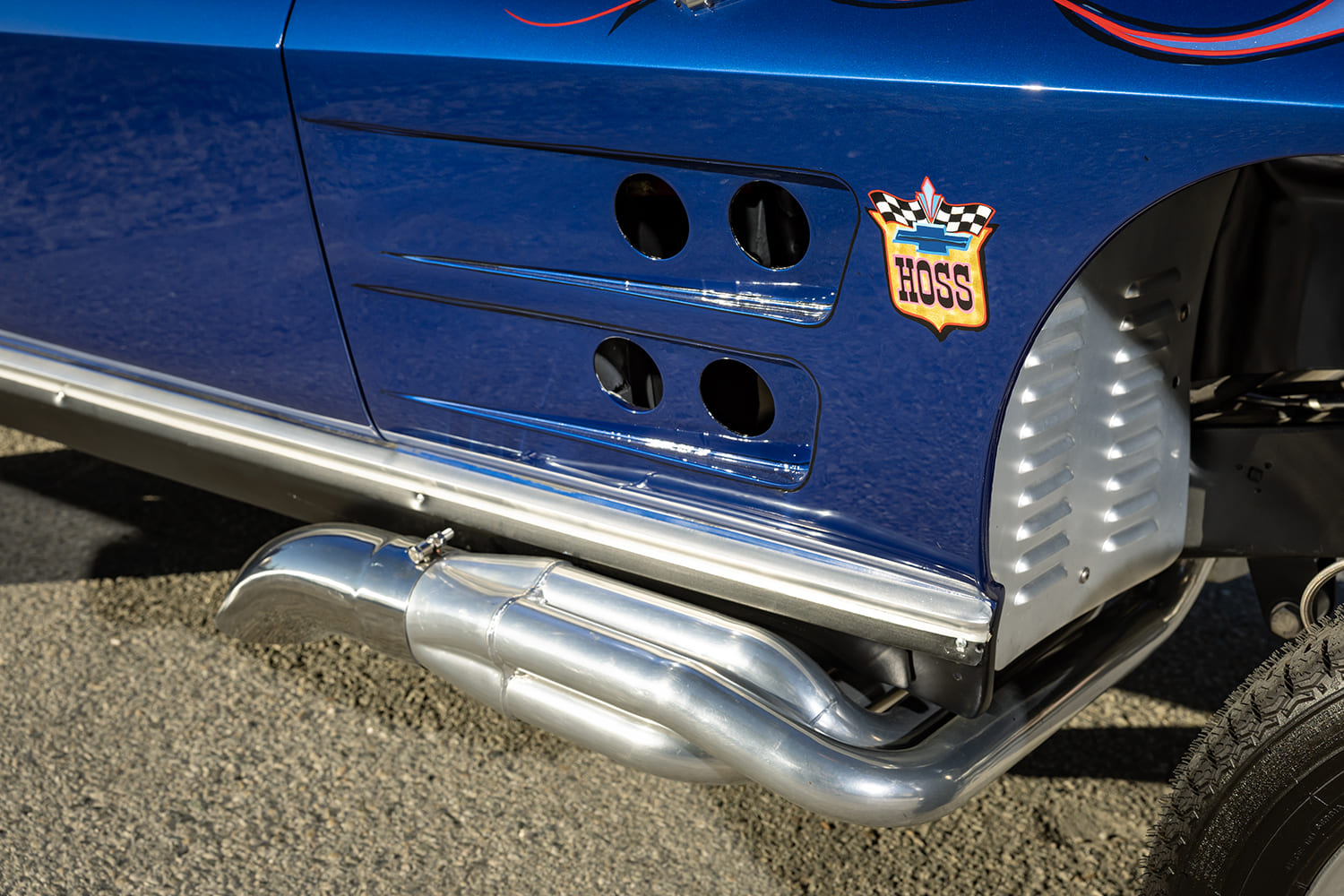
Exhaust: Doug’s headers and 4-inch exhaust
Ignition: MSD
Cooling: Electric water pump, aluminum radiator with SPAL electric fans
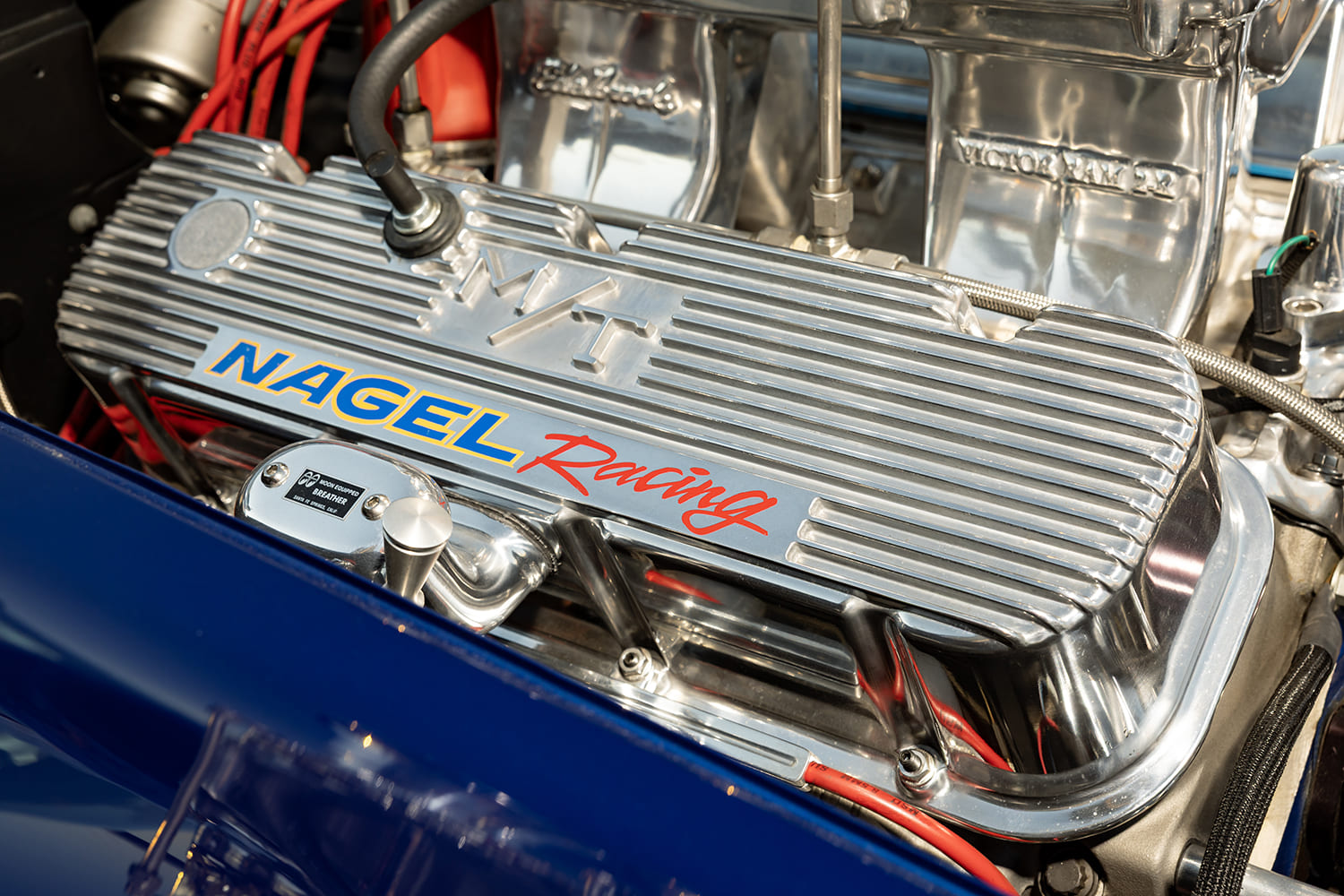
Dress Up: M/T finned valve covers, dual custom-length velocity stacks, custom aluminum radiator
Output: 800 hp, 700 lb-ft of torque
Drivetrain
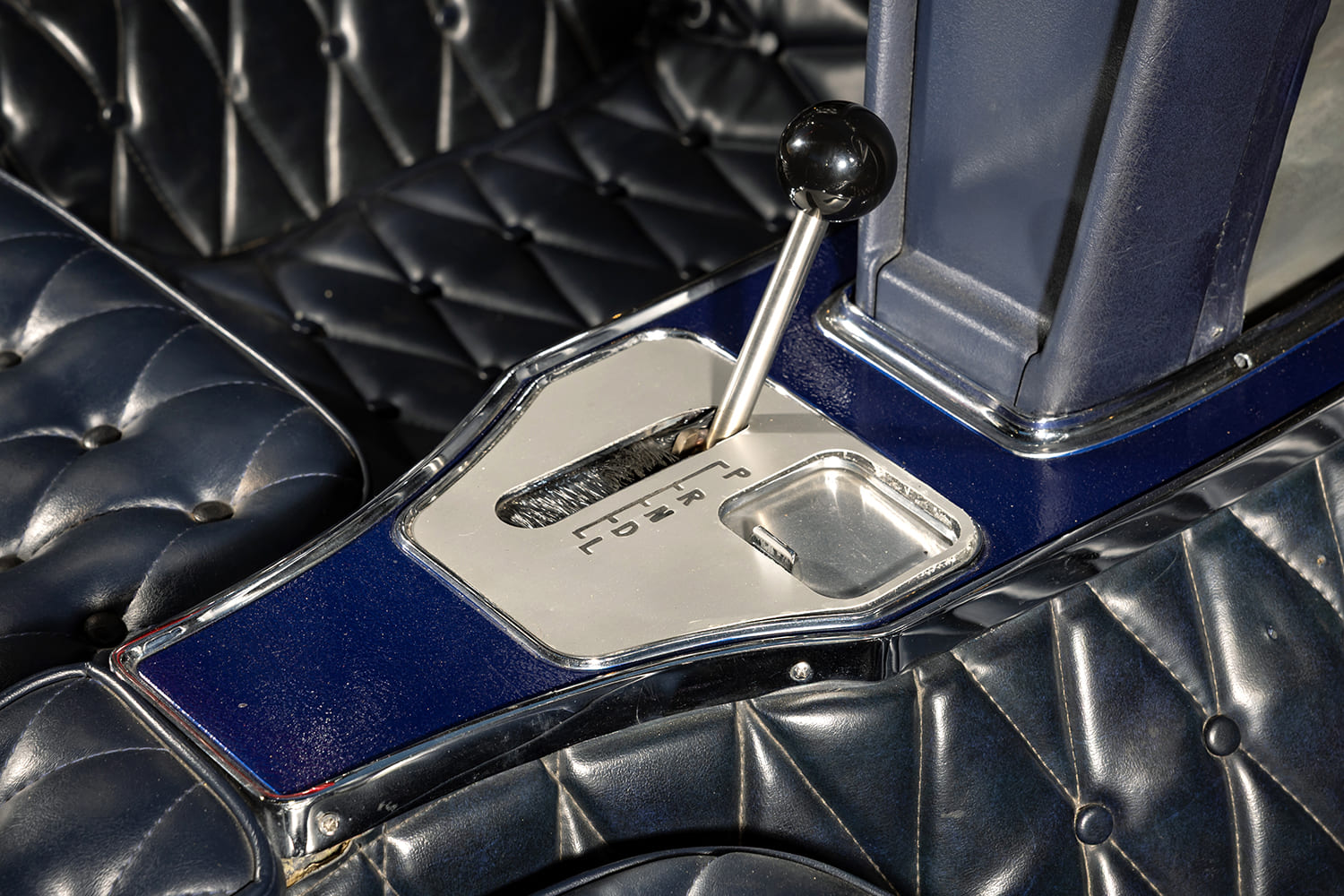
Transmission: Chevy TH400
Shifter: Shiftworks
Rearend: 3.55 posi
Axles: Custom chromoly by Mark Williams
Chassis
Chassis: Stock Corvette
Front Suspension: Custom straight axle conversion done with help from Bruce Boardman and Paul Soliz, Speedway spindles, custom steering
Rear Suspension: Corvette independent rear, single traction bar, custom Deaver springs, Dragvette six-link, Aldan shocks
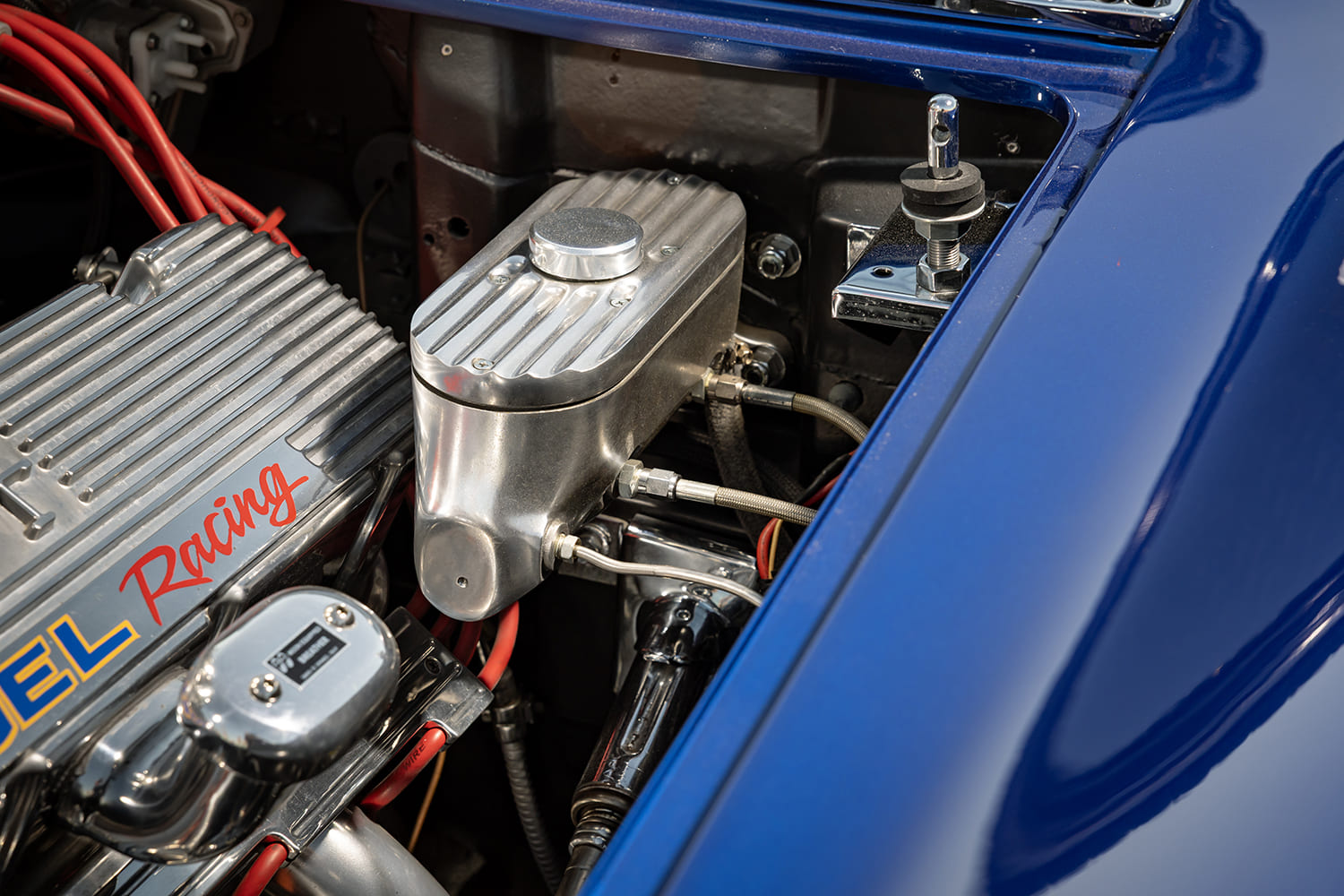
Brakes: Wilwood brakes front, drums rear, ABS master cylinder, and electric booster
Wheels & Tires
Wheels: 15×3.5 Fenton Gyro front wheels, 15×10 American slotted rear wheels
Tires: 145 SR 15 Michelin XZX front tires, 28×13.5×15 Hoosier Quick Time Pro rear tires
Interior
Upholstery: Navy blue diamond-stitch vinyl by Carl Kasprzyk at Kasper Auto Trim in Wisconsin and L’s Upholstery (Anaheim, CA)
Seats: Stock
Steering: Corvette telescope steering column, Mooneyes steering wheel
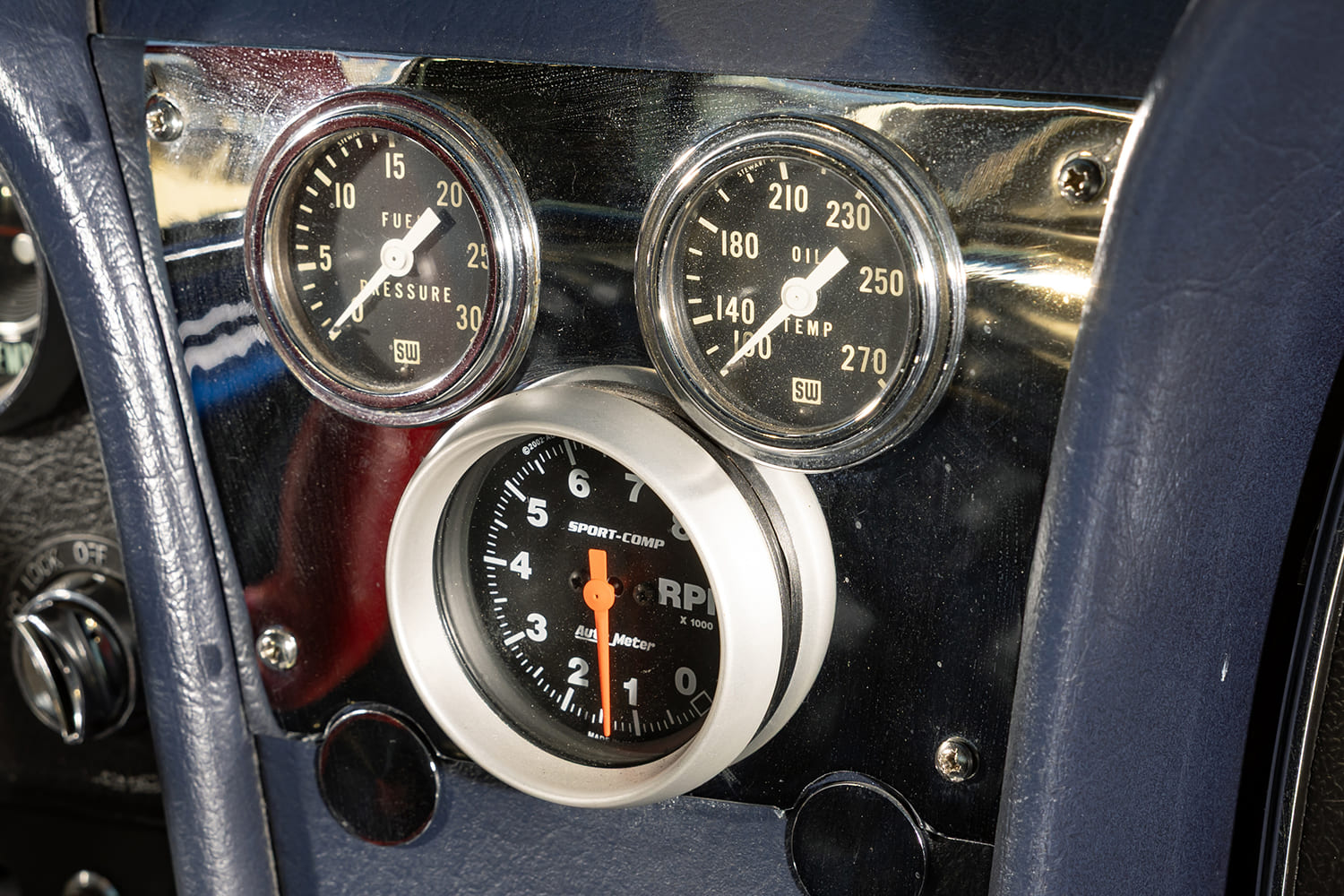
Instrumentation: Stock, Auto Meter, Stewart-Warner
Safety: Custom rollbar, PRP racing harness
Exterior
Bodywork & Paint: Originally painted by Butch Brinza in 1968 (Milwaukee, WI); lettering and pinstriping by Tom Clark; engine turned stainless on hood by Ryan Brown
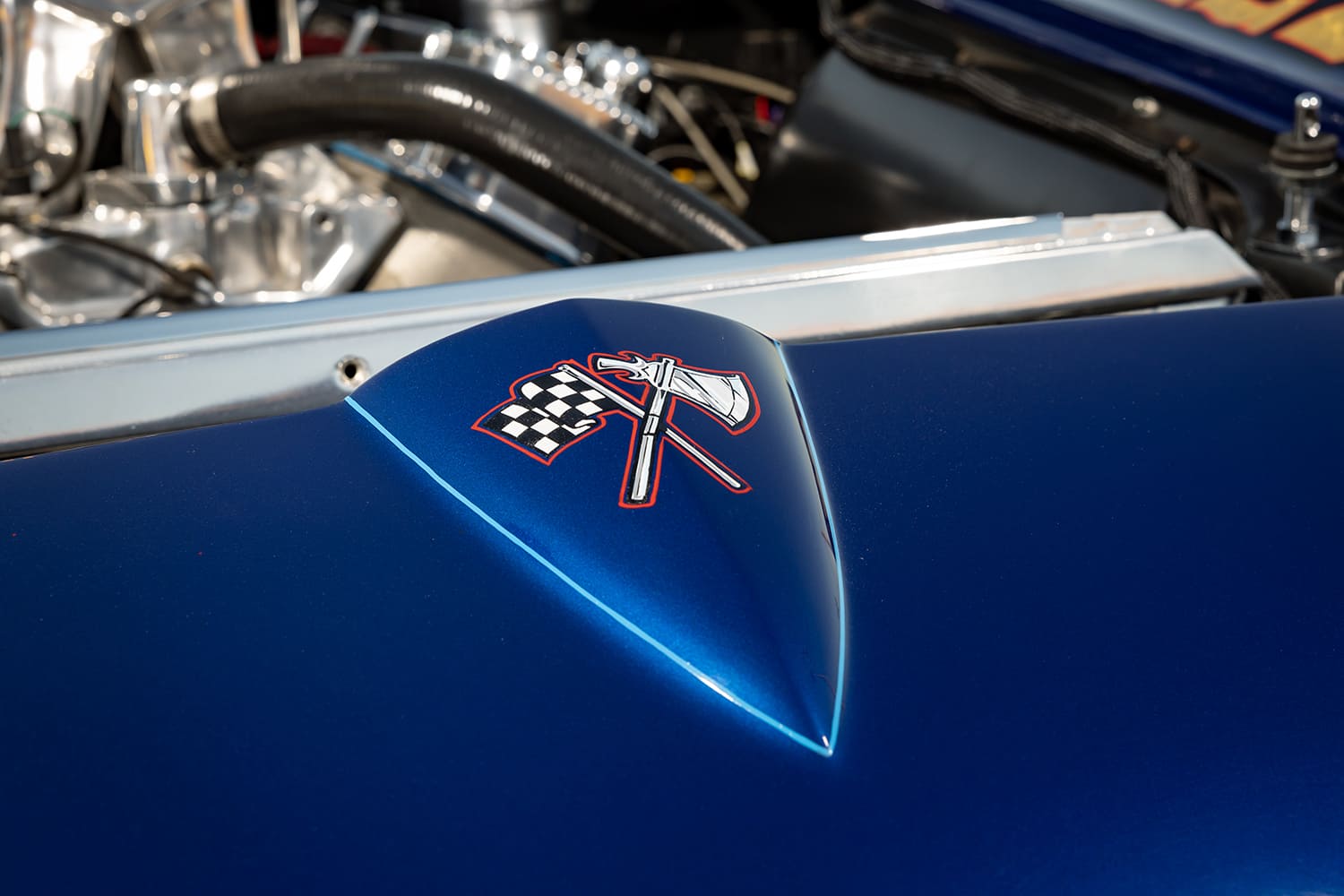
Modifications: Lightening holes added, marker lights shaved, bumper holes filled, converted to single taillights, custom aluminum inner fenderwells, custom “executioner ax”.