


By Scotty Lachenauer – Images by the Author
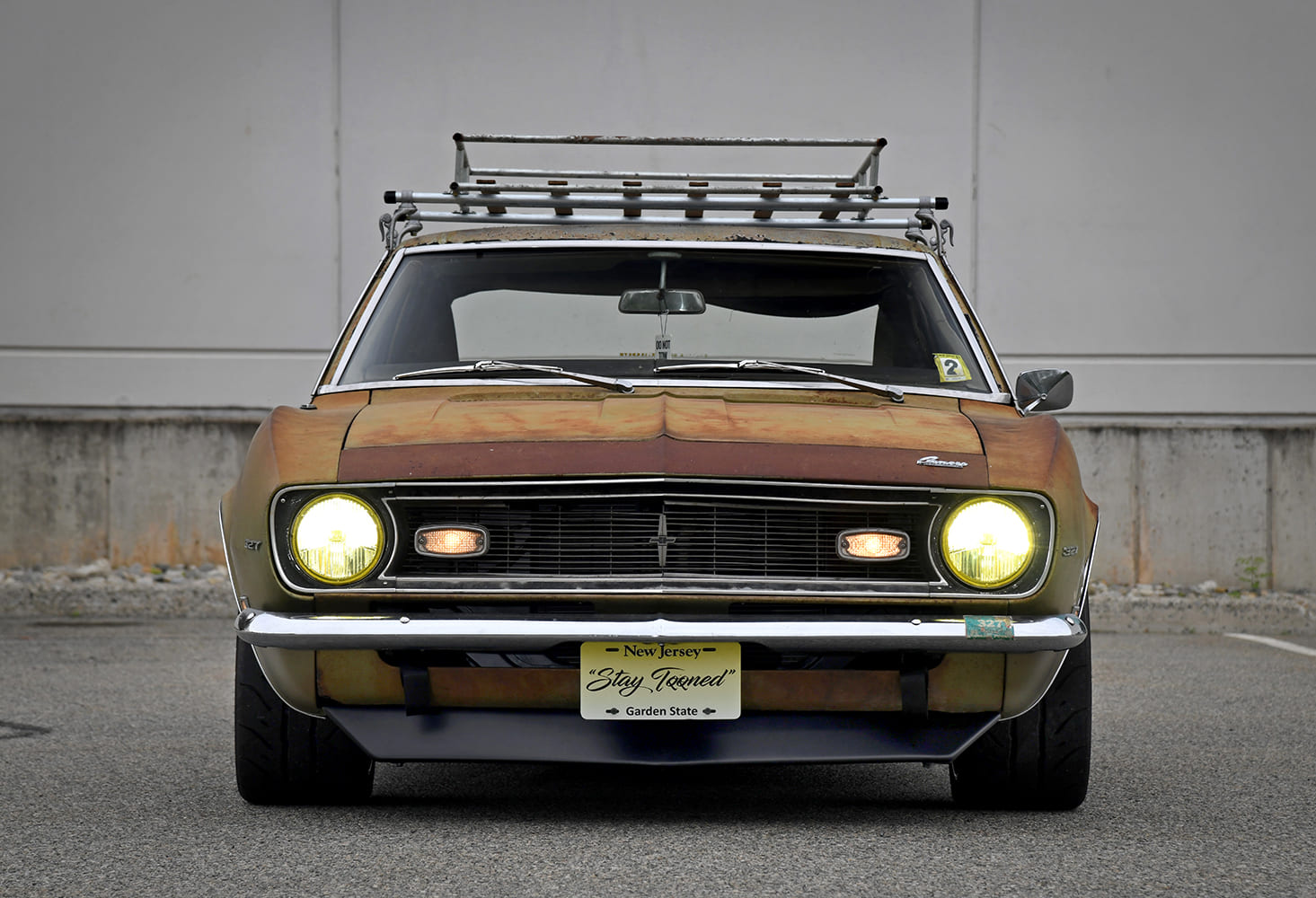
For most of his adult life, Joe Teger, of Flanders, New Jersey, had a good idea what his ultimate dream ride would be. “If I had to pick any muscle car, it would probably be a 1968 Camaro,” Joe says. “I like how sleek the 1967 and 1968 bodies look, and I love how clean the ’68 looks without windwings.”
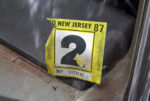
Upon hearing this revelation, Joe’s good buddy, Mike Glasscar, got the wheels in motion, helping Joe procure his ride-or-die muscle car. “Come on, let’s go, I know where a ’68 is and you can buy it cheap!” Mike roared. Before you know it, the guys were in a backyard a few miles away, staring at a tarp that covered a Camaro carcass with its pertinent parts beneath it. Glasscar had recently discovered the neglected Camaro while replacing a client’s windshield. The car was bought brand new by a young lady and later gifted to her son, who had taken it apart for a restoration in 1987 and never put it back together.
Pulling the cover, the exposed Camaro was a sad sight to see, sitting there in multiple pieces. “It was on cinder blocks and piled with leaves. It was an empty shell, the doors sitting next to it, 3 inches deep in mud,” Joe recalls. “The hood was lying up against the trunk and the subframe was 10 feet away resting against a fence. It was a lot to take in, but it was a ’68 Camaro.” At first the owner was reluctant to part with the car, but after some thought and the realization that he was never going to restore it, he finally offered it up for a nominal price.
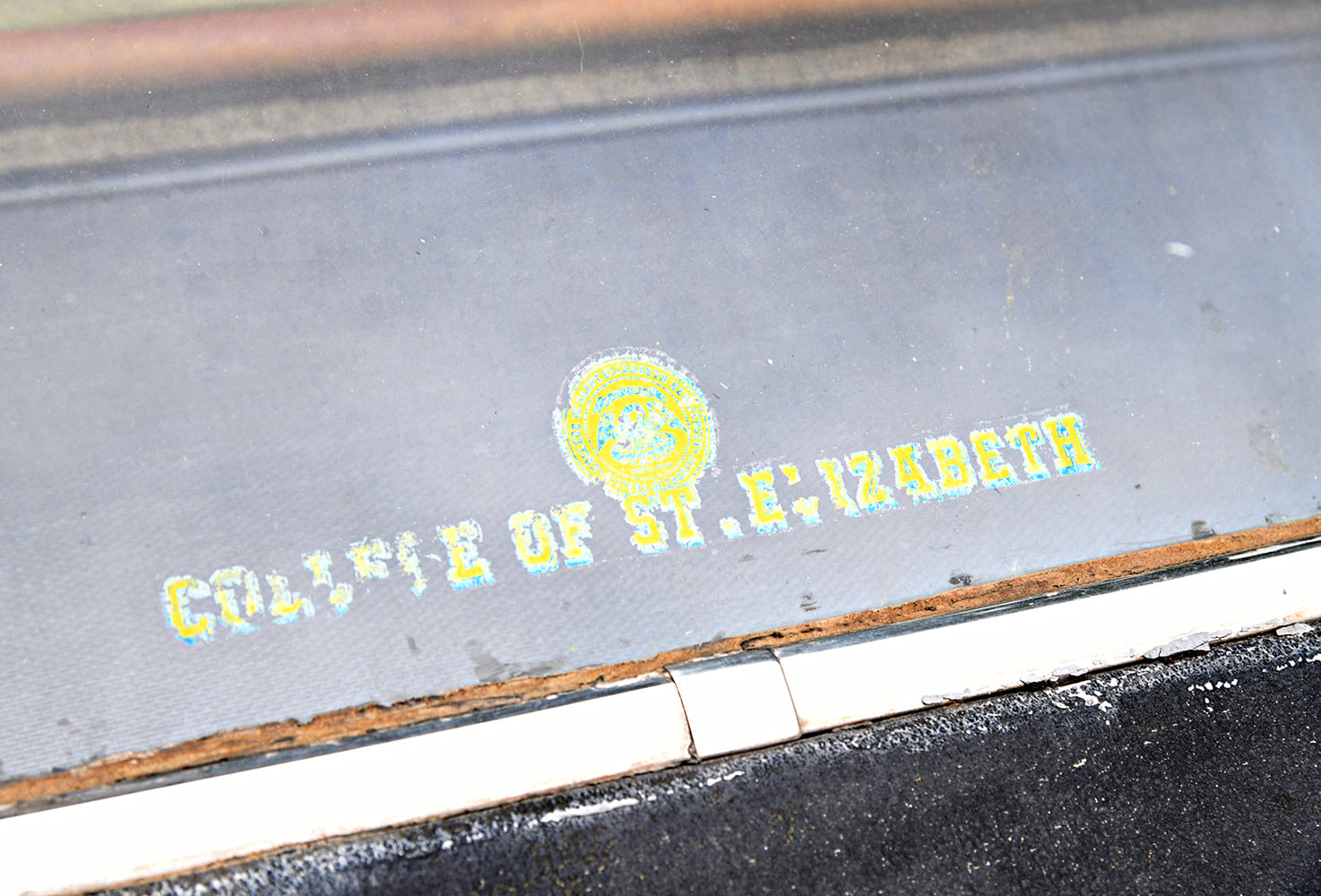
The owner also supplied paperwork indicating it was technically still a one-owner car, as it was still titled in the original purchaser’s name. It was sold new locally at Banta Motors in Madison, New Jersey, and used as a daily driver and a commuter ride to a nearby college. The fact that this Camaro survived the rough Northern New Jersey climate is a rarity, to say the least. The rust was there, but surely not as bad as it could have been.

Now Joe isn’t a weekend tinkerer or part-time hobbyist when it comes to his Chevys. It’s a daily grind and a lifelong obsession. “I own Stosh’s Garage as a part-time gig doing high-end drivetrain swaps into classic vehicles,” Joe mentions. “I also work at Artisan Coachworks in Andover, New Jersey, where we do meticulous restorations on unique antiques, hot rods, and muscle cars. Straight out of high school I started out as a tech at an independent shop and then moved onto BMW for six years as a line tech.”
Once back at Stosh’s Garage, Joe took a good look at what he had bought. “I was amazed, as the rockers, inner and outer cowls, trunk structure, and many of the deep structural portions of this car were not rusty at all, but the floors were toast,” Joe tells. “That was probably due to the fact that the doors were off the car for 30-plus years.”

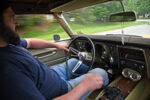
His idea for the car would feature plenty of power combined with a suspension system that could handle the twisty backroads near his home and also be able to hit the quarter-mile strip at Island Dragway.
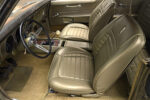
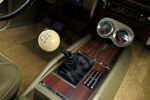
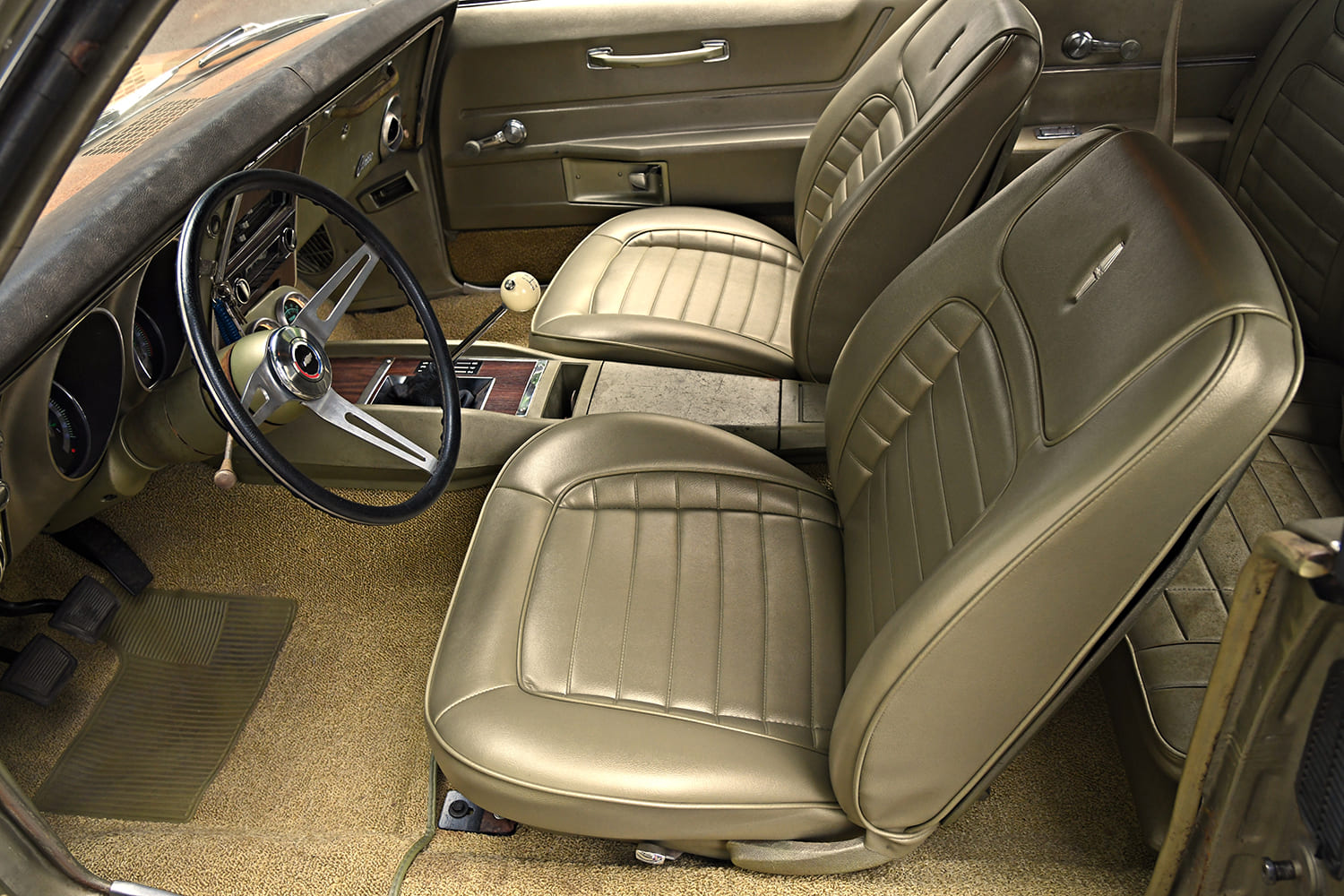
First on the list was the structural issues. The floor was replaced to give the unibody back its rigidity. Interior-wise, Joe only replaced what was unsavable to keep as much of the car’s history as possible. “I found a hand-written road map to Martha’s Vineyard in the glovebox that was locked,” Joe says. “Ironically this was where I also vacationed in my childhood. Knowing this car had been to the best beach on the East Coast, I didn’t want to take the sun-bleached dash and old console out of the car because they told a story.”
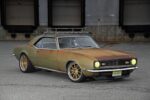
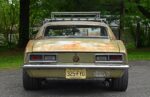
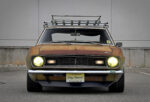
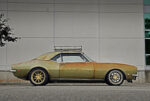
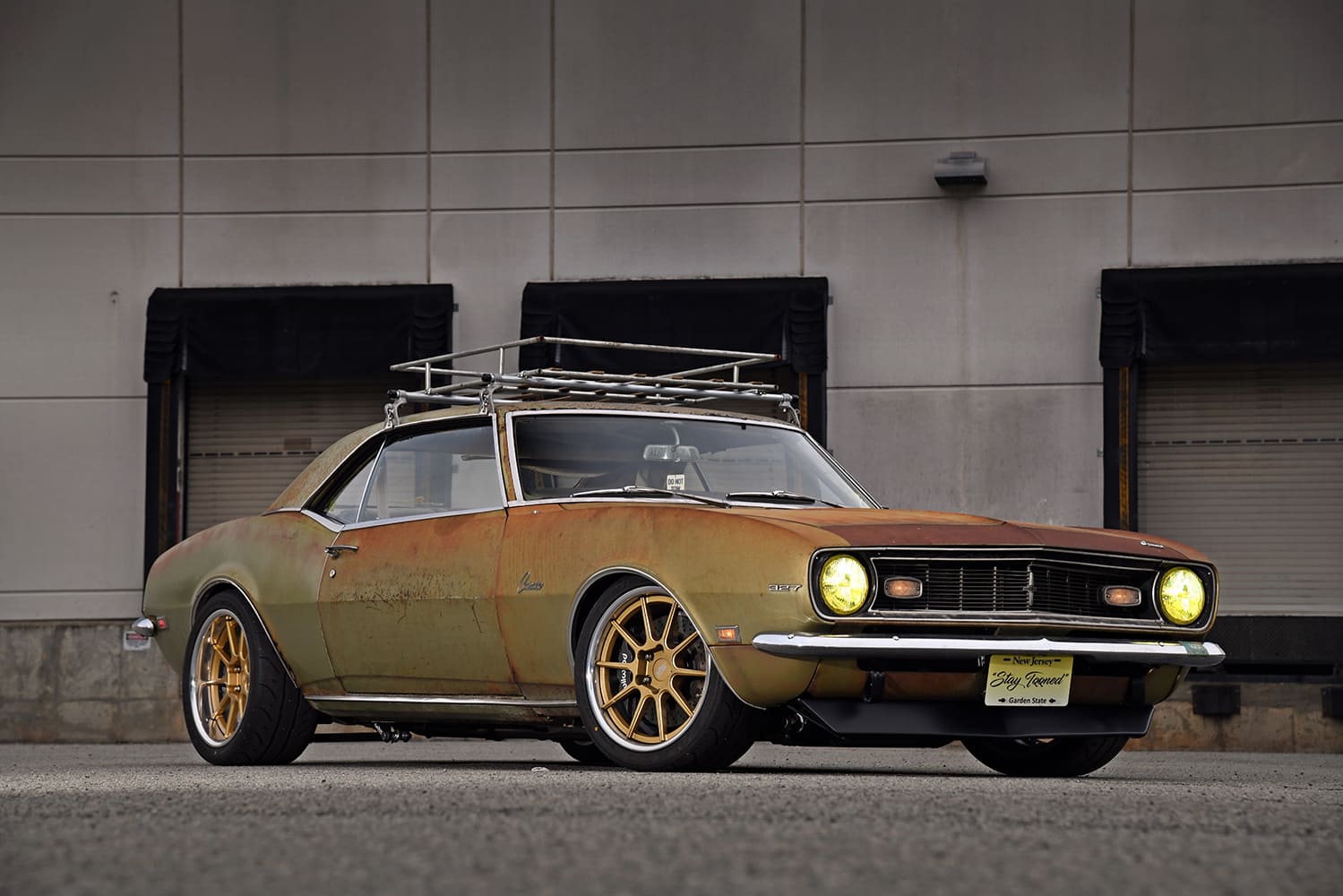
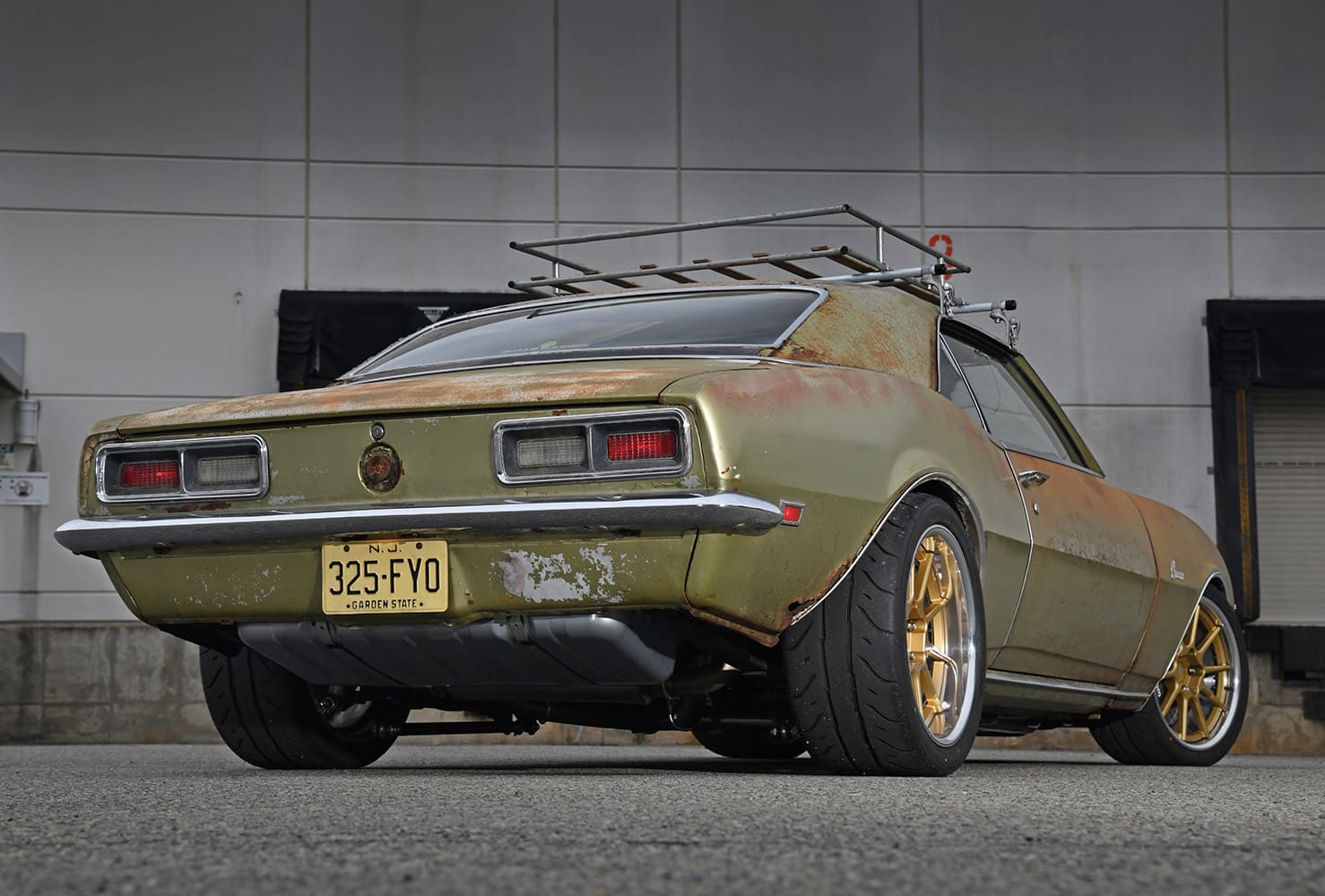
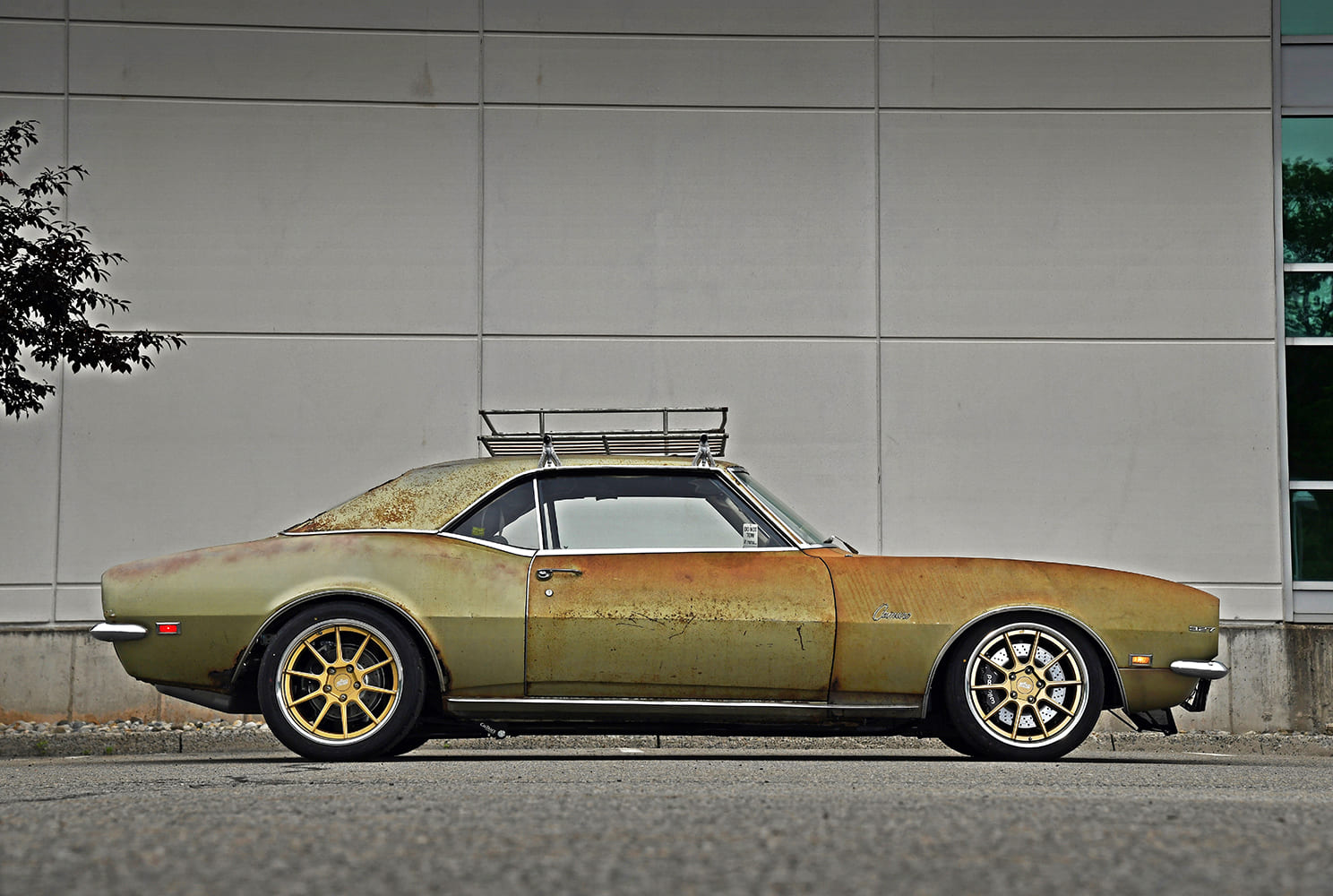
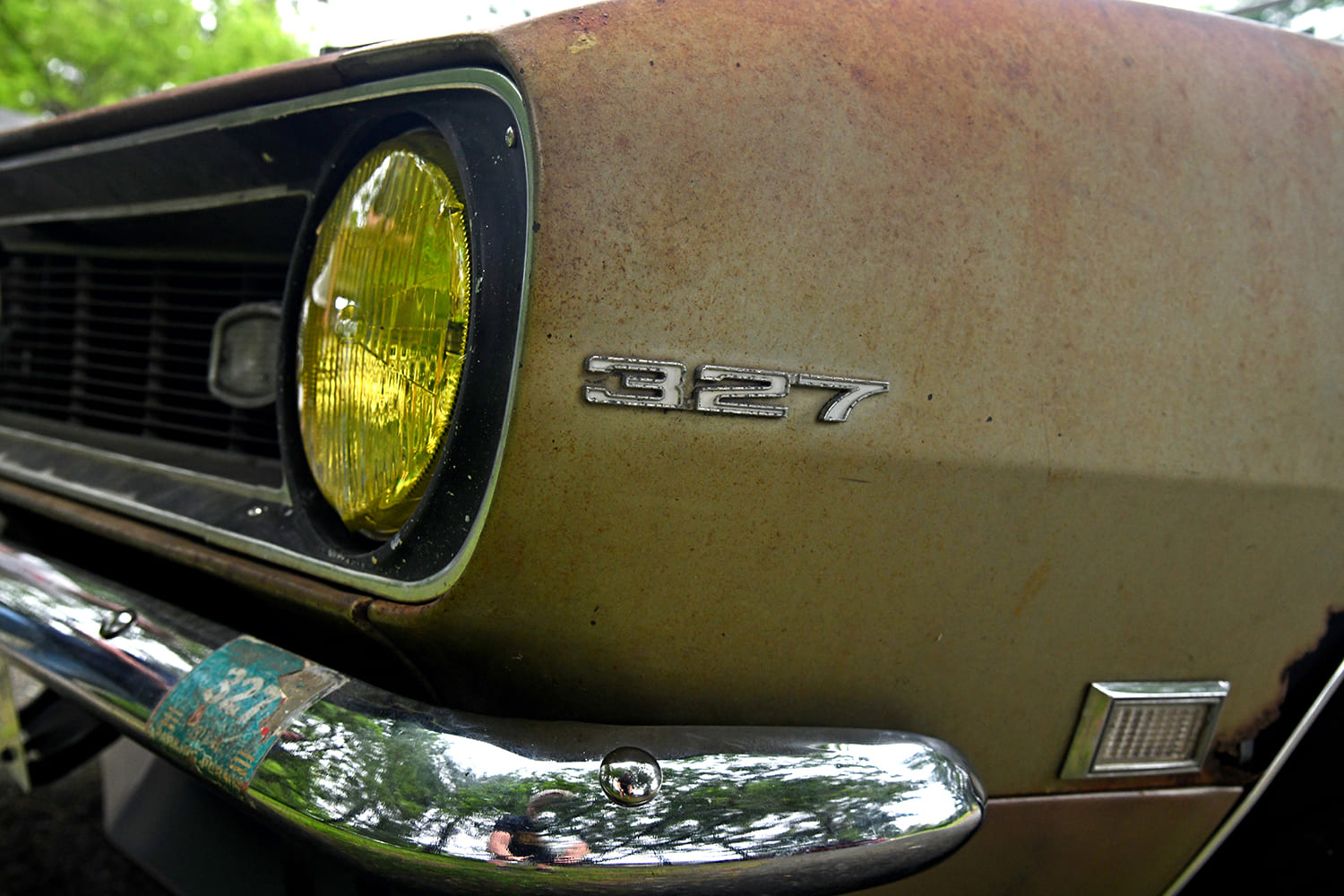
The seats were restored using TMI skins and foam, and the door panels and carpet were swapped for new OEM pieces. Of course, that incredible patina the Camaro wears will be saved for the long run. “I basically just washed the car; there is nothing on the paint at this time,” Joe confesses. “There are a few spots that have rusted through, but overall, the car is pretty solid considering it has lived a hard life outside for the past four decades.”
Joe moved onto the suspension, adding a Detroit Speed front subframe and installing some top-shelf goodies fore and aft. JRi double-adjustable shocks, Detroit Speed tubular control arms, rack-and-pinion steering, and splined sway bar improve the front end, while multi-pack leaf springs and CalTracs handle the rear. Right now, the rear is a BOP 8.5-inch with a Truetrac posi stuffed with 3:73 gears.
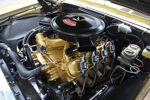
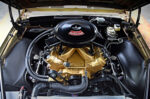
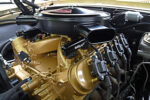
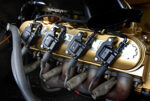
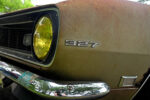
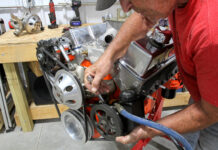
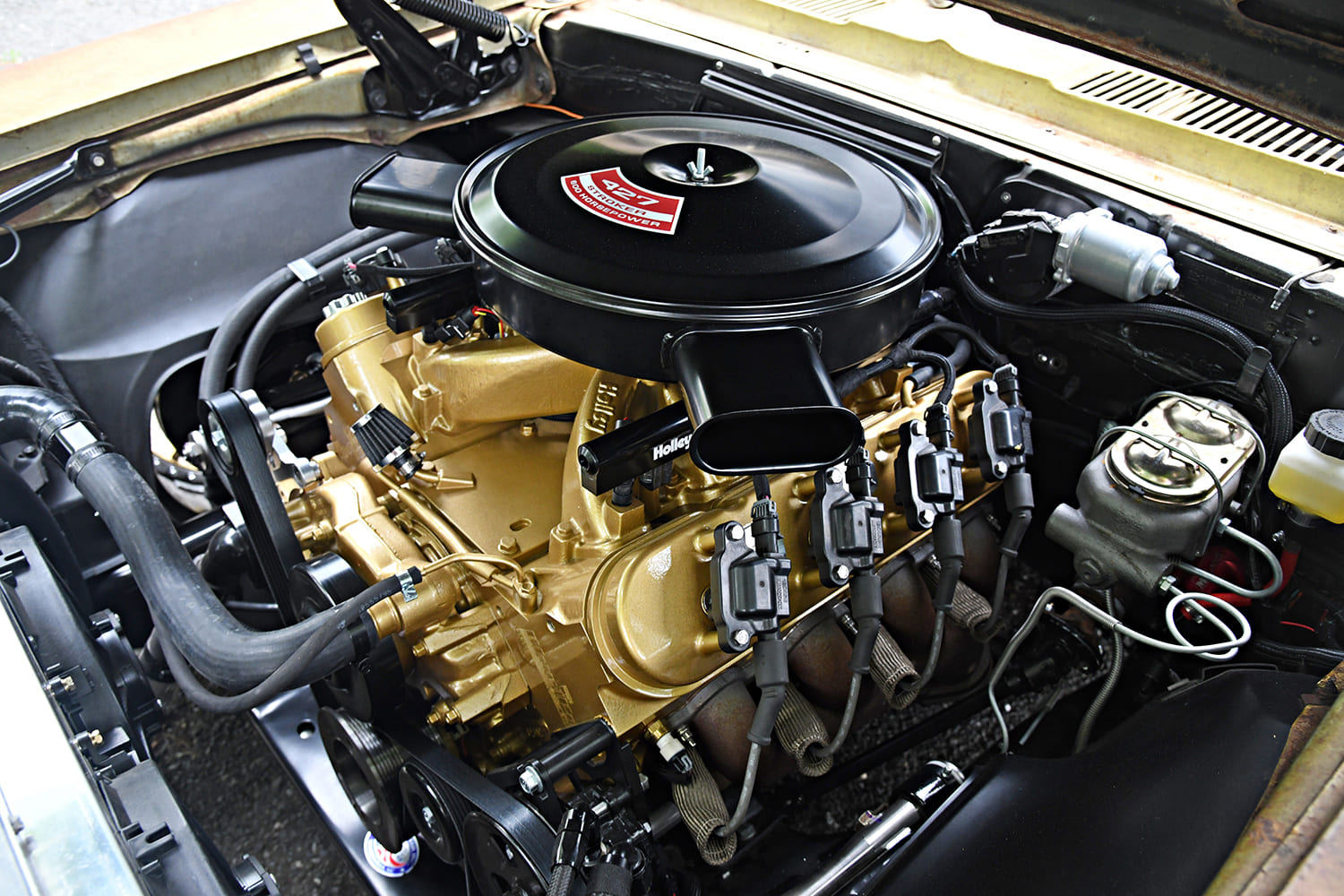
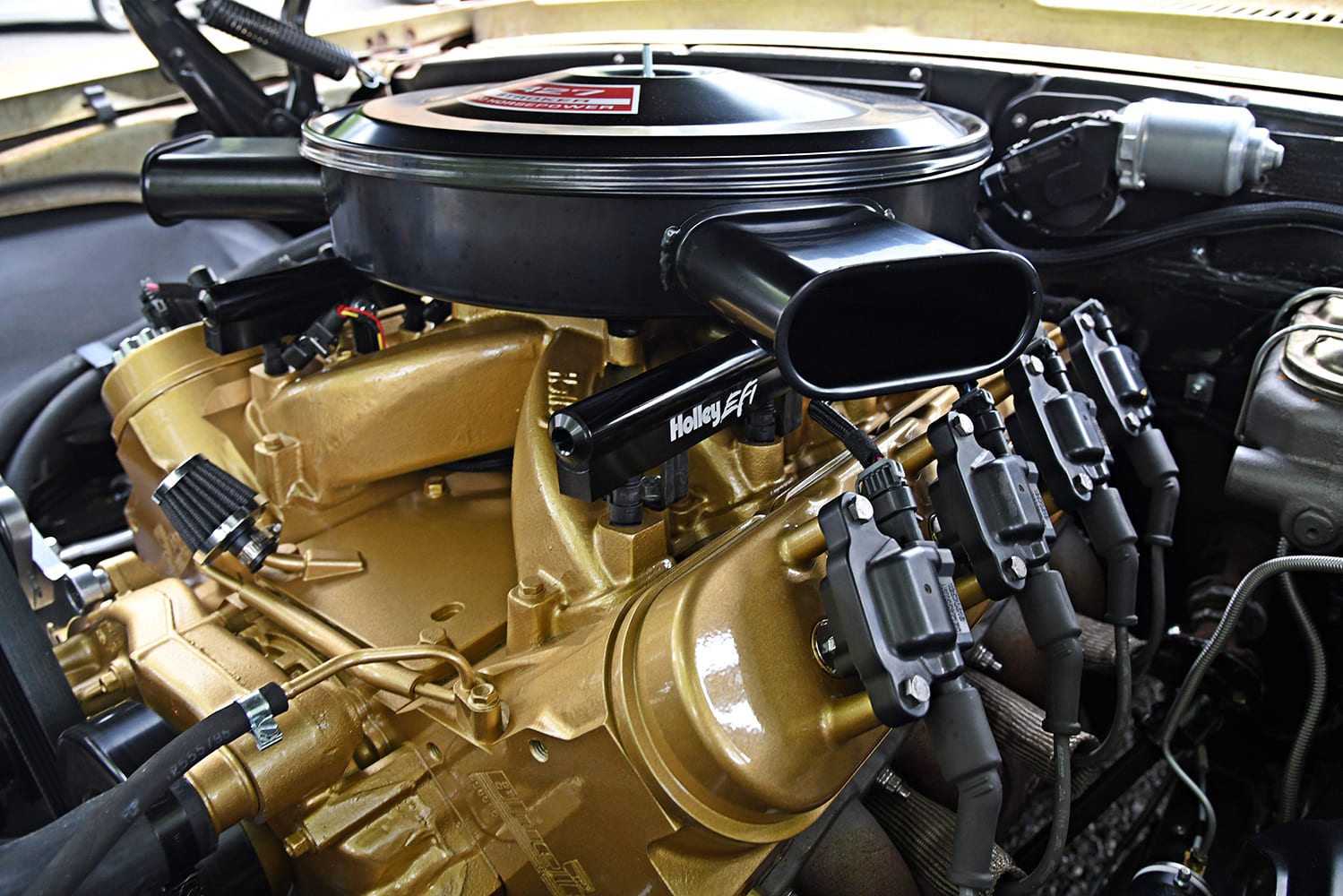
From the time Joe purchased the Camaro, it took only three months to turn it into a running, driving car, which was right in line with his original goal. In his three years of ownership, the drivetrain has gone through some changes. Its first iteration included a healthy 5.3 LS, but it soon became abundantly clear that 360 hp was not enough. So, Joe went ahead and ordered a BluePrint 427, painted it gold to complement the outer “paint,” and added some go-fast goodies, aesthetic pieces to bring it all together, then backed it up with a TKO600 transmission. “With 565 hp and 520 lb-ft of torque, this Camaro is a tire fryer,” Joe enthusiastically says. “I chose to dress the engine with an old-school–style intake and air cleaner, not to hide that it’s an LS but to pay homage to the car’s original heritage.”
Like all projects, the car is always evolving. “I’ve changed the wheels and will probably do it again,” Joe confesses. “I’ve also added a vintage-style roof rack with parts sourced through Blake Evans at Sweet Patina. More changes are always on the horizon because a project car is never done, and I am currently building a Ford 9-inch rearend so that it can handle some sticky tires and to see what it will do on the dragstrip.”
Check out this story in our digital edition here.
TECH CHECK
Owner: Joe Teger, Flanders, New Jersey
Vehicle: 1968 Chevrolet Camaro
Engine
Type: BluePrint Engines LS style
Displacement: 427 ci
Compression Ratio: 11:1
Bore: 4.060
Stroke: 4.125
Assembly: BluePrint Engines
Rotating Assembly: Stock forged internals
Cylinder Heads: BluePrint Engines 72cc chamber 2.165-inch intake valves 1.600-inch exhaust valves
Camshaft: 0.624/0.624 lift, 239/255 duration at 0.050, 114-degree LSA
Intake Manifold: Holley 4150 port injected, single plane
Exhaust: Holley cast manifolds, Pypes crossflow exhaust system
Valve Covers: BluePrint Engines
Accessory Drive: ICT Billet
ECU: Holley Terminator
Output: 625 hp, 590 lb-ft of torque
Drivetrain
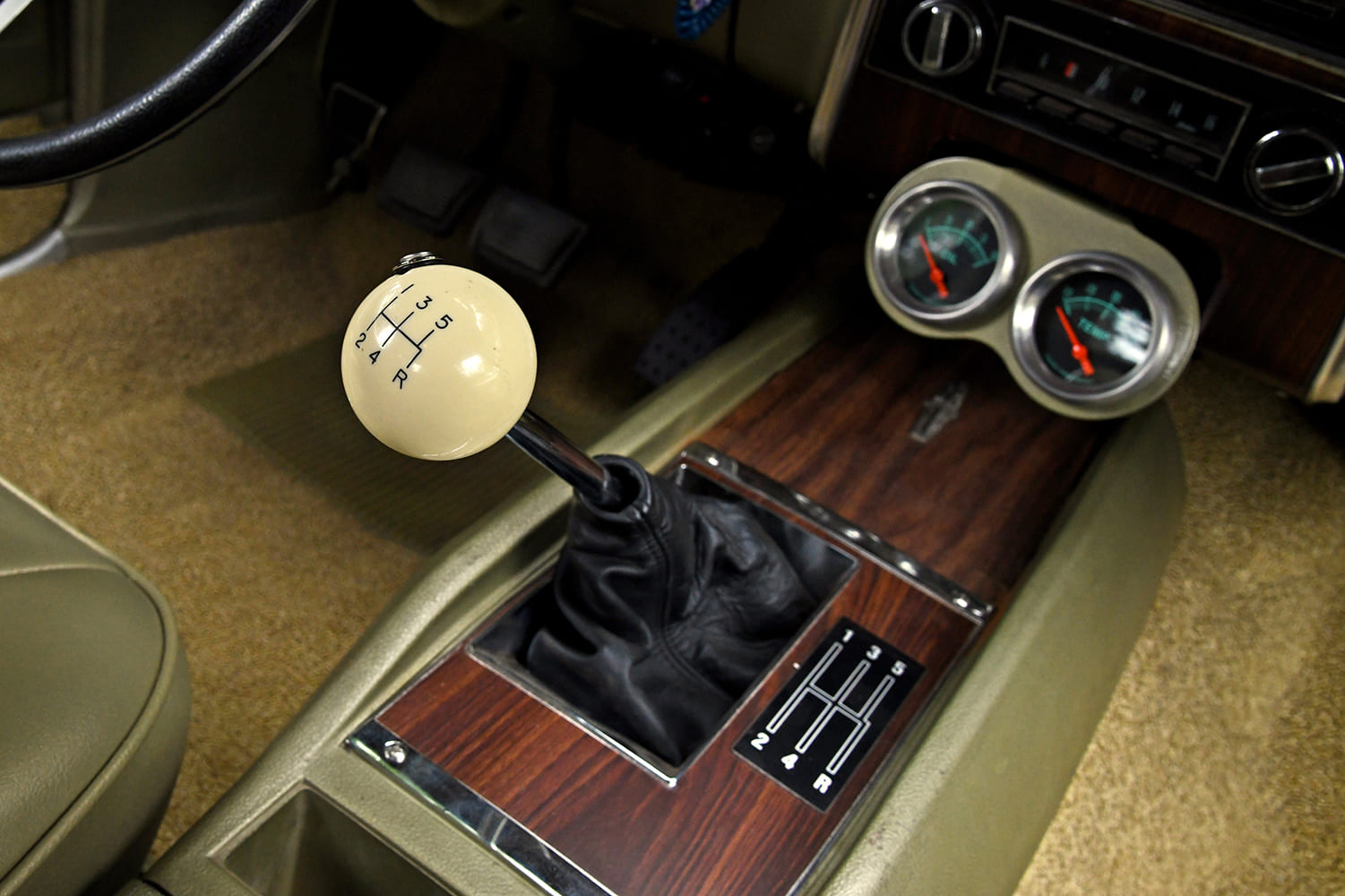
Transmission: TREMEC TKO 600
Clutch: McLeod RTX twin-disc
Shifter: Silver Sport with Lokar bent stick
Driveshaft: Axle Exchange 3.5-inch DOM
Rear Axle: BOP 8.5 with a Truetrac posi and 3:73 gears
Chassis
Front Suspension: Detroit Speed & Engineering hydroformed subframe, JRi double-adjustable shocks, tubular control arms, splined sway bar, rack-and-pinion steering
Rear Suspension: Multi-pack leaf springs and CalTracs
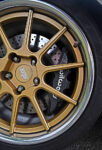
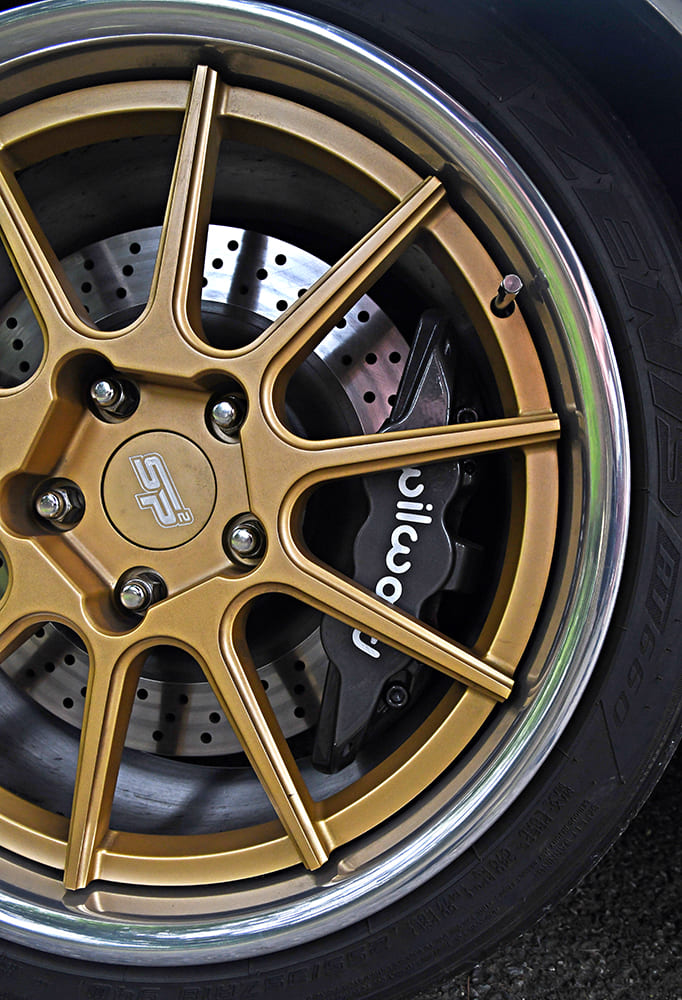
Brakes: Wilwood six-piston calipers, 14-inch rotors, front; one-piston GM-style caliper 11-inch rotors, rear; factory-style cast master cylinder with Wilwood adjustable proportioning valve
Wheels & Tires
Wheels: SP2 Forged 18×9 front, 18×9.5 rear
Tires: Falken Azenis RT660 255/35R18 front, 275/35R18 rear
Interior
Carpet: OER factory replacement
Door Panels: OER factory replacement
Insulation: Dynamat
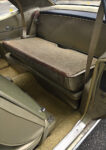
Seats: TMI foam and covers for factory seat frames, front; factory fold down, rear
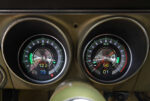
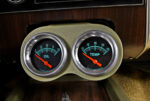
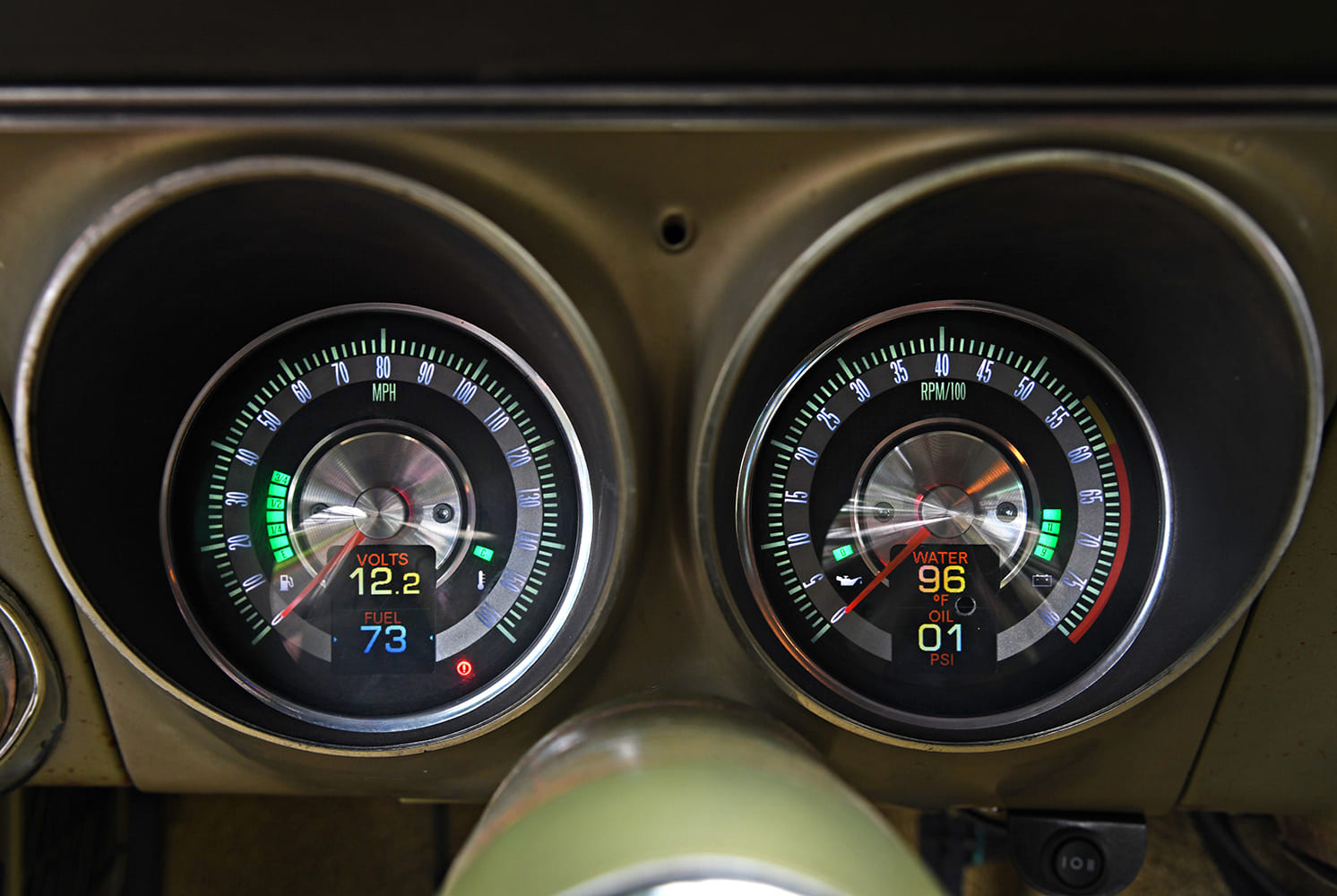
Instrumentation: Dakota Digital RTX gauges, Classic Instruments mechanical gauges above console
Wiring: American Autowire
Entertainment System: Three pedals and V-8
Exterior
Bodywork and Paint: Mother Nature
Headlights: Holley RetroBright LED
Hood: Stock
Bumpers: Stock