


By Barry Kluczyk – Photography By The Author
Corvette fuel injection has been around for decades. Dating back to 1957, its history is quite interesting with many highs and a few lows. There have been many major mechanical innovations in the auto industry, from Charles Kettering’s electric starter to the automatic transmission, antilock brakes, and more, but few have been as significant as the development of fuel injection.
Fuel injection had existed for decades in various forms, but it wasn’t until the advent of advanced electronic control systems in the early 1980s that it became a leading technology for lower emissions and improved efficiency. Ironically, it also became a key factor in high performance—both from the factory and in enthusiasts’ garages.
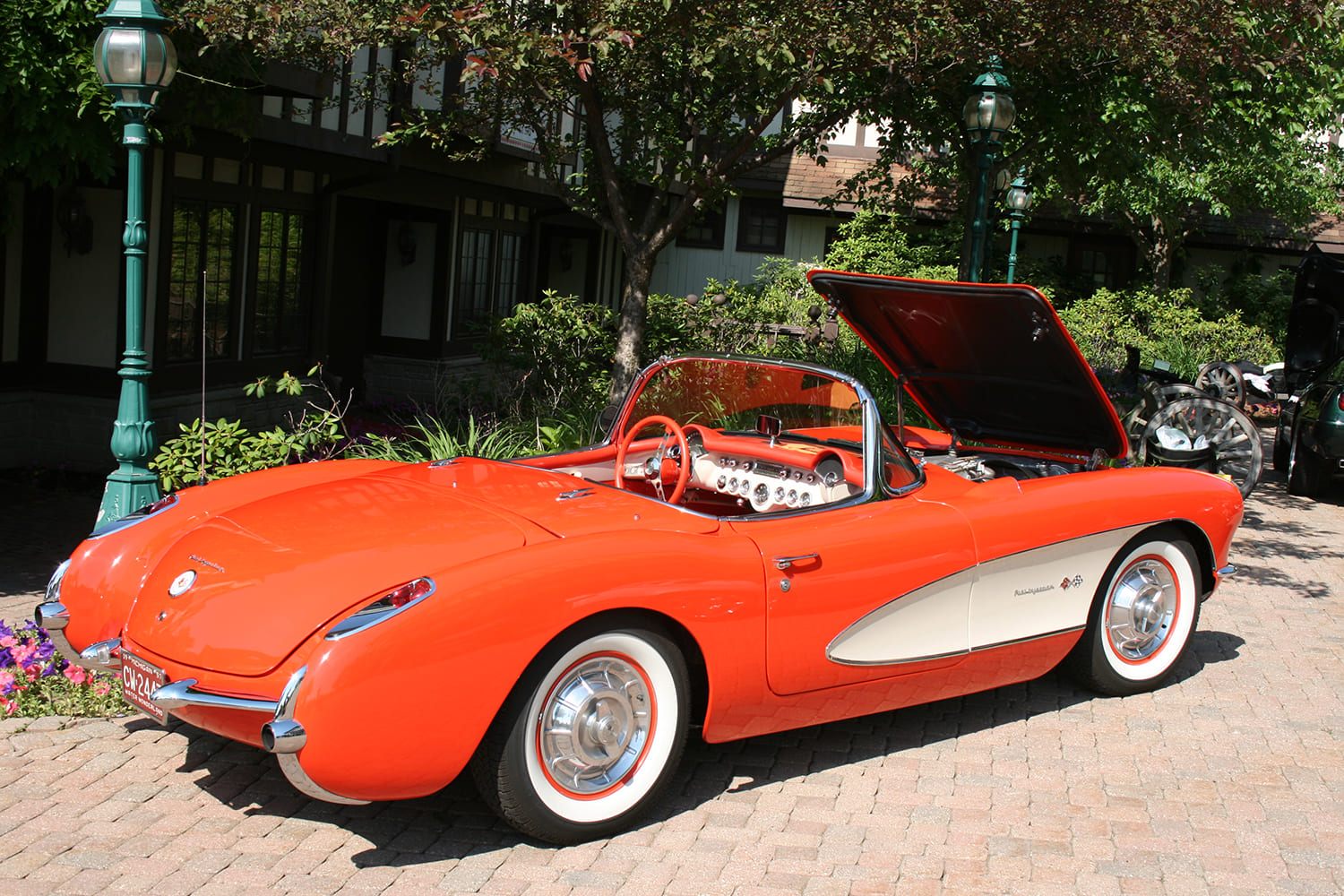
We’re building a fuel-injected, small-block for our C3 Corvette project, which sparked a discussion about the history of carburetor alternatives in Corvettes, as well as the growth and evolution of aftermarket systems. There’s a lot to cover on this detailed topic, so we’ll keep things at a high level.
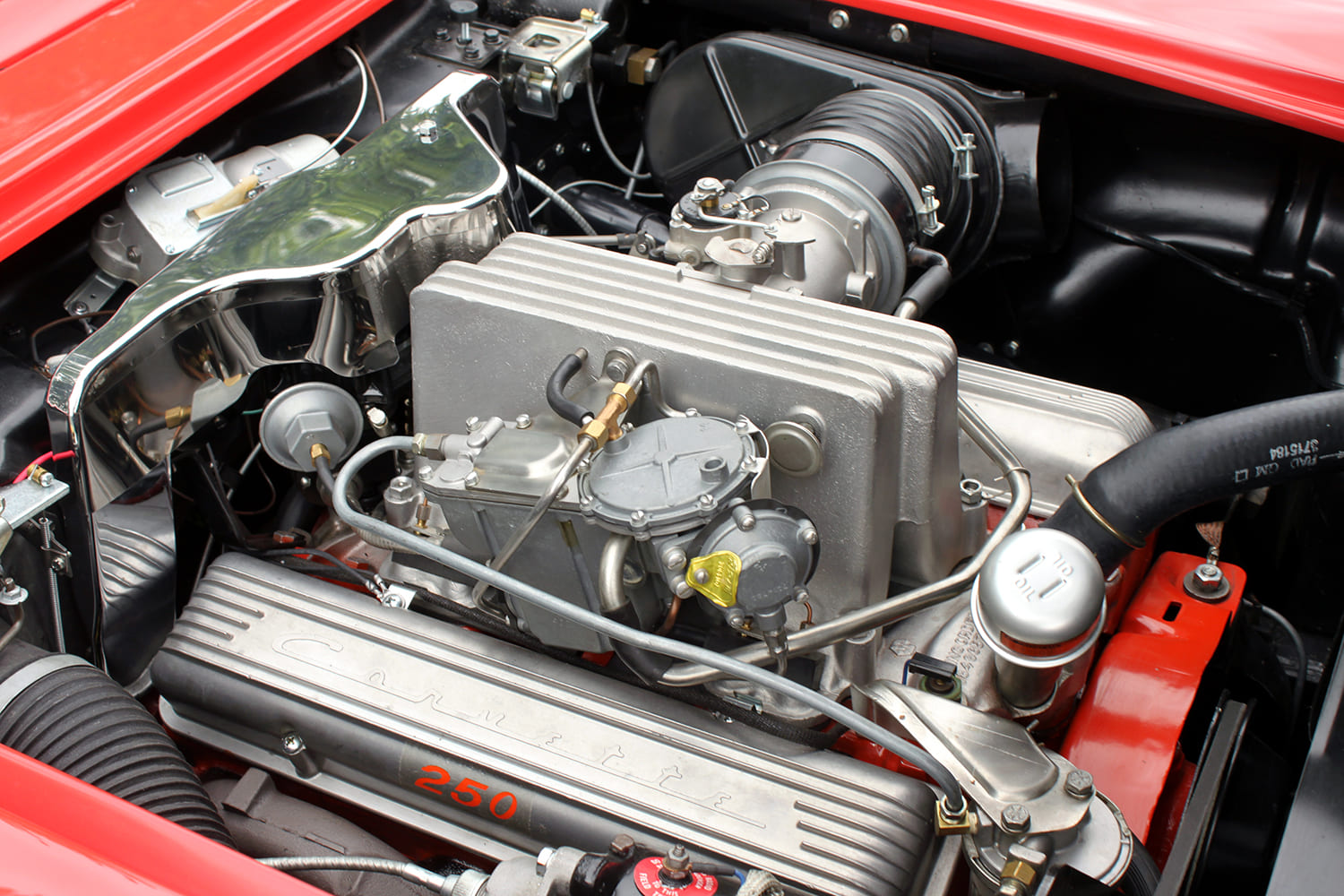
The “Fuelie” Years

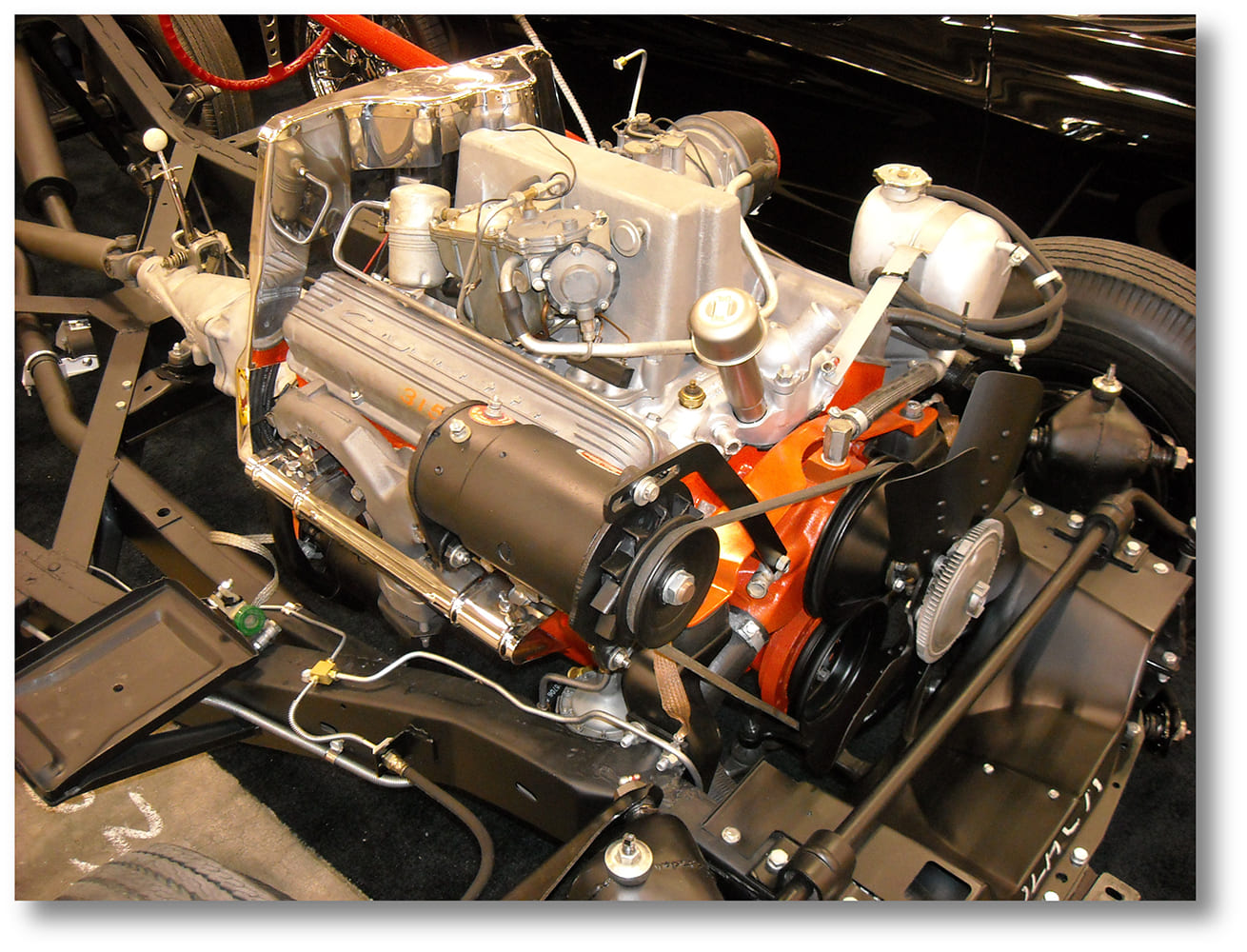
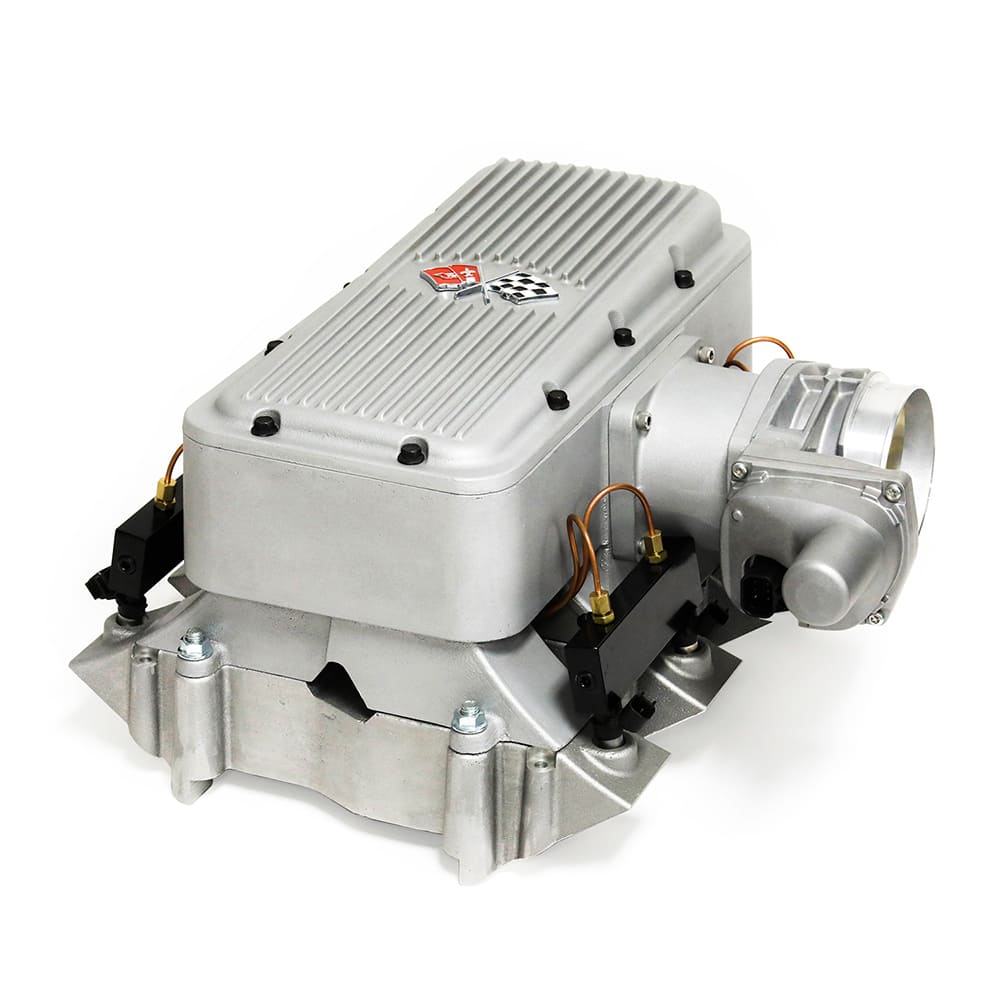
A couple years after Robert Bosch adapted his constant-flow mechanical direct-injection design for the Mercedes-Benz 300 SL, Chevrolet introduced its own system on the 1957 Corvette and Bel Air. It was quite different, using a port-injection design instead of Bosch’s diesel-style direct-injection system. It was ultimately a simpler design that didn’t require the large, auxiliary high-pressure fuel pump needed for the Bosch system.
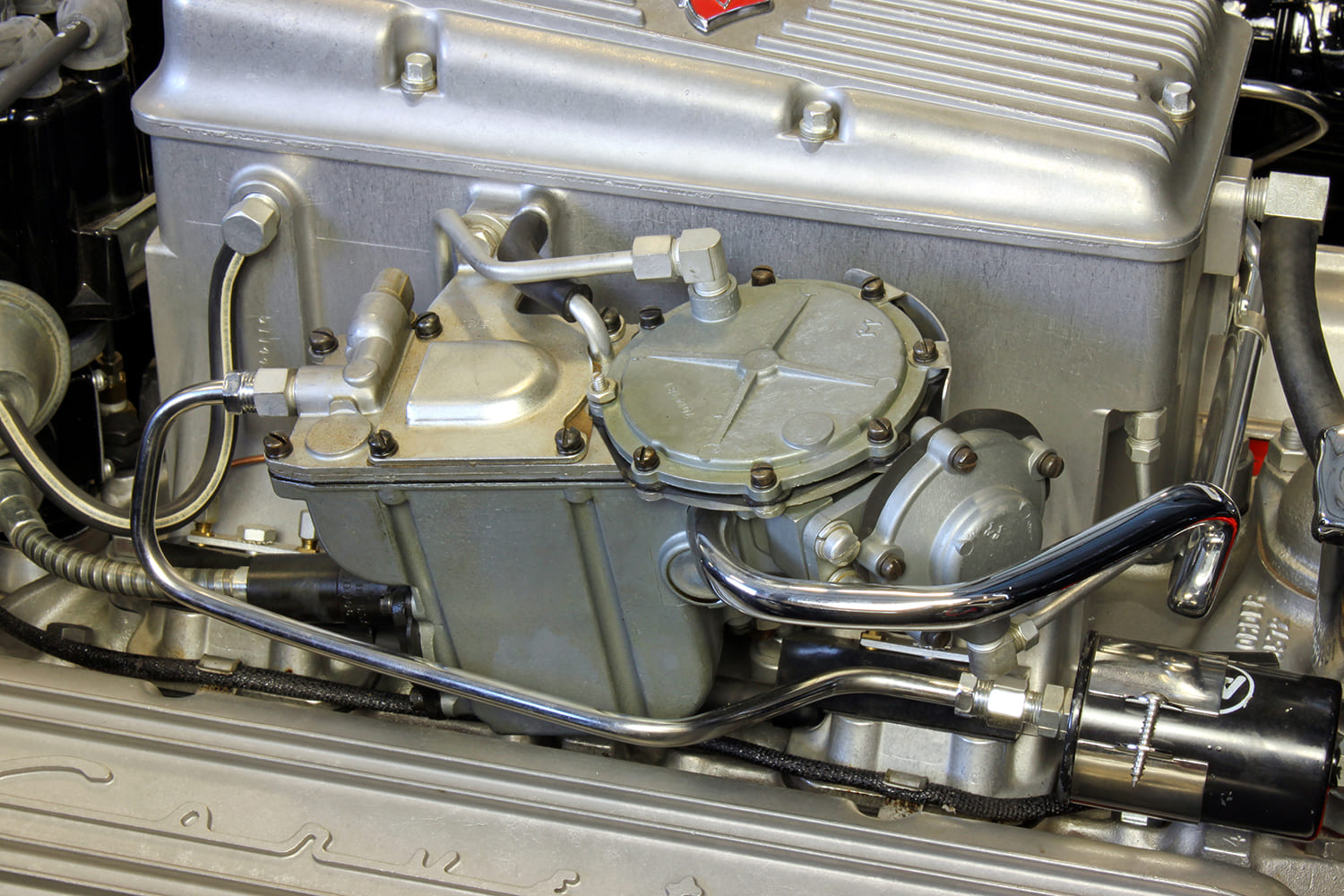
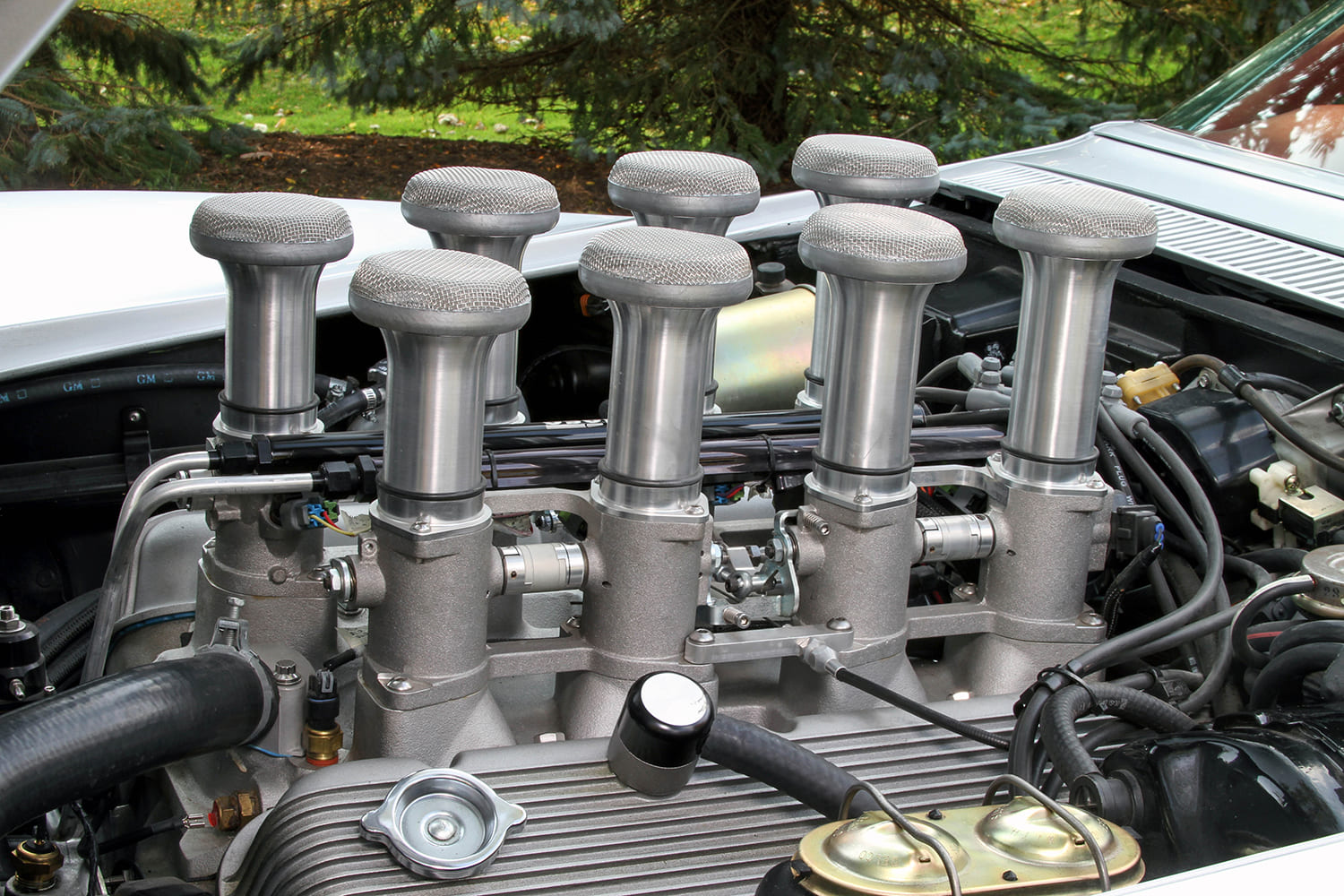
The distinctive look of a Corvette’s “fuelie” engine came from its tall intake manifold, which had an air meter on the driver side of the plenum and a fuel meter on the opposite side. The air meter was similar to the throttle body found on modern EFI systems. The fuel meter housed the high-pressure fuel pump, which was cable-driven through a Fuelie-specific dual-drive distributor.
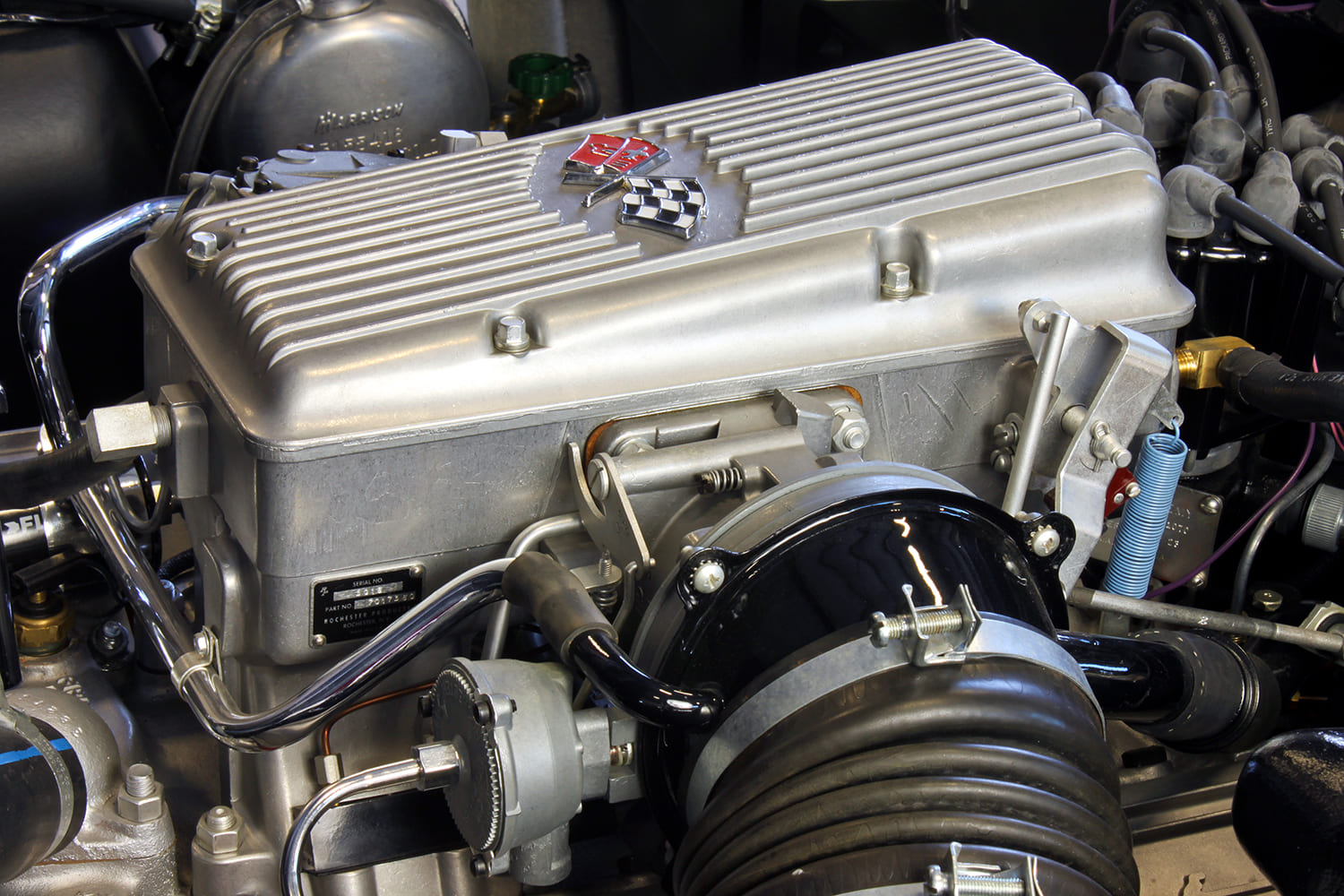
The Ramjet system was criticized for finicky performance and unreliability, but this was more perception than reality, as most complaints came from technicians who didn’t fully understand the admittedly complex system. Lacking proper tuning capabilities or repair knowledge, many shops opted to install carbureted induction systems instead.

The real issue was cost. By 1965, its final year, the 375-horse fuelie engine was a $538 option, while the solid-lifter L76 small-block engine offered 365 horses for only $129 more than the base engine. Ouch. Even worse, the all-new 396 big-block with 425 hp cost just $292 more. More power for nearly half the price sealed the Ramjet’s fate.

The Cross-Fire “Misfire”
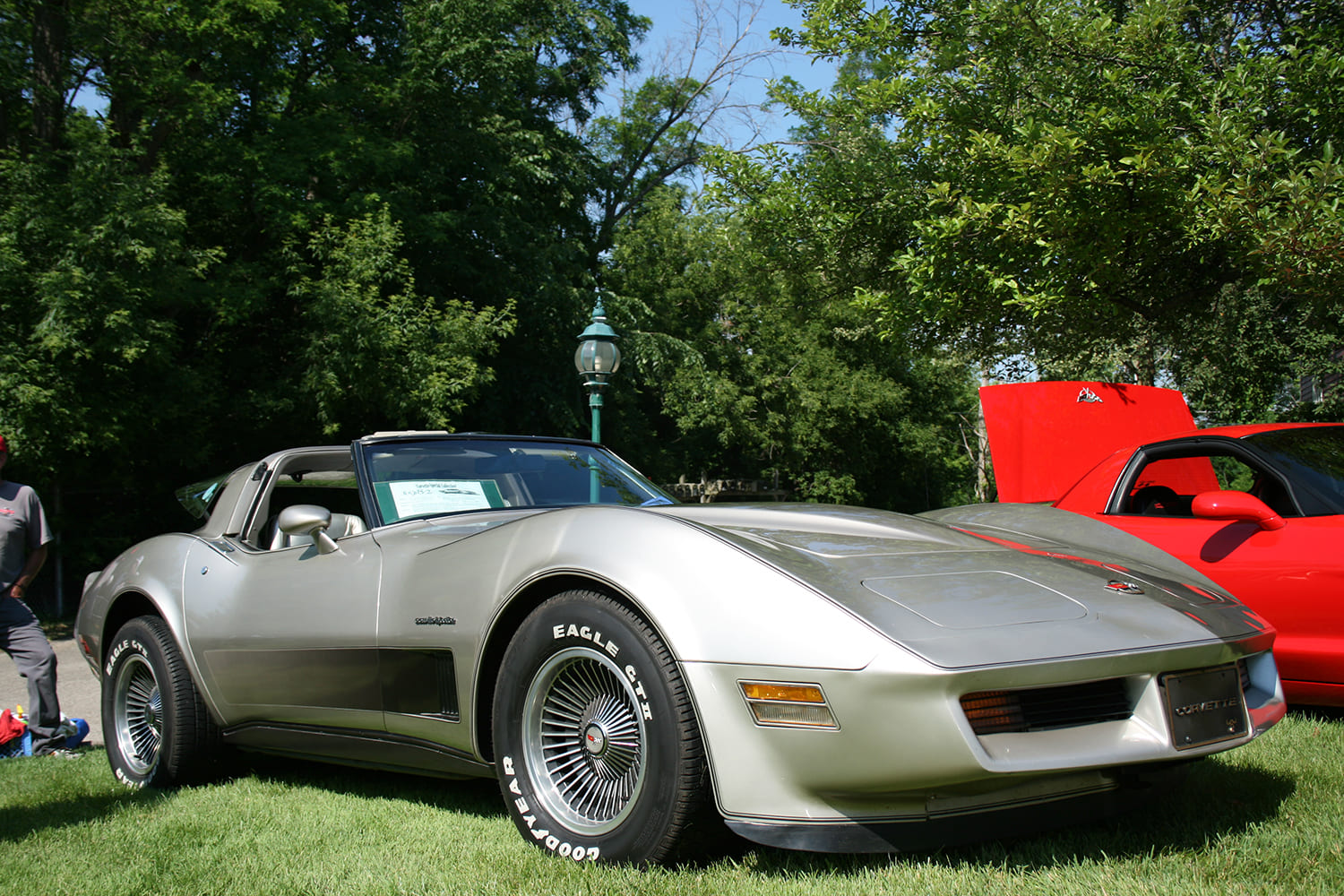
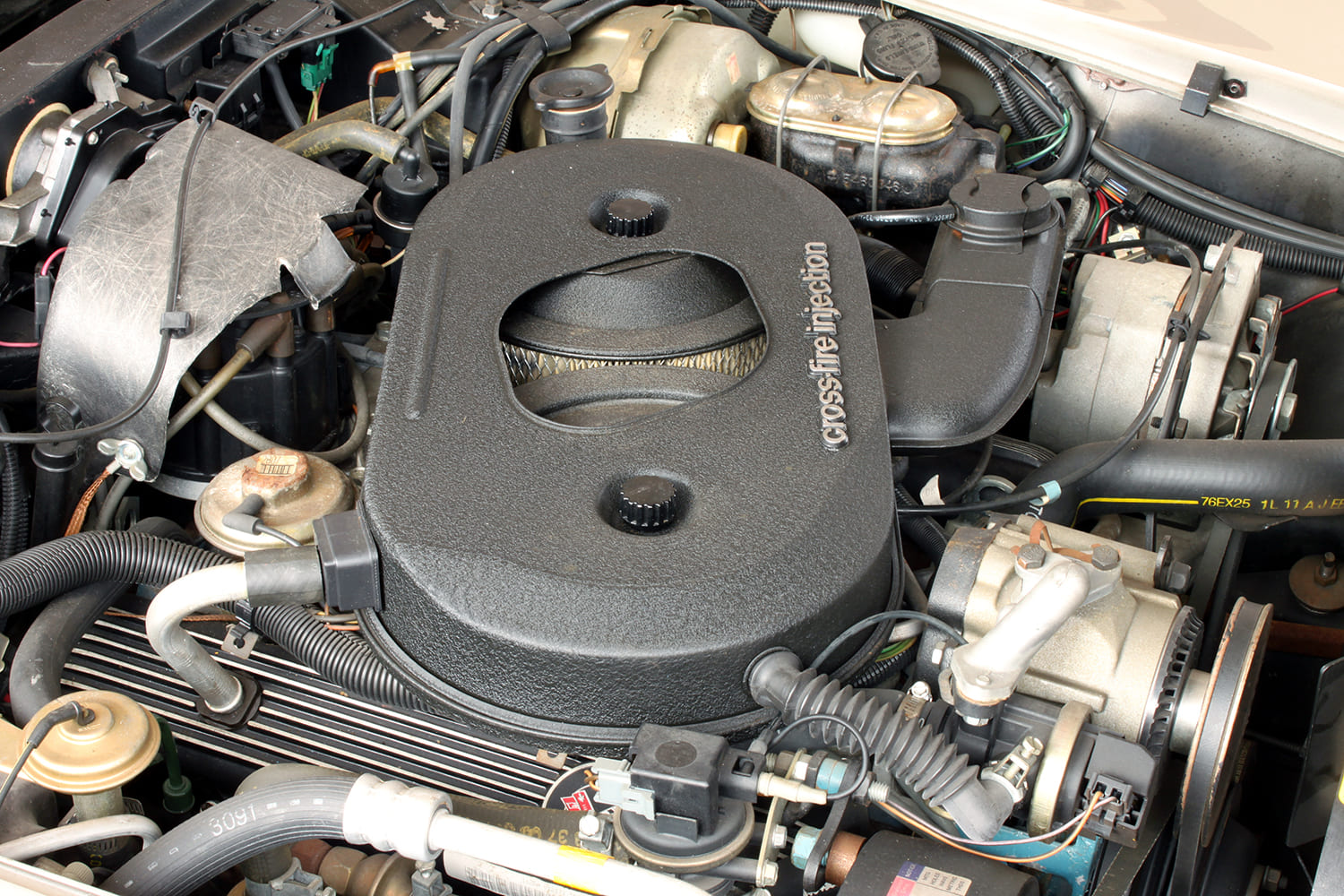
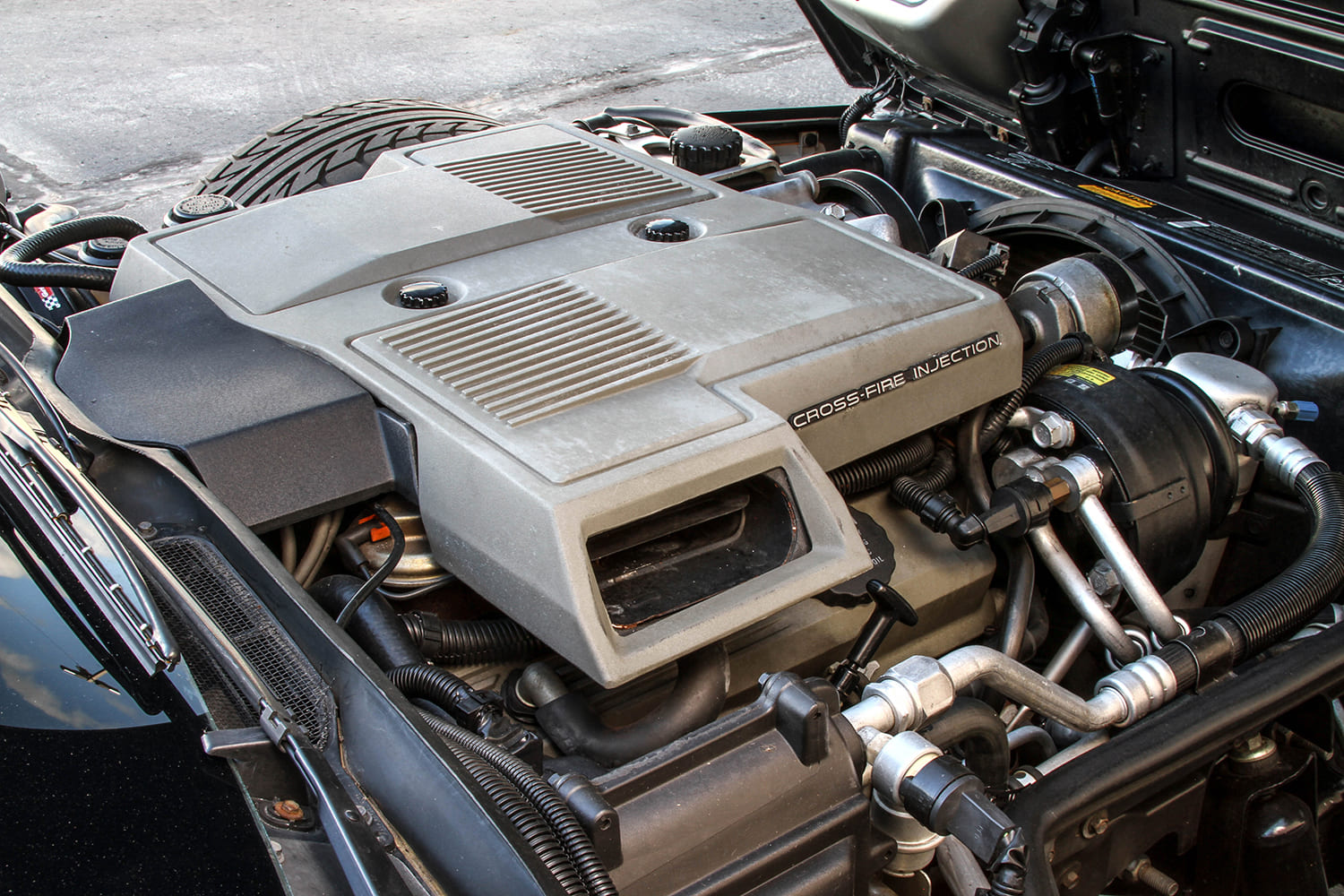
In 1982, the Corvette was introduced with its first electronically controlled fuel-injection system: Cross-Fire Injection. It wasn’t the modern EFI we’re used to today, but it was a significant step forward—and it definitely looked cool under the hood. Its pair of diagonally opposed throttle bodies closely resembled the over-the-counter cross-ram induction system found on 1969 Camaro Z28 models. (The engine was also shared with the all-new 1982 Z28.)
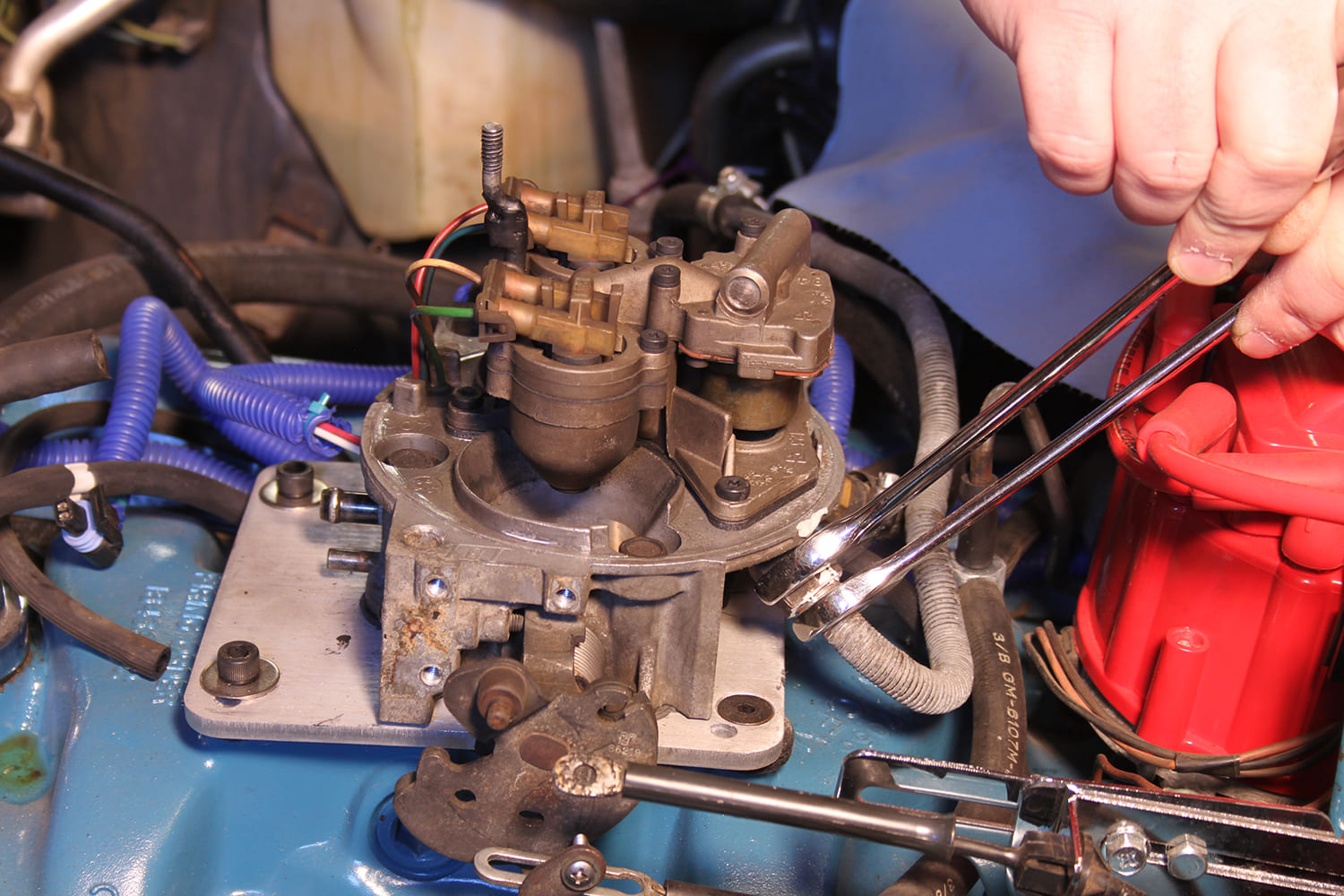
Unlike the port design of the Ramjet mechanical system, Cross-Fire Injection distributed the air/fuel mixture like a conventional carbureted intake manifold, with a pair of throttle bodies instead of carbs. Together, they delivered the equivalent of 750 cfm. The relatively simple electronic control system monitored coolant temperature, throttle position, engine speed, and manifold vacuum to make its adjustments. It all worked well enough, and the system was quite reliable.
Nevertheless, the Cross-Fire Injection engines used in the 1982 and 1984 Corvettes gained a reputation for lackluster performance and efficiency—qualities that should have been the strengths of a fuel-injected engine. The issue wasn’t with the injection system itself but with the design of the intake manifold. To enhance low-rpm performance, the racing-style cross-ram manifold’s plenum volume was reduced to about 475 cfm. As a result, the engine quickly lost its breath, impairing high-rpm performance. It was an unfortunate trade-off that tarnished what could have been a technological highlight for the Corvette.

Tuned-Port Injection to the Rescue
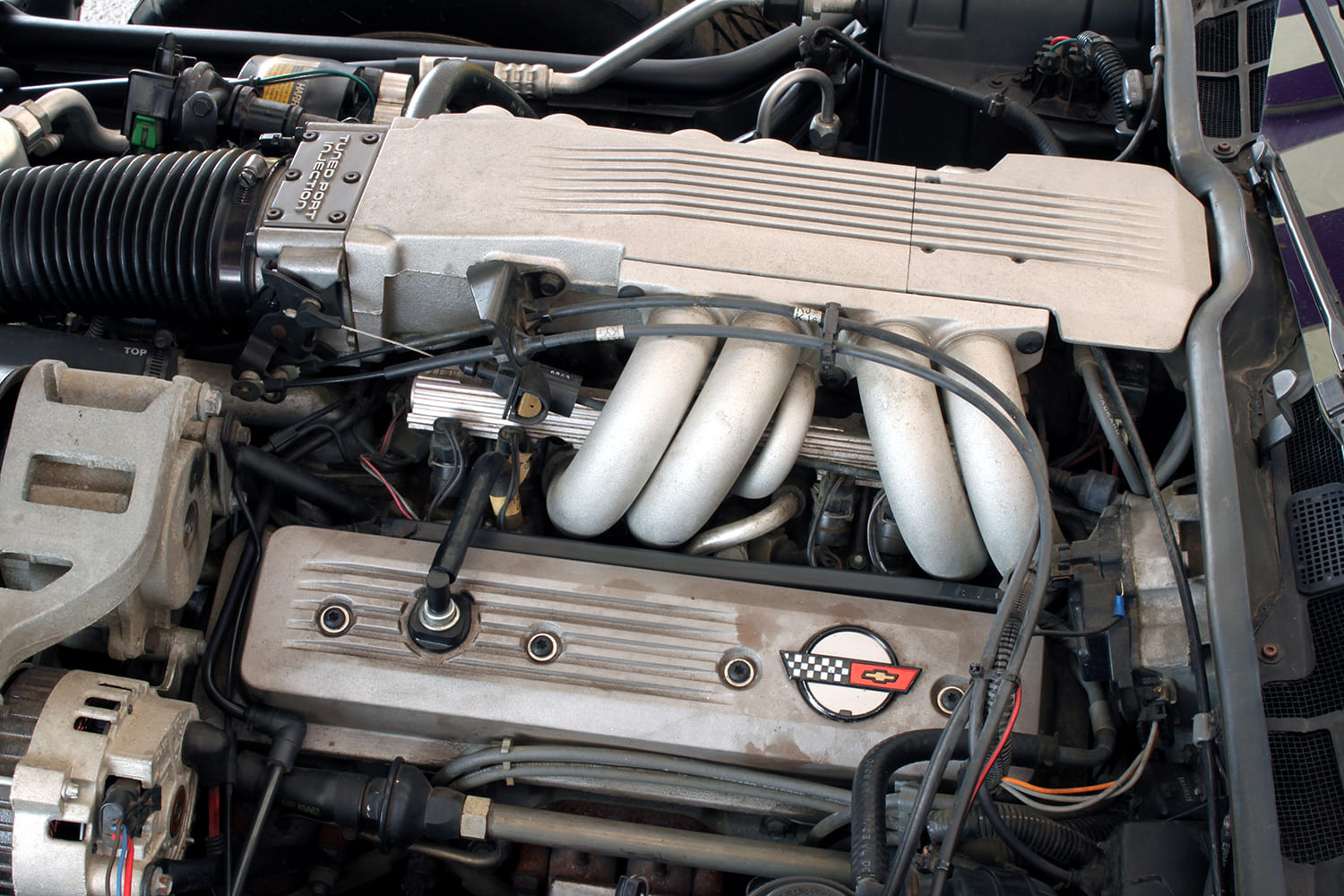
In 1985, Tuned-Port Injection (TPI) replaced Cross-Fire Injection in the Corvette, marking a new chapter in EFI performance. It looked fittingly advanced for the time and delivered on the fuel-injection promise, with a 25hp increase over the Cross-Fire engine.

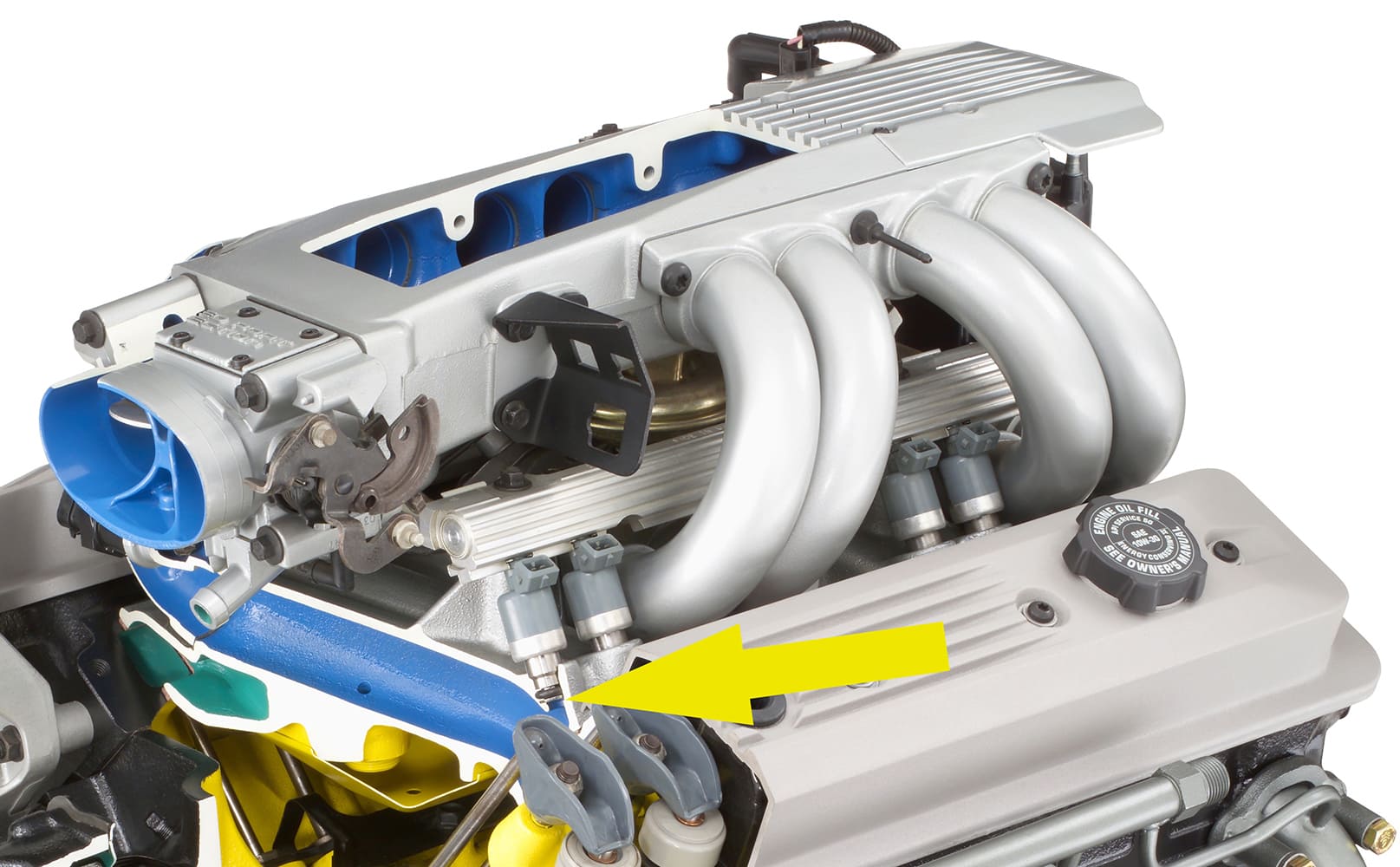
Notably, TPI marked a return to port injection—one injector per cylinder—offering more precise fuel control that resulted in higher horsepower while still meeting emissions standards. The spaceship-like appearance of the TPI intake plenum and runners remained until the small-block was updated for the Gen 2 LT1 series starting in 1992, although the fuel injection system itself stayed mostly the same.
That included batch-fire control of the injectors, where one bank of injectors was fired simultaneously, followed by the other bank. In 1994, the control system was updated to sequential fuel injection, which fired each injector individually in sync with the intake valve timing. This advancement brought port injection to a new level of control and performance.
Actually, sequential port injection became the standard for production fuel injection systems across the industry for the next 20 years, including the C5 and C6 Corvette generations. It performed well and was highly tunable, which sparked the revolution in aftermarket performance.
Direct Injection Drives the Future
For over a decade, direct-fuel injection has largely replaced the traditional port injection throughout the industry—and it has been the system under the Corvette’s hood since the C7 was introduced in 2014.
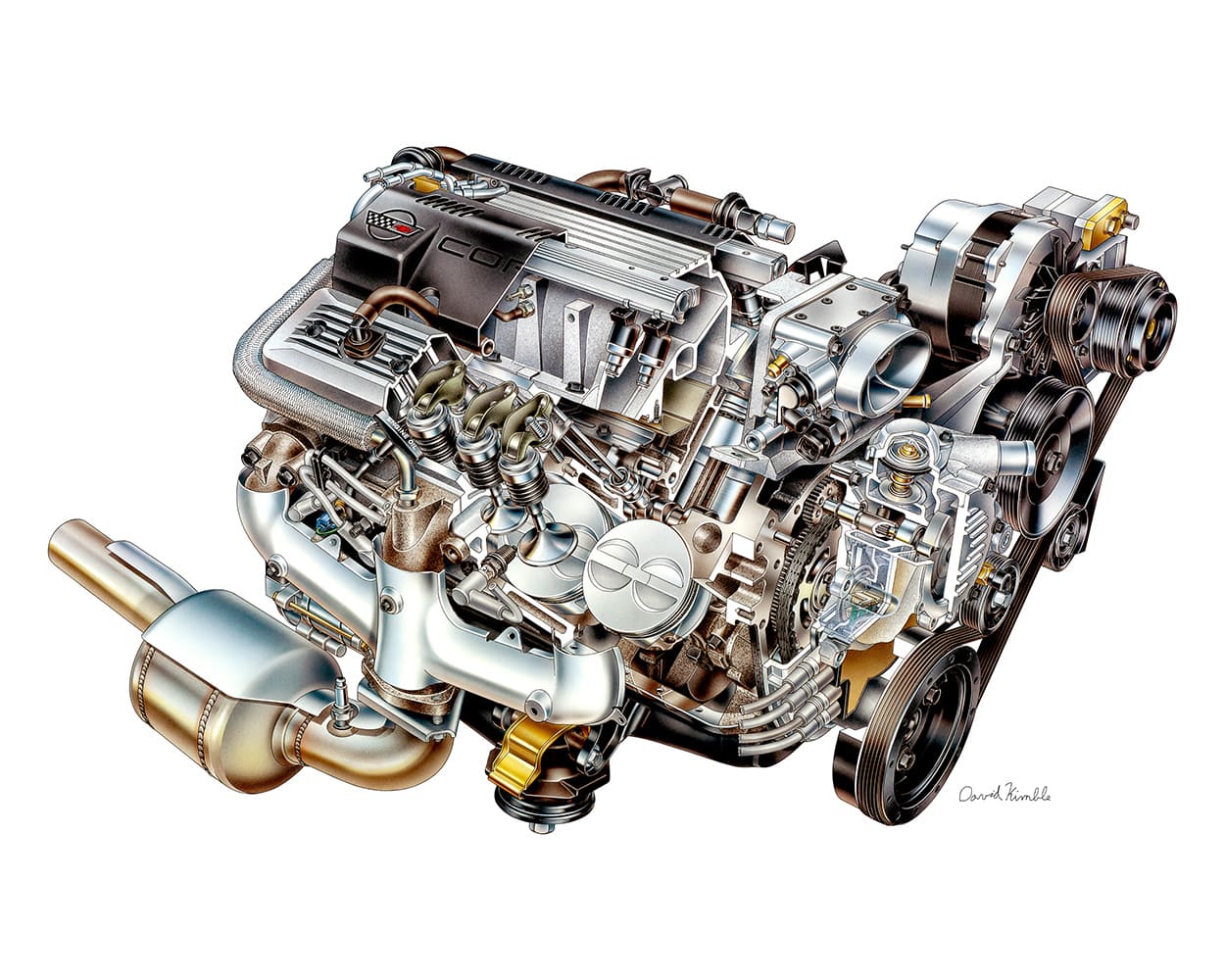
Offering even more precise fuel control than sequential port injection, direct injection sprays fuel at very high pressure directly into the combustion chamber rather than the intake port. It enables greater atomization and a stratified combustion strategy, which not only delivers a more complete, efficiency-enhancing mixture burn but also supports horsepower-building elements, including higher compression.
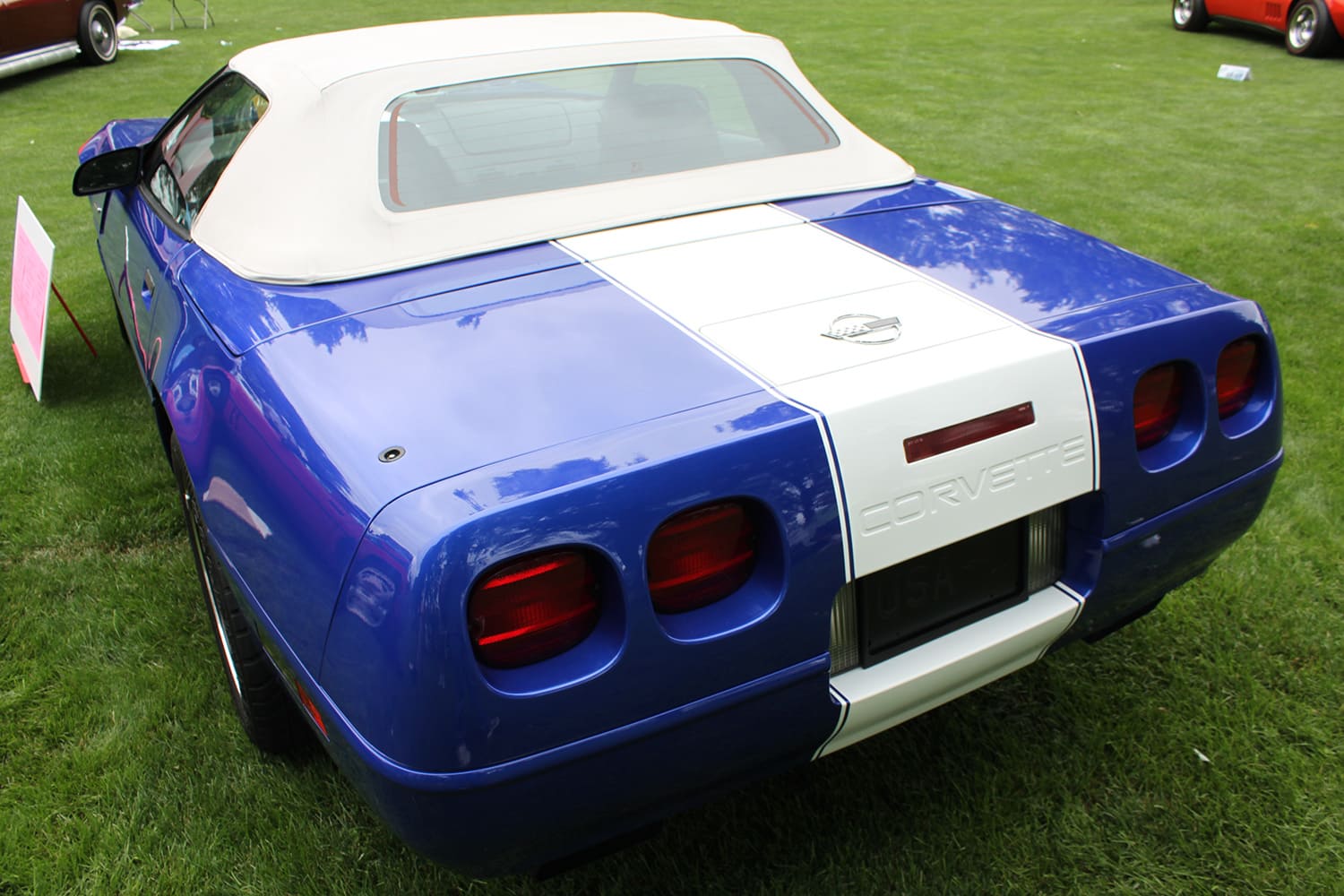
That’s exactly what happened between the C6 Corvette’s 6.2L LS3 and the C7 Corvette’s 6.2L LT1. Direct injection allowed engineers to increase the compression ratio from 10.7:1 to 11.5:1, resulting in a 25hp increase within the same displacement.
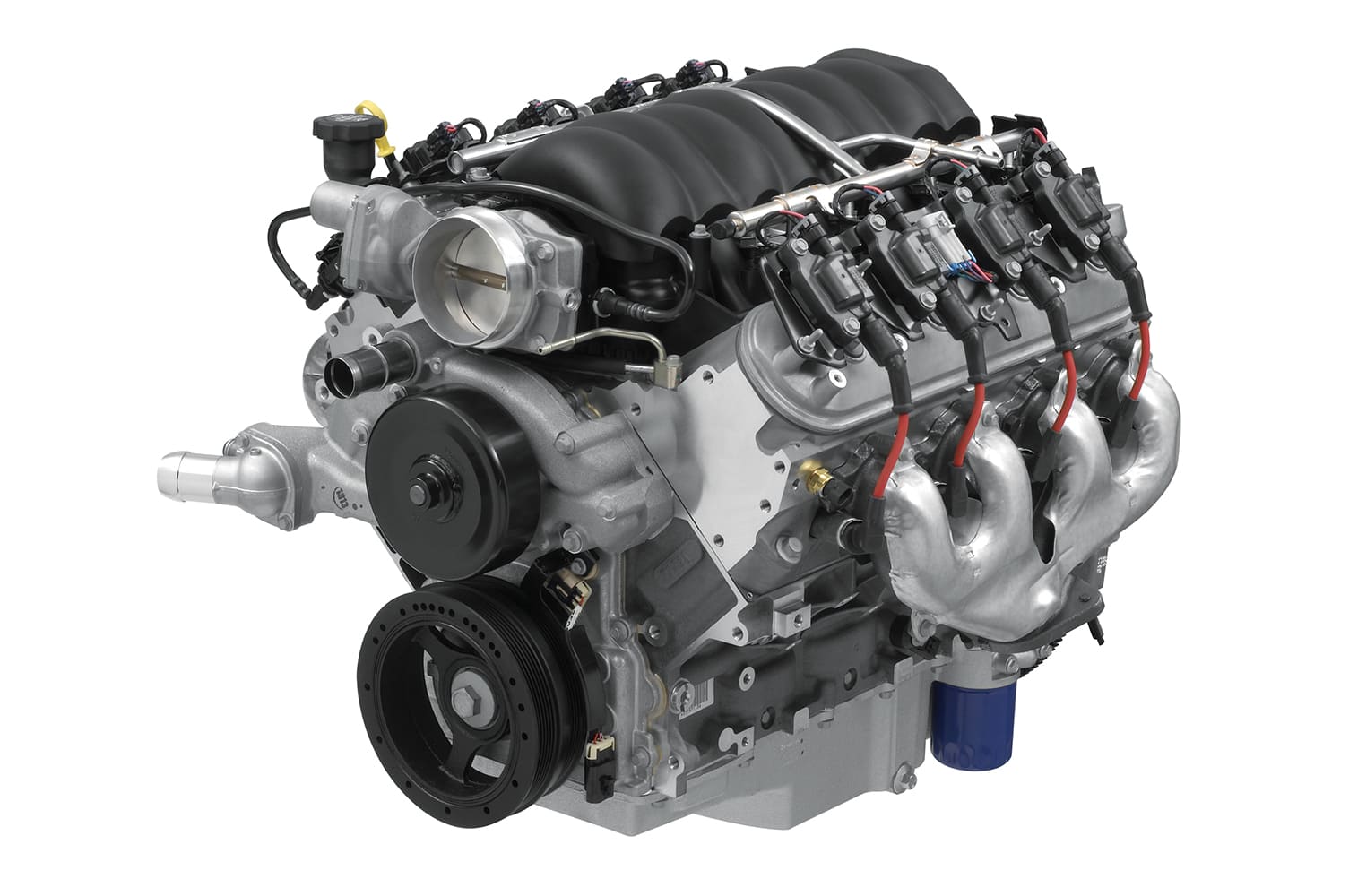
Ironically, Robert Bosch designed direct injection back in the 1950s, although it lacked the advanced electronic controls that support the precision of today’s systems. It is those controls that will make direct injection the future of internal combustion fuel delivery, in the Corvette and nearly everything else that mixes air with a combustible fuel.

Aftermarket Options
In Corvettes and many other cars, enthusiasts have modified fuel injection systems to replace their older carbureted engines. In the early days, this involved using constant-flow mechanical systems, which worked well for racing but were less effective for street cars.

EFI changed everything—even though the arrival of computer-controlled engines was seen as the end of hot rodding. However, shortly after Tuned-Port Injection appeared in the C4 Corvettes, clever rodders modified their older cars to give them a high-tech upgrade that greatly enhanced driveability. Aftermarket manufacturers quickly followed with their own electronically controlled systems. Most featured relatively simple throttle-body designs, adapted to carburetor-style intake manifolds.
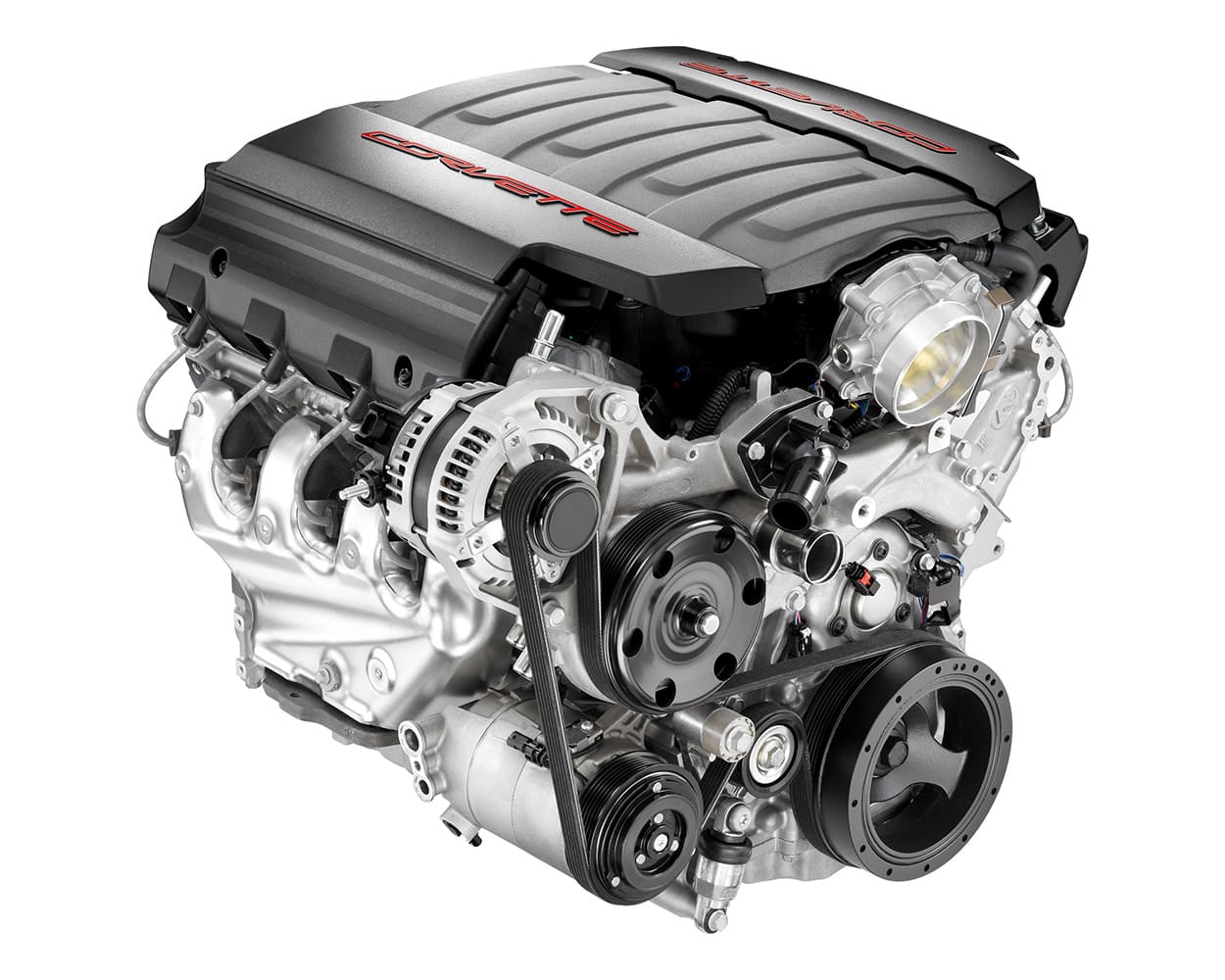
Today, there are bolt-on throttle-body systems, port-injection systems, and more. With significant consolidation in the aftermarket industry over the past five years, many independent companies have been absorbed by larger brands, meaning most systems nowadays come from Edelbrock, Holley, or FiTech. Importantly, they support their systems with controllers and software, but other companies like Megasquirt offer stand-alone controllers for those building their own EFI systems.
Carburetors are unlikely to vanish anytime soon. However, the growing plug-and-play convenience of the latest aftermarket EFI systems makes their performance and driveability benefits even more appealing. That’s why we’re choosing EFI for our Corvette project.

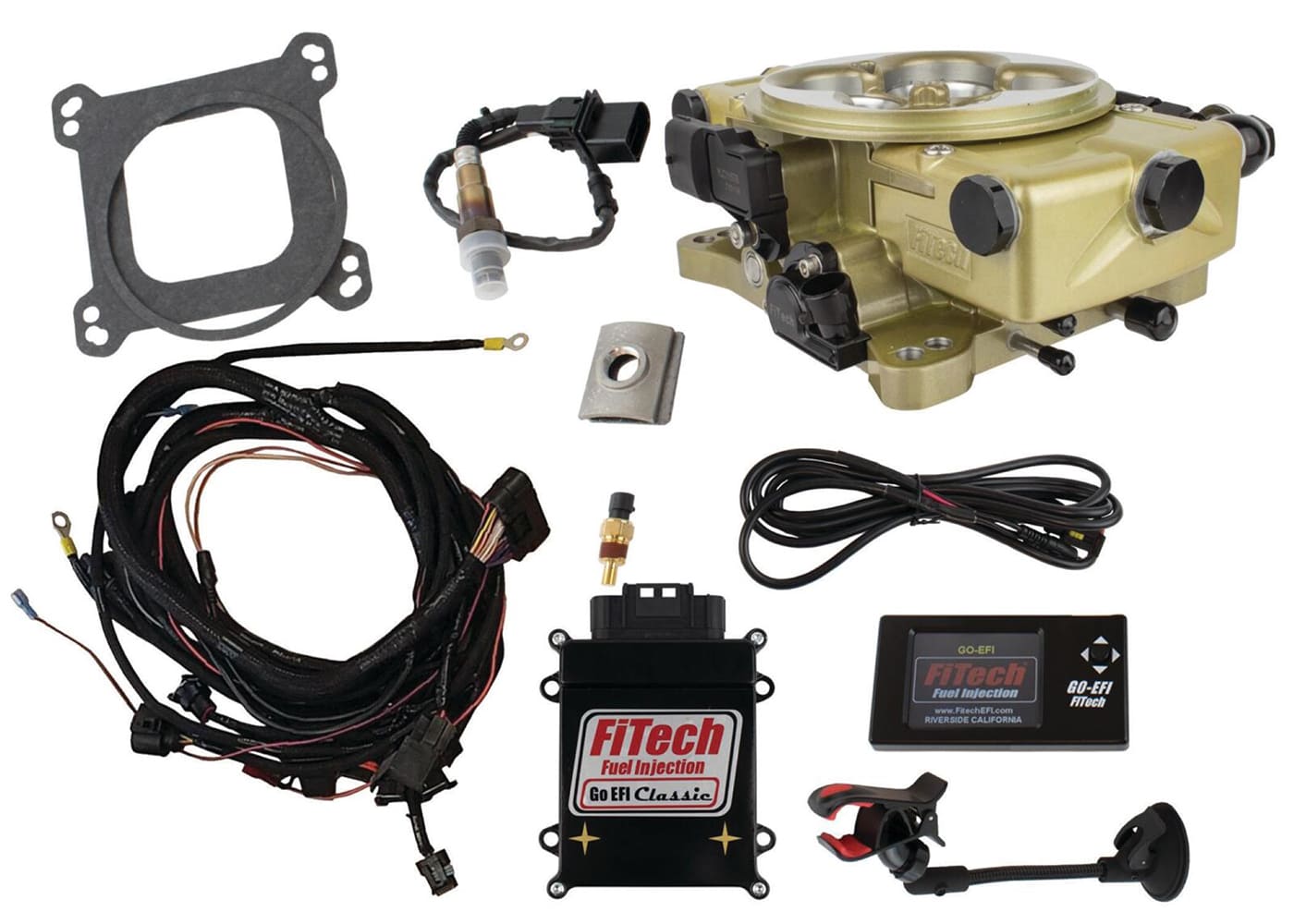
Our FiTech-Fed Small-Block
For our C3 Corvette project vehicle, it would have been easy to choose a modern LS or LT crate engine, complete with a factory EFI system. Still, we were seeking something else — the satisfying, low-down grunt that a higher-rpm LS engine simply can’t match against a traditional small-block.
So, we’ve chosen the 383 stroker route. The process is straightforward: Take a 350 small-block, bore it out by 0.030 inches to achieve 4.03 inches, and swap the 3.48-inch-stroke crankshaft for a 4.00-inch one. Voilà: 383 ci—along with the low-rpm torque we wanted.
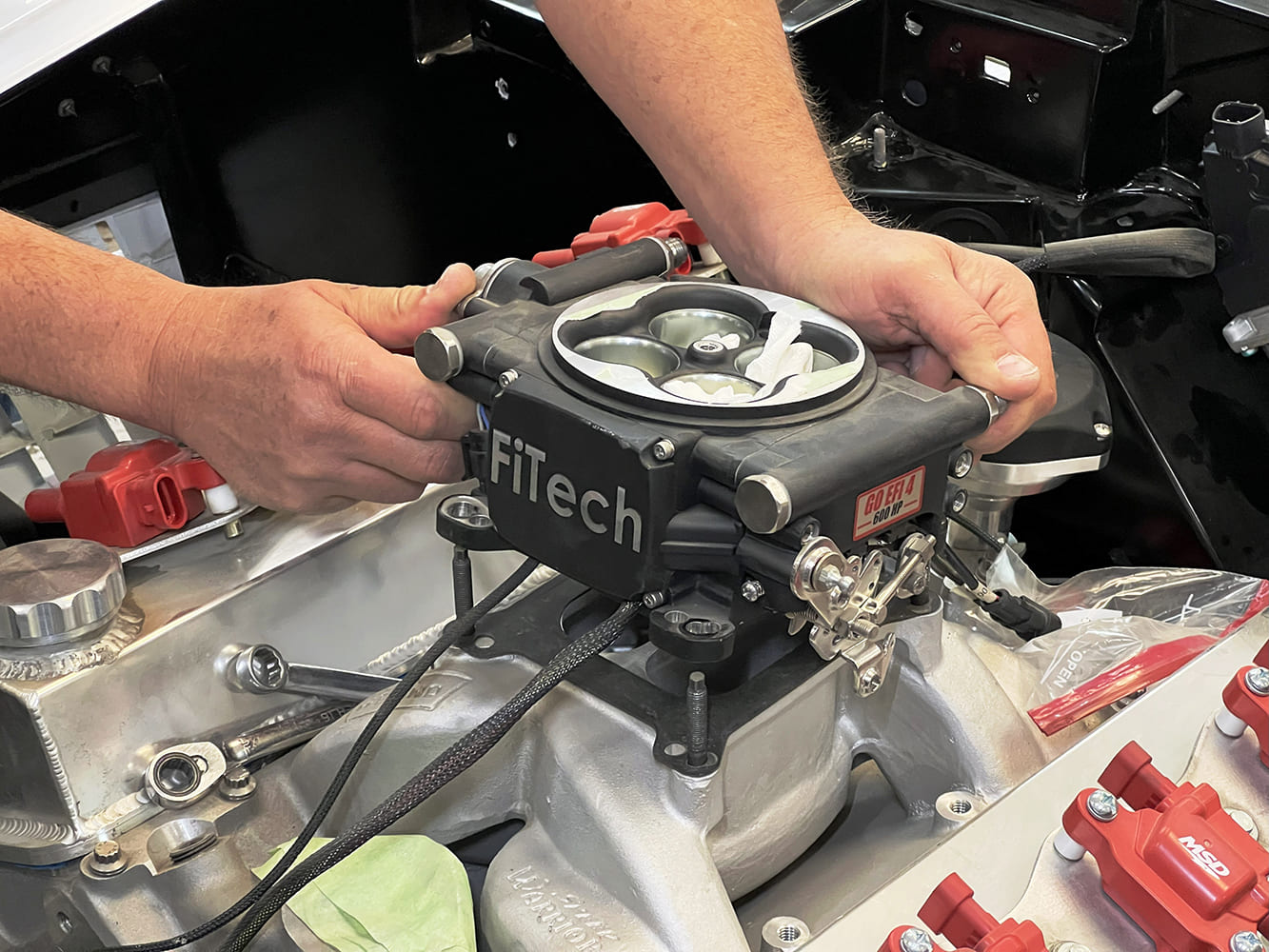
The engine is fed by a FiTech Go EFI 4 system with a gold-anodized throttle body that supports up to 600 hp. It’s a TBI system, with fuel introduced in the throttle body and the mixture distributed through a carb-style intake manifold. This ensures it will look period-correct under the hood of our Corvette.
On our stroker small-block, the system helped it produce 400 hp and a solid 440 lb-ft of torque. We’re more than happy with the results, and we’ll take a closer look at the engine build in an upcoming installment.
Check out this story in our digital edition here.