


By Nick Licata – Images by Patrick Lauder
Like many kids who came of age in the ’80s, Glenn Peralta’s destiny was quietly written somewhere between a mixtape and a set of Cragars. Those teenage years, heavy with influence and ambition, have a way of hardwiring the brain. Music dictates the clothes, the hair, and the attitude. Cars, when the right one appears at the right moment, become something deeper. For Glenn, the spark came from both bloodline and backyard.
“In the early ’80s my uncles had several classic muscle cars,” Glenn recalls. “That definitely fueled my interest. But there was also this Camaro in my neighborhood, owned by a teenager down the street. Every day on my paper route, I’d ride past it and slow down, just to look.”
It was a 1969 Camaro, sitting quietly in a driveway, doing what Camaros do best: haunting the imagination. Glenn was 14, delivering papers, counting tips, and stopping often to ask the same question. Is it for sale?


For a very long time, the answer was no. Then one afternoon, it changed.
The owner had enlisted in the Navy and decided it was time to let the car go. Glenn, armed with savings and teenage optimism, made the deal. Fifteen hundred dollars changed hands, a perfectly normal price in 1987, and laughingly impossible today. Suddenly, Glenn was a high school senior with his dream car in his garage.
It was everything a Camaro fantasy should be in the ’80s. Four-speed Muncie. Small-block 350. Primer black paint, loud pipes, and Cragar wheels. To Glenn, it was flawless. “It didn’t get any cooler than that at the time,” he says.
Reality, however, arrived quickly and without mercy.
After some basic sorting, Glenn decided it was time for a proper drive. His dad, the voice of reason, suggested he wait because the car was uninsured. Glenn declined the advice, climbed in, and headed out.
That innocent drive ended in a crash, destroying the front end and delivering a teenage lesson in consequences, bringing the short-lived dream to an abrupt stop. Not long after, the Camaro was sold. Glenn moved on with life, but the car never really left him.
Years passed. Careers, responsibilities, and adult routines filled the space, but the memory of that first Camaro remained parked in the back of his mind. Eventually, the itch returned. Glenn decided it was time to do it again, only this time, do it correctly.
Finding the right car proved harder than expected. For more than a year he searched, chasing leads that went nowhere and cars that were too far gone or too far overpriced. Then, as these stories often go, family stepped in again. Glenn’s cousin Maeco Rodrighuez mentioned a friend, Edgar Arceneuax, was selling a 1969 Camaro. It looked good and the price was right. Glenn didn’t hesitate.
This Camaro arrived with a familiar recipe: A garden-variety 350 underhood and factory brakes that were more suggestion than solution. “It was really scary to drive,” Glenn laughs. “You’d hit the pedal and hope for the best.”
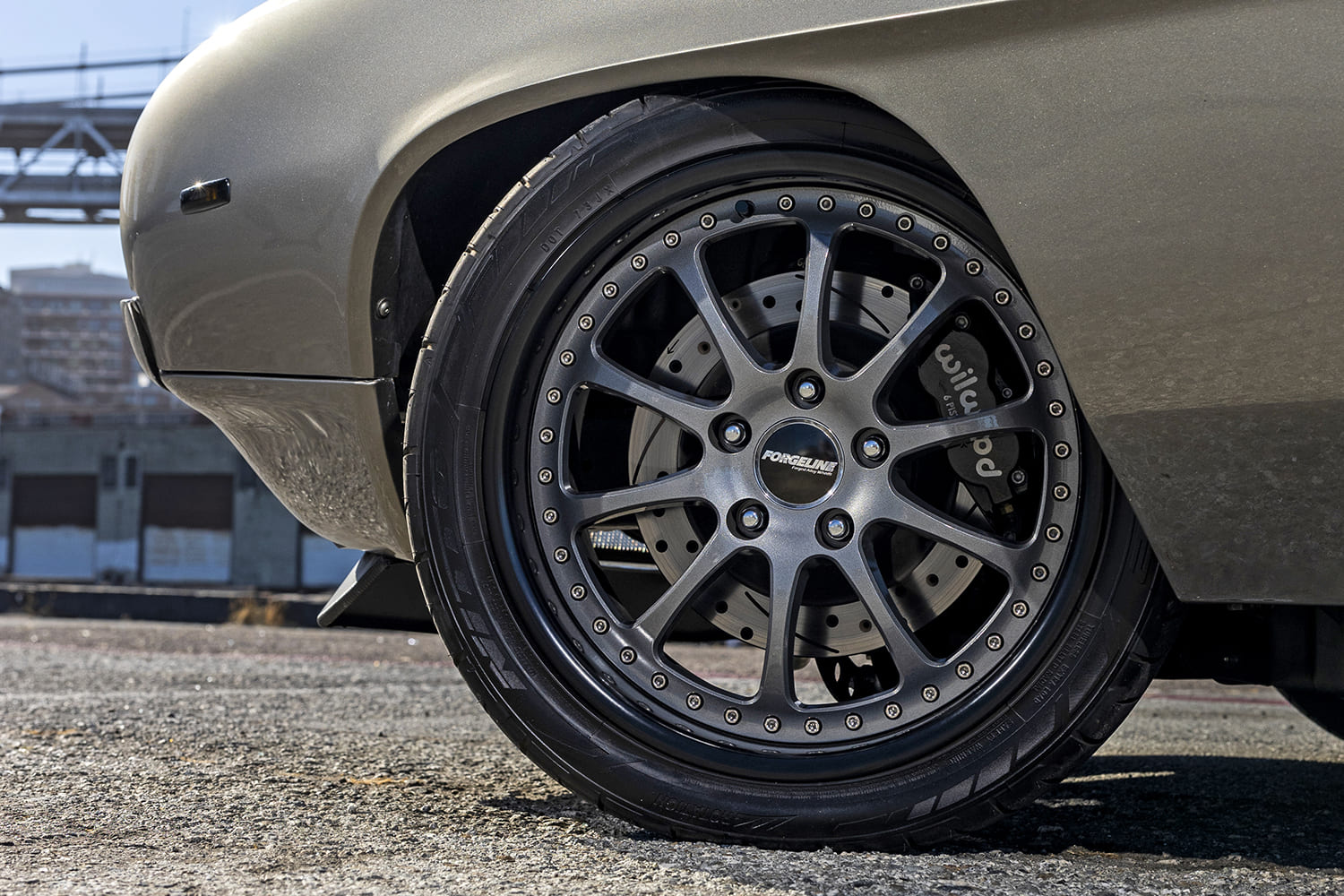
Before horsepower, before paint, before stance, Glenn chose survival. With the help from his buddy Vince Lanchinebre, a full Wilwood disc brake setup went on, transforming the car from rolling liability into something he could actually enjoy. Six-piston calipers, 11-inch rotors up front, four-pistons in the rear, a Wilwood master cylinder and proportioning valve, all tied together with a Clayton Machine Works pedal assembly. Suddenly, the Camaro could stop as well as it could go.
With confidence came miles. With miles came ideas.
The suspension overhaul was next, and that brought Glenn to Vince Ortiz at Mean Street Performance in Gilroy, California. A Ridetech coilover kit went under the car, replacing tired factory geometry with coilovers, modern spindles, and control arms up front, and a full four-link with coilovers out back. The transformation was immediate. The Camaro finally drove like something built in this century.
Then came the moment the build shifted.
While the suspension was going together, Ortiz casually mentioned he had a freshly built LS2 sitting in the shop. It was a good price and would pair well with the Ridetech hardware. Glenn did not need much convincing.
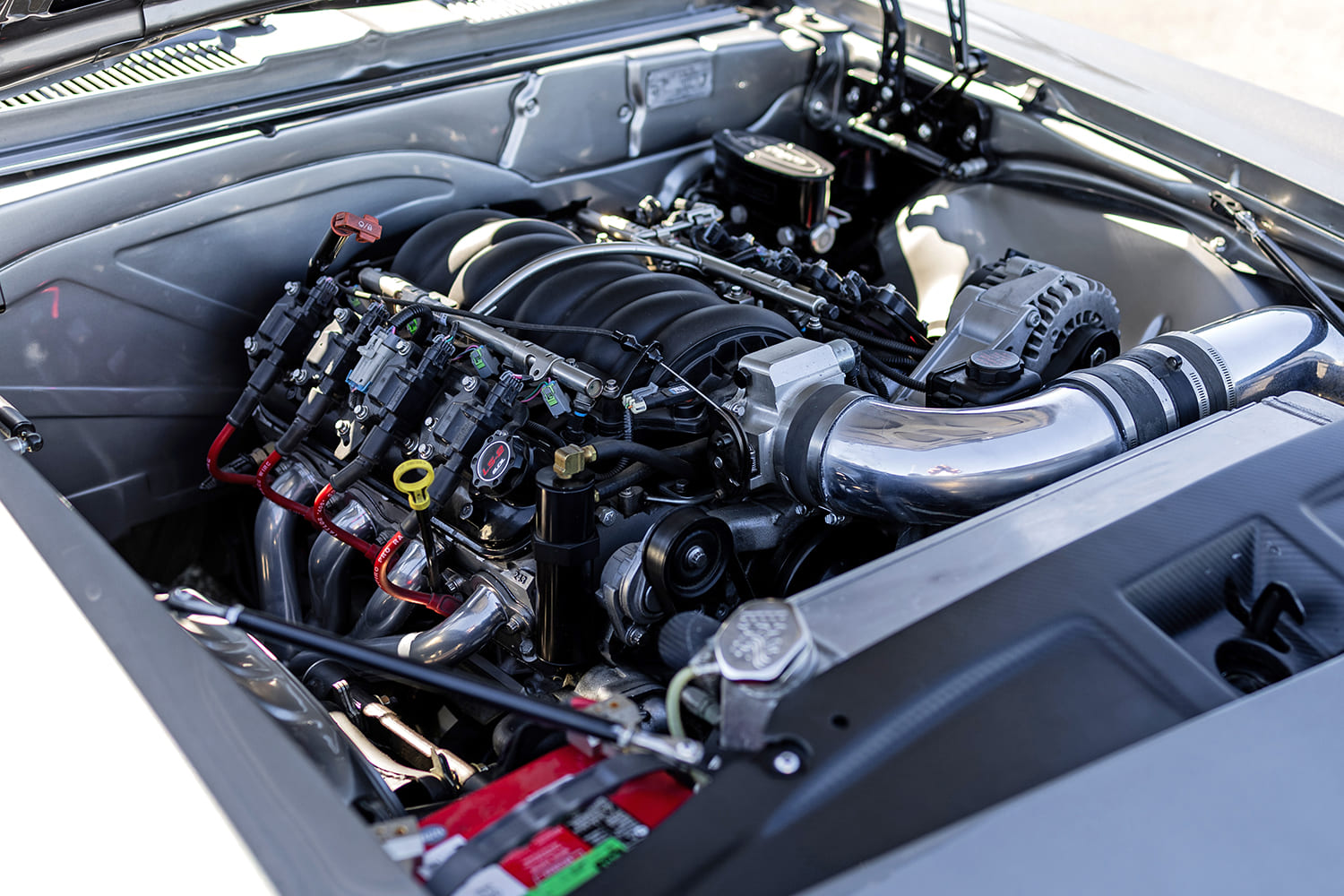
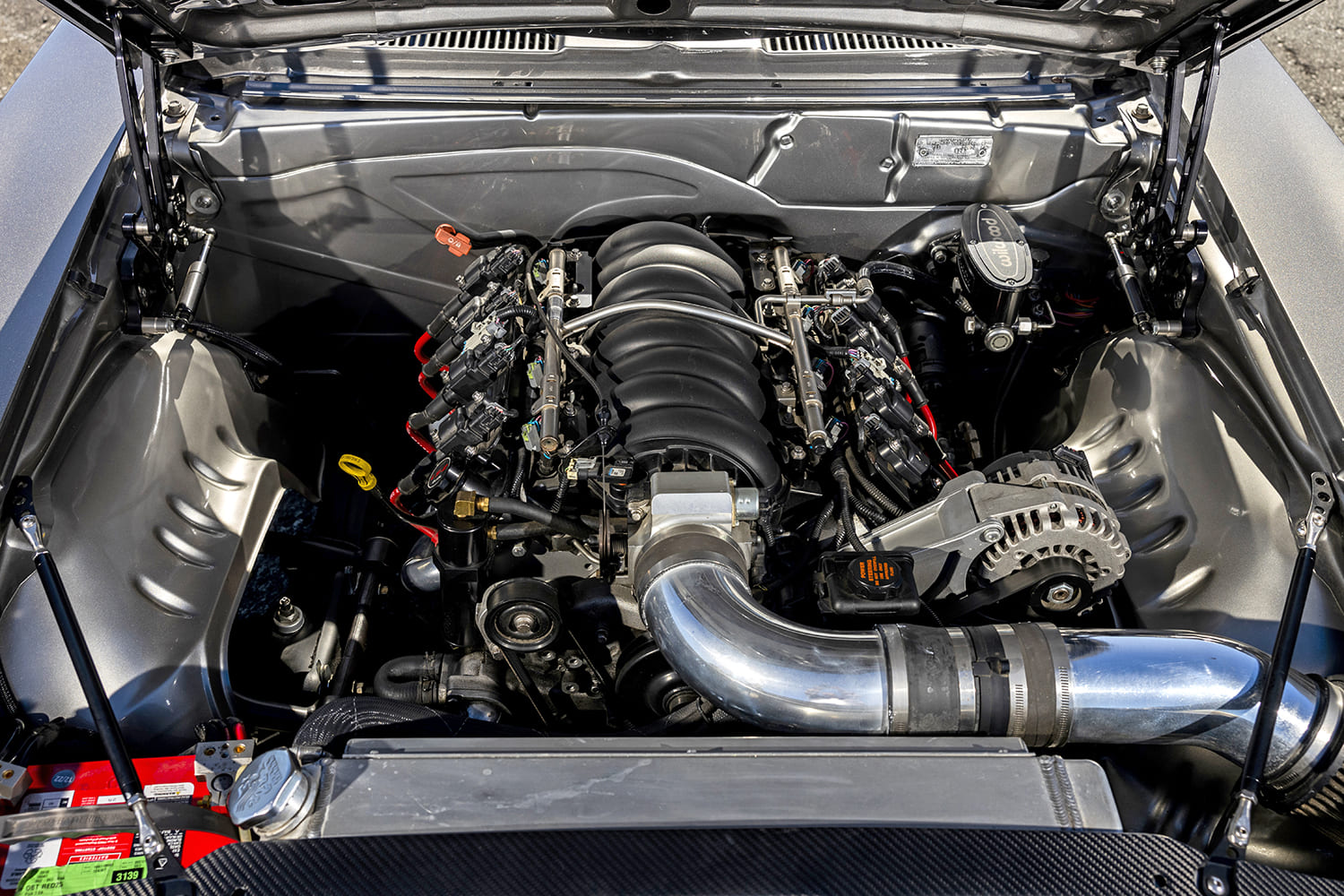
The 364ci modern small-block wears 10.9:1 compression ratio and breathes through aluminum rectangular-port heads. Built by Ortiz using GM machine work, a nodular iron crank, powdered rods, and hypereutectic pistons, it is as factory-correct as a performance engine can be while still delivering real authority. A hydraulic roller cam works the valves while factory induction and fuel injection handle airflow, and Patriot headers dump into a custom 2.5-inch exhaust built by Steven Livermore Muffler, finished with Black Widow Venom 250 mufflers.
Output sits at an honest 400 hp and 400 lb-ft of torque, which in a first-gen Camaro feels less like a number and more like a promise.
Behind it, a B&M-prepped 4L70 transmission from Rick’s Transmission handles shifting duties, feeding a 12-bolt rearend with a Truetrac posi and 3.73 gears. It’s a combination built for real driving—equal parts highway comfort and backroad aggression.
With the mechanical foundation locked in, Glenn and his friend Ben Gacula turned their attention to presentation. The engine bay was stripped, cleaned, and painted before the car returned to Mean Street for what would become a full transformation. One upgrade led to another, and soon the Camaro was headed for La Loma Autobody in San Francisco.
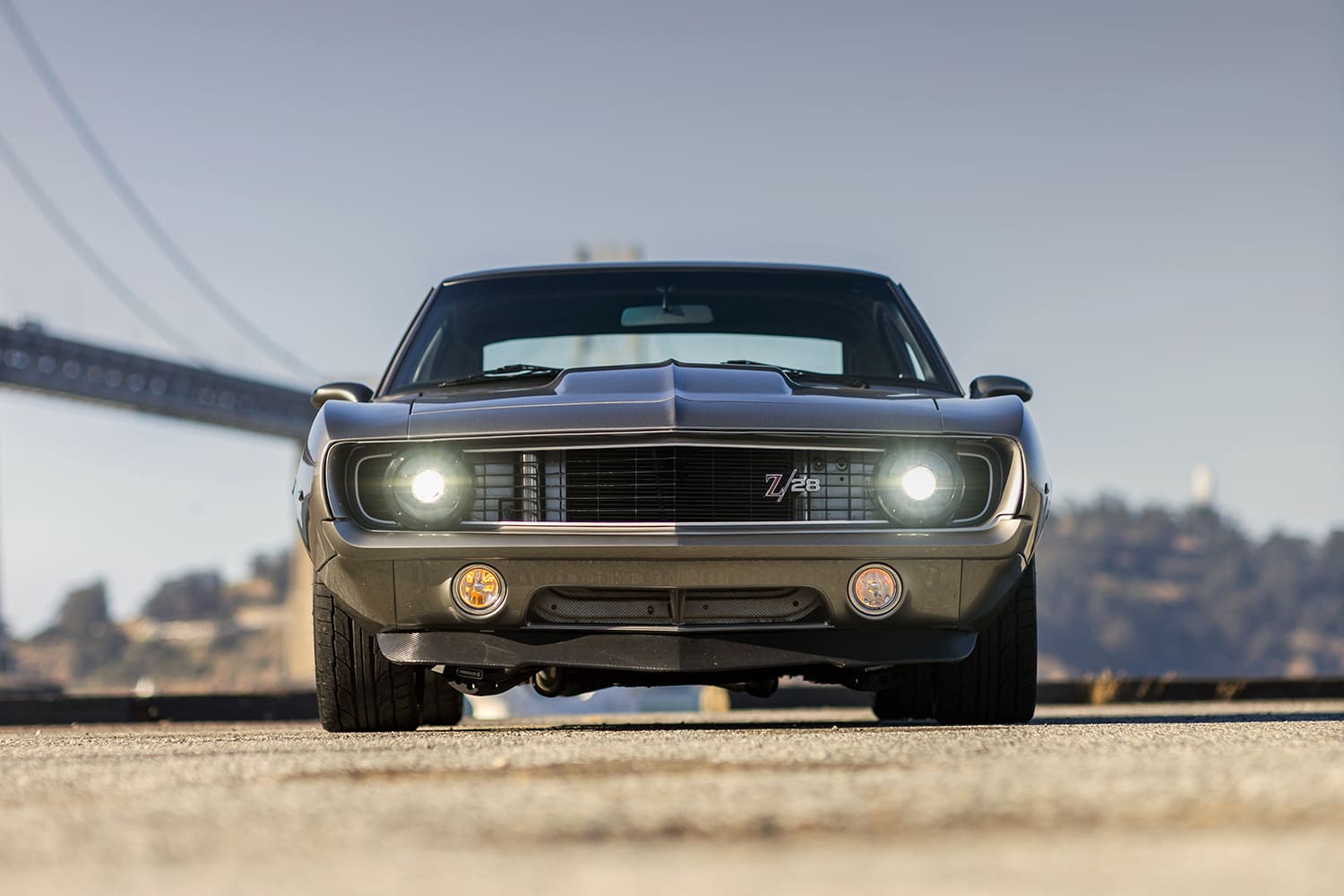
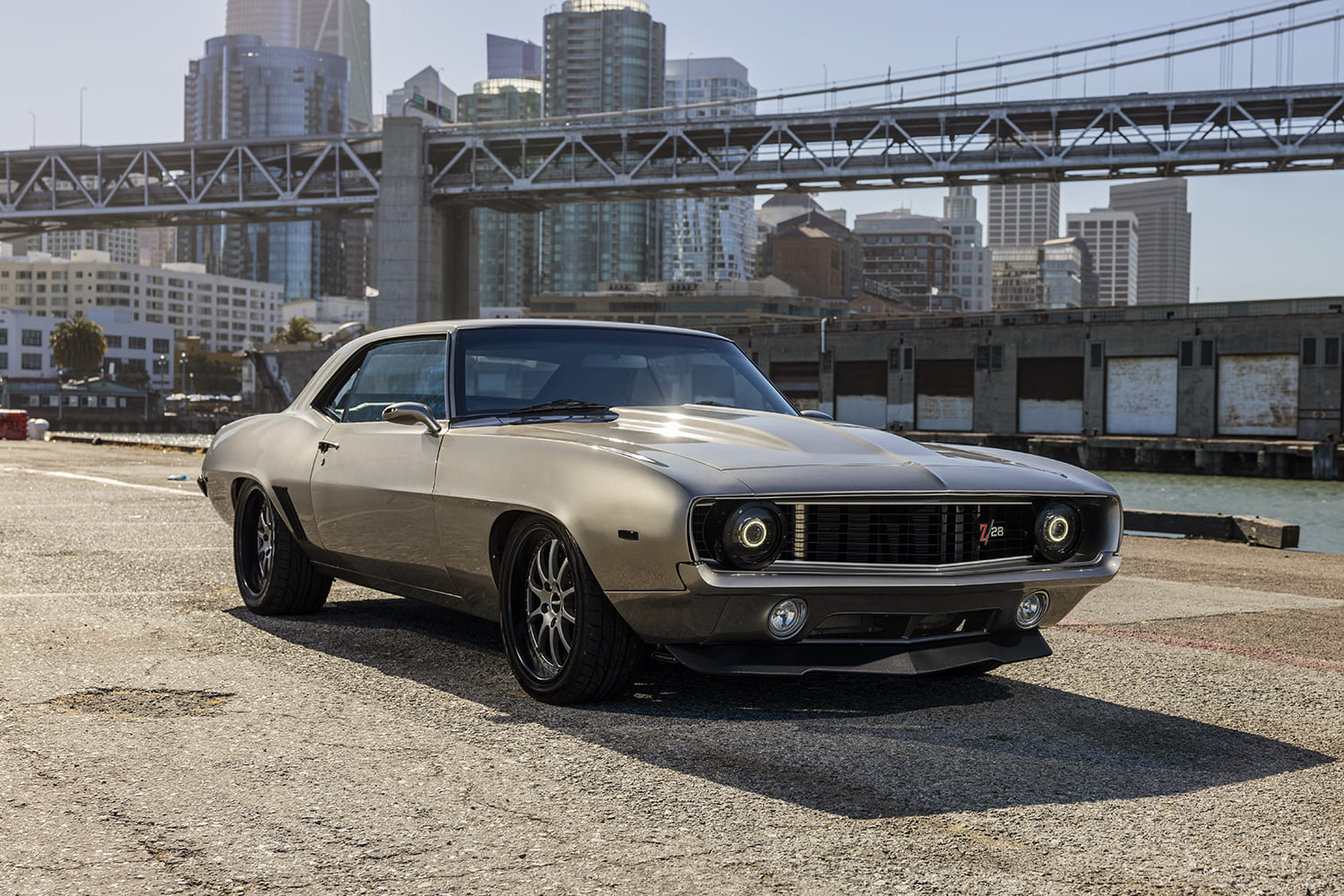
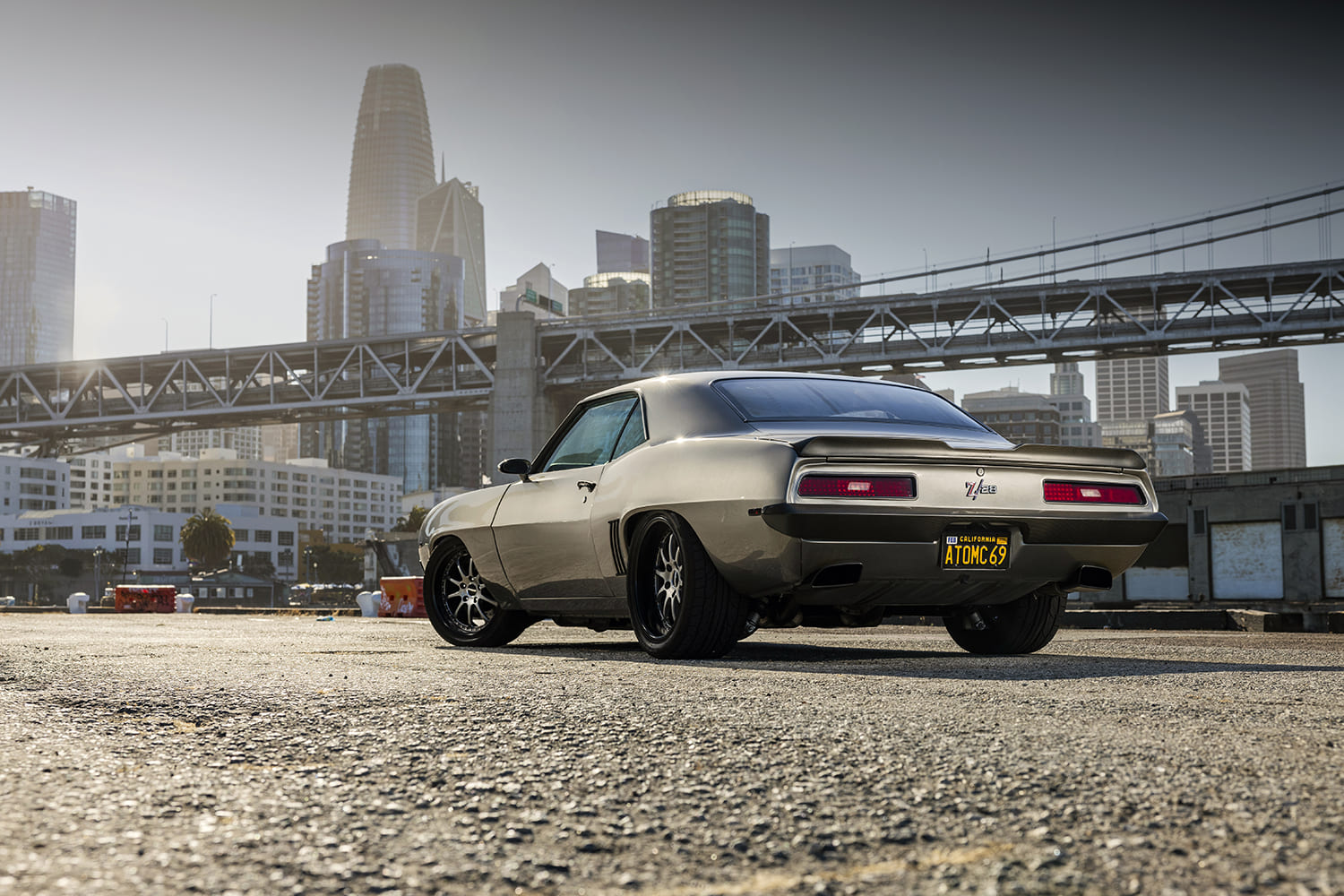
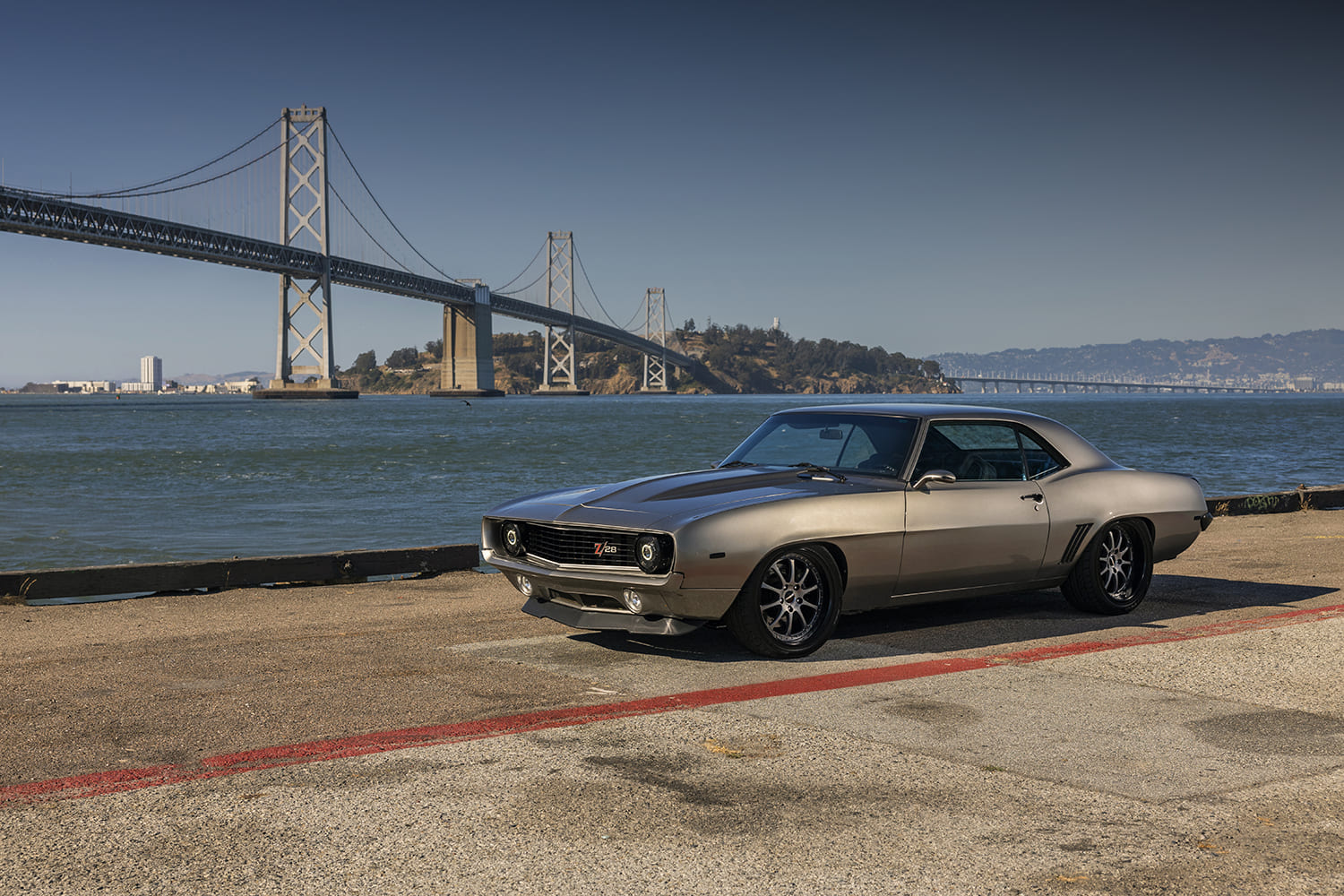
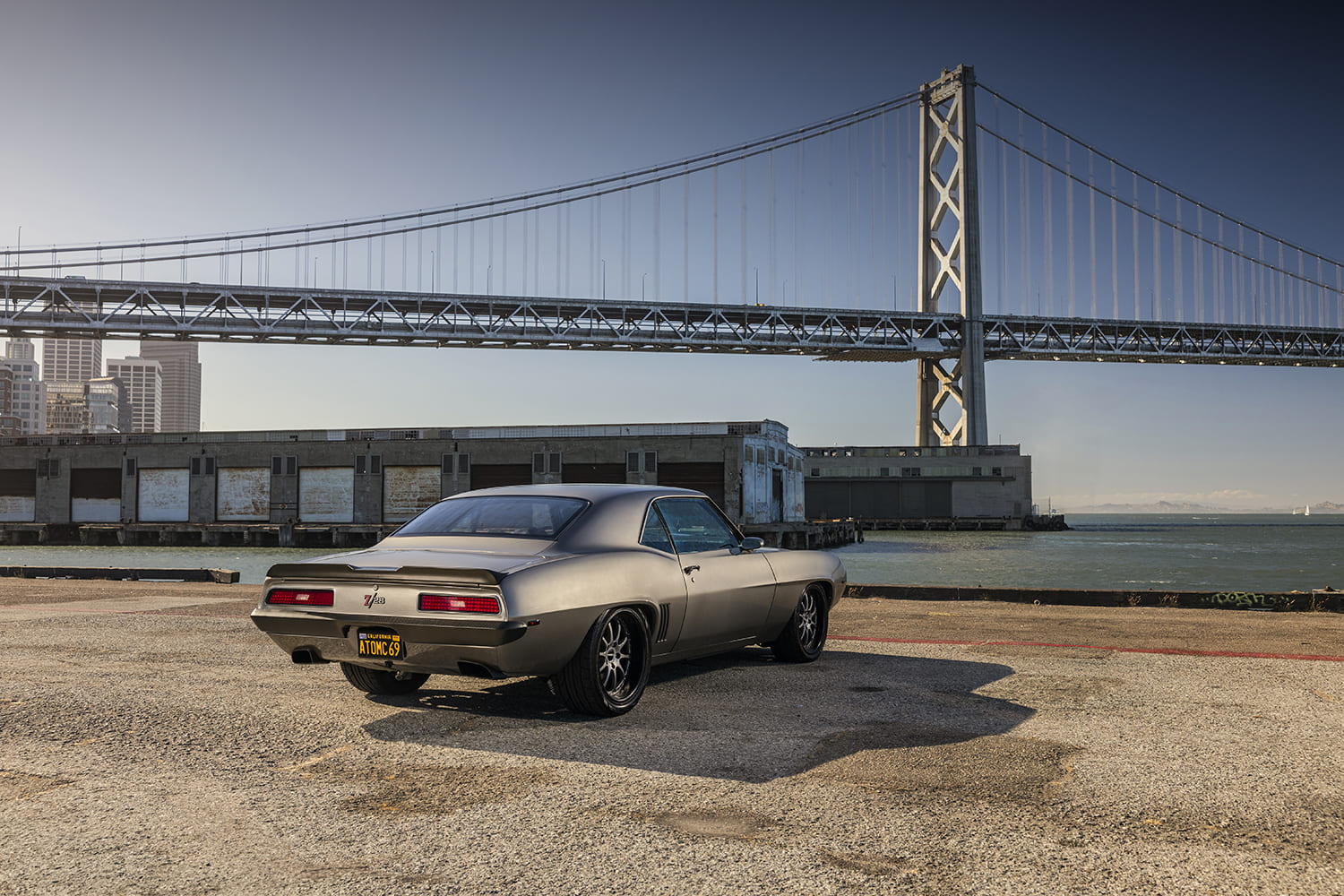
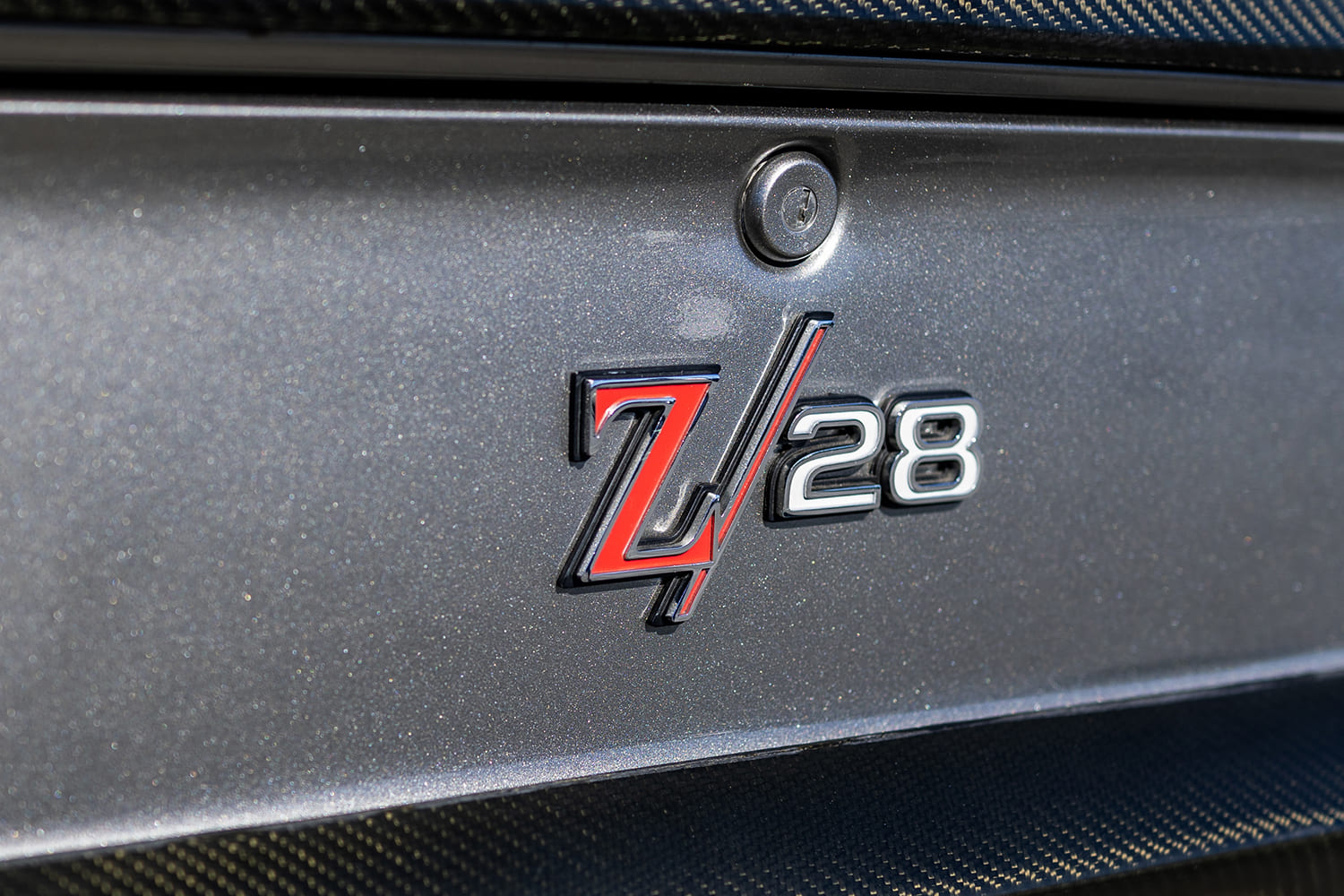
There, in the hands of painter Cecilio Sanchez, the car was reshaped and refinished in DeBeers Atomic Silver pigment. It’s a color that plays with light—subtle in the shade and electric in the sun. A stock grille remains, but the bumpers tell a different story. A Marquez Design front bumper sharpens the nose, while an Anvil Auto carbon-fiber rear bumper adds modern contrast without stealing the spotlight.
Lighting consists of Dapper headlights up front, Digi-Tails out back, all clean, bright, and unmistakably modern.
The rolling stock comes courtesy of Forgeline ZX3 wheels, 18×8 in front, and 18×9.5 in the rear, wrapped in Nitto rubber. The fit is right, the posture aggressive, the message clear.
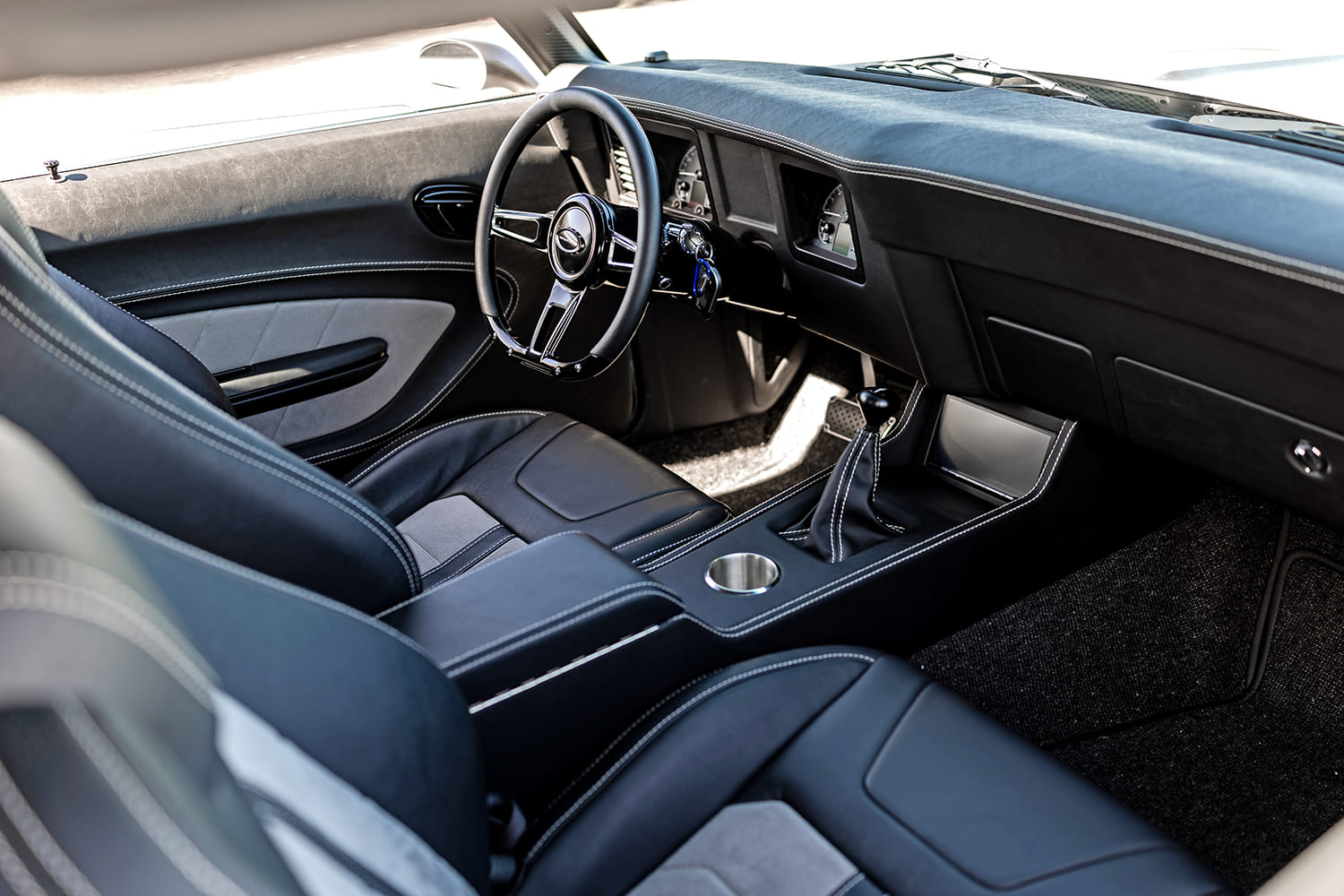
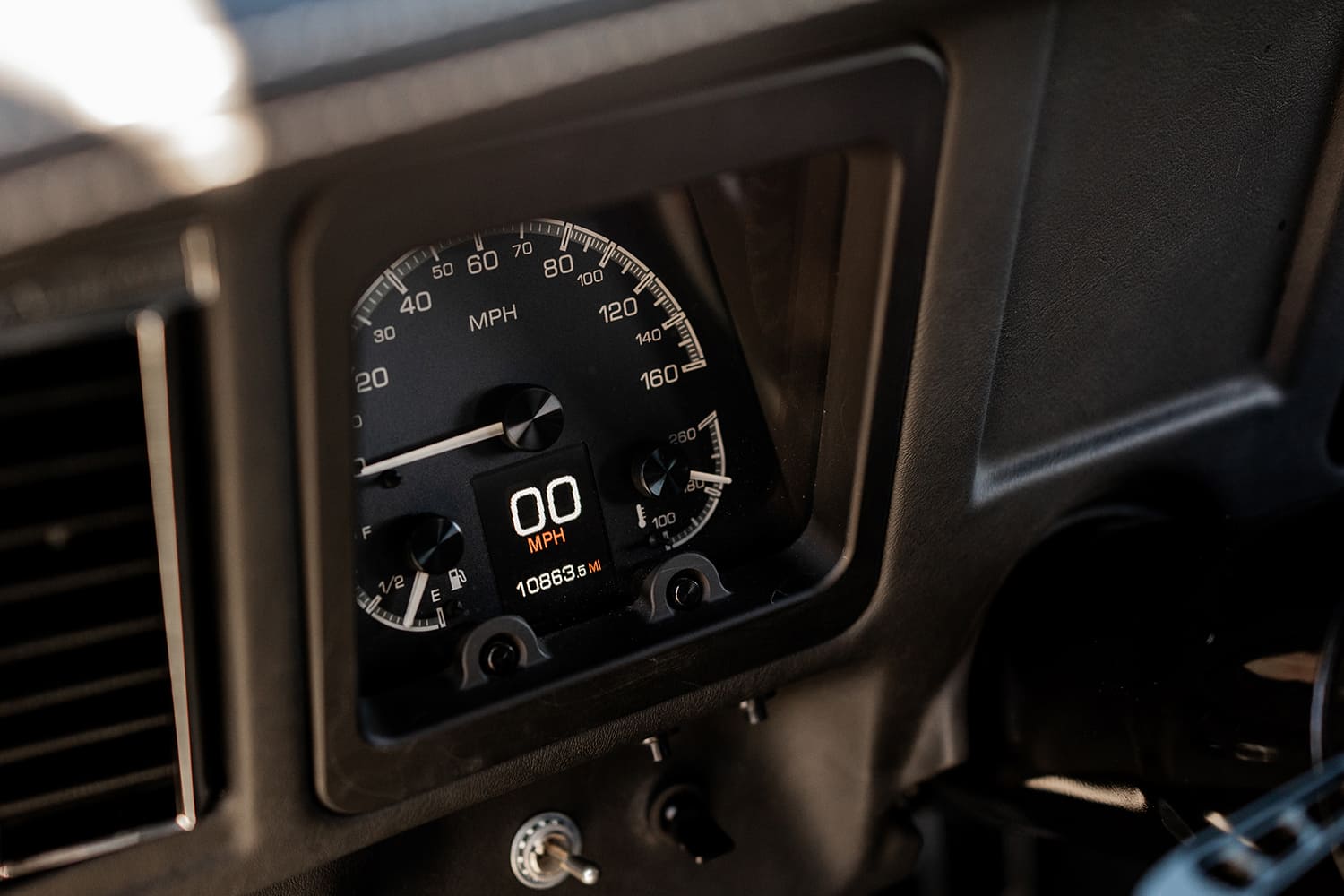
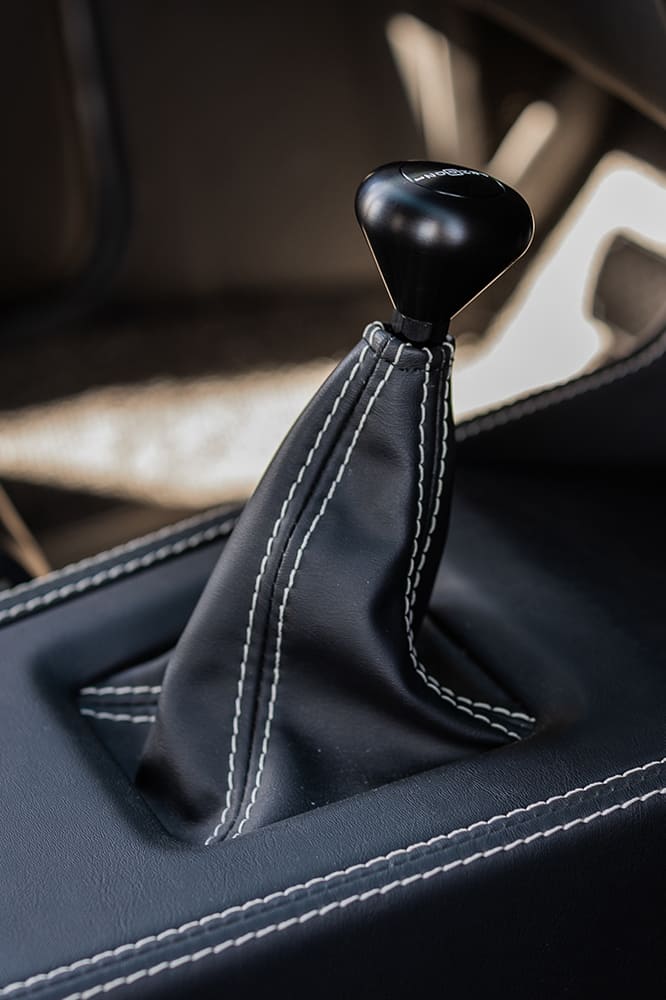
Inside, the Camaro continues the blend of heritage and innovation. Daniels Custom Interior stitched leather and suede throughout, wrapping custom door panels and a tailored console around a pair of 2013 Camaro seats. A factory dash remains, now leather-wrapped and filled with Dakota Digital gauges. An Ididit column carries a Billet Specialties steering wheel, while a Lokar shifter handles gear selection.
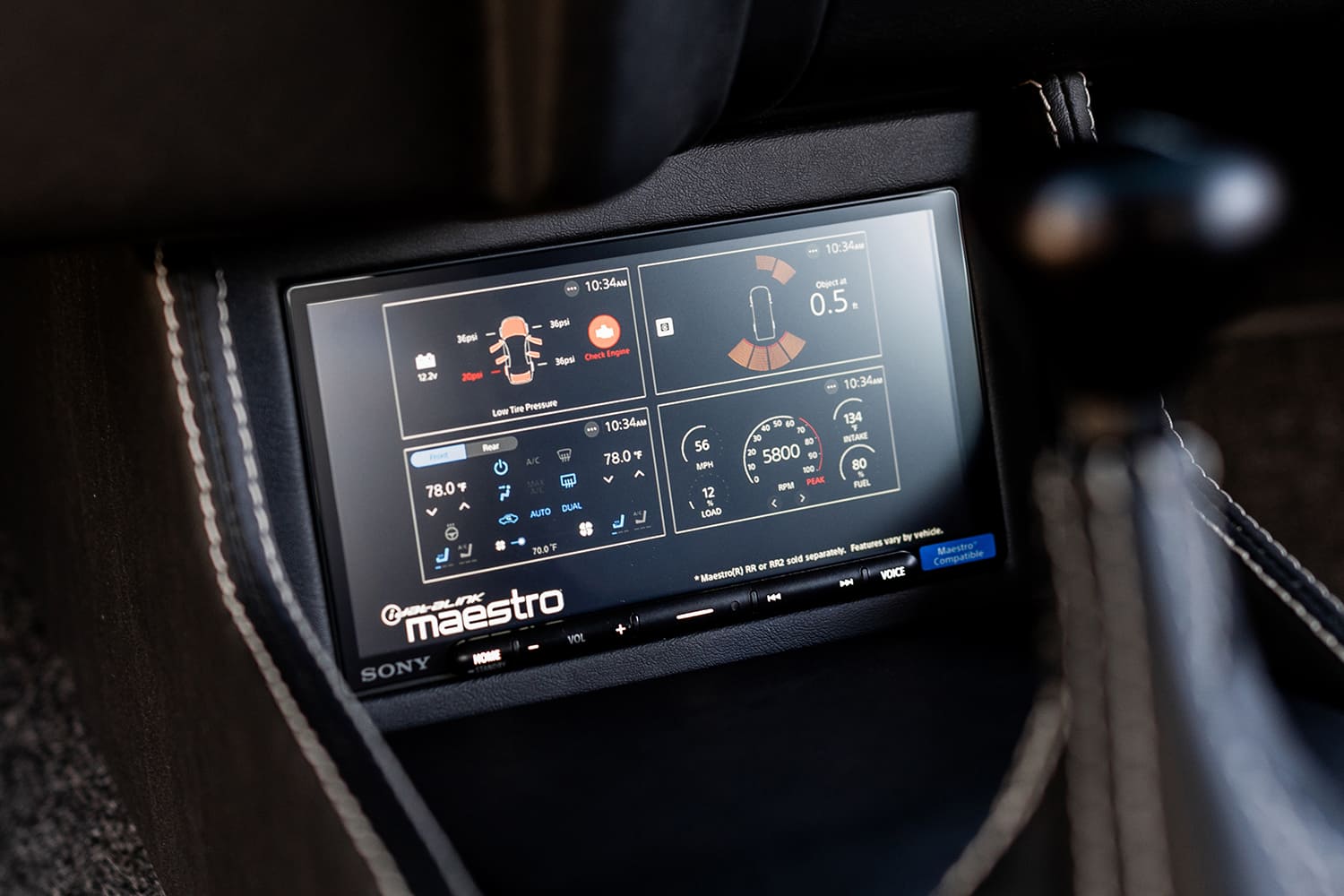
The wiring is from American Autowire, and a Sony screen with iDatalink Maestro integration feeds JL Audio amps and speakers, turning the cabin into a rolling concert hall.
Today, Glenn’s Camaro is everything the teenage version of himself imagined and more. It stops hard, turns flat, pulls clean, and cruises comfortably. More importantly, it finally fulfills the promise left behind in a wrecked frontend nearly four decades ago.
Some cars are built to impress judges. Some are built to terrorize asphalt. This one was built to finish a story. And every time Glenn gets the Camaro out, it writes a better ending than the first chapter ever could. But Glenn isn’t ready to close the book just yet. In a fitting footnote, a supercharger is headed for the Camaro soon, because every great story deserves a little more horsepower at the end.
Check out this story in our digital edition here.
More Camaro features and tech articles here.
TECH CHECK
Owner: Glenn Peralta, San Francisco, California
Vehicle: 1969 Chevy Camaro
Club Association: Timeless Car Club, San Francisco, California
Engine
Type: LS2
Displacement: 364 ci
Compression Ratio: 10.9:1
Bore: 4.00 inches
Stroke: 3.62 inches
Builder: Mean Street Performance
Machine Work: GM
Rotating Assembly: Nodular iron crankshaft, powdered connecting rods, Hypereutectic aluminum pistons
Camshaft: Hydraulic roller
Cylinder Heads: Aluminum rectangular port
Induction: Factory
Fuel Injection: Factory
Exhaust: Patriot headers, custom 2.5-inch exhaust by Livermore Muffler, Black Widow Venom 250 mufflers
Valve Covers: Factory
Accessory Drive: Factory
Ancillaries: Ringbrothers hood hinges, Anvil Auto carbon-fiber closeout panels
Output: 400 hp, 400 lb-ft of torque
Drivetrain
Transmission: B&M 4L70 by Rick’s Transmission
Rear Axle: 12-bolt, Truetrac posi, 3.73 gears
Chassis
Front Suspension: Ridetech coilover shocks, spindles, and control arms
Rear Suspension: Ridetech four-link suspension system and coilover shocks
Brakes: Wilwood 11-inch rotors, six-piston calipers front, four-piston calipers rear, master cylinder, and proportioning valve
Pedal Assembly: Clayton Machine Works
Wheels & Tires
Wheels: Forgeline ZX3, 18×8 front, 18×9.5 rear
Tires: Nitto 245/40R18 front, 275/40R18 rear
Interior
Upholstery: Leather and suede
Door Panels: Anvil Auto and custom leather
Power Windows: Sojo Works (San Carlos, CA)
Console: Custom
A-Pillars: Anvil Auto
Sill Plates: Anvil Auto
Installation: Daniels Custom Interior (Sanger, CA)
Seats: 2013 ZL1 Camaro
Steering: Billet Specialties steering wheel
Shifter: Lokar
Dash: Factory with leather cover
Instrumentation: Dakota Digital
Wiring: American Autowire
Entertainment System: Sony screen, iDatalink Maestro interface, JL Audio amps and speakers
Exterior
Bodywork and Paint: La Loma Autobody (San Francisco, CA)
Painter: Cecilio Sanchez
Paint: DeBeers Atomic Silver
Grille: Stock
Front Bumper: Marquez Design
Rear Bumper: Anvil Auto carbon fiber
Rear Spoiler: Notched Anvil Auto carbon fiber
Headlights: Dapper Lighting
Taillights: Digi-Tails
Side Mirrors: Anvil Auto