


By John Machaqueiro – Images by the Author
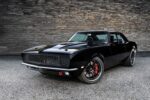
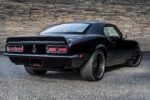
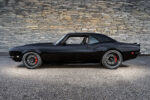
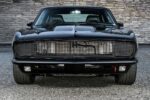
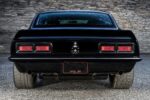
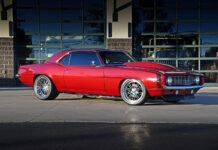
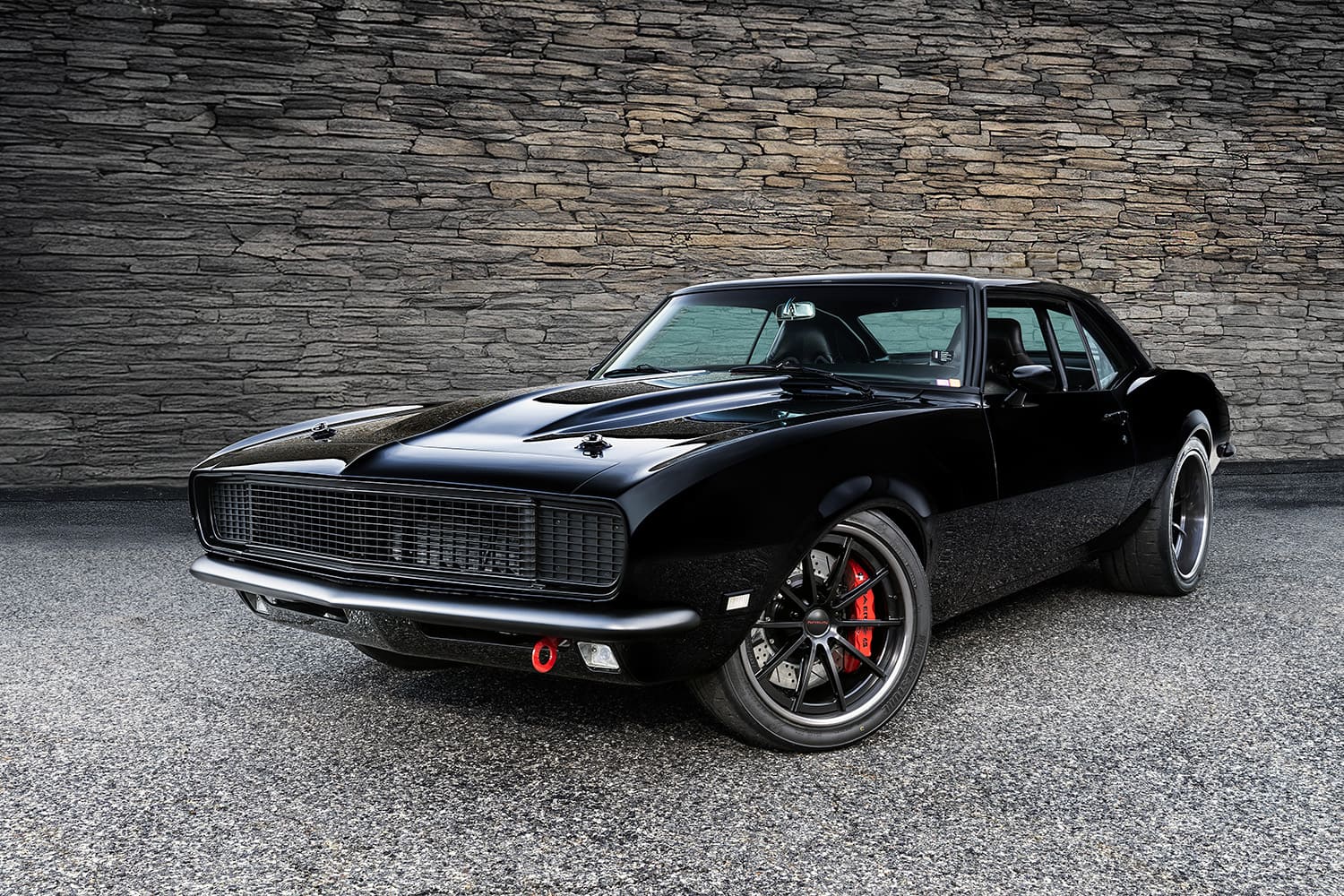
Scott Mayo built the pro-touring 1968 Chevy Camaro that he always wanted. We are, in many ways, shaped by our environment and the people we spend time with, as well as the interests they pursue—intentionally or not. The passions we develop, the skills we acquire, and even the paths we choose often reflect those influences. Growing up, Scott Mayo’s automotive tastes were shaped early by the car guys he hung out with. “I had been hanging around with some guys who had ’67 Camaros,” he recalls, “roughly two years before I bought my first Camaro at 16.” That was in 1973 when he dove in with a slightly abused ’68 Z/28. “The original engine was gone, and it had a 396 big-block when I bought it. I tracked down the original owner—his car had been stolen three times, and the insurance company sold it after the third theft.” Over time, Scott’s collection grew to include a 1990 1LE IROC, a 1970 Z28 RS, a 1997 Z28, a road-race-prepped 1968, a 2002 35th Anniversary Edition sent to GMMG for a Phase 2 conversion, and an all-original black-on-black 1969 Z/28 RS with factory JL8 four-wheel disc brakes. Though these cars were exceptional, Scott sought something more personal: a Camaro that reflected his tastes, one he could enjoy without worrying about devaluing a rare numbers-matching drivetrain or scuffing original paint.
After some soul searching, Scott decided to build a Camaro he could autocross and take to track days. It wasn’t an overnight decision. “I had this car in my head probably 10 years before I started to build it,” he explains. “When I finally decided to do it, I started selling cars off.” He wanted a first-gen foundation, but, as he points out, “Trying to find a clean body in Ohio was going to be tough.” Thanks to the Internet, he eventually spotted a promising candidate on eBay: a fully stripped ’68 shell already fitted with Detroit Speed front and rear suspension. Best of all, it was only about 60 miles away, allowing him to bypass the eBay listing and cut a deal directly with the sellers.

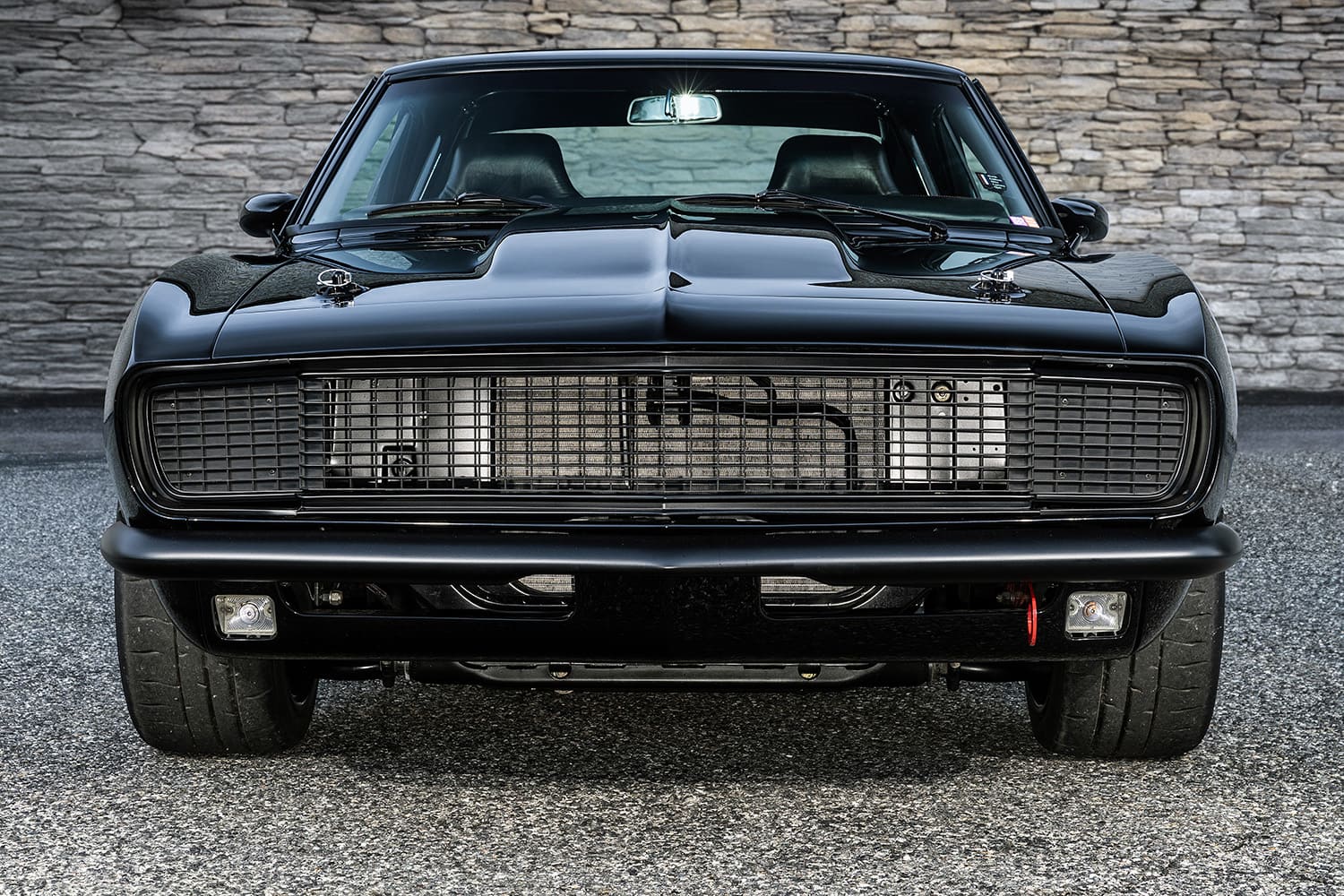
The car was being sold by Henry and Ellis Richards, a father-and-son team with their own automotive businesses. “They found it in Nevada in a storage building,” Scott recalls. “It had been sitting for almost 30 years. They brought it back to Ohio and stripped what paint remained, planning either to build or flip it. By the time they decided not to do a full build, Detroit Speed suspension was already installed, so they put it on eBay. When I saw it, it was in bare metal,” he adds. “They asked if they could do the paintwork. I said sure, because I couldn’t get anywhere near that level of finish myself.”
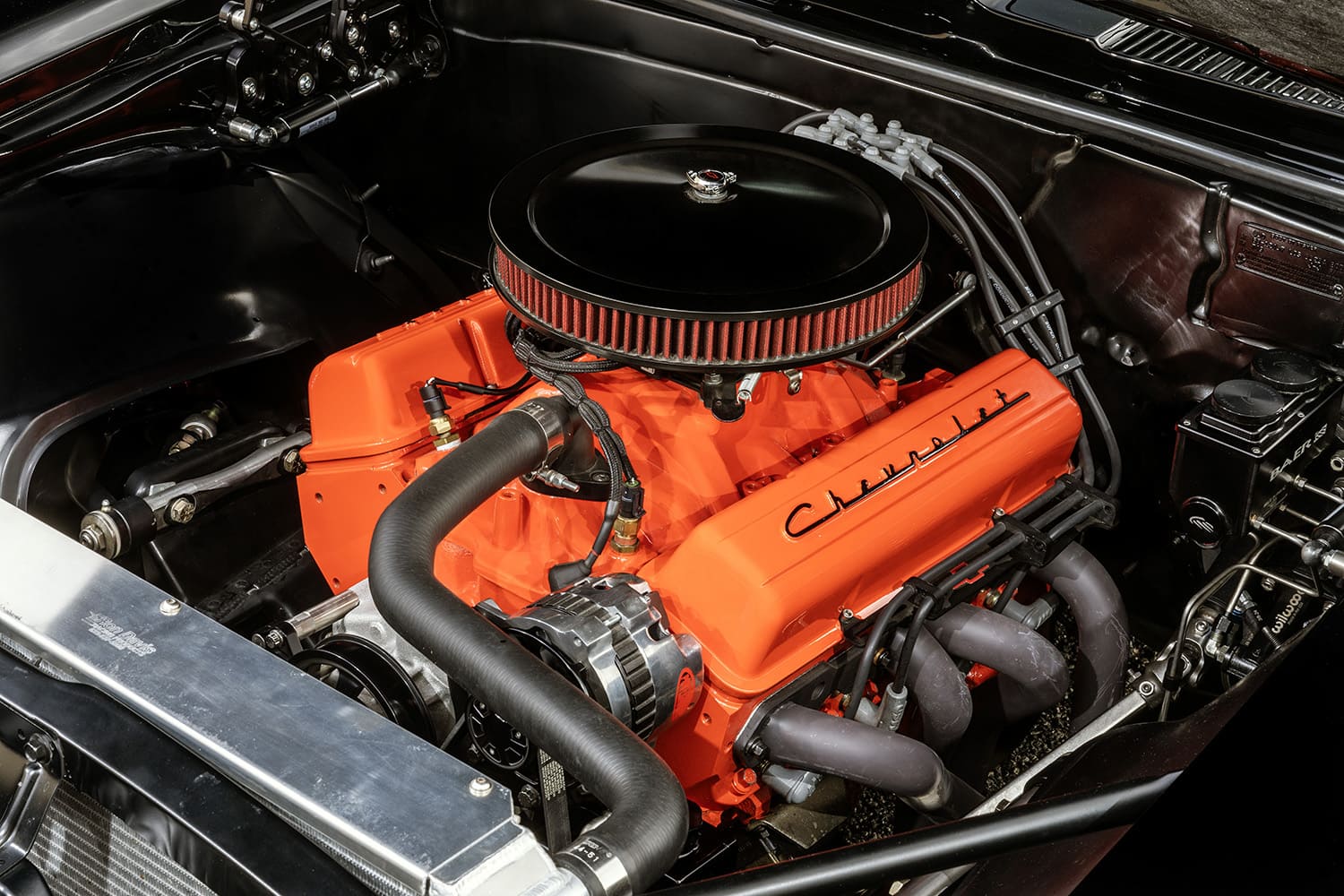
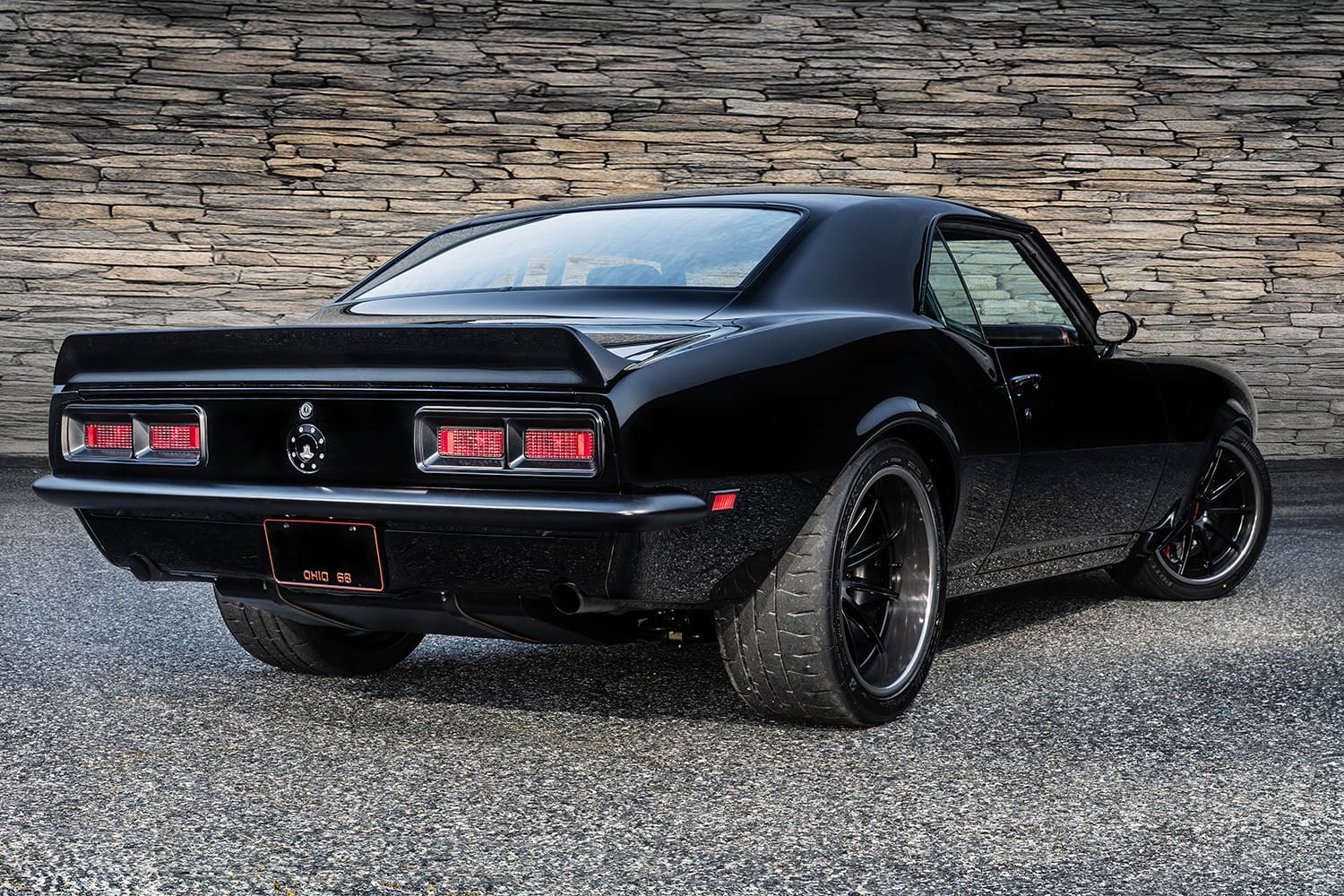
The body from the firewall back remained all-original sheetmetal and was in excellent condition after decades of sitting. For the rest of the car, new sheetmetal from AMD was shipped directly to the shop for finish work, culminating in a coat of PPG black single-stage paint—because, as Scott points out, “It was always going to be black.” The Detroit Speed hydroformed front subframe with JRi coilovers up front, combined with a QUADRALink and JRi coilovers at the rear, along with subframe connectors and mini-tubs, accelerated the build significantly, bringing the project to the point of a nearly complete roller.

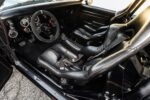
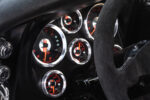
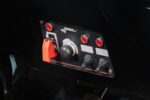
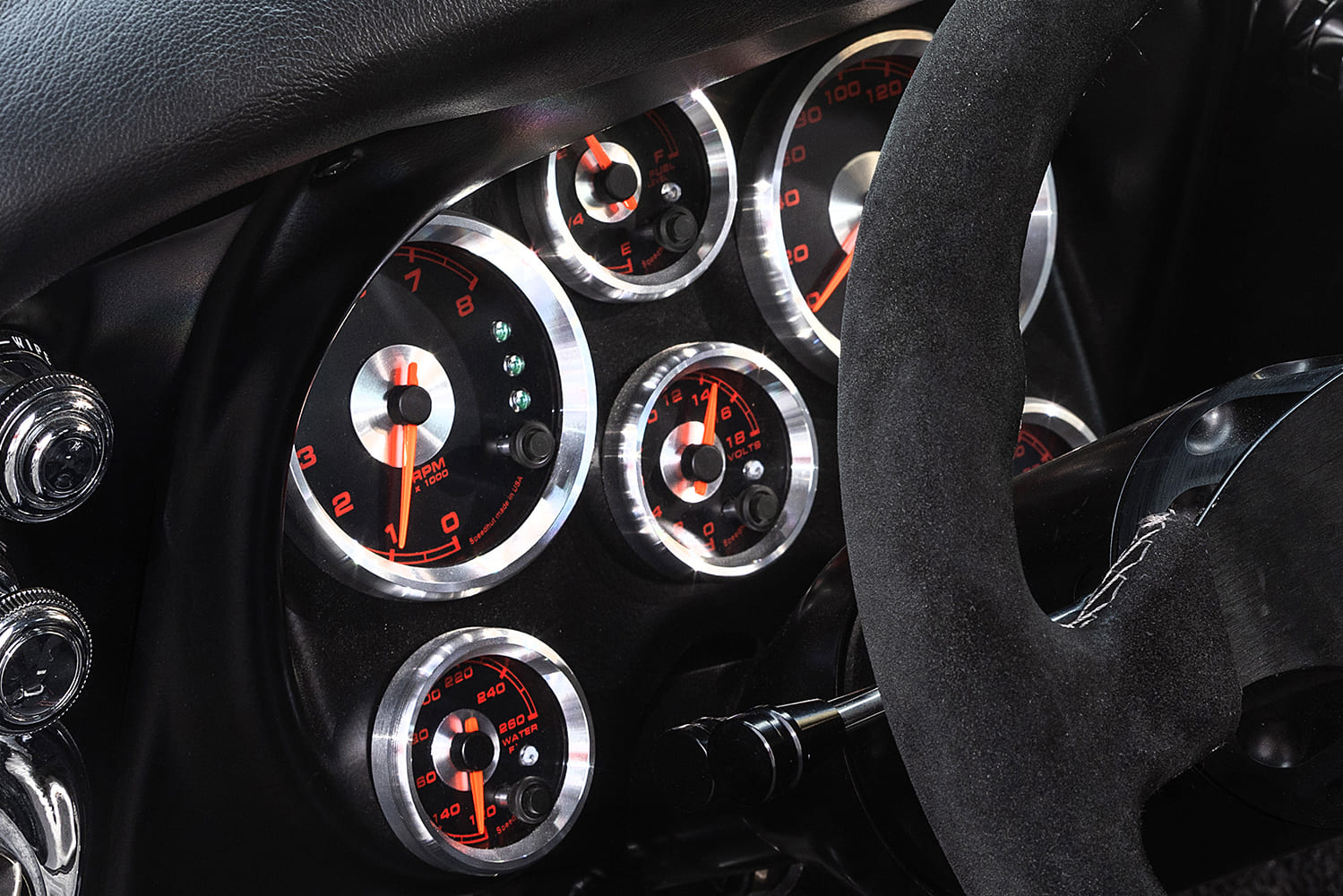
It took just over three years to get the car to the point where the paint was finished. Once that was complete, Scott brought it home to begin the installation process. The interior was nonexistent—a blank canvas, especially the dash—but, like many of the major decisions, it had been planned well in advance. “I wanted race seats up front and a stock seat in the rear,” he explains. “I also didn’t want digital; I wanted old-school analog gauges.” Following the shop’s recommendation to keep the work local, Doan Upholstery in nearby Ontario, Ohio, transformed a stock reproduction interior by wrapping it in leather. Scott then installed the upgraded interior himself, completing another key stage of the build.
The entire process took about five years, and according to Scott, the car is still a work in progress. “The car exceeded my expectations,” he says. “I never set out to build a showpiece—it just kind of turned out that way. Performance-wise, it met everything I anticipated and I couldn’t be happier with it.”
Check out this story in our digital edition here.
TECH
OWNER: Scott Mayo, Sunbury, Ohio
VEHICLE: 1968 Camaro
Engine
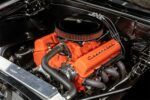
TYPE: Small-block Chevy
DISPLACEMENT: 396 ci
COMPRESSION RATIO: 10.4:1
BORE: 4.000 inches
STROKE: 3.875 inches
CYLINDER HEADS: BluePrint Aluminum HP8103
ROTATING ASSEMBLY: BluePrint Engines forged pistons, forged crankshaft, forged I-beam connecting rods
VALVETRAIN: BluePrint roller rockers
CAMSHAFT: BluePrint hydraulic roller camshaft
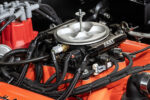
INDUCTION: BluePrint dual‑plane aluminum intake, FAST EZ-EFI 2.0 fuel injection
IGNITION: MSD Pro-Billet Ready to Run Distributor, MSD Blaster Coil
EXHAUST: Hooker Super Competition headers with Borla mufflers, 3-inch pipes
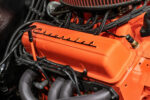
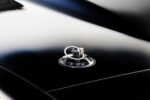
ANCILLARIES: SPAL electric fans, Ron Davis aluminum radiator, Detroit Speed aluminum gas tank, JEGS air cleaner, Billet Specialties serpentine drive system, PML YourCovers.com cast-aluminum valve covers, Ringbrothers hood hinges
OUTPUT: 520 hp and 510 lb-ft of torque
Drivetrain
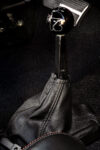
TRANSMISSION: TREMEC TKO600 five-speed, RAM Clutch and billet flywheel, custom driveshaft
REAR AXLE: Moser 9-inch, limited-slip differential, Moser 31-spline axles, 3.89:1 gears
Chassis
FRONT SUSPENSION: Detroit Speed & Engineering hydroformed subframe, JRi coilover shocks, tubular control arms, power rack-and-pinion steering, Detroit Speed antiroll bar, Baer spindles
REAR SUSPENSION: Detroit Speed QUADRALink, JRi coilovers, Detroit Speed antiroll bar, Detroit Speed mini-tubs, Detroit Speed frame connectors
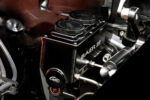
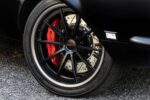
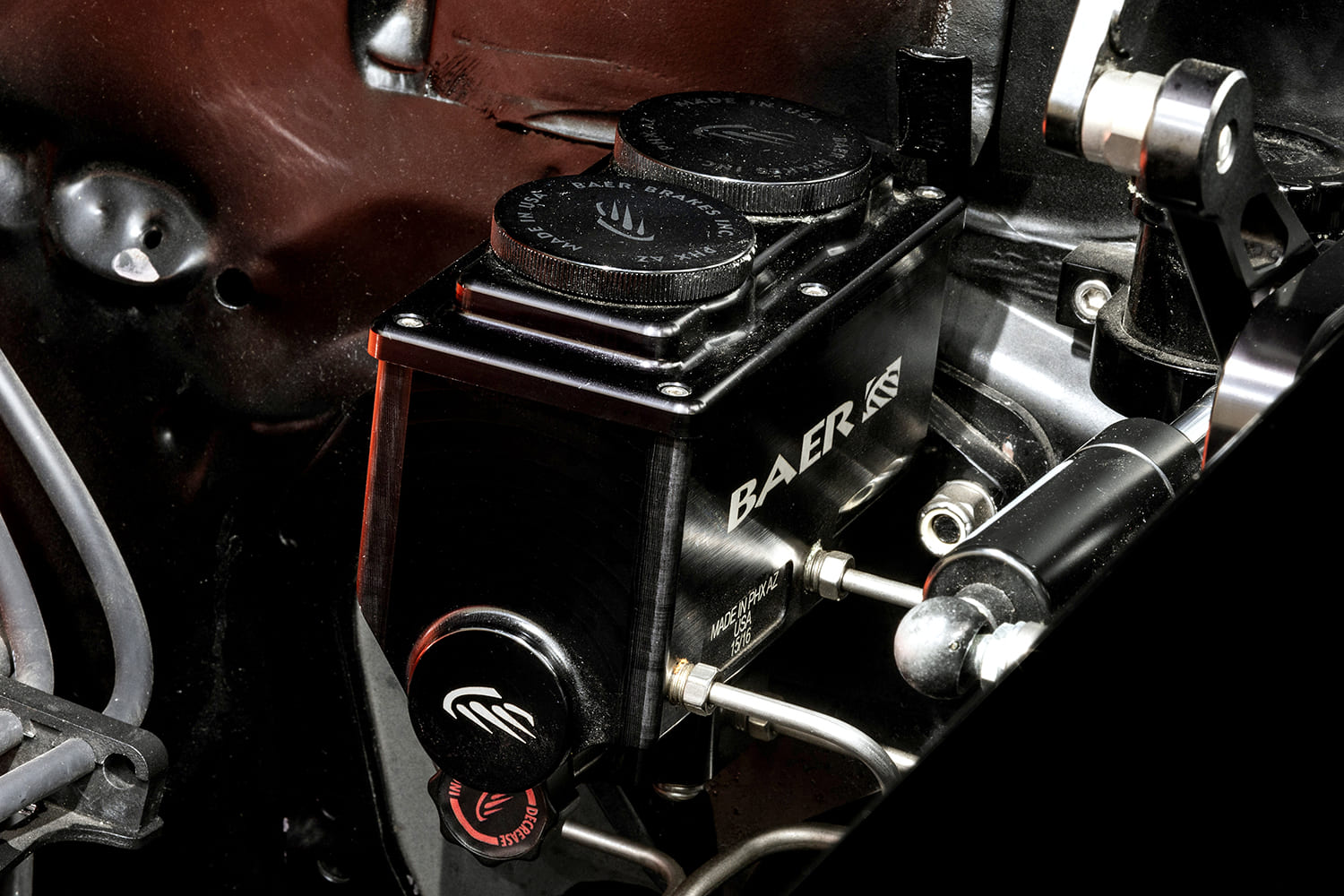
BRAKES: Baer 14-inch rotors, six-piston calipers front and rear, Baer master cylinder, Bear proportioning valve
Wheels & Tires
WHEELS: Forgeline GT3C Concave 18×9 (front), 19×10 (rear)
TIRES: Bridgestone Potenza RE-71RSXL, 245/40R18 (front), 285/35R19 (rear)
Interior
UPHOLSTERY: Stock panels covered in leather
UPHOLSTERY WORK BY: Doan Upholstery (Ontario, OH)
CARPET: Stock
SEATS: Racetech RT 4009WT racing seats, Racetech five-point harness
STEERING: Ididit column, Detroit Speed steering wheel
DASH: Original, dashpad wrapped in leather
INSTRUMENTATION: Speedhut with Fast Lane insert
WIRING: Graham Motorsports (Sunbury, OH)
ROLLBAR: Ridetech Tiger Cage steel six-point
Exterior
BODYWORK: Ellis & Henry Richards, Steadfast MFG (Mansfield, OH)
PAINT BY: Ellis Richards, Ellis Richards Auto Body (Mansfield, OH)
PAINT: PPG single-stage black
FENDERS: AMD with 0.75-inch wheel flares
HOOD: AMD with recessed hood pins
GRILLE: Stock
BUMPERS: AMD painted
SIDE MIRRORS: Second-gen Camaro
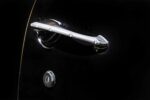
DOOR HANDLES: Ringbrothers