


By Barry Kluczyk – Images by the Author
Priorities shift with age. Things that didn’t matter a few years ago become important and vice versa. For California hot rodder and car collector Charley Lillard, comfort and reliability have supplanted earlier desires to have a track-capable rocket ship on the street.
“Fun is more important than fast to me these days,” he says. “And I no longer need the loudest car on the street.”
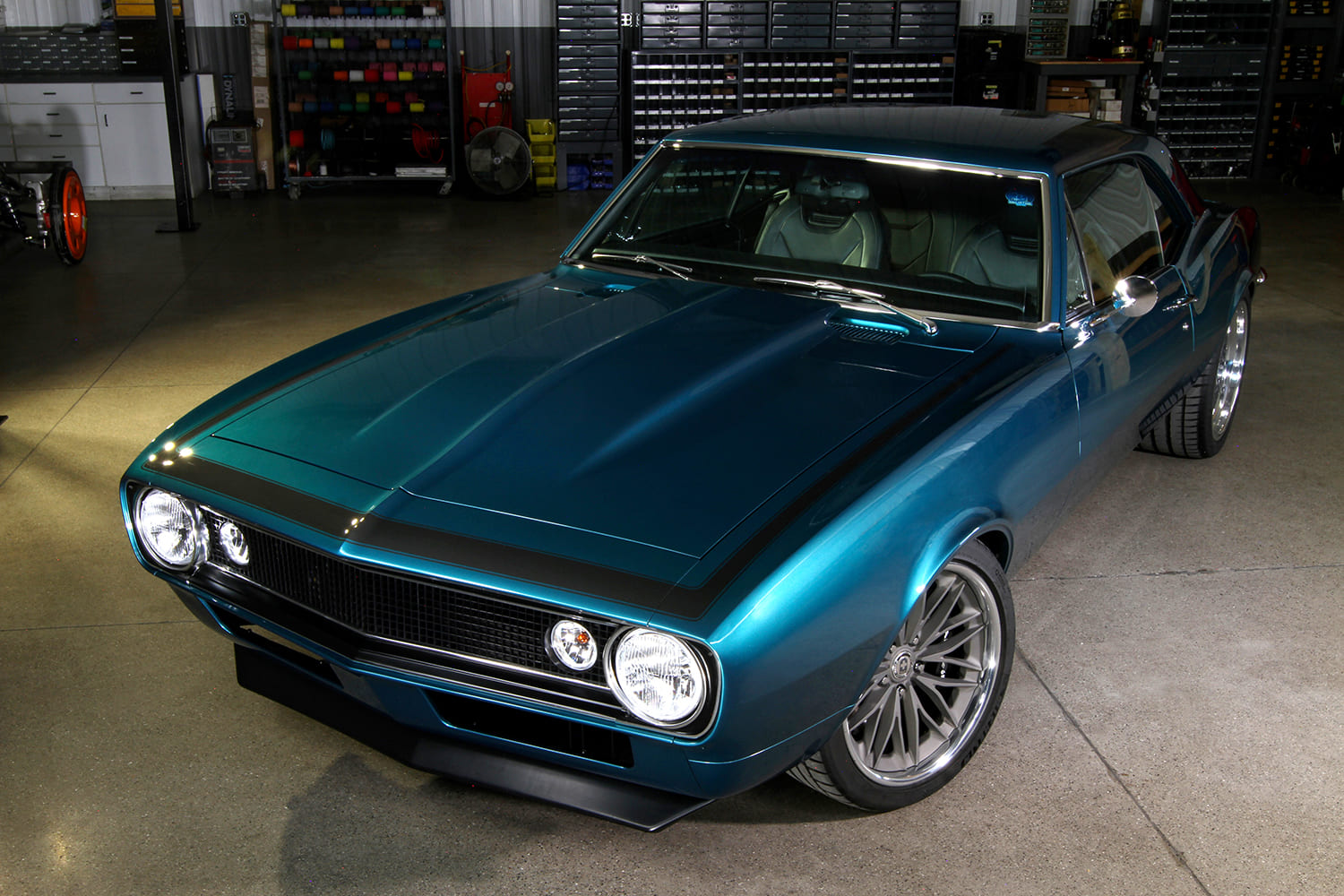

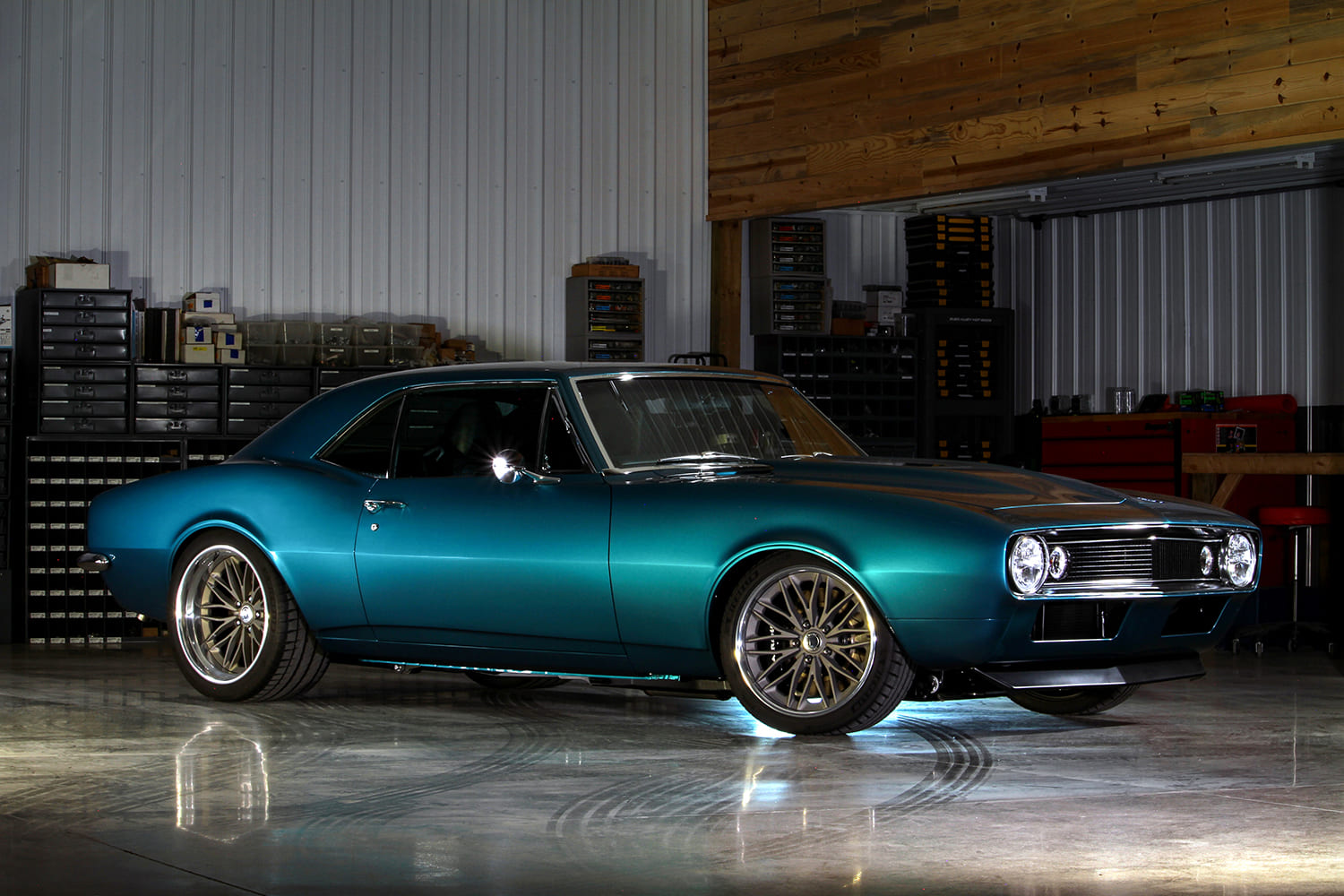
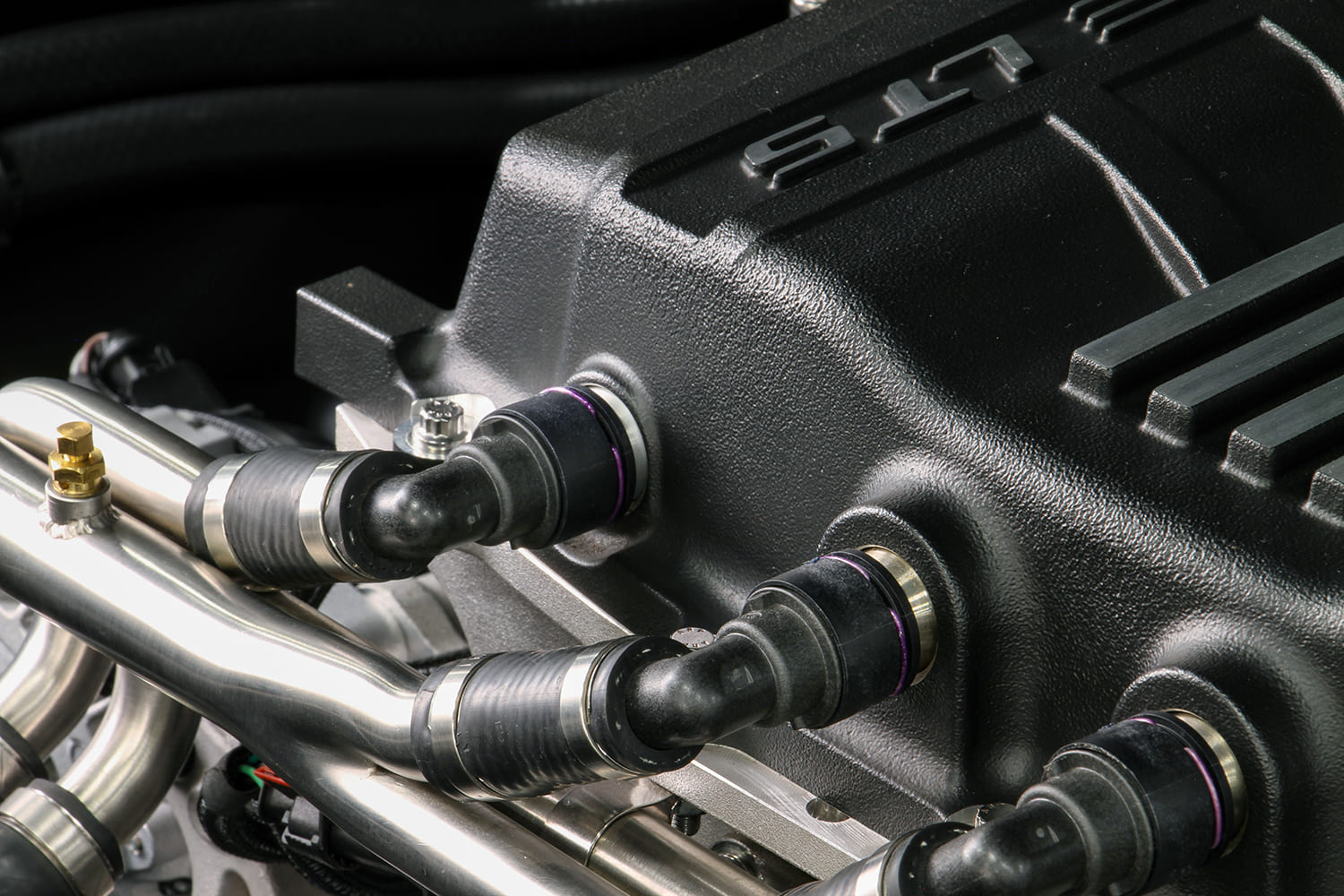
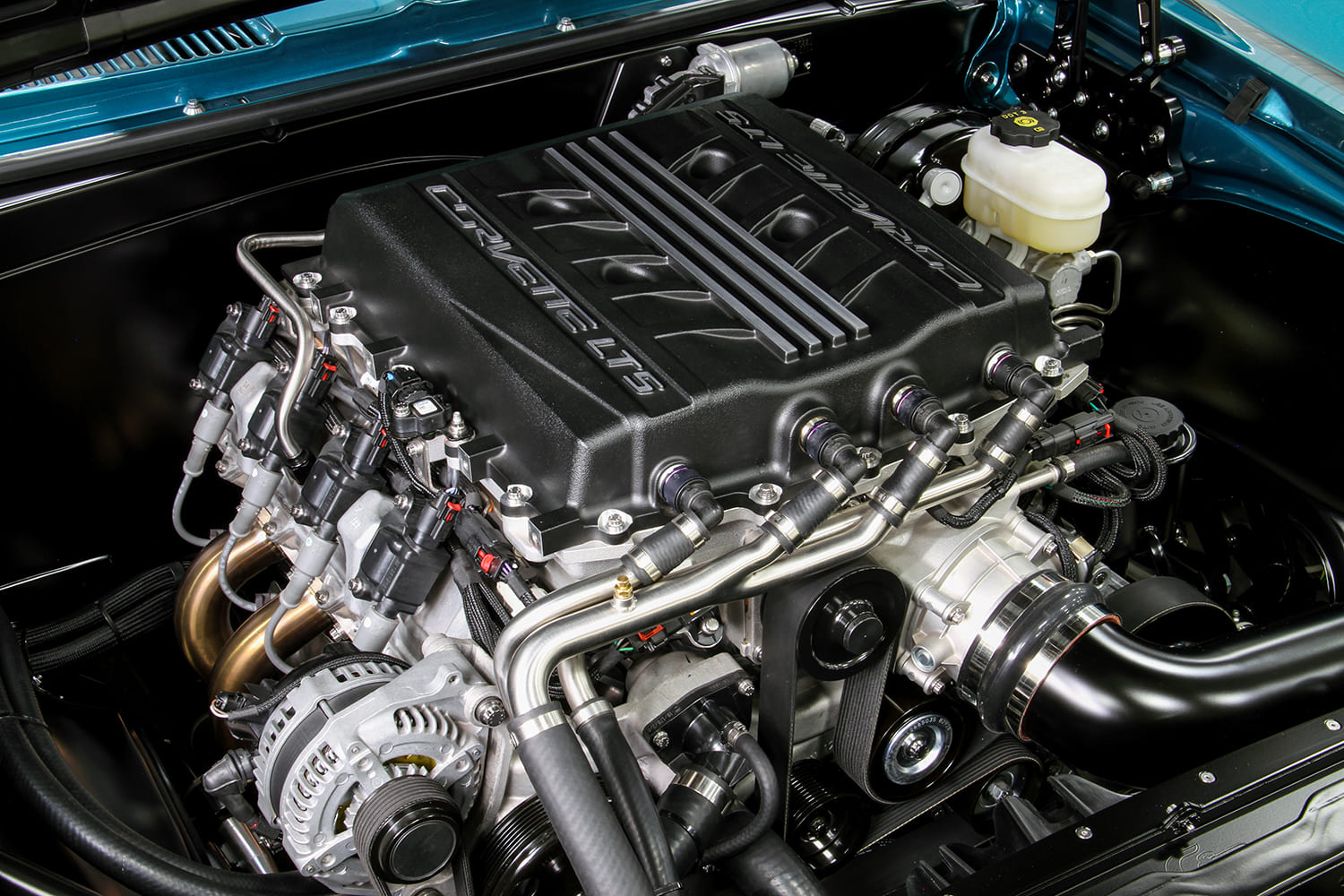
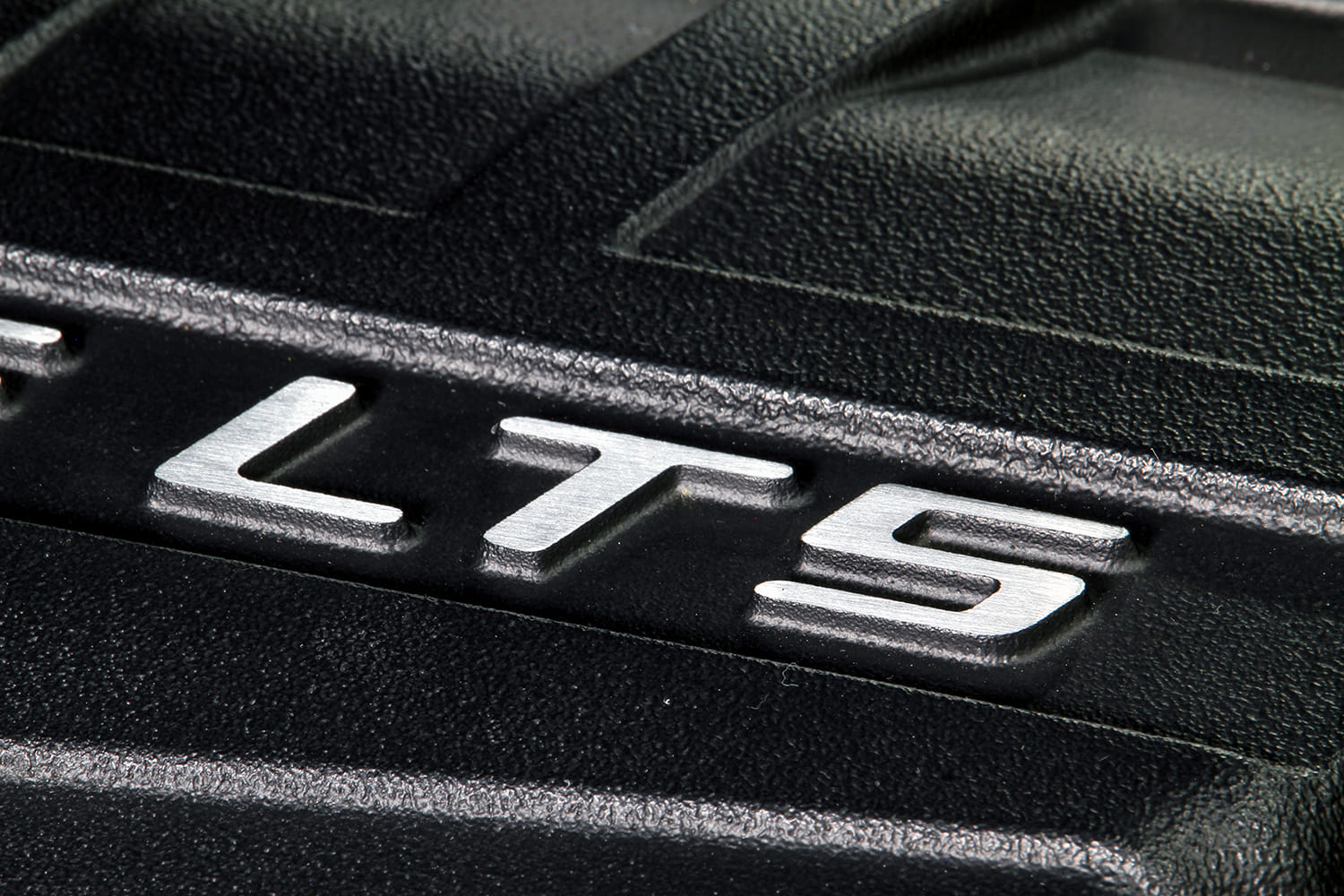
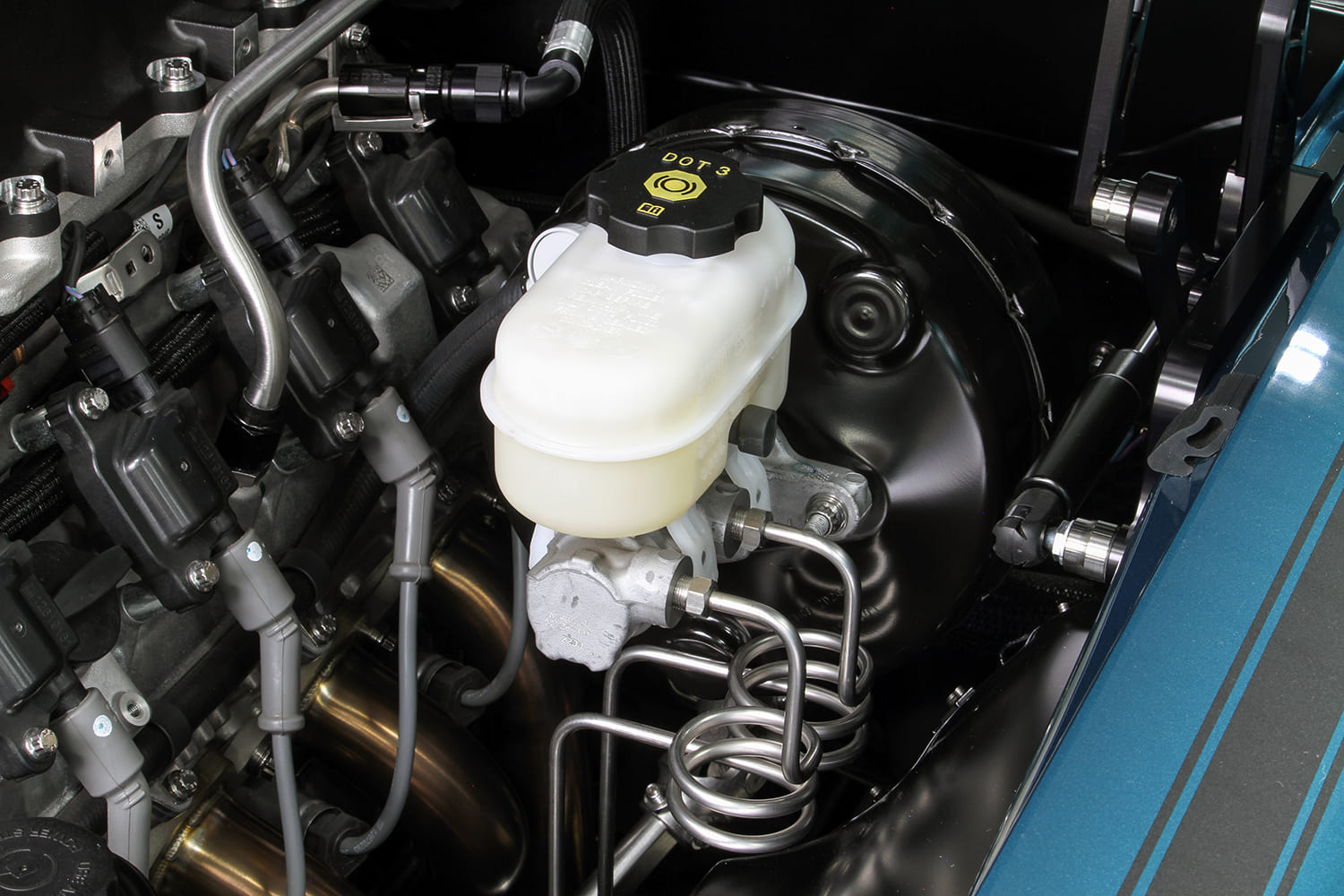
Such an evolved approach was the inspiration for his latest build: a Pro Touring 1967 Camaro. While Charley emphasized comfort over maximum velocity, the first-gen F-car is hardly a slouch. With a supercharged, 755hp LT5 crate engine underhood, “fast” is a very relative term.
“It moves, no doubt about it,” he says. “But the car is not set on ‘kill.’ It’s built to drive and not beat you up.”
Pro Touring refinement has become the hallmark of Detroit-area builder Matt Gurjack and his shop Sled Alley, and that’s where Charley sent the Camaro after plucking it off a San Francisco Bay–area dealer lot. The pair has collaborated on several cars in the past, and Gurjack has famously helped Pro Touring pioneer Mark Stielow with many of his cars.
“I’ve built a lot of my own cars over the years, but I know my limits,” Charley says. “This is [Gurjack]’s wheelhouse and I couldn’t come close to his level of detail. It’s a car built to make the most of his talent.”
Interestingly, the car was born an RS, but Charley was less interested in that trim package and sold off the unique grille, powertrain, interior, and other parts to a friend. When the car arrived at Sled Alley it was a roller that looked not too bad at all. Media blasting, however, revealed pretty serious signs of previous damage on the driver’s side, including a well-hit front fender and a “creamed” rear quarter-panel. On the plus side, the body was otherwise solid, with virtually no rust and comparatively excellent floors.
“All things considered, it was a strong starting point,” Gurjack says. “Without major rust, the body repairs were pretty straightforward.”
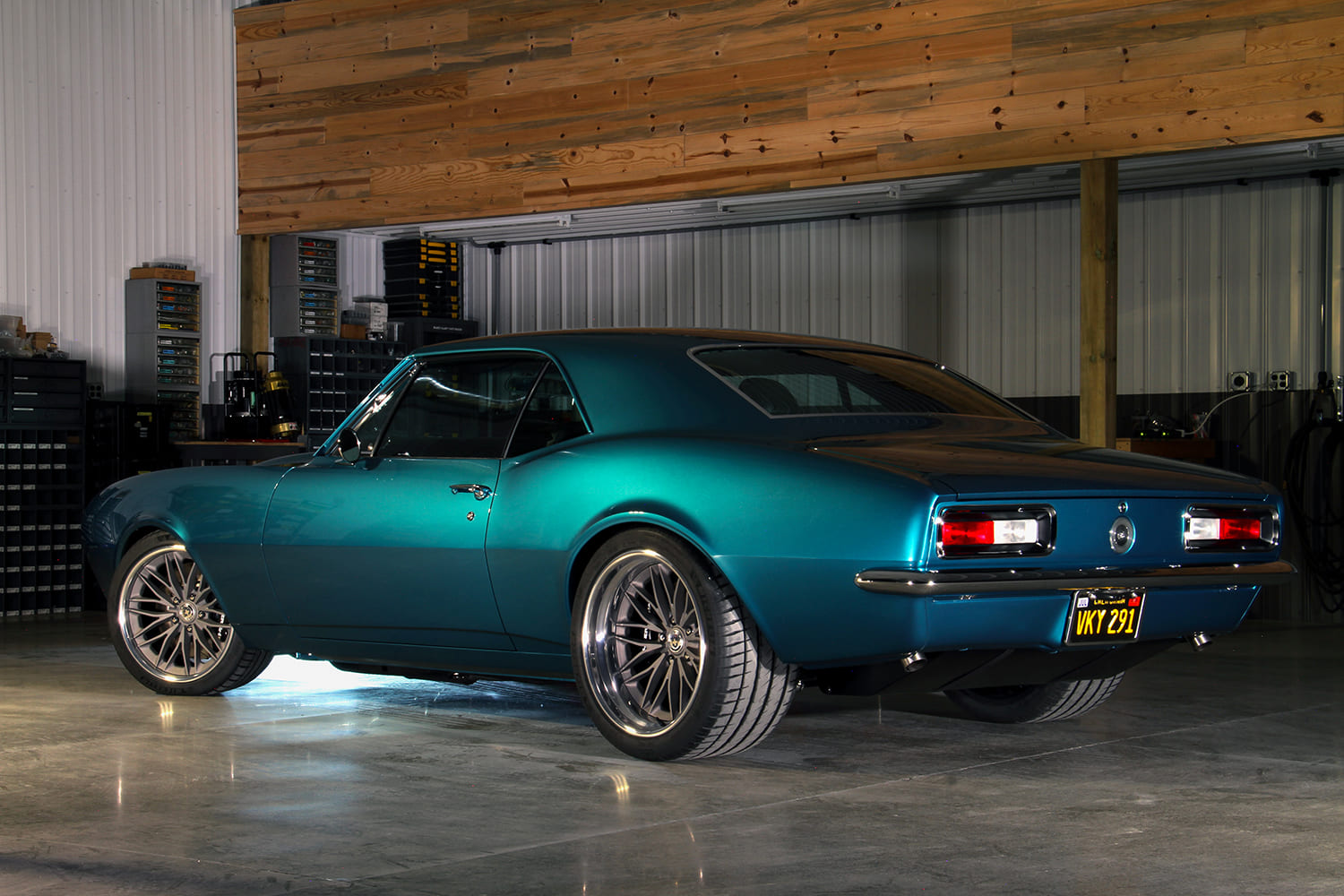
In fact, Gurjack was able to save the front fender by grafting on the front corner of another original panel, although the rear quarter was replaced. With those basics taken care of, Gurjack focused his attention on a number of subtle enhancements intended to improve the overall aesthetics of the sheetmetal—and you’ve really got to compare them with an untouched car to appreciate the work. The rear quarters were pulled out a bit and reshaped, while the bottoms of the quarter-panels were also pulled out a touch and re-contoured to give the body a more uniform-appearing sweep from front to rear.
“It’s something I’ve noticed on the 1967 and ’68 cars,” Gurjack says. “There’s something that’s just a little off in the lines at the rear end. I’ve simply tried to balance it and give the body a smoother, more symmetrical look.”
After that came countless hours of refinement fabrication. It included everything from building removable close-out panels for the engine’s dry-sump oil tank and powertrain control modules to welding up and smoothing every possible unused hole on the core support, firewall, and other areas to reduce wind noise. The clock kept ticking away, too, as Gurjack obsessed over the repro rubbers for the doors’ vent windows, trimming them until everything fit perfectly.
“We bought every different manufacturers’ parts for that and mixed and matched them until it was right,” Gurjack says. “Even then, we had to make adjustments because none of the seals quite matched the slight curve of the reproduction glass. It was maddening, but the result is a good, tight seal with no wind noise.”
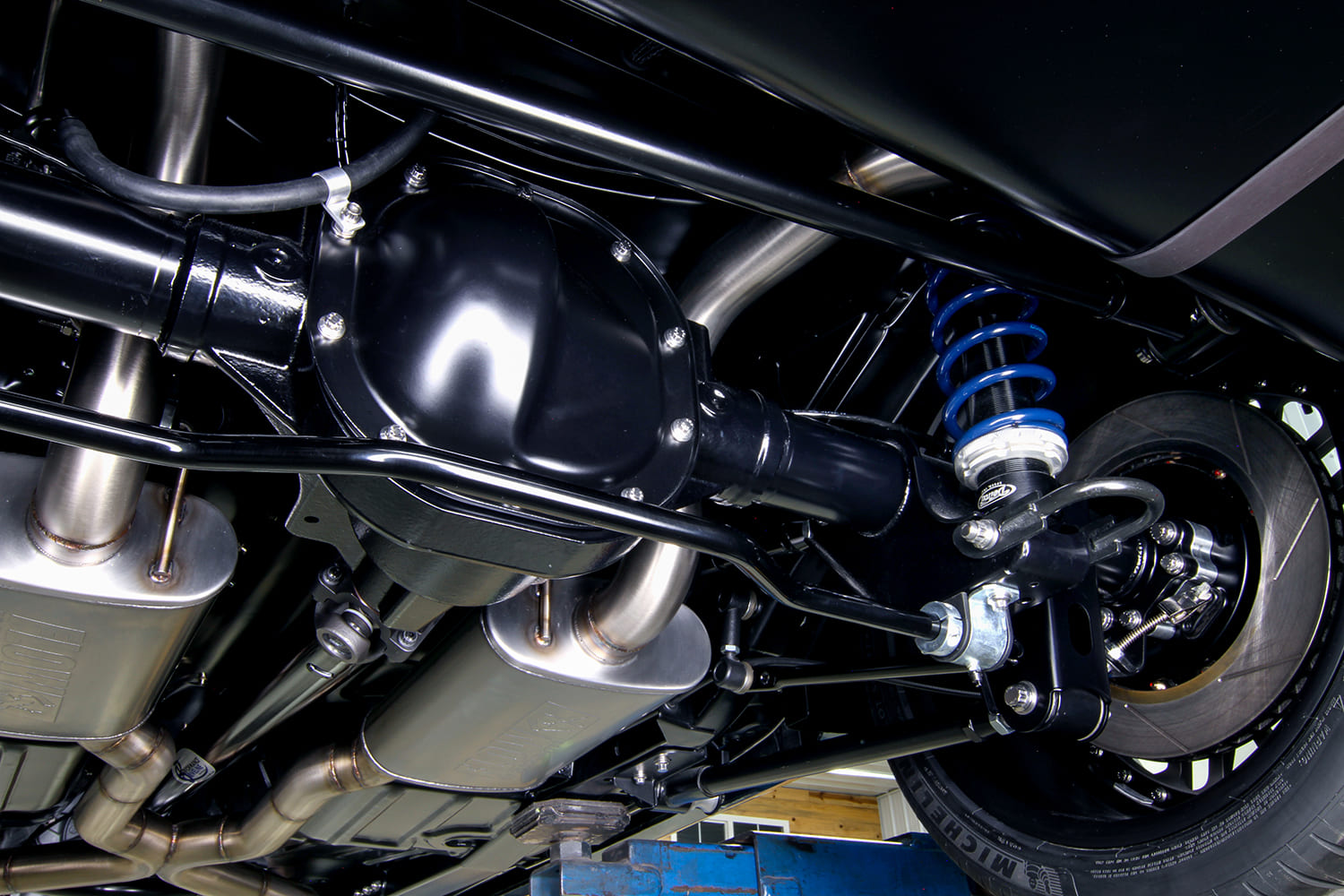
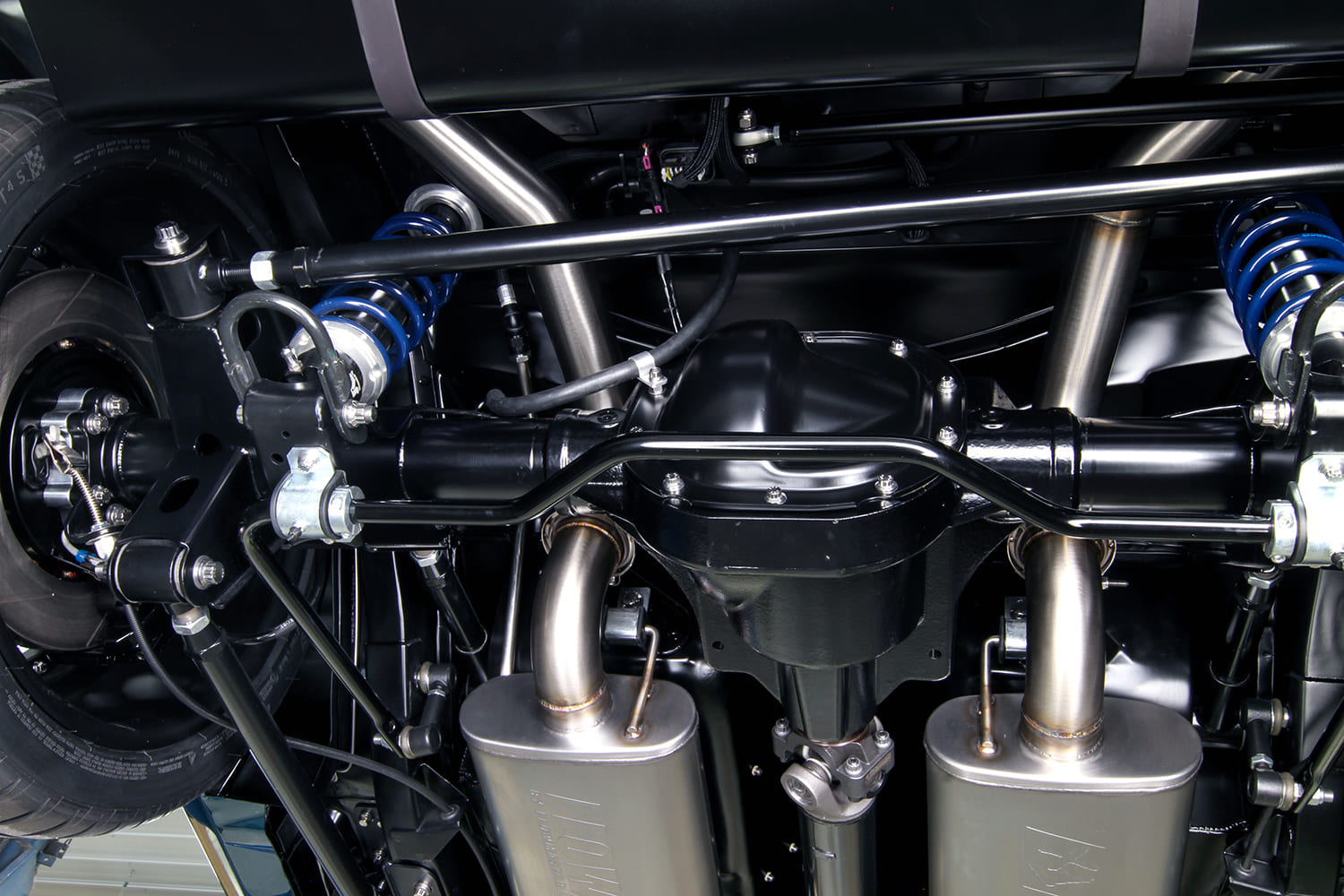
It was exactly the sort of madness Charley Lillard was seeking, and it complemented other details such as going with a Ford 8.8-inch rear axle instead of the de rigueur 9-inch unit. Why? Because factory Ford gearsets are no longer available for the 9-inch, and Charley finds the aftermarket gears too loud. Quieter factory gears are offered for the 8.8, however, and a quieter driving experience was Job One for this F-car.
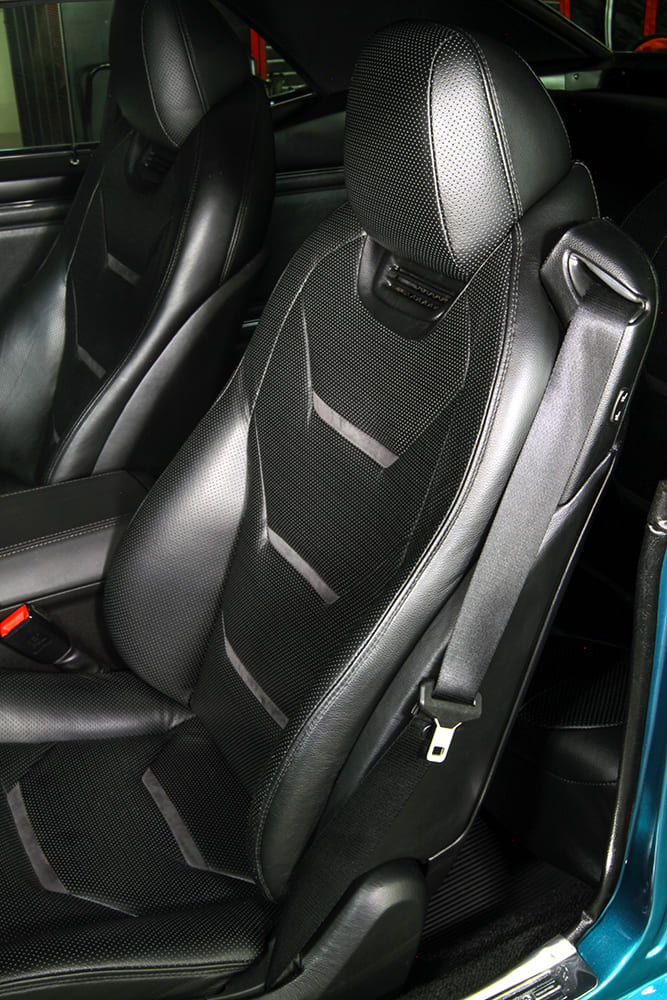
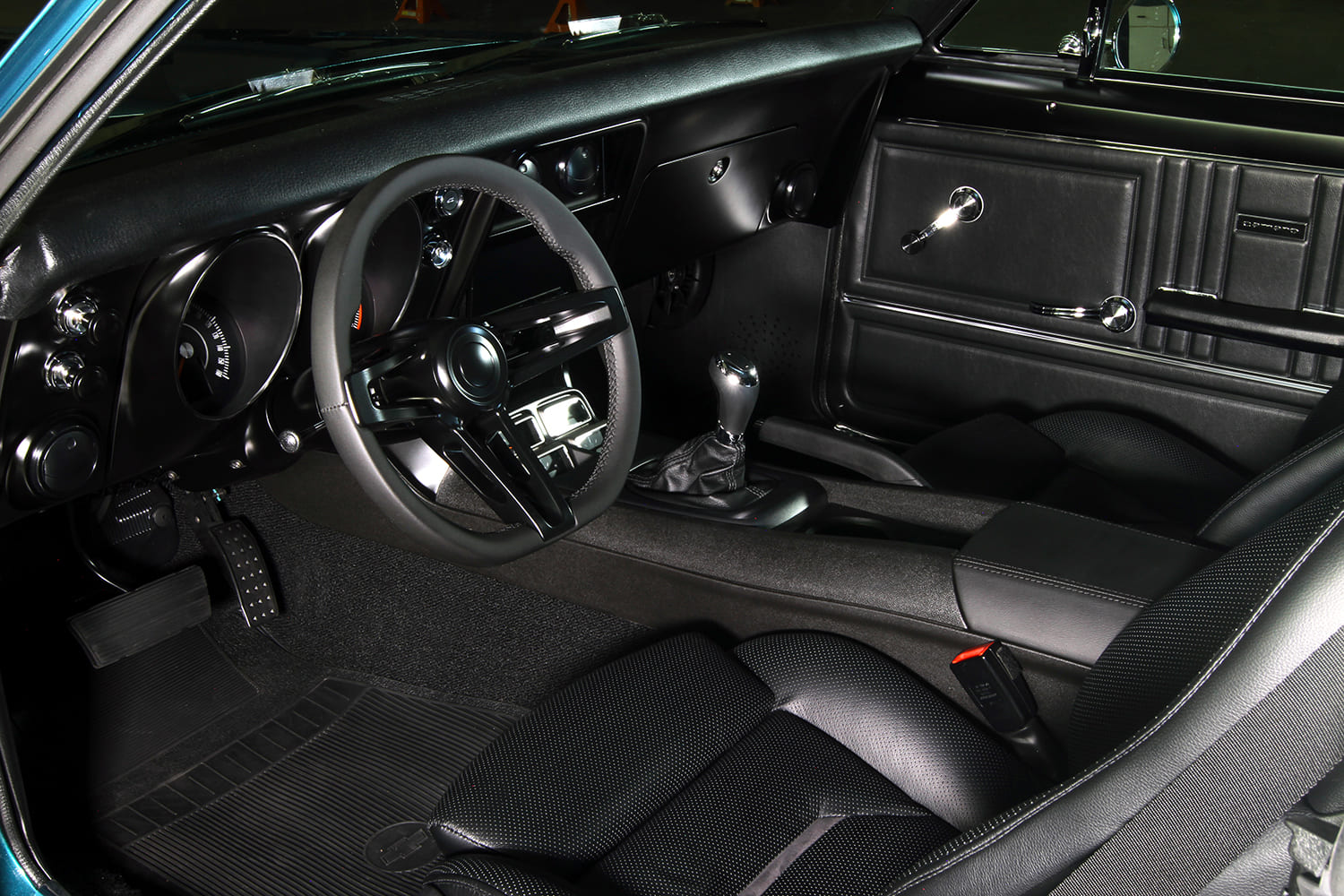
There’s more. Charley wanted three-point seatbelts in the car but didn’t want a rollbar on which to anchor them, so he and Gurjack sourced a set of belts-to-seats buckets from a BMW convertible. Sounds simple enough, but the seats really, really didn’t fit the Camaro’s floor. In addition to squeezing them in, Gurjack had to fabricate chassis-strengthening members for safety’s sake—and after all that was finished, separate and custom controllers were needed to keep the electronically controlled seats “awake” and responsive to the electric switches.
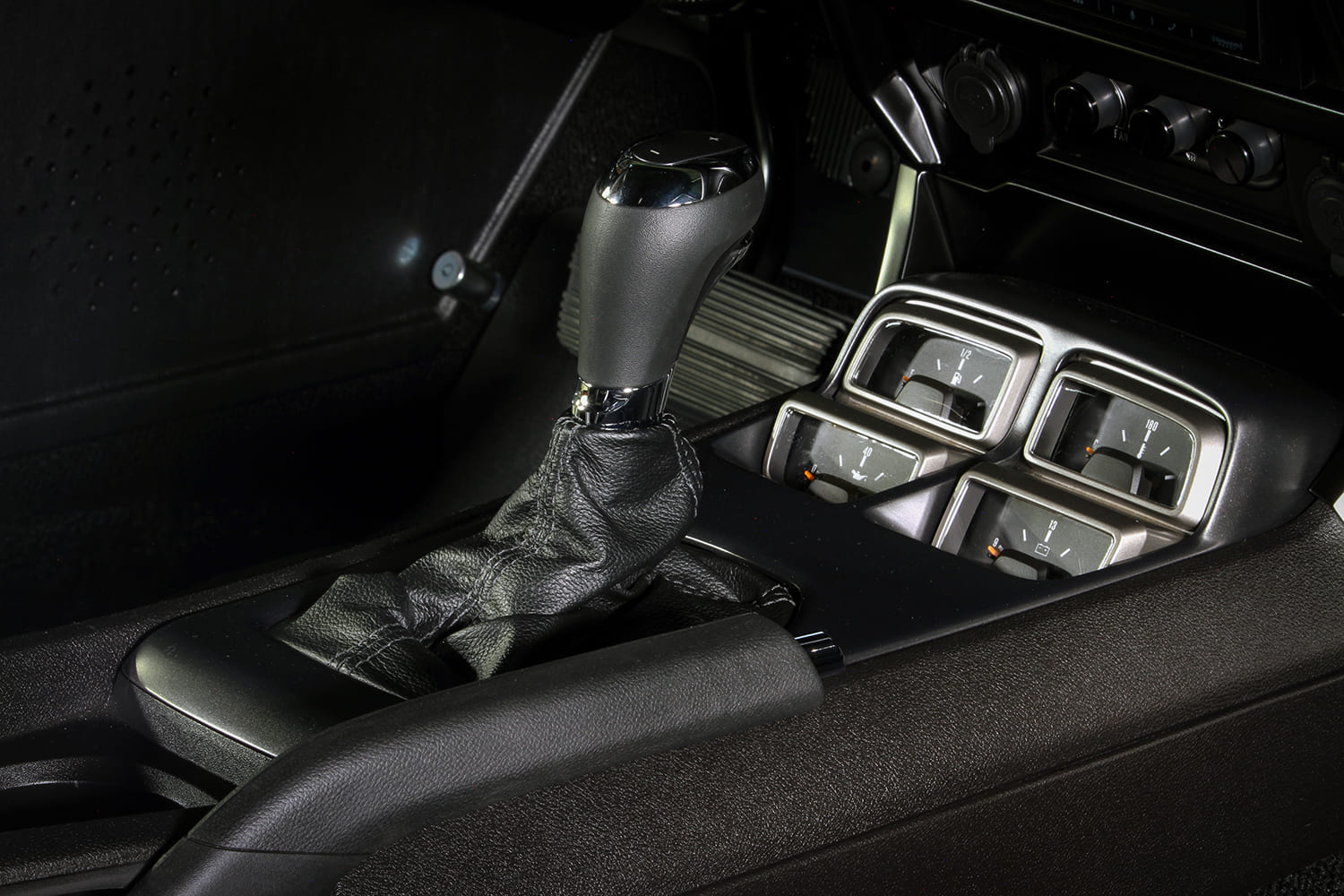
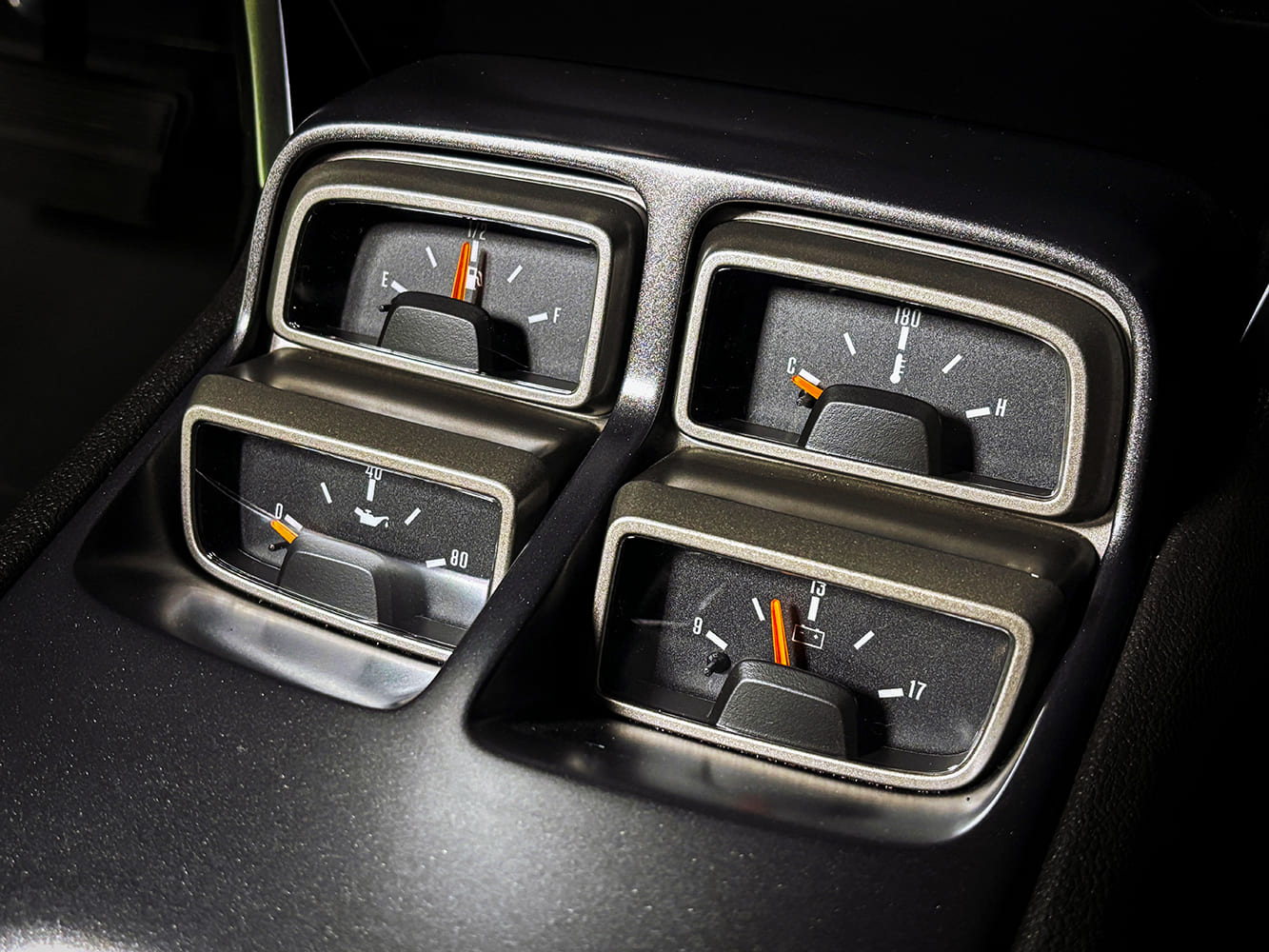
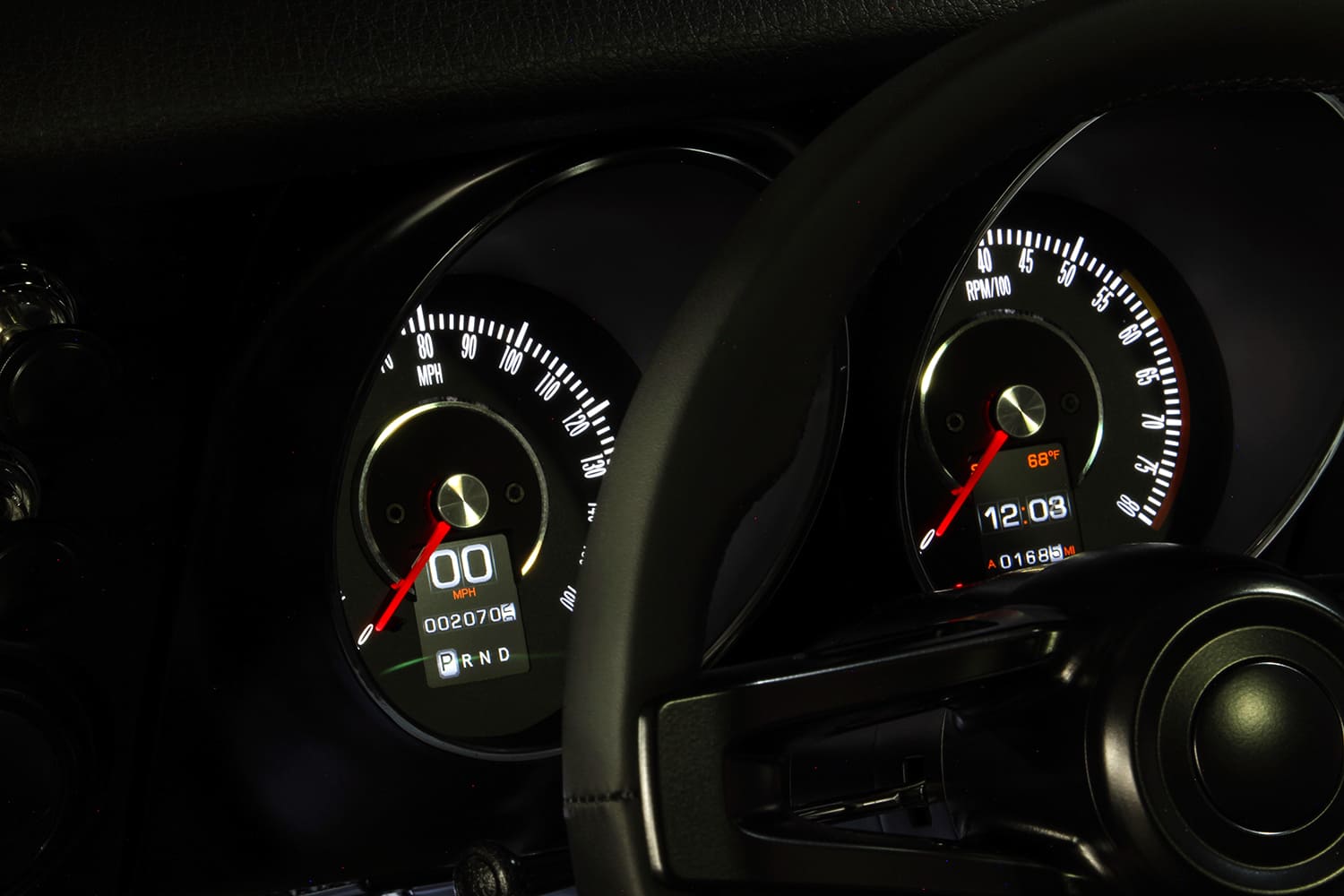
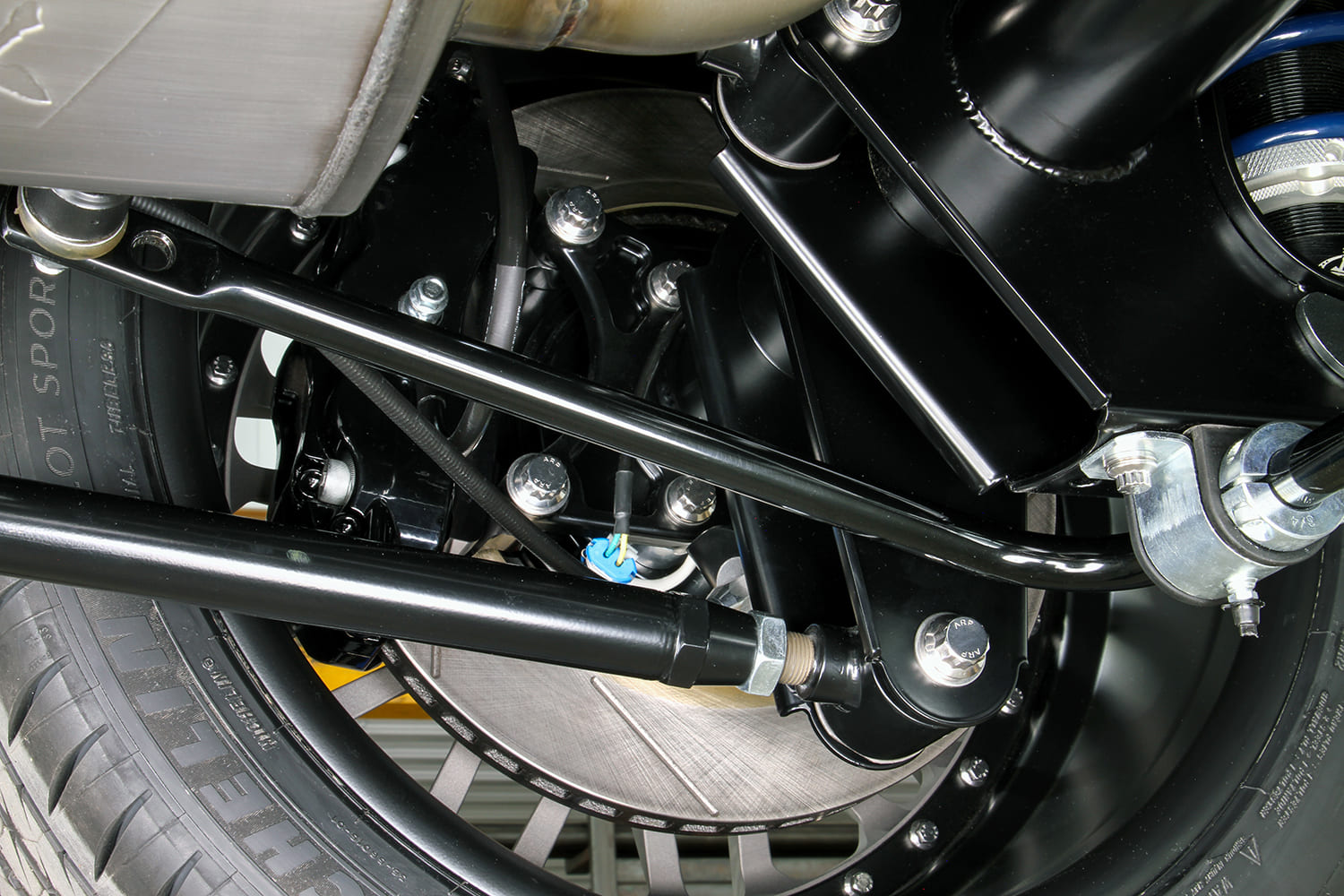
The list of similarly simple-appearing yet complex mods and fabrications goes on and on, from making the Gen 5 Camaro center console and shifter fit, to reshaping the dash to accommodate a double-DIN head unit, sinking speakers into the package tray, and loads more. Finishing it all off is a coordinated set of ARP 12-point fasteners that are used throughout the car—inside and out, top to bottom. Many of the bolts were custom-made for the car, too. According to Gurjack, more than 1,000 of the fasteners are found throughout the car. It’s an incredibly cohesive detail.
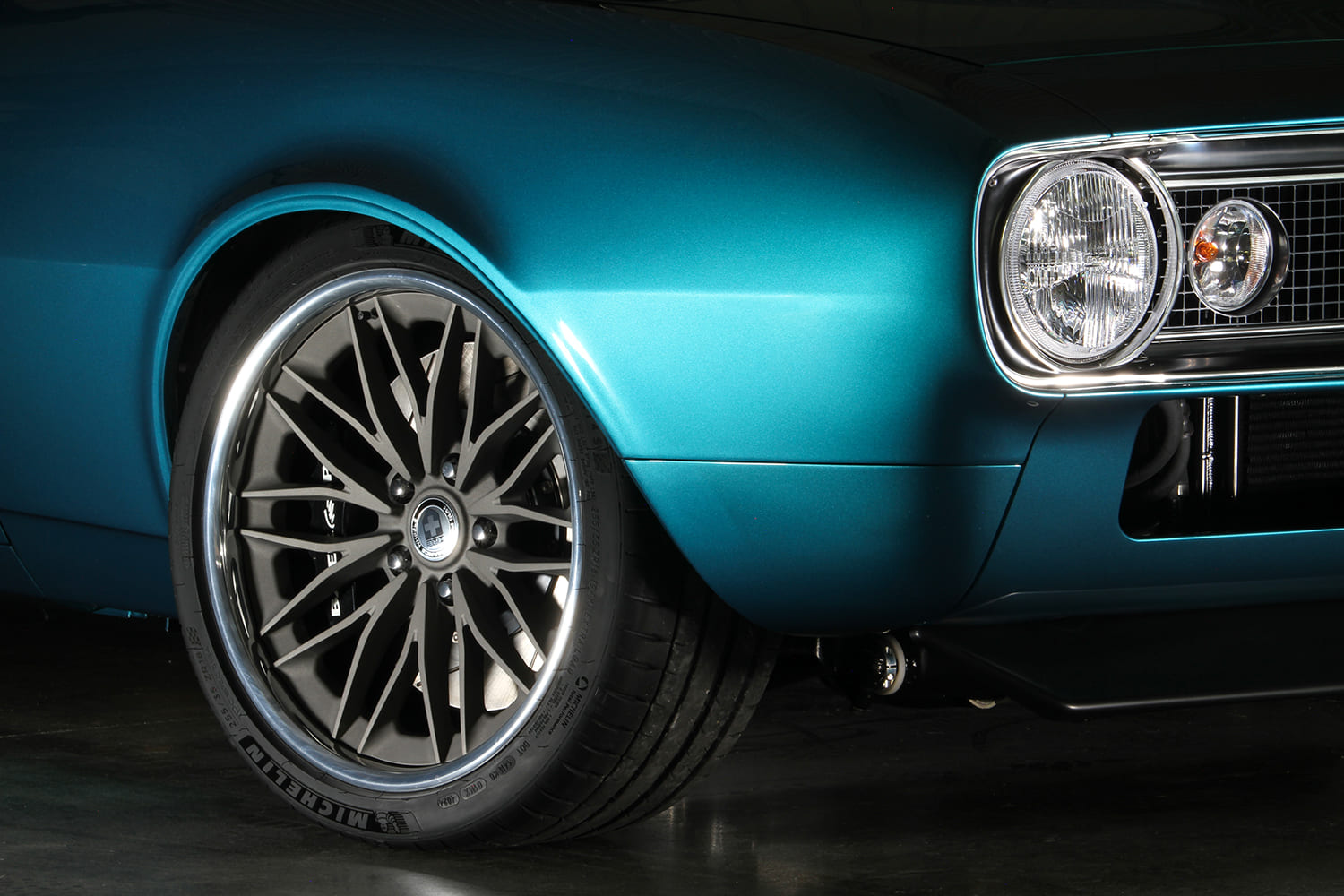
The one element Sled Alley didn’t tackle was the paintjob. It was left to Michigan-based Dutchboys Hot Rods, with the greenish-turquoise color inspired by the letterhead of another respected hot rod builder and painter: Charley Hutton.
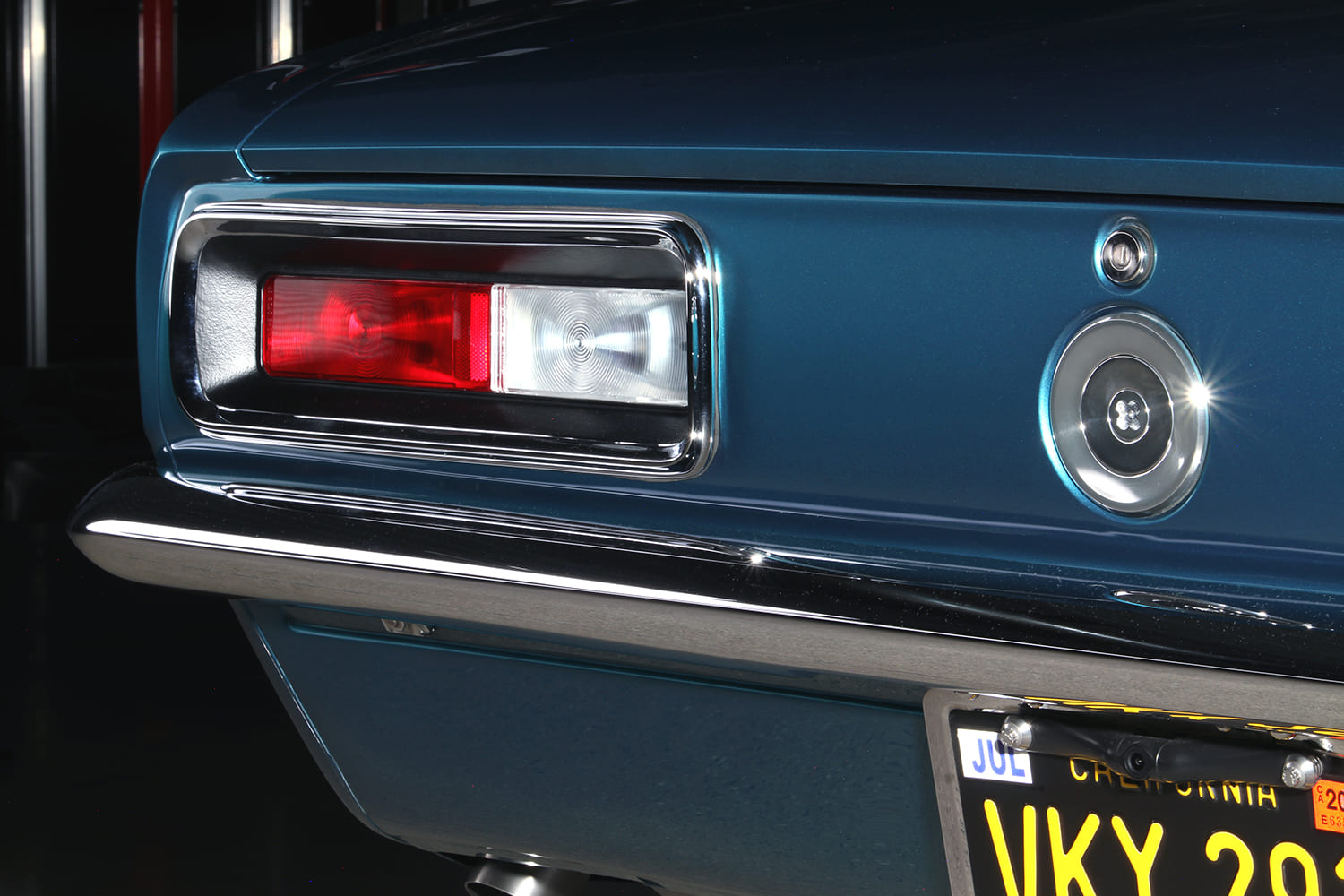
“It was the color of his shop’s letterhead,” Charley says. “When I saw it, I knew it was the color for the Camaro. It really pops.”
That “pop” is the first impression for the car, but Charley says the real “wow” factor comes when knowledgeable enthusiasts and other builders take a closer look at the deceptively stunning elements.
“The genius in [Gurjack]’s work is the details are so well integrated they don’t jump out at you, but when you recognize what he’s done they blow you away,” he adds. “We’ve done many vehicles together and they just keep getting better. This one is exceptional.”
It’s also quiet, comfortable—especially with the fifth-generation Vintage Air system, according to Charley—and more than fast enough. In other words, it’s the perfect combination for shifting priorities.
Check out this story in our digital edition here.
TECH
Owner: Charley Lillard
BUILDER: Sled Alley
Vehicle: 1967 Camaro
Engine
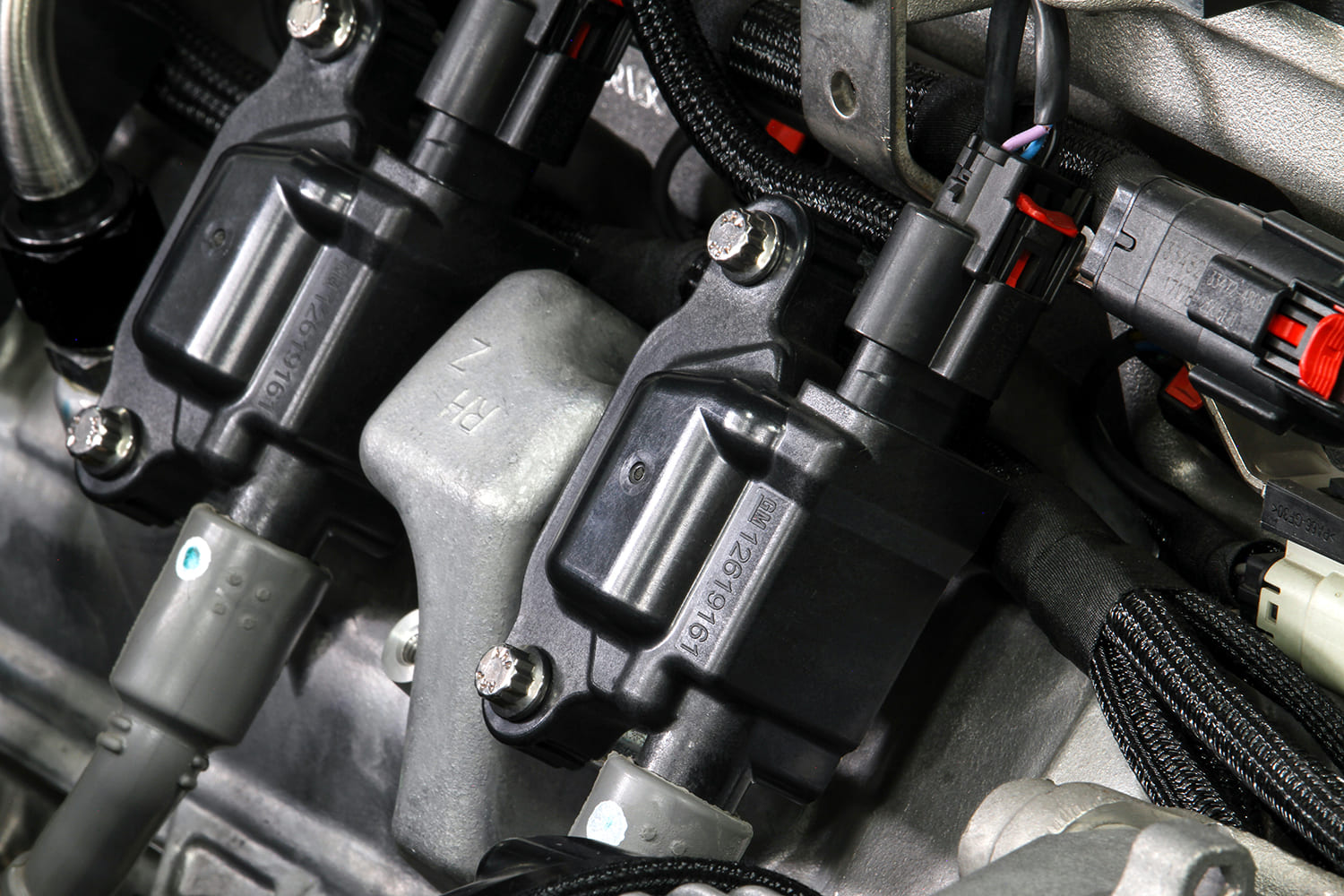
Type: Chevrolet LT5
Displacement: 6.2 liters
Horsepower: 755 hp
Torque: 715 lb-ft
Crankshaft: GM forged steel
Rods: GM forged powdered-metal steel
Pistons: GM forged aluminum with coated skirts
Cylinder Heads: GM rotocast A356T6 aluminum
VALVES: 2.13 (intake)/1.59 (exhaust)
COMPRESSION: 10:1
Camshaft: GM hydraulic roller 0.492/0.551 lift, 189/223 duration
Induction: GM cast-aluminum intake manifold and direct fuel injection
Ignition: GM electronically controlled coil-near-plug
Supercharger: GM/Eaton R2650 2.65L Roots-type
FUEL SYSTEM: Twin-module pump in a Rick’s Tanks fuel tank with VaporWorx PWM-type controller
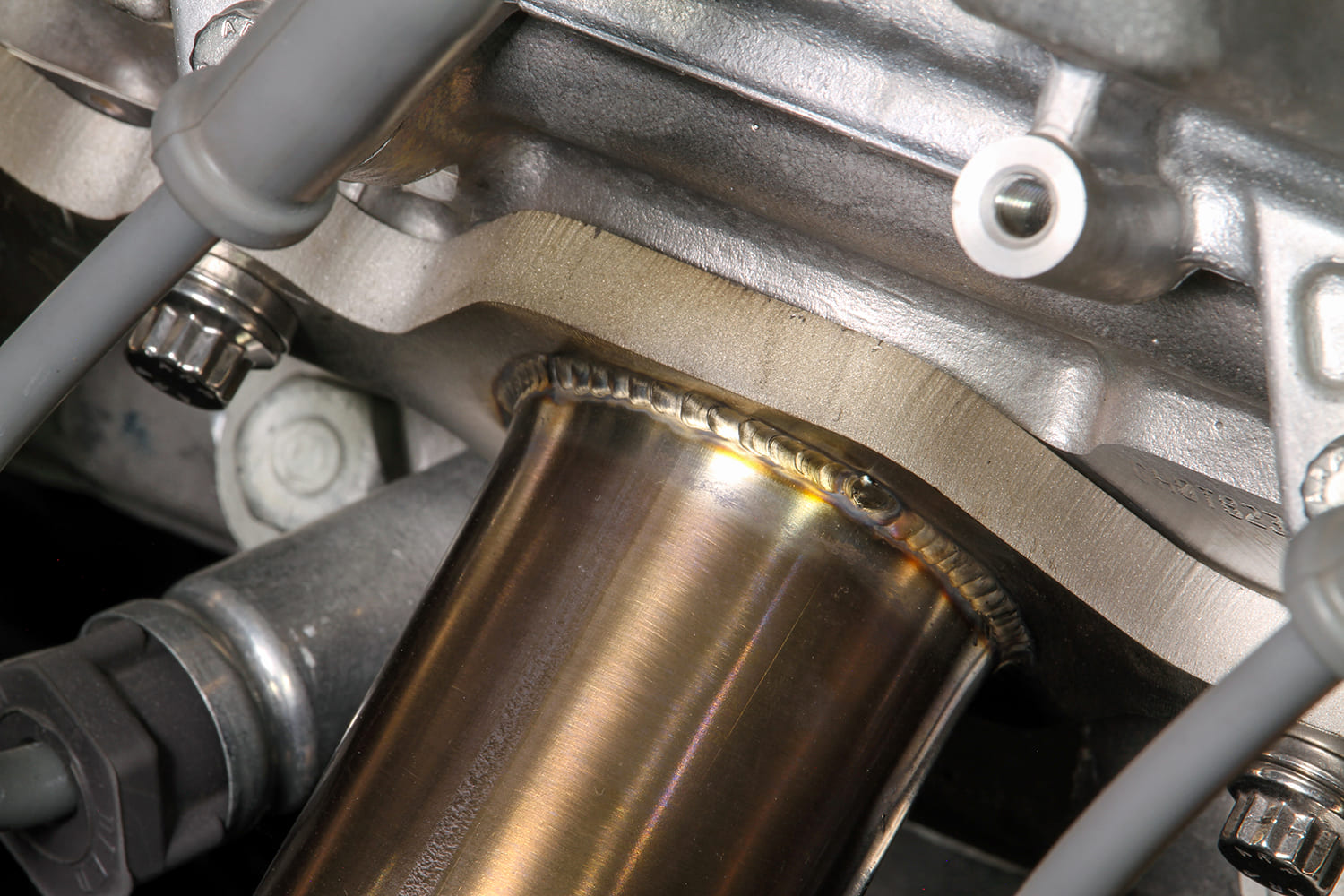
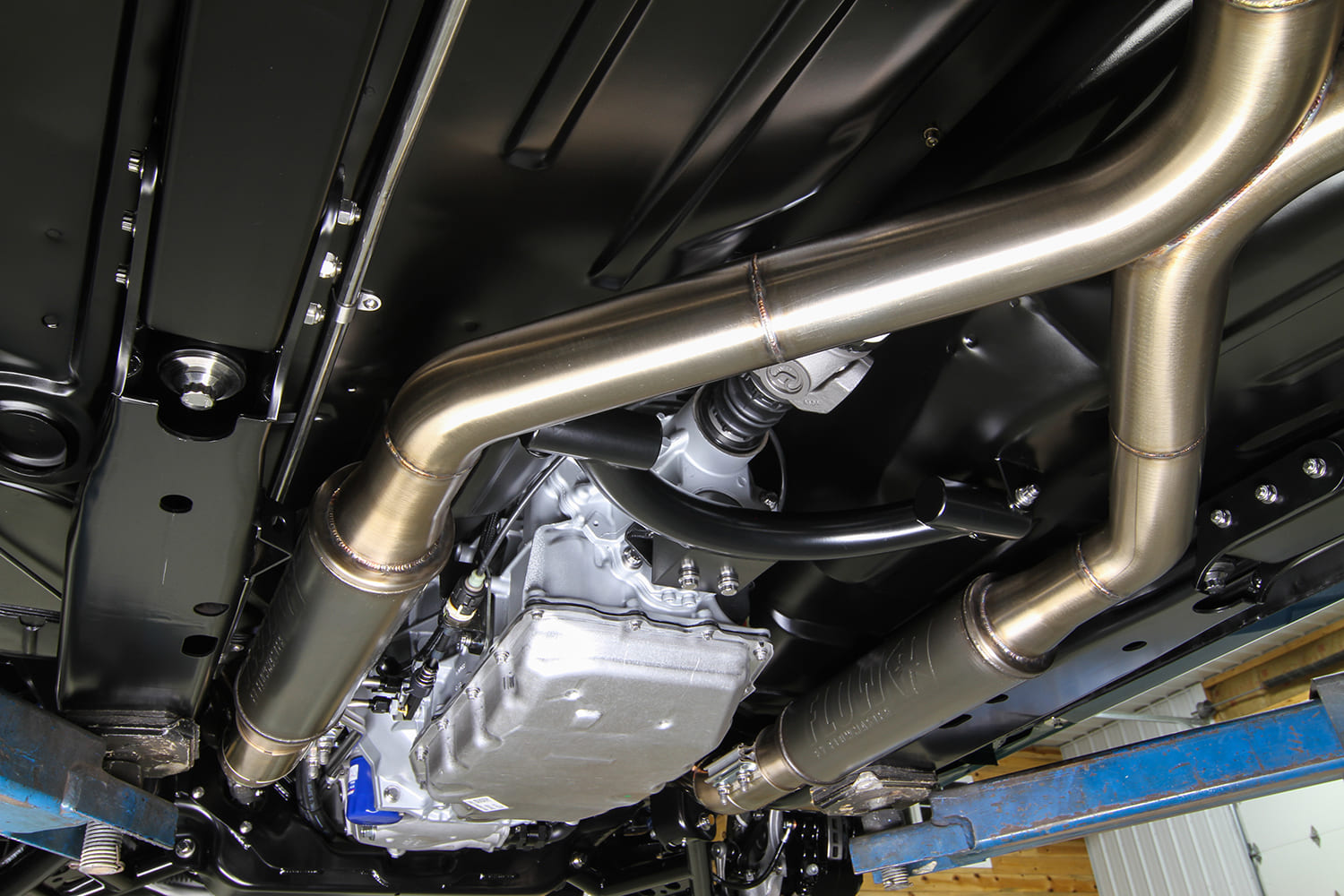
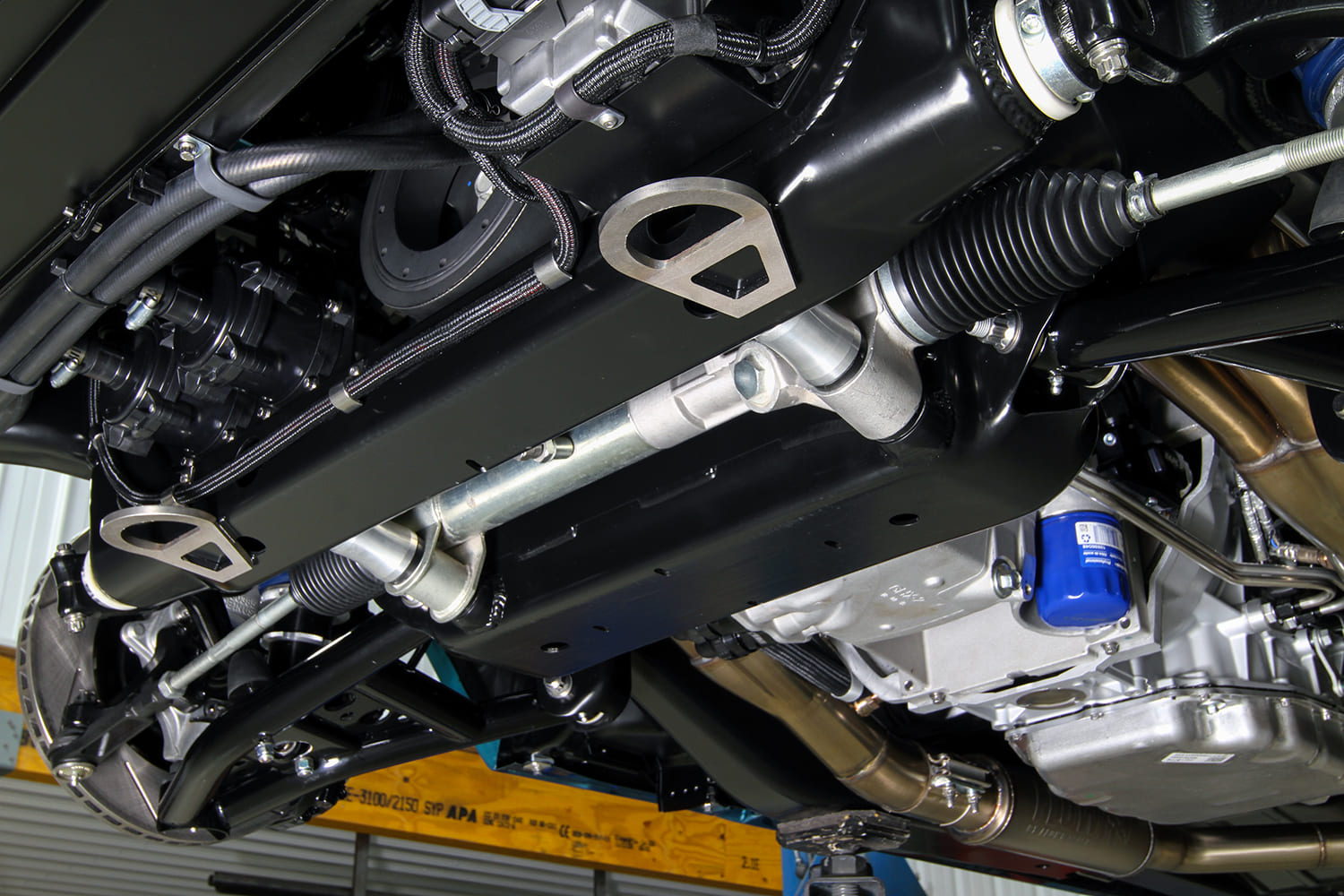
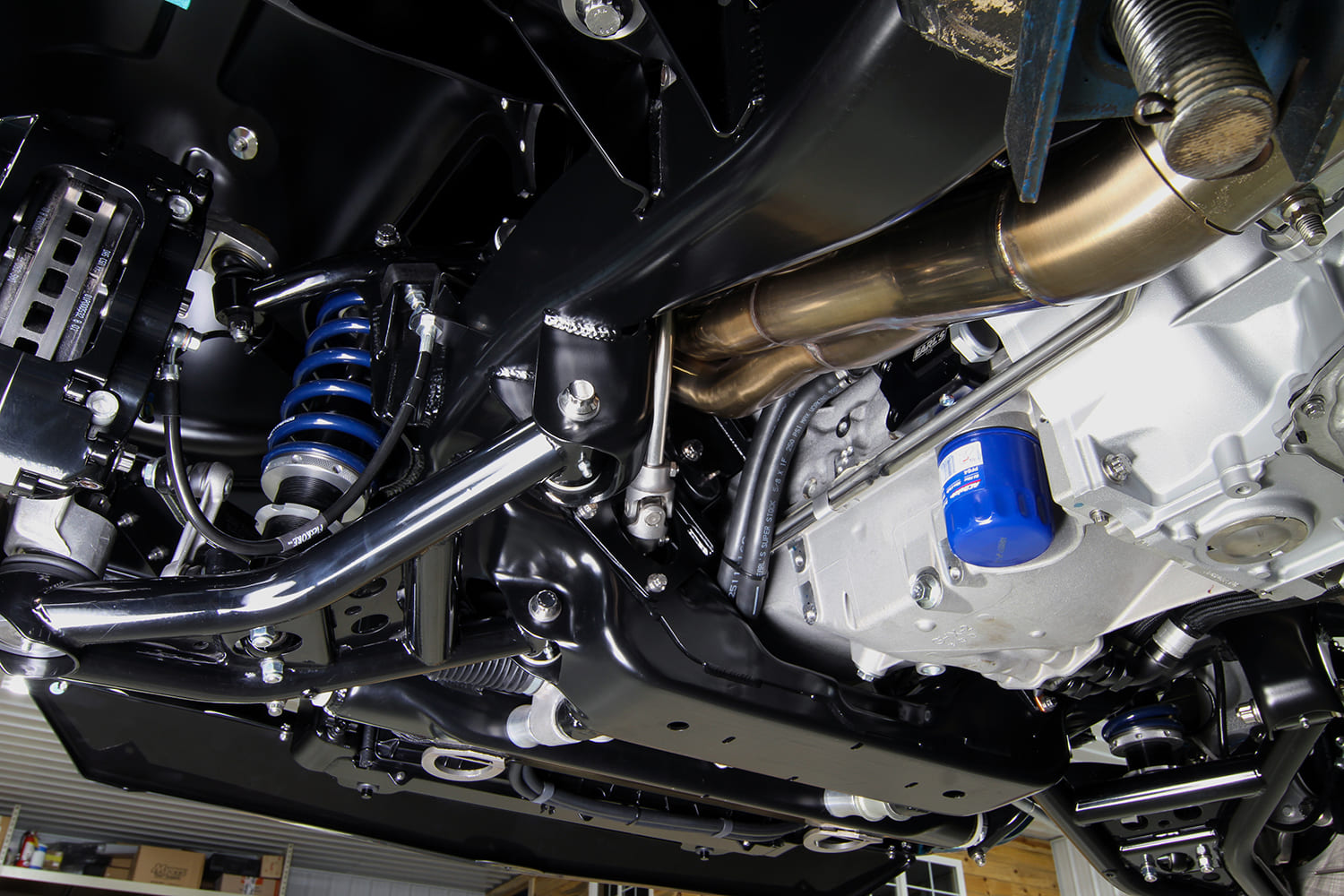
Exhaust: Hooker Blackheart headers, Holley Flow FX mufflers/resonators, and custom 2.5-inch mandrel-bent stainless tubing by Sled Alley
Cooling: C&R Racing aluminum radiator with GM/SPAL electric fan
Drivetrain
Transmission: GM 8L90-E electronically controlled eight-speed automatic
Driveshaft: 3-inch DOM with 1350 Spicer U-joints
Rear Axle: Moser 8.8-inch Ford housing narrowed, with 33-spline axles, Eaton Truetrac differential, and 2.73 gears
Chassis
Chassis: Stock Chevrolet unitized body structure with Detroit Speed front subframe
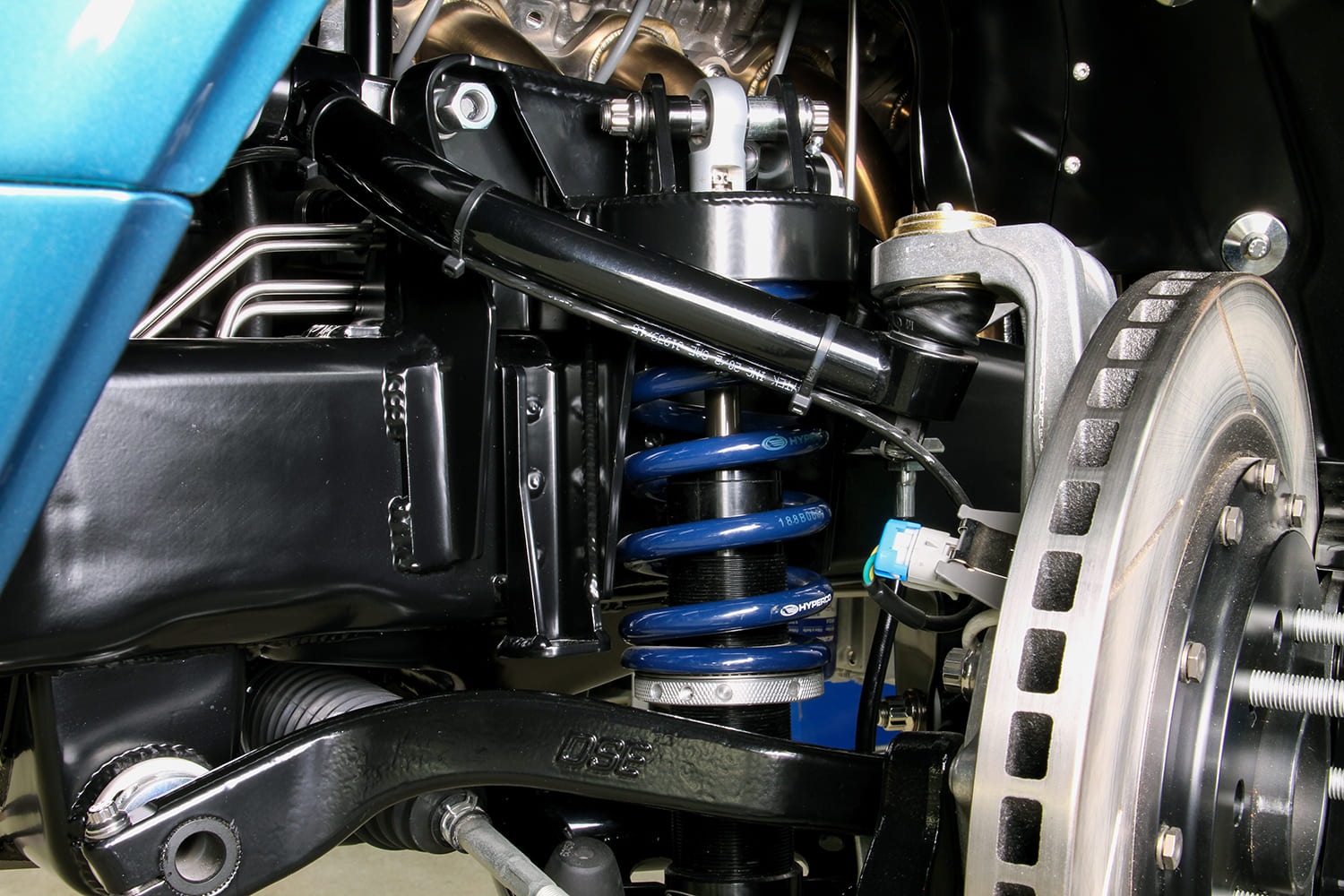
Front Suspension: Detroit Speed independent with coilover shocks and stabilizer bar
STEERING SYSTEM: Detroit Speed rack-and-pinion
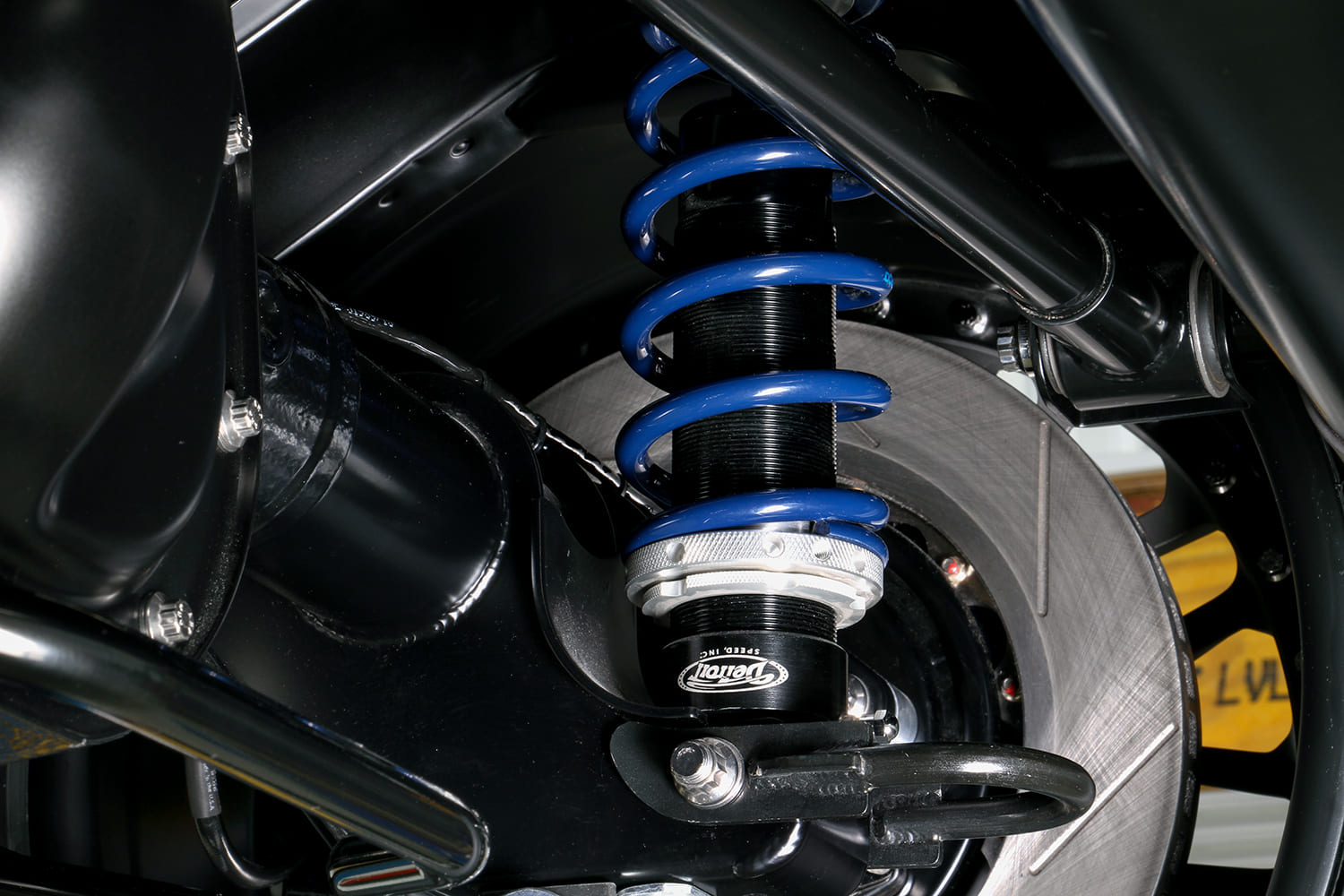
Rear Suspension: Detroit Speed QUADRALink with coilover shocks and stabilizer bar
Brakes: Baer Pro+ discs with 14-inch, two-piece rotors and six-piston calipers
Wheels & Tires
Wheels: HRE Valkyrja forged aluminum three-piece rims, 18×9 front and 19×11.5 rear
Tires: Michelin Pilot Sport 4S 255/35R18 front, 325/30R19 rear
Interior
Seats: 2016 BMW M4 convertible buckets (front), narrowed stock bench (rear)
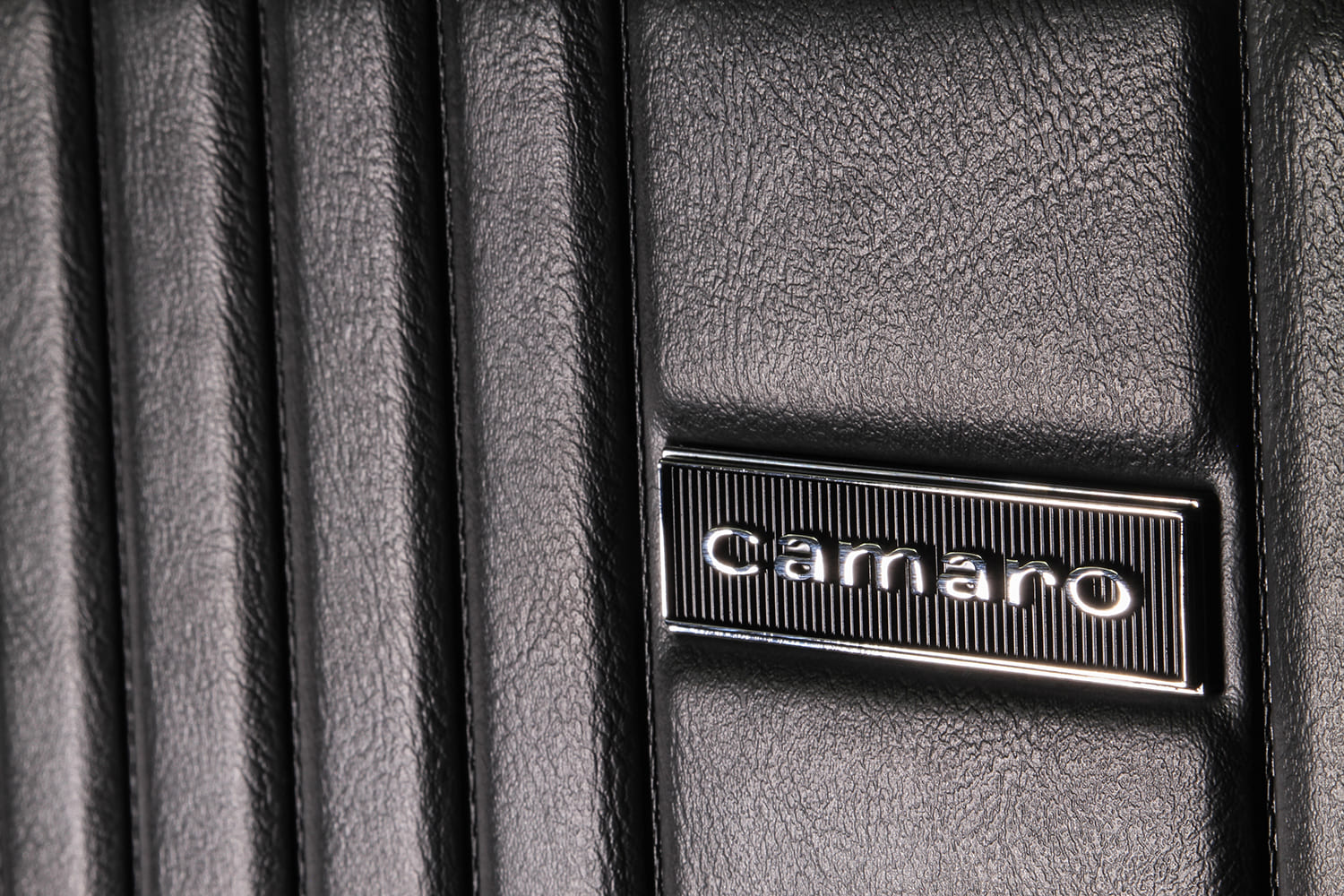
Upholstery: Custom-trimmed black leather by SPC Interiors
Steering: Modified factory steering column, Sparc Industries 14-inch Truss steering wheel
CONSOLE: Modified Gen 5 Camaro
Shifter: GM automatic shifter with tap up/down control (modified length)
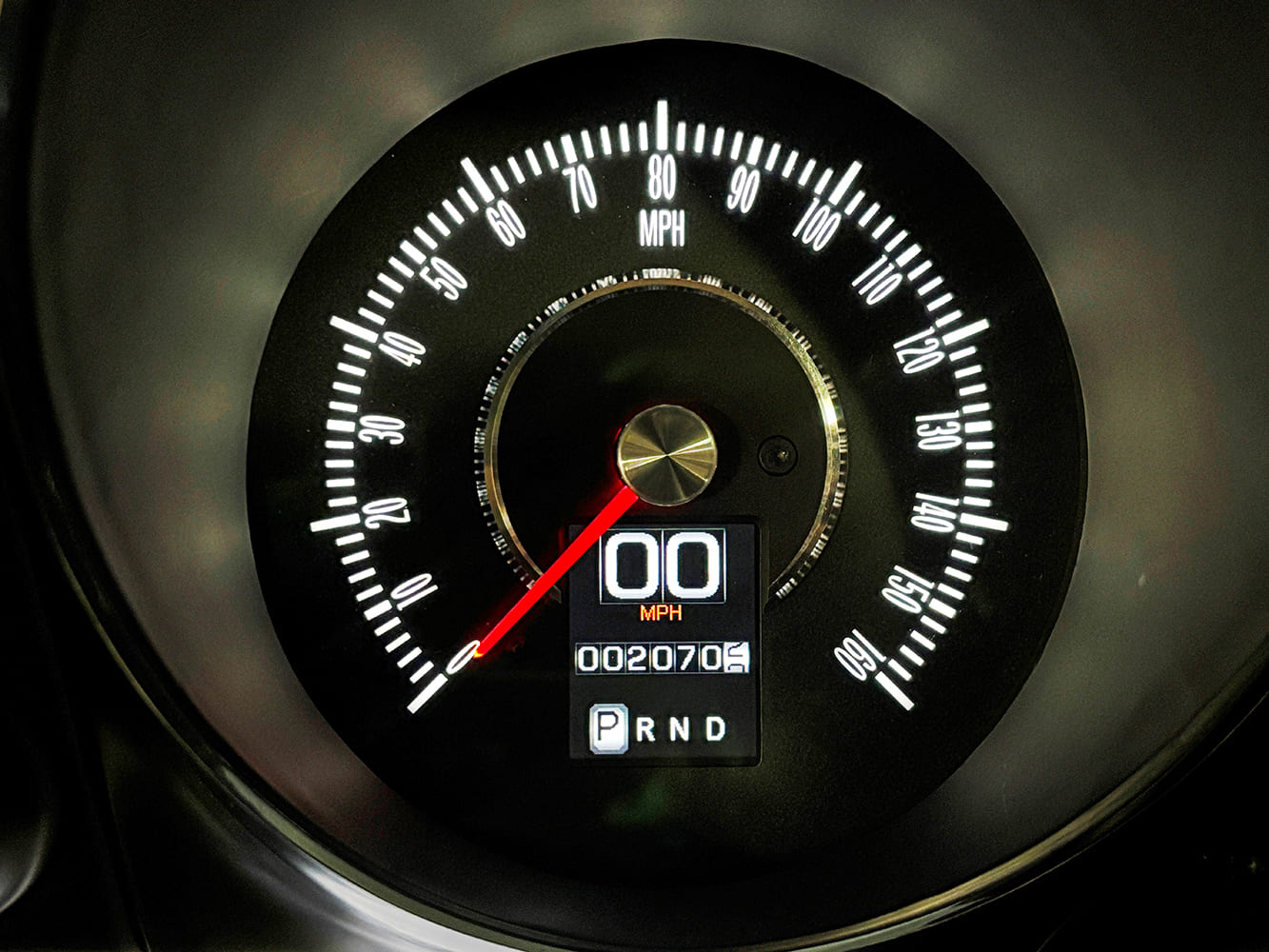
Instrumentation: Dakota Digital gauges with custom faces (instrument panel and center console)
CLIMATE SYSTEM: Vintage Air fifth-generation air conditioning
Exterior
Bodywork: Body restoration and sheetmetal fabrication by Sled Alley, including lower-rear quarter-panel modifications
PAINT: BASF Custom “Hutton Letterhead” Green by Dutchboys Hot Rods
Hood: Factory steel with inner braces modified for engine clearance
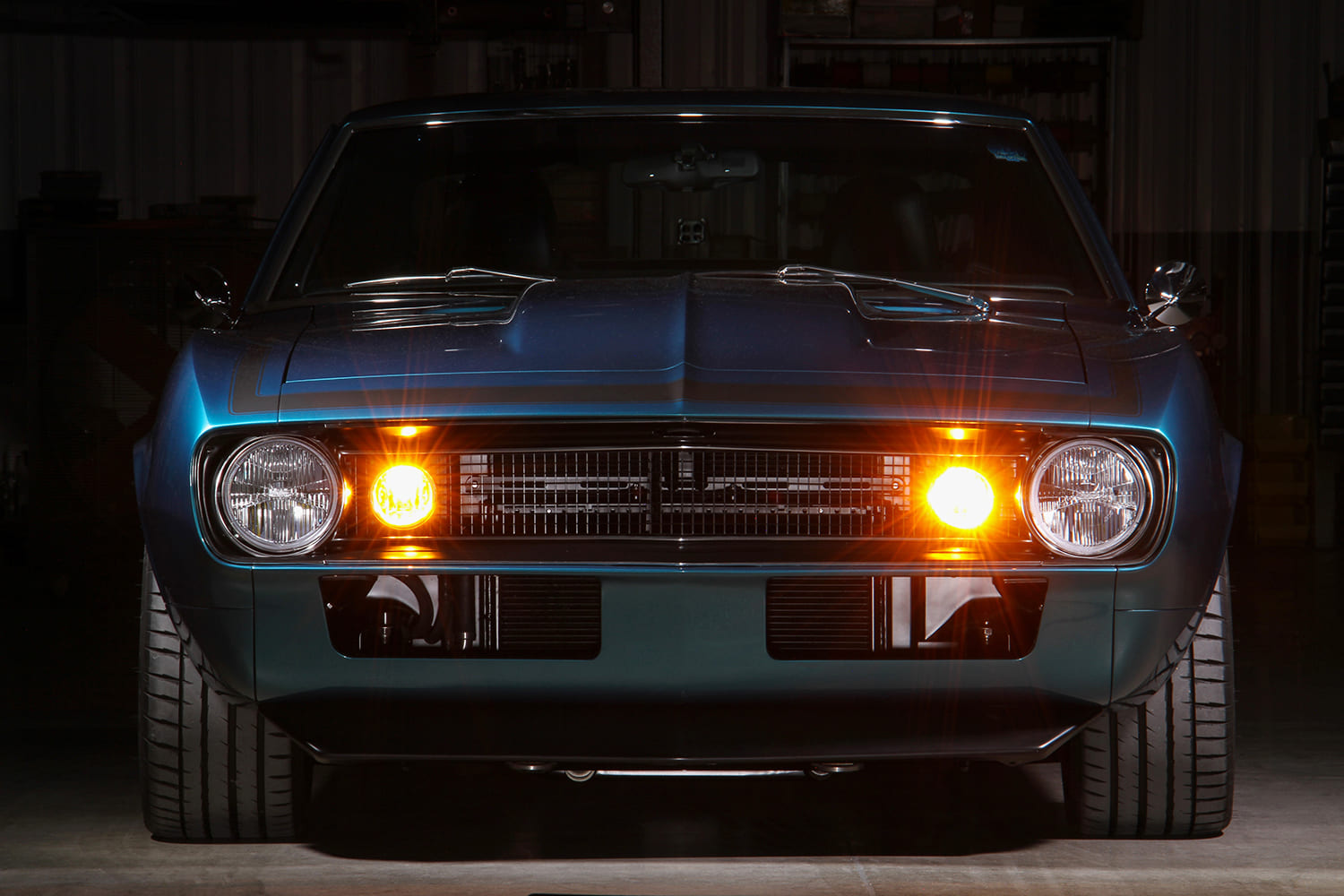
Grille: Original RS grille replaced with base-model grille