


By Curt Iseli – Photography By NotStock Photography
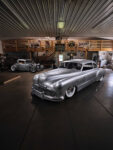
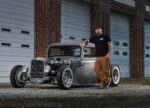
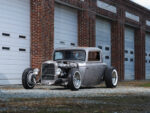
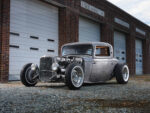
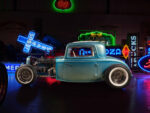
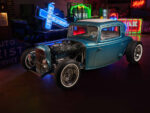
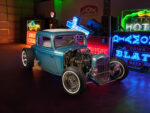
As Cody Walls wheeled his radical 1932 Ford three-window into the host hotel’s lot at the Gathering at the Roc, he pulled alongside the recently restored “Little Deuce Coupe” and shut down the raspy straight-six. Though built nearly 70 years apart and drastically different in their modifications, the two looked right at home side-by-side—like fraternal twins from hot rodding’s brief but electrifying show rod era. That wasn’t by coincidence.
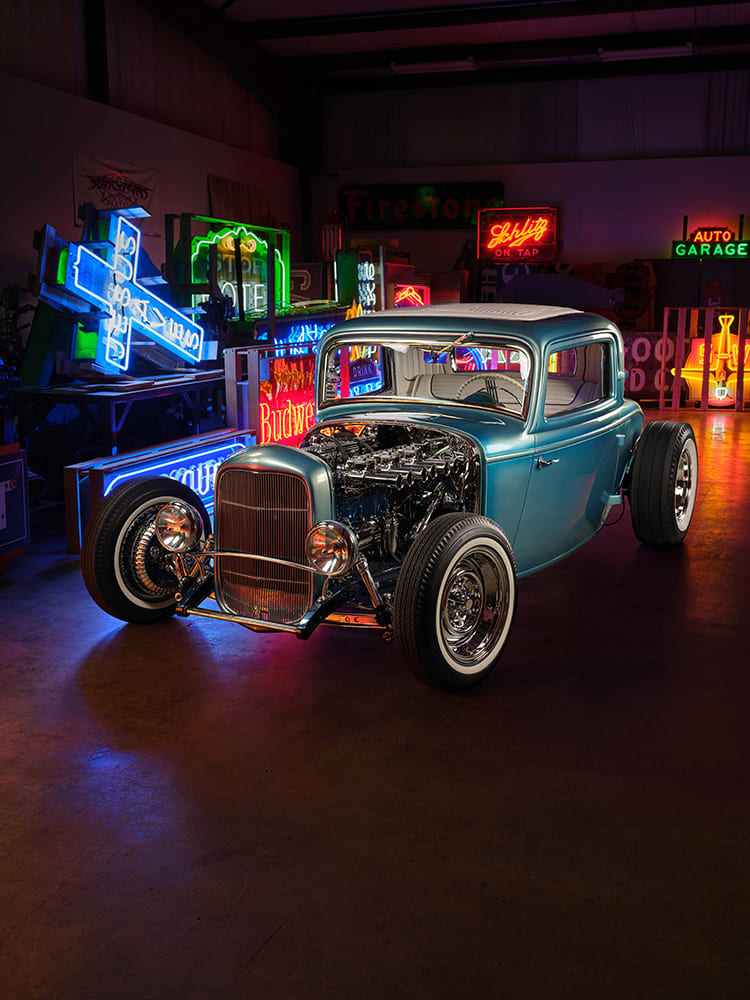
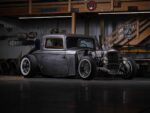
“I was going for that period from about 1958-62,” Walls says. “I love the Little Deuce Coupe—especially its early version. That was a big influence, along with a 1932 Ford built in Kansas in the ’50s called ‘Tuffy.’” With those candy-coated show rods in mind, and an obsession with inline-sixes and the channeled, un-chopped style his native East Coast is known for, the hot rod he calls the “Ardun Killer” was born.
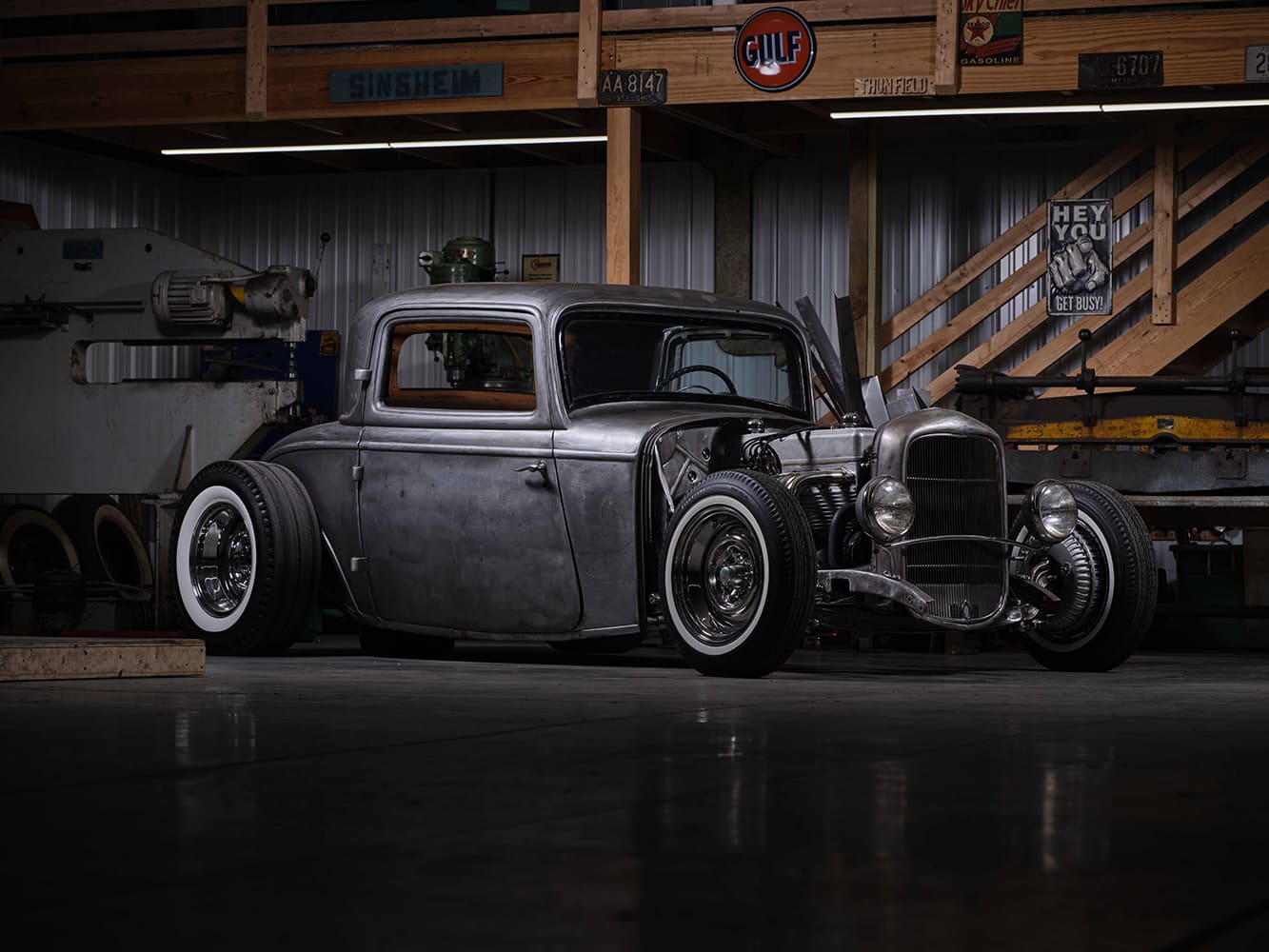

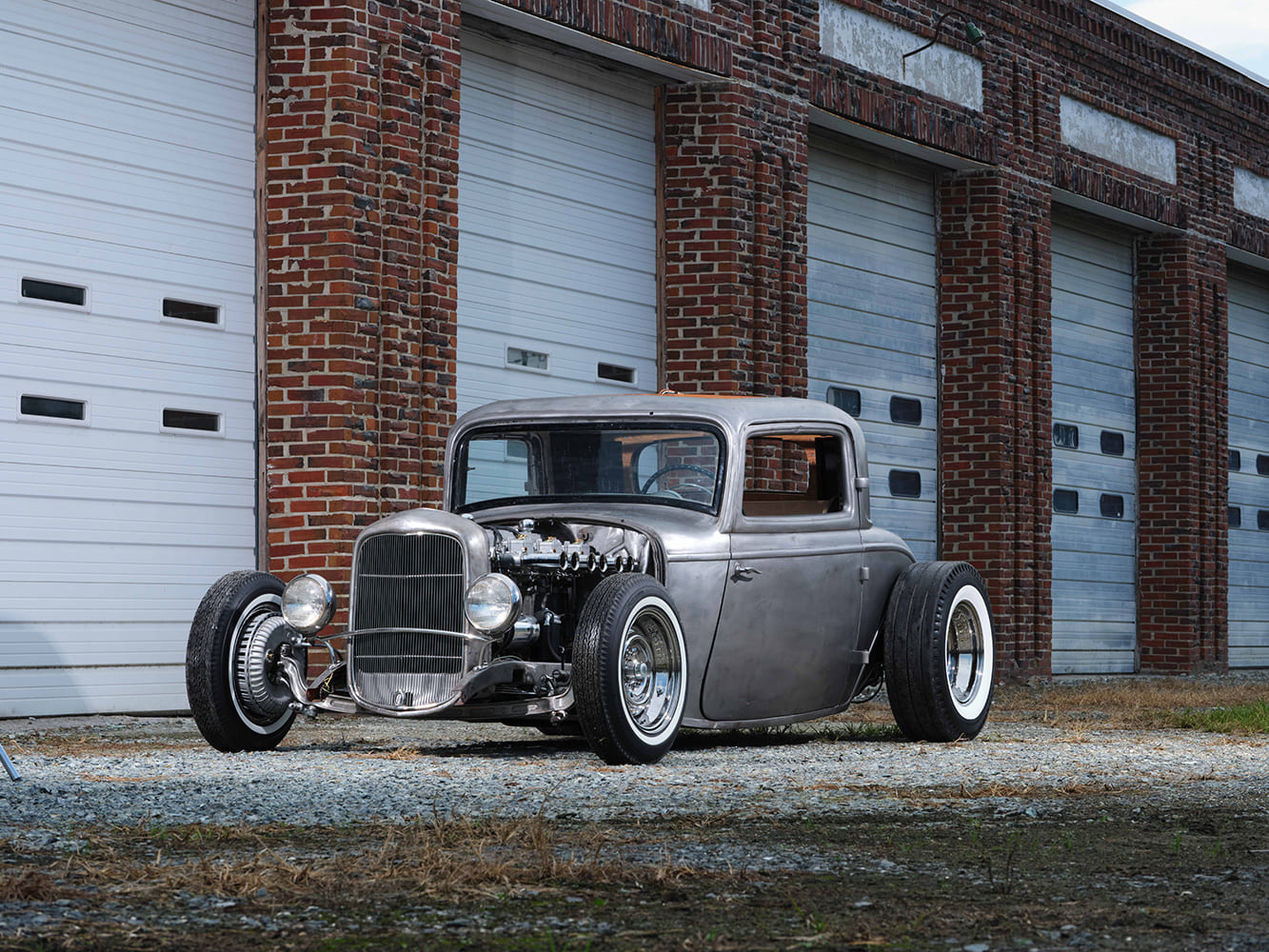
Many know Cody by his Delaware shop, Traditional MetalCraft, but this car predates that business, as he’s been collecting parts for it since 2005. “I knew it was going to have a Chevy inline with a Wayne 12-port,” he says. “And that took a good 10-year search before I finally found one on eBay in 2015.” The original steel body turned up in a Sacramento barn. Though the floor was gone it appeared to have been channeled, with the roof and cowl vent filled and abbreviated fenders molded to the body. But it was solid, and most importantly, the roof was un-chopped.
Building a heavily channeled car with no chop and a straight-six could lead to some odd proportions, so Cody enlisted illustrator Eric Black to help. “[Black] draws everything to scale,” he says, “so he was able to figure out a lot. The final rendering included a grid, so I knew exactly where to put the motor, the body, and the wheelbase—everything. It’s an actual blueprint for the build.”
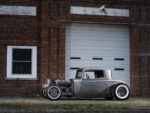
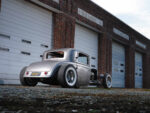
They arrived at a 9-inch wedge channel with a 107-inch wheelbase—an inch over stock. Cody started with a pair of original framerails, which he stretched by 1 inch to move the body and rear wheels back, then C-notched to lower the rear. Boxing plates and a custom X-member were fabricated using 1/8-inch steel.
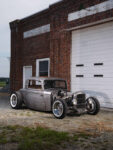
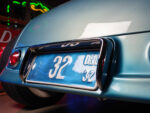
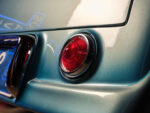
Next came the arduous process of reviving the body back to life. All wood was removed and replaced with metal, which included recreating the door posts from 1/8-inch steel. New sheetmetal from Brookville Roadster replaced the rough, original quarters, and the cowl vent and roof opening were restored. For some early-’60s show-car flavor, the hinges were molded, along with Pontiac taillight bezels and a custom license plate surround.
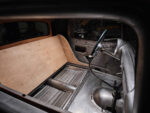
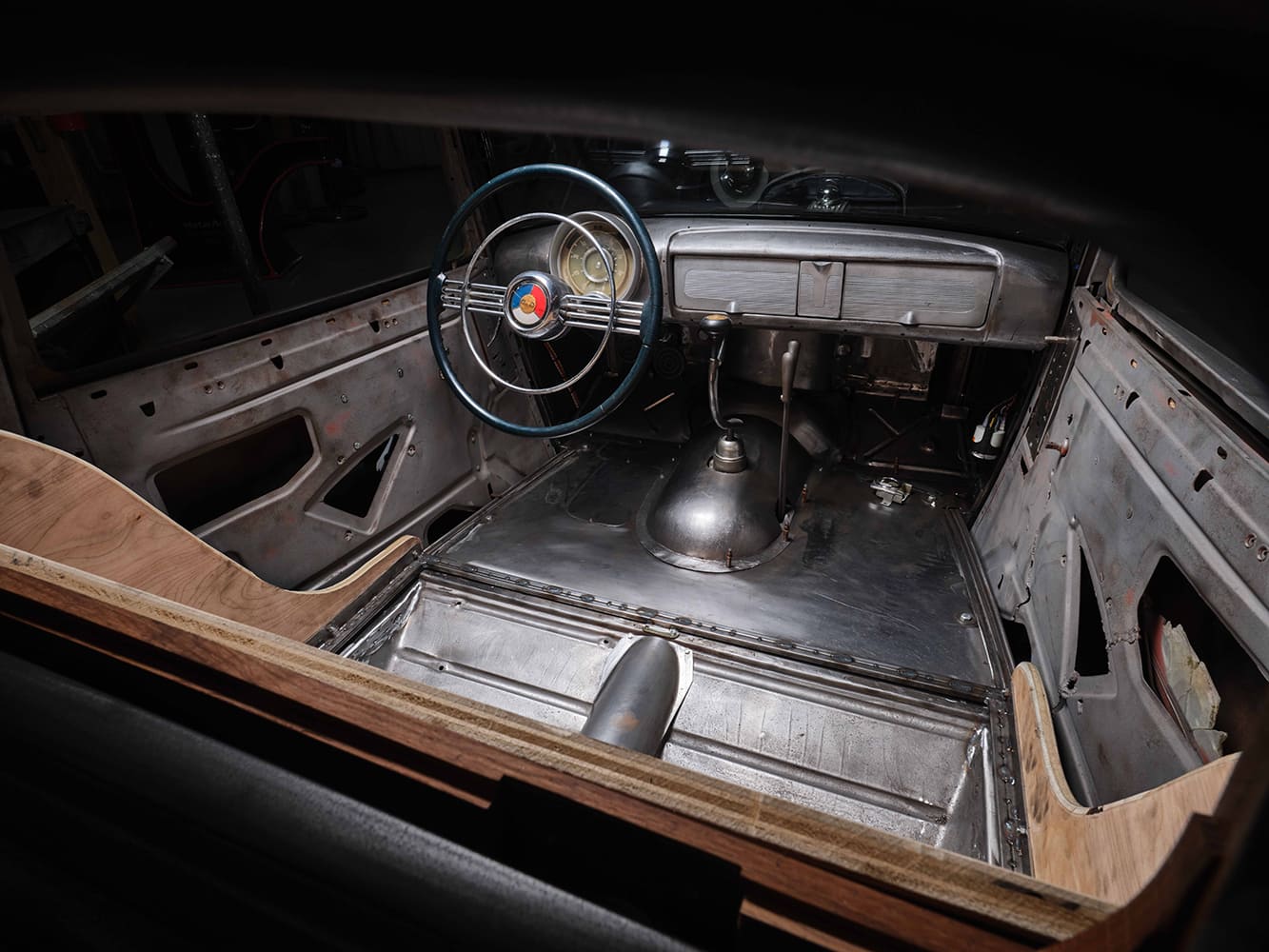
The fabricated floor combined 1/8-inch steel with a 1932 Ford trunk floor section, which was used for its recessed footwell for the rumble seat, providing extra legroom. It was channeled 9 inches in front and 8 inches in the back, then the entire body was welded to the frame. The firewall was sectioned through the center, taking great care to keep as many of the factory beads as possible, while neatly clearing the long straight-six.
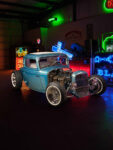
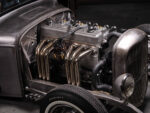
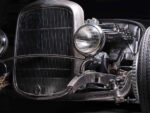
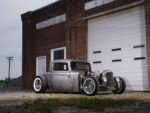
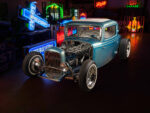
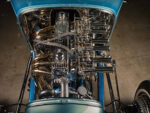
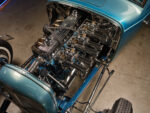
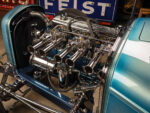
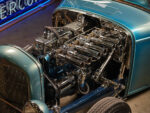
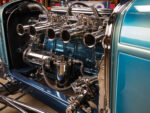
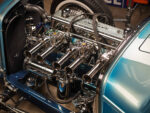
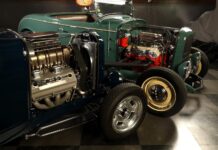
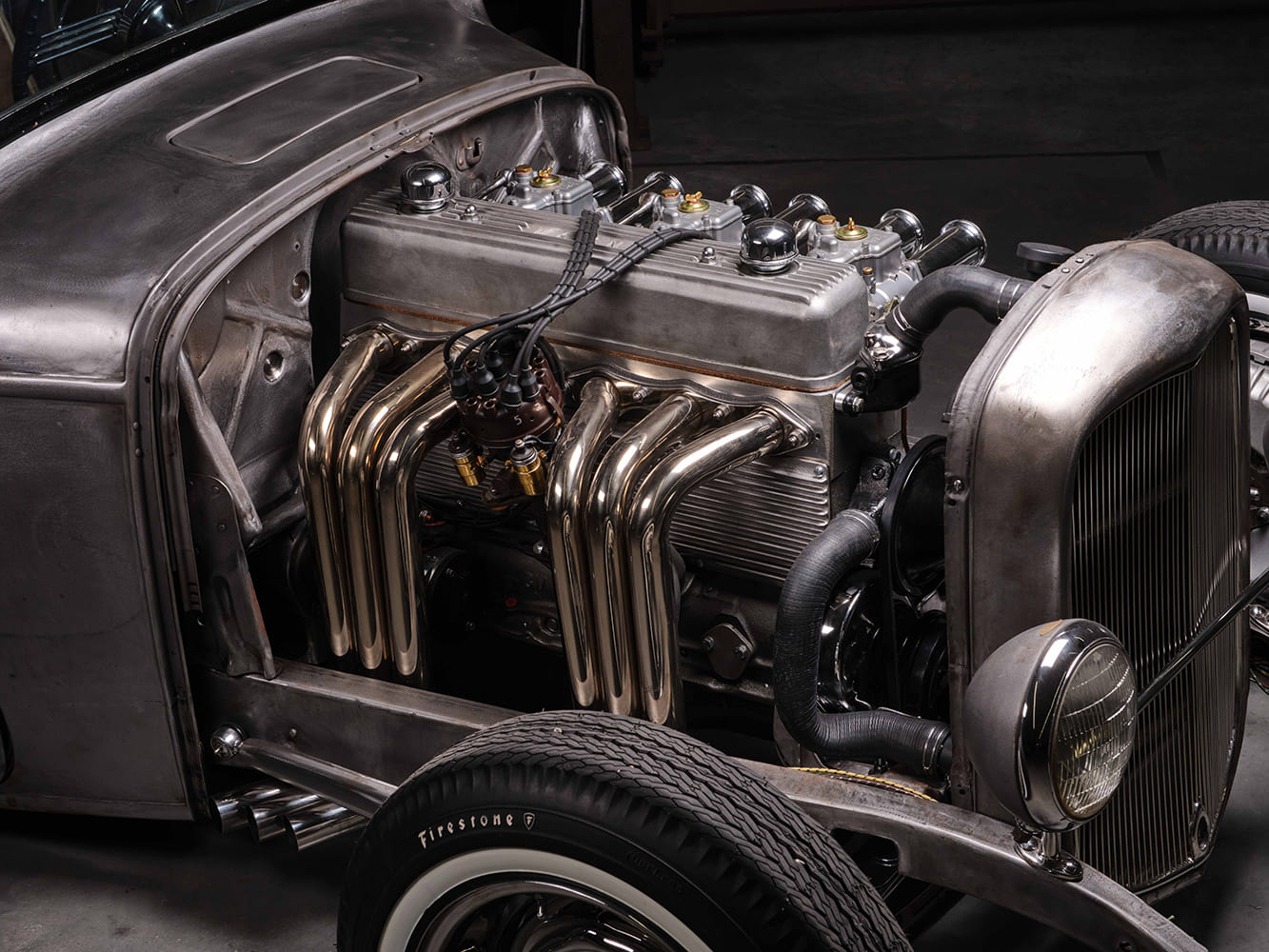
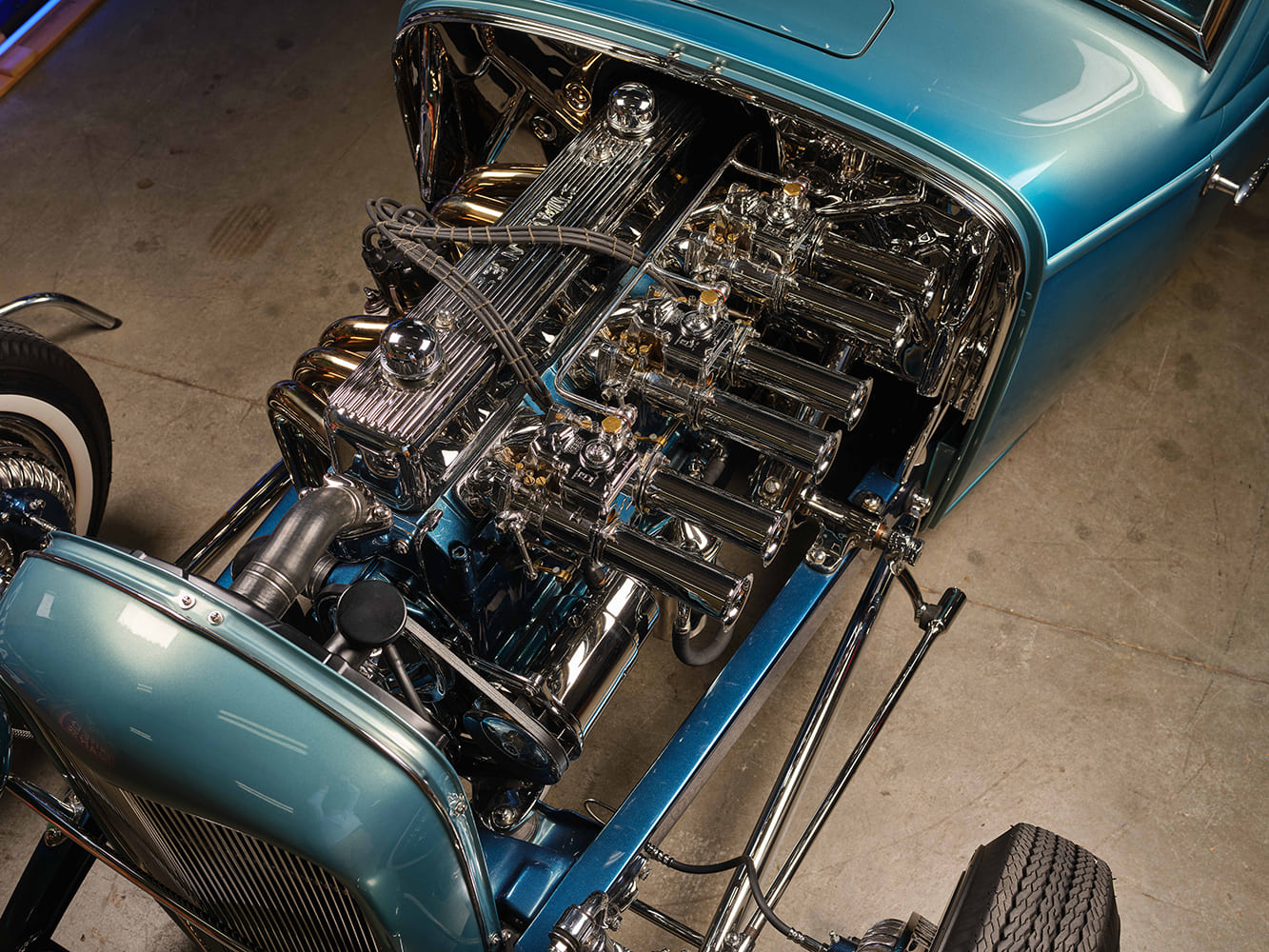
That six-cylinder is based on a 1958 Chevy 261, chosen because it’s about 3 inches shorter than a GMC. Cody turned to Thunfield Rod & Custom in Tacoma, Washington, for the rebuild, where Marshall Woolery assembled a mill worthy of the “Ardun Killer” name. It’s bored 0.070 over to 272 inches, producing 300 hp and 325 lb-ft of torque. The fully balanced rotating assembly uses a Chevy crank with custom Ross Racing 10-1/2:1 pistons on 302 GMC Jimmy rods. Woolery ported the rare Wayne head and installed undercut GMC valves, LS beehive springs, and roller rockers, all riding on a custom-ground cam.
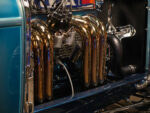
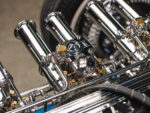
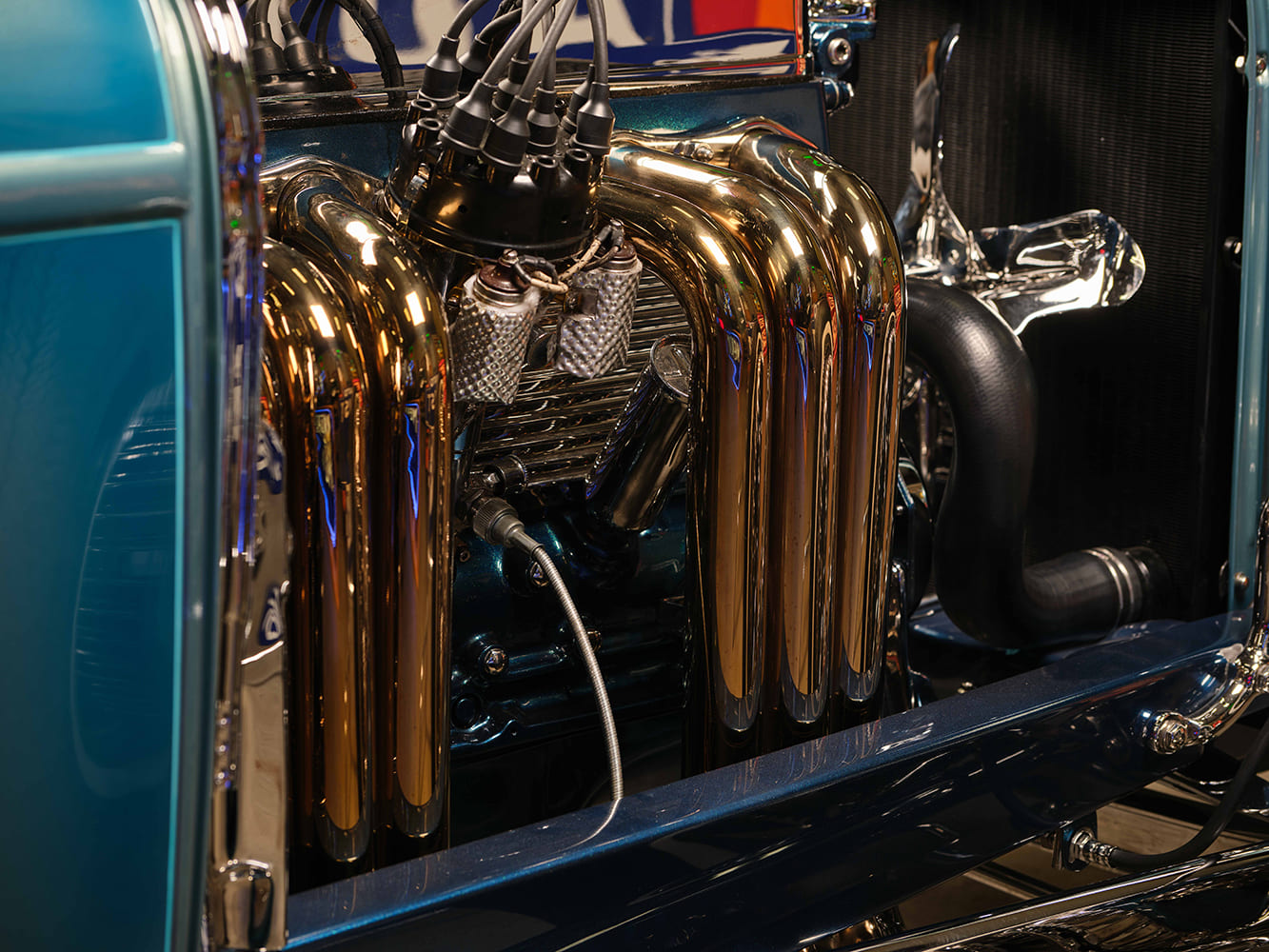
Another rare piece of speed equipment is the early Spalding dual-point, dual-coil distributor, which combines a Chevy base with a Nash “Twin 6” cap and rotor. It’s fed by a modified Powermaster PowerGen alternator, which, along with the American Autowire cloth-covered wires, keeps things looking traditional. The engine is assembled with ARP hardware and topped with three Weber DCOE 42s from a 1957 Maserati atop a custom York Speed Equipment intake. Exhaust travels through a beautiful set of Cody’s handmade headers, which cascade down the engine and under the framerail. Copious brightwork is courtesy of Jon Wright’s CustomChrome Plating.
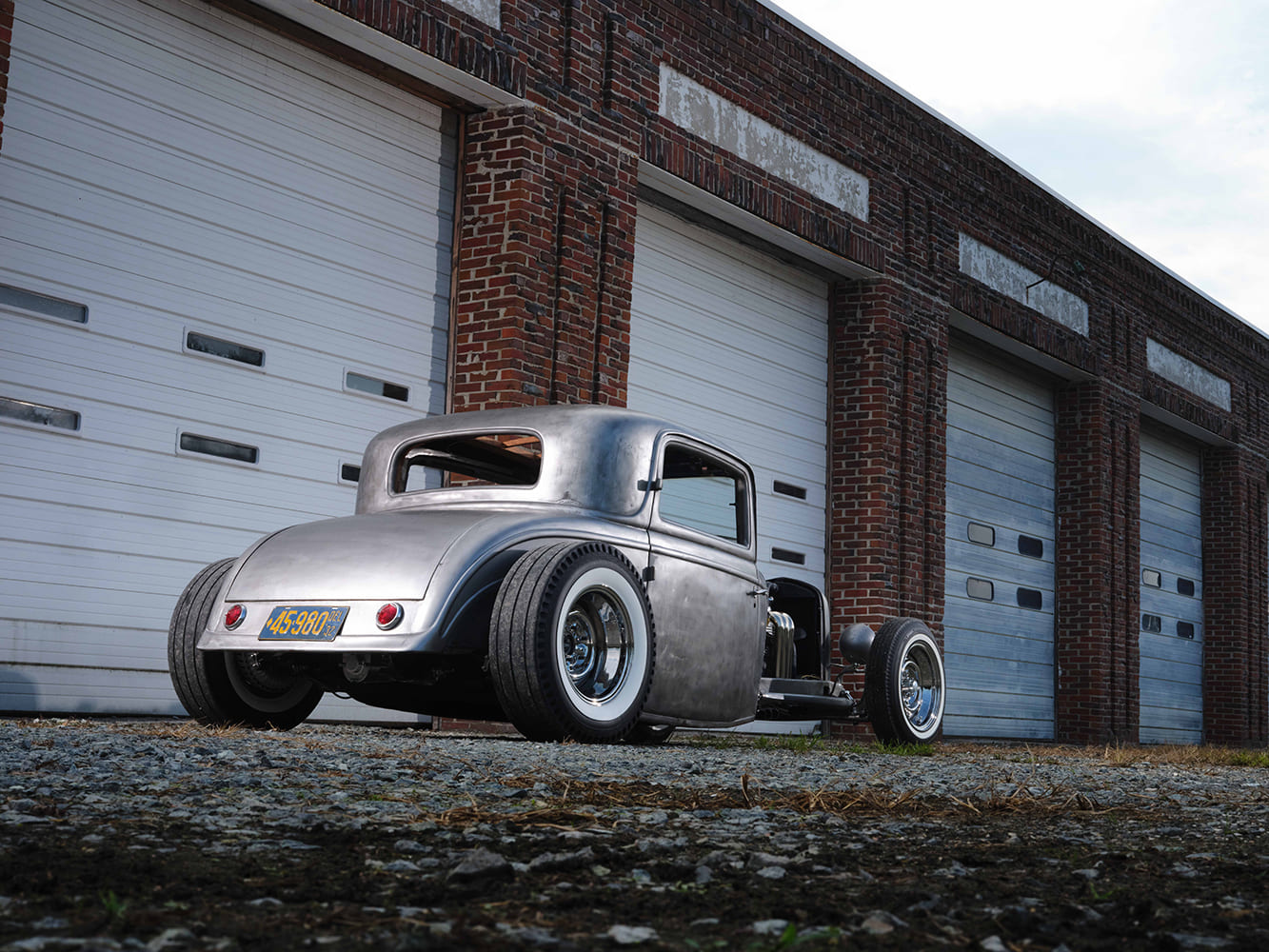
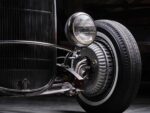
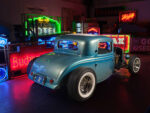
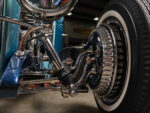
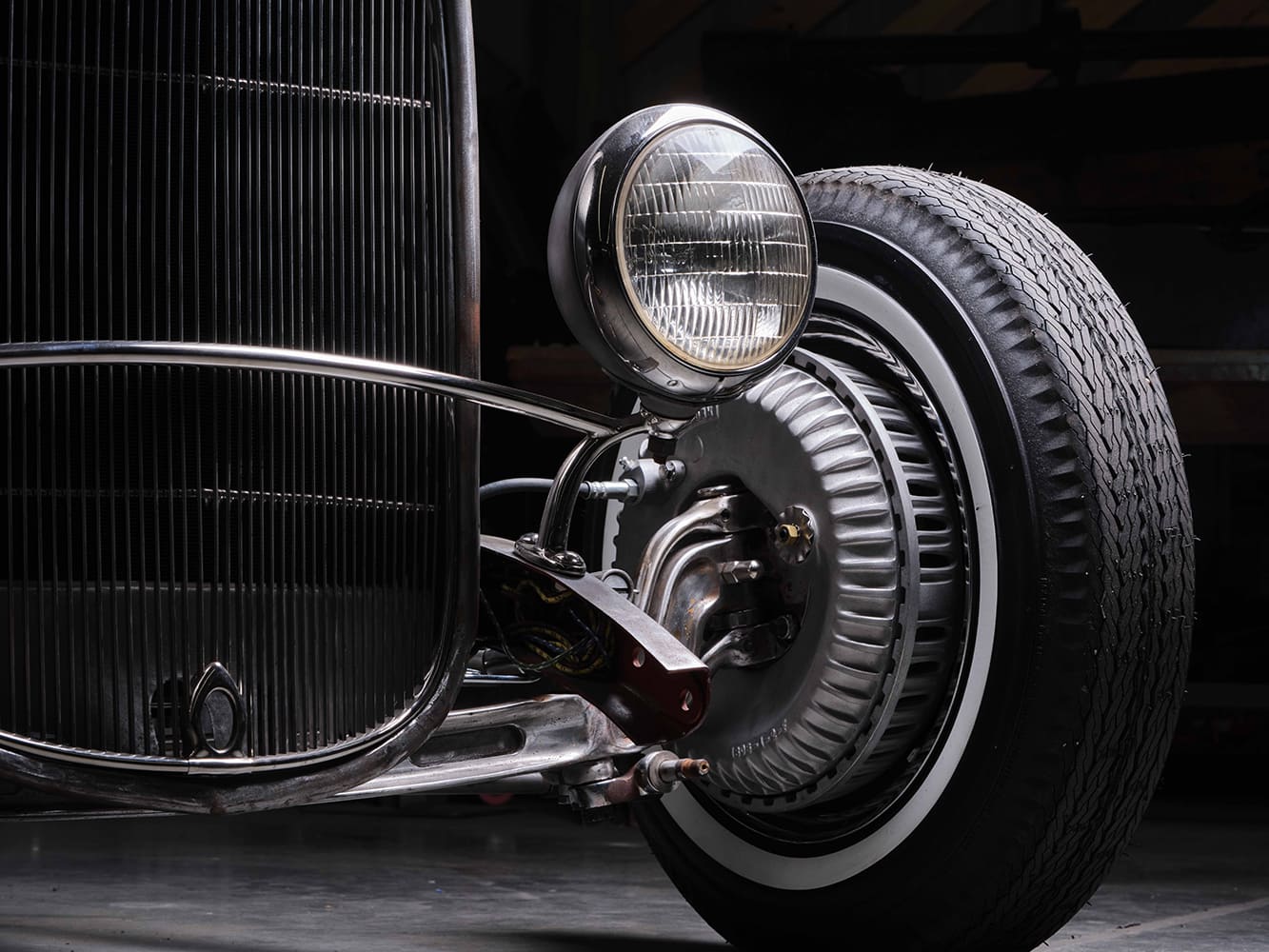
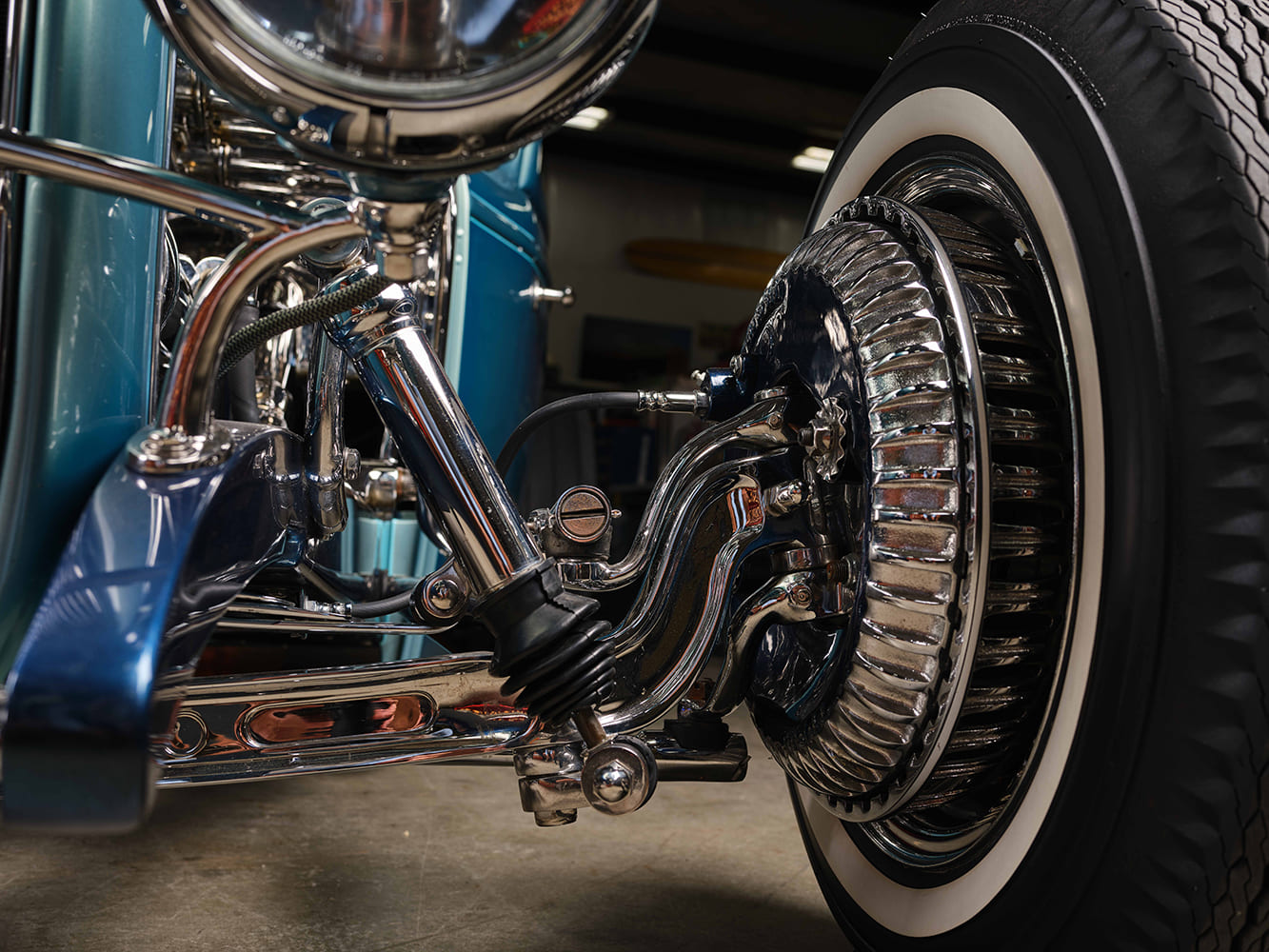
An early Top Loader is hooked to a vintage Cyclone quick-change with Winters gears. A 1932 Ford “heavy” axle dropped 4 inches, sets the nose down, and Columbus shocks and Posies leaf springs are mounted fore and aft. Rolling stock consists of true chrome-reverse wheels fabricated by Cody, using 1956 Chevy rims, mounting Coker 5.60 Firestone bias-plies up front, and the same-year centers with 1959 Buick hoops and Towel City cheater slicks in back. Diamond Back Classic added the whitewalls to the slicks (inside and out) and to the inner walls of the Firestones. All four corners feature Walden Speed Shop’s Kinmont-style disc brakes fed by a Wilwood master cylinder.
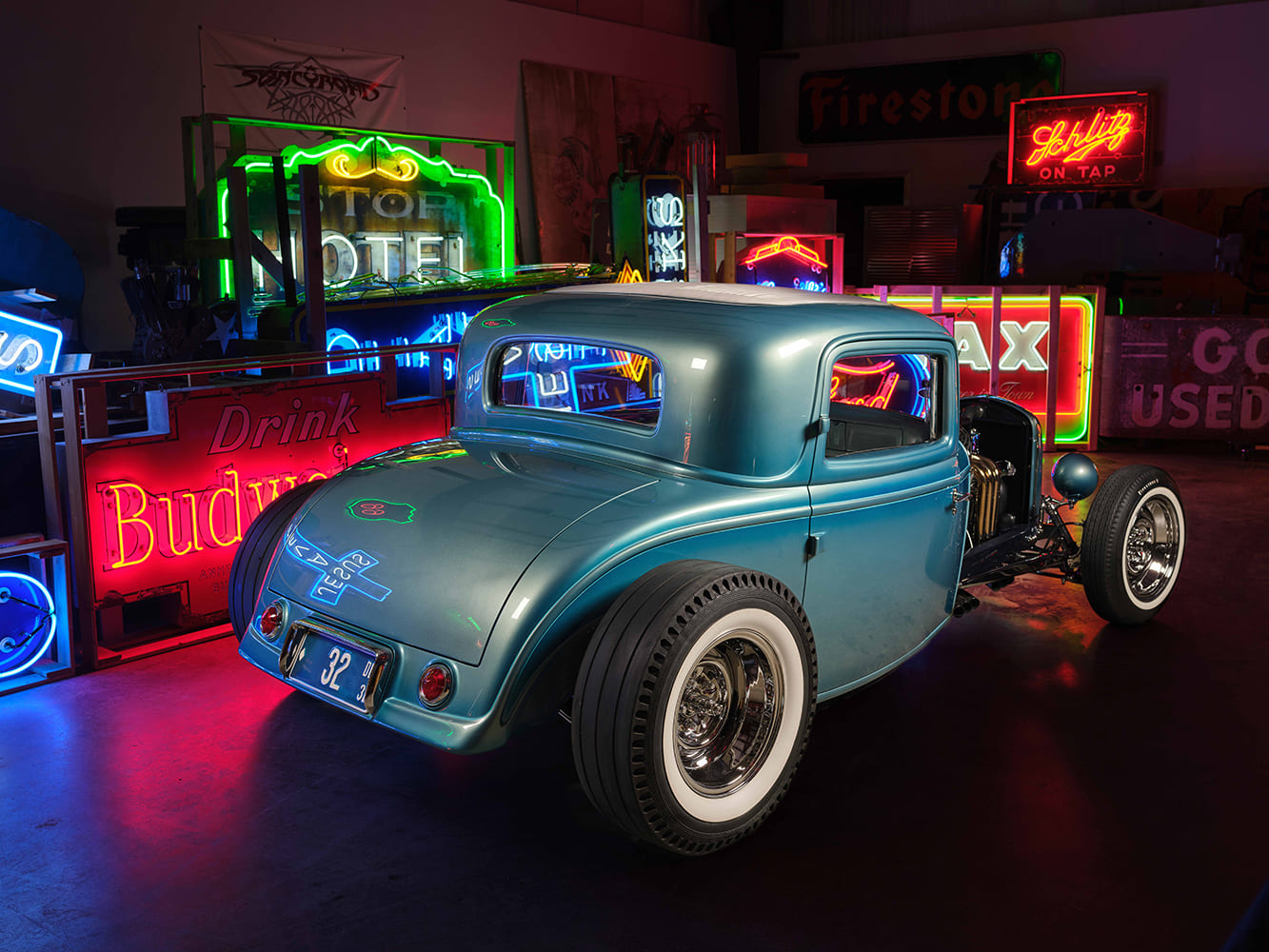
After a couple of thousand-mile shakedown, Cody blew everything apart for final paint and interior. The plan called for a single color, “But I knew the car needed something else,” he says. “I love panel pinstriping, and I always loved the candy purple and silver 1932 that Larry Watson did, so [Black] and I came up with something with a little more ‘wow’ factor.”
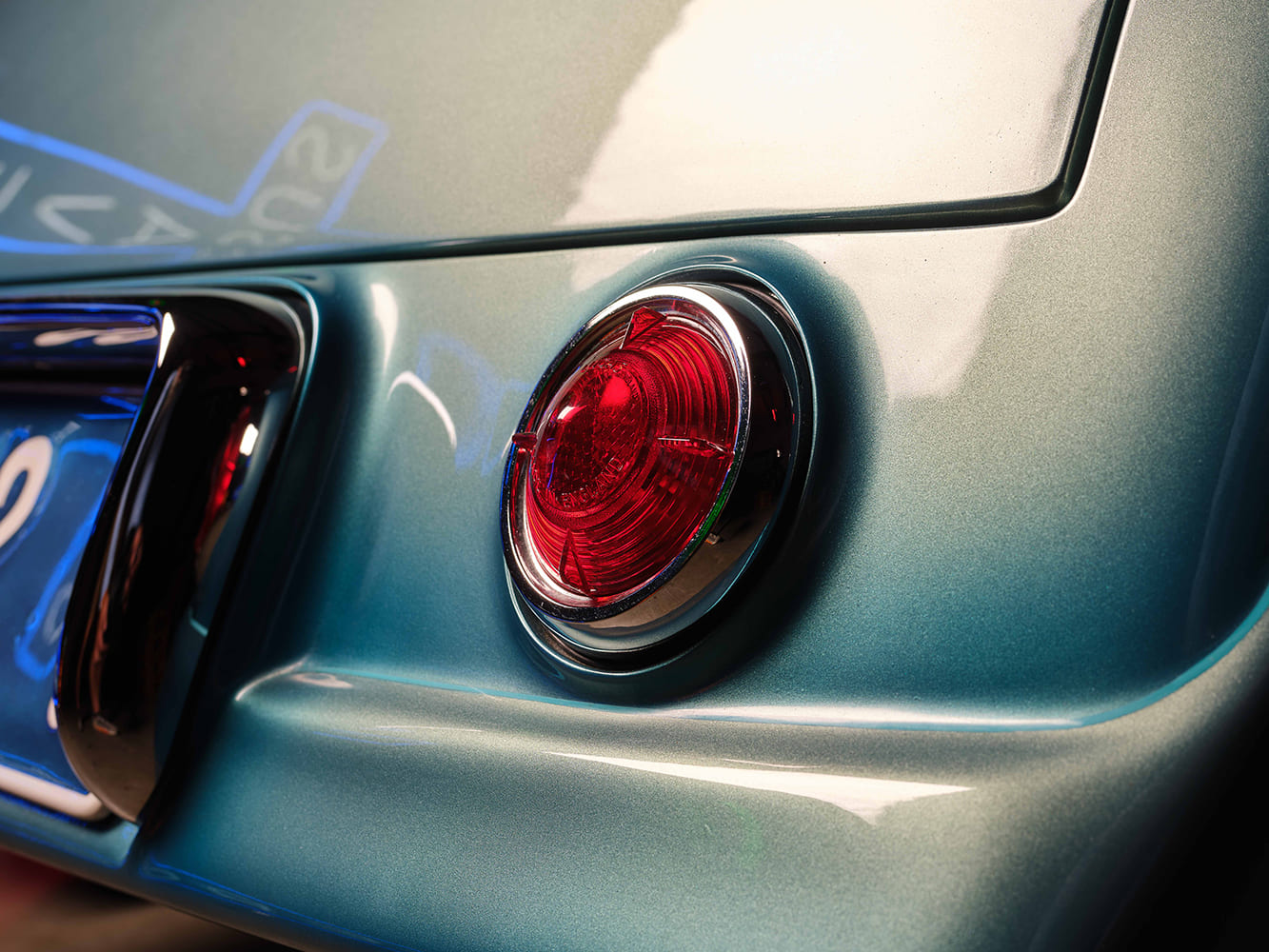
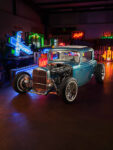
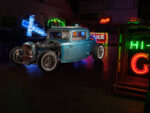
The result is a faded, panel-striped, and cobwebbed finish reminiscent of the show car era. Walls were sprayed with a metallic blue BASF Diamont basecoat, accented with darker fades, candies, and a gold-toned Murano pearl. Legendary painters Art Himsl, Darryl Hollenbeck, and Richard Glymph offered helpful advice on spraying the rare Murano pearl, and Cody actually used Glymph’s vintage Binks No. 7 for the job. “It was the one he shot all the cars with back in the day, so that made me happy—and it really made all the metallics stand up and pop.” The underside of the floor is covered in cobwebbing buried under 30 coats of basecoat clear and one coat of topcoat clear. For the finishing touch, Ben Sellman pinstriped every panel on the 1932 Ford.
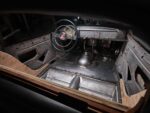
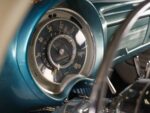
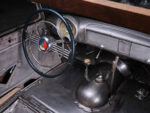
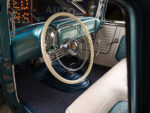
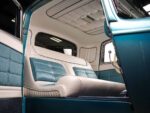
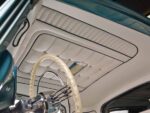
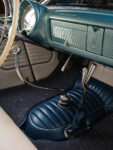
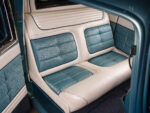
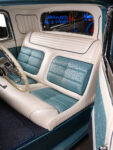
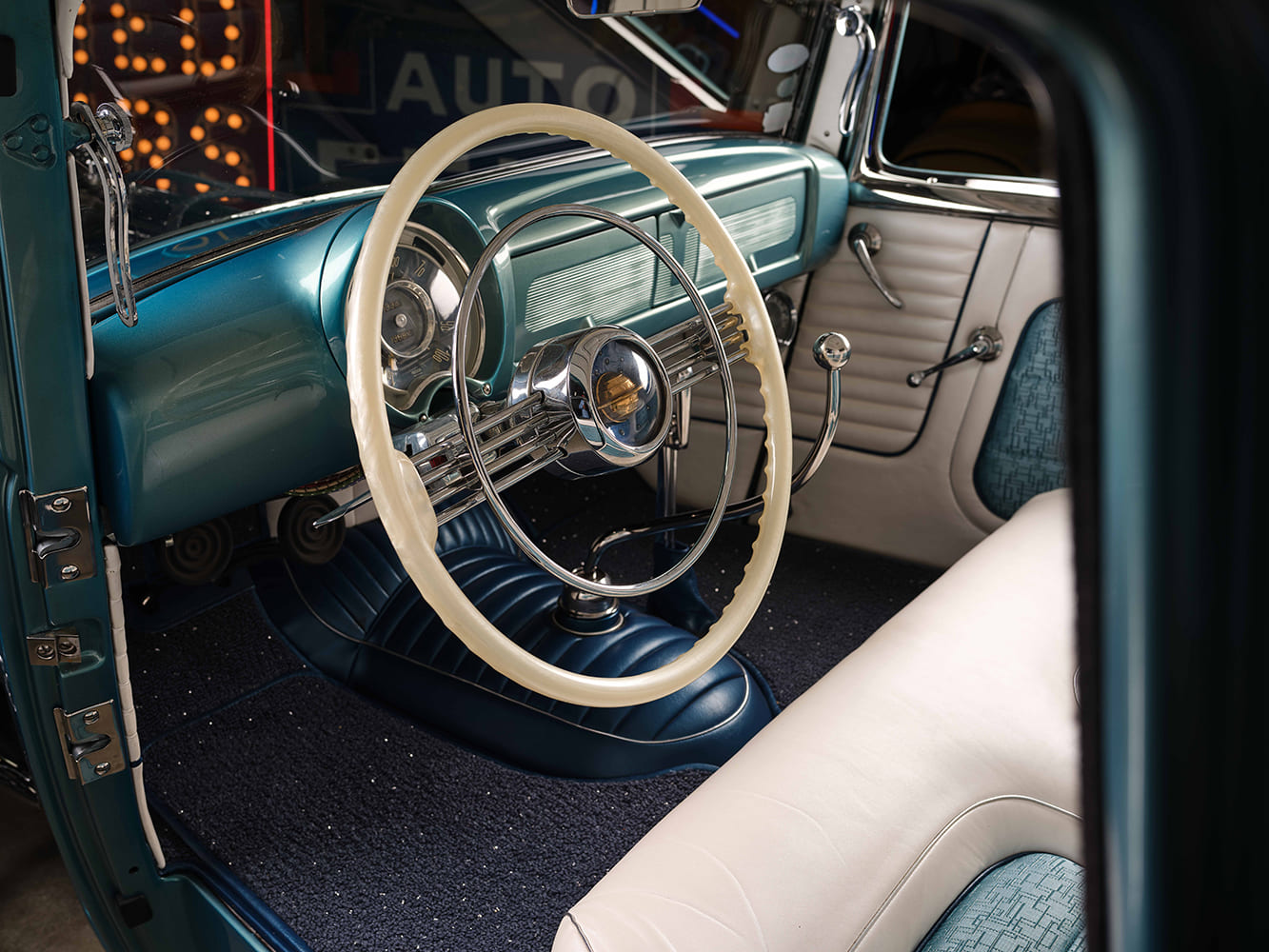
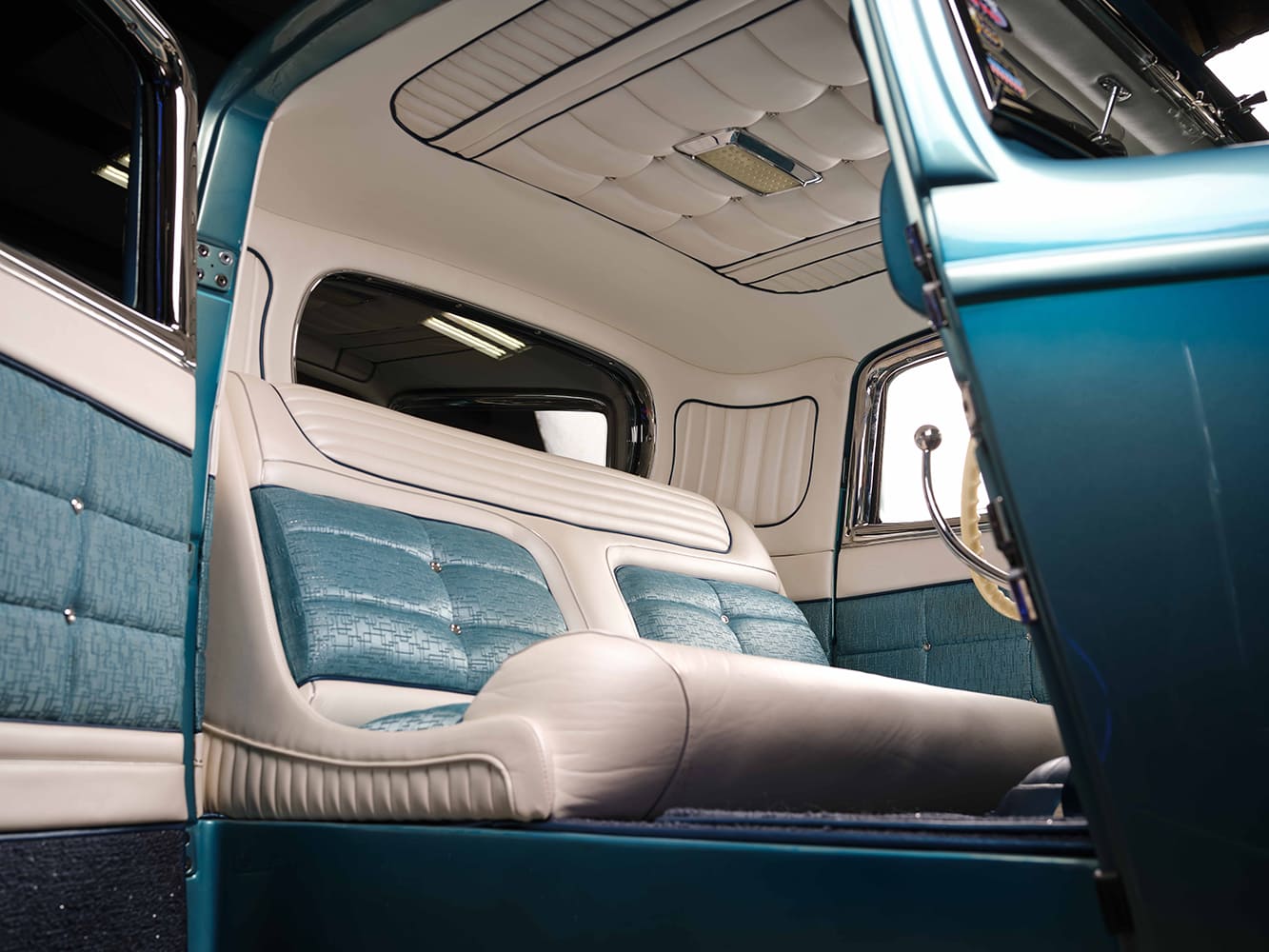
Inside the cut-down cabin, “Mikey Seats” Lippincott created a lush interior that looks as if it could have rolled right out of 1962. “I wanted thin pleats, and I wanted tufts,” Walls says. “I wanted an era-specific, Eddie Martinez–style interior, and I pretty much let Mikey loose on it.” The result is a trim tour de force, layering pearl white and dark blue vinyl with vintage Mercury cloth, all stitched into overstuffed tufts and skinny pleats traversing every surface. A modified 1958 Simca dash was coated in beautiful candy pearl, and a 1952 Buick wheel recast by Steering Wheel Kris tops a chrome LimeWorks column.
The finished 1932 Ford coupe debuted at the 2025 Grand National Roadster Show where it earned the Blackie Gejeian Memorial Award. “With Blackie’s history and his influence on hot rodding, it was really an honor,” Cody says. Since then, it’s been featured everywhere from SEMA to the Speedway Motors Museum of American Speed, where Cody was inducted into Darryl Starbird’s National Rod and Custom Car Hall of Fame. It even earned a Top 5 in the Goodguys Hot Rod of the Year competition.
“That was a blast,” Cody says. “I got to blast through a torrential downpour on cheater slicks, which was a little scary, but I also got to tear up these windy Nashville backroads with Bill Ganahl, Scott Bonowski, Ben York, and all those guys, and it was just awesome.” After all, that’s what these cars are built for, and it’s what Cody plans to do with his show—and go—rod now that the show season is finished. MR
Check out this story in our digital edition here.