


By Brian Brennan – Photography By NotStock Photography – Illustration By Eric Brockmeyer Design
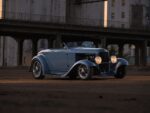
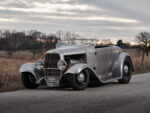
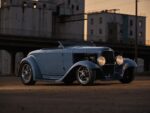
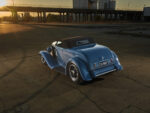
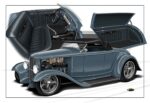
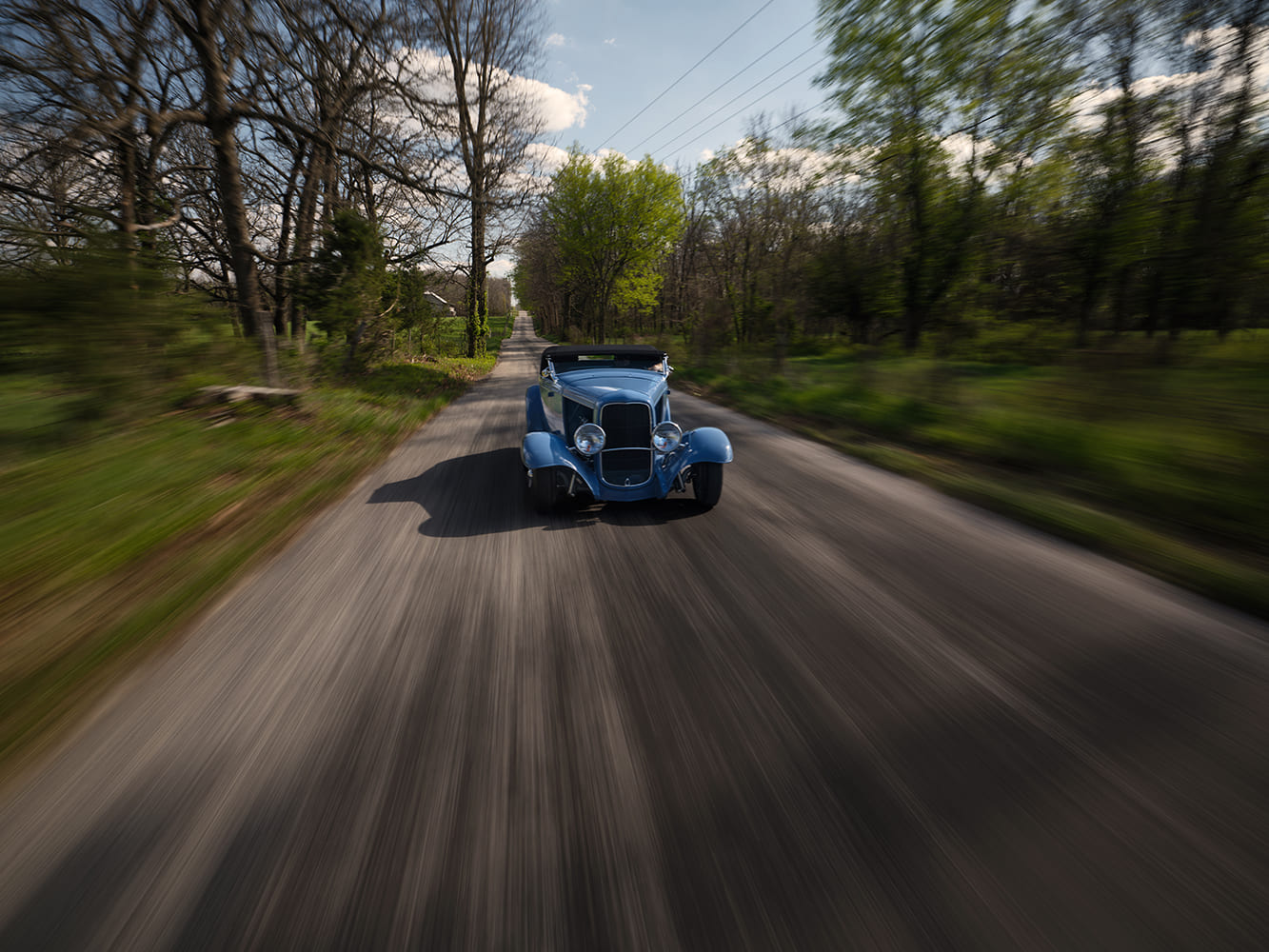
Scott Movic of Jupiter, Florida, had his own vision for a 1932 Ford roadster. To realize this, he collaborated with Chris Clark of Ace Fabrication (who handled building, fabricating, wiring, plumbing, and assembly) and Eric Brockmeyer to bring his ideas to paper. Tracy Weaver of Recovery Room Interiors was responsible for the stitchwork, while Tony Curry and Chance Taylor, both from Show Me Rod & Custom, managed the bodywork and paint. To blend the “old with the new,” the team agreed on using a mix of Cerakote, chrome, and powdercoating.
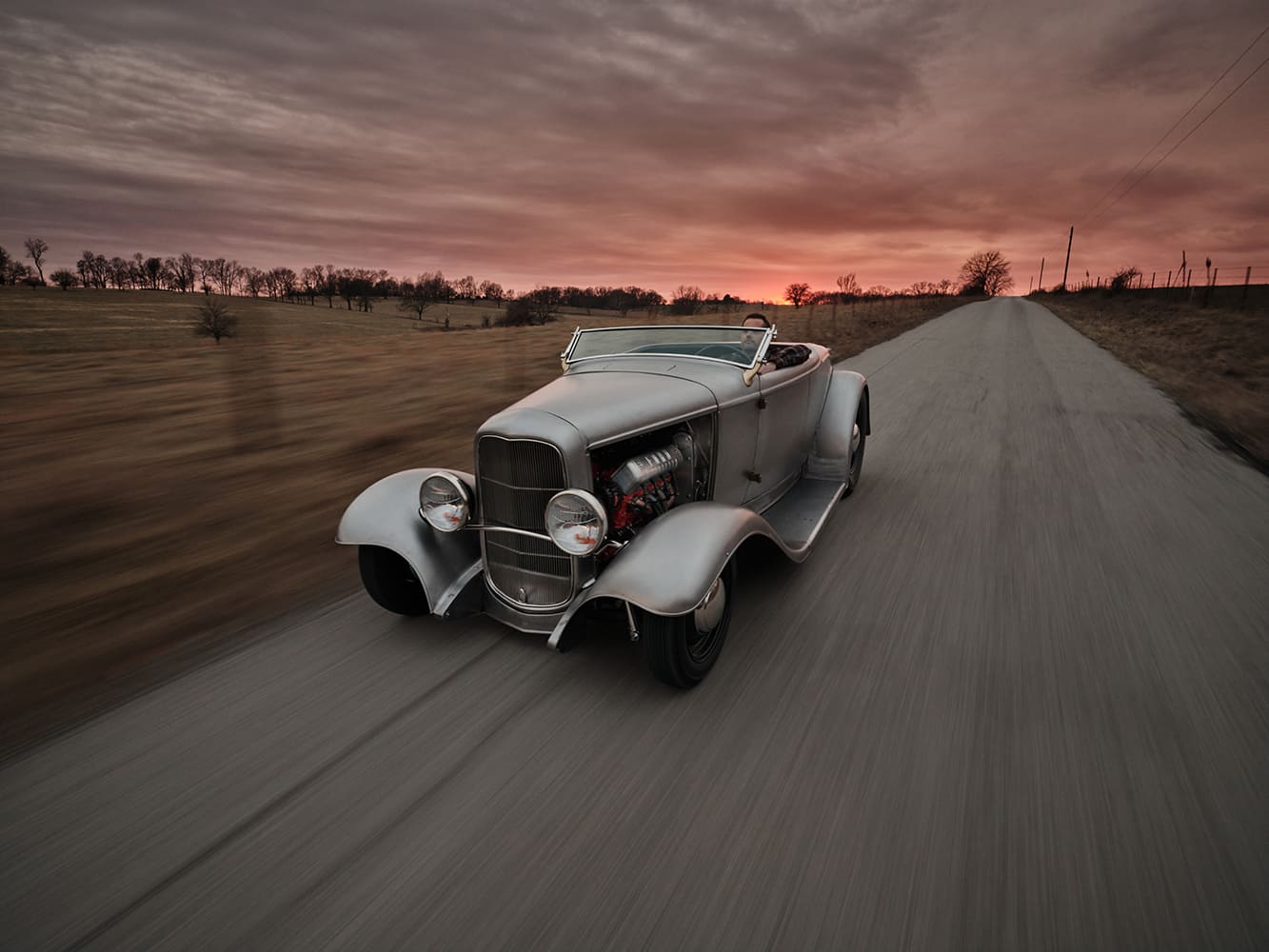
Scott was on the lookout for a 1932 Ford highboy roadster and saw one on OpposingCylinders.com, which eventually led him to Chris Clark of Ace Fabrication who had the Deuce for sale. Unfortunately, or possibly for the better, the highboy was sold, but Clark was able to show Scott pictures of a full-fendered 1932 Ford roadster he had—which gets us to what you see on the pages before you.
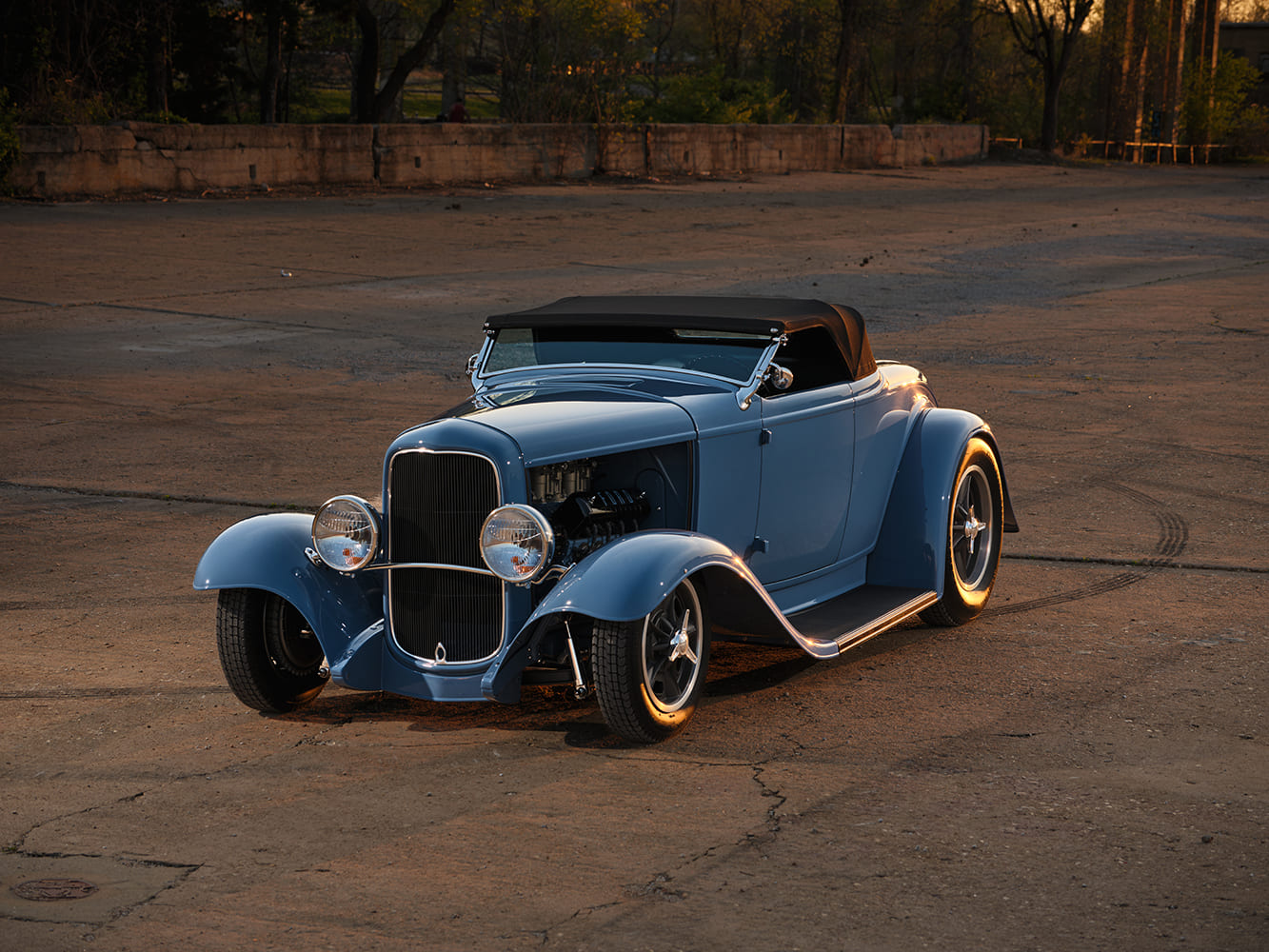
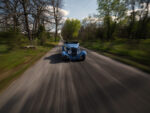
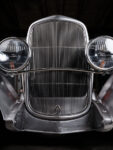
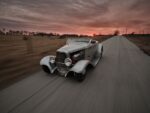
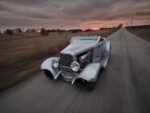
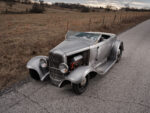
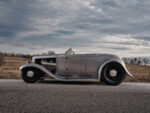
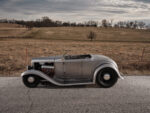
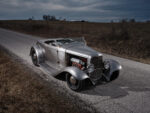
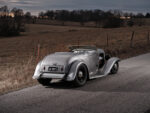
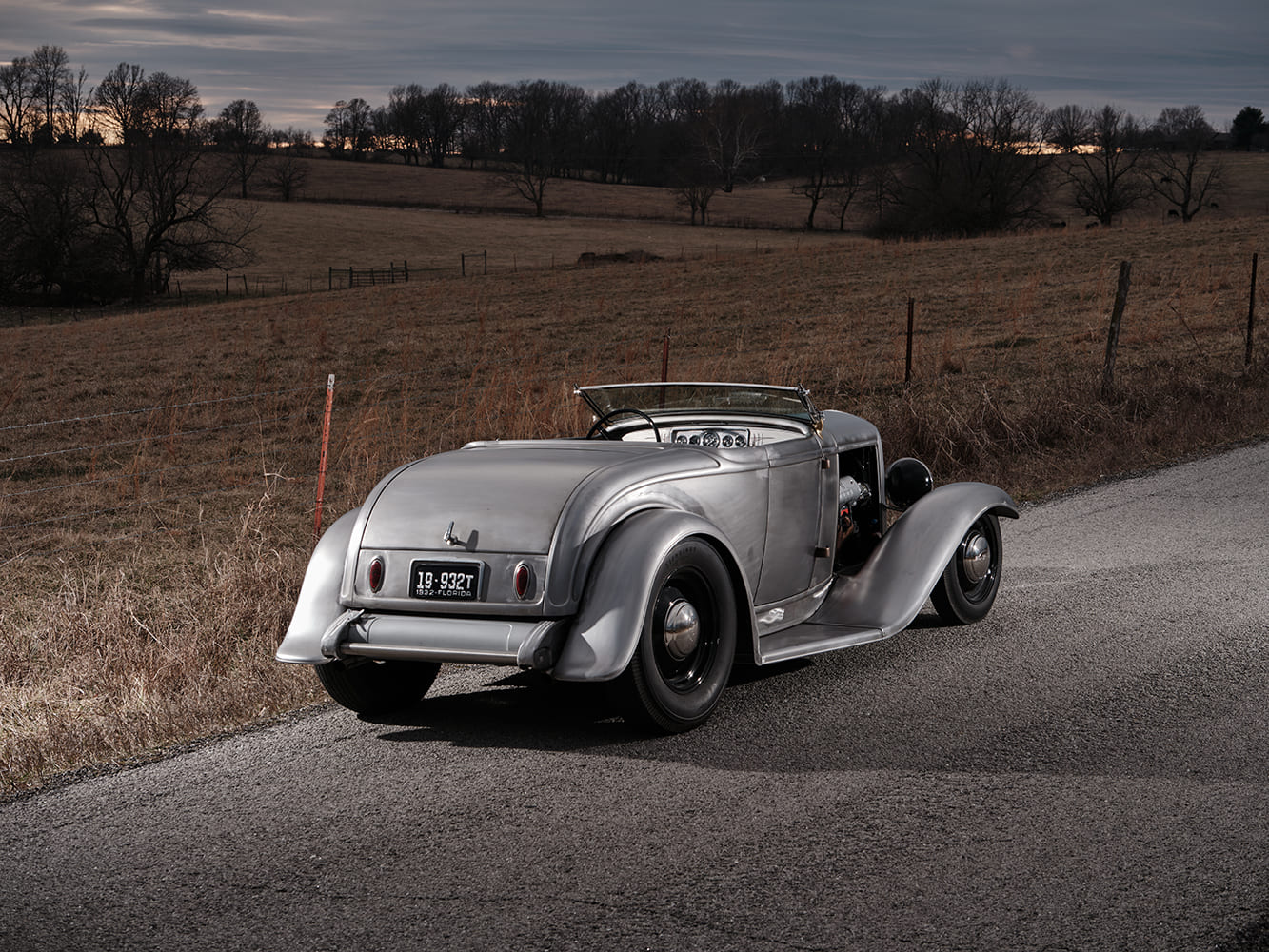
Eric Brockmeyer, a friend of Scott’s, created several renderings based on their conversations, which led to Brockmeyer’s “pen-to-paper” moment, yielding the roadster body that would undergo sheetmetal modifications. A 1932 Brookville Roadster, complete with fenders, running boards, and grille shell, would undergo the desired body modifications. These included raising the rear fenders approximately 3-1/2 inches, which required lengthening the rear fenders and adjusting the fit of the running boards and front fenders to accommodate the change. The hood has been lengthened and the grille shell lowered to create smooth, flowing lines. The Tanks 12-gallon gas tank, equipped with a Moon Spinner fuel cap, was relocated under the body, while the rear framehorn covers received significant modifications. The 1939 Ford taillights have been partially “frenched” with a raised lip along the top. The dropped headlight bar allows the 1932 Ford commercial headlamps to be lowered from their original position and moved closer together. The front splash apron was also heavily modified. The chopped and curved windshield featuring a 37-degree rake is a Stan Wanlass design fabricated by Dick Rodwell. Its laid-back design is connected to the heavily chopped, removable “convertible” top built by Clark and covered by Tracy Weaver of Recovery Room Interiors. Tony Curry and Chance Taylor, both of Show Me Rod and Custom, received the nod to handle the body and paint. The color is a 2023 Porsche Aetna Blue, a modern take on a vintage 365 Porsche color. The hood is a Rootlieb custom-length one-piece top, minus sides, with a hidden latch system, again fabricated by Clark.

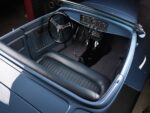
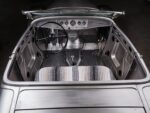
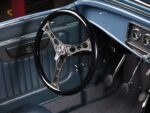
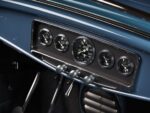
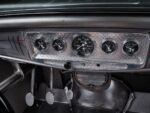
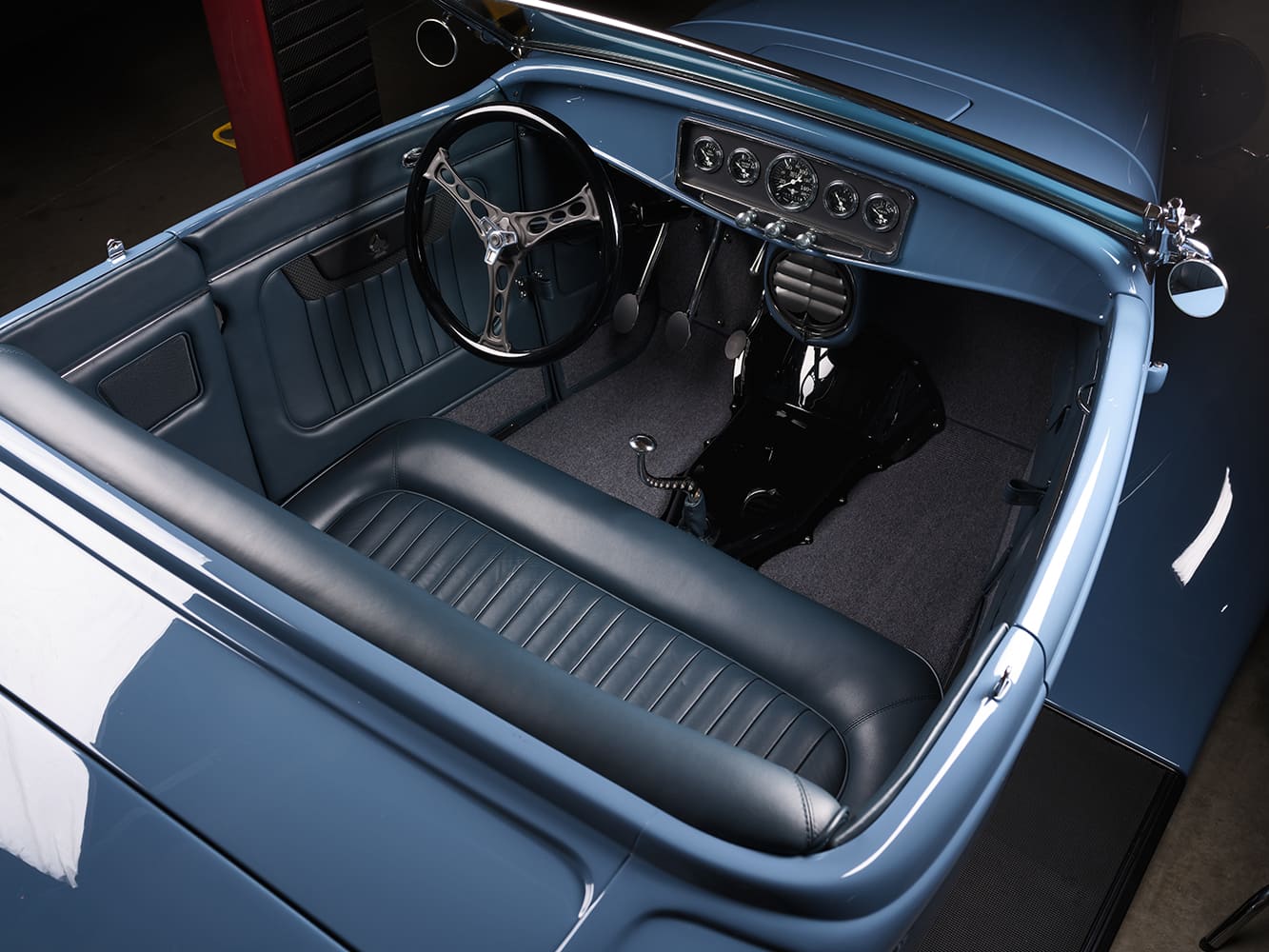
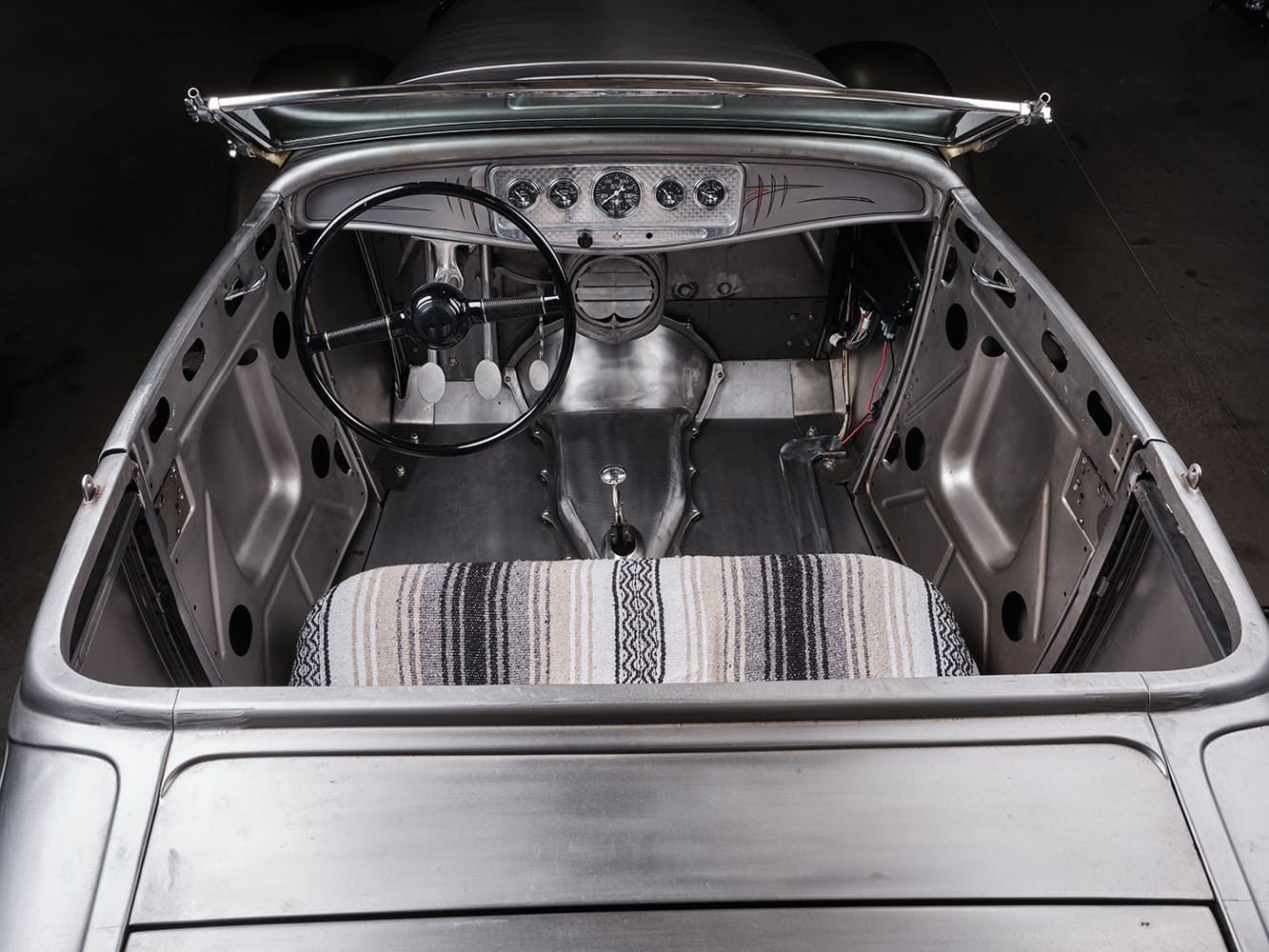
Inside the Brookville Roadster are additional Brookville details, including the 1932 Ford dashboard. During the build, a Lokar engine-turned dash insert was used, but once finished, the roadster now features a Cobalt Cerakoted insert with Stewart-Warner Wings series five-gauge collection. Bringing all the gauges to life, along with the remaining electrical systems, is an American Autowire Highway 15 Plus system (GXL/XLPE GM color-coded wire with labeling every 3-4 inches, self-locking screw clamp interface, and the American Autowire signature gauge cluster disconnect) that Clark neatly routed. Another notable interior feature is the Steadfast Manufacturing three-spoke billet wheel mounted on an Ididit tilt column.
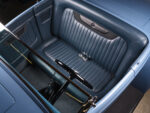
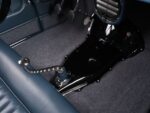
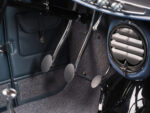
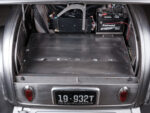
Having a fully functioning A/C system in a roadster is always a luxury. In Scott’s case, he chose a Vintage Air system but installed it in an unconventional manner. Clark installed the evaporator in the trunk, with the A/C hoses running through the framerails. From here, the A/C blows cool air through the bench seat and also out via faux speaker grilles mounted within the rear quarter-panels. The vintage heater box (rescued from eBay), mounted beneath the dash and attached to the firewall, serves as the “command center” for the Borla/Holley EFI arrangement. Tracy at the Recovery Room Interiors crafted the custom bench seat and covered it with dark blue leather from Garrett Leather. At the same time, the chopped and removable top features Hartz Stayfast black canvas material (it’s constructed from an acrylic square-weave facing, rubber inner-layer, and cotton backing). More of Tracy’s work can be seen in the Apex Leather German square-weave carpet in medium blue. The seat details are finished with a pair of Juliano’s chrome clasp buckle seatbelts.
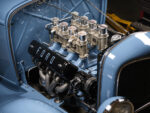
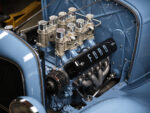
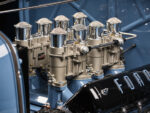
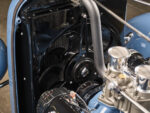
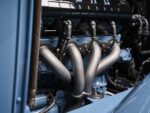
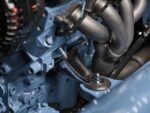
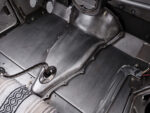
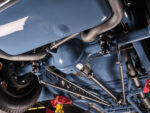
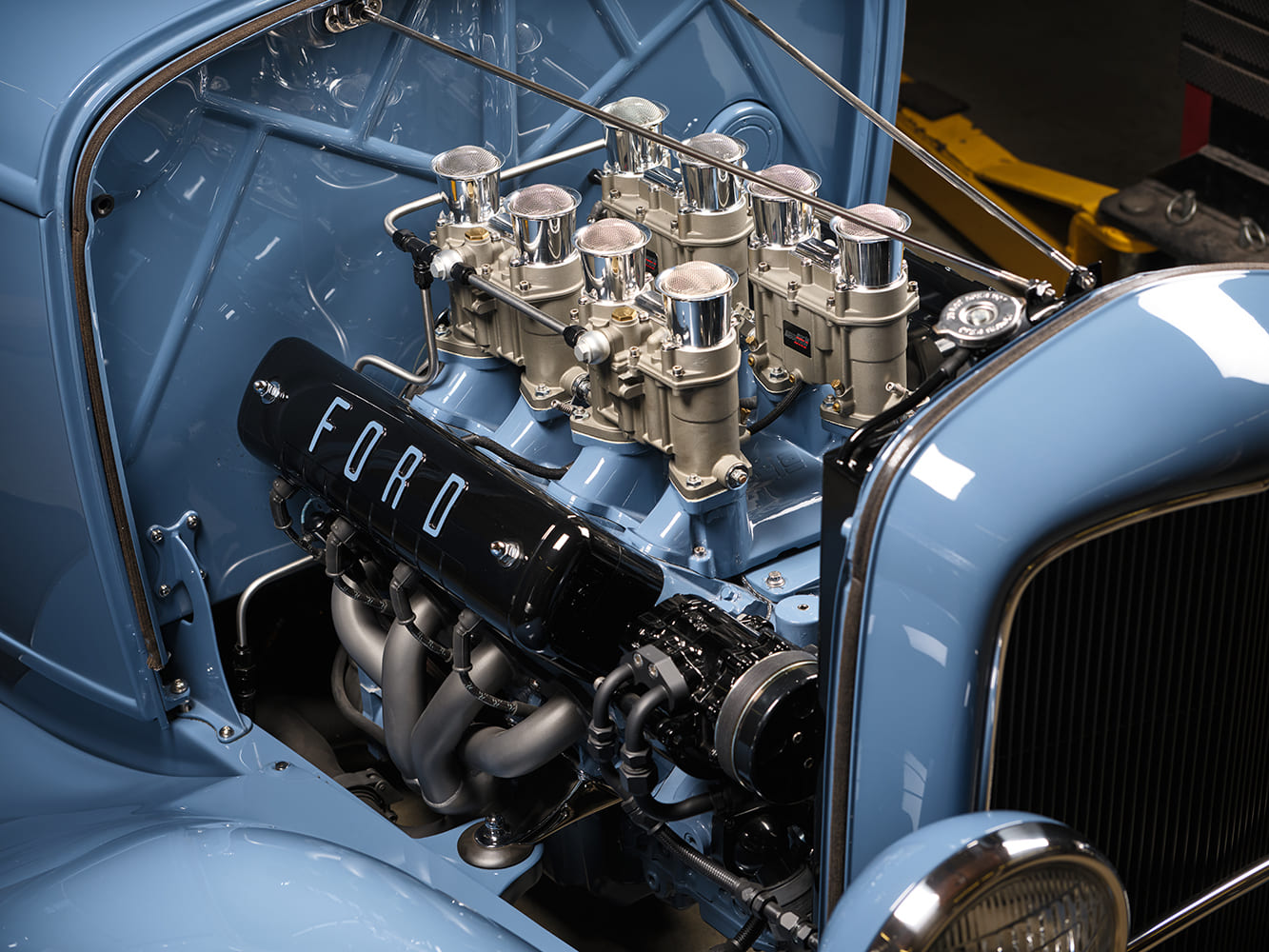
The V-8 engine is an LS3, equipped with a Borla 8-Stack EFI system based on a Weber downdraft throttle body setup with Borla mesh air cleaners. The LS coils are hidden beneath billet faux Ford Y-block valve covers built by EVOD. Fuel is supplied by a Walbro in-tank pump. The engine management uses a Holley Terminator X CPU with custom cloth-covered plug wires made by Clark. Interestingly, power comes from an old-school lead-acid battery that runs the black powdercoated Powermaster starter and alternator. The exhaust system features a pair of Stainless Works block hugger headers coated in Cobalt Blue Cerakote, with 1-5/8-inch tubes feeding into 2-1/2-inch stainless tubing also coated in Cobalt Cerakote, fabricated by Clark. These headers connect to Cobalt Blue Cerakoted Flowmaster Flow FX mufflers. Other engine parts include a smoothed aluminum water pump and LS serpentine belt system from Drive Junky, a Holley LS swap retro-style oil pan, and a radiator from Johnson Radiator. The fan shroud, custom-made by Clark, has a louvered top, a hidden overflow line, and an electric fan from Cooling Components is installed. To move power rearward, the V-8 works with a Bowler Transmissions–prepped TREMEC TKX five-speed manual transmission, with a Johnson’s Rod Shop shifter, along with a Ram flywheel, pressure plate, and clutch. Notably, the transmission tunnel is exposed metal. Scott wanted a custom trans tunnel to highlight Clark’s metalworking skills—and it certainly does that!
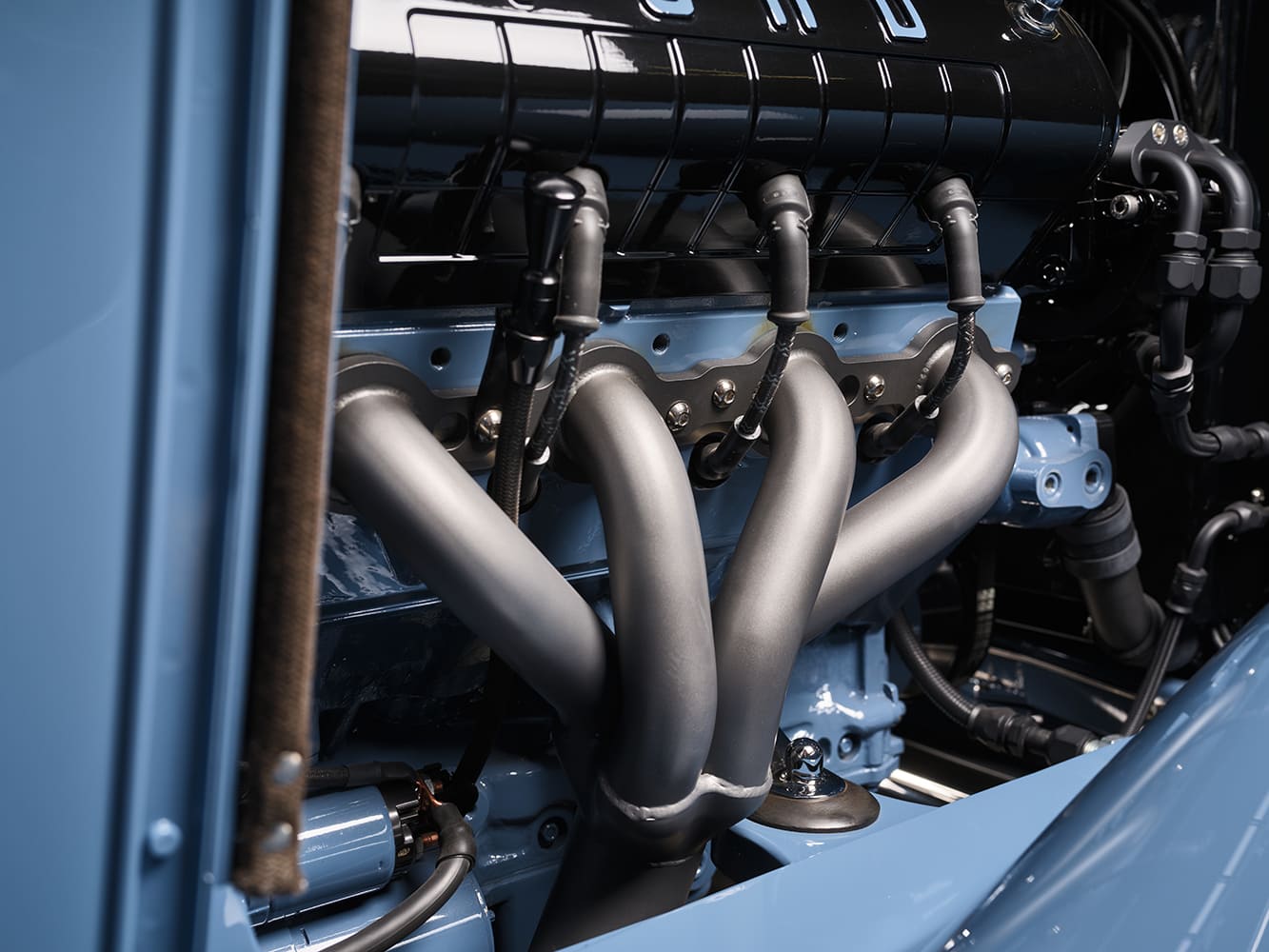
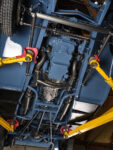
The chassis is built on a set of American Stamping reproduction 1932 Ford framerails. The wheelbase was extended by 1-1/2 inches by moving the front crossmember forward. Tubular crossmembers feature a C-notch in the rear of the frame, along with a lowered front axle crossmember and a Pete & Jakes Vega-style steering box. A Pete and Jakes Super Bell 4-inch drop front axle, paired with Hole Shot radius rods coated in Cobalt Blue with Cerakote, and Ridetech shocks. The rearend is a classic Ford 9-inch, narrowed by Chris and fitted with 3.88 limited-slip gears, and Speedway Motors cut to fit 31-spline axles.
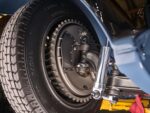
The front wheels measure 16×4.5 (with 3 inches of backspacing) while the rears measure 18×5.5 (again, with 3 inches of backspacing) in a custom Salt Flat–style design by Eric Brockmeyer that are machined by EVOD from 6061-T6 aluminum. These wheels feature a full complement of Coker Excelsior Stahl Sport Radials, measuring 500R16 and 700R18.
The accolades earned include recognition as a Top 12 finalist in the 2024 SEMA Battle of the Builders, placing in the Top 3 of the Hot Rod/Hot Rod Truck Class. Additionally, the Deuce roadster has received the prestigious 2024 SEMA Goodguys GOLD award, honoring it as one of the Top 5 vehicles at SEMA, and secured a 2024 SEMA HRIA Innovation Award Top 5. More recognition comes in the form of achievements, including participation in the 2025 Barrett-Jackson Cup and a First Place award in the Altered Street Roadster category at the 2025 Grand National Roadster Show, and most recently, a Top 5 in the Goodguys Columbus Street Rod of the Year, and received the Design Integrity award by Arizona Custom Car Design. Might we say, “Job well done!” MR
Check out this story in our digital edition here.