


By Ron Covell – Images by Roadster Shop
Roadster Shop has developed a reputation for building street machines at the highest level, and in the next few issues we’ll be taking a close look at a stunning 1965 Corvette they are building for Brad Whitt.
Since Corvettes are made with fiberglass bodies, the construction techniques on this project differ from what you’d see on metal-bodied cars. Even though the material is different, the fit and finish will be held to the same exacting standards as all Roadster Shop builds.
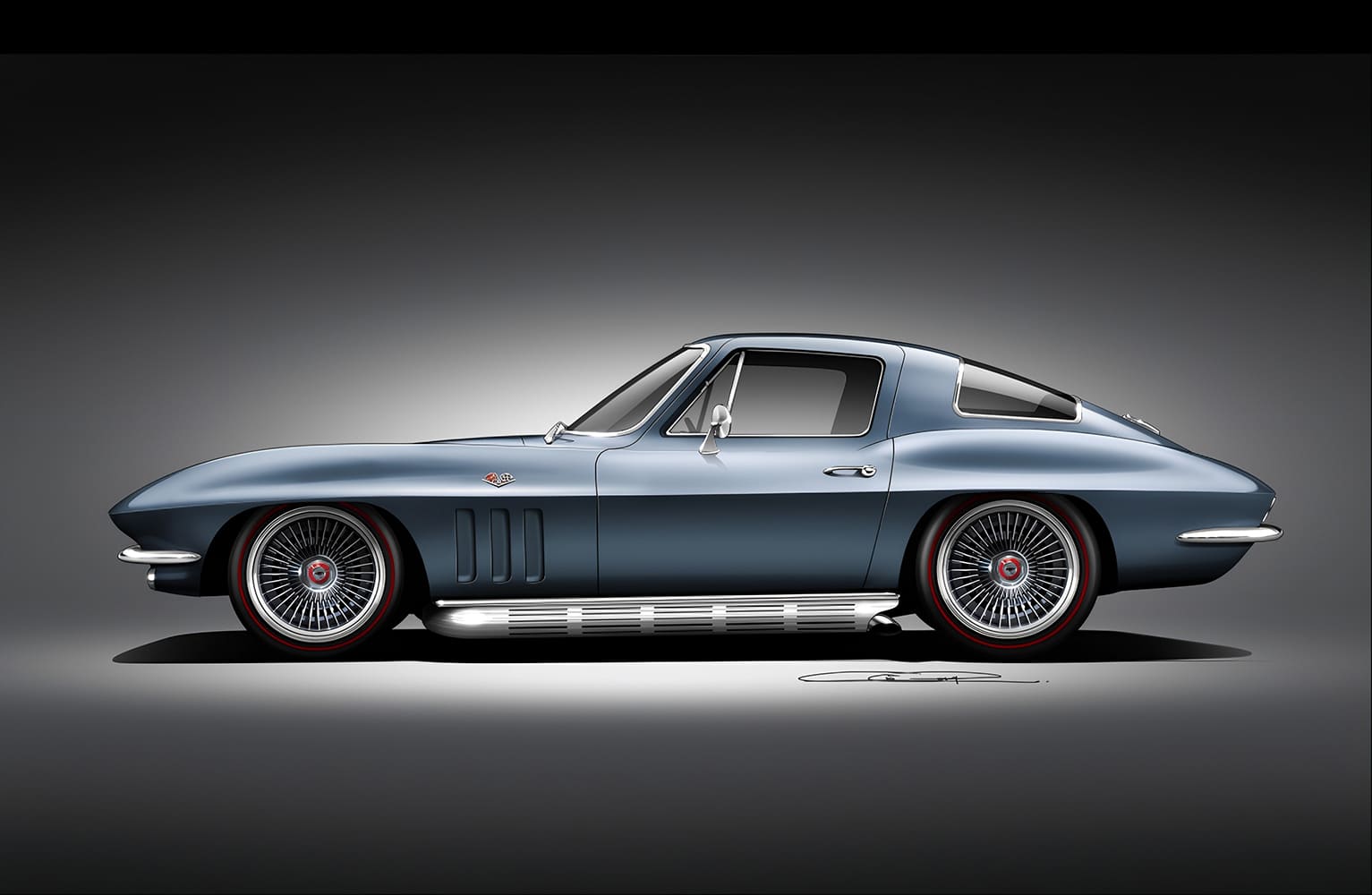
As with many projects of this caliber, a rendering was commissioned to set the direction from the start. Chris Gray, Roadster Shop’s lead designer, produced the rendering, and although the body modifications are subtle, extraordinary care will be taken to perfect the fit and finish of every panel and component.

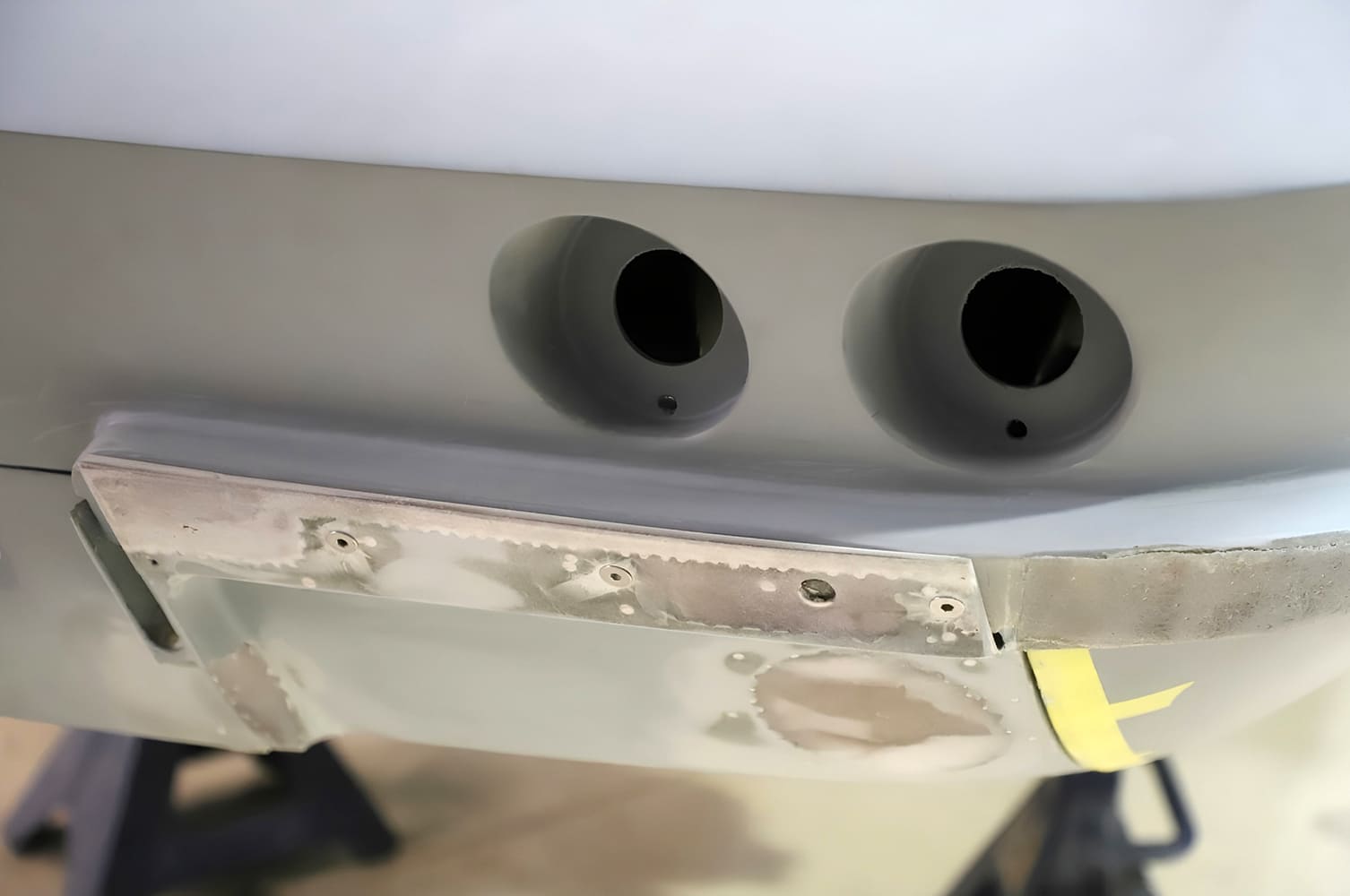
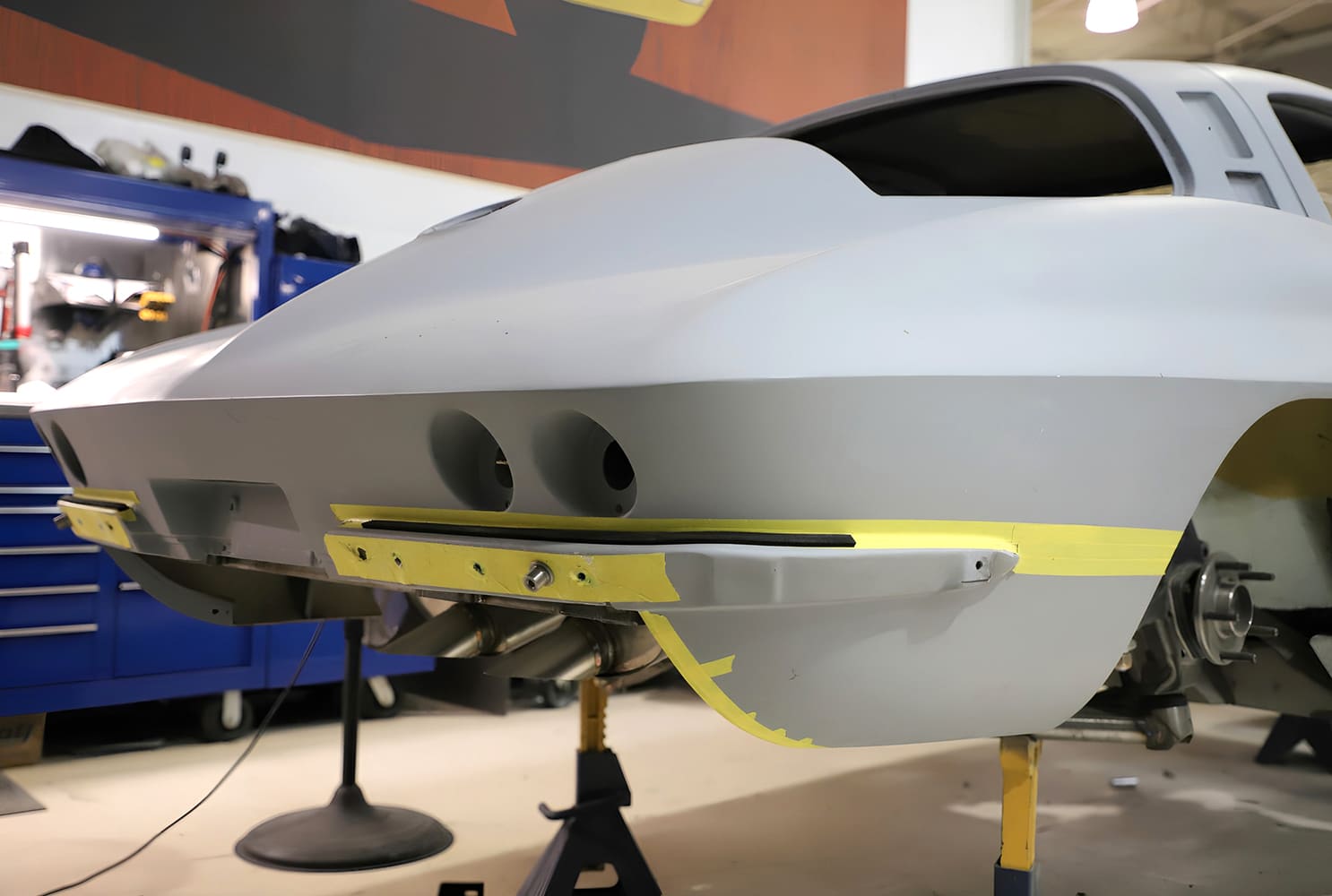
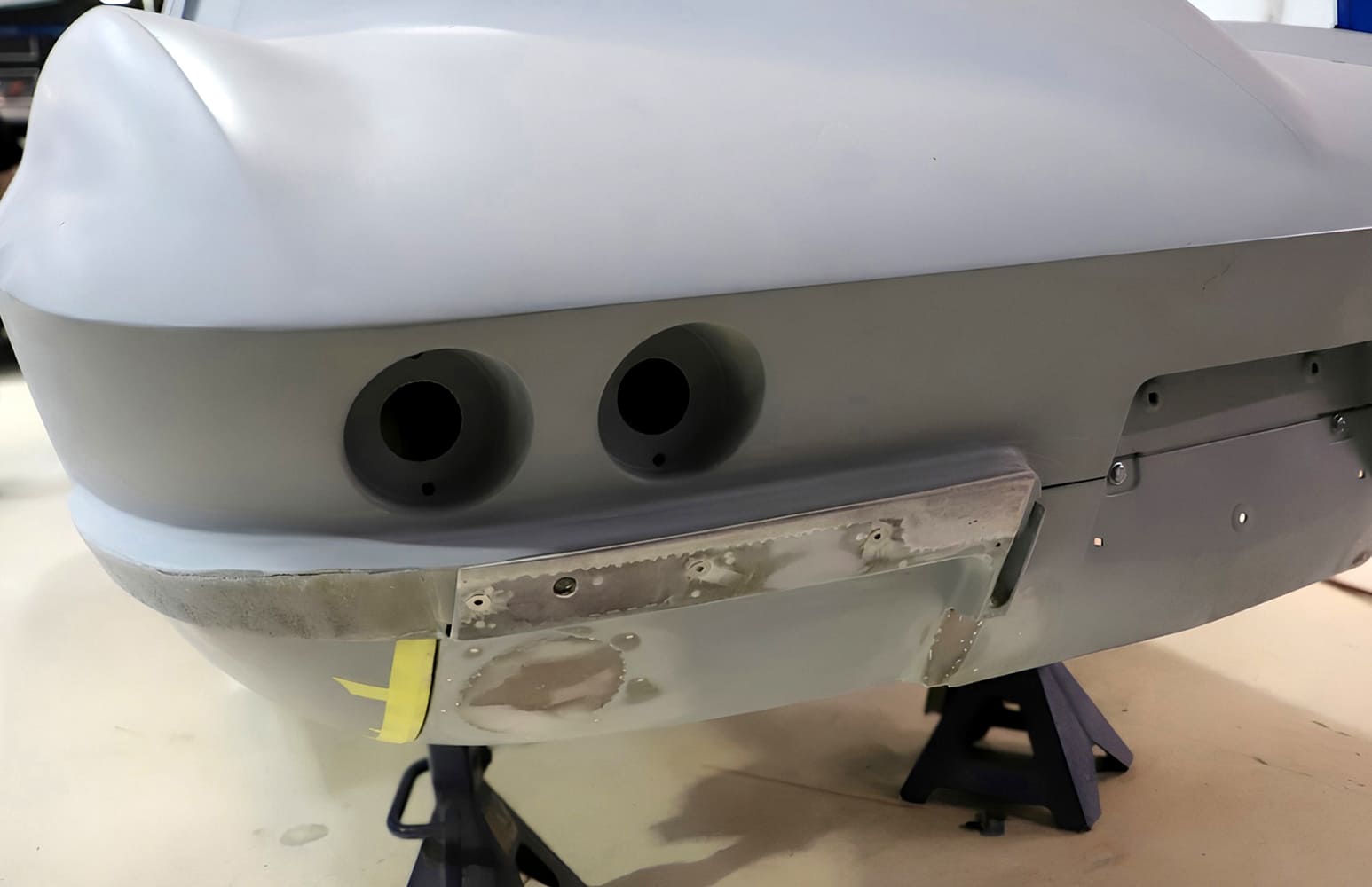
The 1965 Corvette had optional side pipes, yet all cars produced had openings in the rear panel for the stock exhaust system. One of the first modifications was to fill the original exhaust outlets beneath the rear bumper. To facilitate this work, the rear body panel was removed and the bumper mounting surfaces were smoothed and downsized so the bumpers could be tucked in closer to the body.
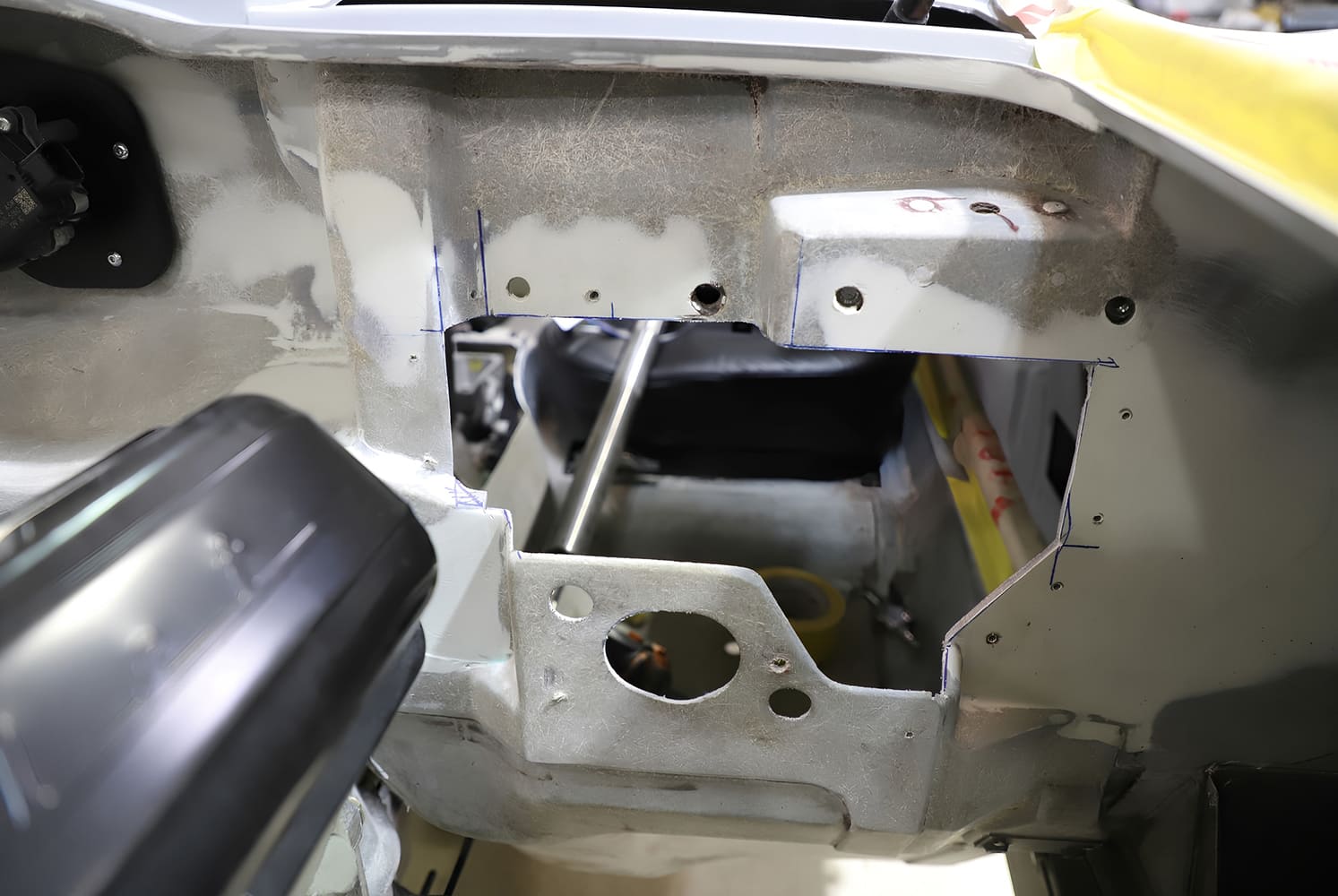
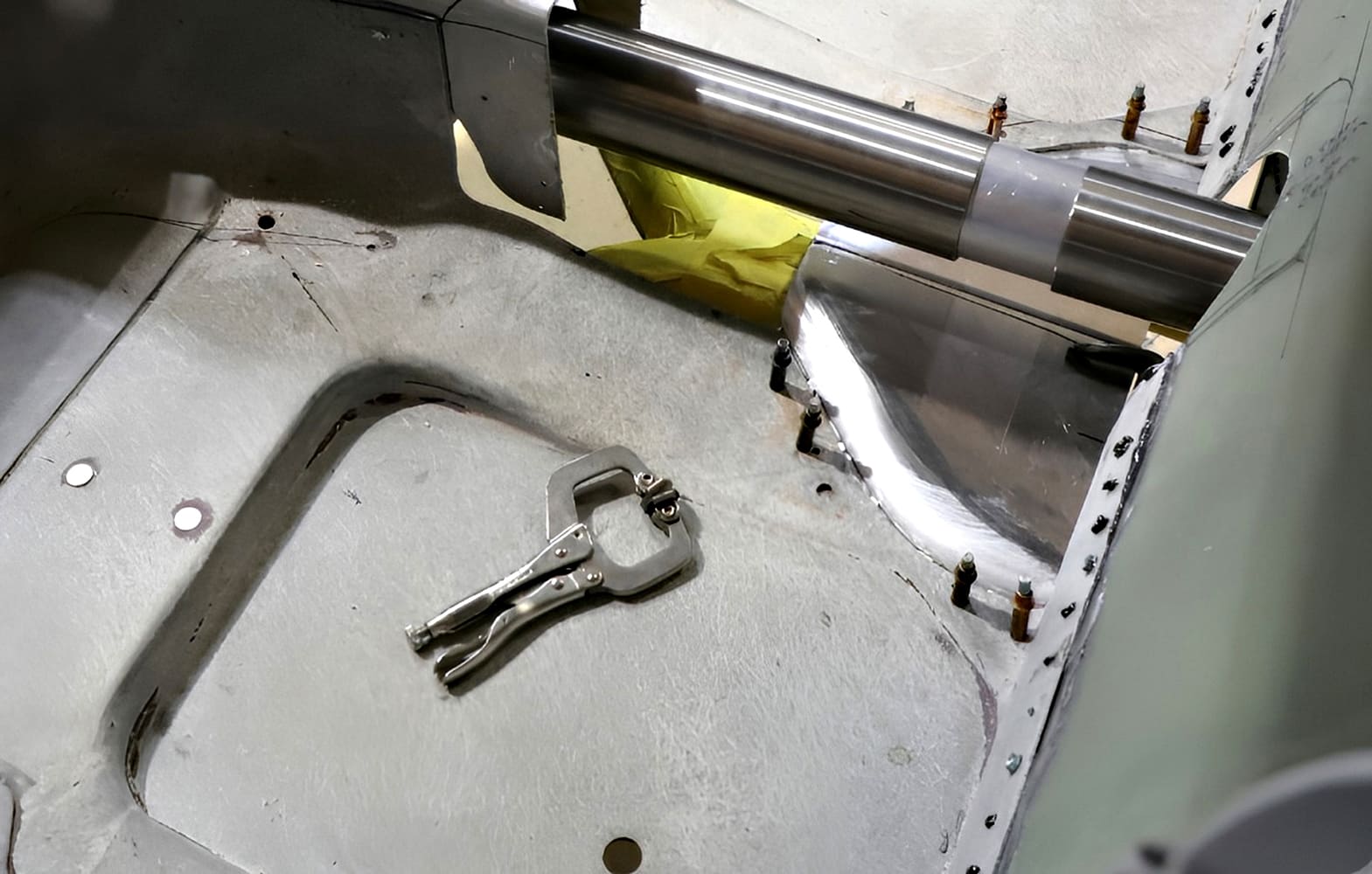
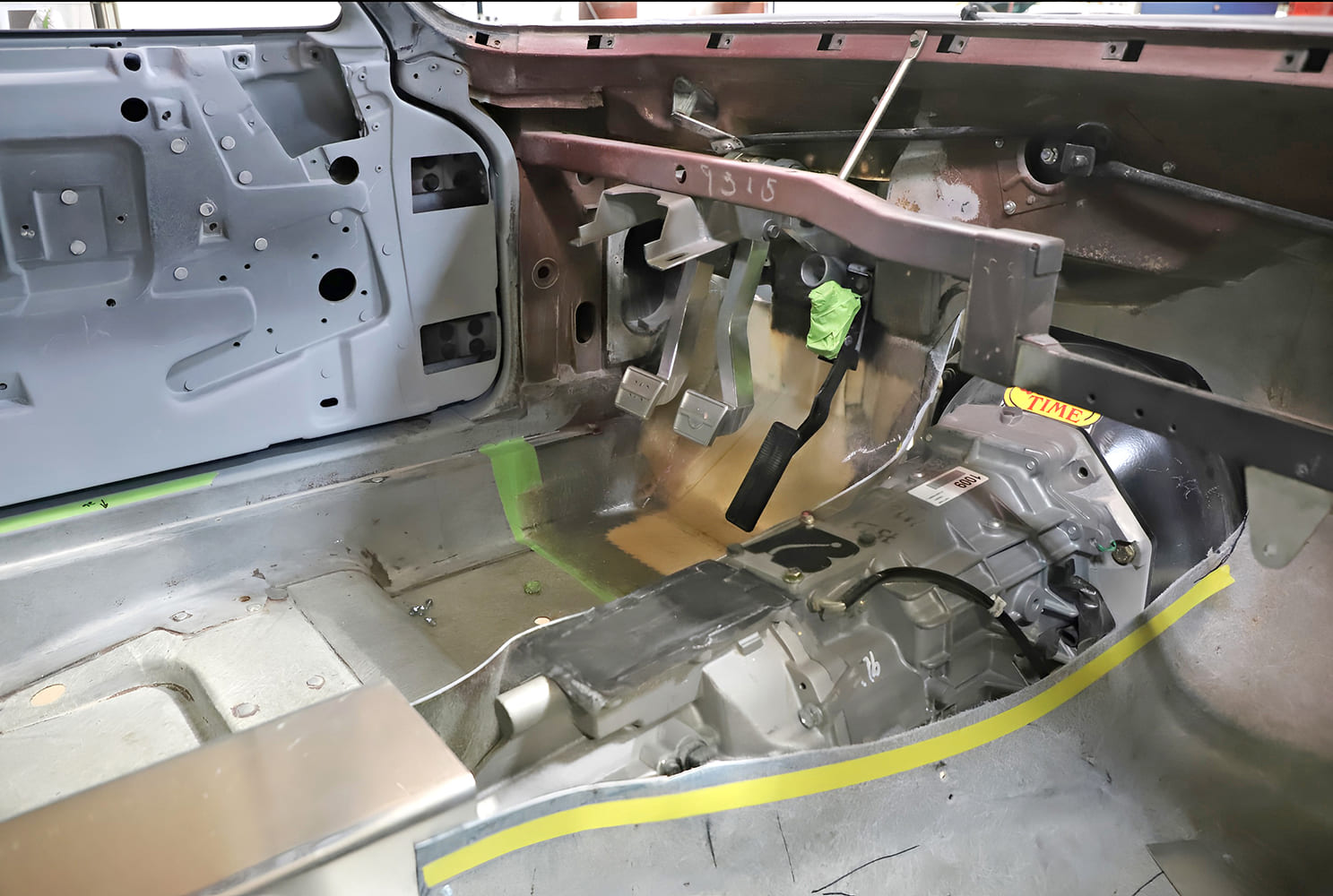
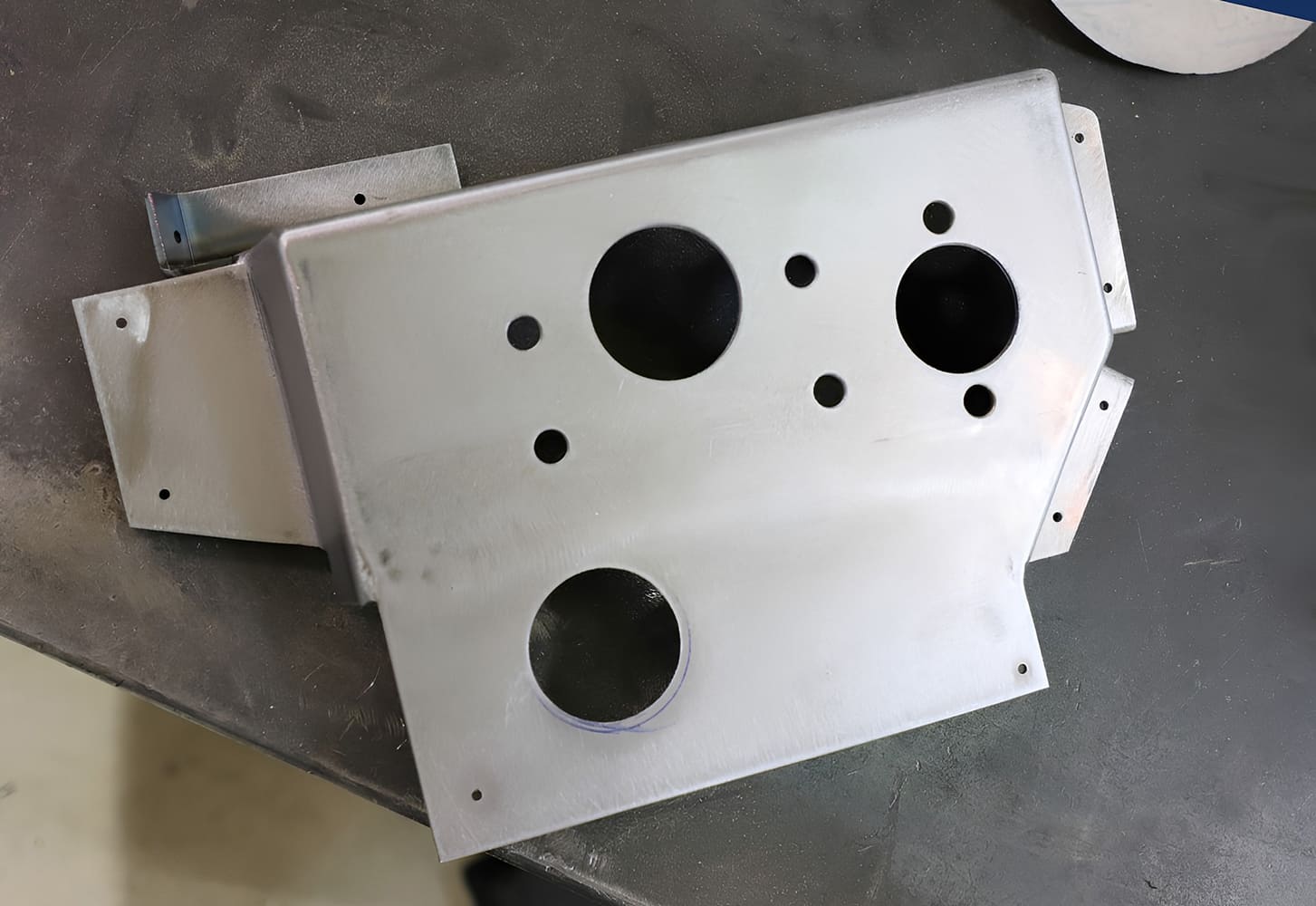
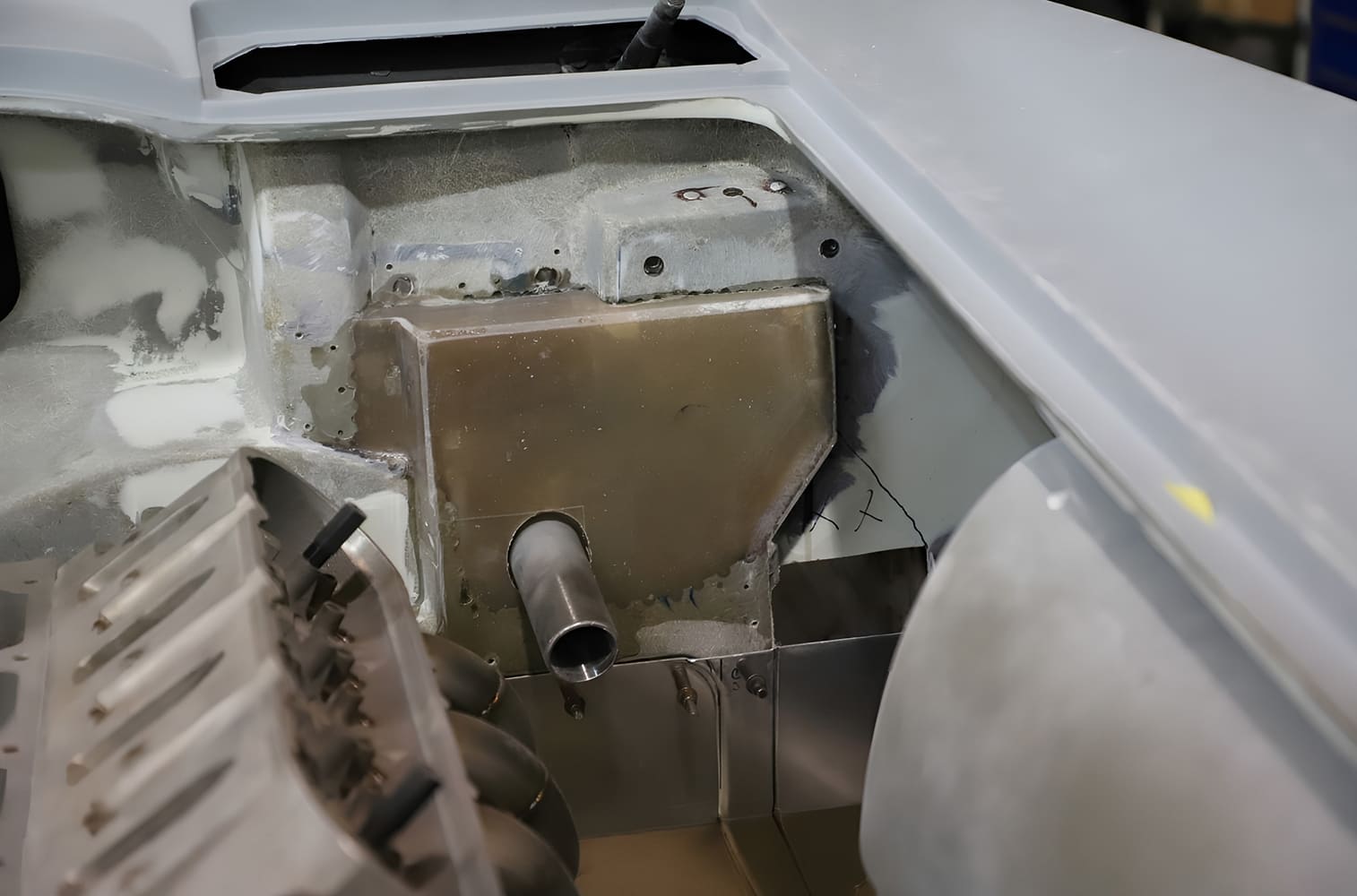
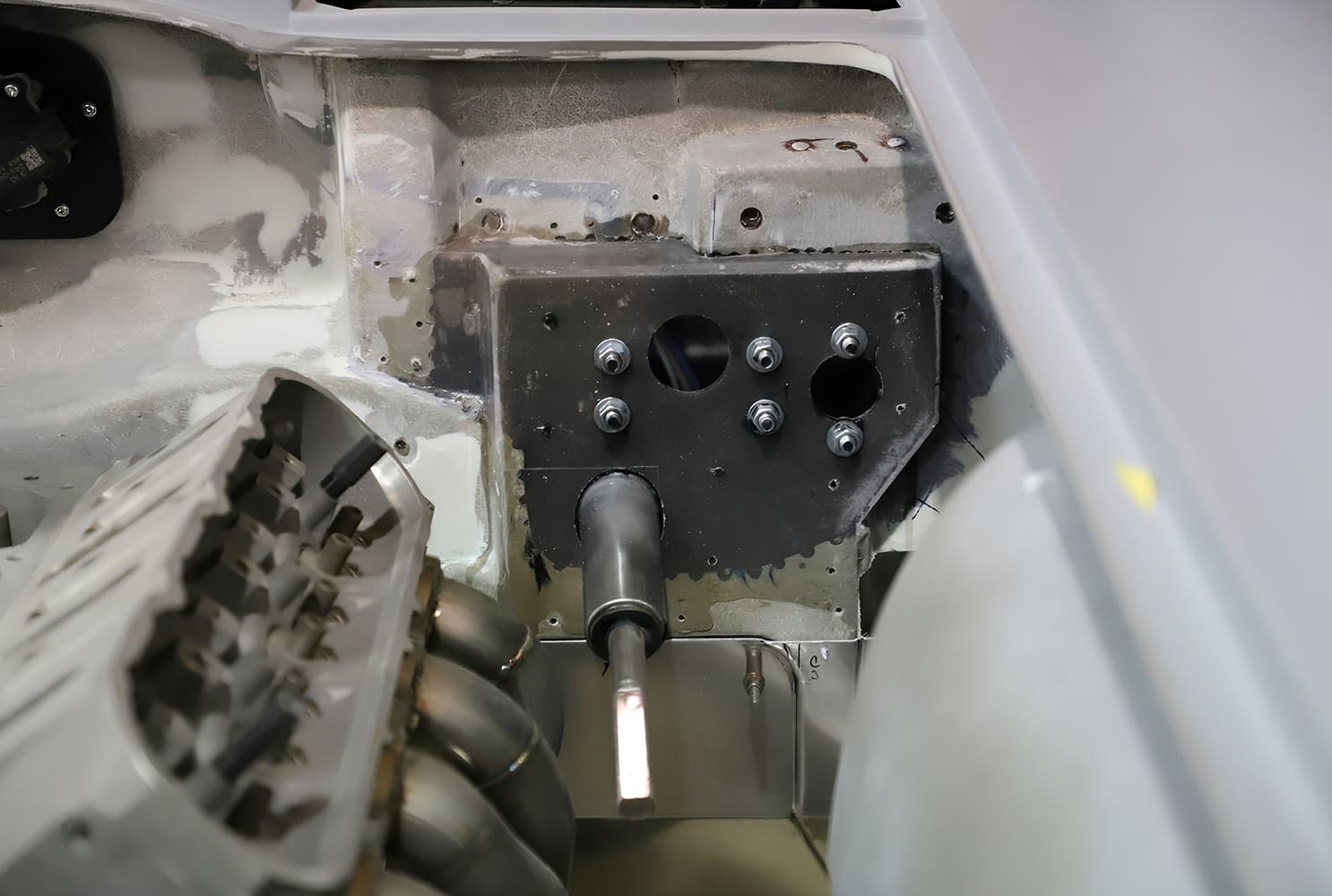
The brakes on this 60-year-old car have been upgraded with modern Wilwood master cylinders for both the brakes and clutch, which required reinforcing and slightly extending the original fiberglass firewall. Baer calipers were used. A baseplate for the master cylinders was fabricated from aluminum, bonded to the firewall, then encapsulated in fiberglass mat and resin. Both sides were carefully smoothed so that once painted the modifications will blend in seamlessly.
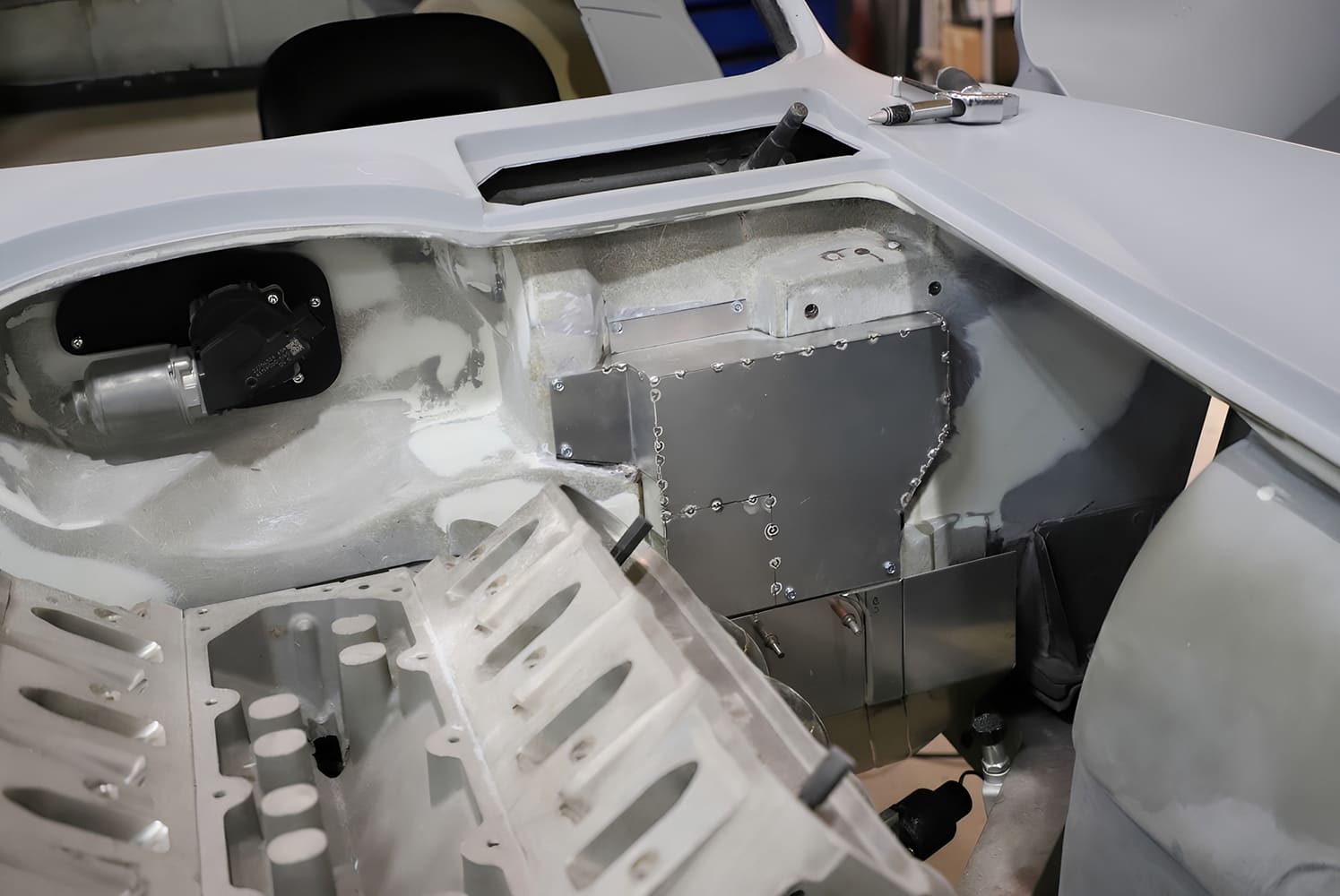
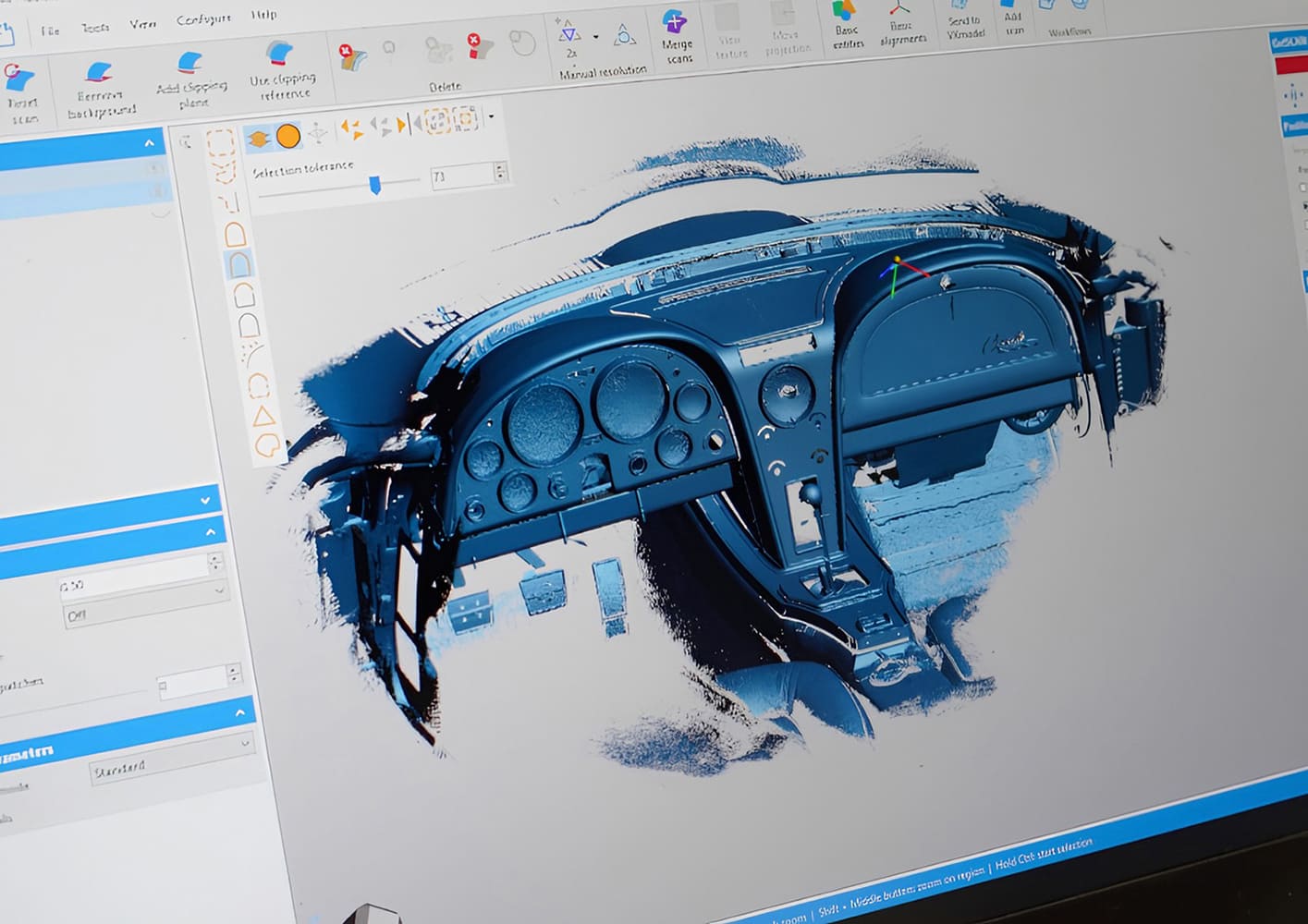
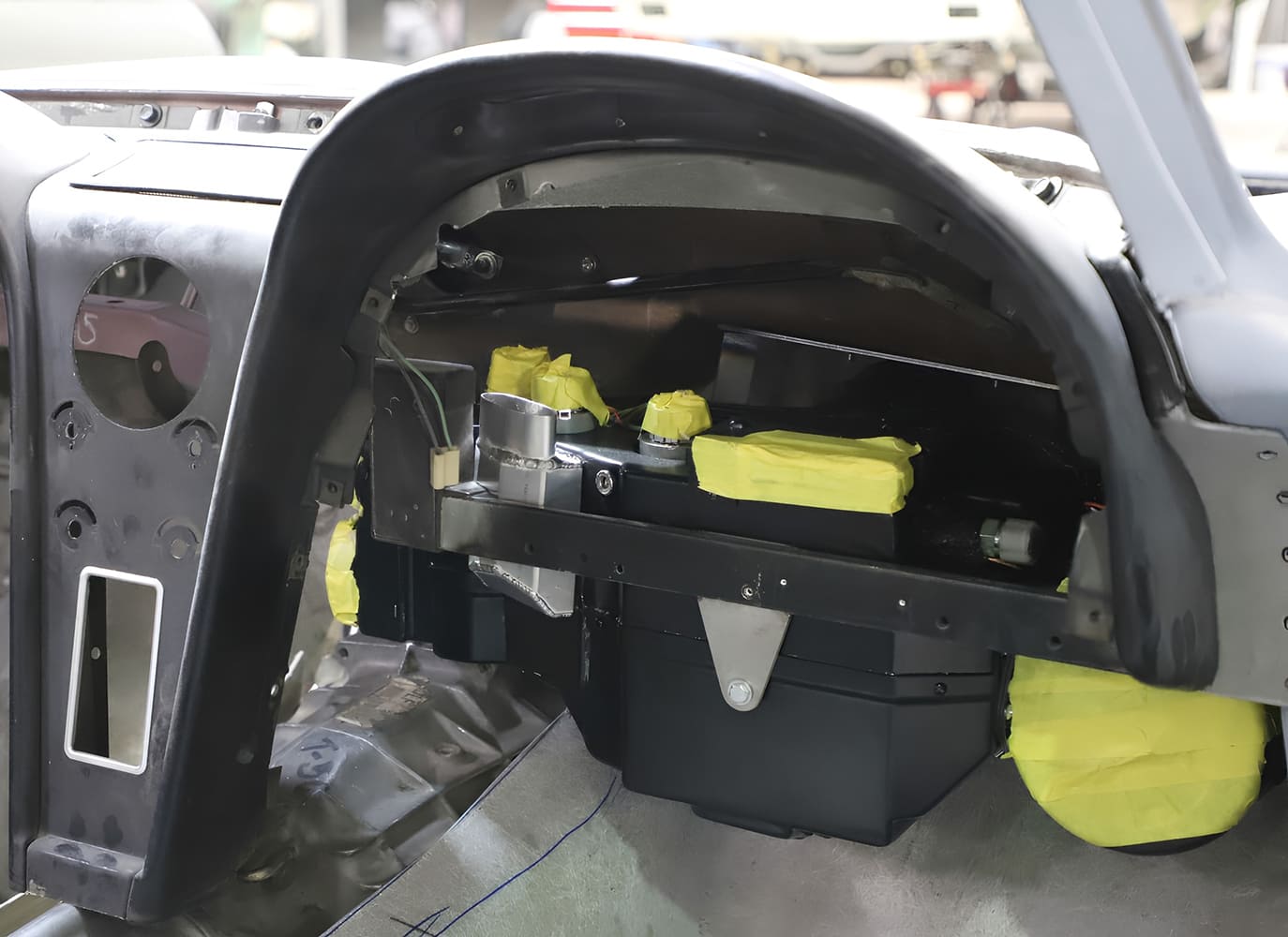
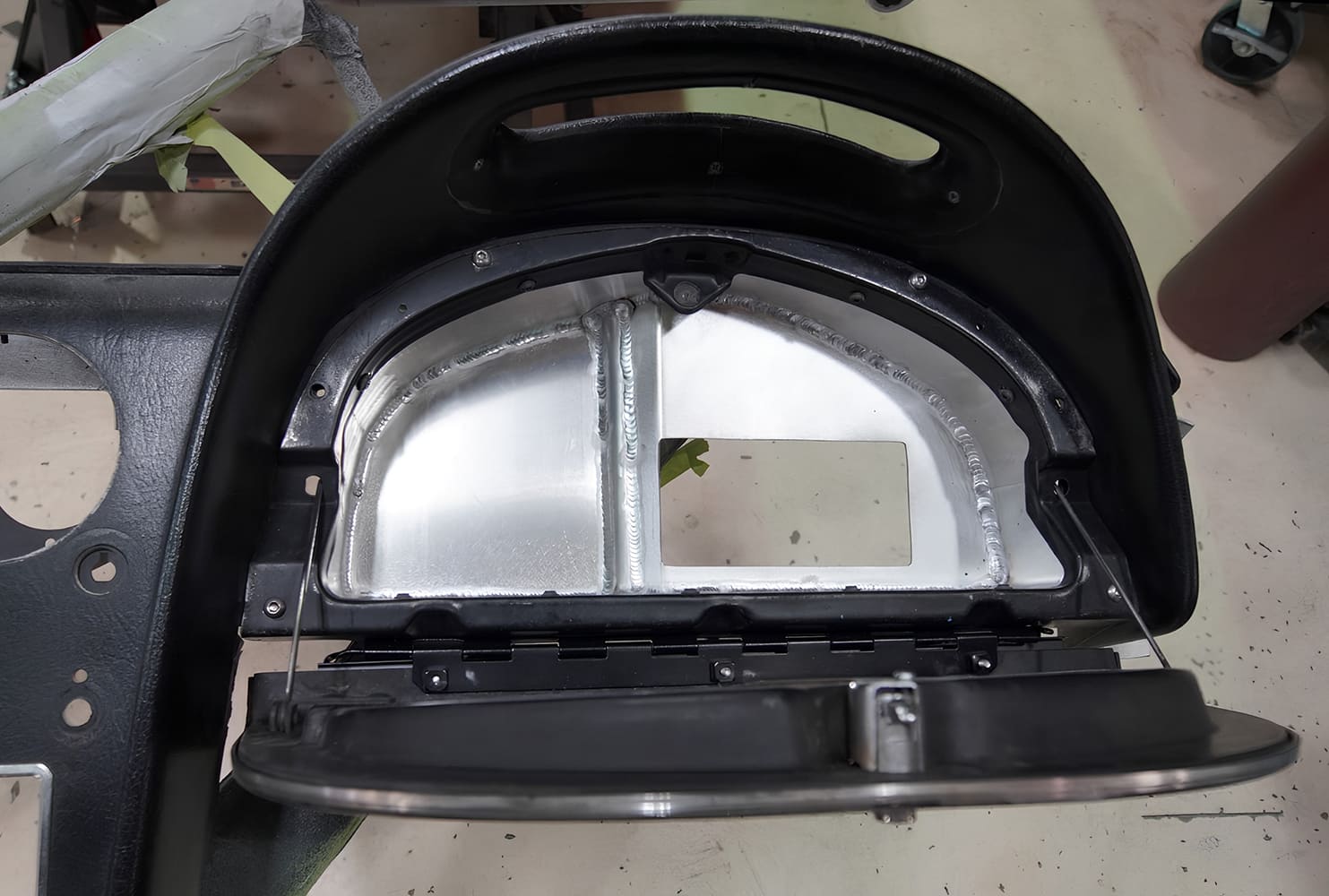
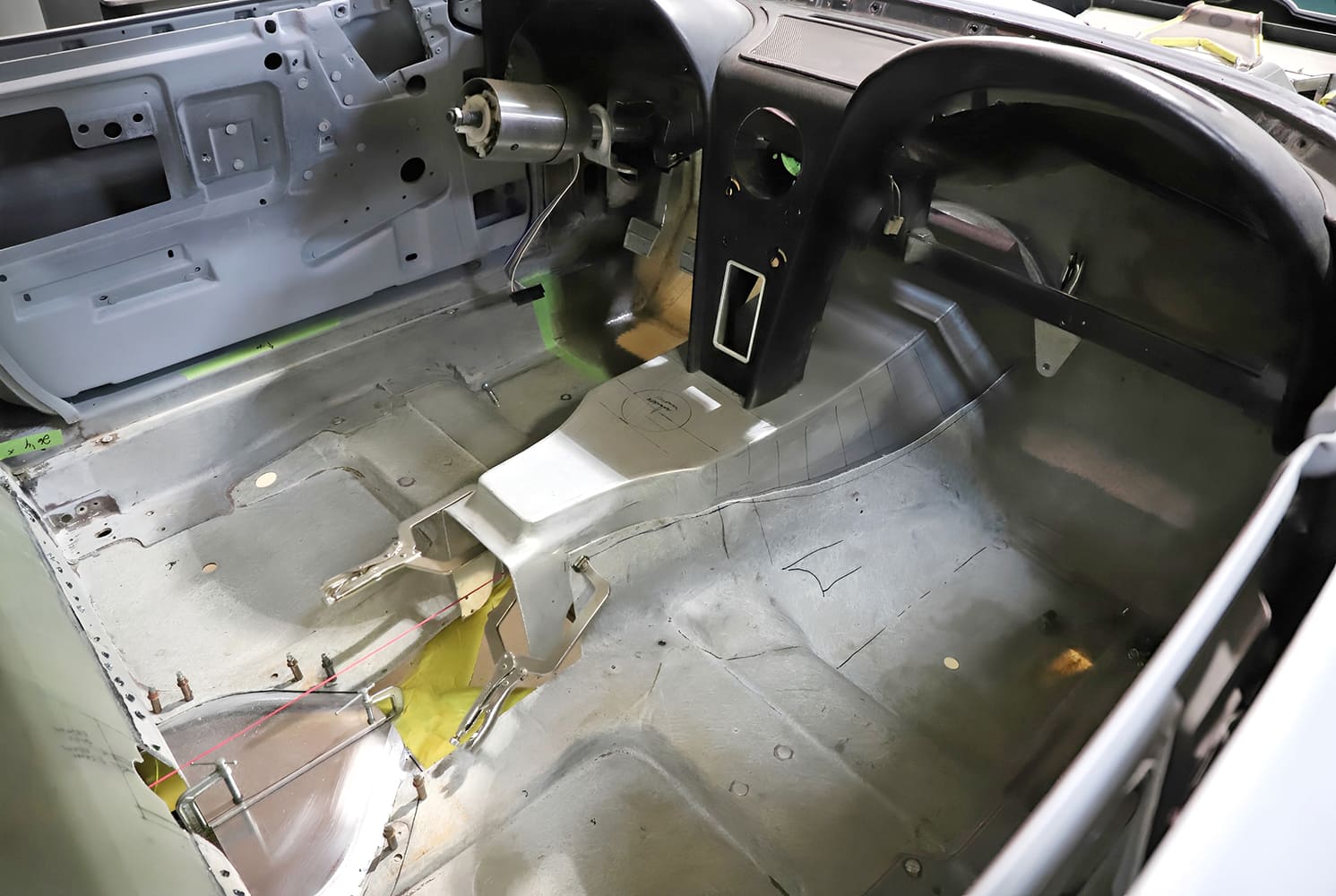
A new climate-control system from Vintage Air was installed under the dash, which required some modifications to provide clearance for the vent and defroster ducts. The entire dash was scanned to ensure accurate placement of components, and a new glovebox shell was fabricated from aluminum sheet to fit snugly into place.
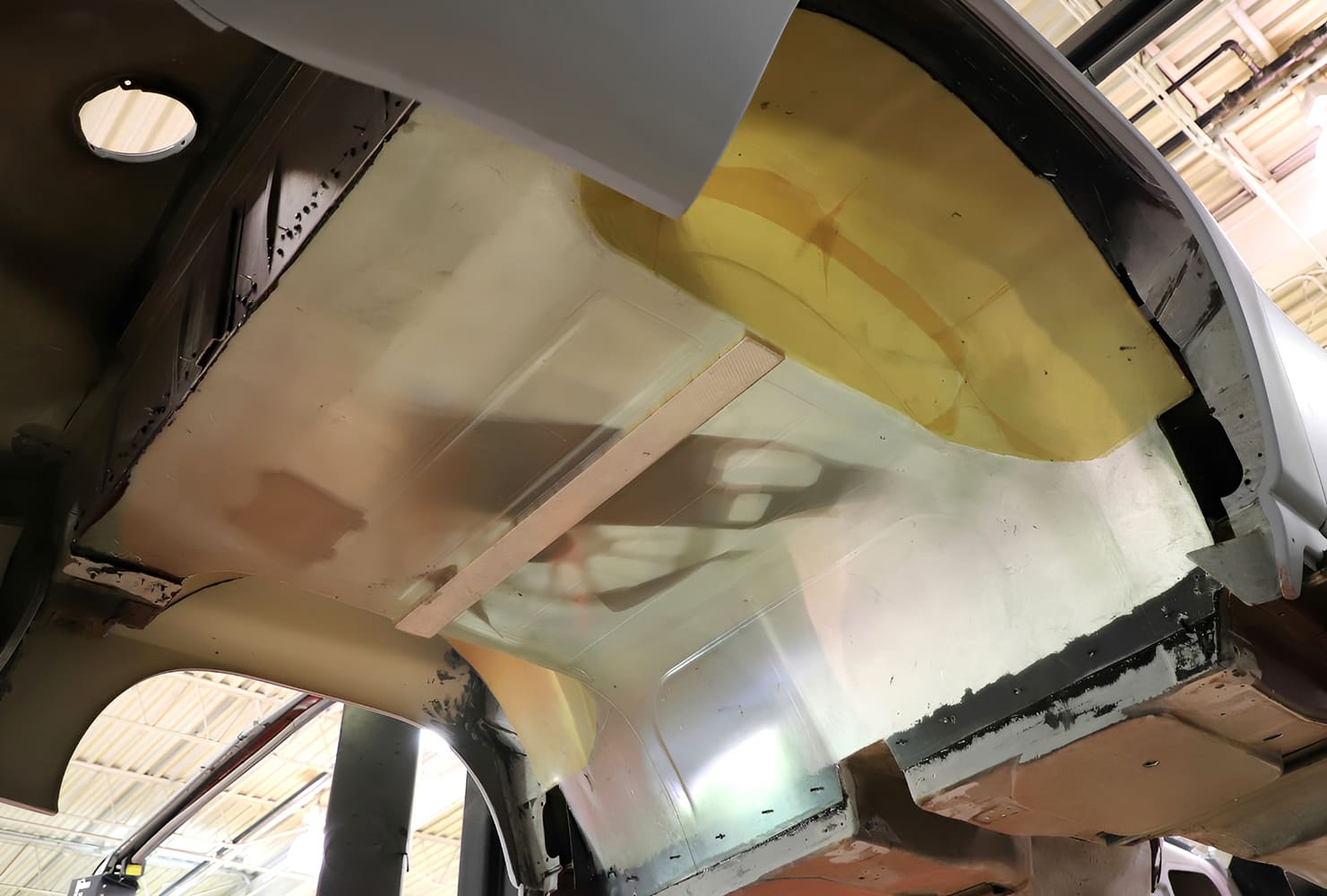
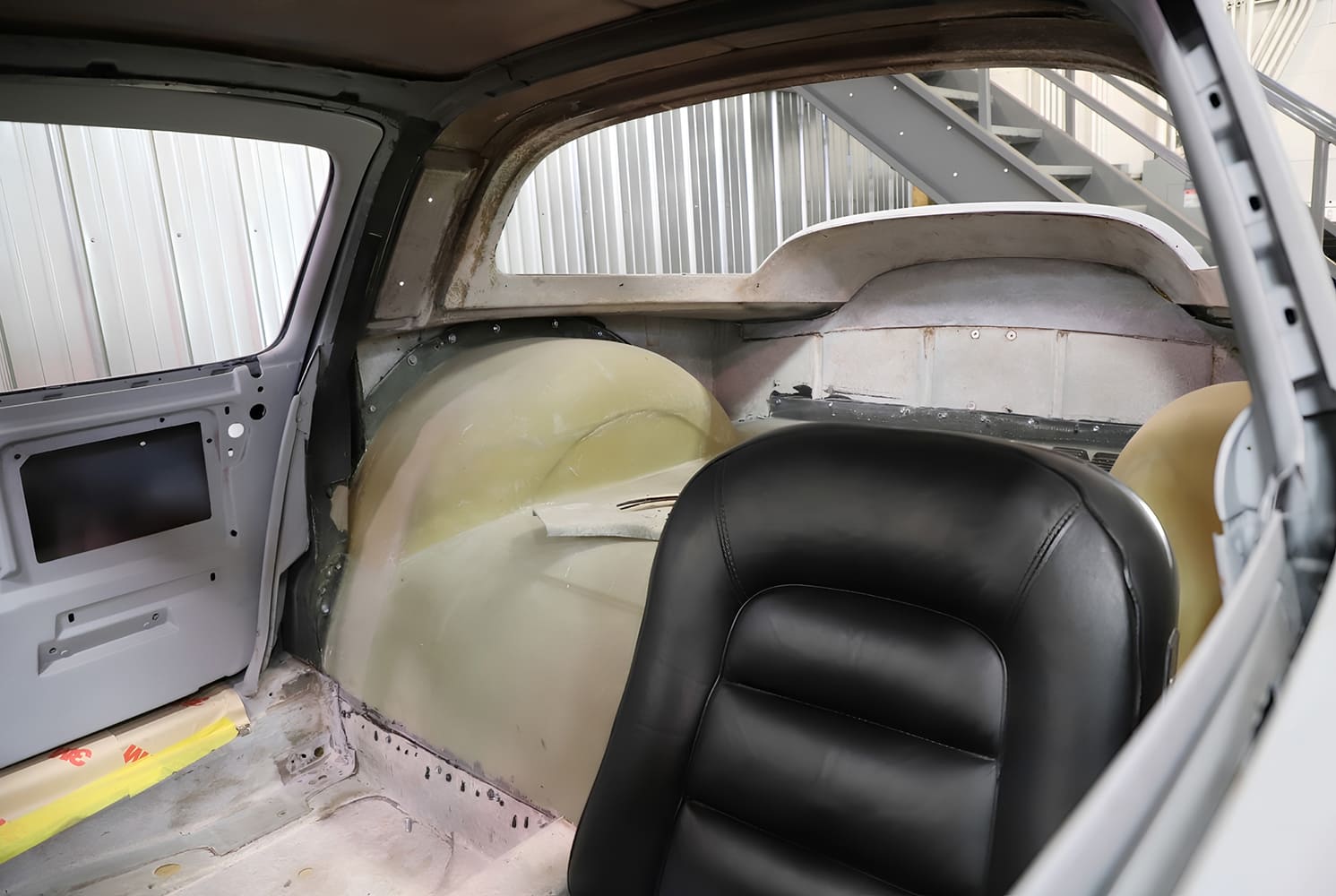
The original floor behind the seats was removed, along with the wheelwells, and replaced with Roadster Shop–developed composite panels. These provide room for the new independent suspension and will accommodate a 345 tire.

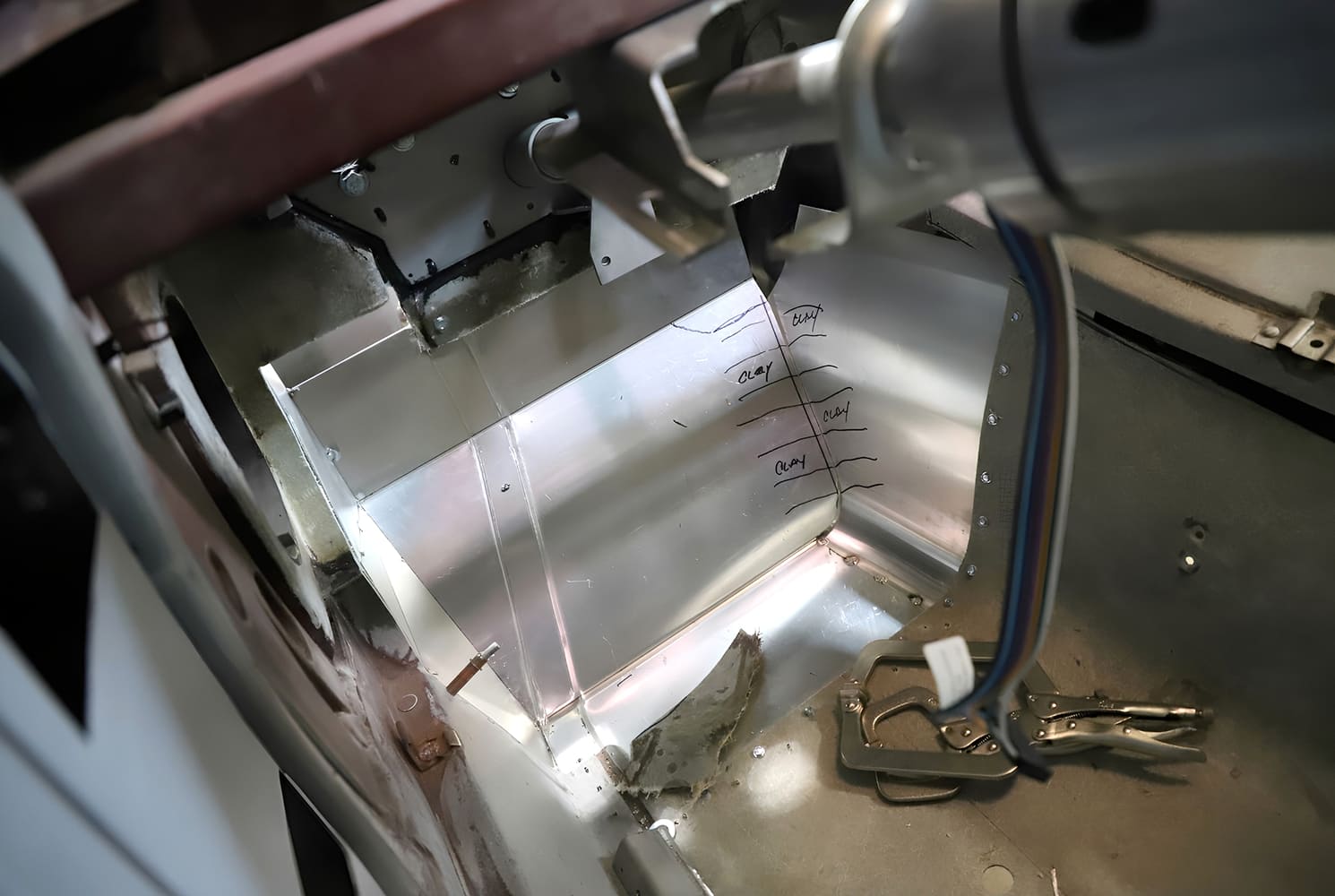
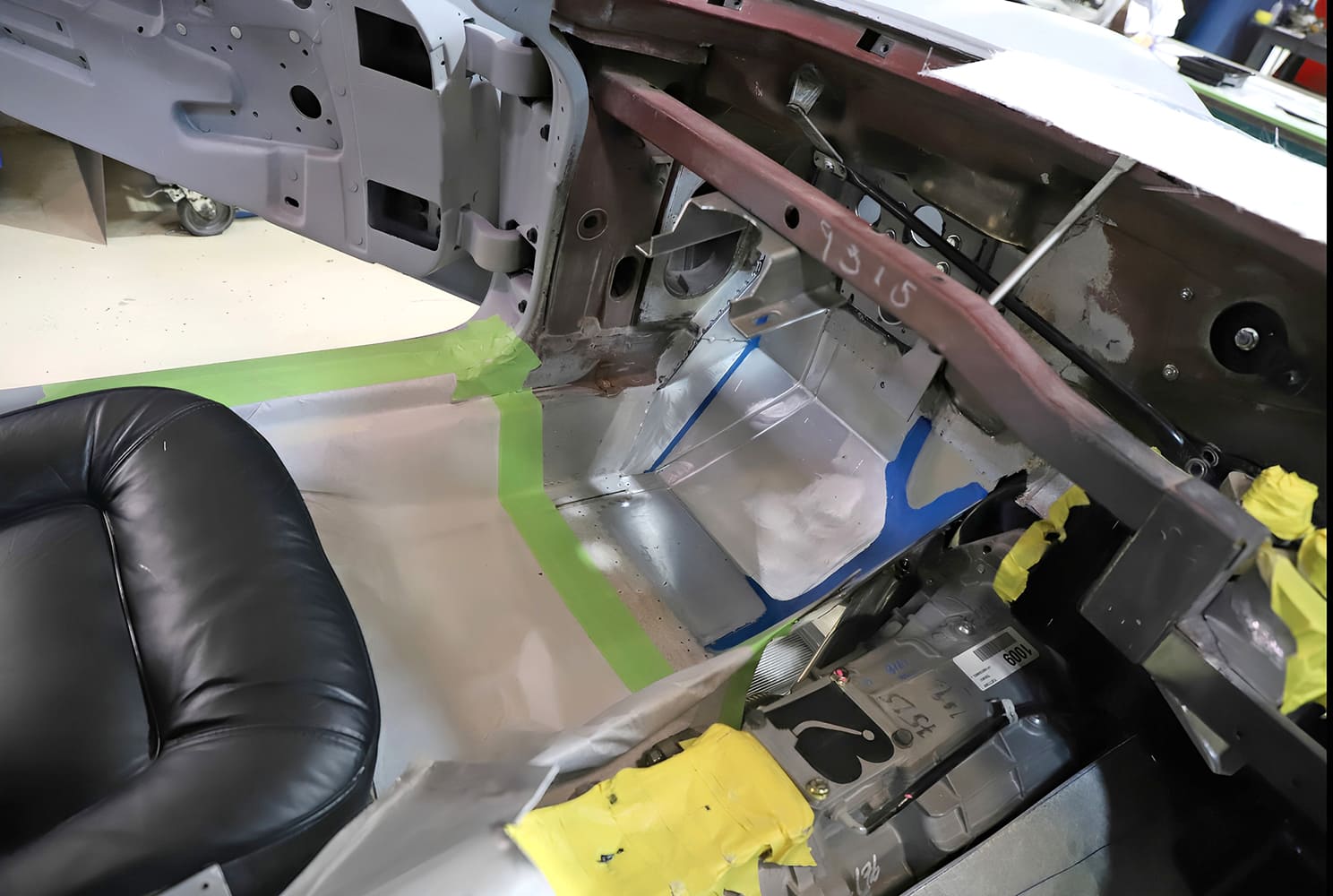
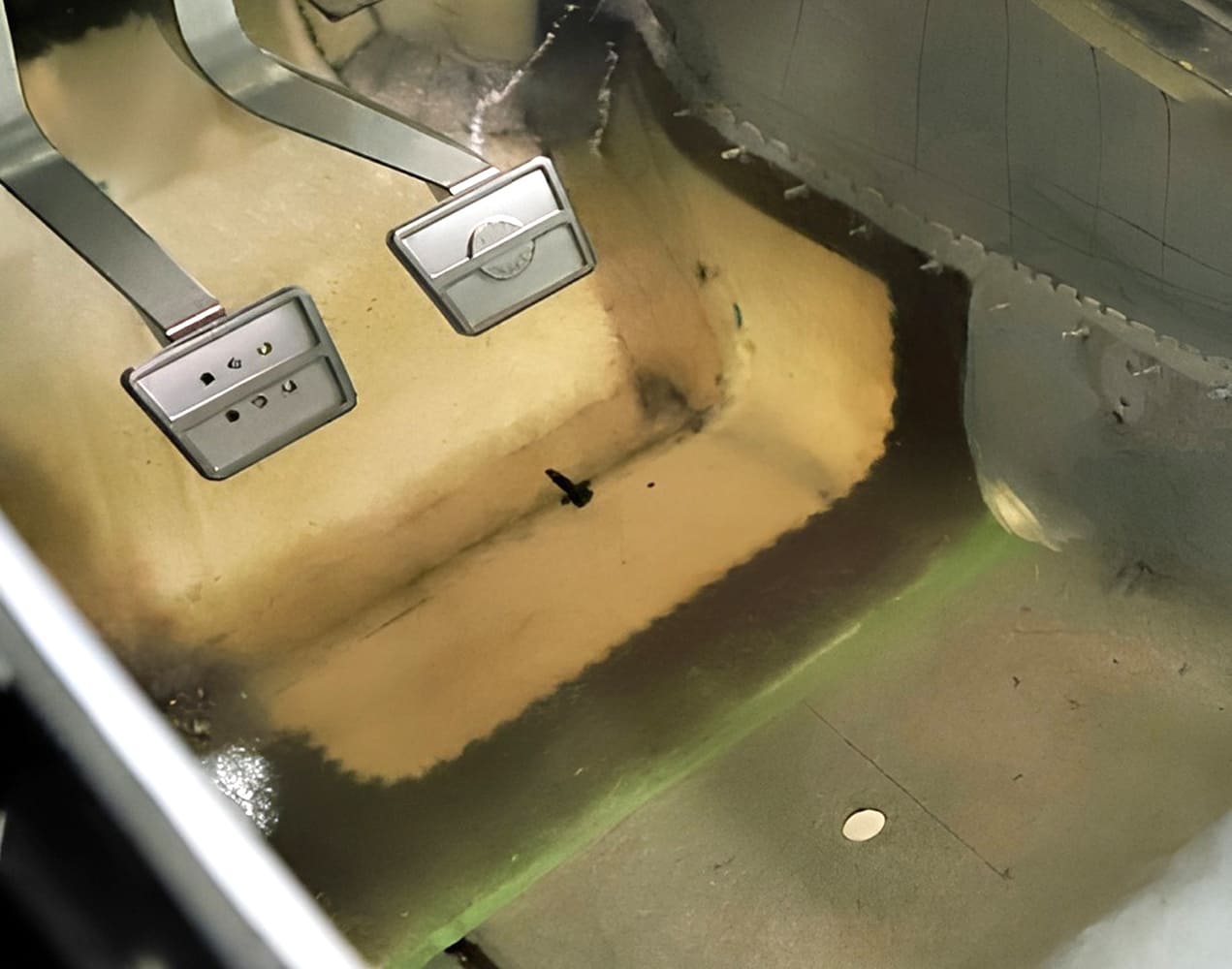
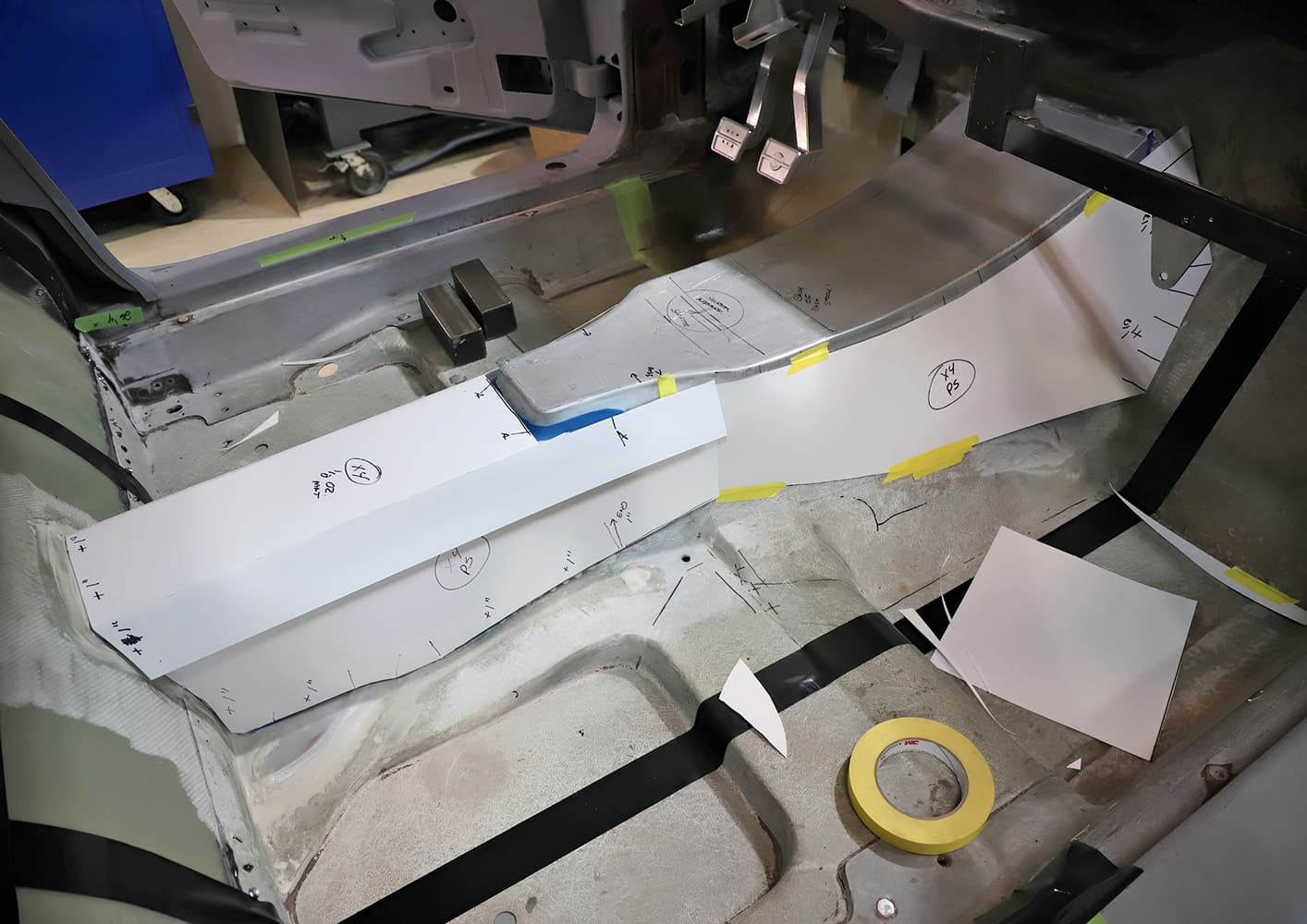
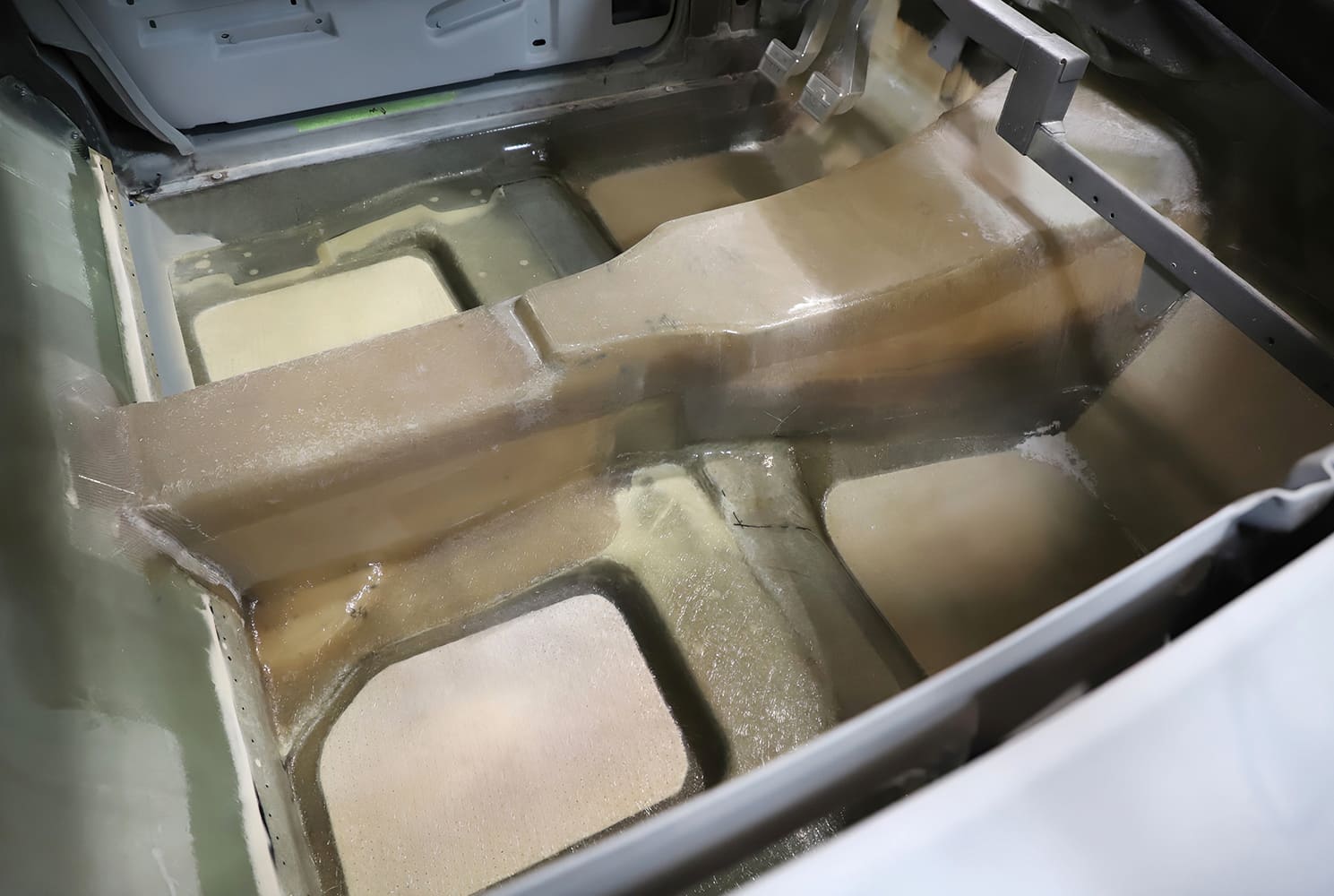
On the driver side, the footwell was extended and reconfigured in a manner that Roadster Shop has developed following several Corvette builds. This provides badly needed room and comfort. The original structure was cut away, and a temporary form was created from aluminum sheet and fastened in position. Clay was used to make uniform fillets in the corners, and new fiberglass was laid up against the form. Once cured, the aluminum was removed and all surfaces were blended smooth.
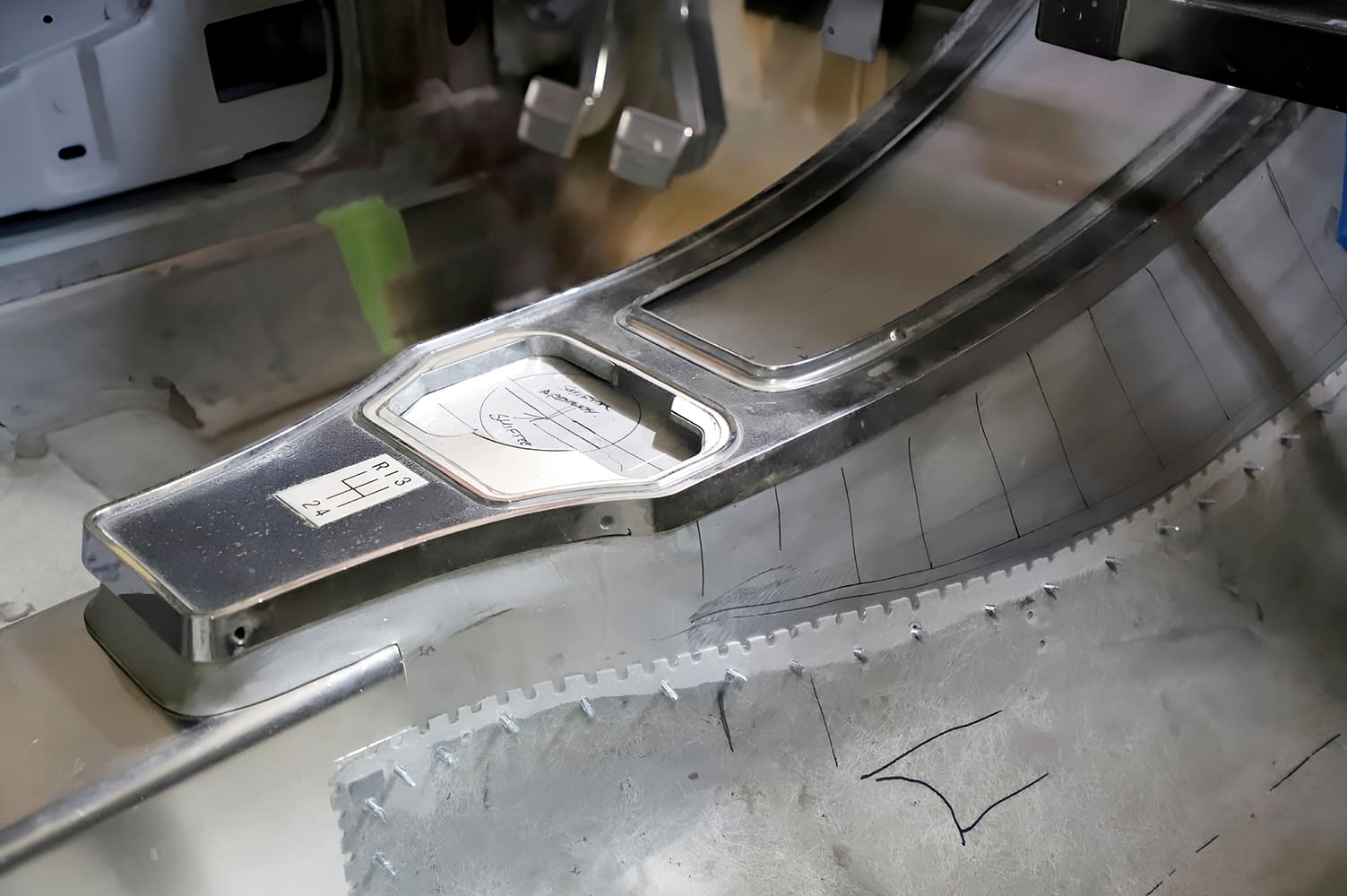
The transmission tunnel also required extensive modifications to clear the Bowler T56 transmission, though the original console bezel was retained. Careful fitting ensured the bezel and dash panel lined up cleanly, maintaining the integrity of the original design.
Check out this story in our digital edition here.