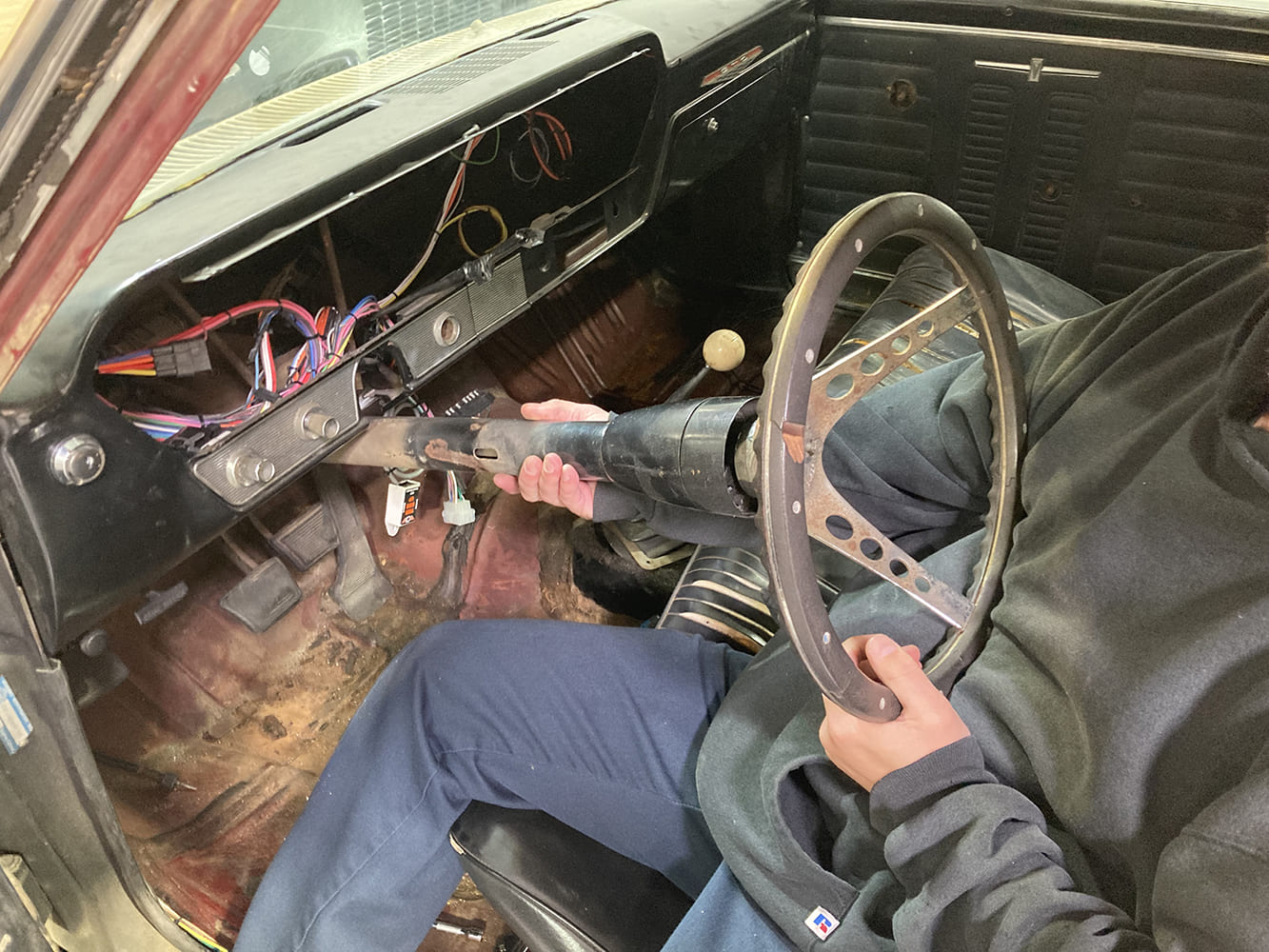
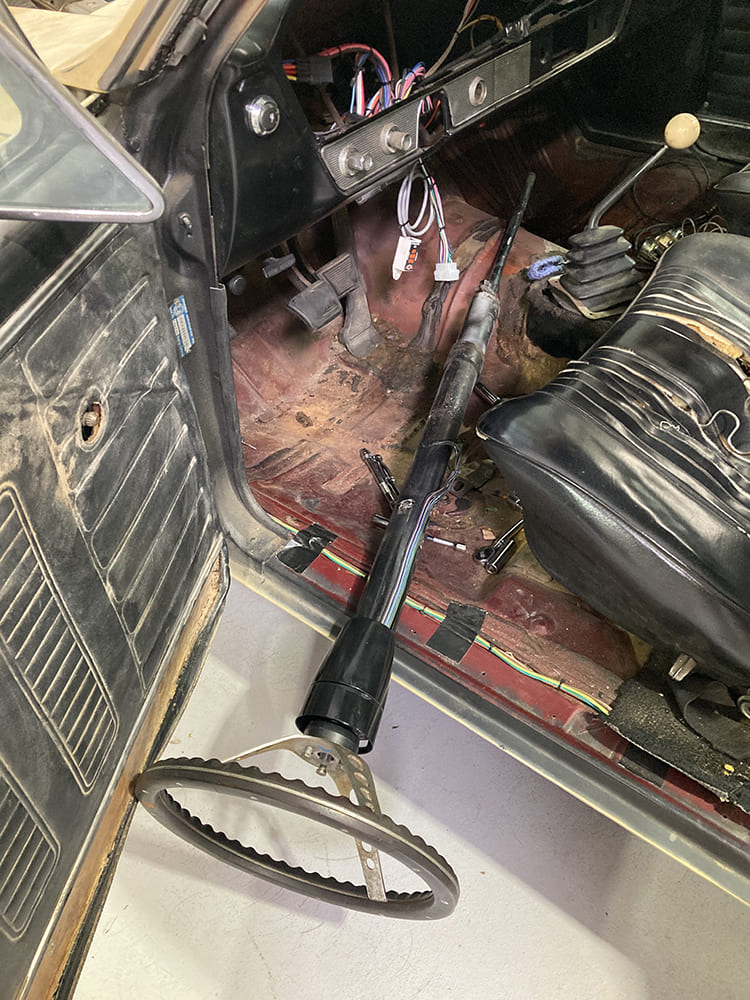
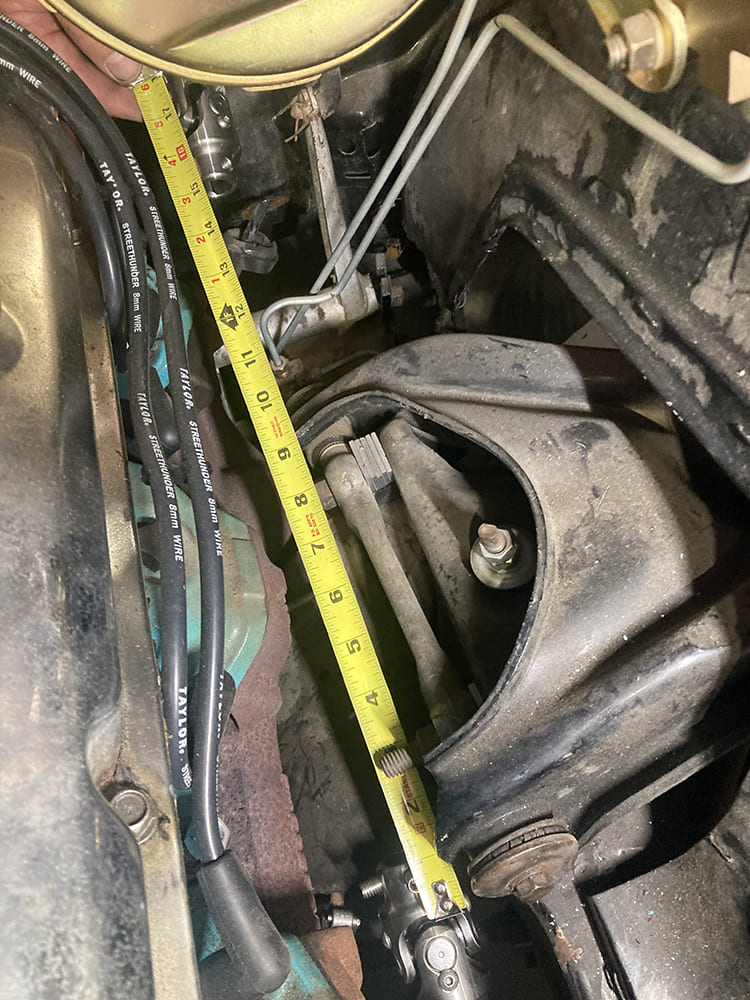
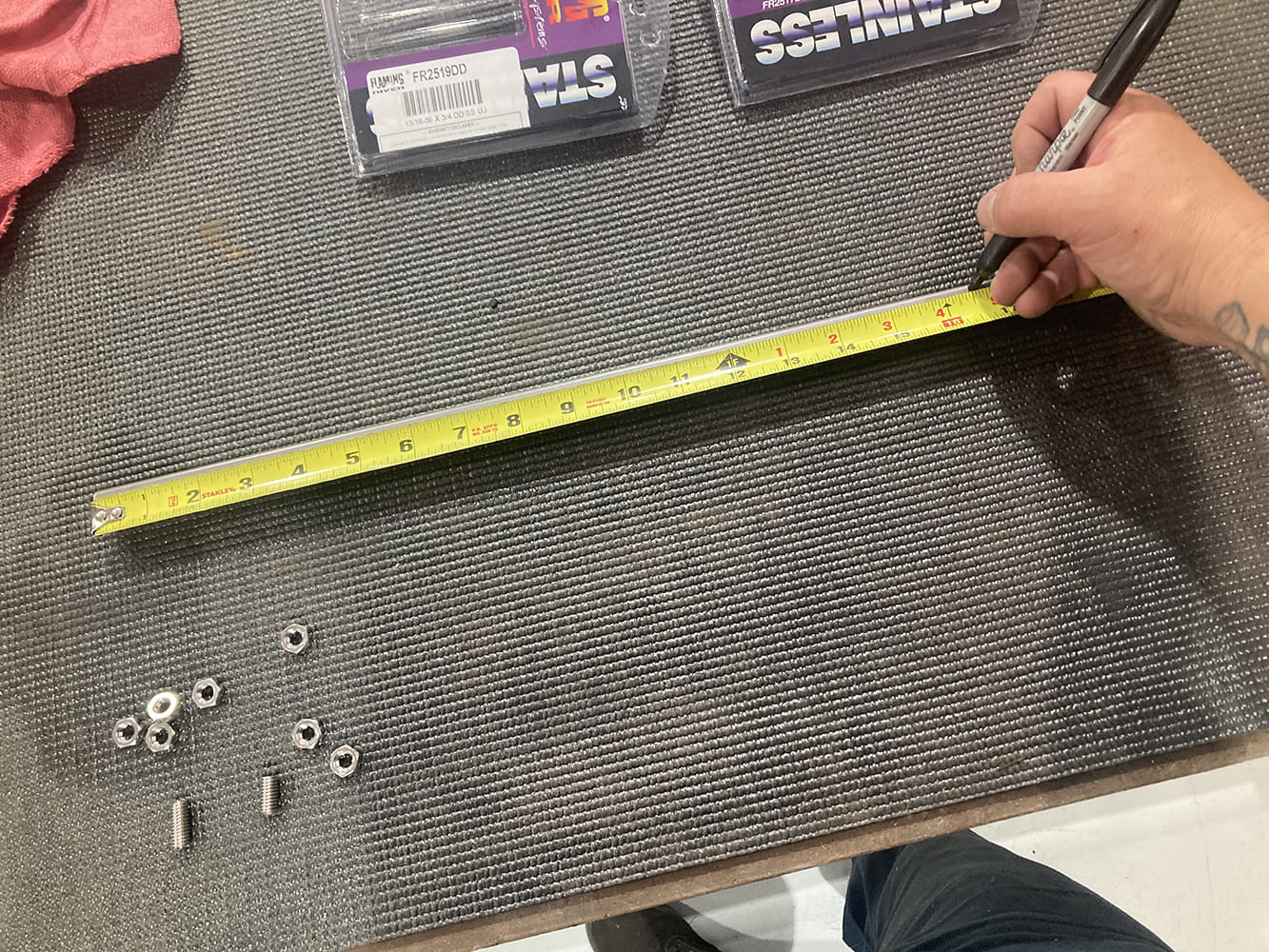
Literally beginning at the beginning—installing a Flaming River tilt column in this 1964 GTO was a relatively simple task at this stage. Can’t damage anything other than the column!
Upgrading a classic muscle car isn’t unfamiliar territory to those who follow what we do here at Modern Rodding. In fact, it’s probably one of the most popular topics of conversation around the watercooler when discussing the various projects in and around the In The Garage Media Tech Center. Recently, we’ve been assisting our buddy Mike Hannah with his 1964 Pontiac GTO project. Hannah had already handled the basics: brakes, steering, suspension, carbs, and ignition, so the old goat was dialed in pretty well. However, it was in need of a new wiring harness, lights, brightwork, gauges, interior, and paint. Long story short, the mechanical side of the car was solid, but comfort and appearance were two areas where the GTO was woefully lacking.
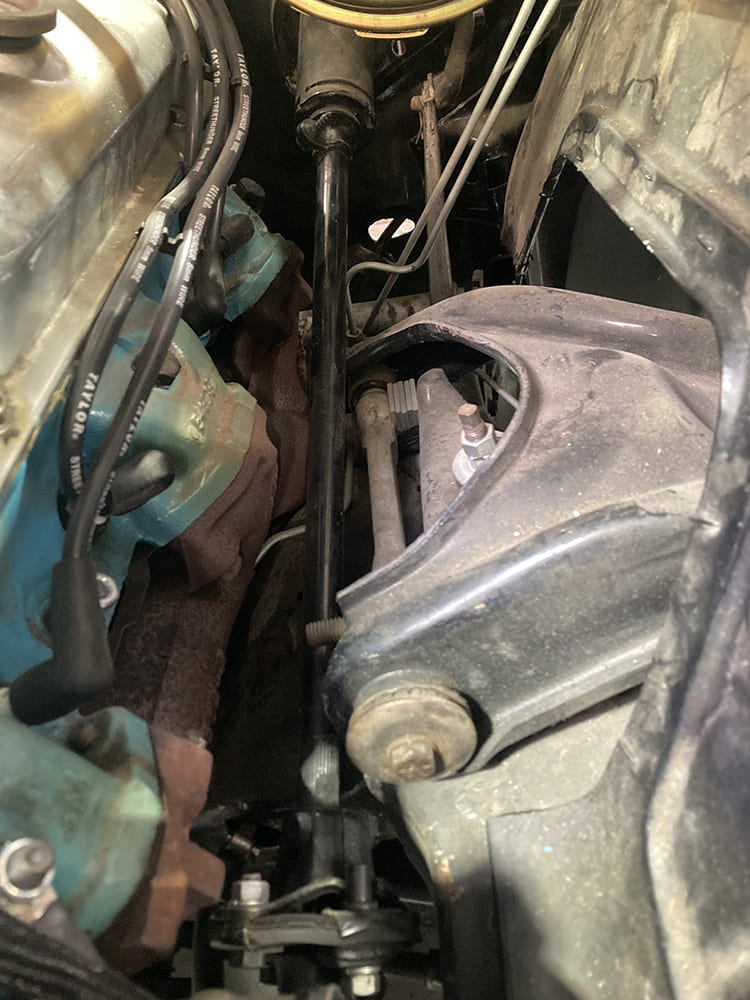
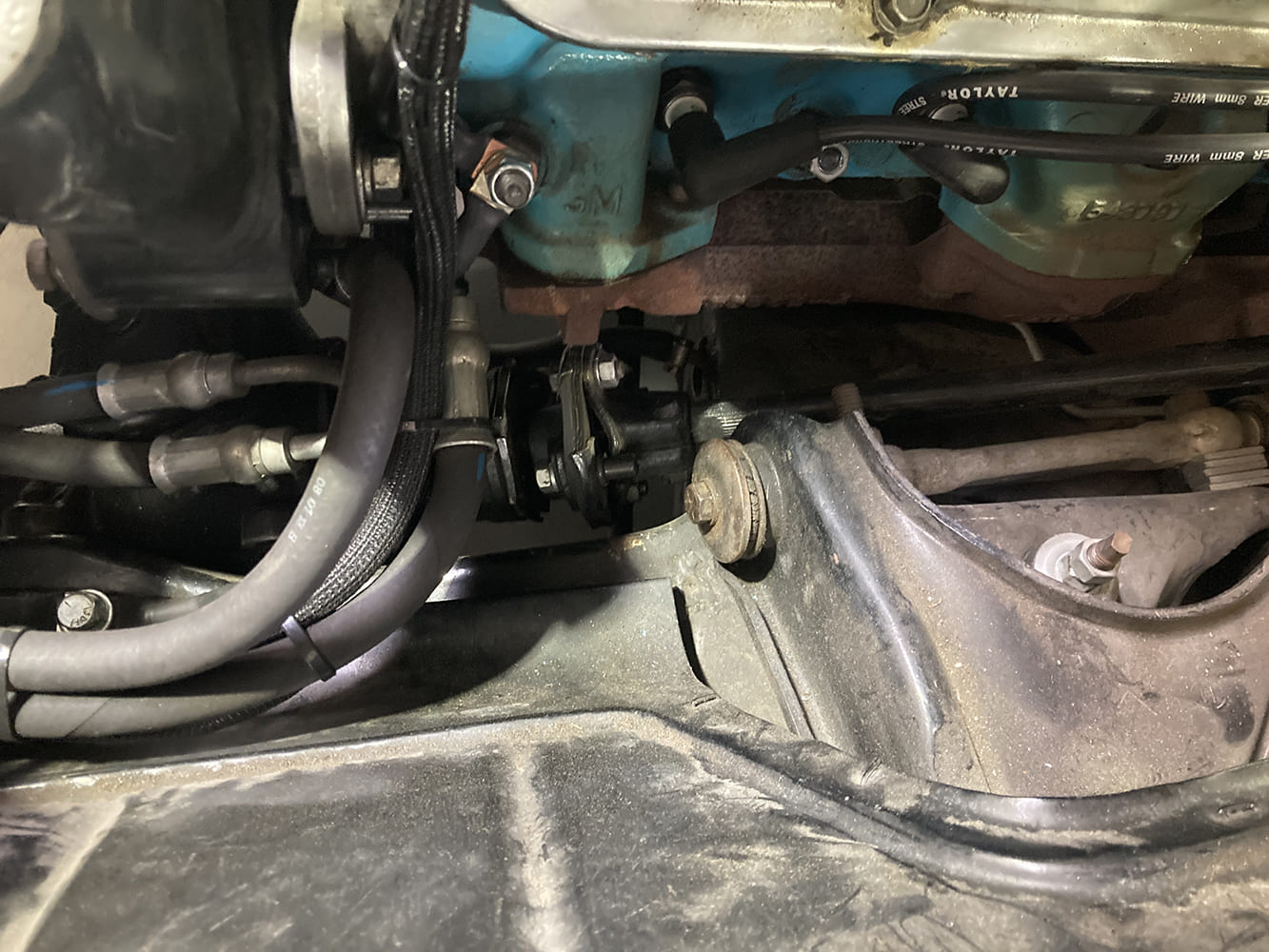
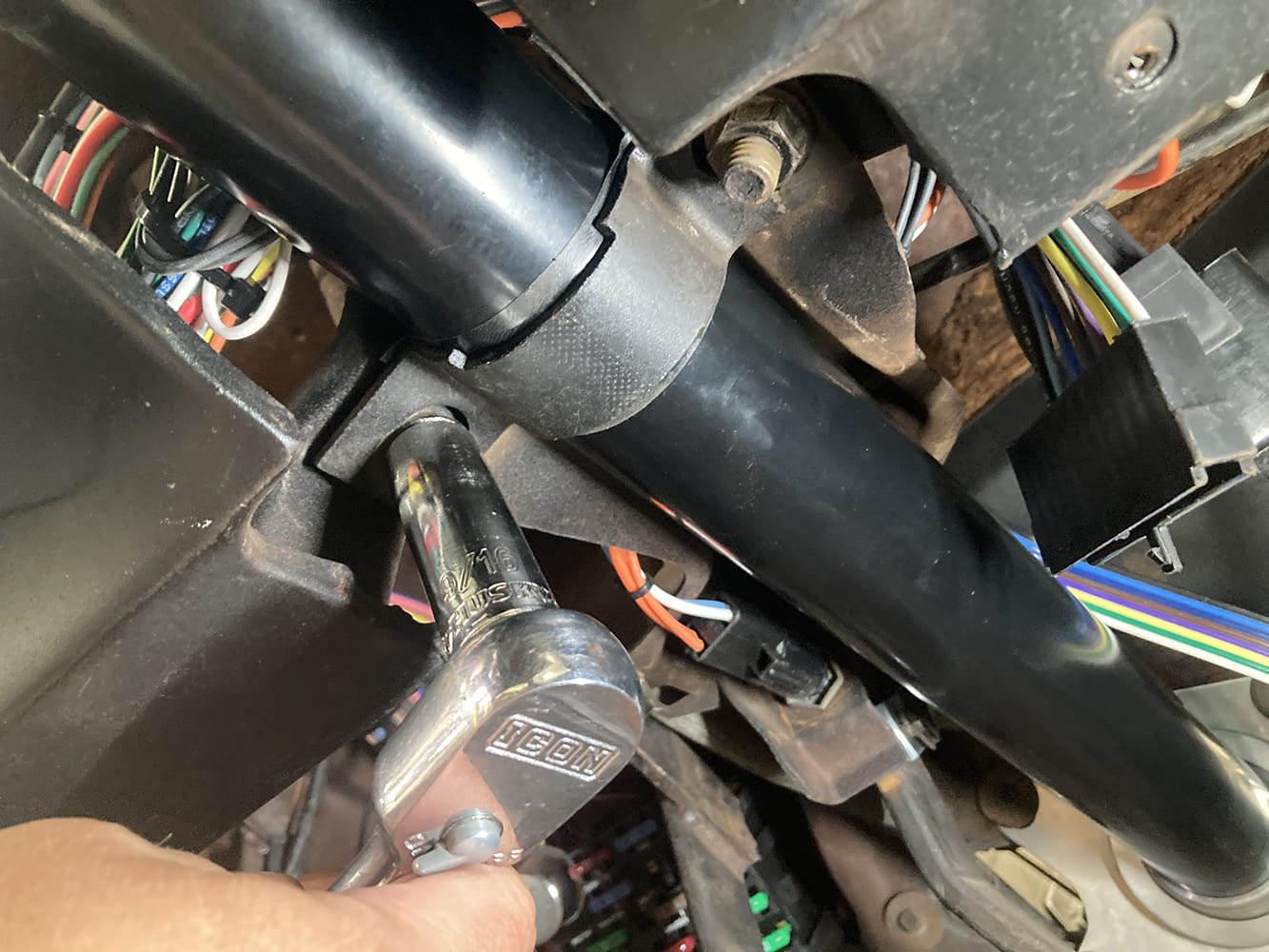
The first step in replacing the old steering column with the new one is to loosen the pinch bolt that secures the rag joint to the steering shaft.
To get Hannah’s Poncho up and running reliably, we first tackled the wiring requirements. While we were doing that job, however, we noticed that the original steering column had some internal issues related to the turn signal circuits and felt flat and worn out. Sloppy steering does not inspire confidence when it comes to driving a classic car, so we decided to not only replace the old steering column but to also enhance the level of comfort.
In the distant past, upgrading to a tilt steering column meant a trip to the junkyard with your fingers crossed, hoping to find one that was not only the correct length but also not completely worn out. The results were usually marginal at best, requiring a handful of modifications and a bit of imagination to make everything work. However, in more recent years (over 30!), Flaming River has successfully guided car enthusiasts in a more reliable direction, offering a variety of columns and steering components for nearly every classic car imaginable.
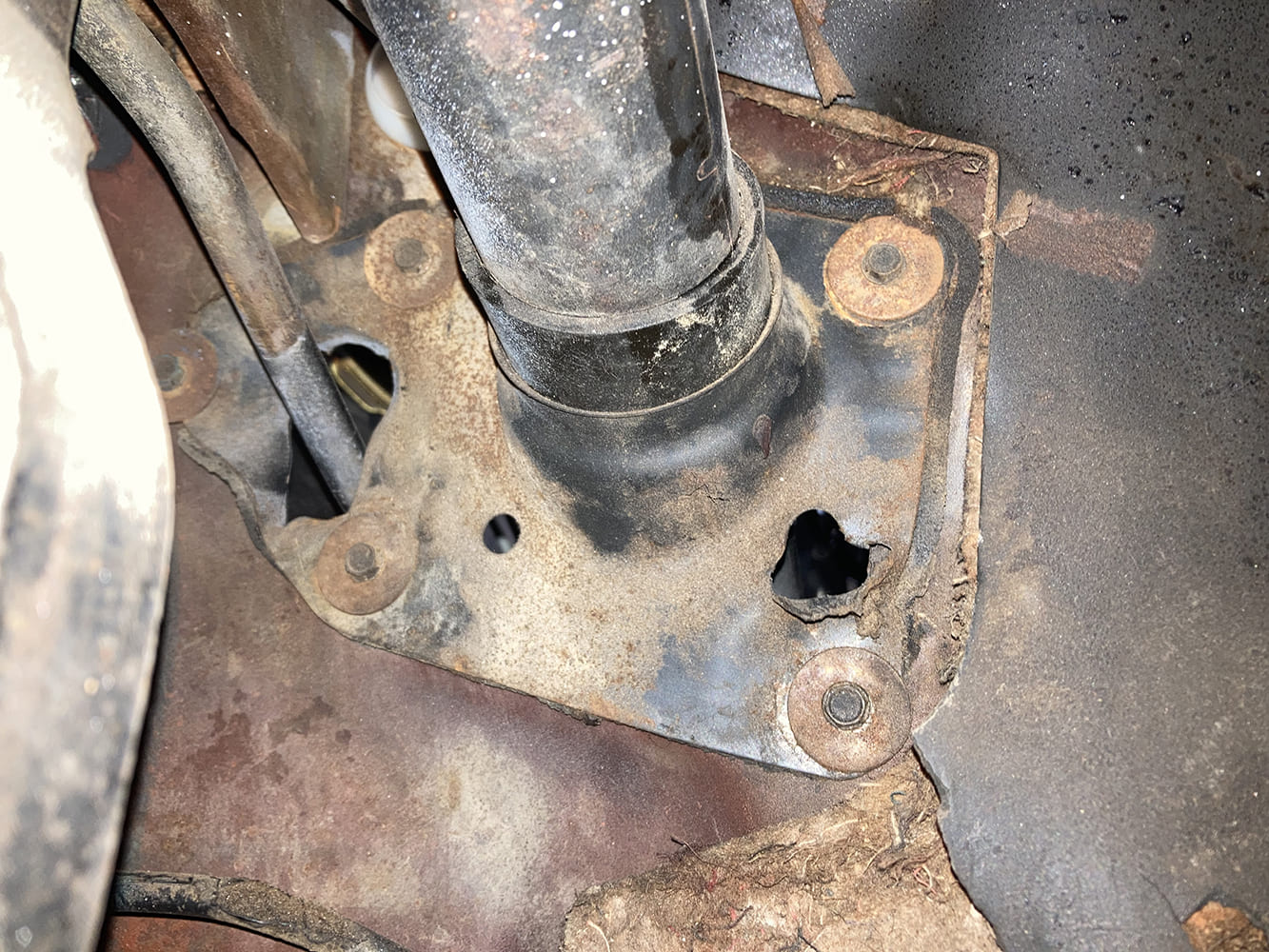
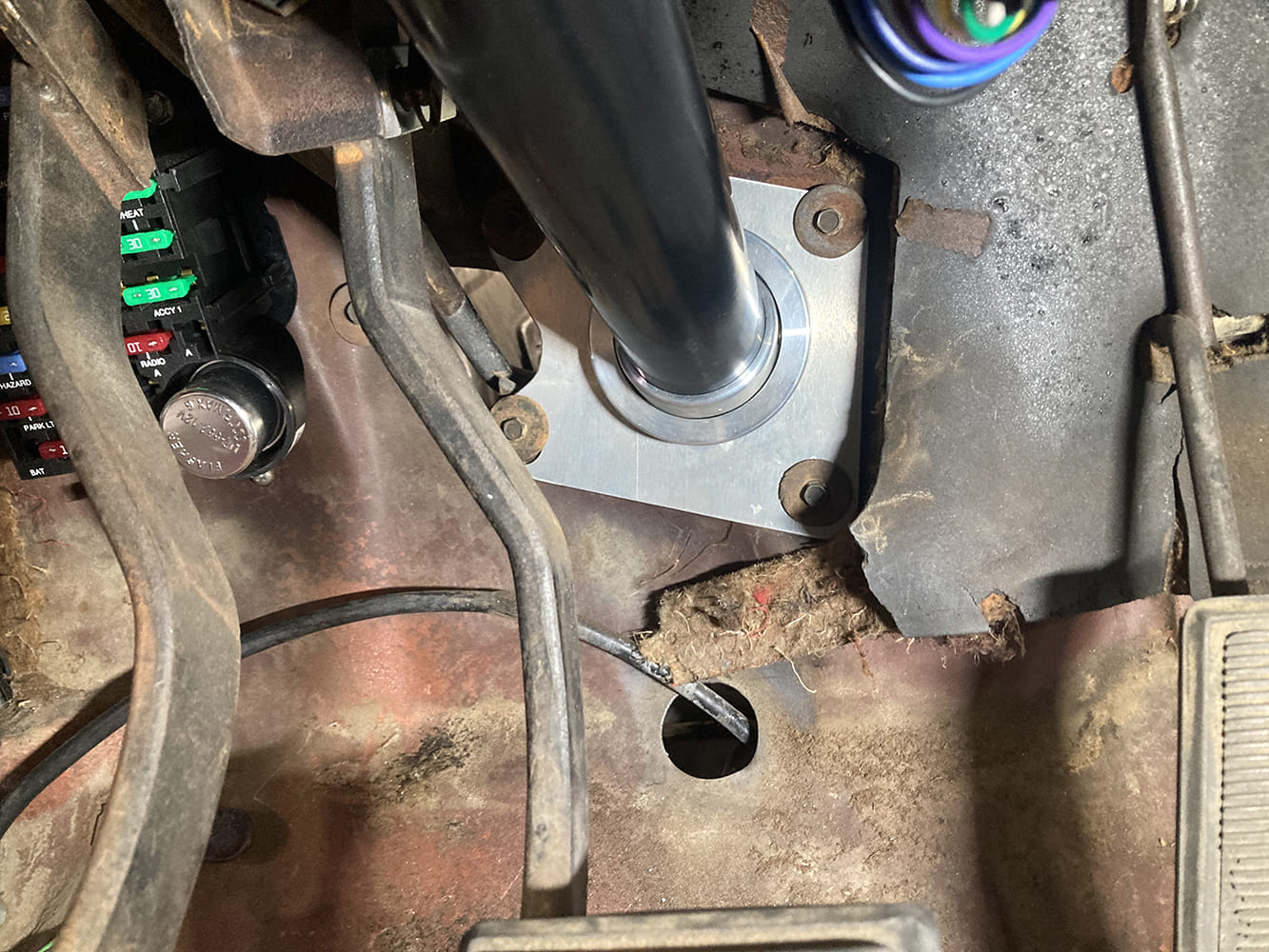
Next, remove four fasteners to separate the floor mount from the firewall.
The decision to replace the original steering column was an option that left us with no alternative; however, upgrading it to a new tilt column was something we hadn’t previously considered, although we welcomed the idea. The decision to order a brand-new tilt column from Flaming River, powdercoated black to boot, left us with no other option; it simply made sense. Additionally, with the inclusion of the necessary components available from Flaming River to make the column a straight bolt-in job, it couldn’t be easier. MR
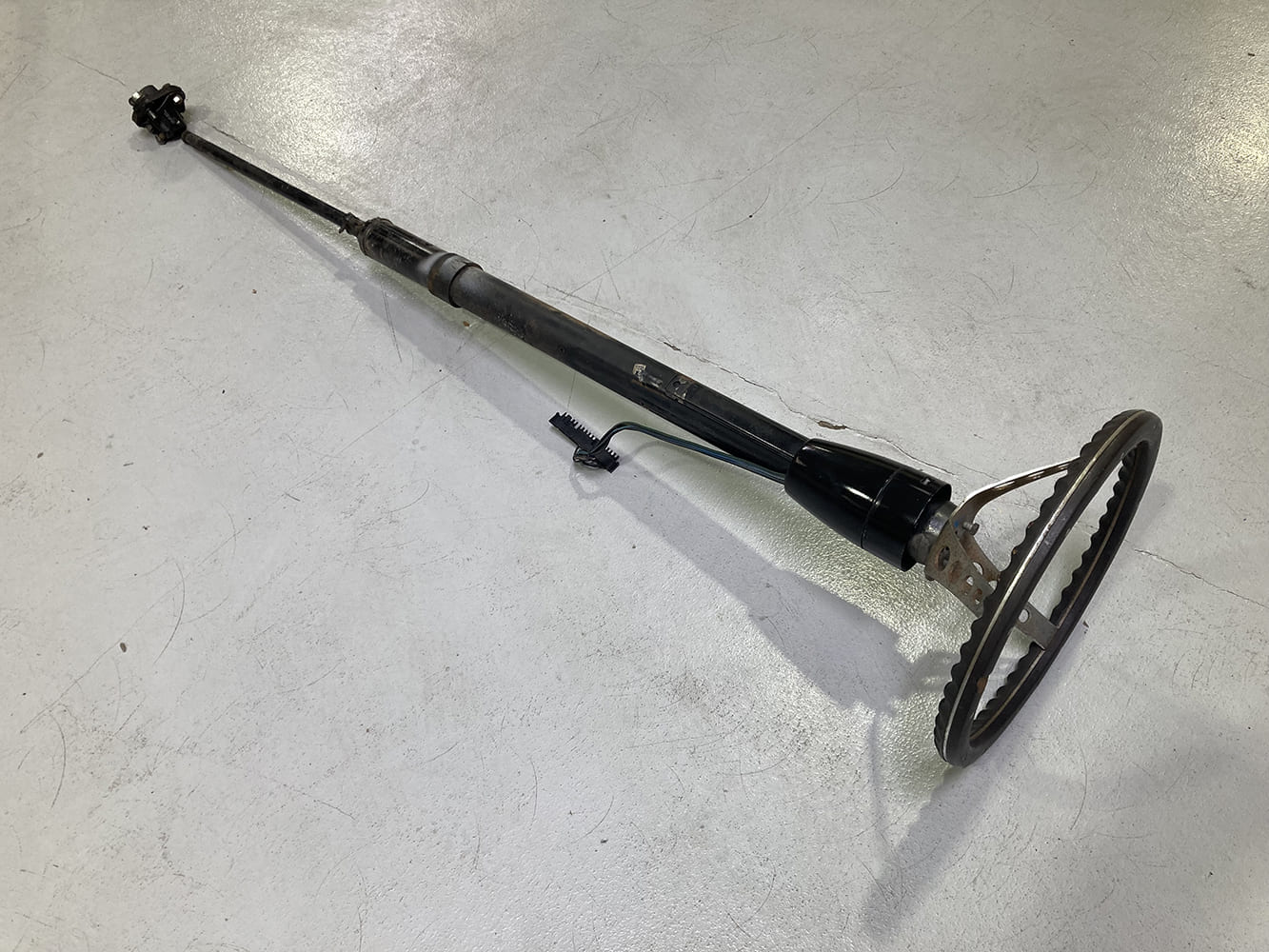
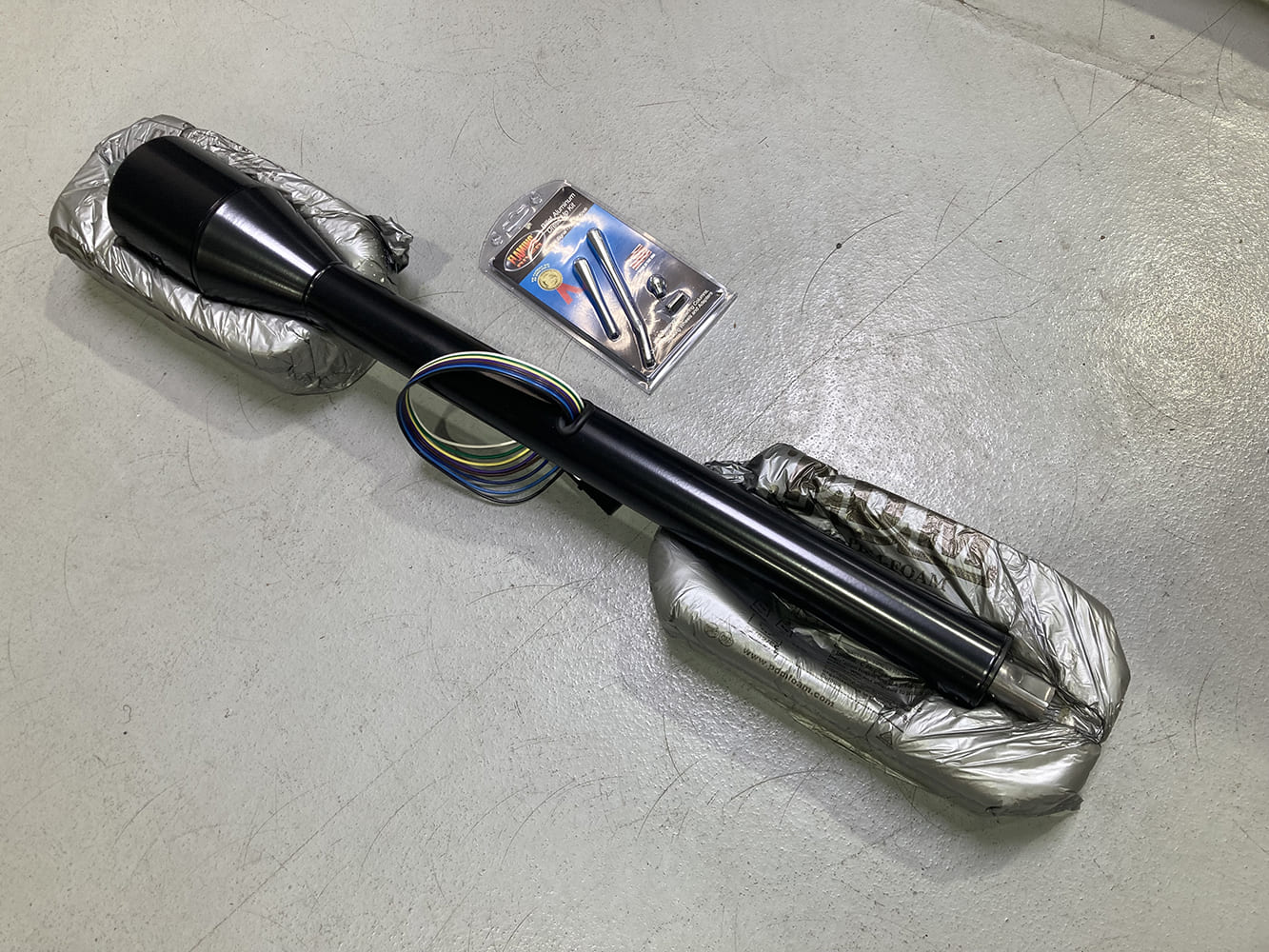
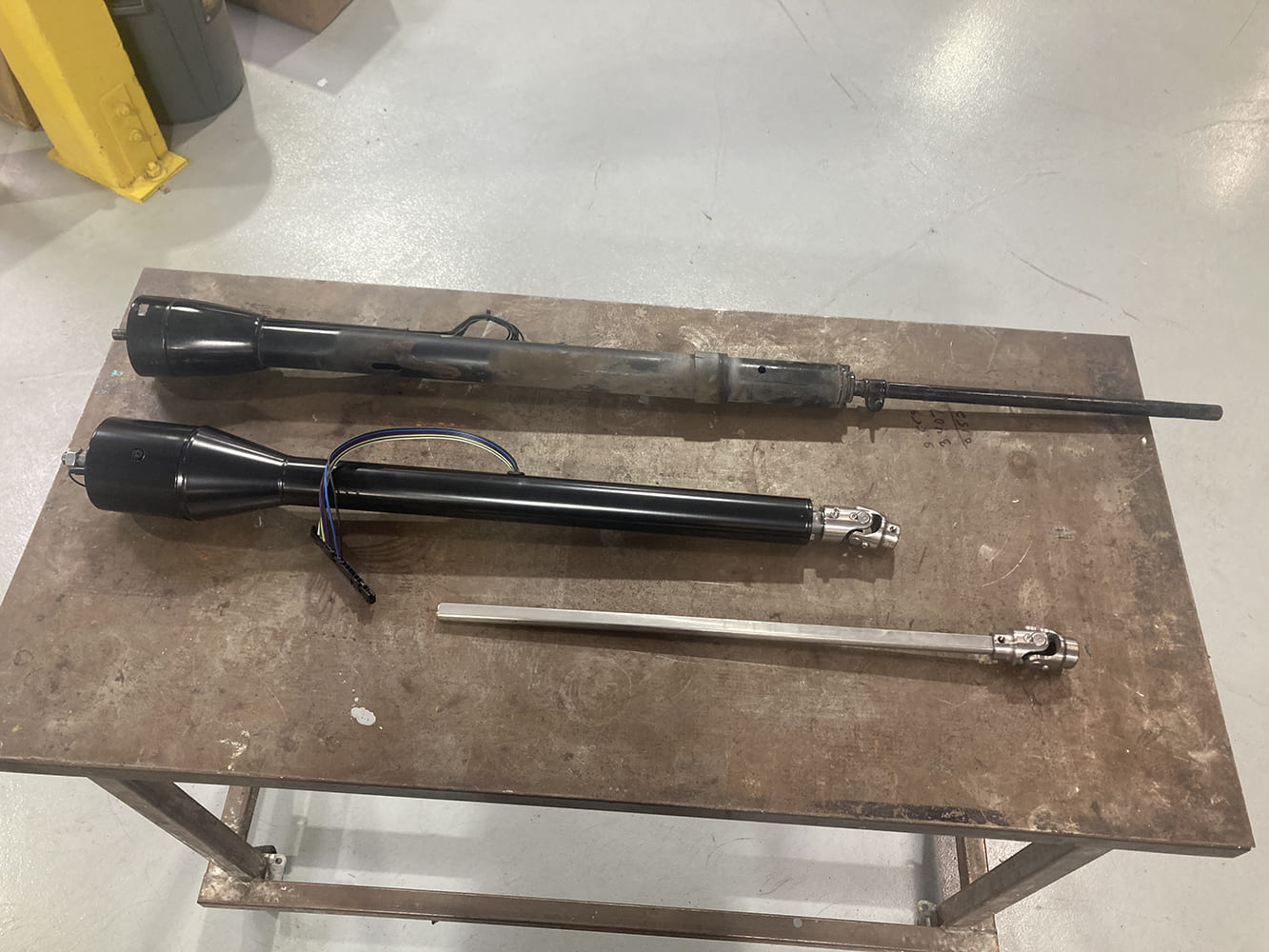
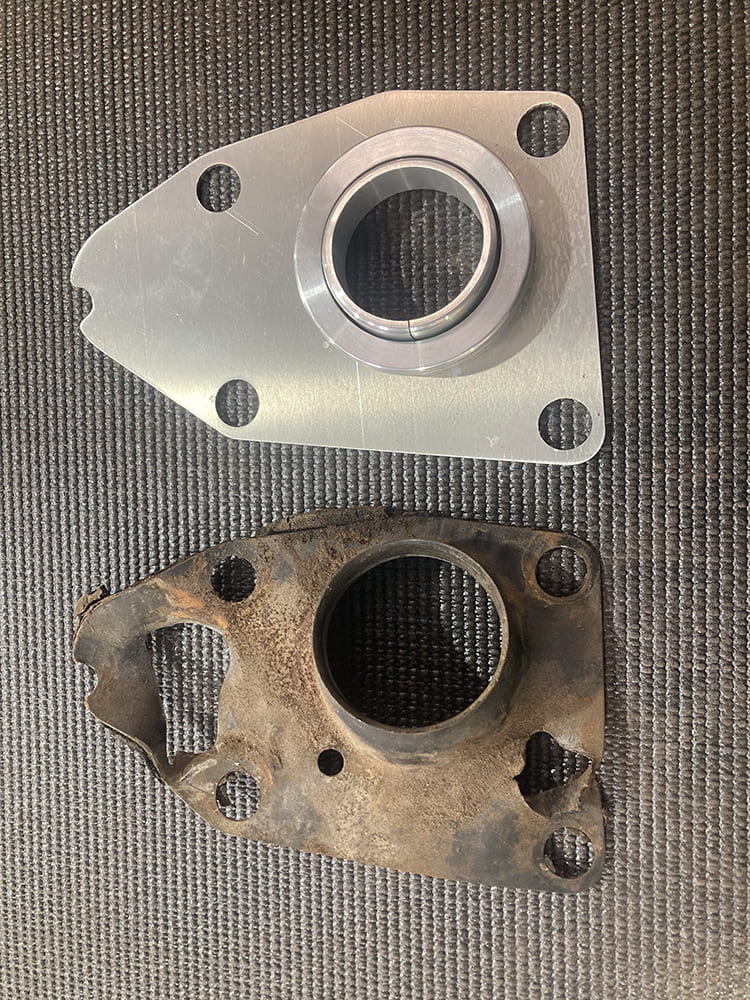
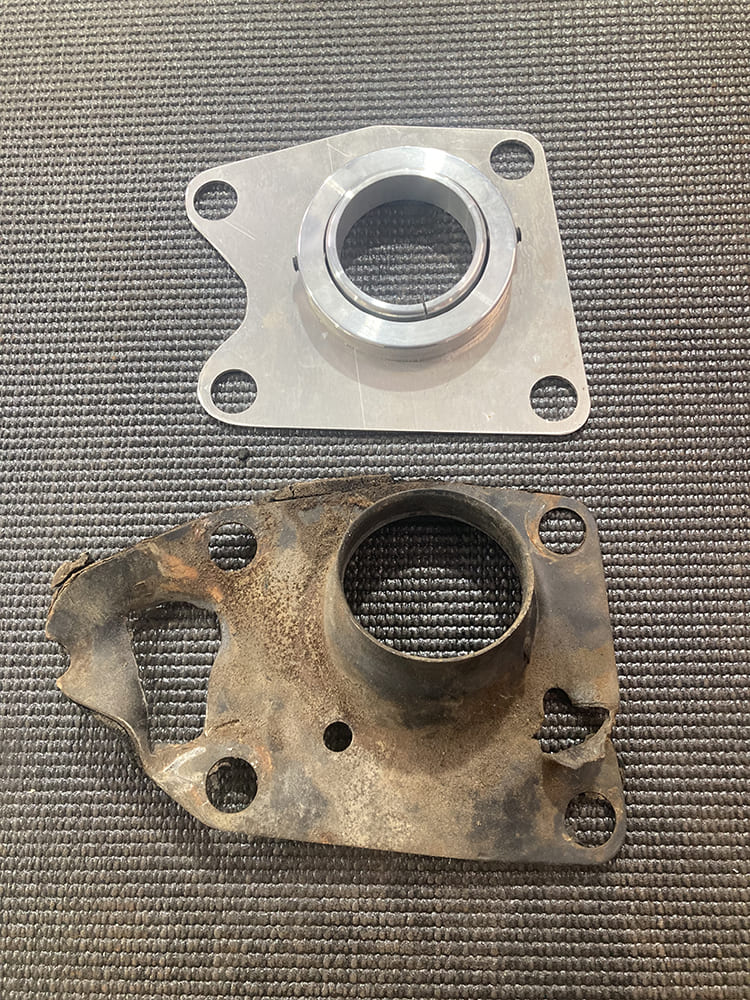
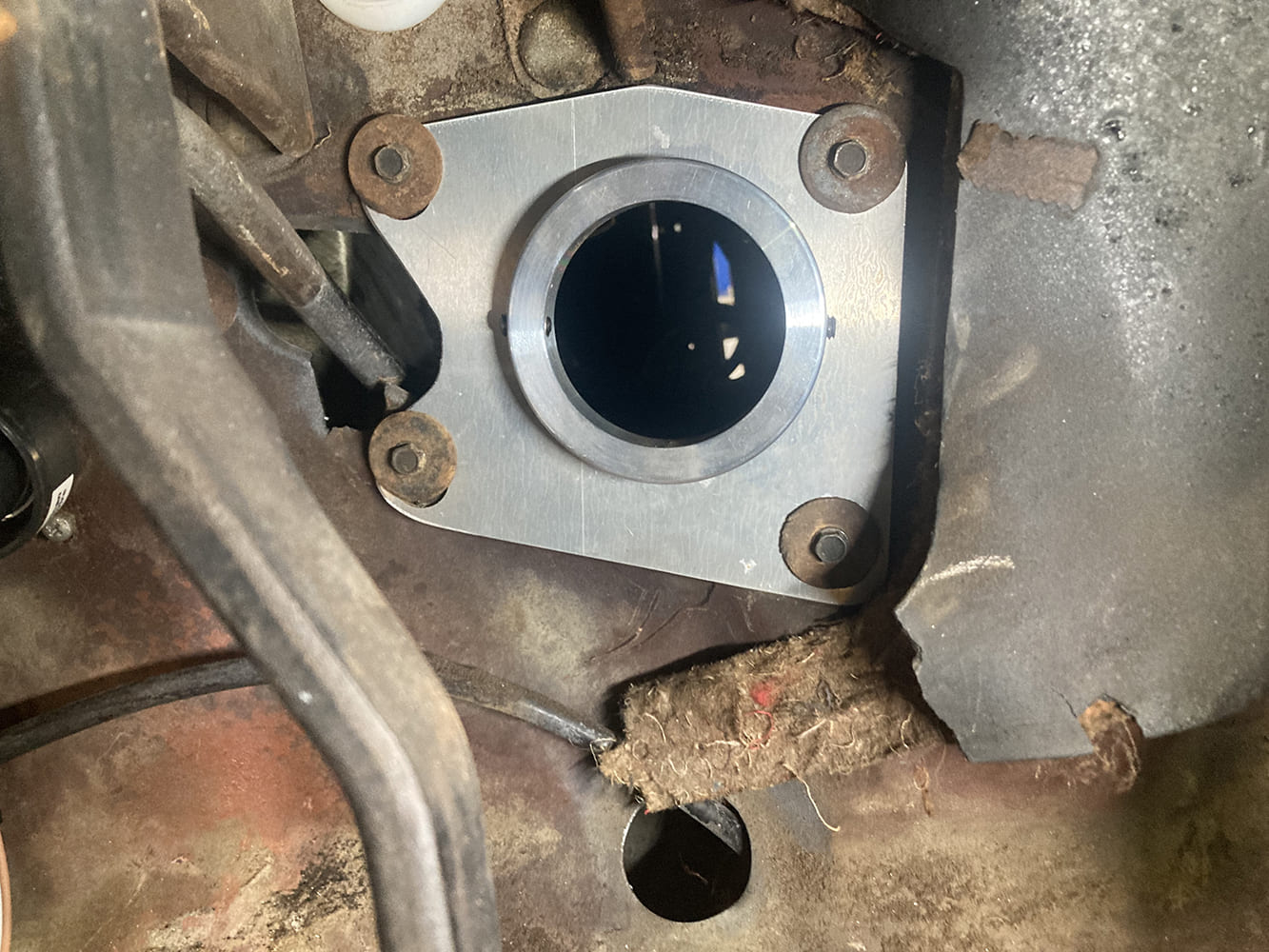
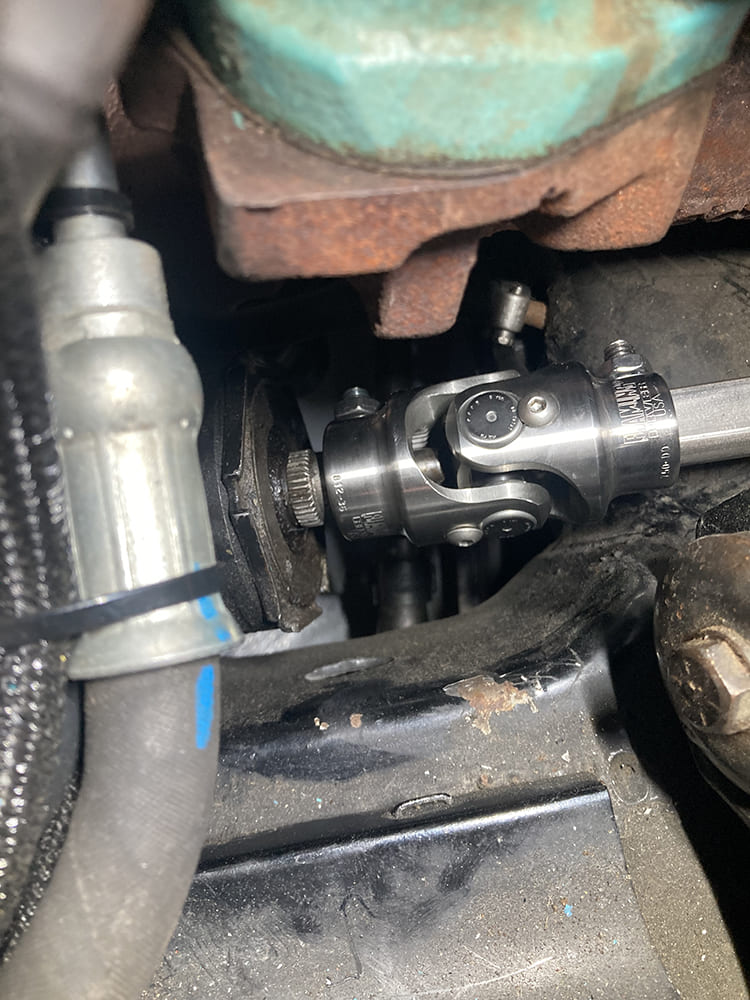
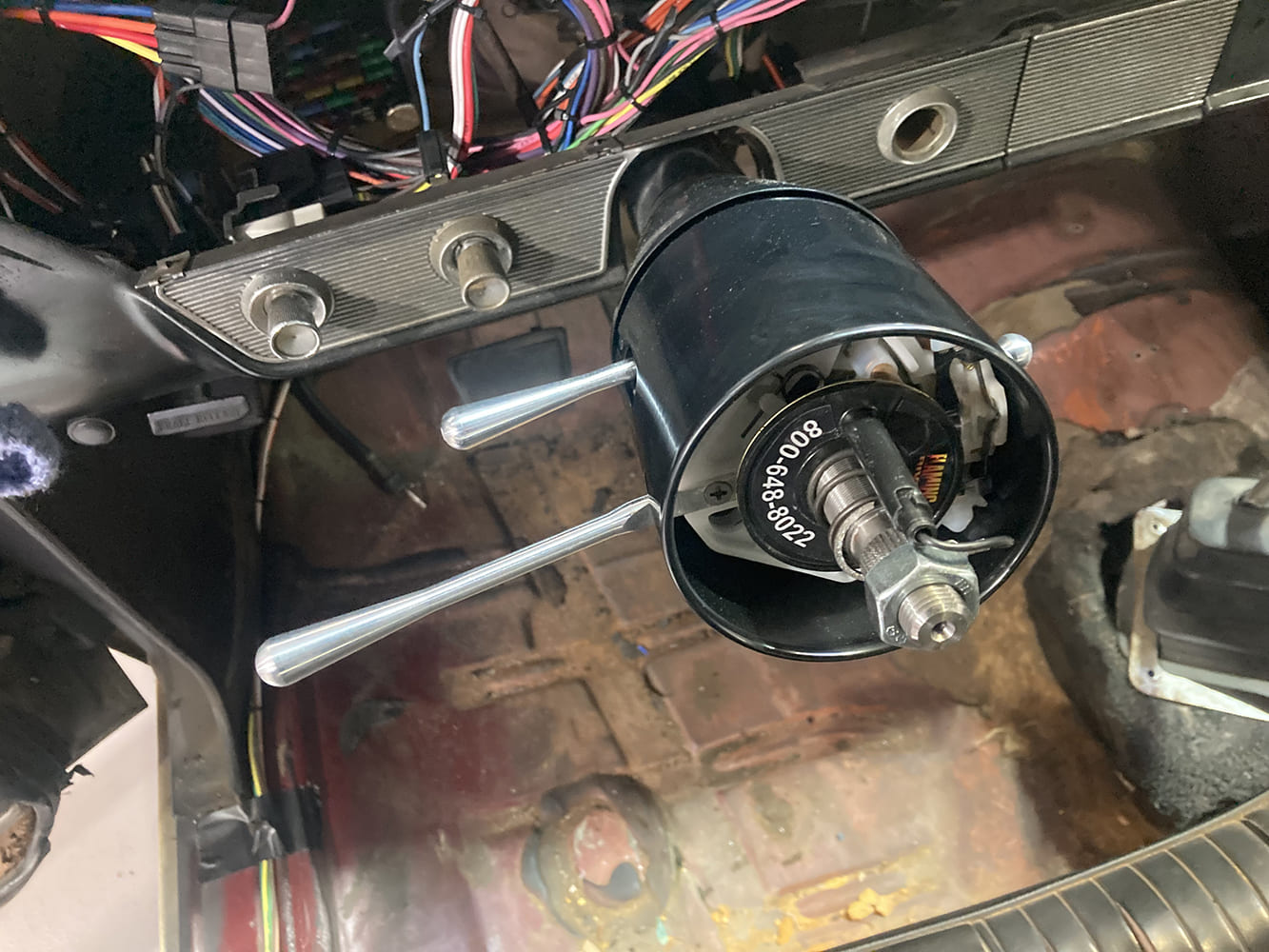
Two additional fasteners secure the upper column support to the bottom of the dash rail, offering support to the upper part of the steering column.Once the upper column support is removed and the turn signal wiring harness connector is disconnected, the column assembly can be taken out of the vehicle.Here’s the original steering column, shaft, and rag joint assembly.A closer look at the rag joint that connects the steering shaft to the input shaft of the steering box reveals the two pinch bolts that secure everything together.A brand-new, 30-inch tilt steering column from Flaming River (PN FR20005BK) will replace the worn-out steering column in Mike’s GTO. Constructed from 304-grade stainless steel with brand-new internal components, we chose the floor shift version in black powdercoat.Instead of connecting the column to the box with an extended steering shaft, our installation requires a length of polished stainless ¾-inch DD shaft and a pair of universal joints to link the new column to the steering box. Flaming River offers these components as a kit (PN FRUJKT6SS), eliminating the guesswork. The kit includes a 22-inch-long, ¾-inch DD stainless shaft and a pair of stainless steel U-joints (1-inch DD x ¾-inch DD for the column end and a 13/16-36 spline x ¾-inch DD U-joint to connect to the stock steering box).The stock floor mount in the GTO has seen better days, so it was decided to replace it with a new, upgraded item from Flaming River (PN FR20101CH). The new swiveling floor mount allows for easy positioning of the column, regardless of the installation angle.A bit of trimming was required to ensure the clutch linkage has plenty of space.
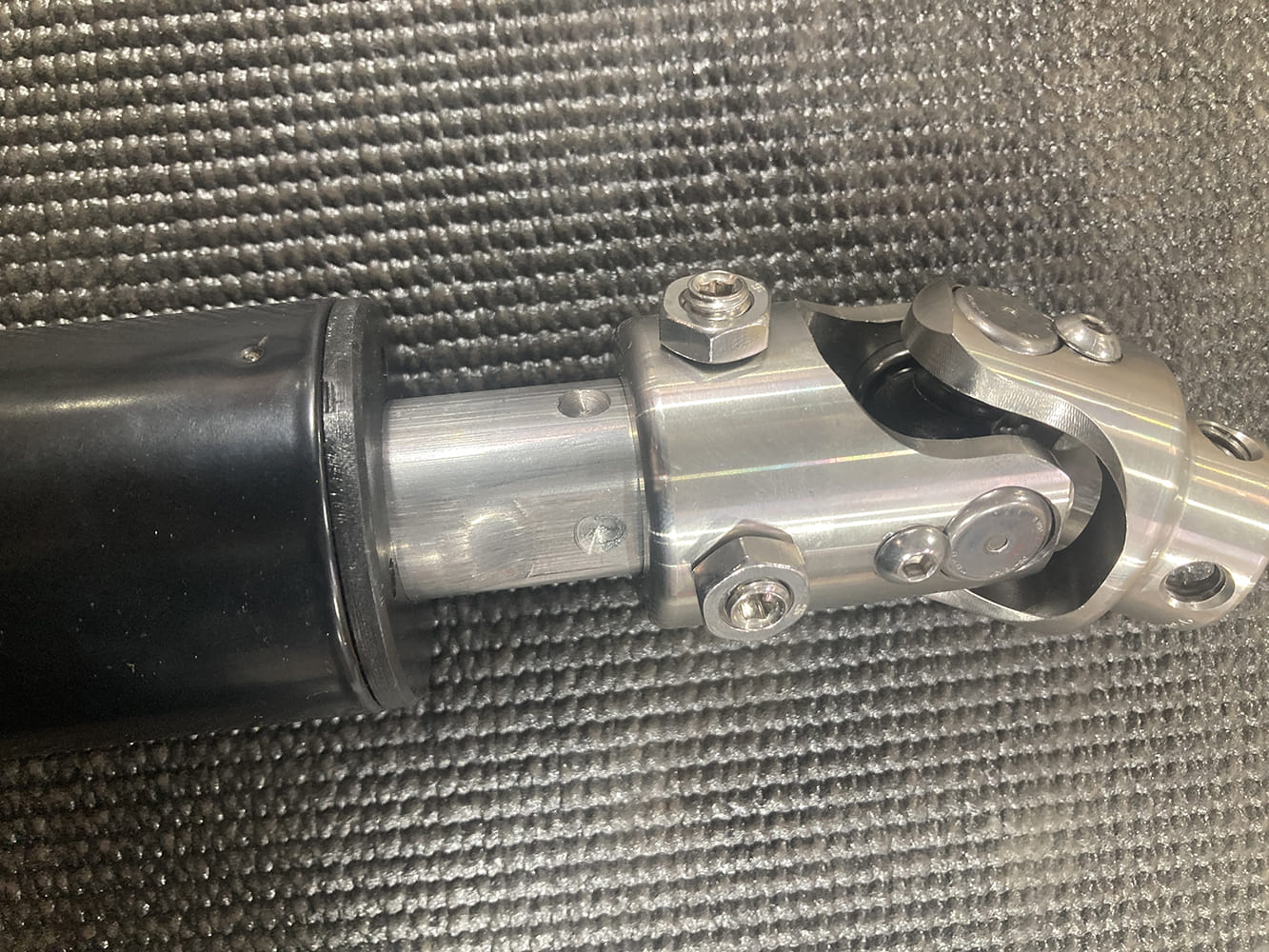
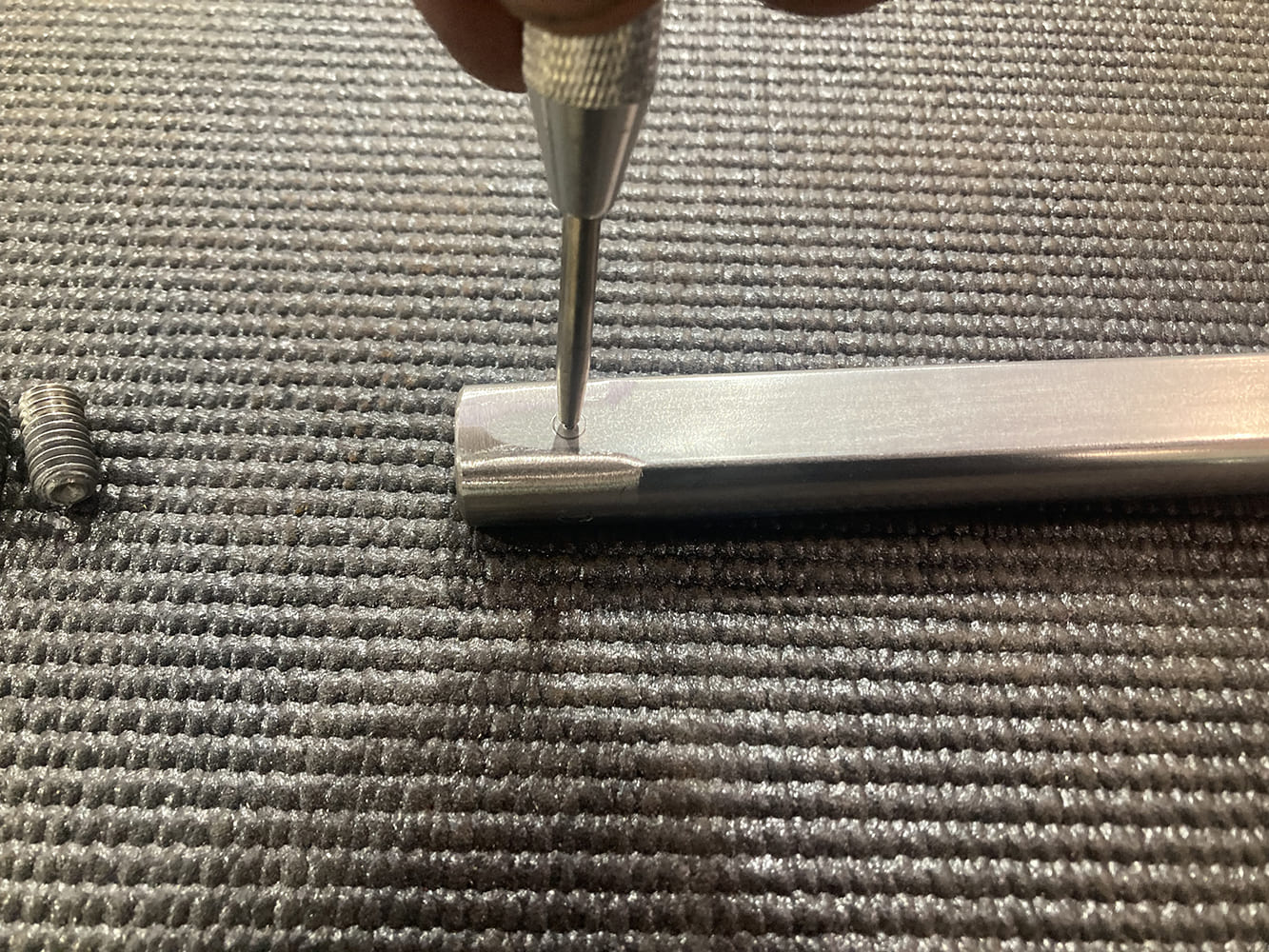
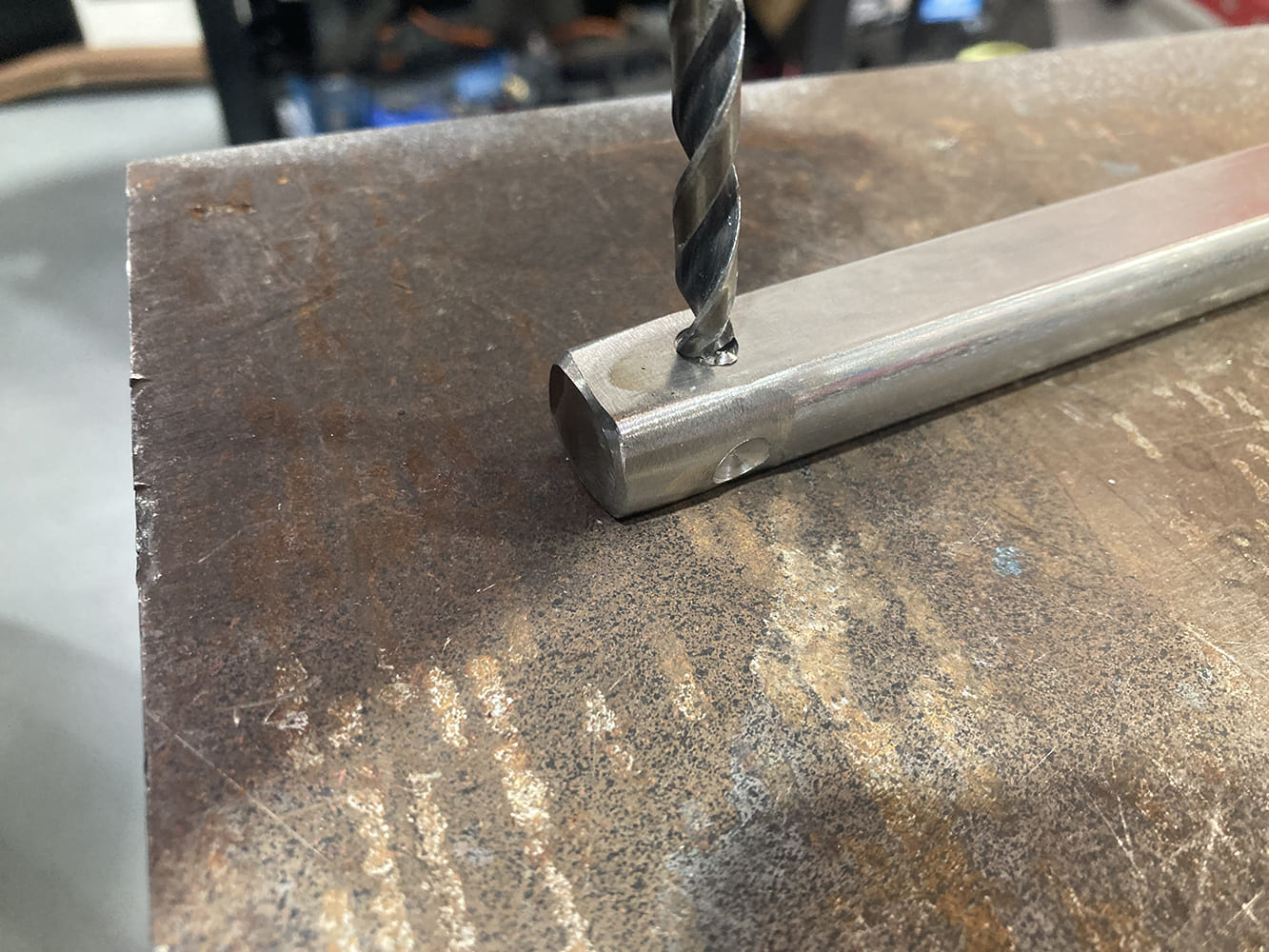
Before installing the steering column, we temporarily attached the U-joint and tightened the setscrews. This marks the output shaft of the steering column, allowing a pair of dimples to be created using a ¼-inch drill bit. This process ensures that the setscrews of the U-joint achieve better engagement with the shaft.Proper installation of a U-joint ensures that the end of the steering shaft is flush with the inner edge of the connected half of the U-joint. This permits complete articulation of the U-joint without binding or contacting the steering shaft.
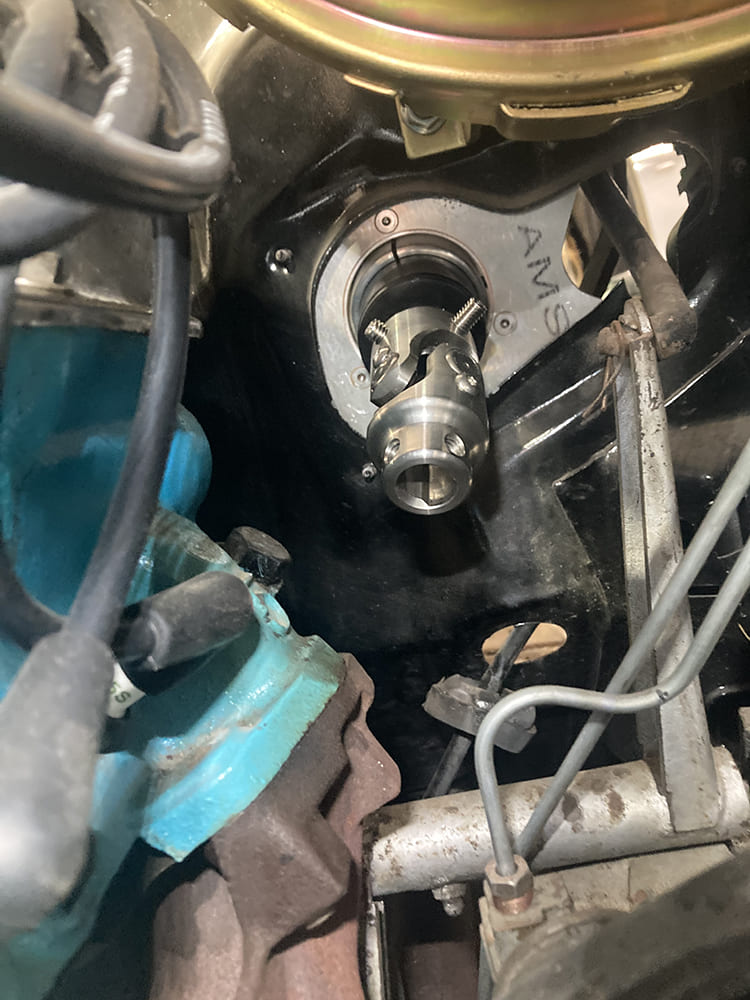
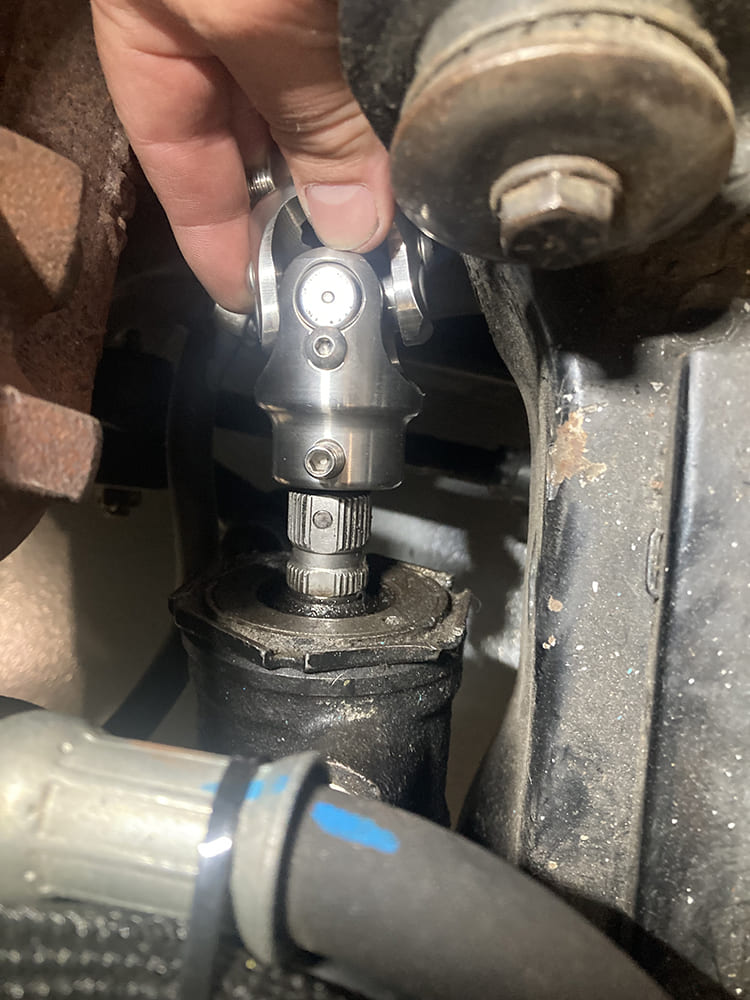
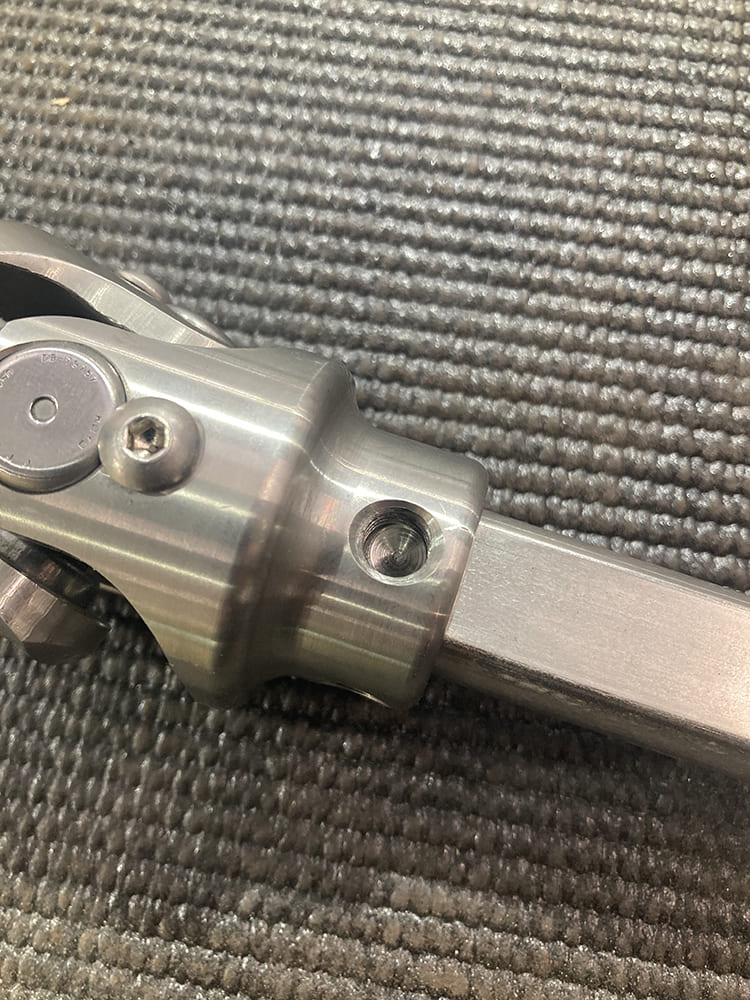
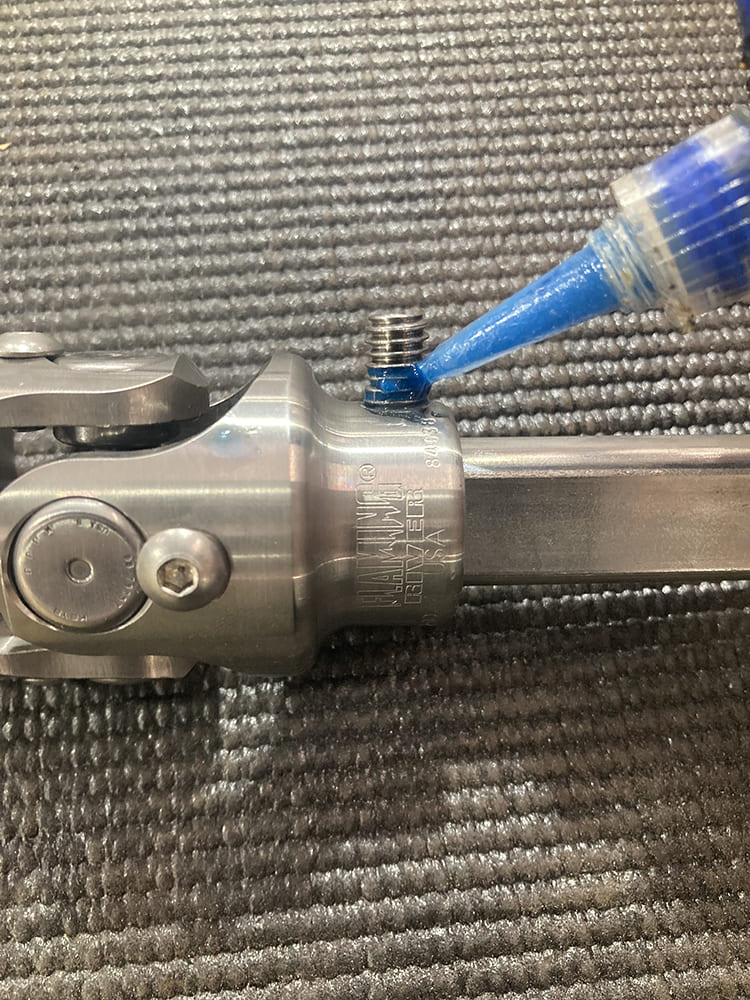
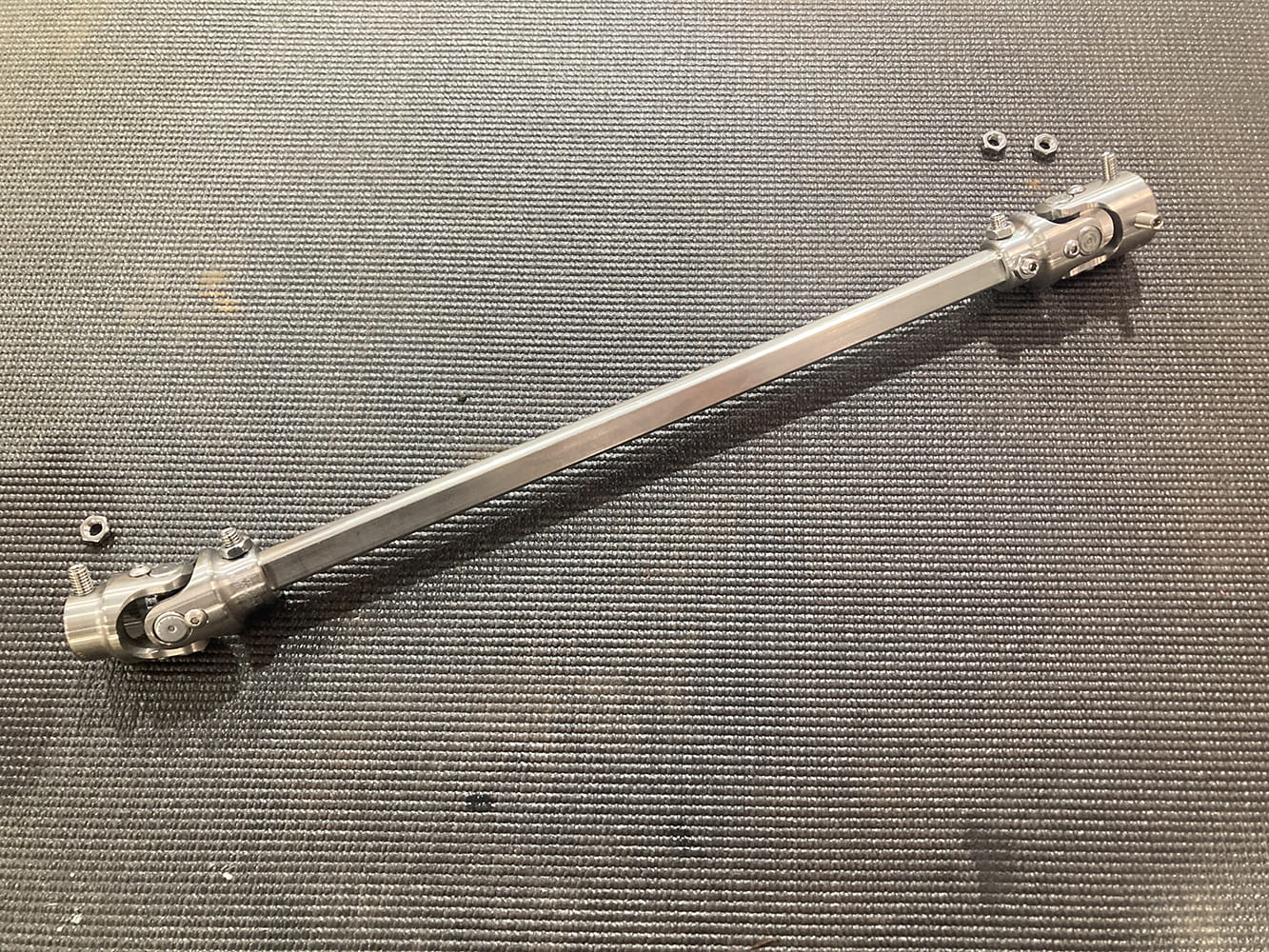
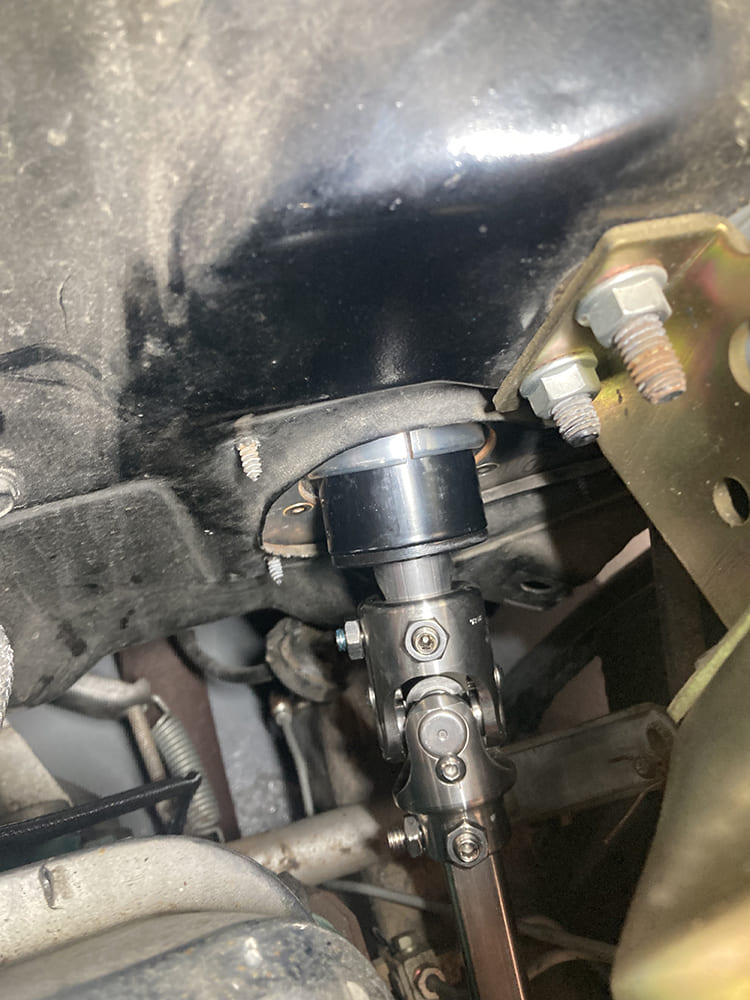
With the column prepped, it’s time to position it. Slide the floor mount up about an inch from the bottom of the column and loosely install it, along with the dash mount. Once the final position of the column is set, the dash mount fasteners are tightened, and the steering column wiring harness is connected to the vehicle.… and the floor mount secured to both the firewall and the column.On the other side of the firewall, the 1-inch DD x ¾-inch DD U-joint is temporarily installed.The 13/16×36 x ¾ DD joint on the steering box input shaft features a flat on the input shaft, which aligns with the location of the setscrew. This stands in contrast to the dimpling method utilized on the DD shaft.With the two opposing U-joints in place, we can now measure the length needed to cut the ¾-inch DD shaft. Remember that we don’t want the shaft to protrude into the knuckle area of the U-joint.The shaft is then marked for length before it is cut on a chop saw and deburred.Both U-joints are temporarily installed, one at each end, allowing the shaft to be dimpled for setscrews.Dimpling the shaft after the setscrews have marked their position is done by center punching each location.Before the actual dimple can be made, a ¼-inch drill bit is used.Here, you can see how the setscrew will align with the dimple in the shaft once it is installed.Each setscrew gets a dab of thread locker before final installation.Here is the intermediate shaft assembly, complete with both U-joints.Installing the intermediate shaft assembly is relatively simple, but it may require a second set of hands depending on whether the steering column needs to be moved up to accommodate it or not.A closer look at both U-joints reveals plenty of clearance between the shaft and each joint, allowing the U-joint to move through its entire range of motion.
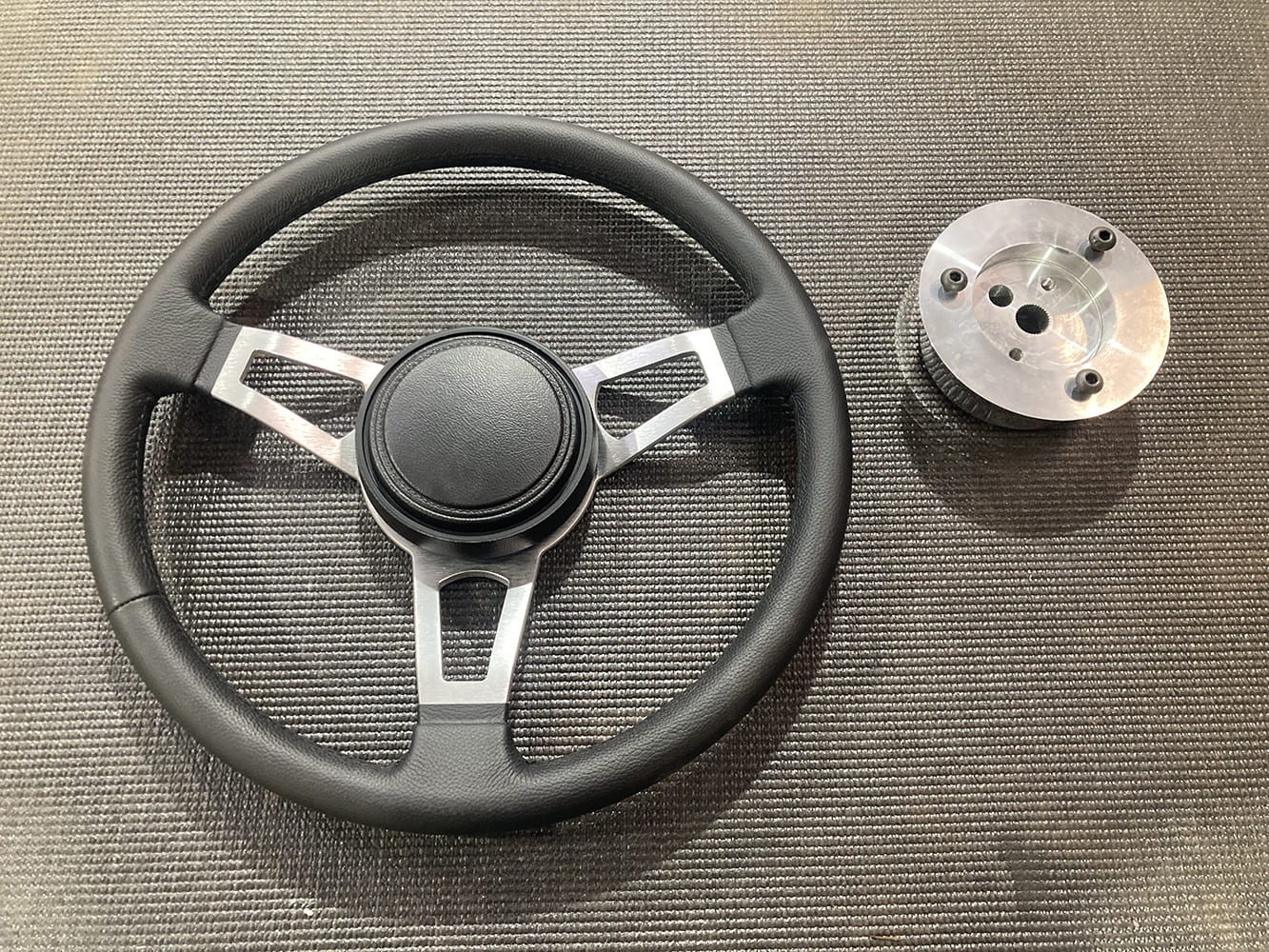
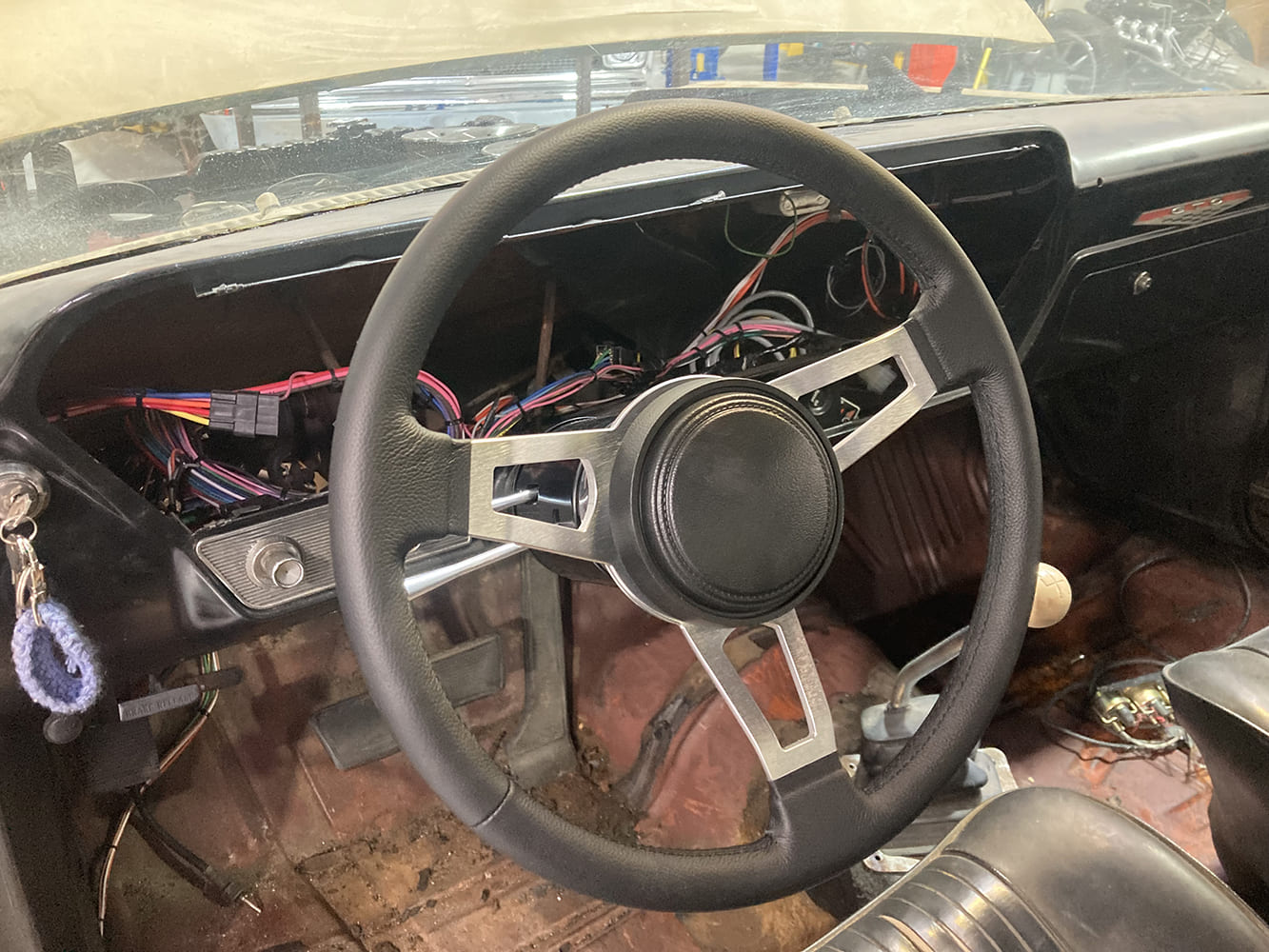
With our steering connections complete, it’s time to return inside the GTO to prepare the column for the steering wheel installation. Note that the hazard button, turn signal, and tilt levers have been installed, along with the canceling cam, which will be positioned between 10 and 11 o’clock.Topping off our new steering components is a fitting 14-inch Mopar Tuff Wheel from Flaming River (PN FR20161S). We will mate the wheel to our tilt column using a Flaming River steering wheel adapter (PN FR20161AD).The resulting steering column and wheel complement the GTO’s muscle car vibe while adding modern comfort and convenience that only a tilt steering column can provide.
We use cookies to ensure that we give you the best experience on our website. If you continue to use this site we will assume that you are happy with it.