


By Ron Covell – Photography By BBT Fabrications
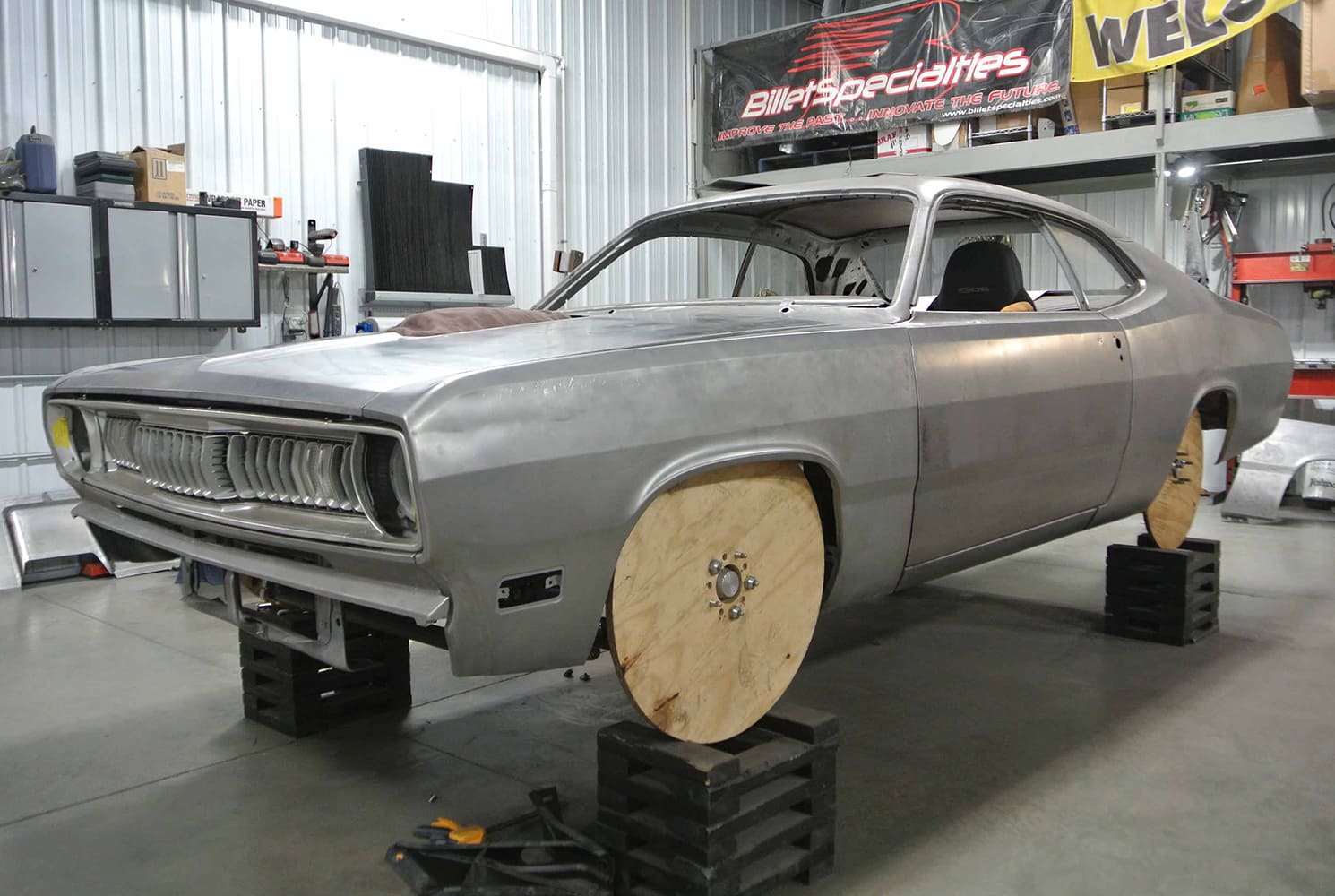
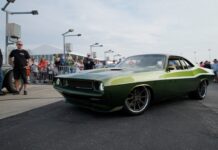
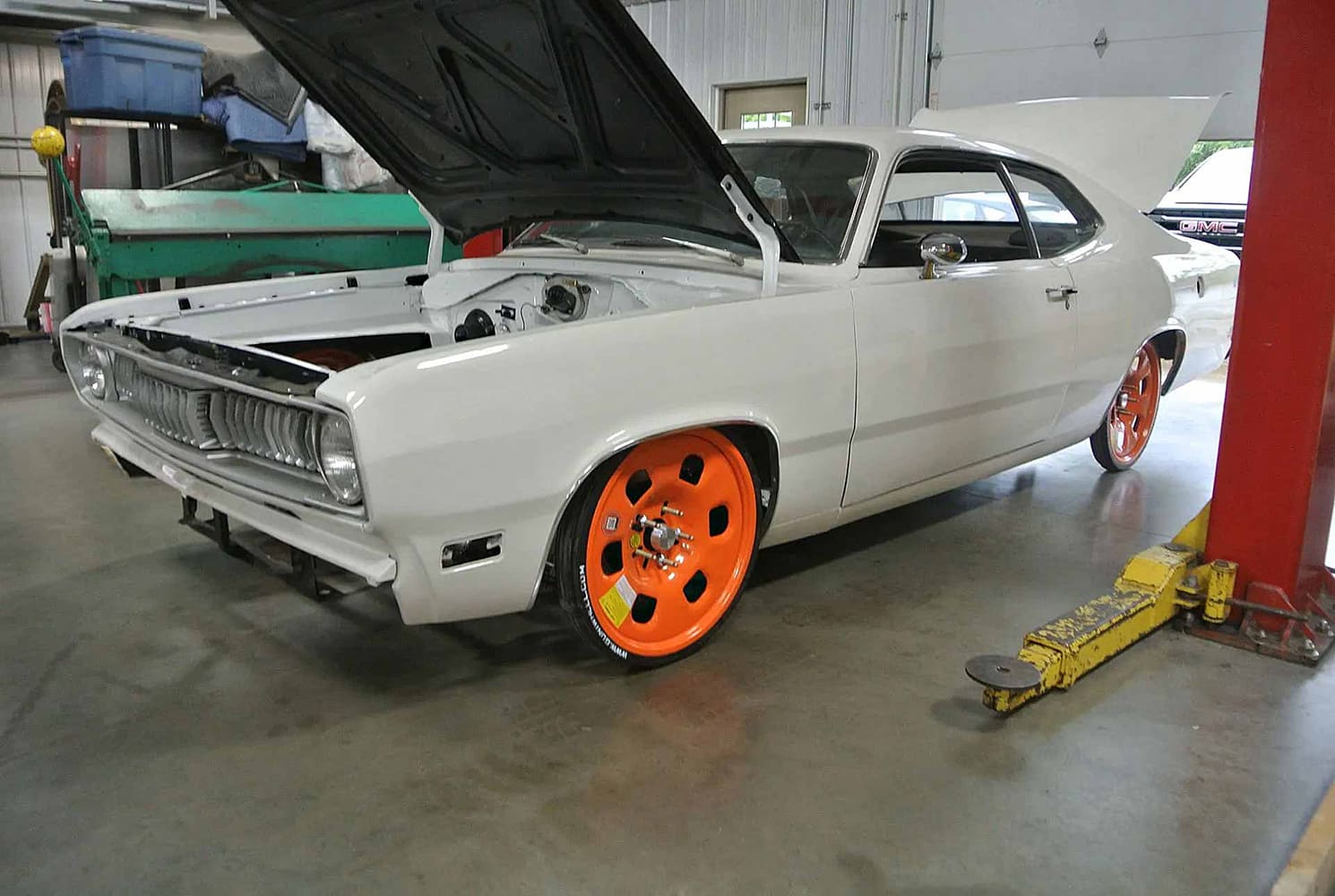
BBT Fabrications has built quite a reputation for creating over-the-top performance car projects. For this project, they are building a car for their customer Jordan Dustin, featuring a Chrysler Hellcat engine that they squeezed into a 1971 Plymouth Duster.
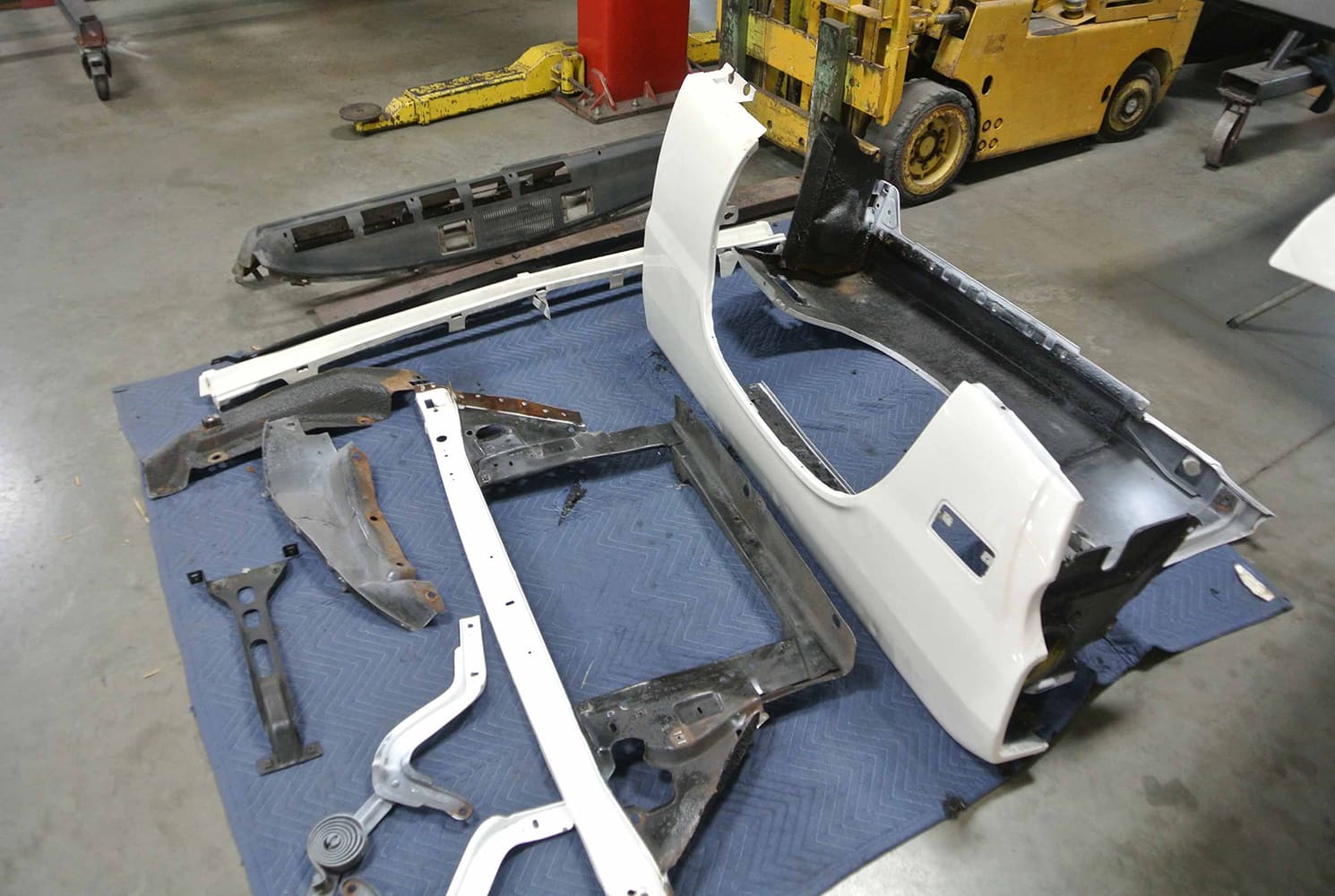
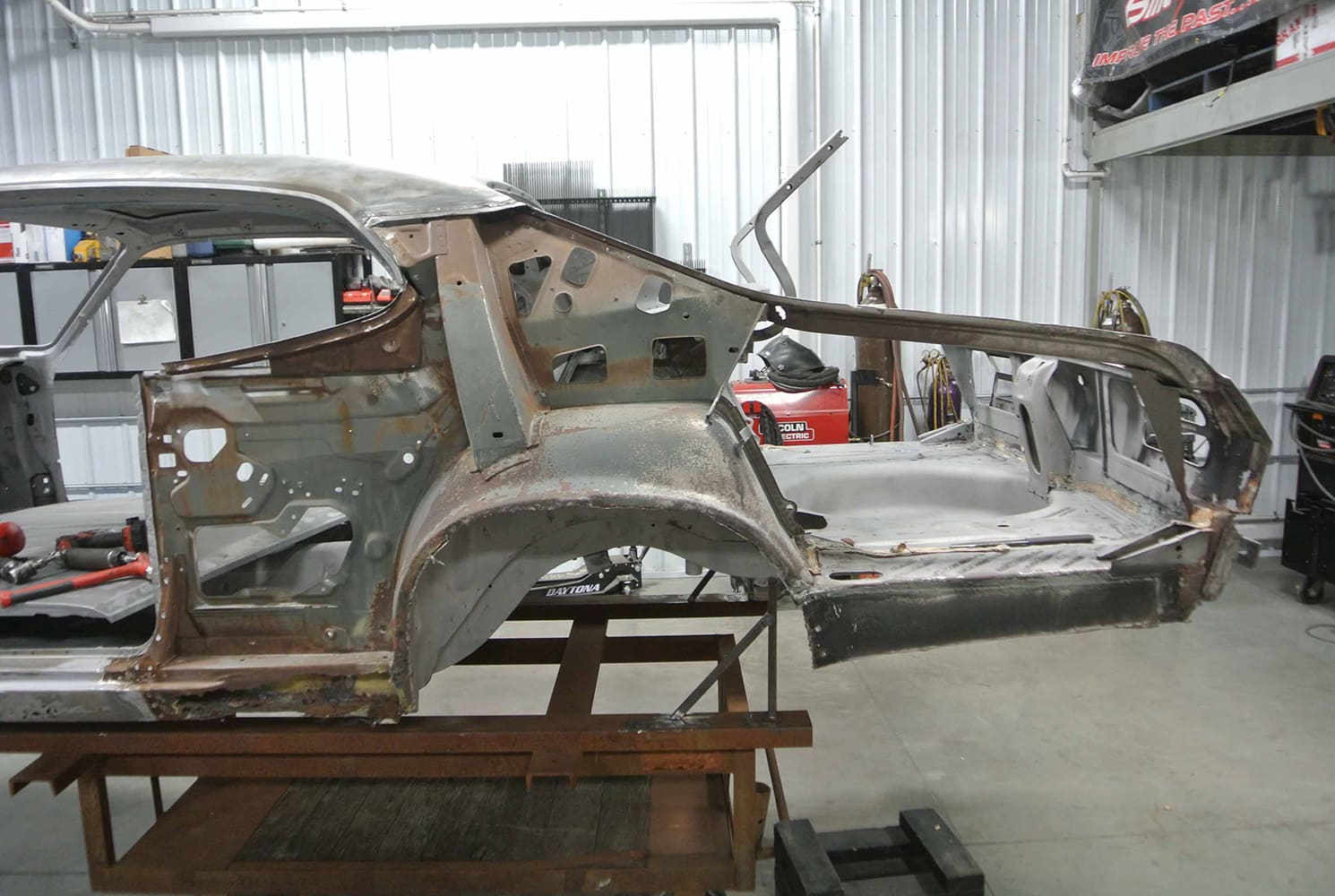
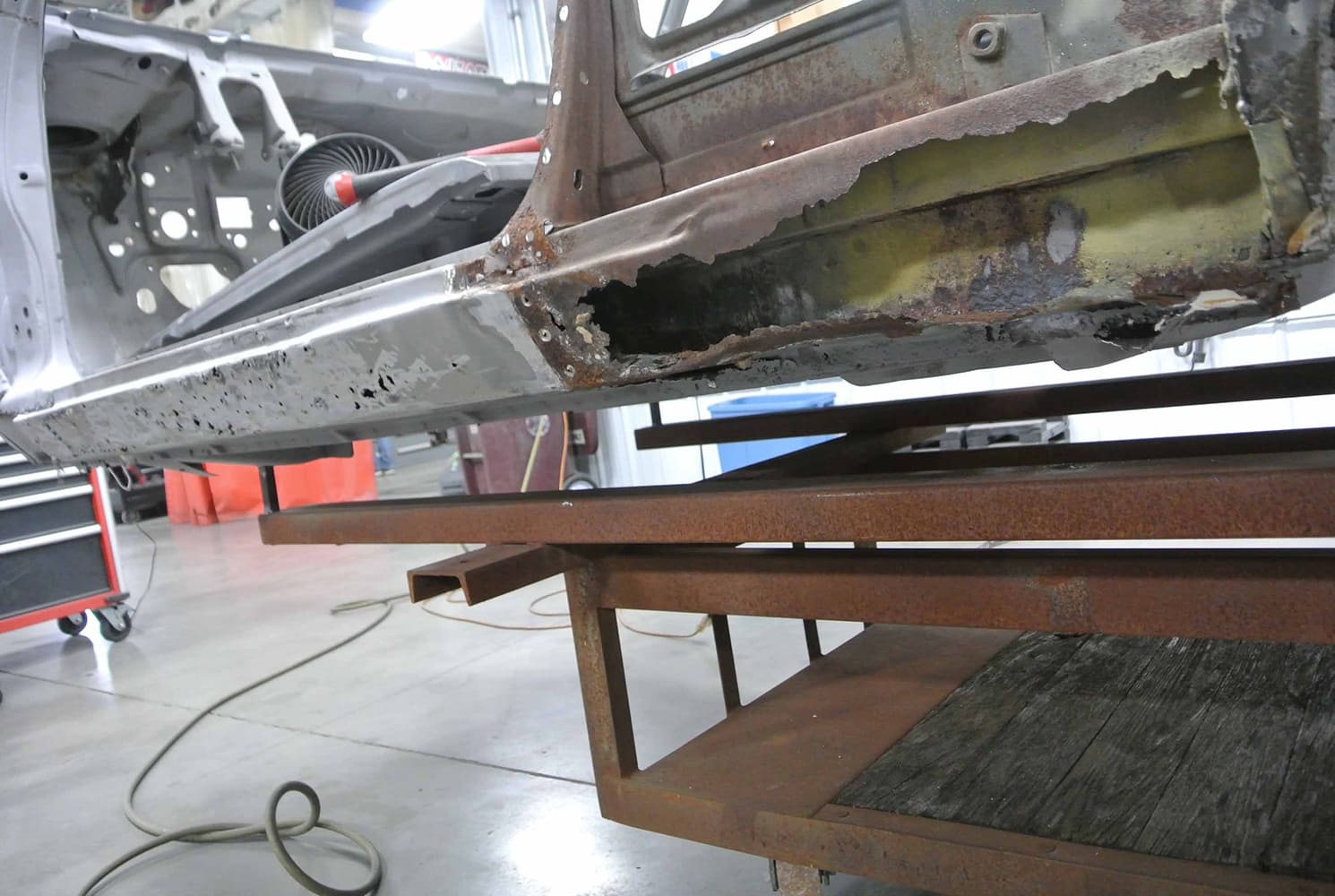
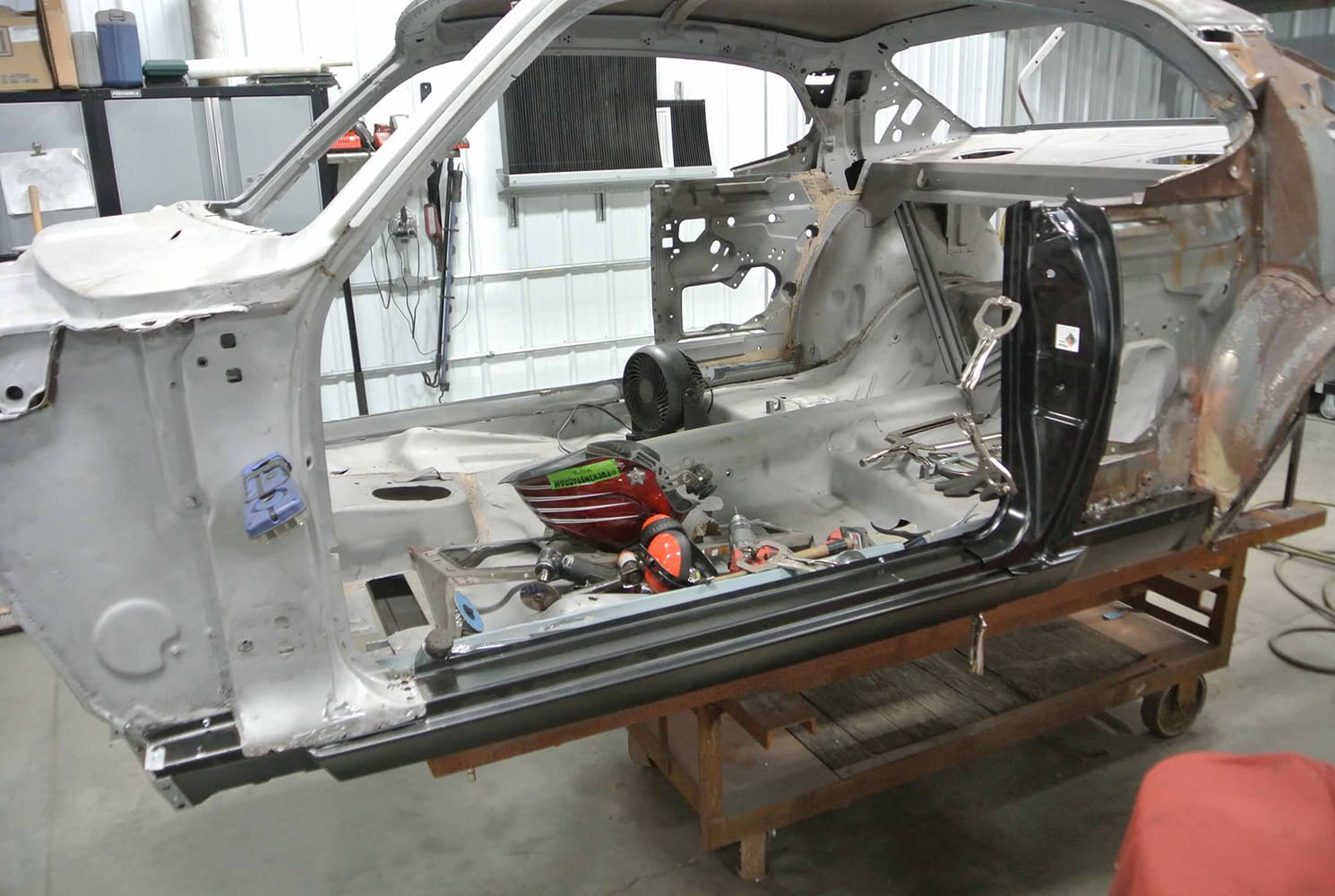
They found a very clean-looking car to start with, which appeared great in its shiny white paint. It was only after beginning to strip the car down to bare metal that they discovered how little of the body was salvageable. Rust damage and poorly executed repairs were evident on most of the lower body panels. Fortunately, there is a good supply of aftermarket body panels available for this model. The decision was made to use Auto Metal Direct (AMD) to determine which panels to repair and which to replace entirely. The photos will give you a good idea of what it takes to repair a sad example like this one correctly.
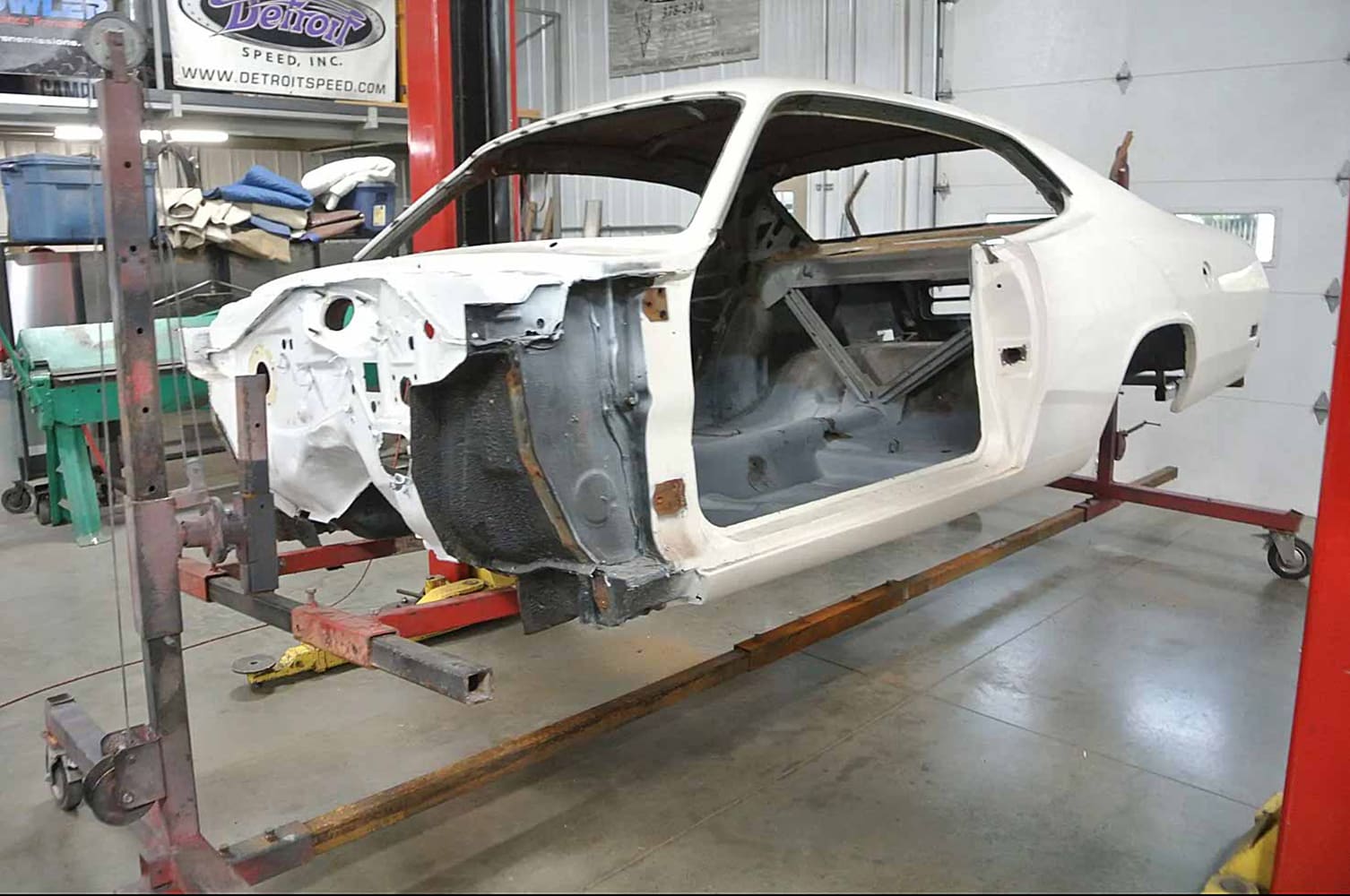
The original Duster had a unibody chassis design, meaning that only sheetmetal connects the engine and drivetrain to the rear wheels. While this worked fine for the original 340ci engine with 275 hp, it really isn’t up to the task of handling the blown Hellcat 6.2L engine pumping out 717 hp.
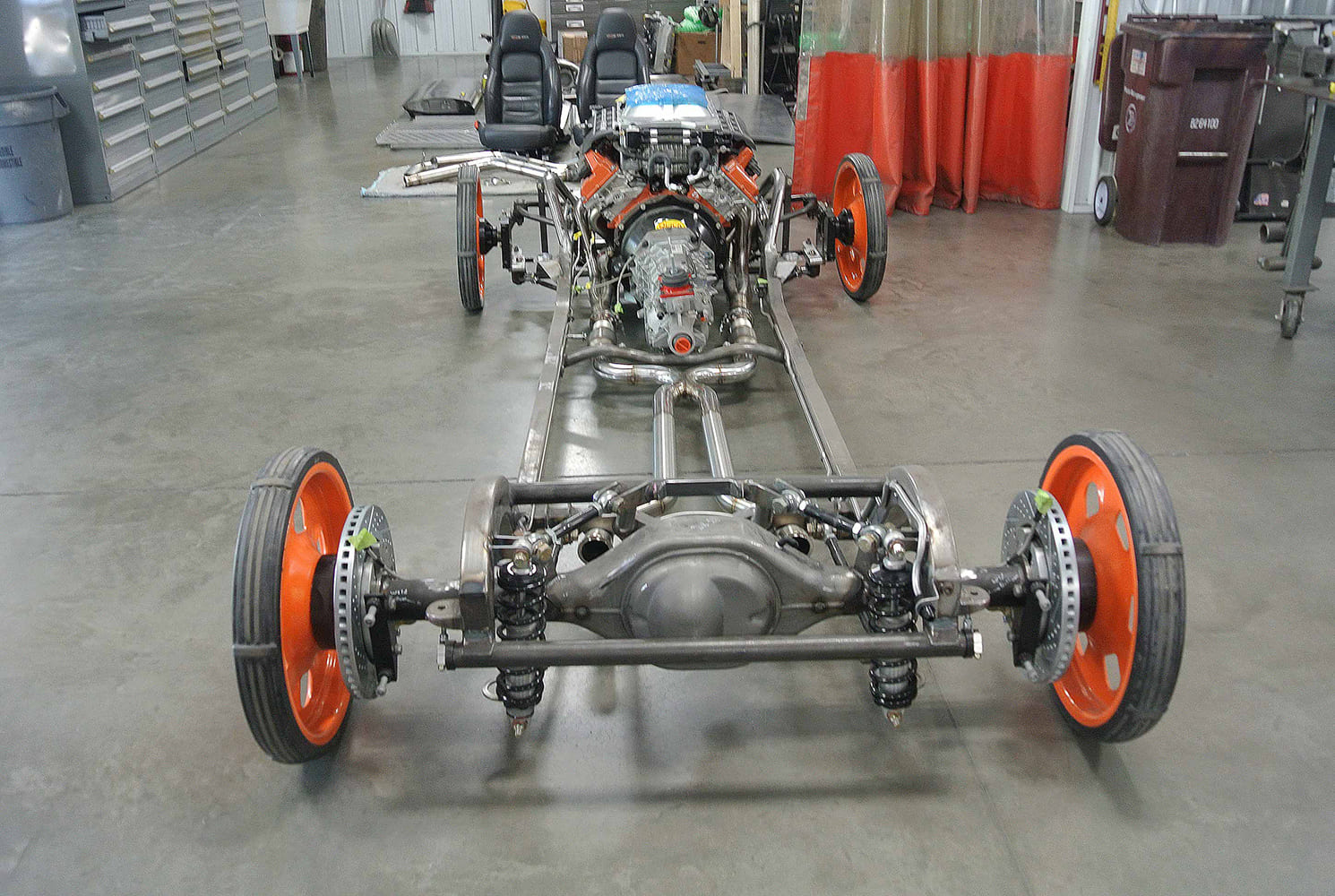
A beefy ladder frame was sourced from Schwartz Performance. It’s made from 2×4 steel tubing, with multiple round crossmembers to tie everything together. It features a new independent front suspension system, utilizing tubular control arms and coilover shocks. Coilovers are used in the rear, too, and sturdy antiroll bars were fitted to each end of the chassis.
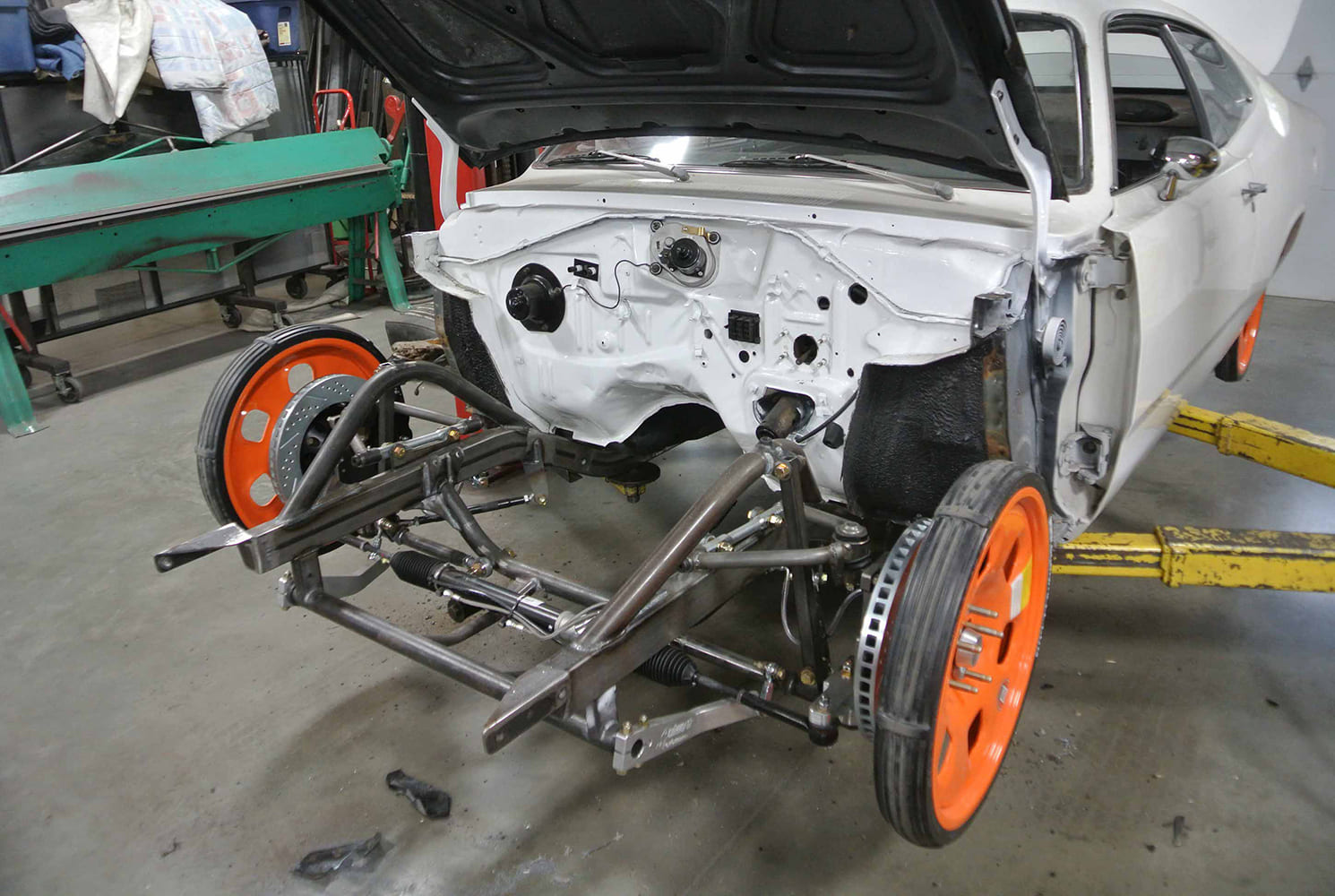
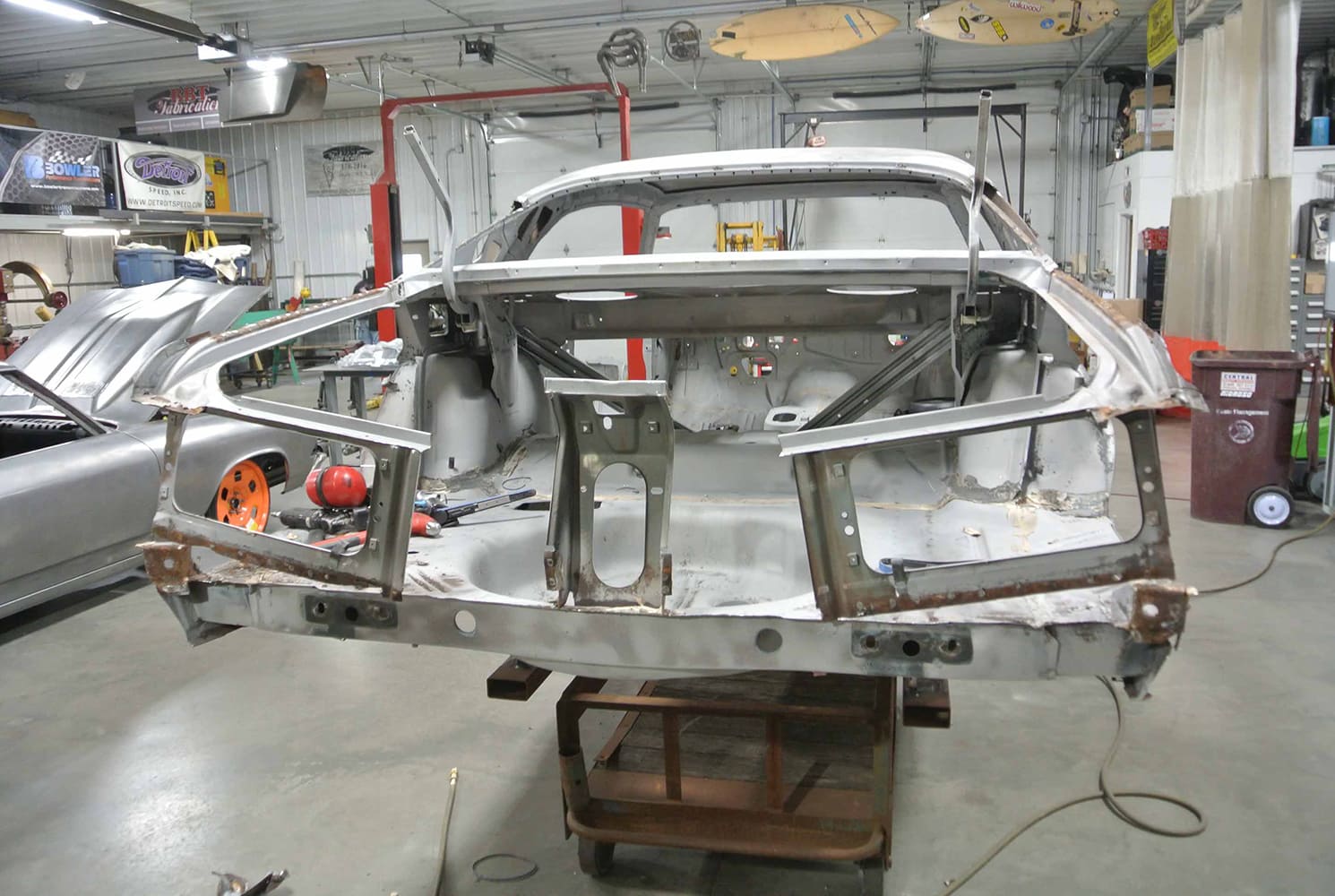
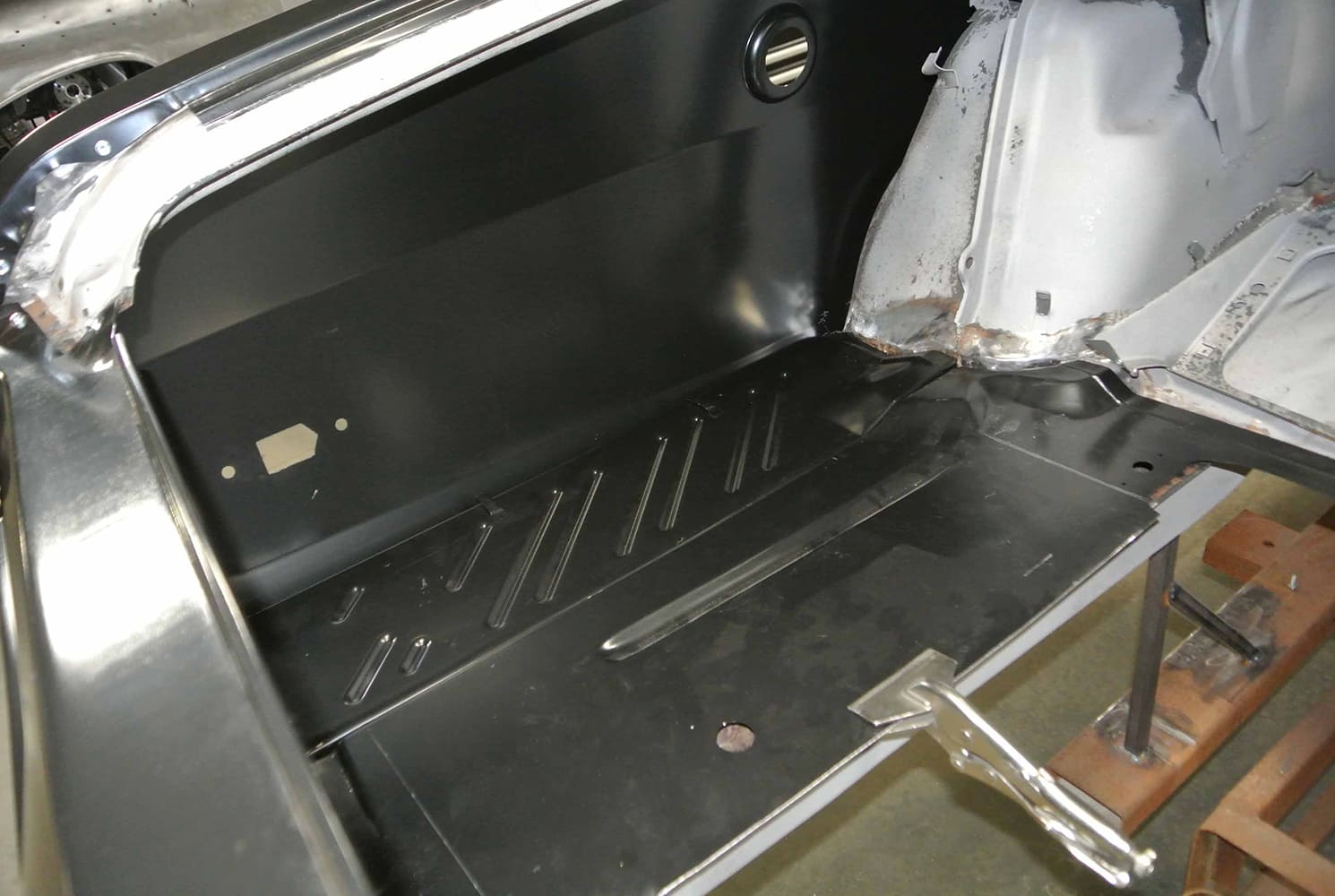
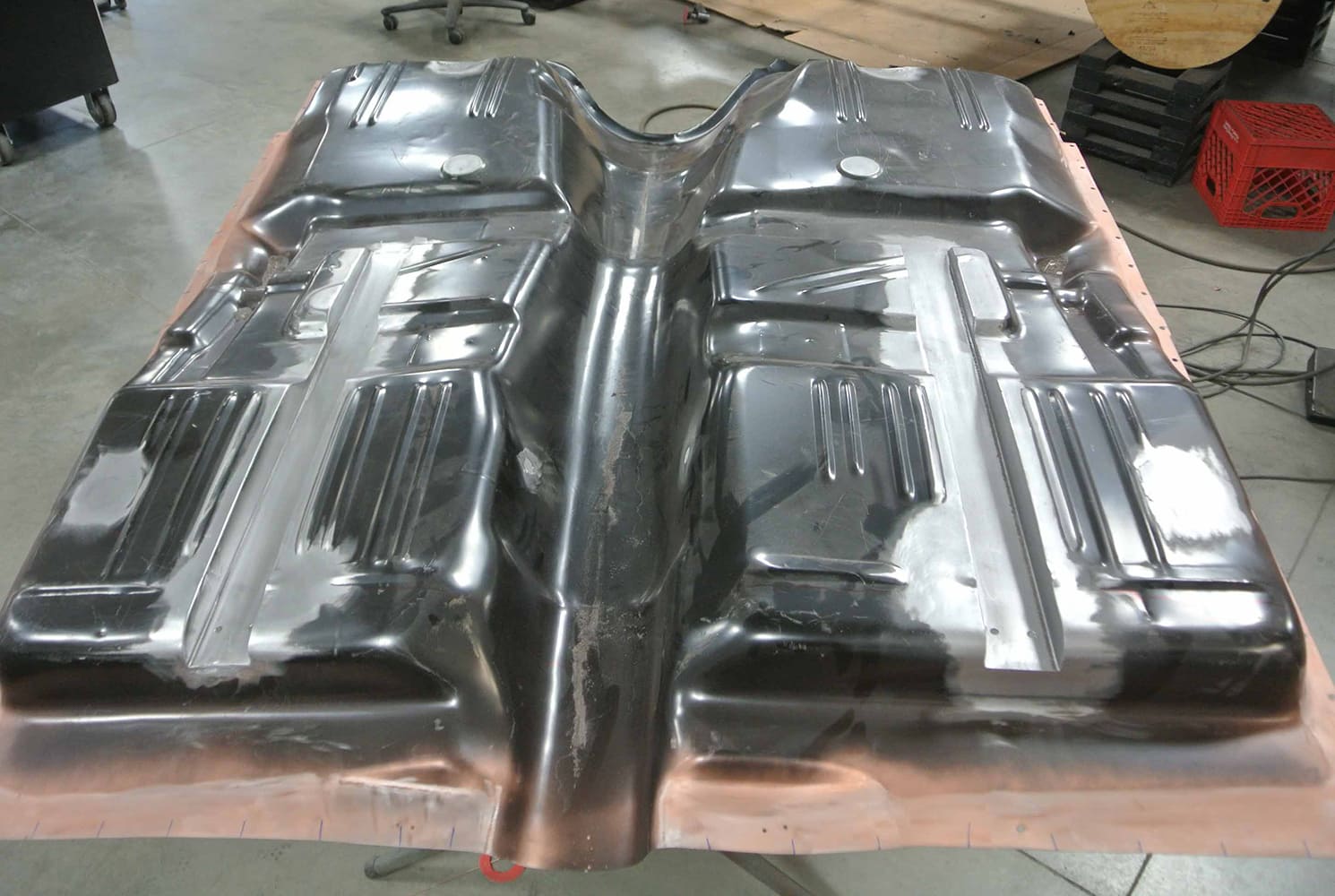
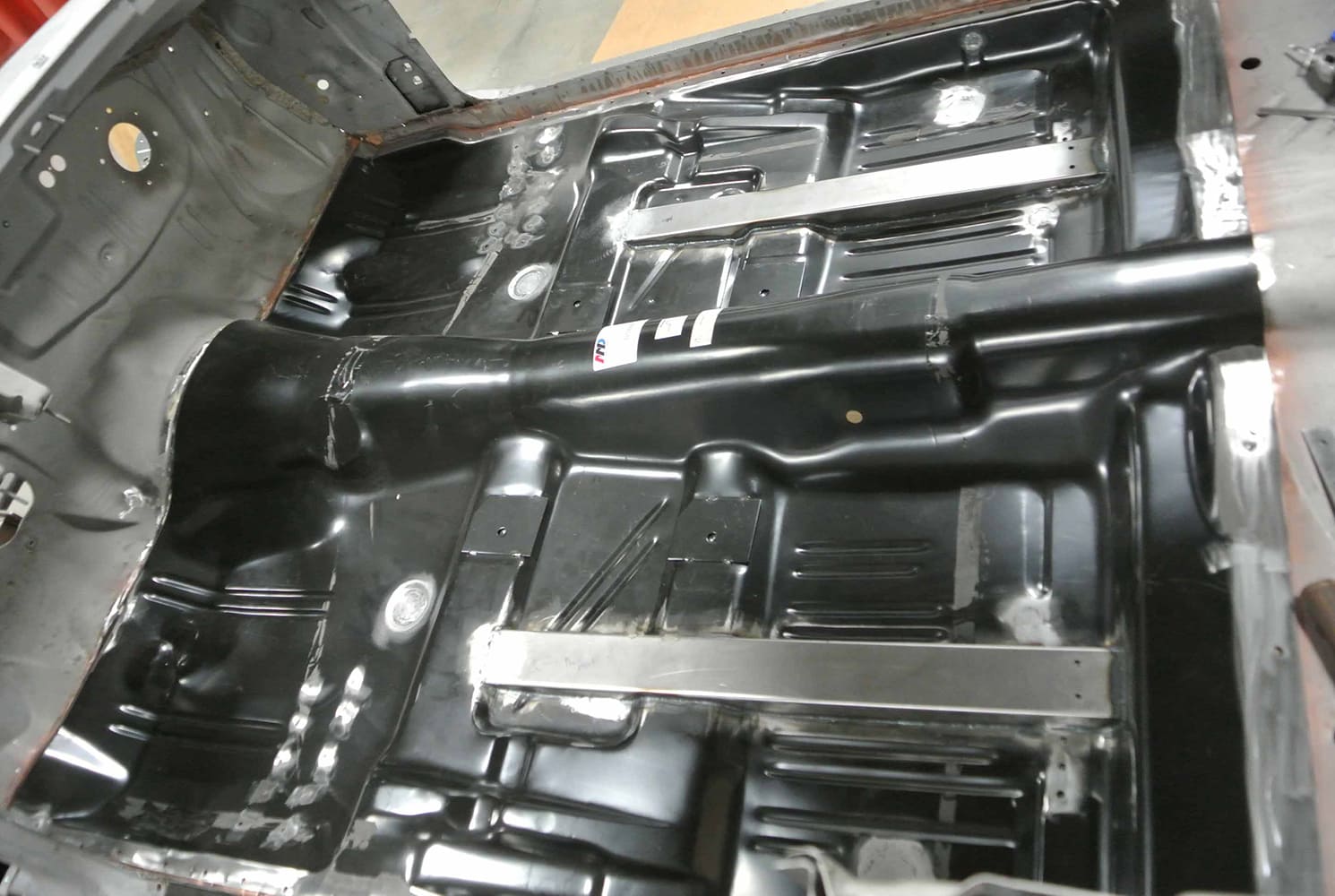
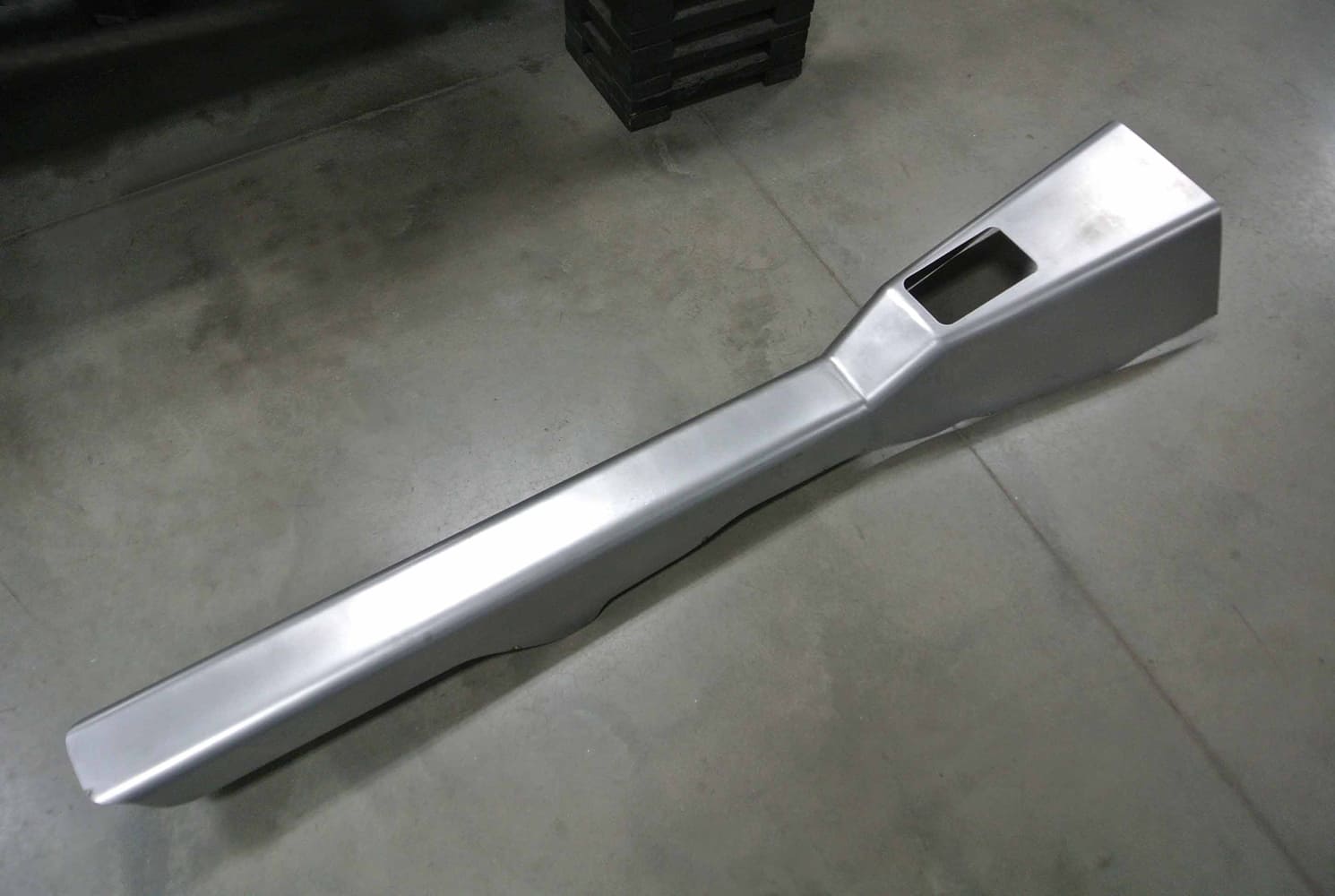
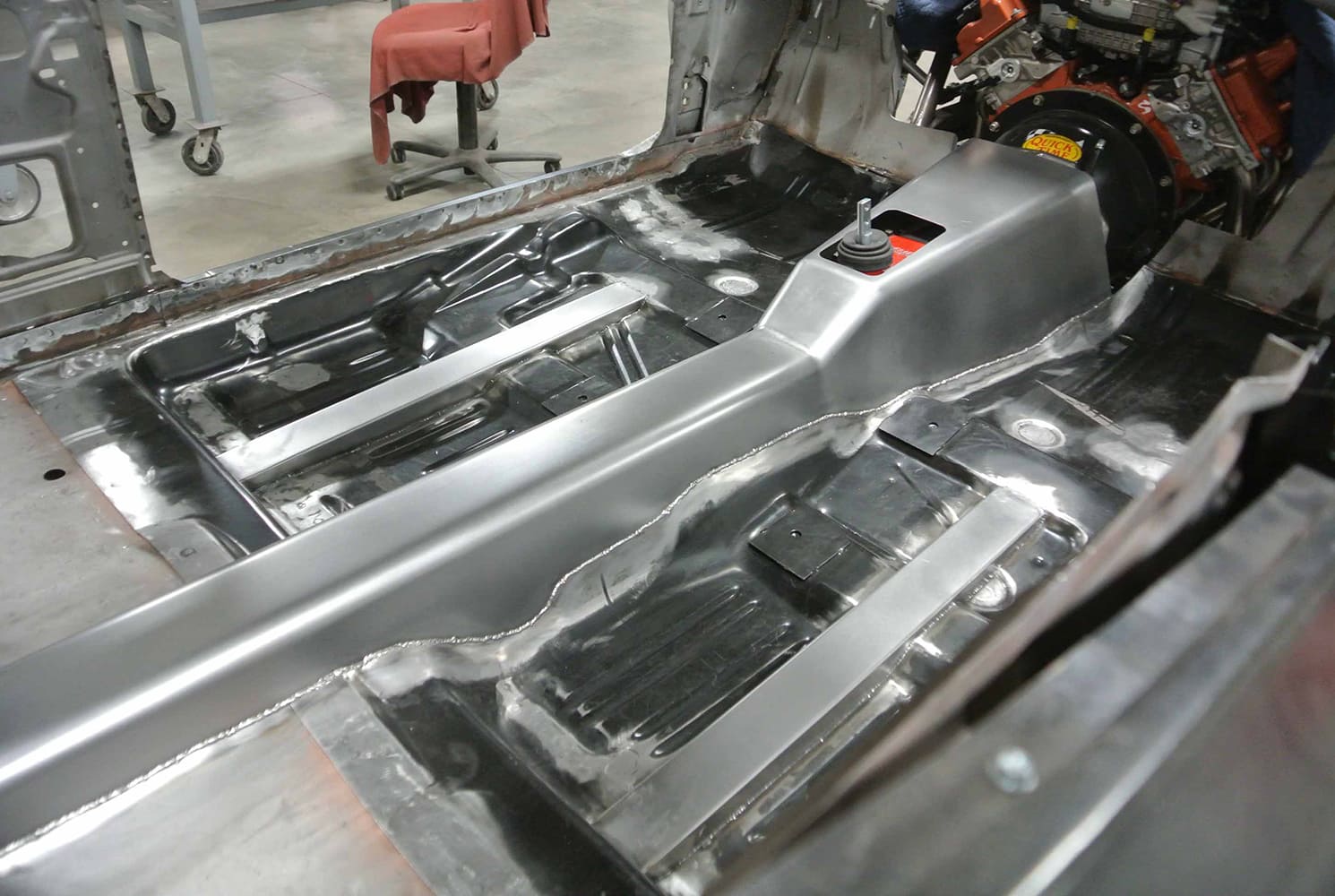
A new AMD floor was installed in the body, and channels were added to fit the new framerails. At this point, the paint was stripped from the body, revealing just how much damage had been hidden beneath the shiny surface. Not only was there extensive rust damage, but the repairs were poorly done, with large amounts of plastic filler spread over the damage to make it look presentable on the outside.
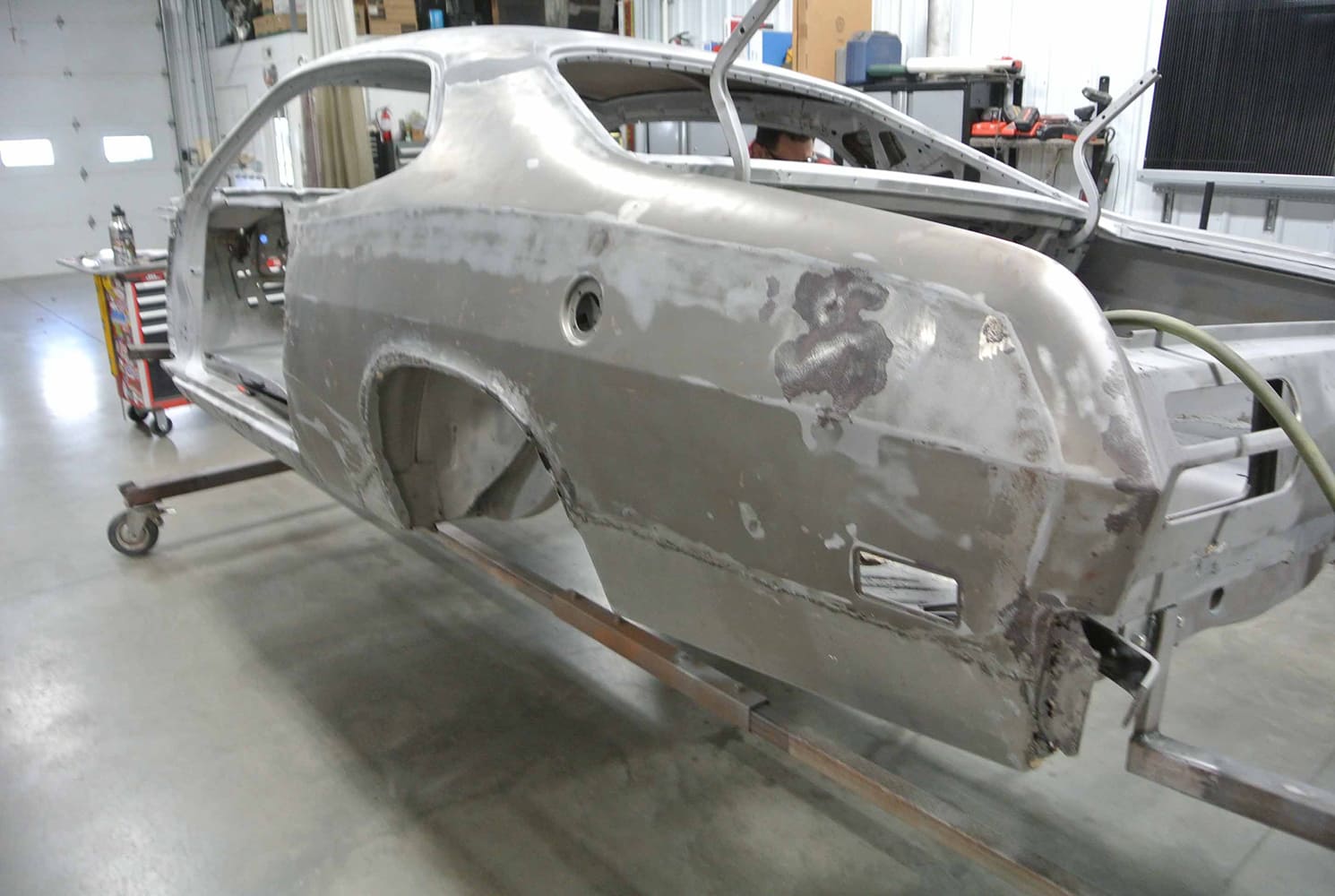
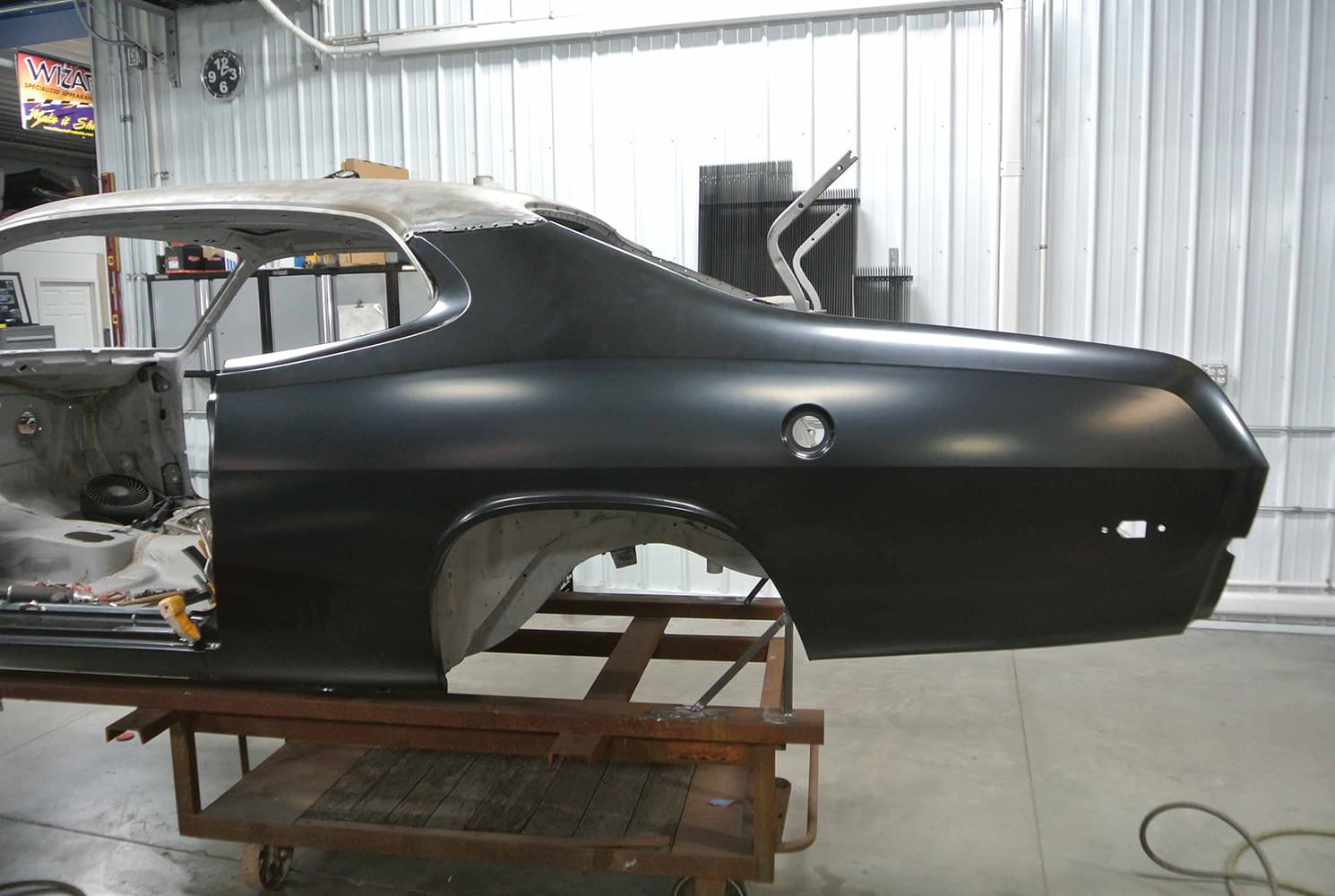
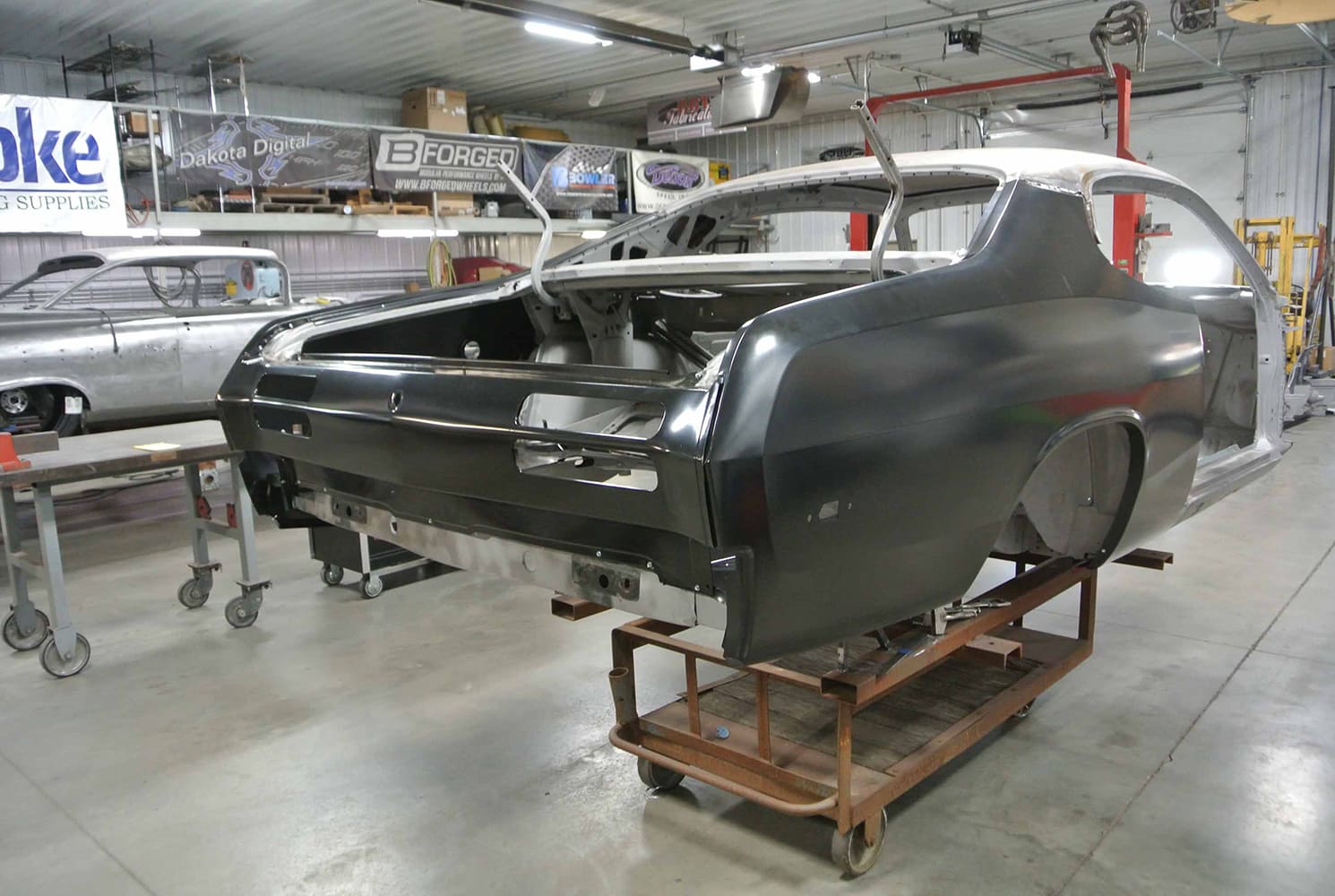
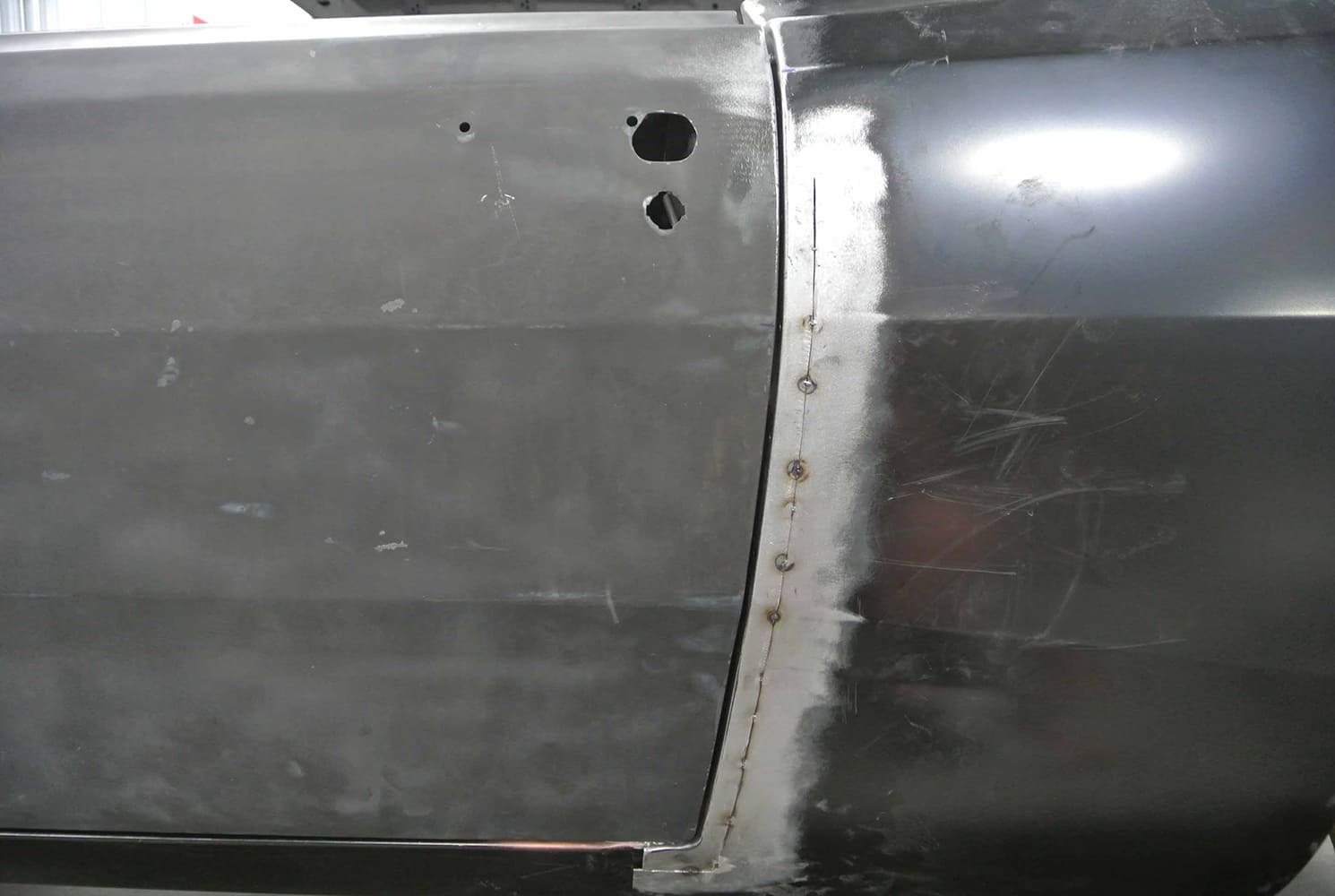
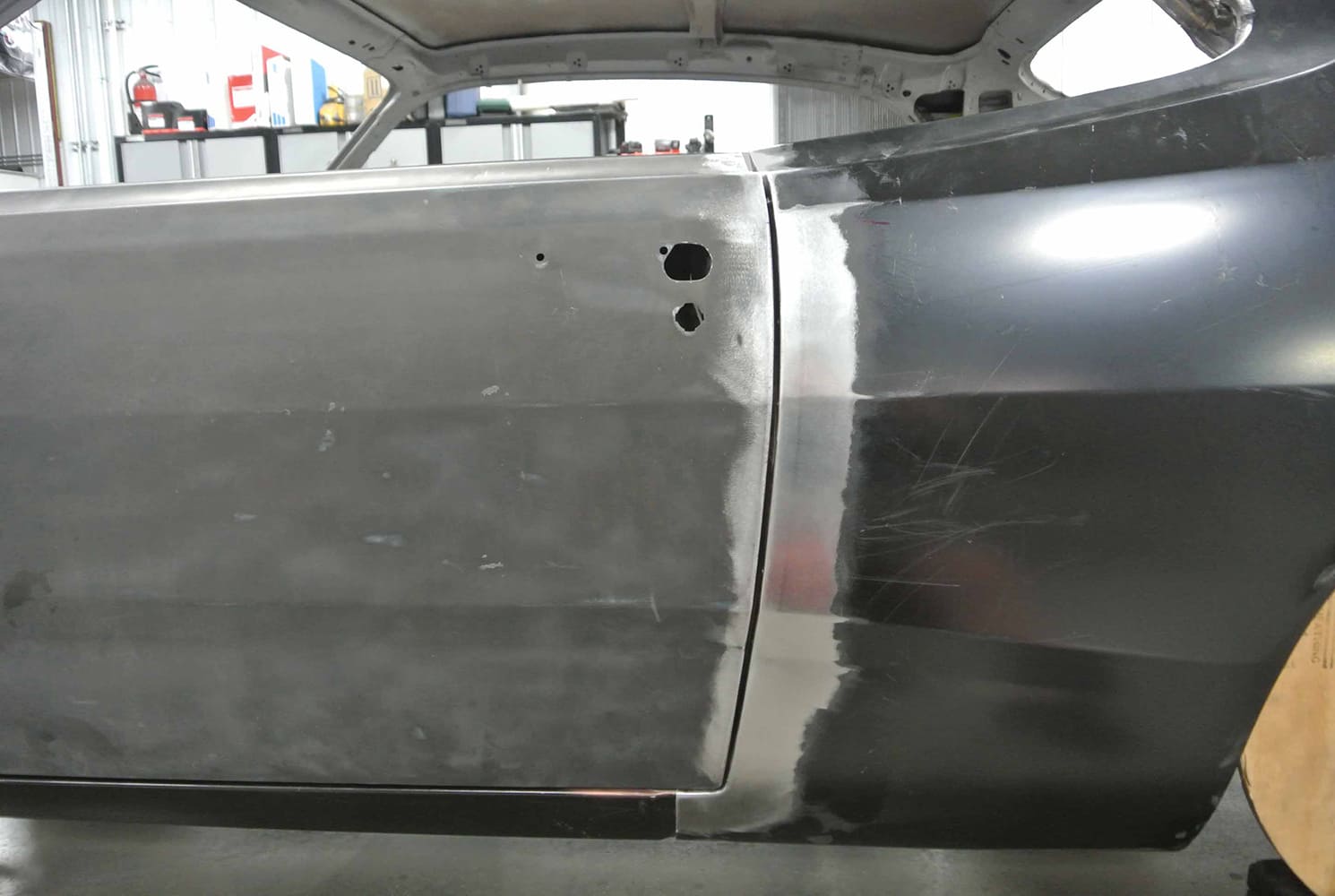
Since AMD provides good support for this car, many new panels were installed, including the quarter-panels, rocker panels, rear doorjambs, and a new rear panel. Some original panels, such as the hood, roof, decklid, doors, and front fenders, were kept, but most required extensive reworking.
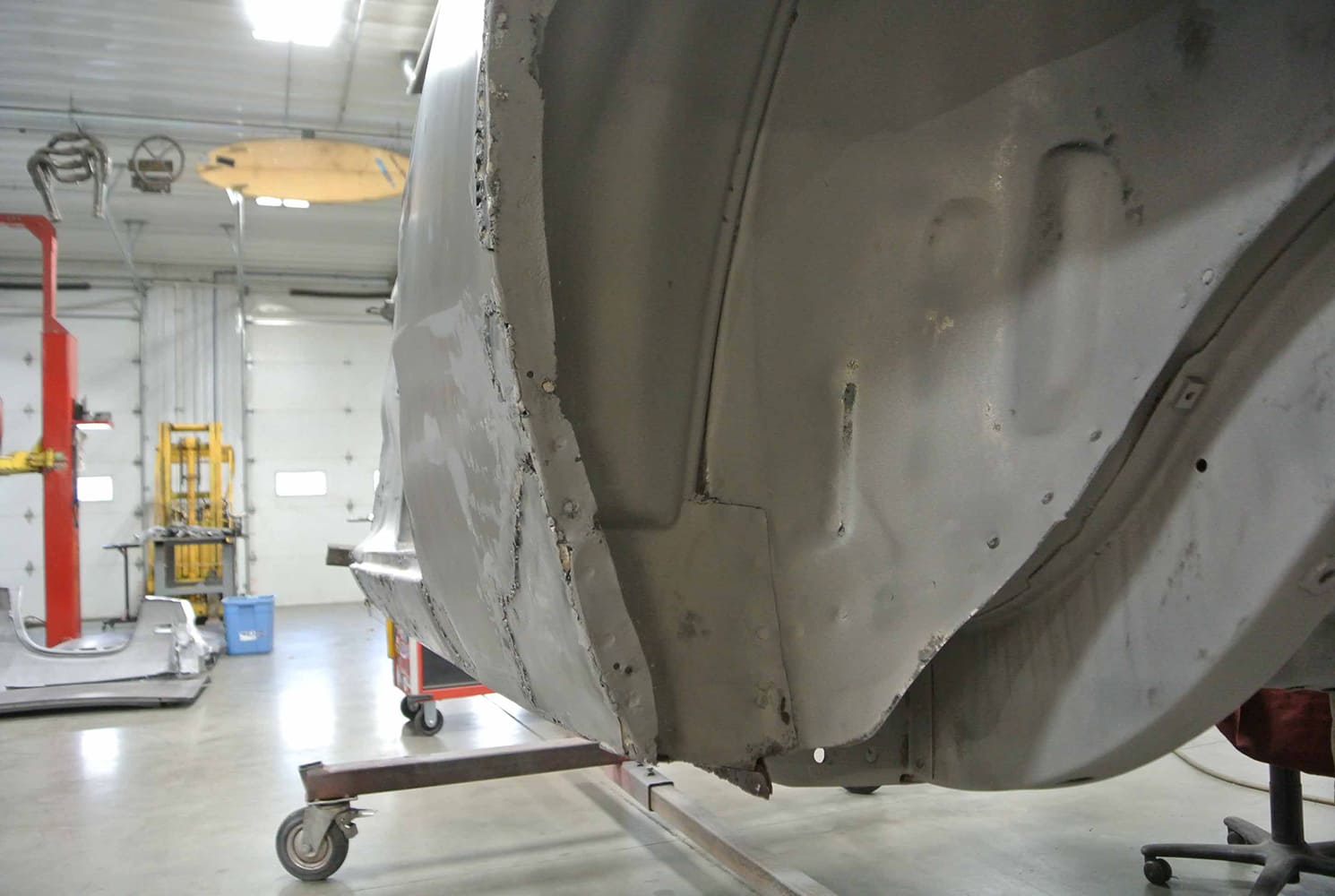
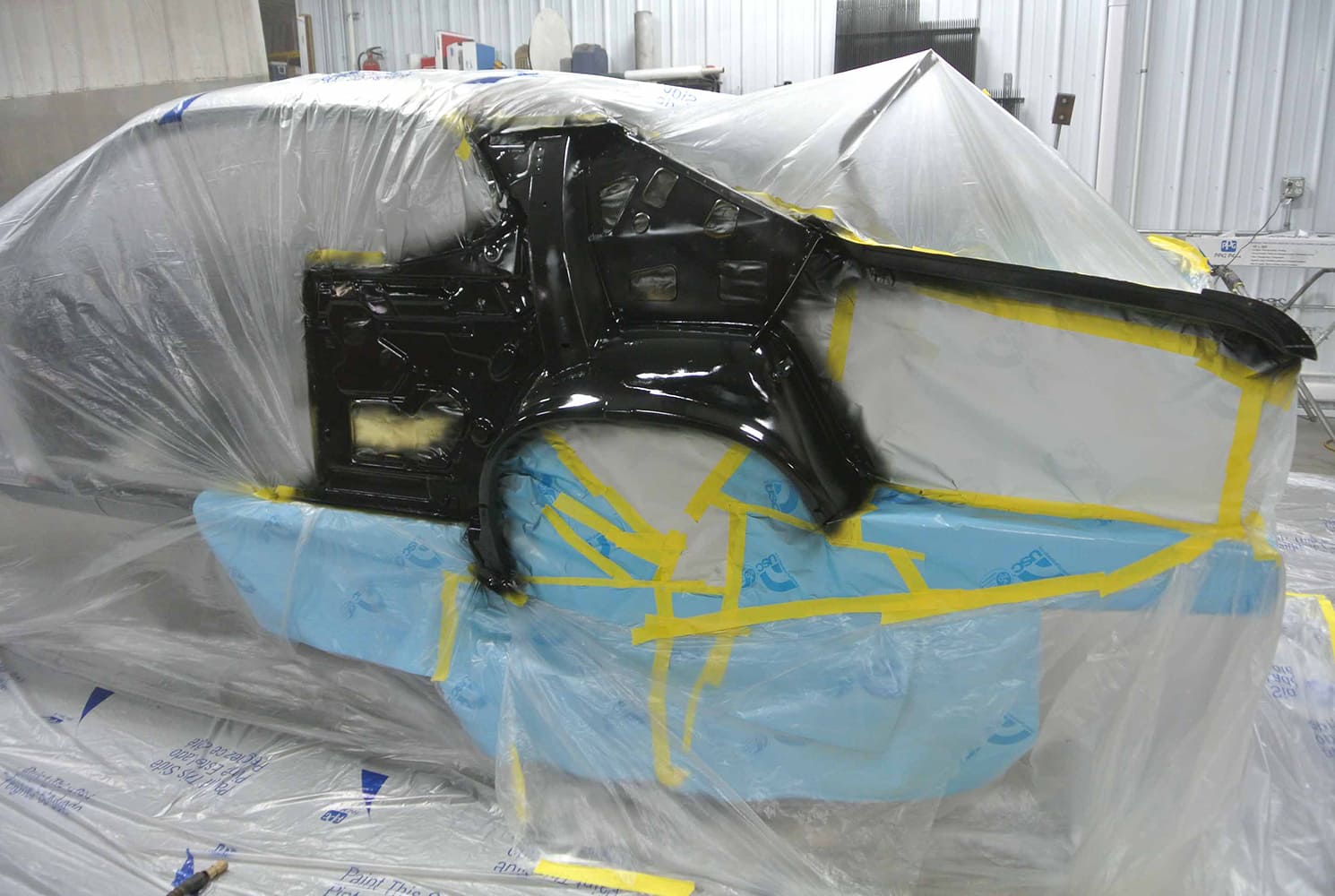
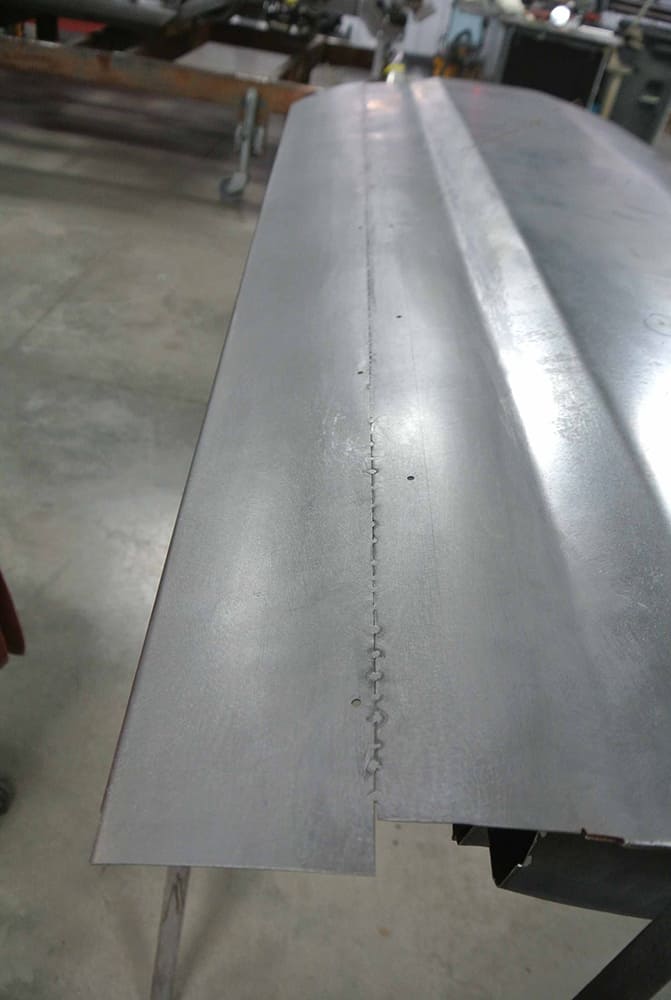
To ensure these repairs last, all the hidden panels were prepared and sealed with epoxy paint to prevent rust from forming inside. New bottoms were installed on the doors to fix rust damage, and a good amount of time was spent adjusting the door gaps to be perfect.
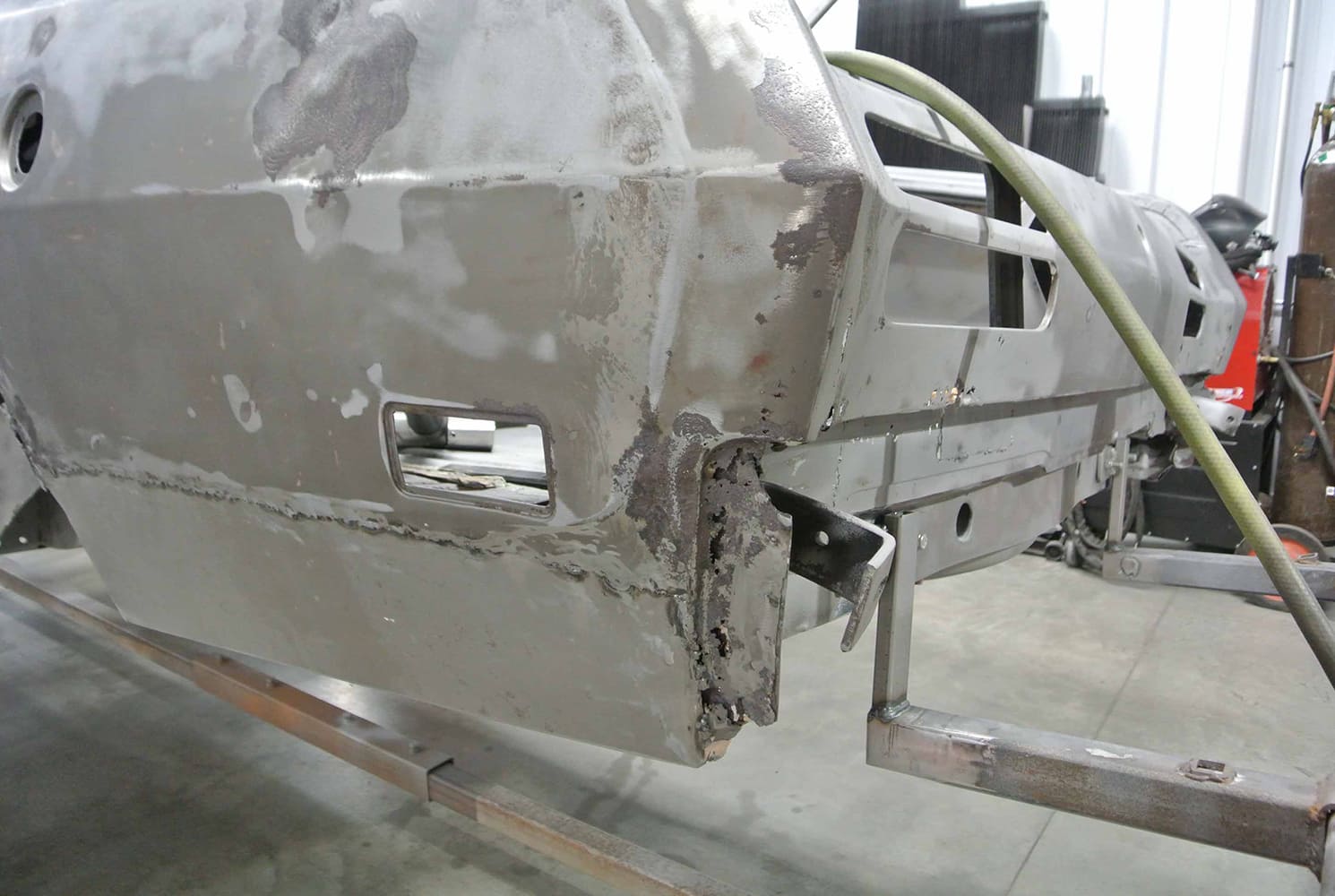
When working on a car over 30 years old, you need to be prepared for issues like this. Fortunately, the team at BBT has extensive experience repairing this type of damage, so each problem area was expertly handled, meeting the high standards set for this build. MR
Check out this story in our digital edition here.