Project 1971 Corvette is Outfitted with Detroit Speed SpeedRay IFS
Geof Jones of Hot Rods By Dean (HRBD) handled all the Detroit Speed (DSE) suspension setup for the 1971 Corvette, which includes the SpeedRay IFS and the DECAlink IRS.
Let’s be honest, vintage Corvettes look much better than they drive. The C2 (1963-67) and C3 (1968-82) generations marked a huge improvement in handling, thanks to their independent rear suspensions, but they certainly weren’t perfect.
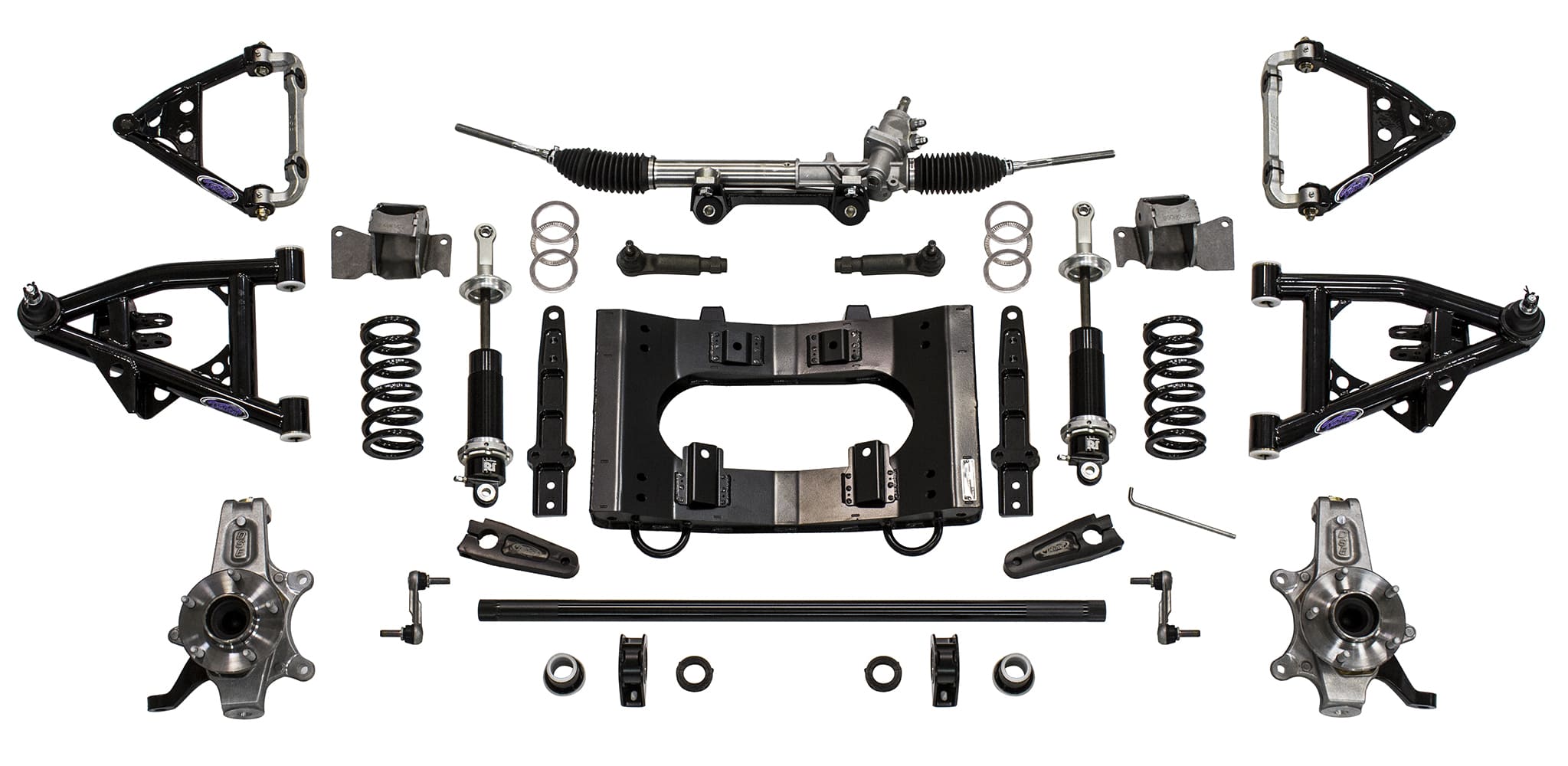
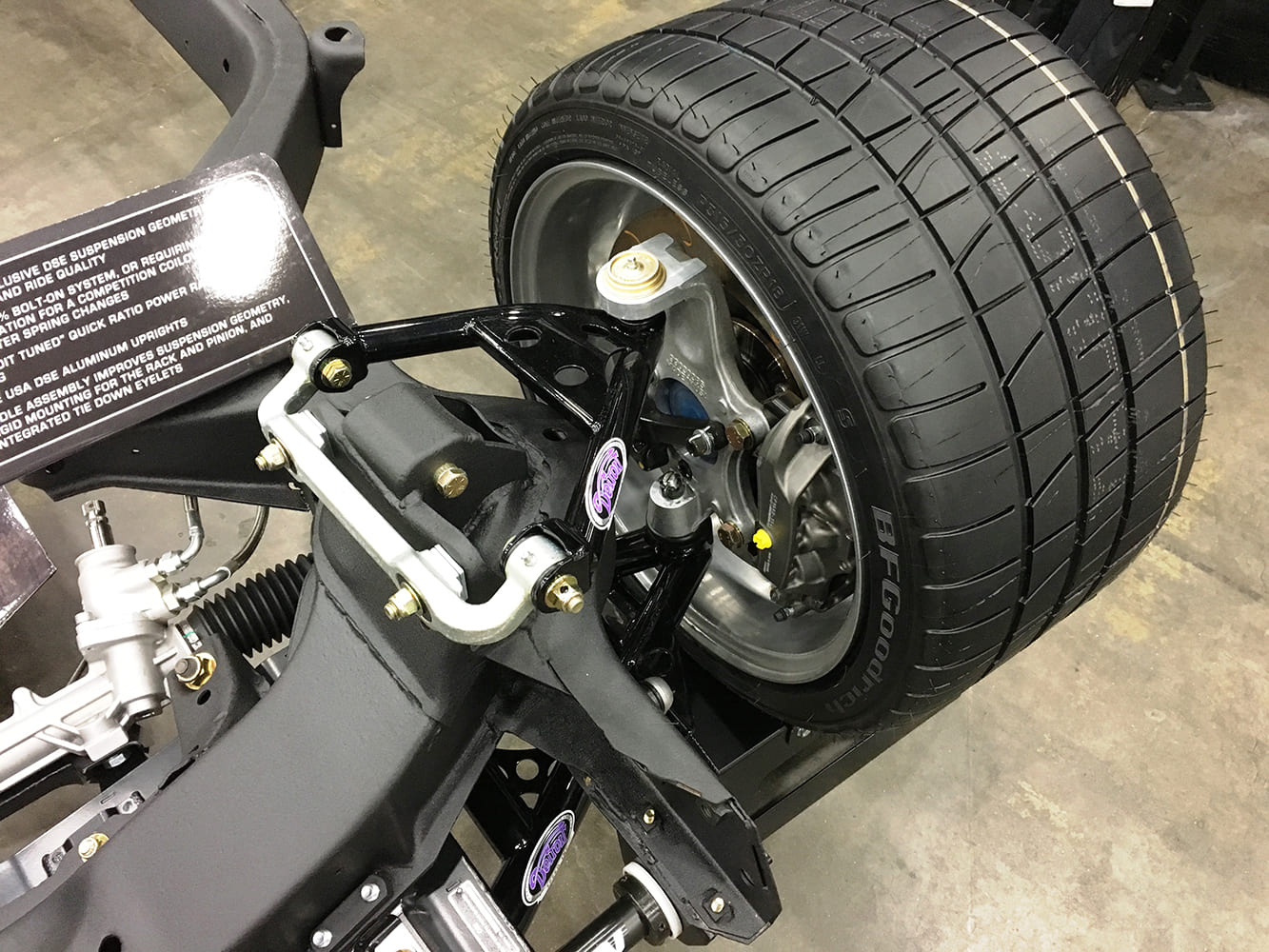
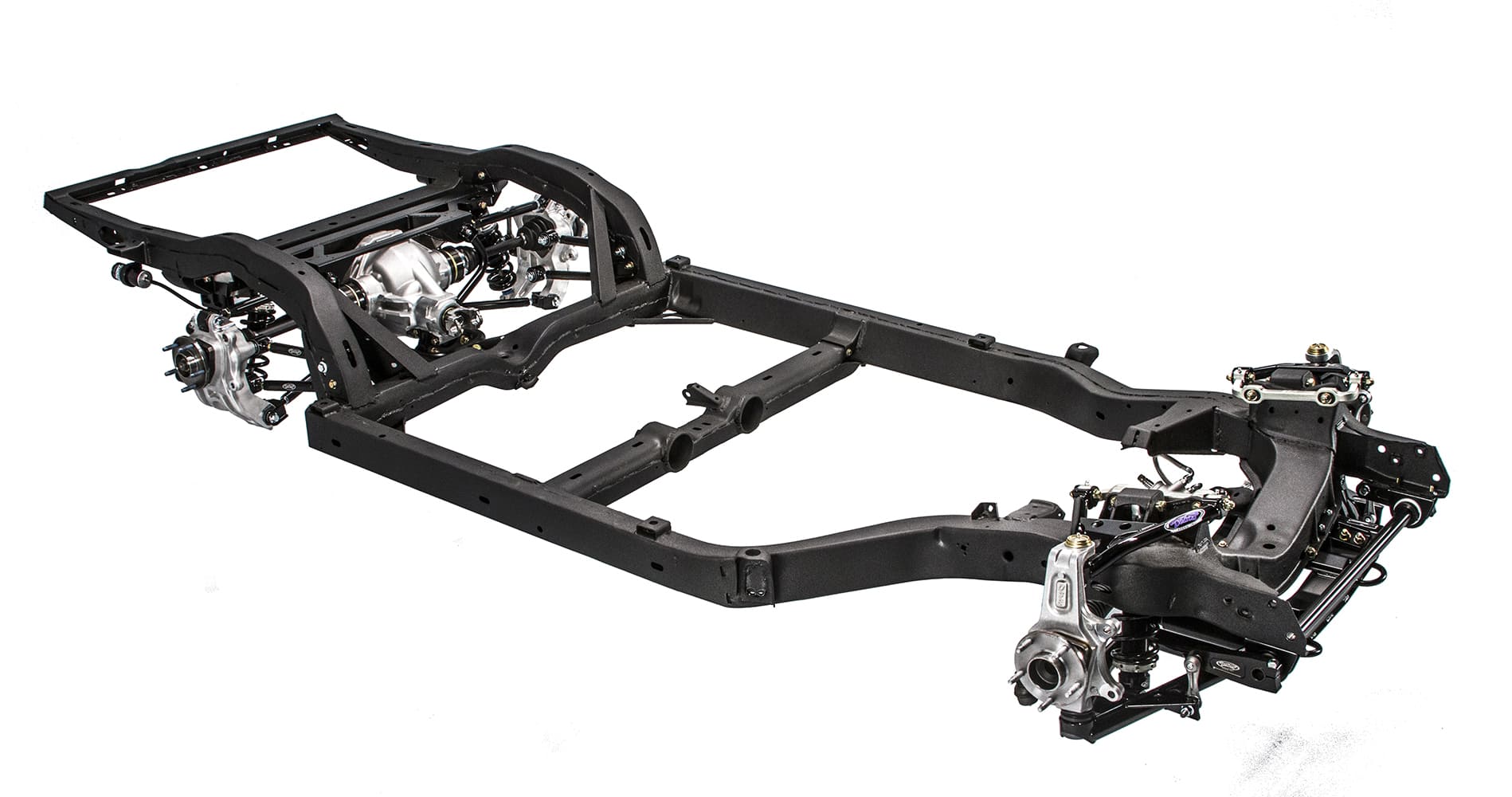
What do you get for your money with a DSE SpeedRay IFS system? Well, take a look at this photo as we go through the process of hooking up all these pieces to deliver modern handling and performance beneath our vintage fiberglass design.
The transverse leaf springs in the rear suspension had their limits, and although the front suspensions were fine in their day, they’re now as outdated as the Yellow Pages and TV repair shops—with performance and comfort levels to match. Upgrades for the front and rear suspensions have been around for decades, but more recently Detroit Speed (DSE) has introduced coilover conversion systems.
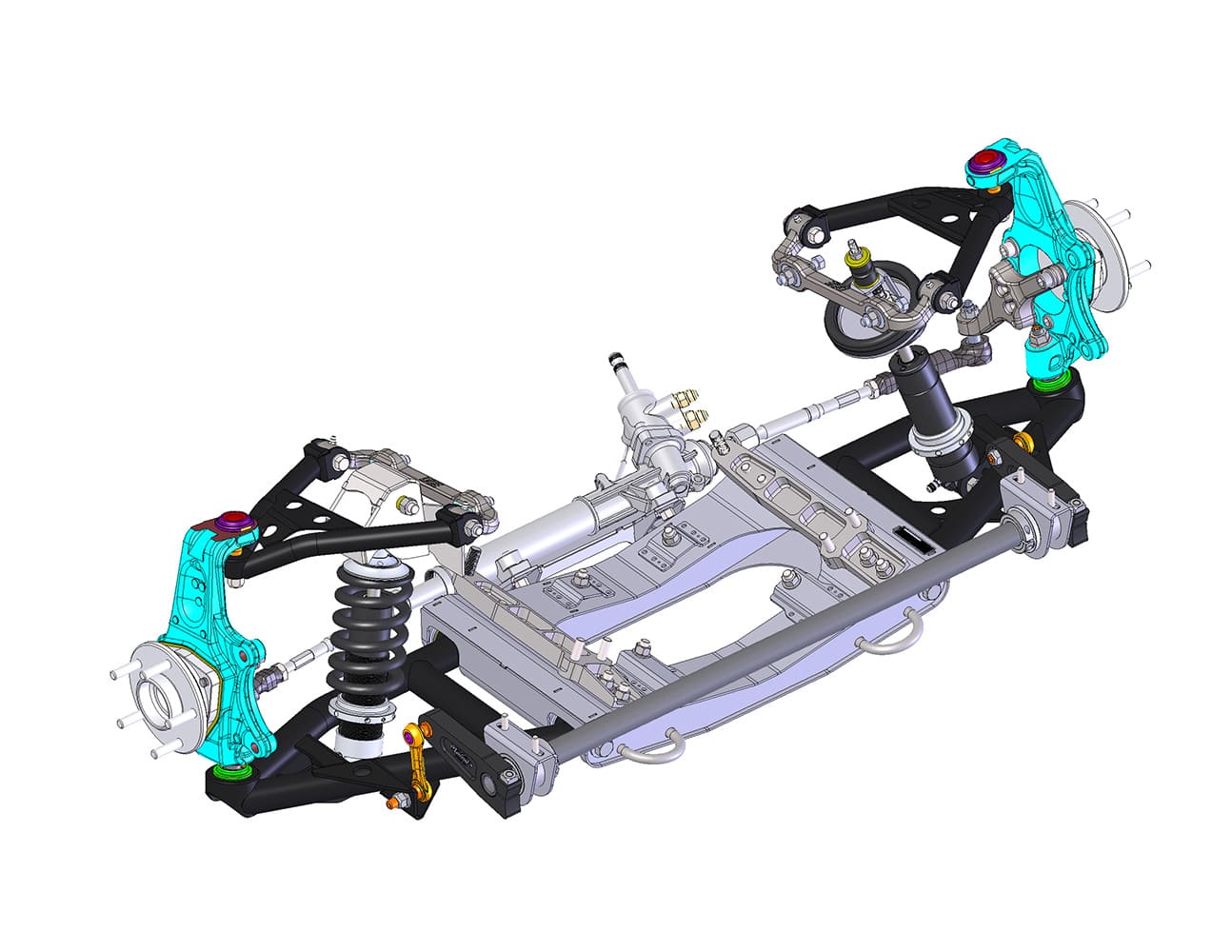
This CAD drawing comes by way of DSE and shows in black the hard parts for the SpeedRay IFS. Next up would be the rack-and-pinion steering, spindle towers, and brakes.
They include the SpeedRay front suspension kit and the DECAlink rear suspension setup. Both replace the original systems’ springs and shocks with coilovers as well as other enhancements, including rack-and-pinion steering for the front suspension. We’re adding both systems to our 1971 Corvette project, which will be powered by a big-torque 383 stroker small-block featuring FiTech fuel injection and a crank-trigger ignition with individual coils. The powertrain will also feature a TREMEC TKX five-speed transmission.
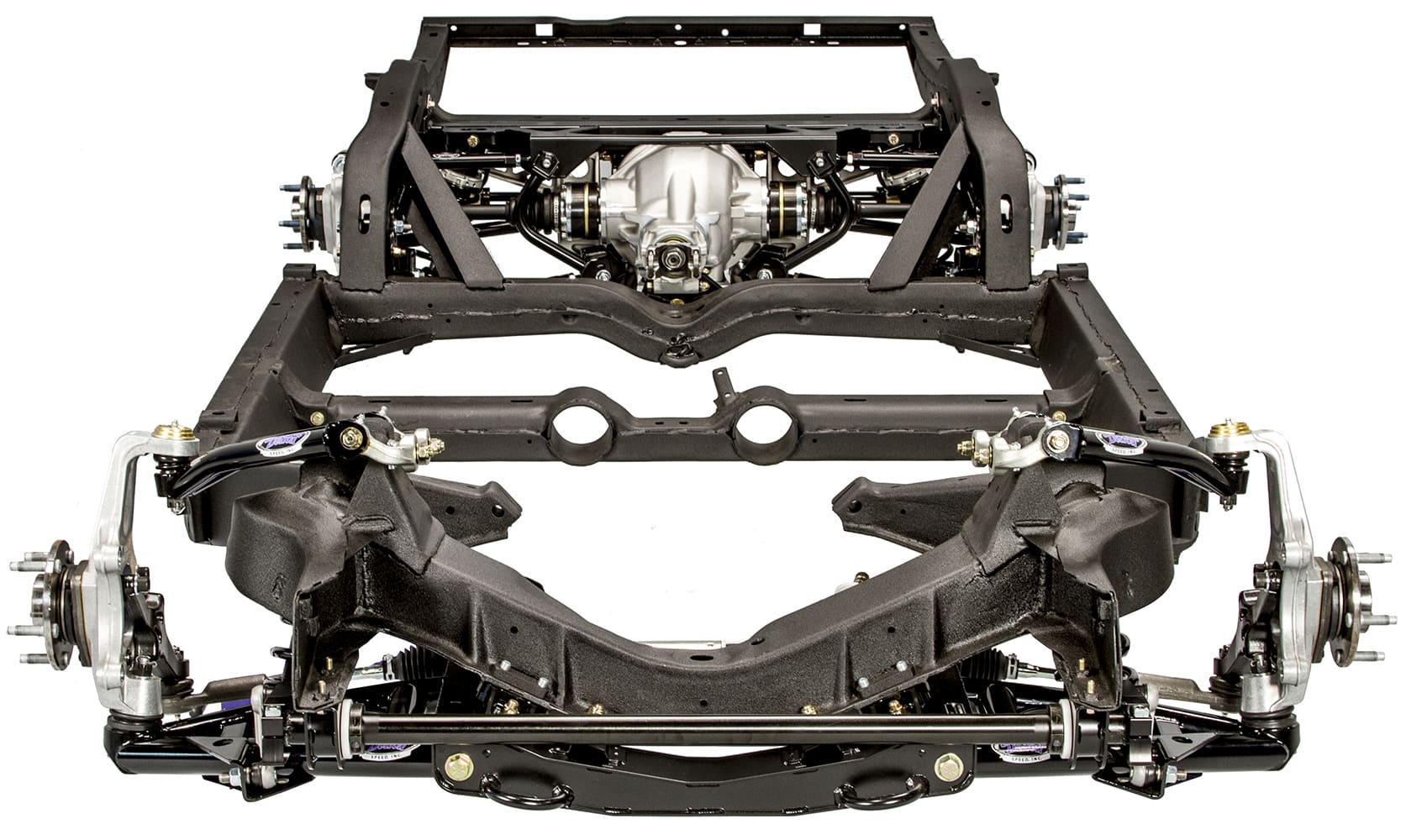
Here is a direct front-on view of a C3 (1968-83) complete chassis with IFS and IRS. (There are changes in the various kits in the later years of the DSE kits.)
All the heavy lifting on the project is being handled by Phoenix-based Hot Rods By Dean (HRBD). They’re familiar with these Corvettes, including coilover conversions. We’re starting with the SpeedRay front suspension in this story and will cover the DECAlink system in an upcoming issue.
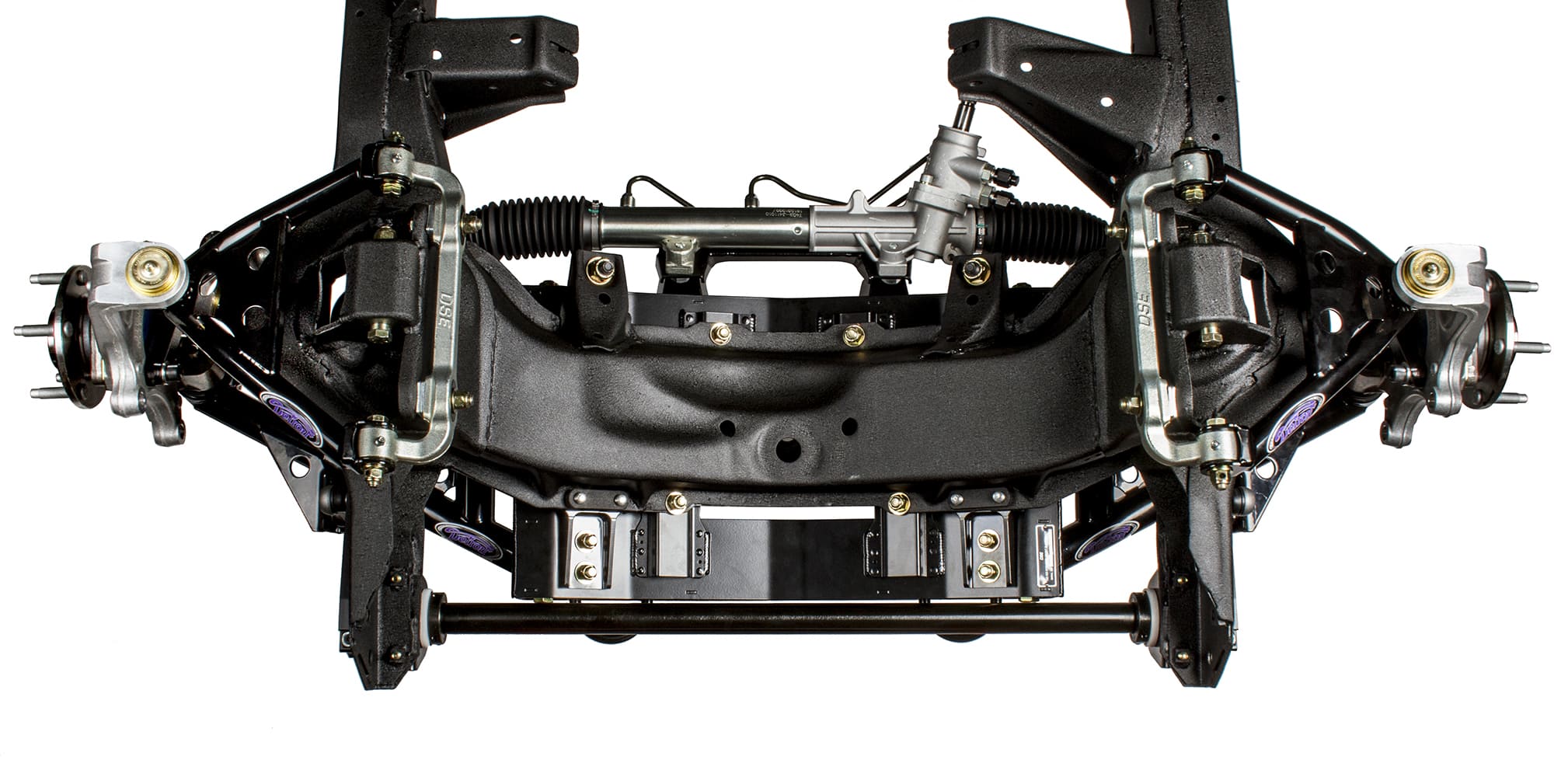
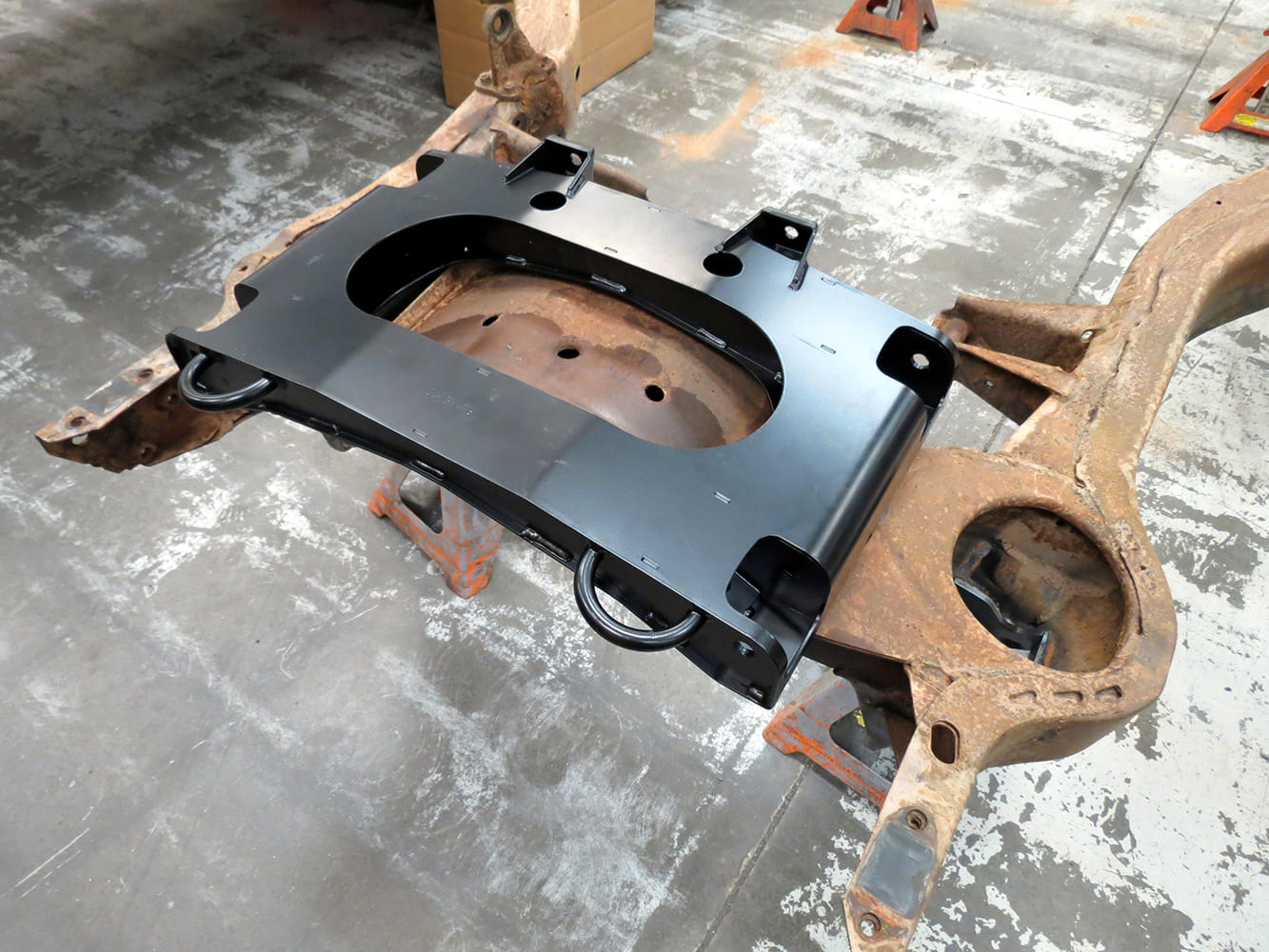
An overall view from the top/down shows off the DSE components along with the factory frame.
Unlike DSE systems for other vehicles, which require an entire subframe replacement for cars with a unitized chassis, the SpeedRay kit adapts to the original full-frame chassis on C2/C3 Corvettes (the frames remain essentially unchanged across generations). It features a bolt-on lower cradle that acts as the mounting base for the lower control arms and steering components, while the new upper control arms attach to the stock upper control arm mounts. Additionally, it has a large, thick stabilizer bar with splined ends and aluminum links connecting to the control arms.
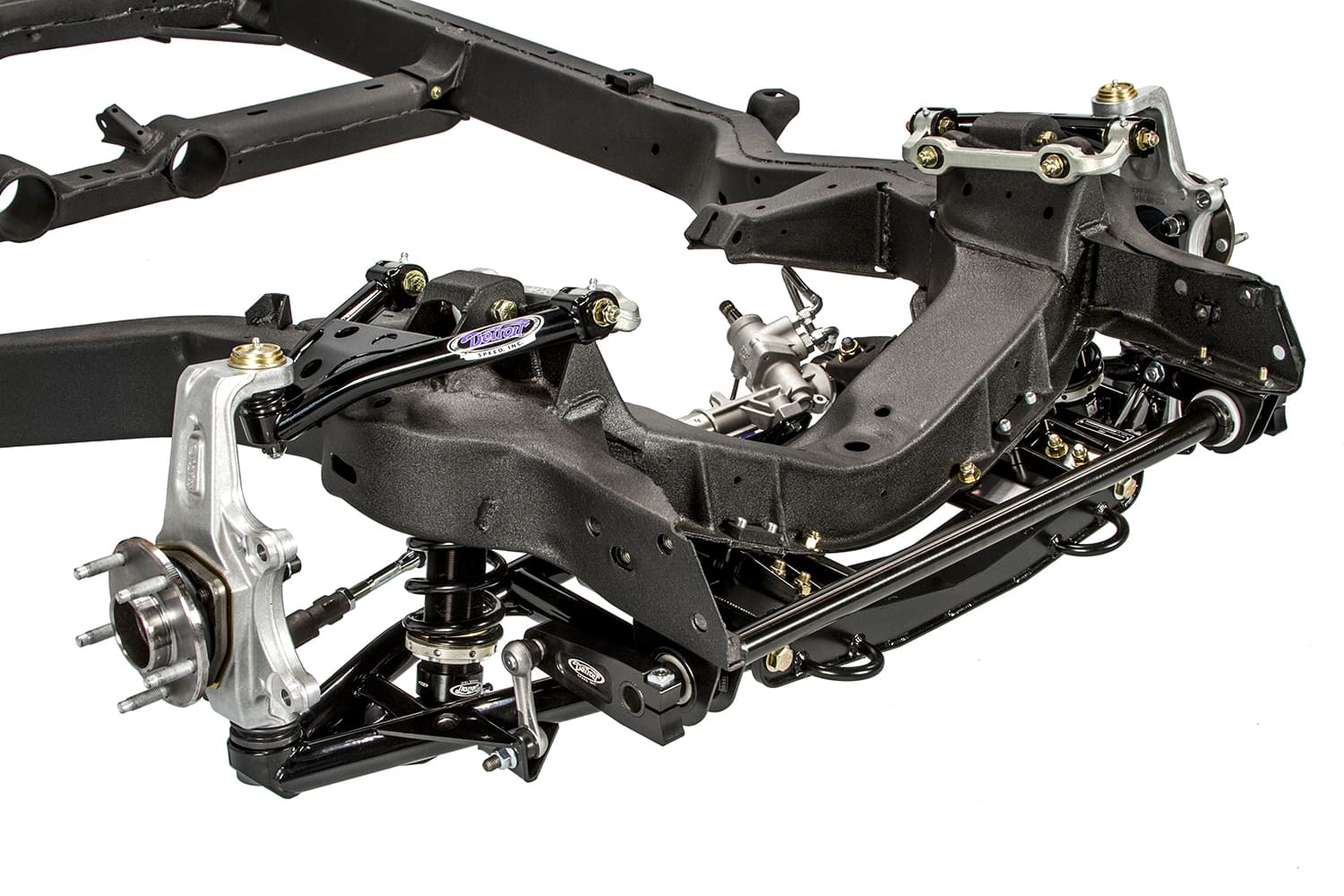
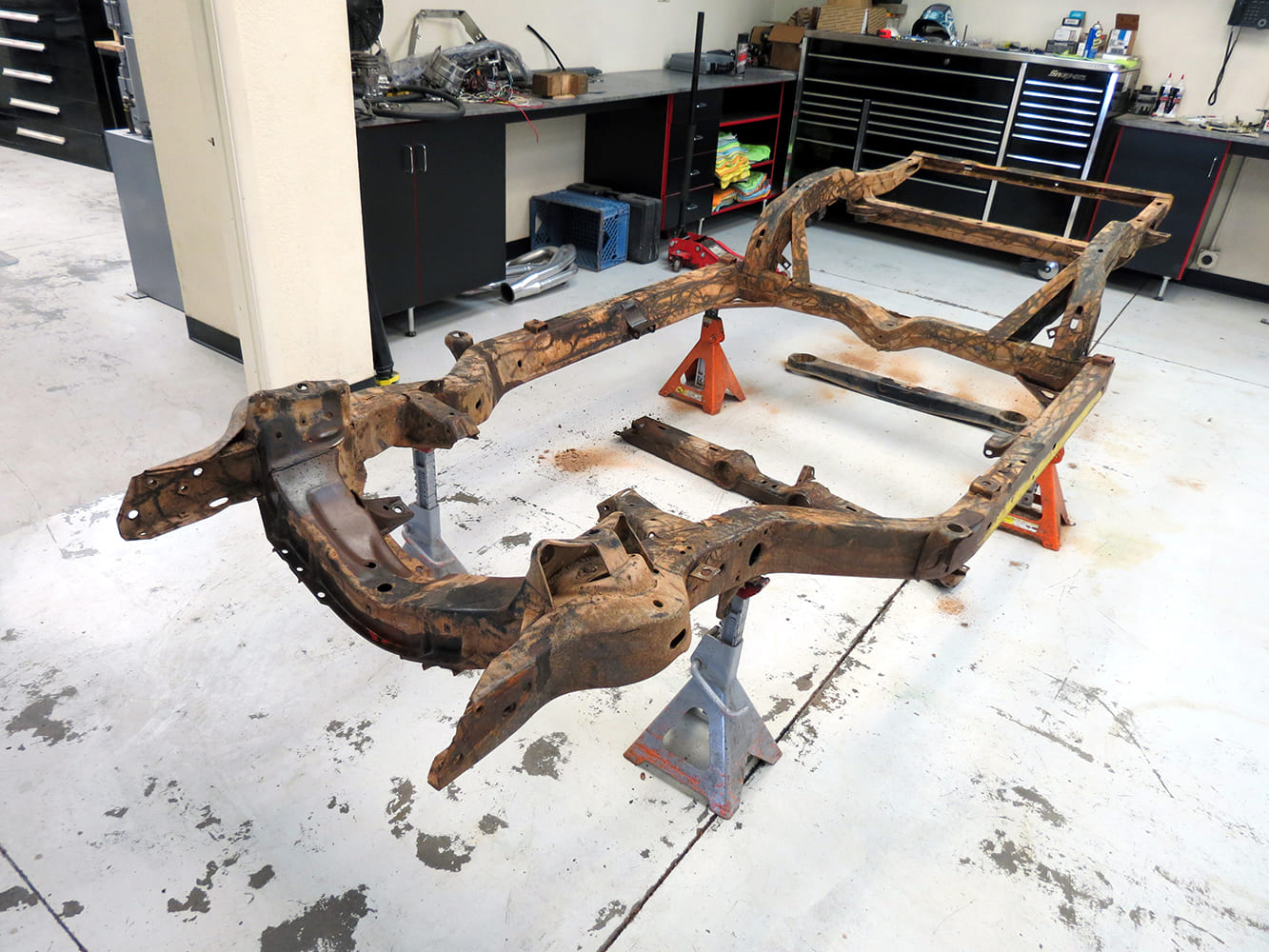
Here you can see the factory frame and front crossmember that is now equipped with a SpeedRay IFS.
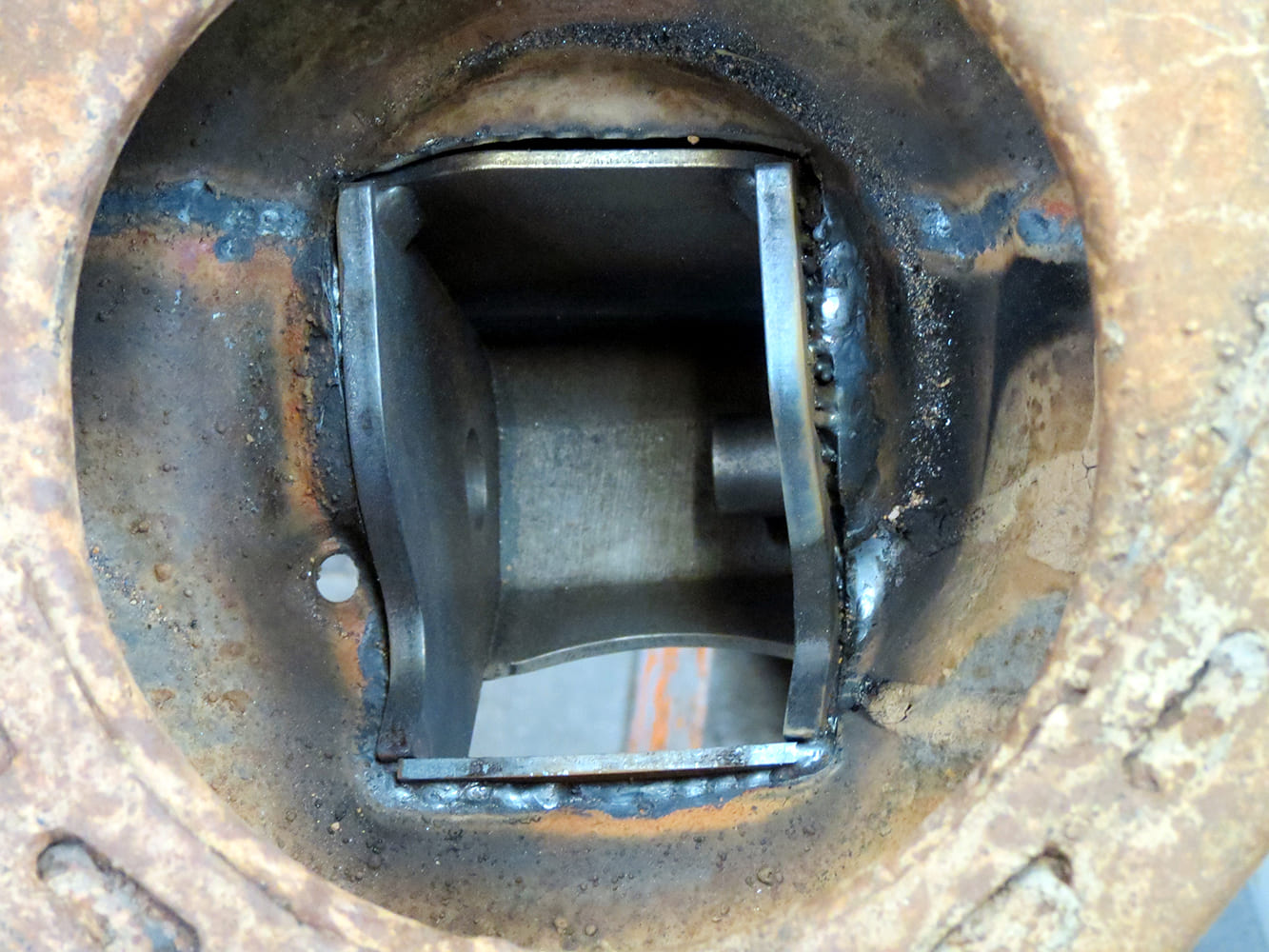
The kit’s included JRi coilovers require their own upper mounting points, so DSE provides custom pockets that must be integrated into the chassis. This involves cutting and welding, making it more than just a bolt-on, however, the work can be done without removing the body from the chassis. In our project, though, HRBD separated them because the entire car is getting a restomod makeover.
DSE’s SpeedRay front suspension system thoroughly upgrades the C2/C3 Corvette with coilover shocks, tubular control arms, rack-and-pinion steering, and more. The components attach to the stock chassis but some fabrication is needed for the upper coilover mounts.
With the upcoming new rear suspension, our weathered C3 Stingray is heading toward a more modern driving experience—one that offers the car improved reflexes, control, and comfort to match its timeless style. MR
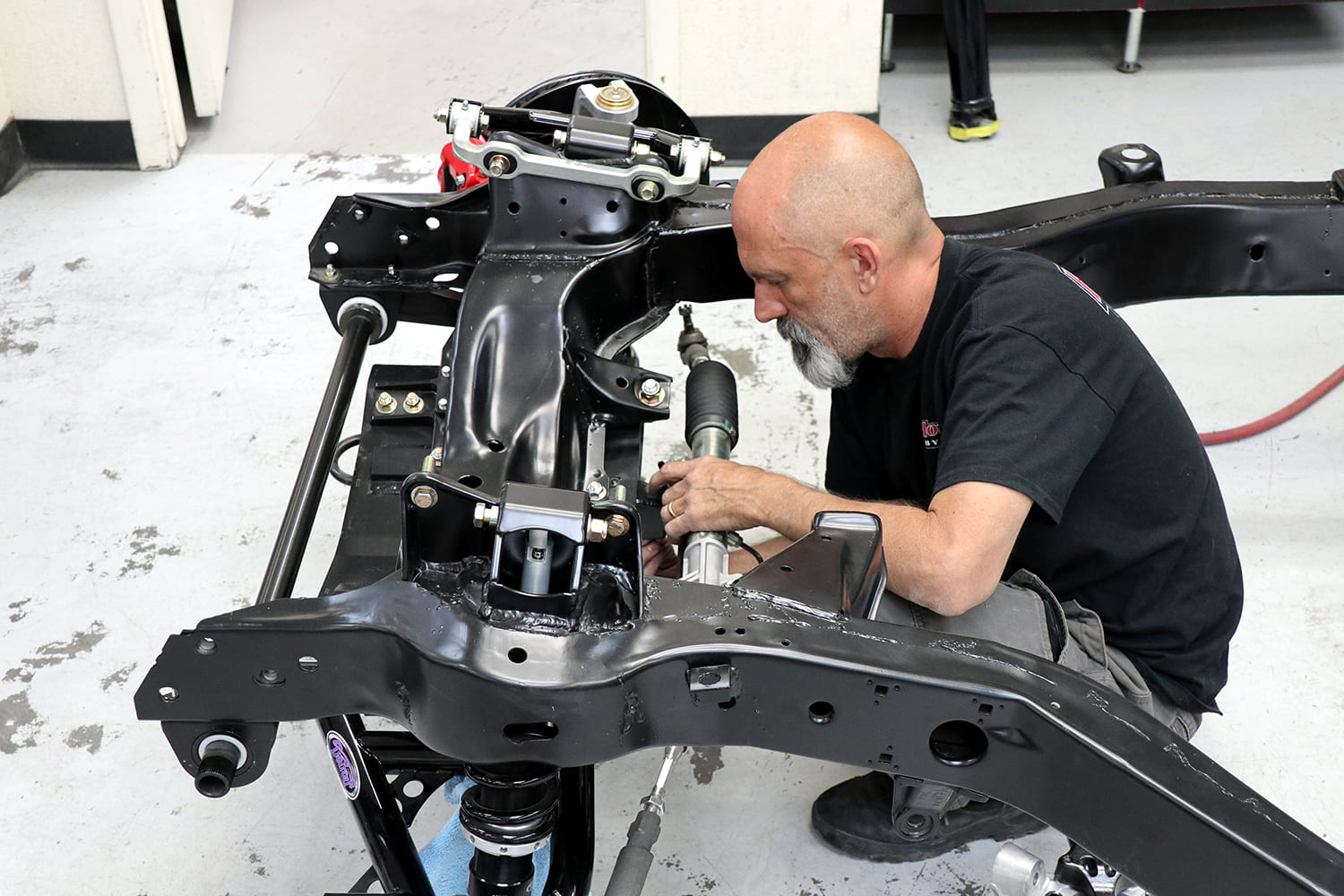
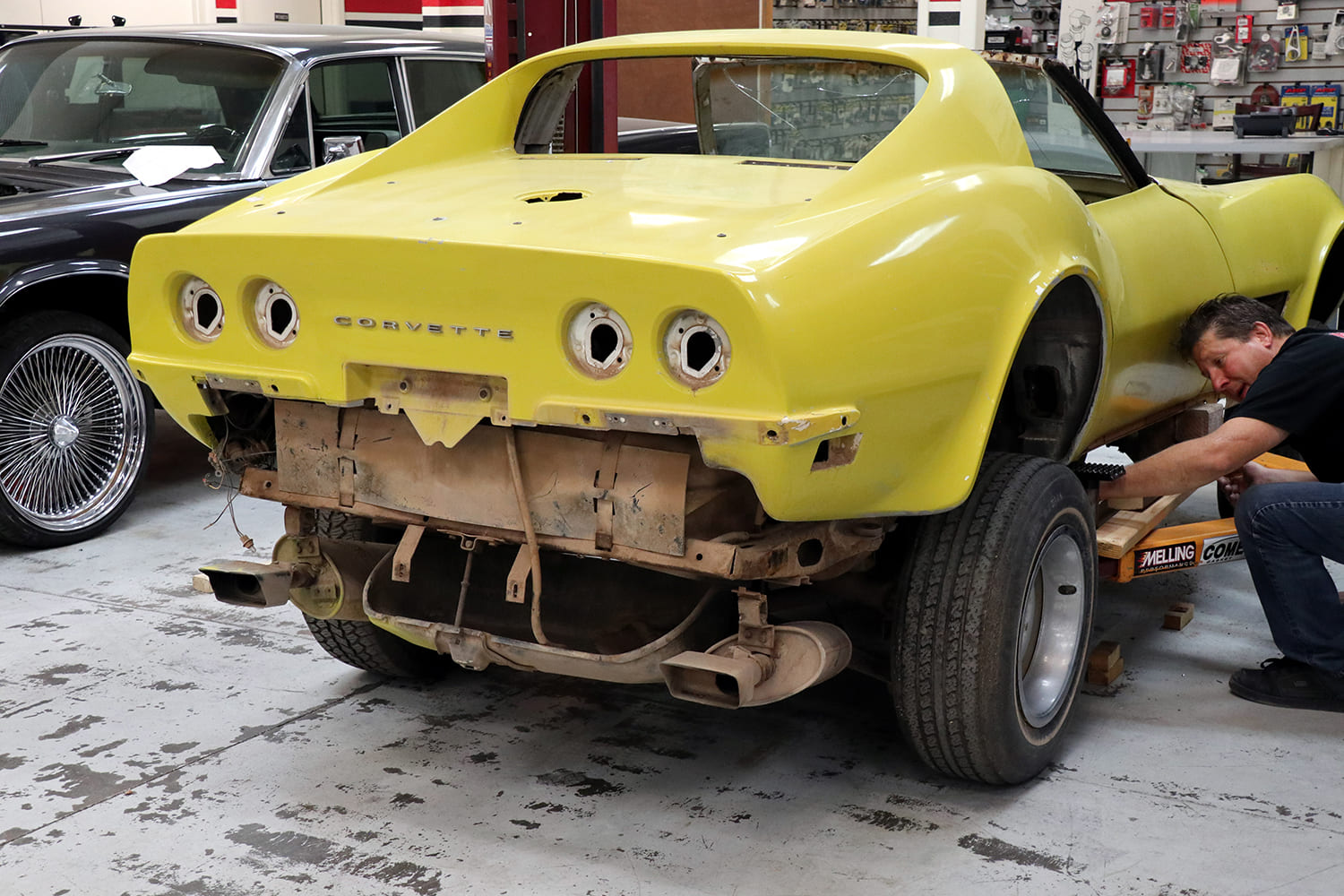
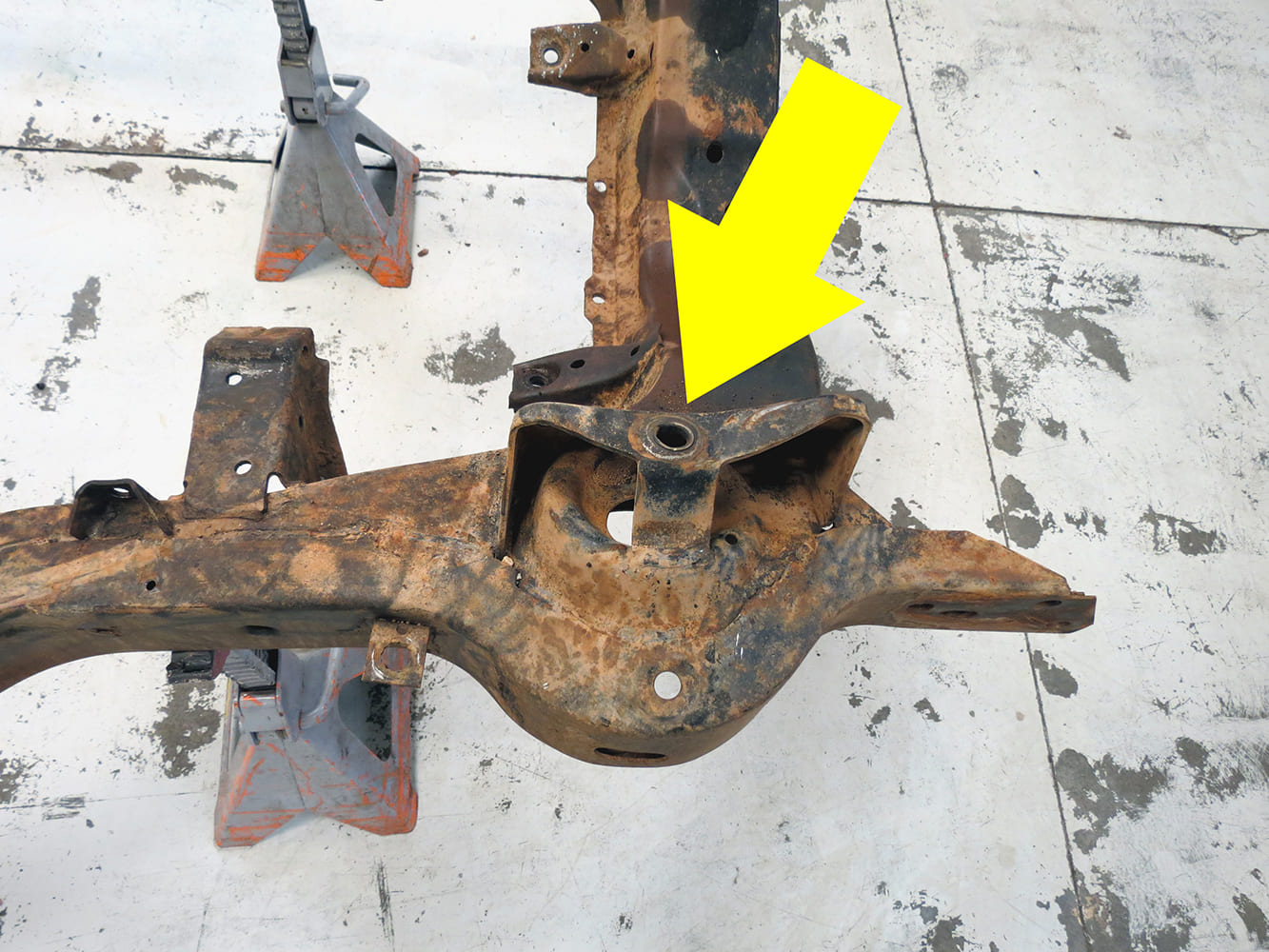
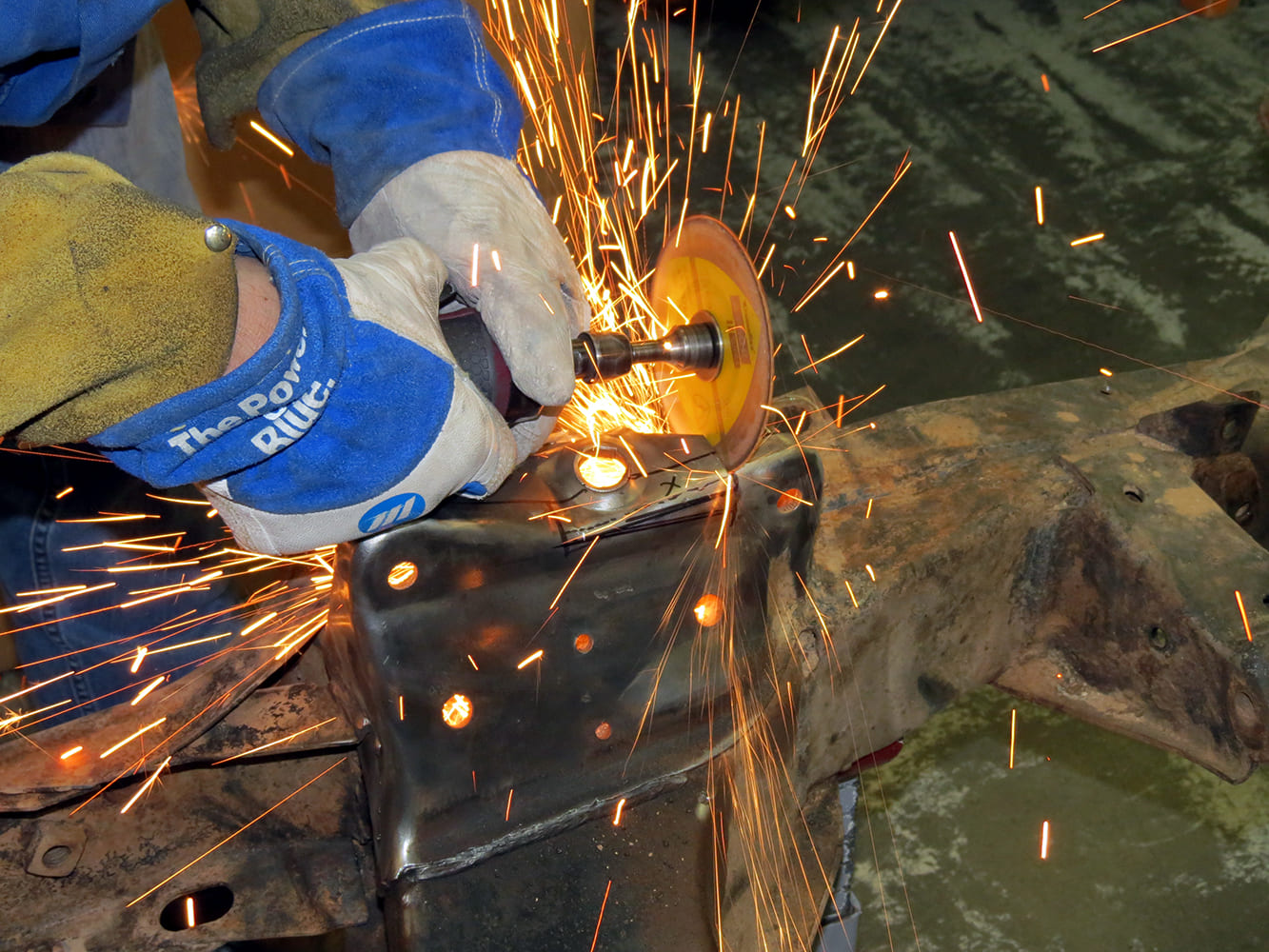
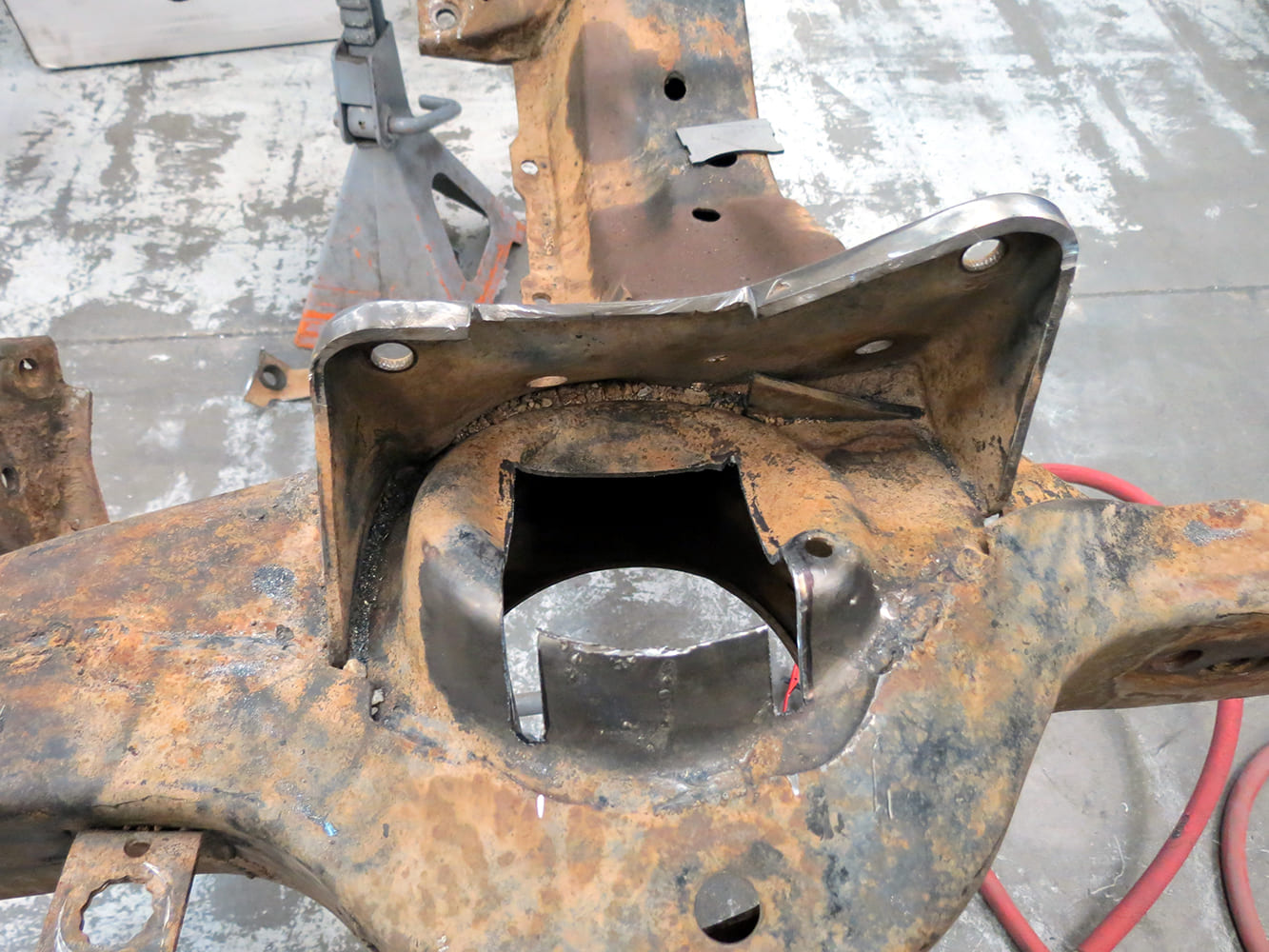
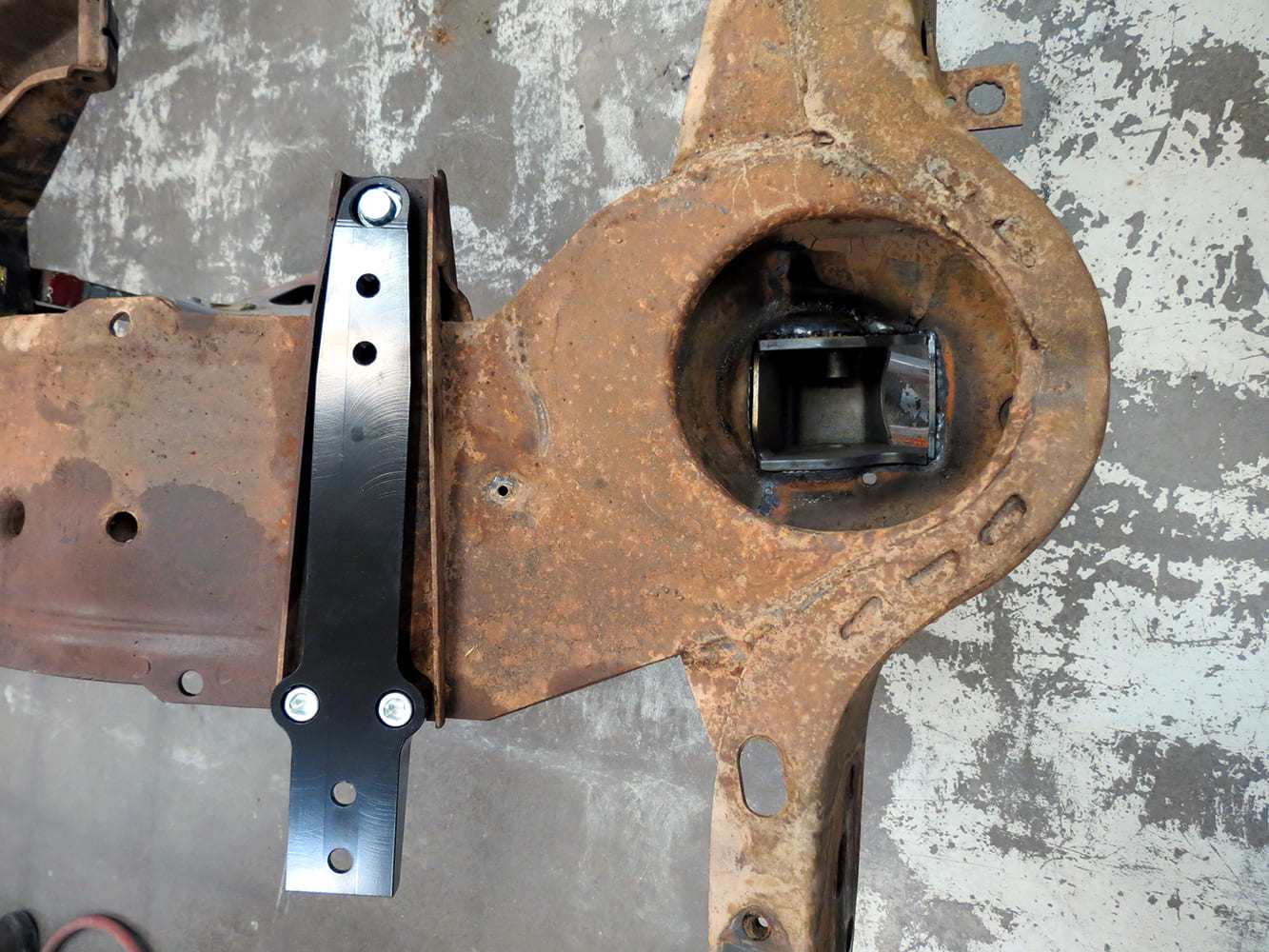
Our 1971 Corvette project car was straight and solid when we found it, but it desperately needed cosmetic, powertrain, and driveline updates. It will undergo a complete transformation, which is why HRBD is starting by pulling the body off the chassis.Although it didn’t look perfect, the chassis was thankfully solid and free of rust. The C2/C3 frames are known for rusting inside the boxed sections and around the welded areas of the rear kickups.The frame will be stripped and refinished but only after some initial suspension installation work is finished. This involves cutting out a section of each original shock mount and welding new mounts for the SpeedRay suspension’s upper control arms and coilovers.DSE’s instructions provide measurements for where to cut the shock mounts. After marking guidelines on the mounts, the upper sections are cut out of the steel.
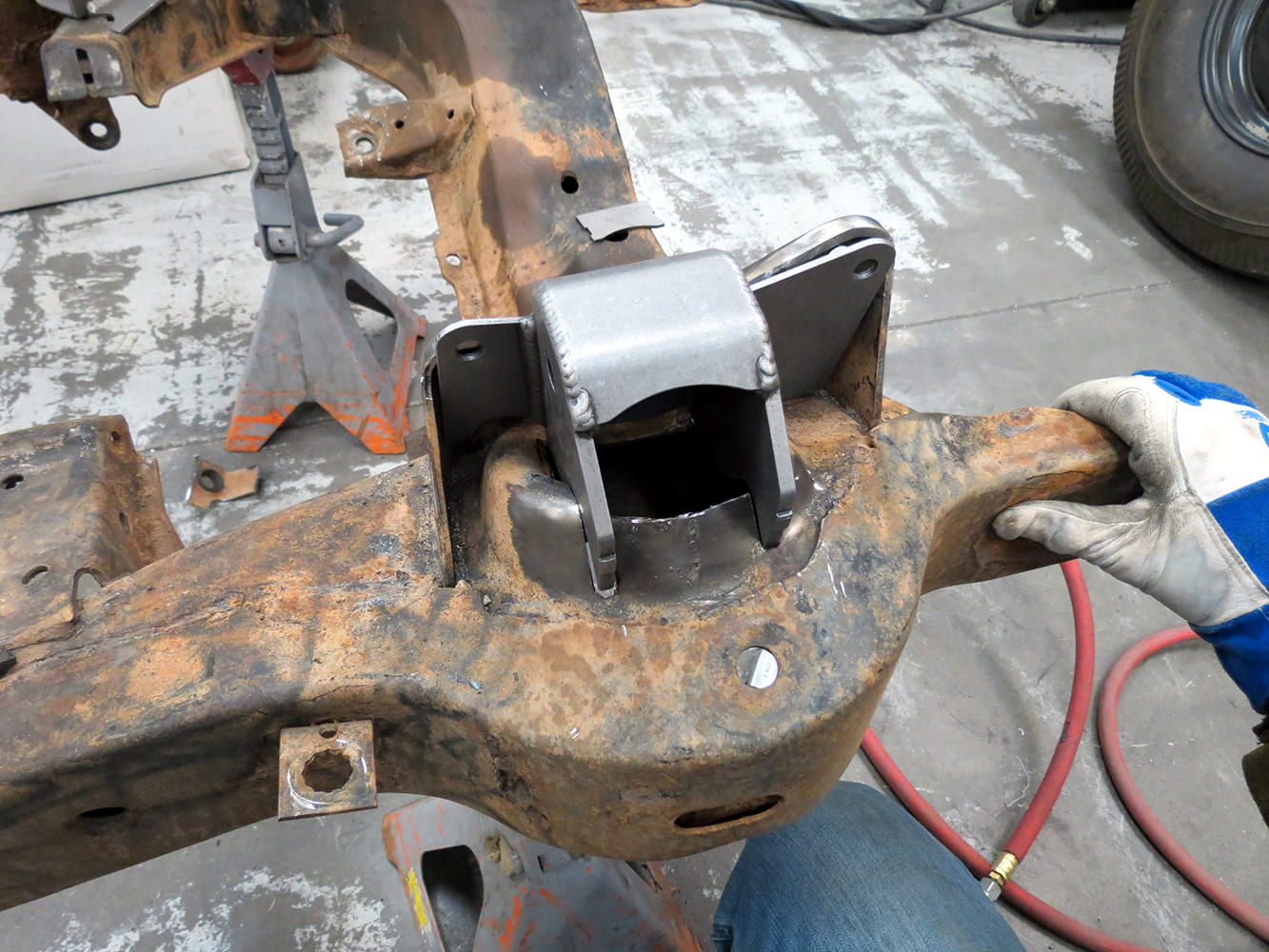
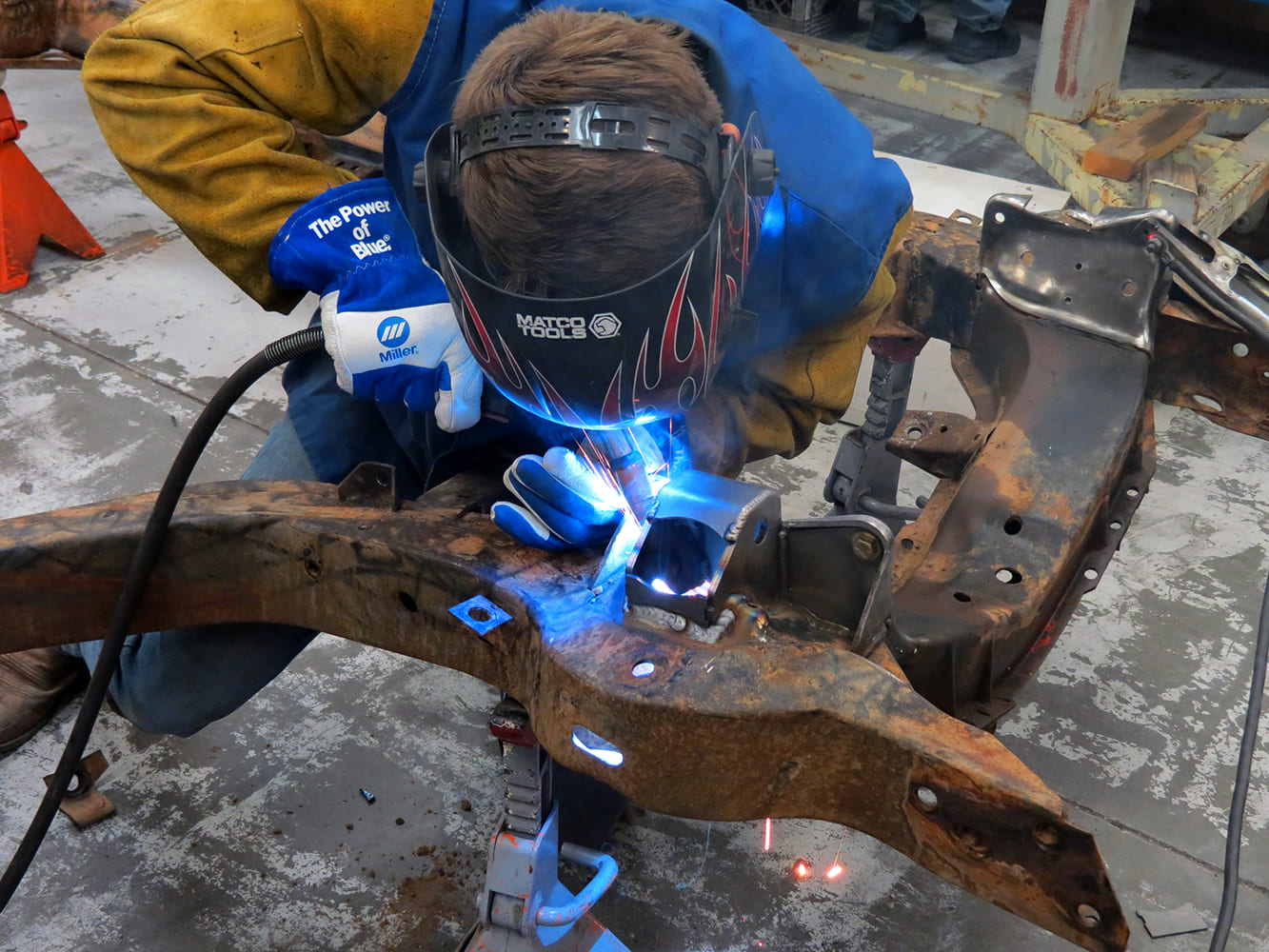
After the shock mounts are removed, the original spring perches must also be cut and modified to accommodate the new mounts.The new mounts are included with the SpeedRay kit, and one is shown here in a test-fit before final installation. In addition to providing the top mount for the corresponding coilover assemblies, the mounts also support the upper control arms.With the fitment and necessary measurements double-checked, the new mounts are welded to the chassis.
Attachment also includes welding the inside of the new mounts to the bottom of the spring perches. This concludes the welding and fabrication portions of the project.Next, the new system’s cradle adapter plates are installed within the factory lower control arm brackets—but not before ensuring the brackets are straight and flat.An overall view of a fully prepped powdercoated stock frame with the DSE IFS and IRS in place.
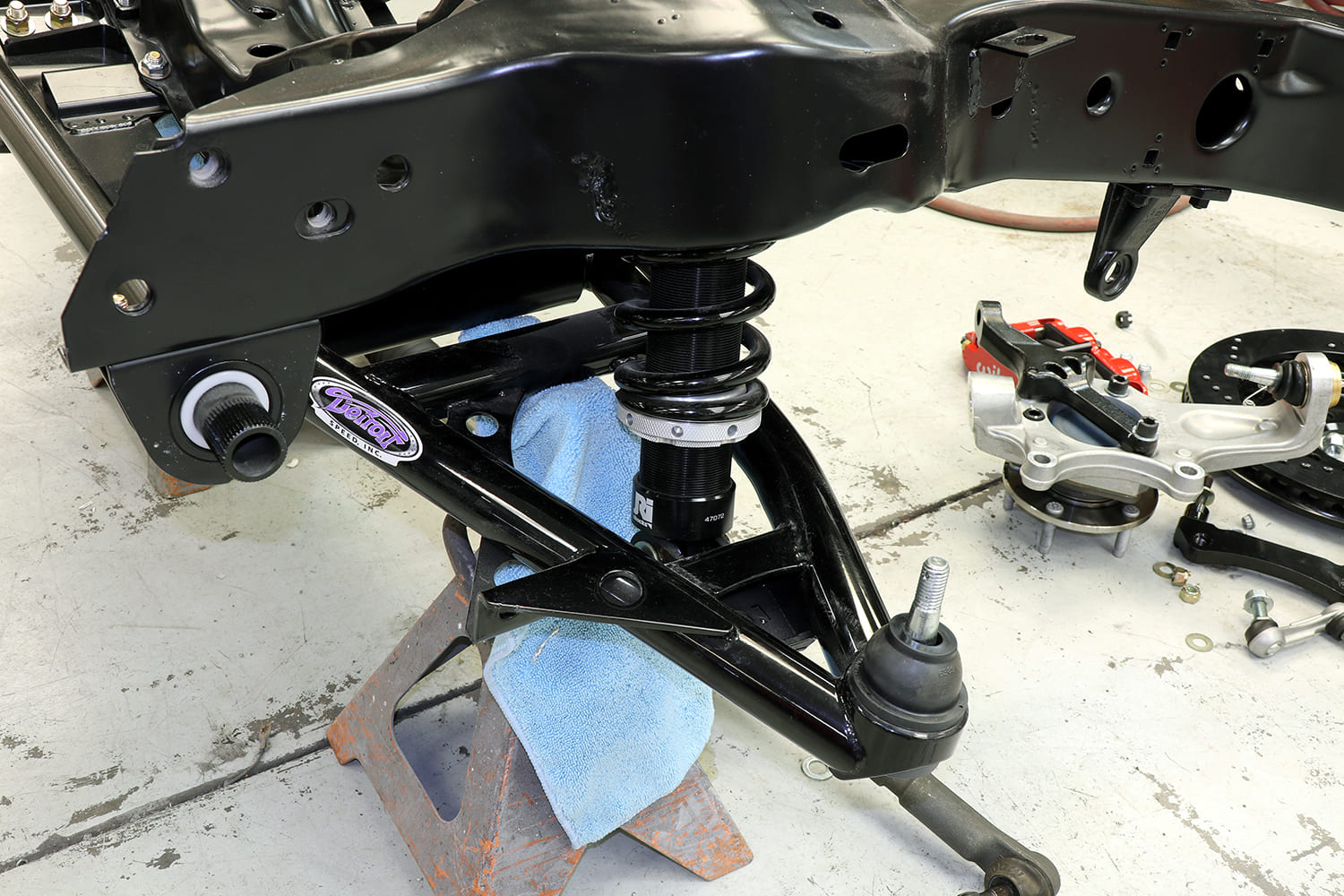
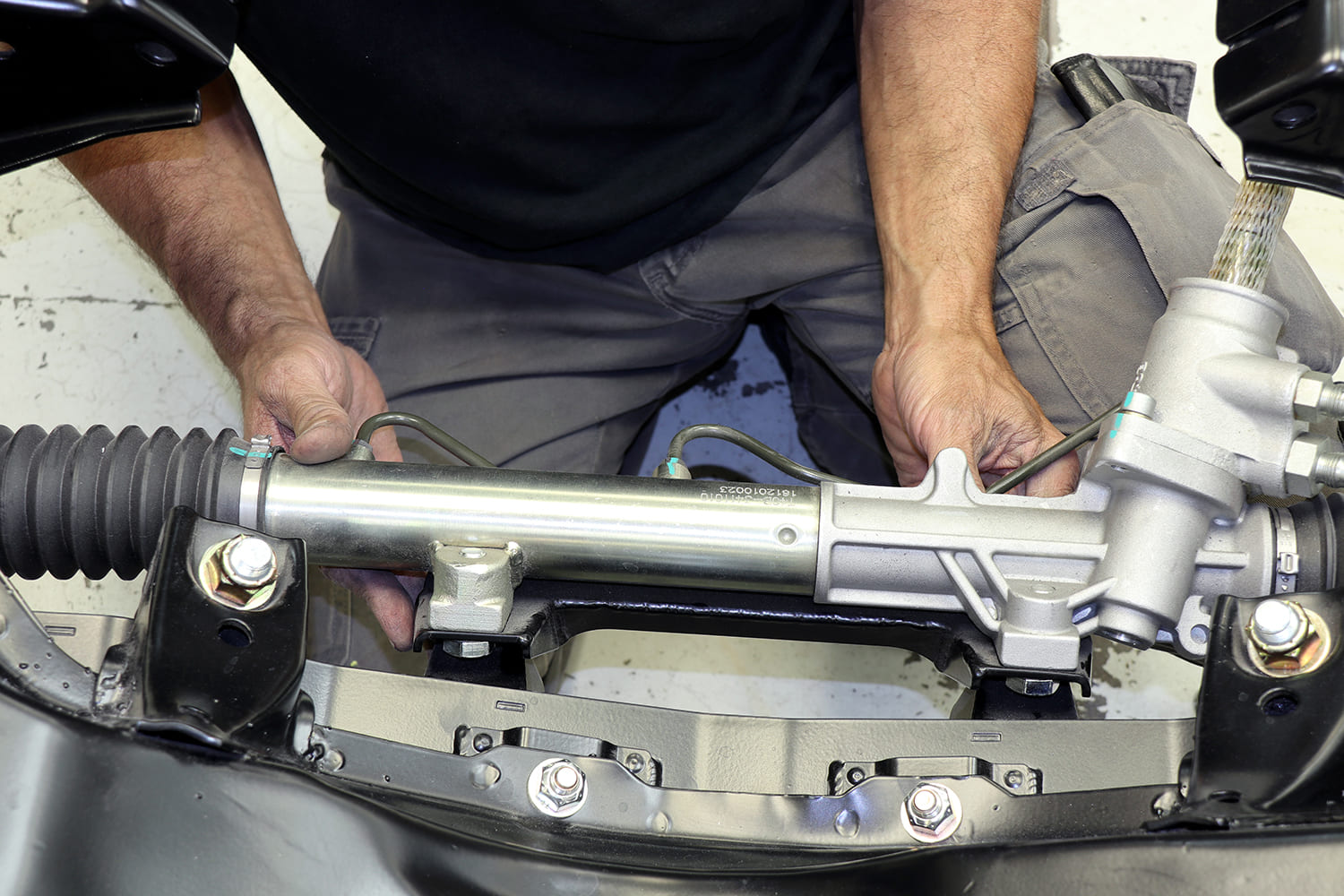
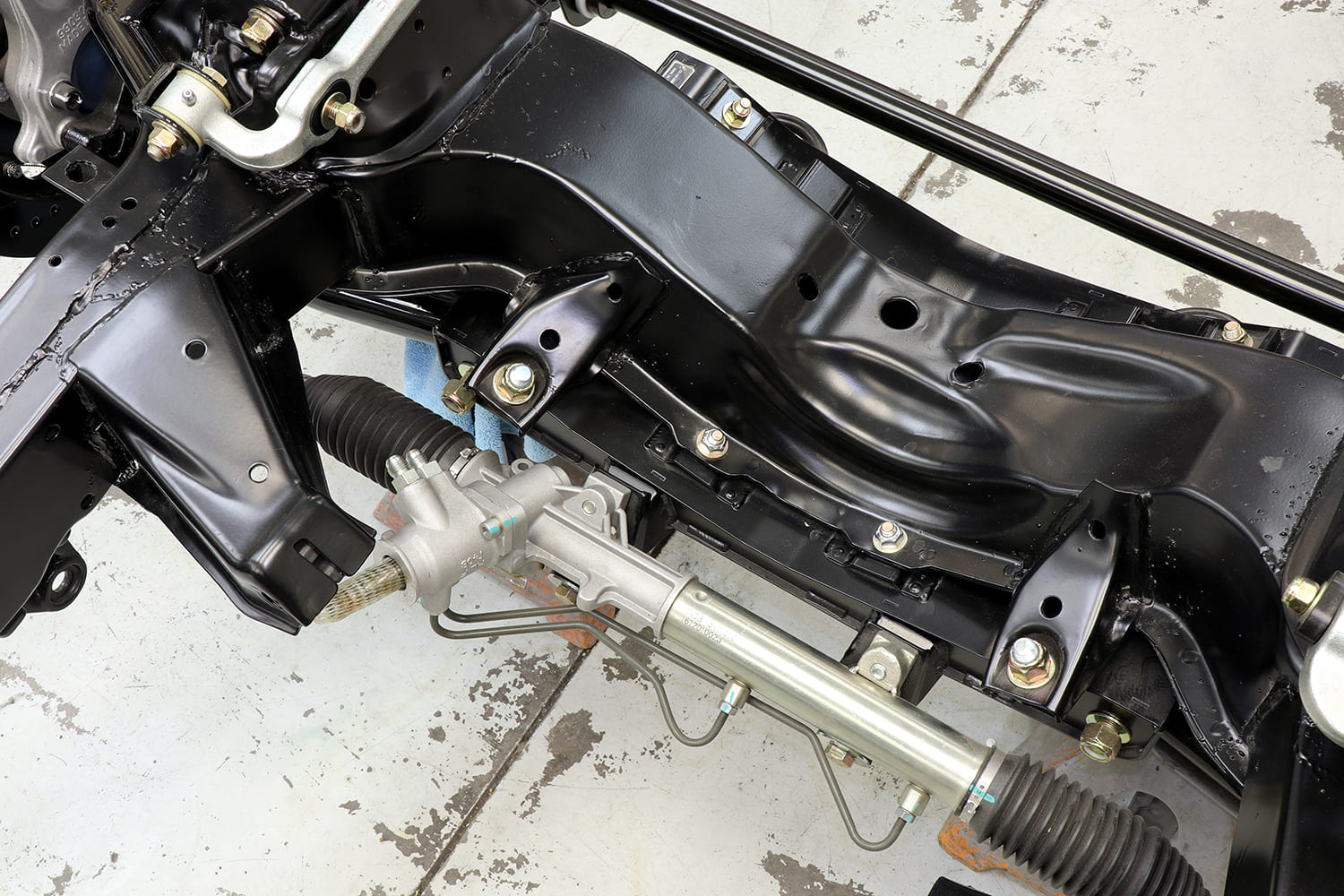
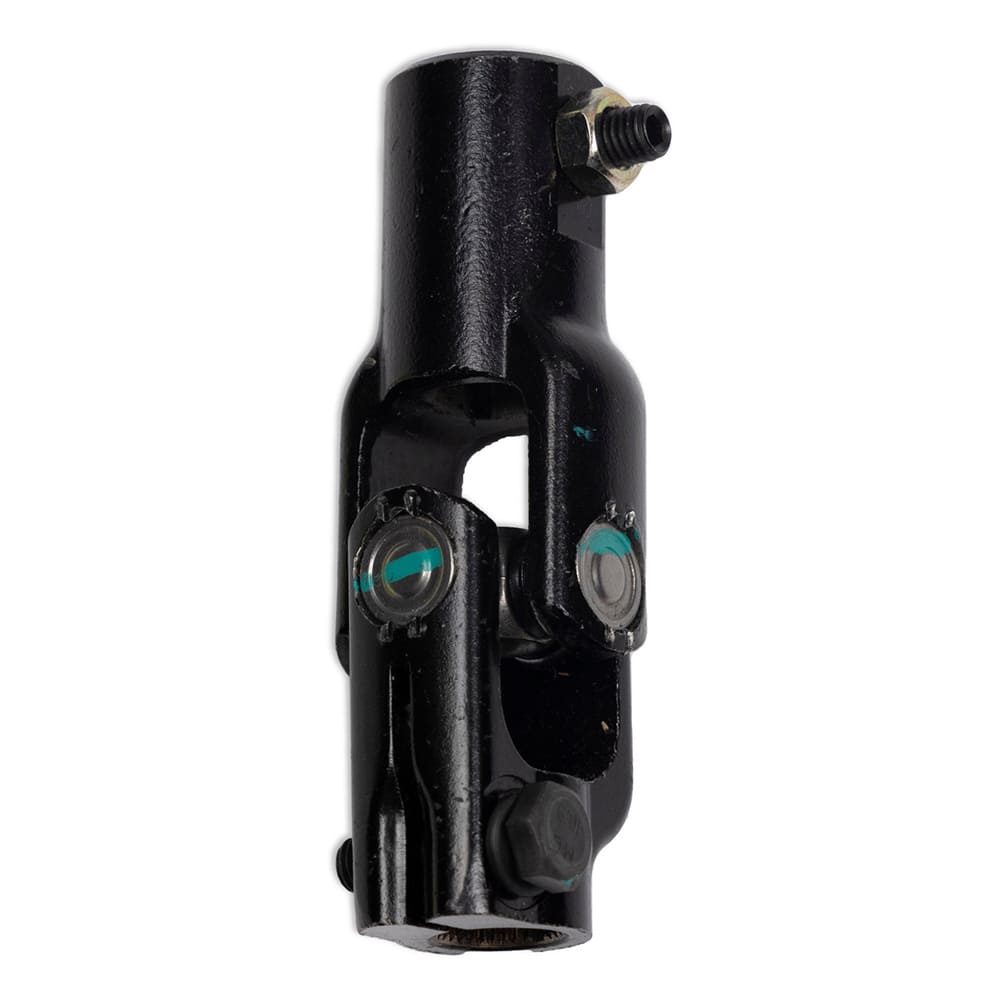
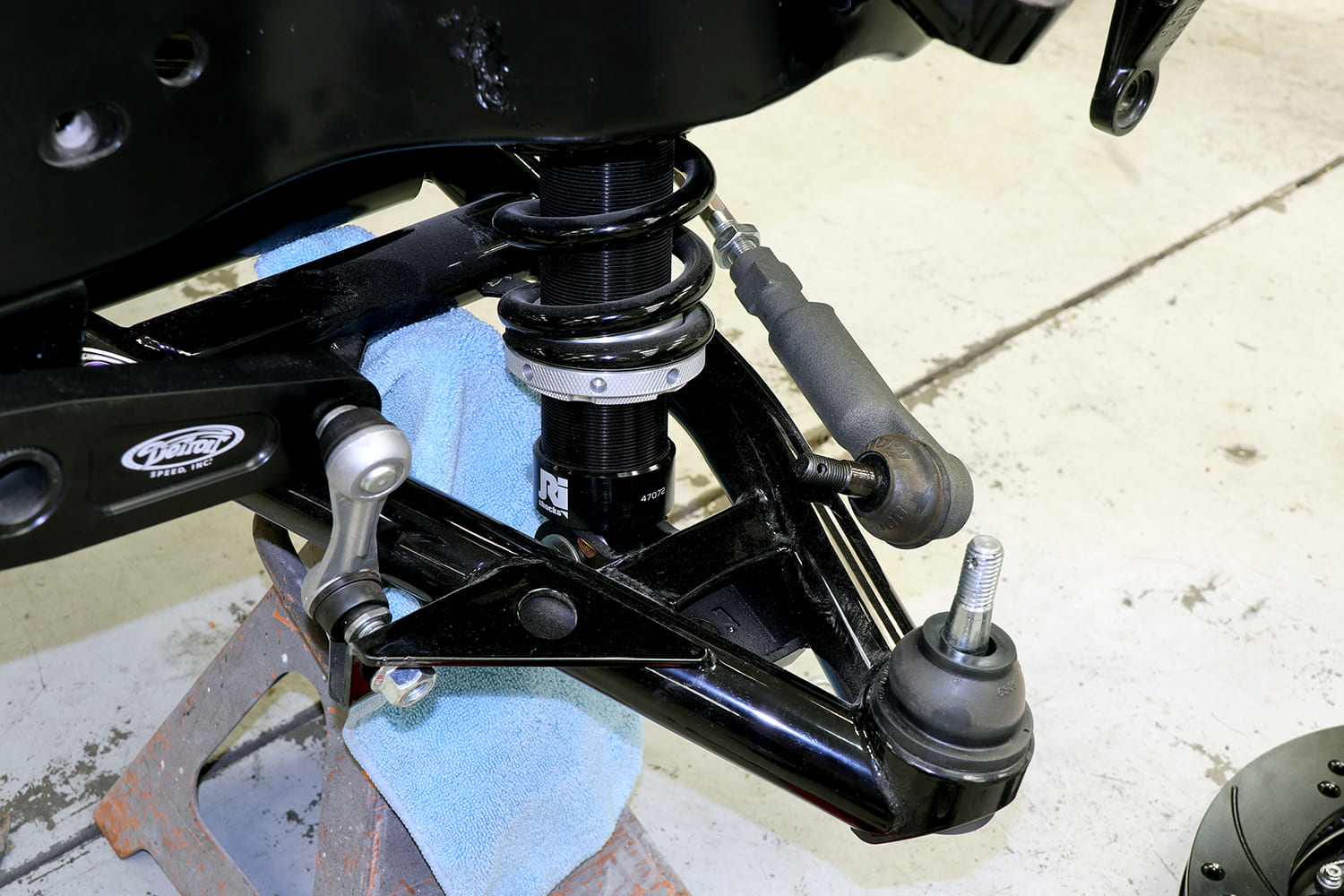
Next is the new front cradle, which simply attaches to the adapter plates. Additional mounting holes might need to be drilled into later C3 frames, but that wasn’t necessary for this chassis.The lower control arms mount on the new cradle—and yes, the frame has been refinished between the time the cradle was installed and the rest of the suspension was bolted into place. One of the coilover assemblies is also shown here. The spring rate is 650 lb/in, and the damper is a double-adjustable unit from JRi.Before moving onto the upper control arms, the kit’s rack-and-pinion steering system is installed next. Before bolting it onto the new cradle, the rack was centered and the tie-rod ends installed. The system has a 13:1 ratio and requires just two turns, lock to lock.Here’s a tip: The steering rack needs a specific 36-spline U-joint, which has a 17mm diameter on the rack side and a standard 3/4-inch DD size on the other end. It’s not included with the kit and must be ordered separately under PN 092525DS.
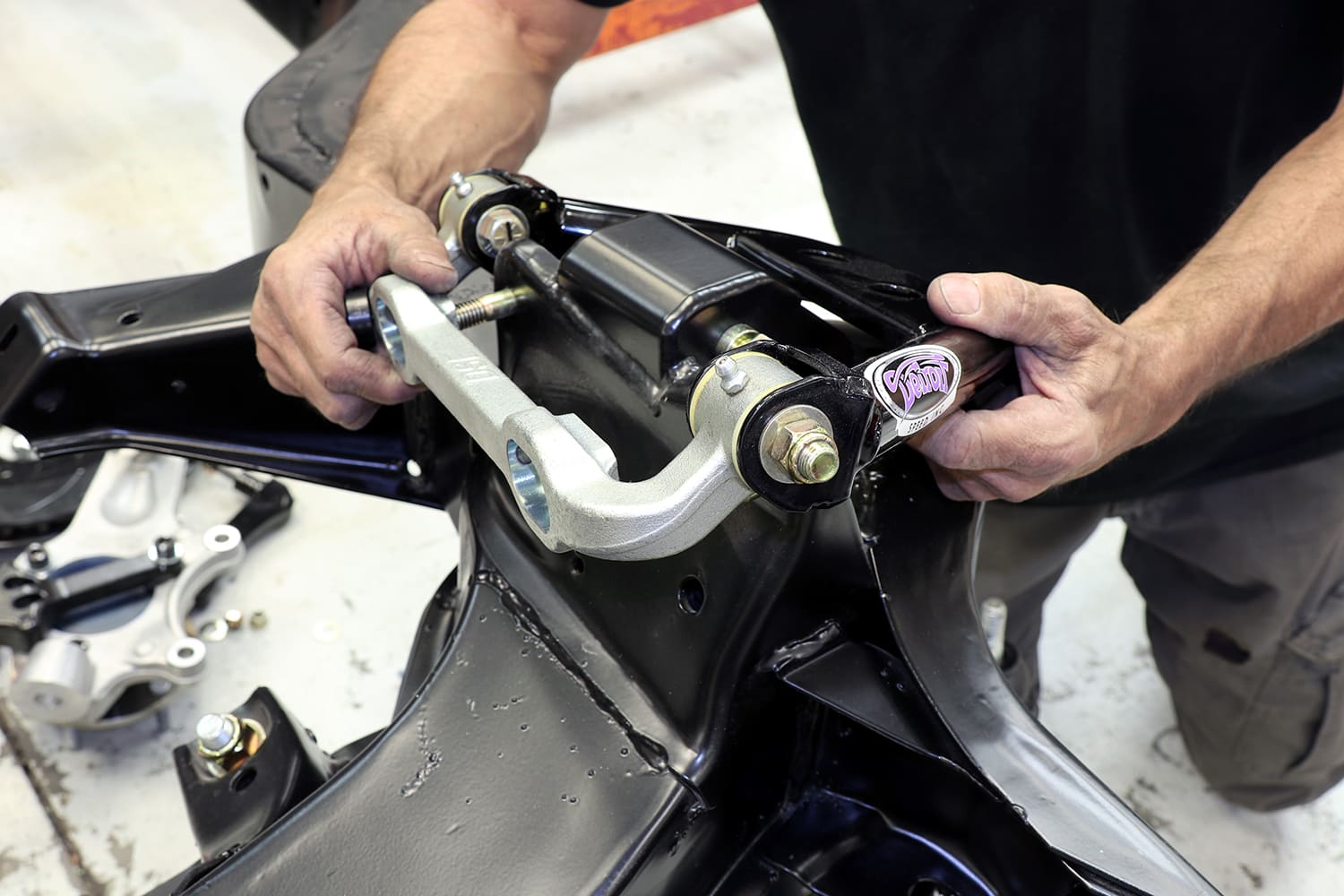
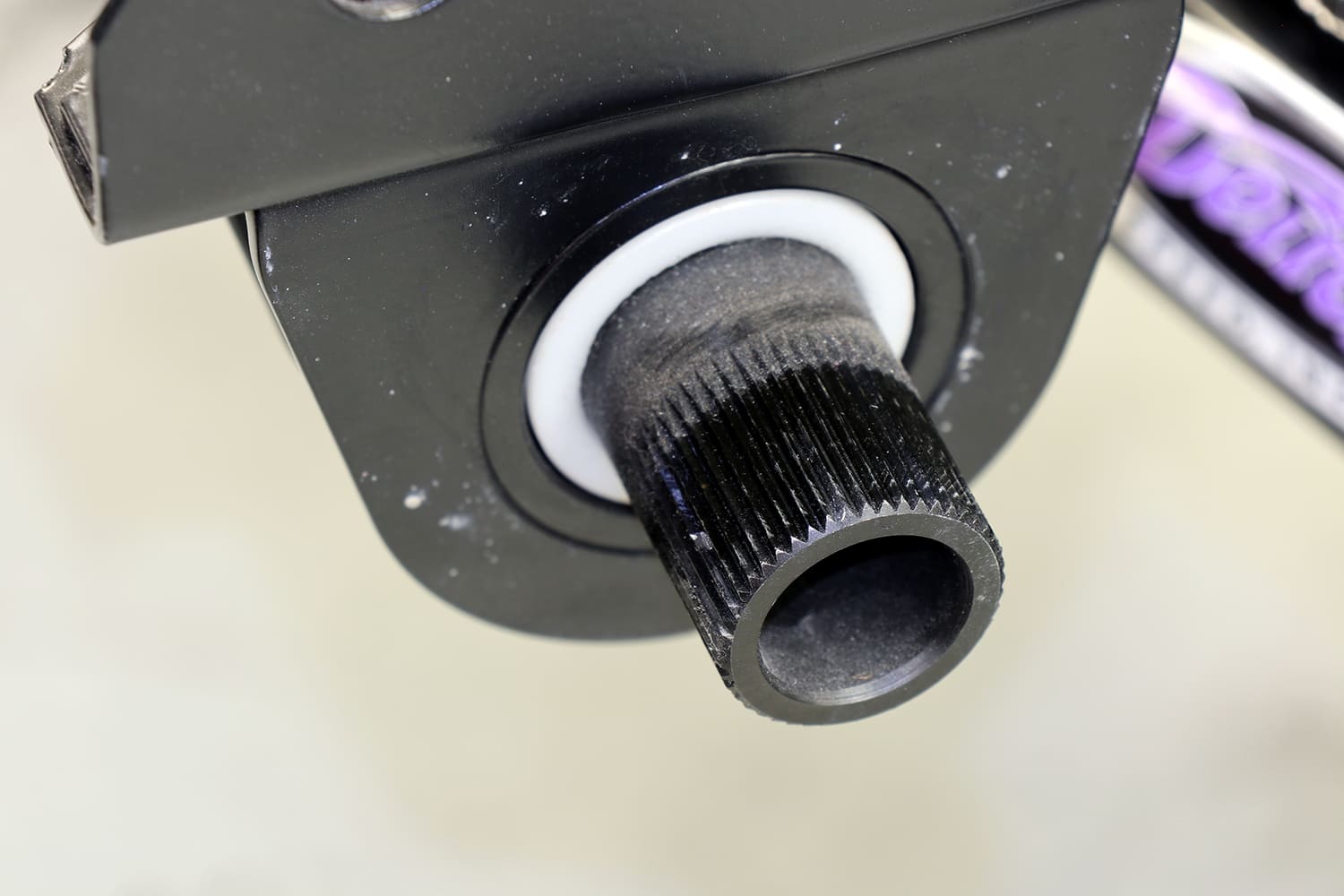
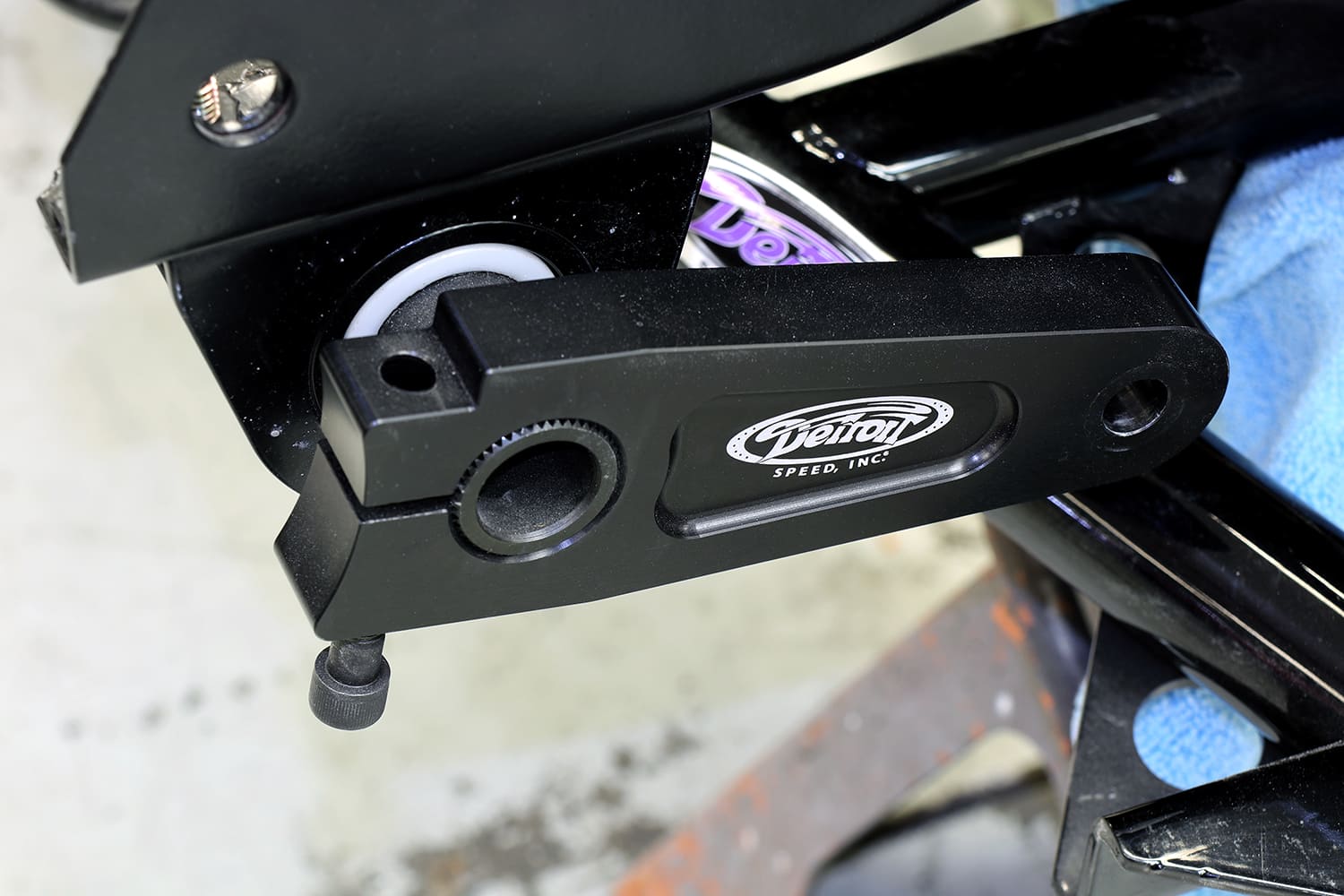
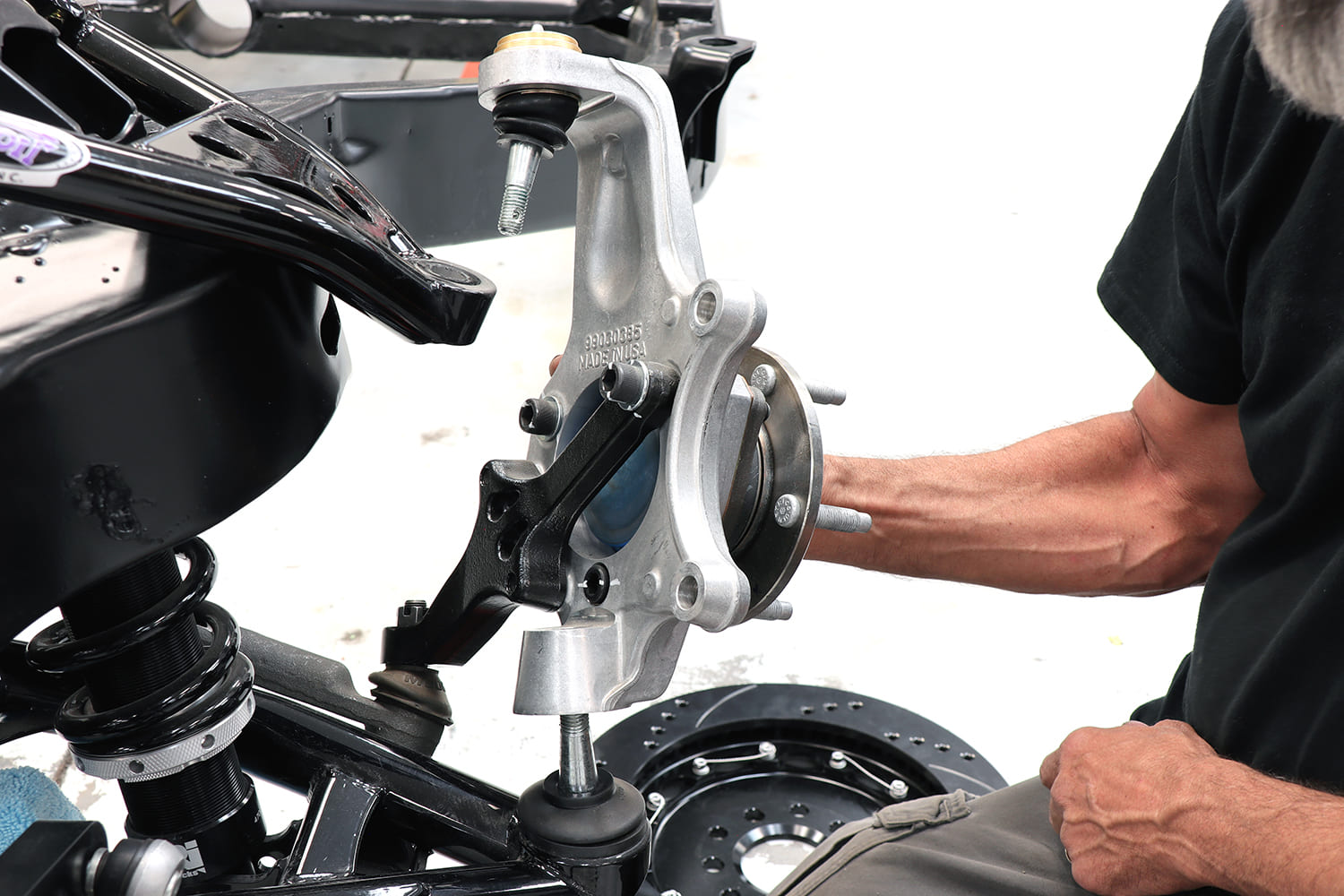
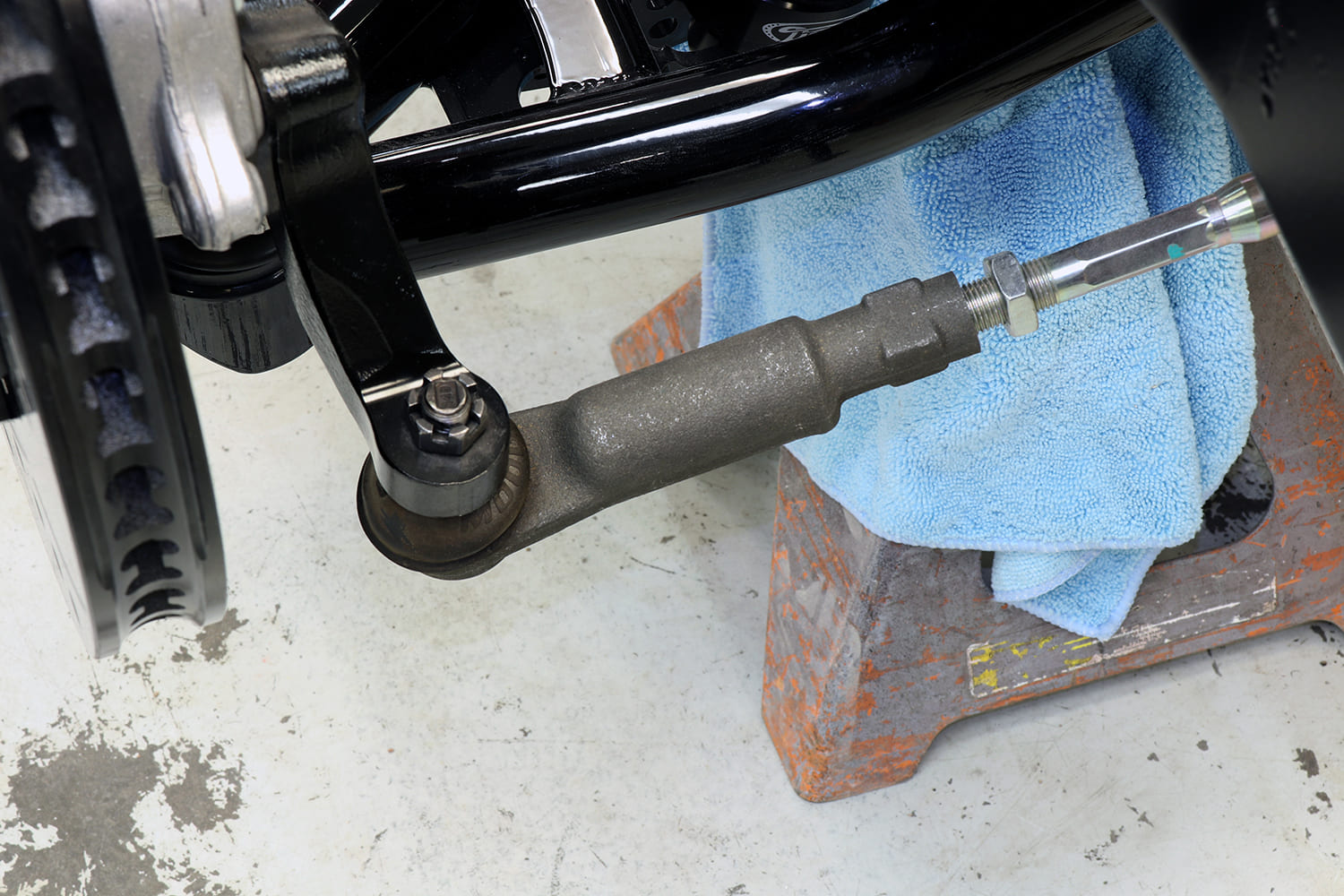
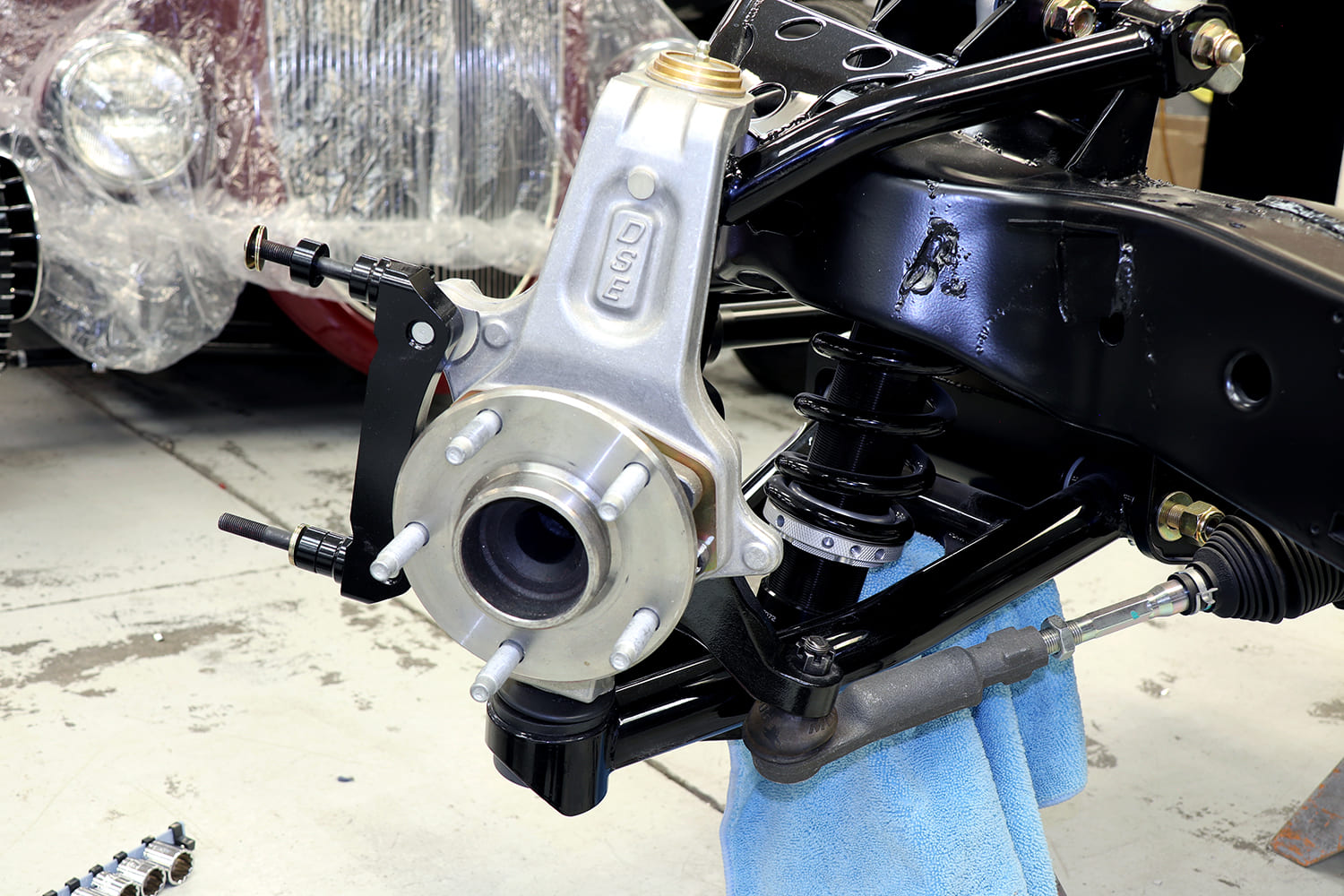
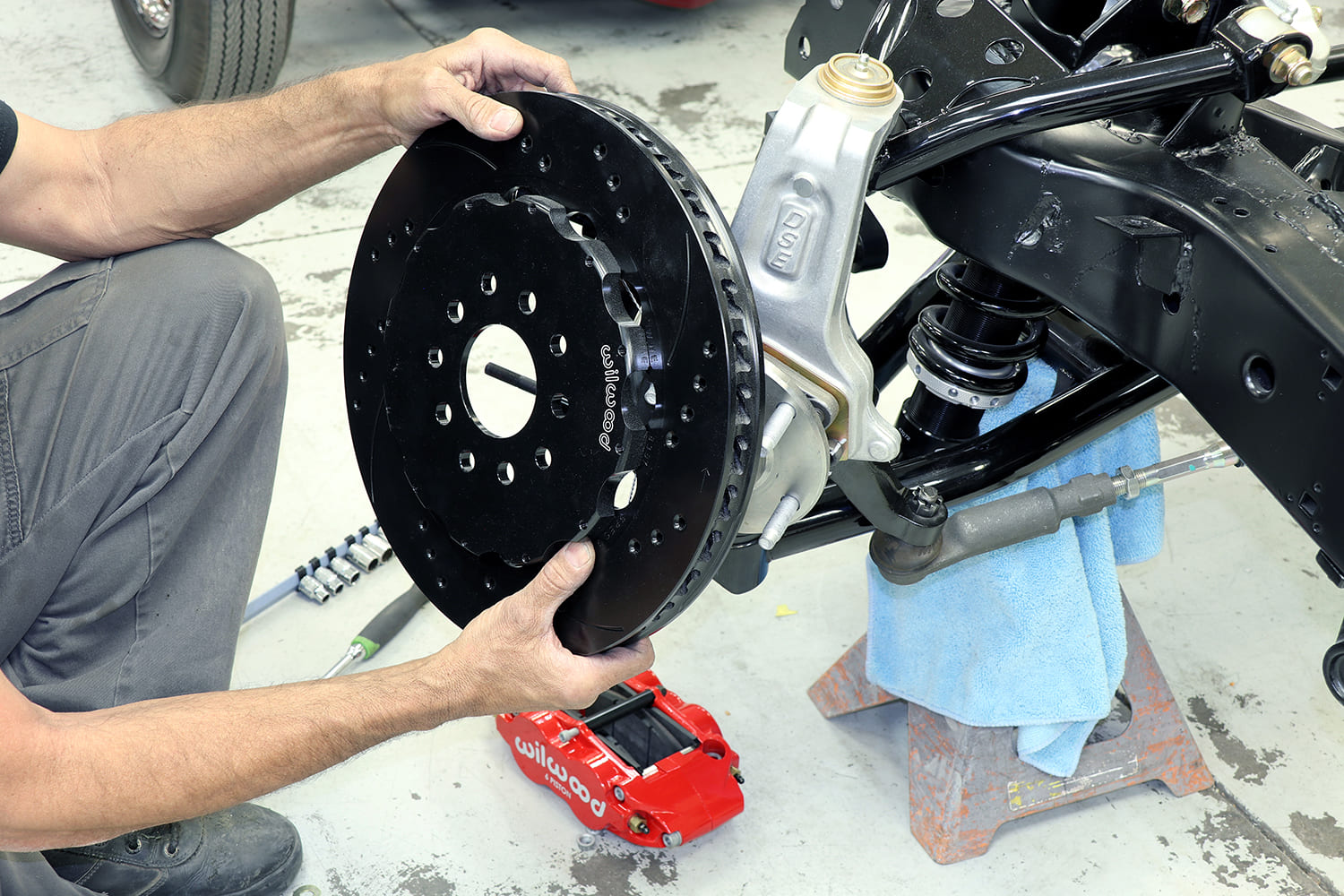
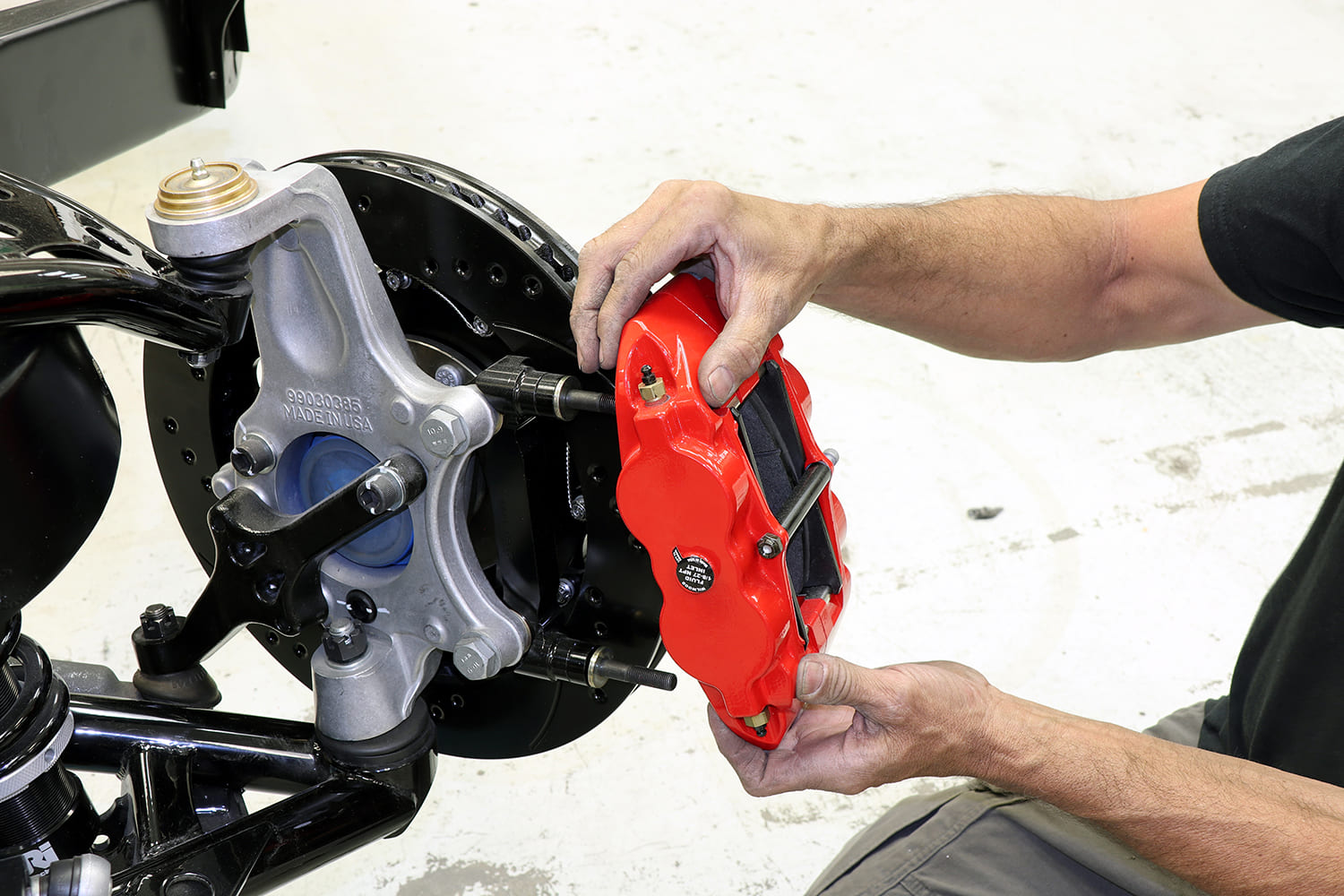
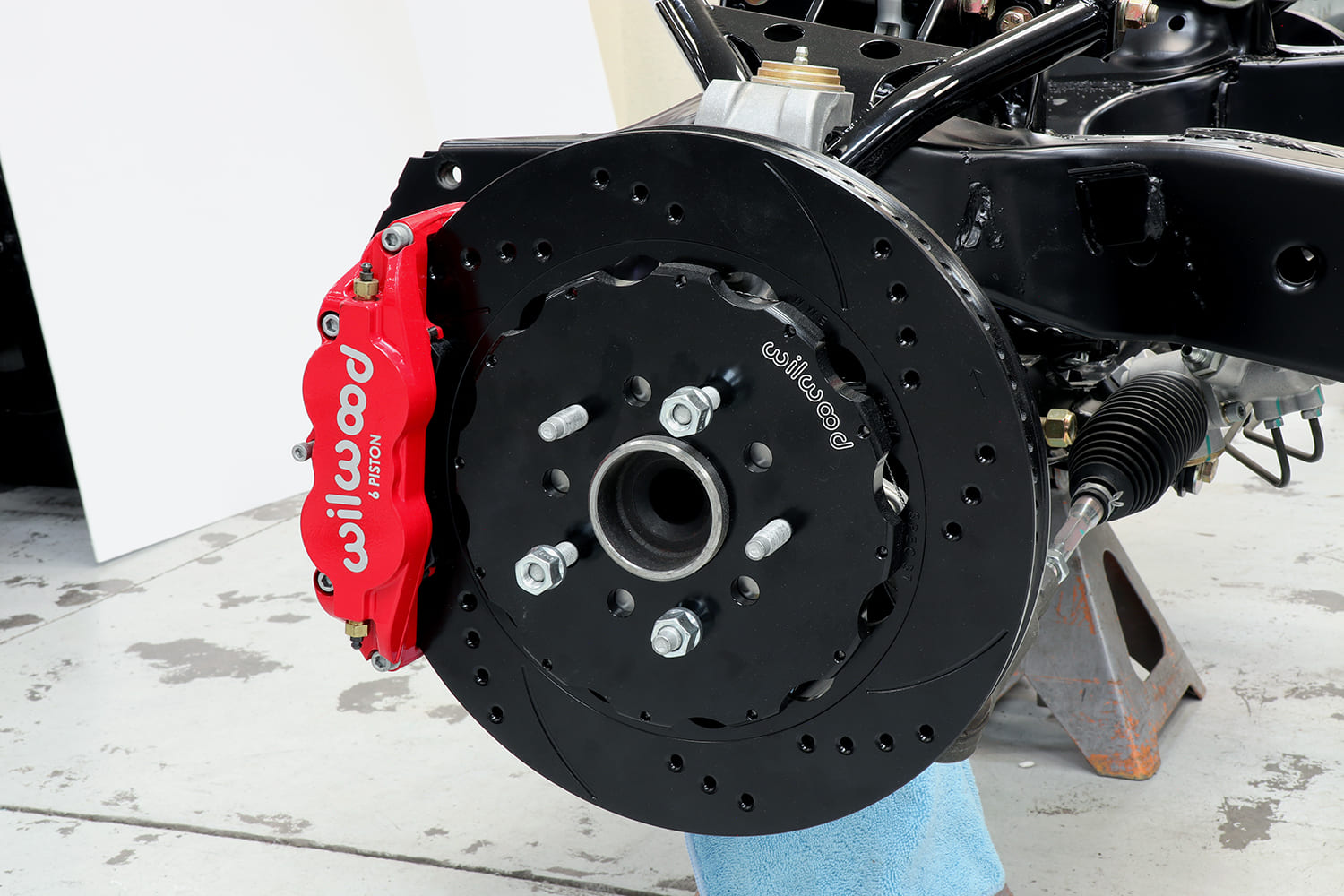
Next up are the upper control arms. The assemblies bolt into the original upper control arm positions. Double-check that the correct arm is on the correct side of the chassis.After the upper control arms comes the stabilizer bar. Supplied brackets mount to the chassis and the bar is supported by high-tech composite bushings.Connecting bars and endlinks attach the stabilizer bar to the suspension. The bars should be mounted in the same position and on the same stabilizer splines on both the left and right sides of the suspension.The endlinks are bolted to the connecting bars and then to the lower control arms.Next, install the spindle assemblies. They attach to the upper control arms first, then are lowered onto the lower ball joints. A specific torque procedure for these mountings is included in the instructions. DSE also recommends applying high-strength Red Loctite 262 to the threads of the lower ball joint.After that, the outer tie rods are connected to the spindles’ steering arms.With that, the suspension installation is essentially complete. DSE’s instructions provide details on setting and adjusting the ride height, but this is done later, after the vehicle is reassembled. In the meantime, the basics for a set of Wilwood brakes will be installed, and, as this image shows, the caliper bracket is already in place.Large, 14-inch-diameter drilled-and-slotted two-piece rotors are then installed on the spindle hubs.The loaded, six-piston calipers are slipped over the rotors and snugged to the caliper brackets. There’s plenty more to do with the brake system, including routing all-new lines, but again that comes later.The SpeedRay front suspension and Wilwood brake upgrades thoroughly modernize our classic C3 project car. We’re looking forward to checking out its reflexes in the near future, but we’ve still got the rear suspension and brakes to contend with—and we’re going to detail them in an upcoming issue.
We use cookies to ensure that we give you the best experience on our website. If you continue to use this site we will assume that you are happy with it.