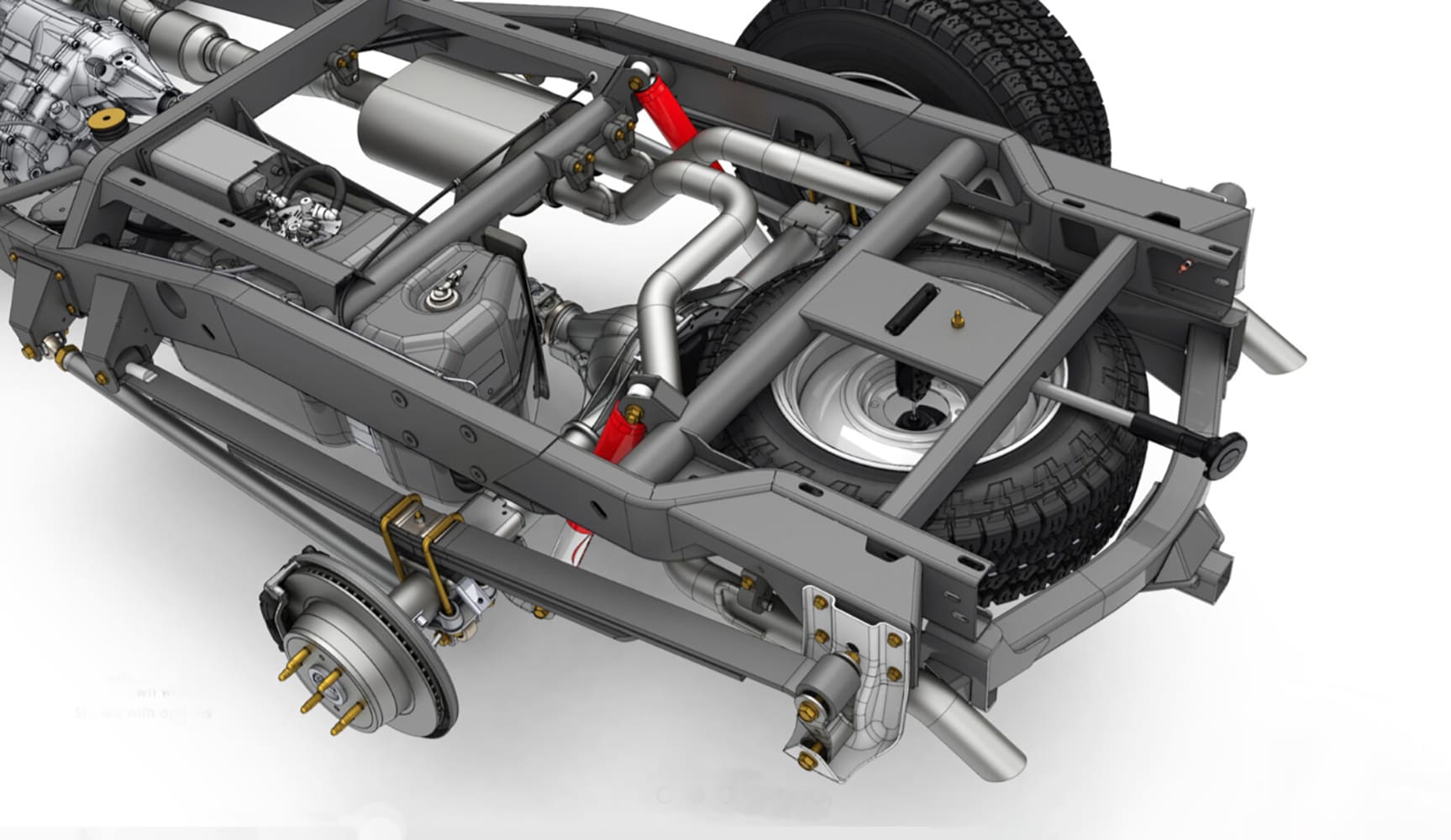
If you love the look of vintage Squarebody GM trucks but want the drivability of a modern vehicle, including four-wheel drive and independent front suspension, Roadster Shop has the answer. Their Legend Series chassis is a direct bolt-in for 1973-87 K10-series trucks. Extensively engineered to accept the original cab, front end, and bed, it also provides a stout foundation for a modern 460hp LT1 crate engine, paired with a heavy-duty transfer case. Roadster Shop recently completed a Crew Cab project using the “HD” version of this platform, using a turbocharged Duramax diesel engine with an Allison transmission. In this article, we’ll take a look at some of the details of this impressive build.
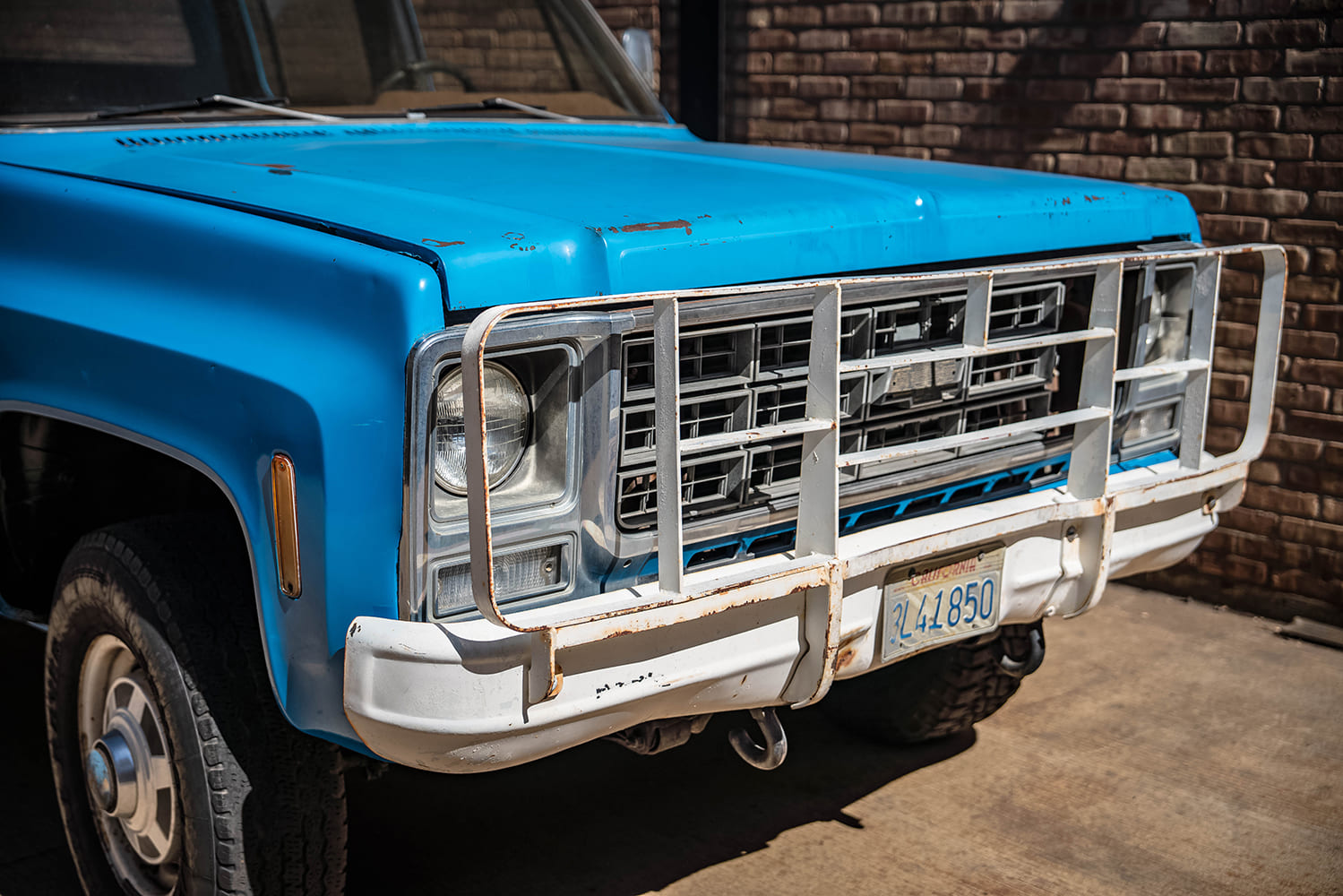
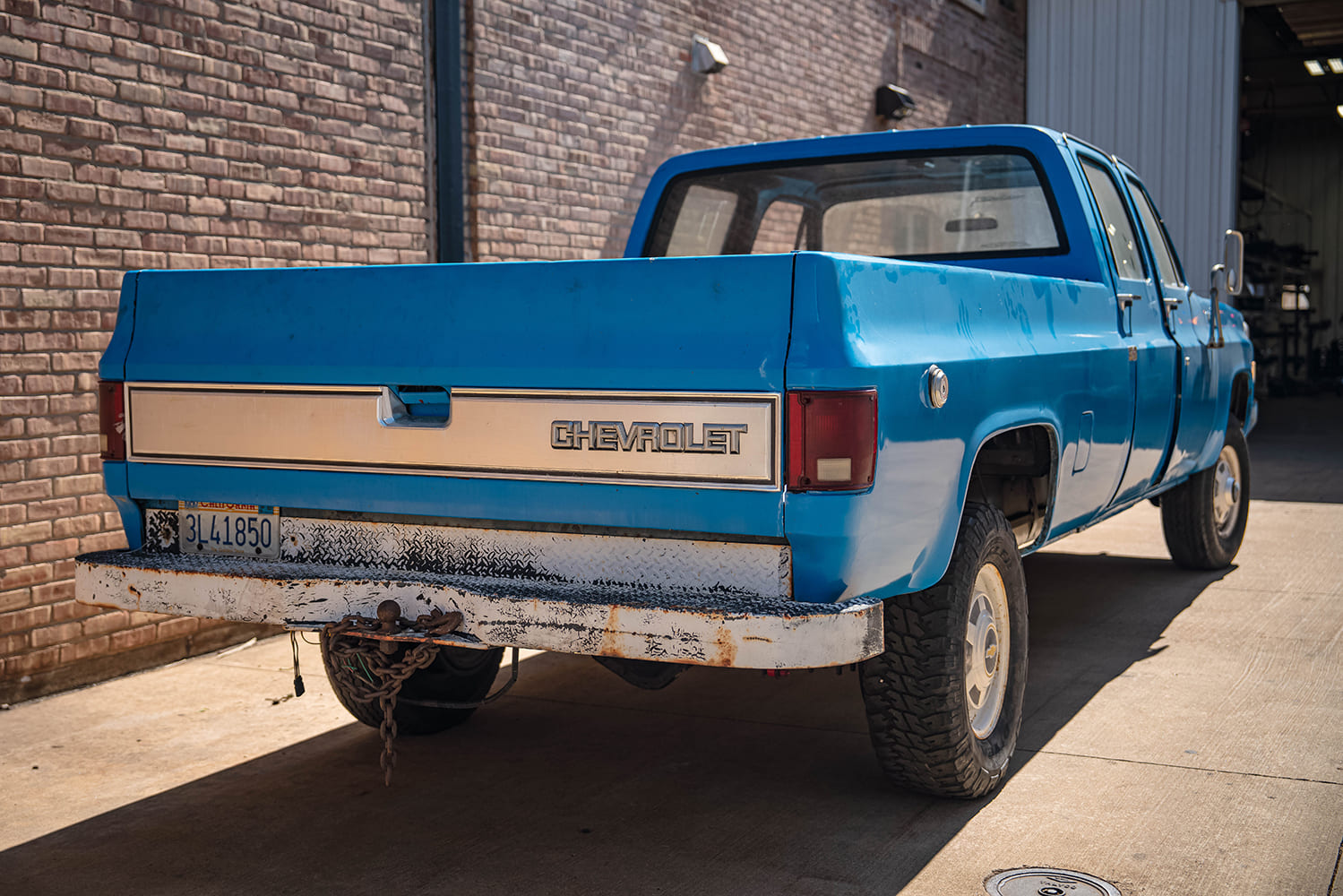
A “survivor” Squarebody Crew Cab truck served as the foundation for this project. The body had numerous small imperfections but very little rust damage.
A solid truck was sourced with minimal structural damage, but in true Roadster Shop fashion, every component was disassembled, cleaned, and refined, with numerous custom touches added along the way. Although the original truck had a longbed, the plan from the start was to convert it to a shortbed configuration.
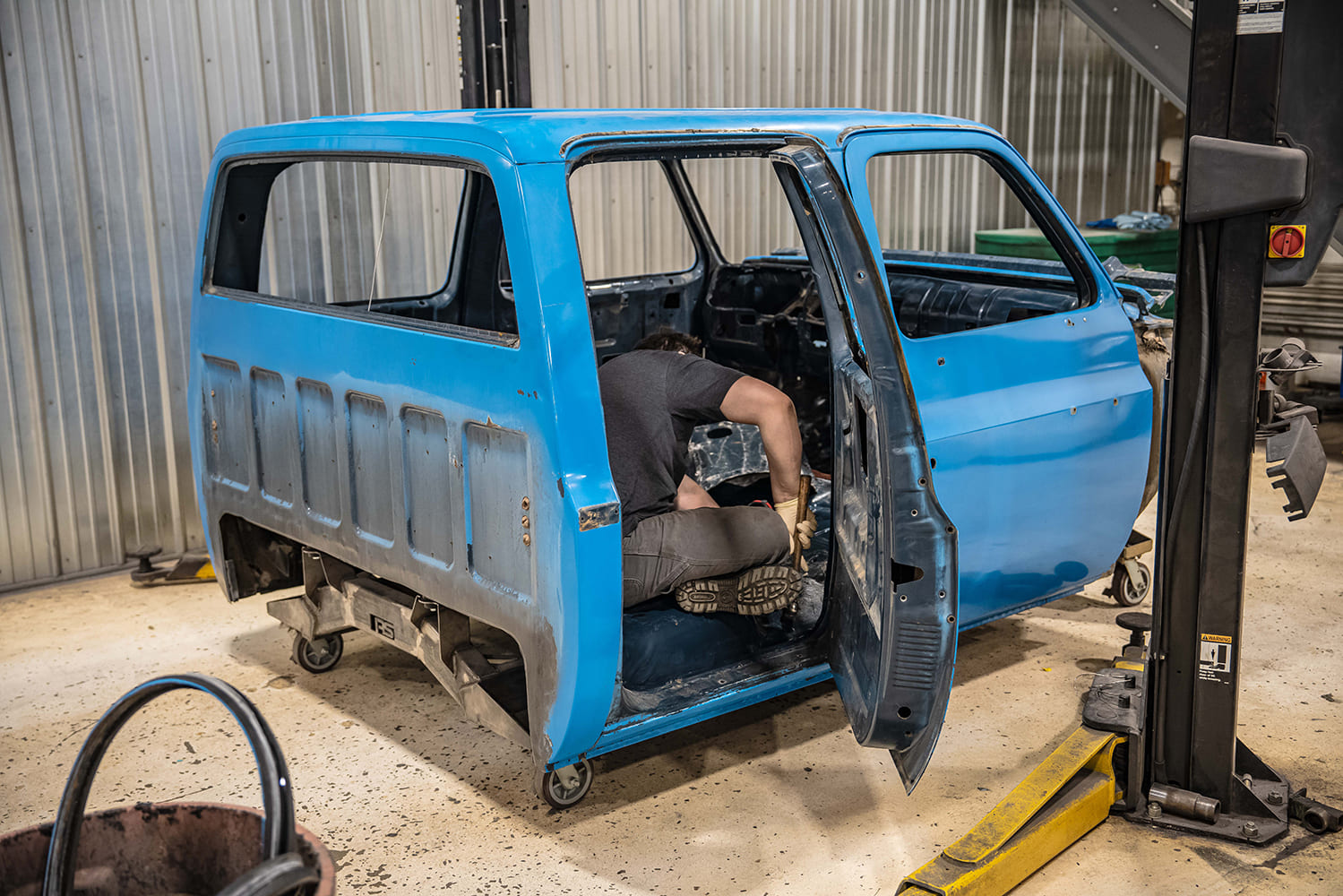
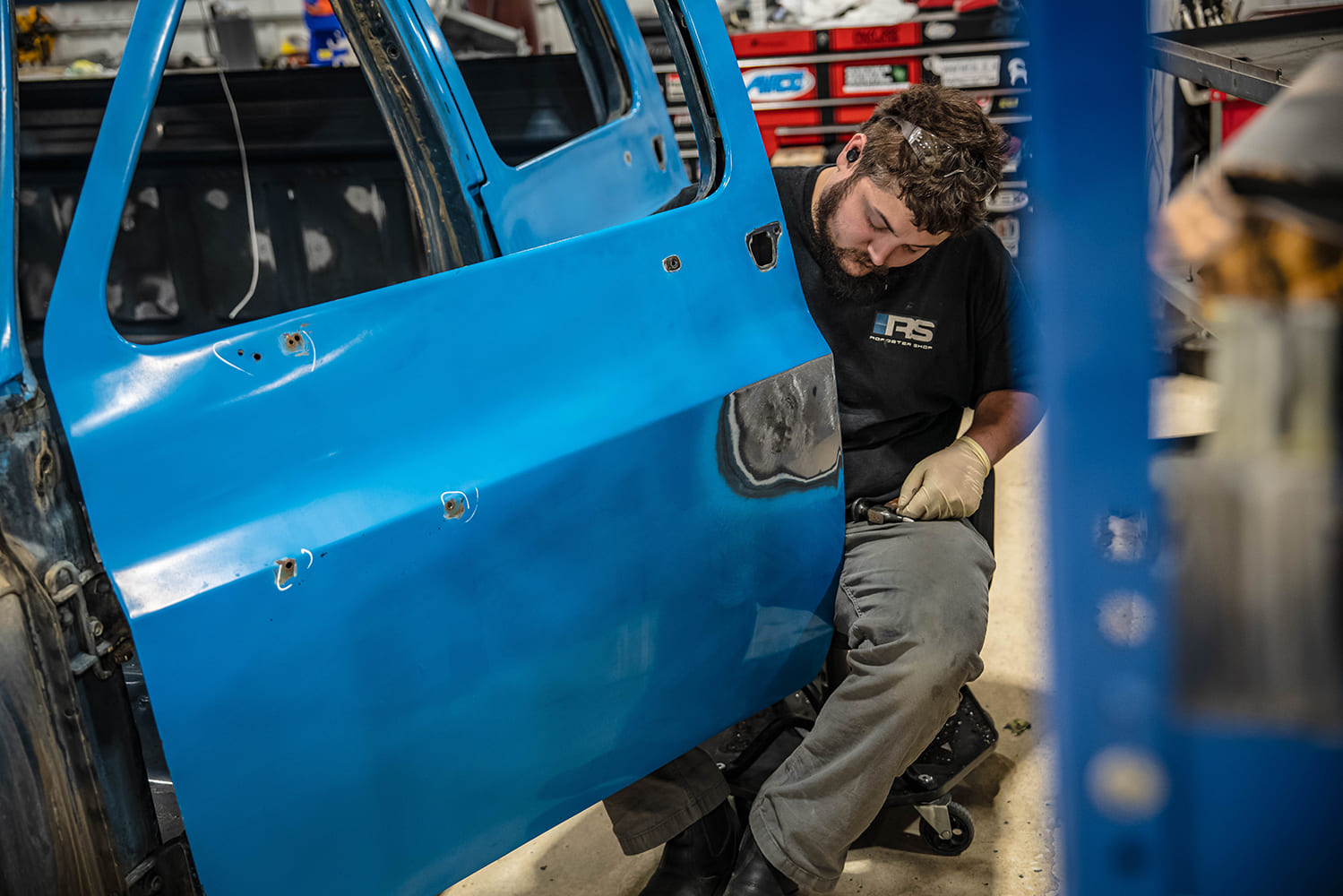
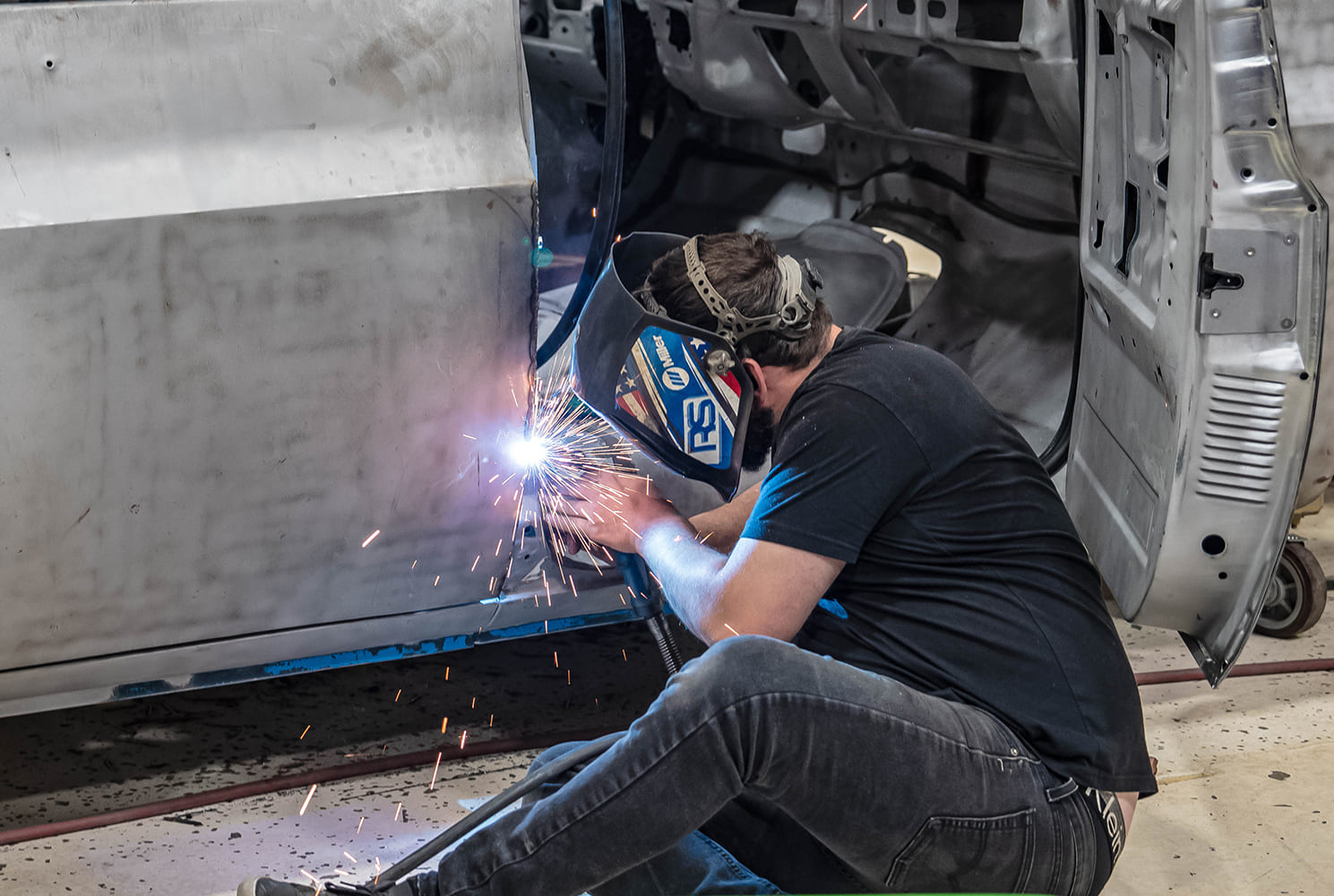
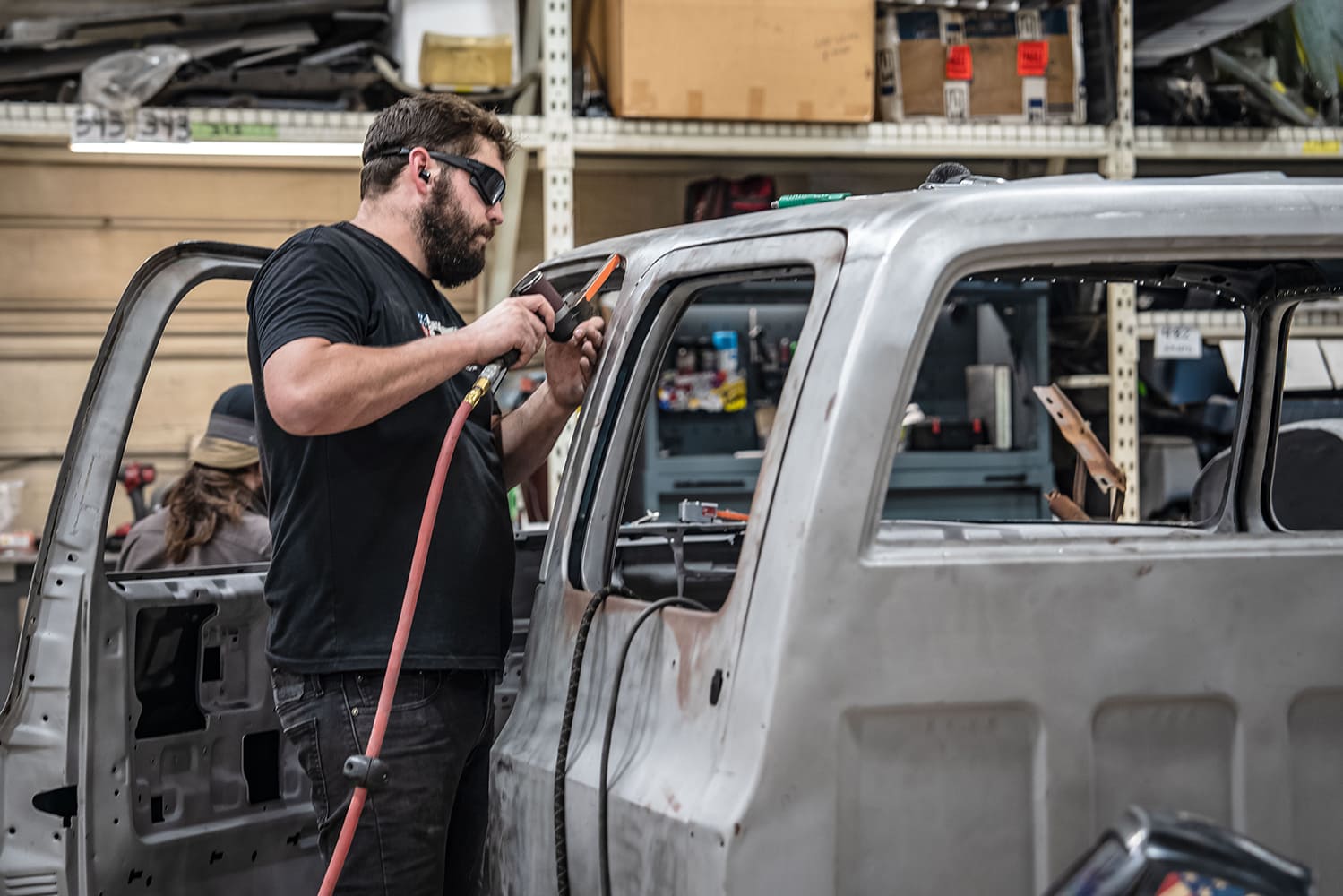
The cab was mounted on a dolly to make it easy to maneuver around the shop, and all holes and dents were smoothed. Special attention was given to achieving precise door fit and uniform gaps. The drip rails above the doors were removed for a cleaner, smoother appearance.
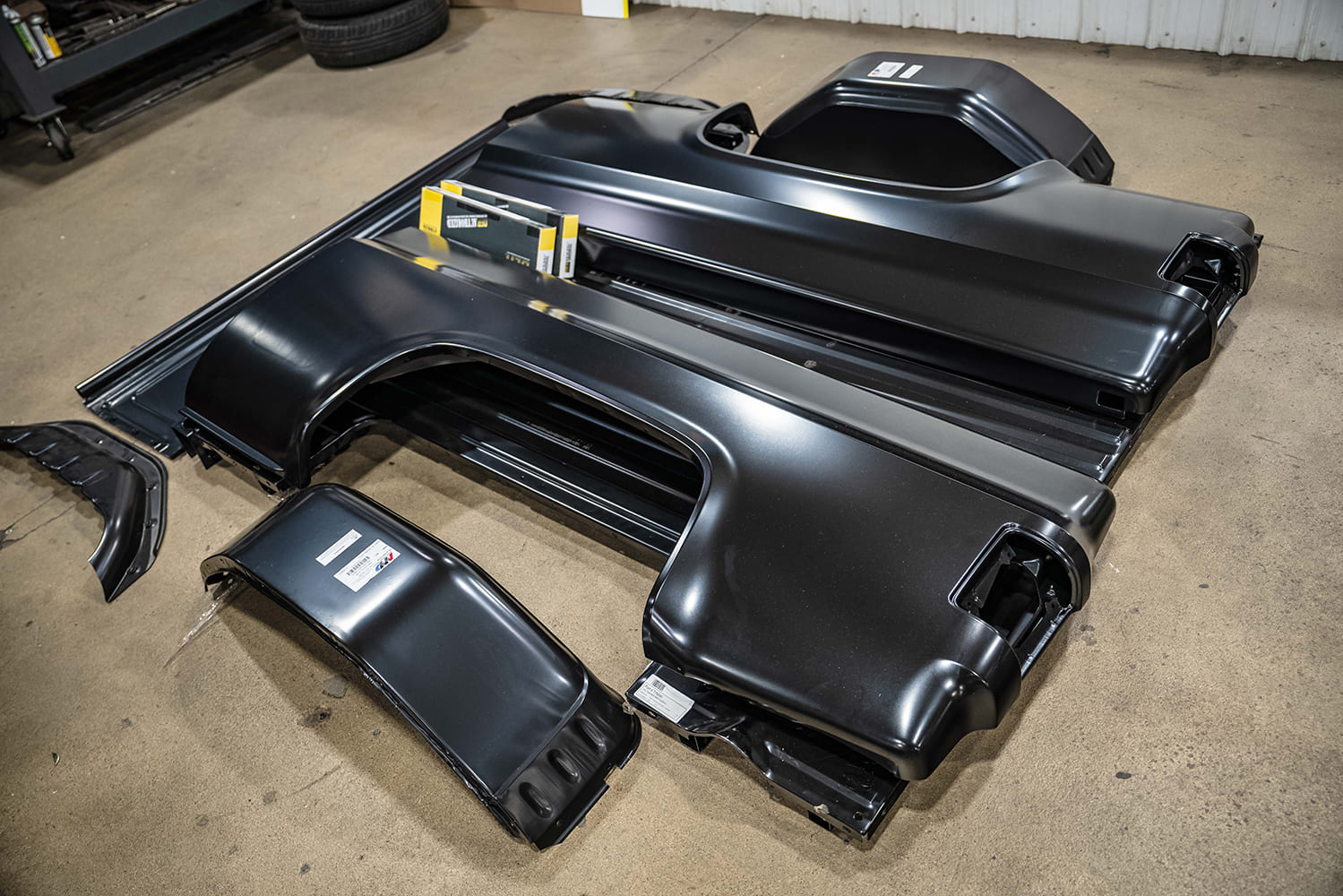
Panels for a brand-new shortbed were ordered from AMD.
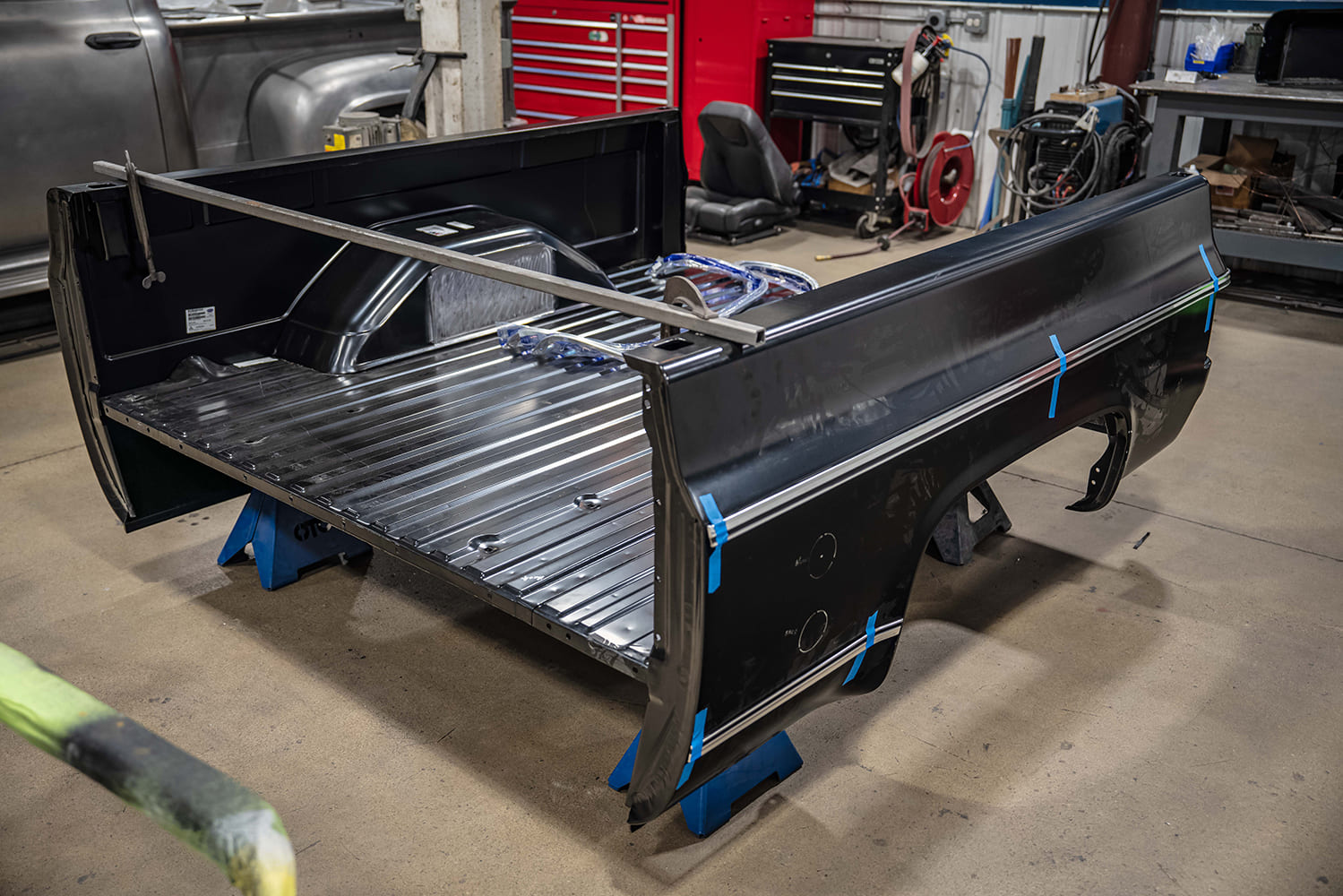
A new bed was assembled from AMD panels, with careful attention paid to panel alignment and overall squareness.
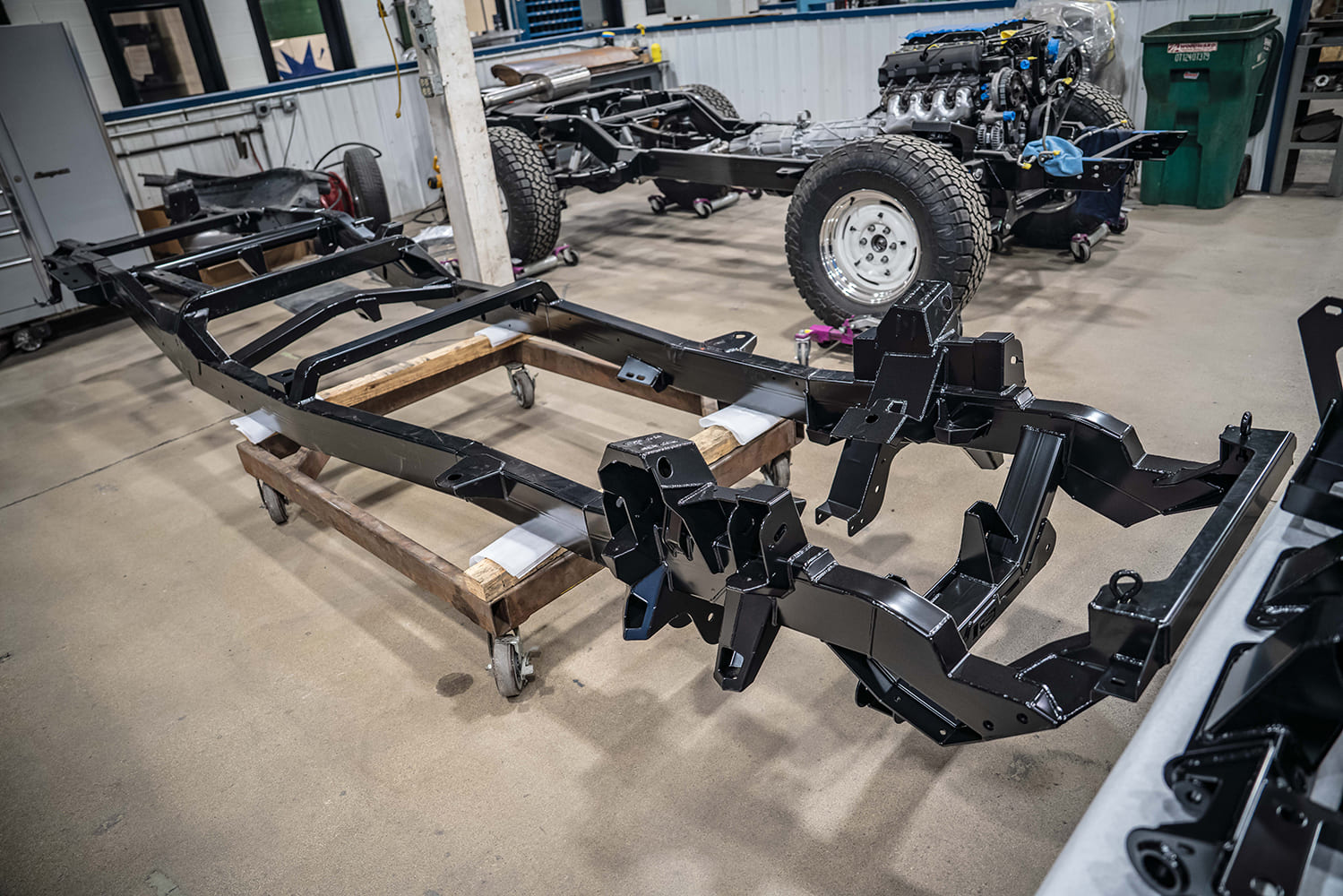
The Legend Series chassis and its components are available in a black powder-coated finish, ensuring durability and long-term wear resistance. The chassis and drivetrain were fully assembled, plumbed, and wired before the body components were installed.
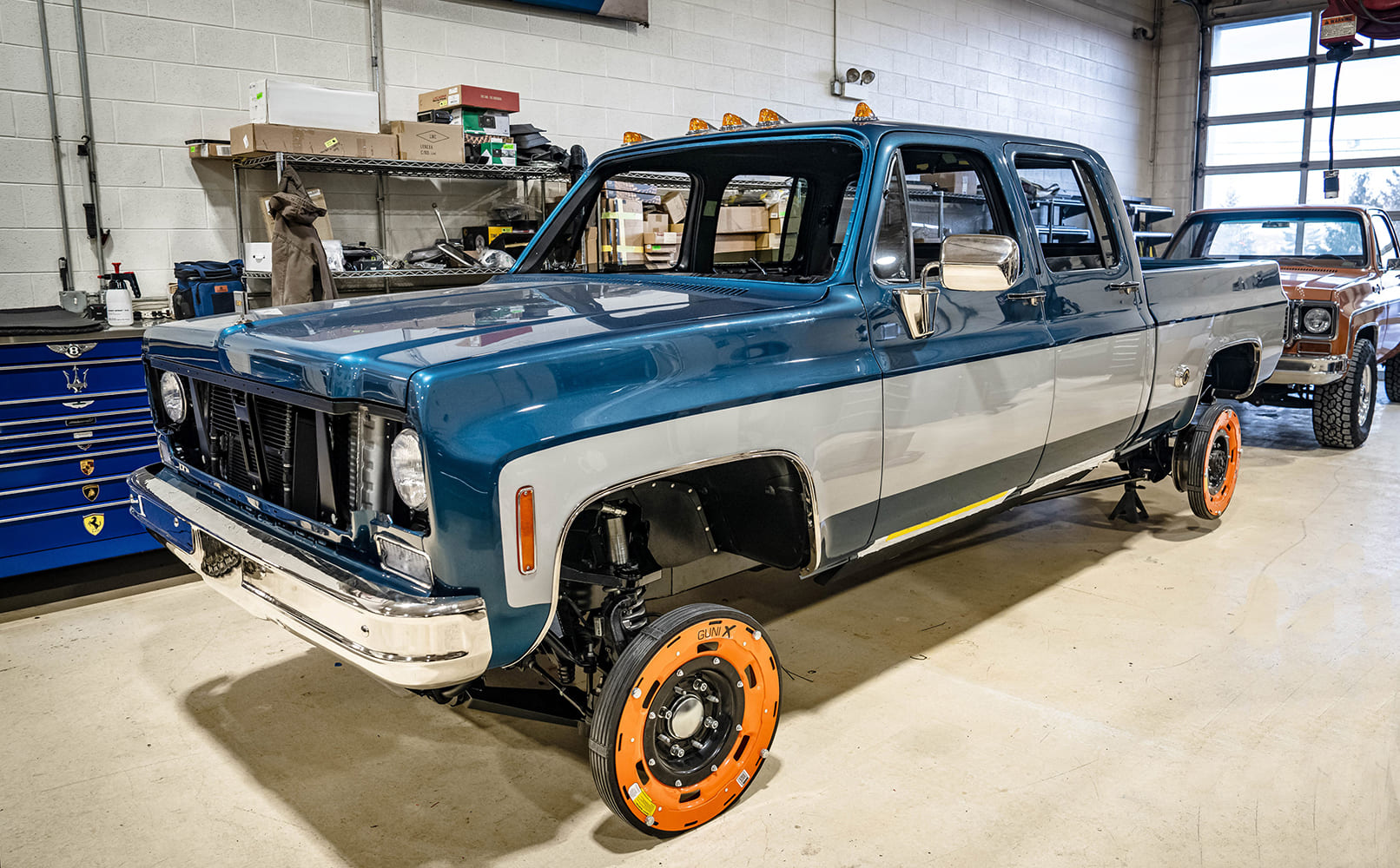
All body components were painted off the frame, finished in a rich blue base color with a white band down the sides, giving the truck a classy yet traditional look.
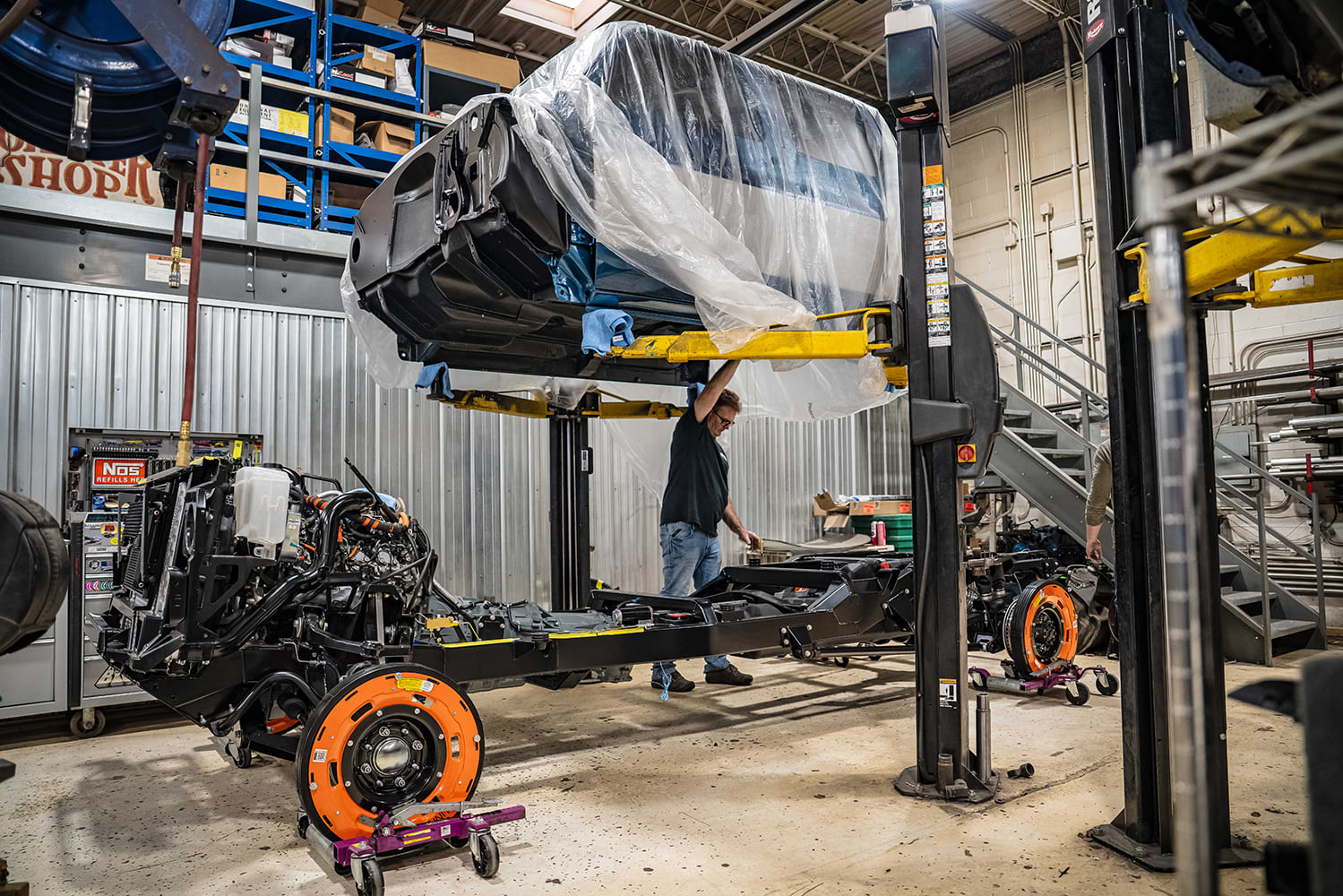
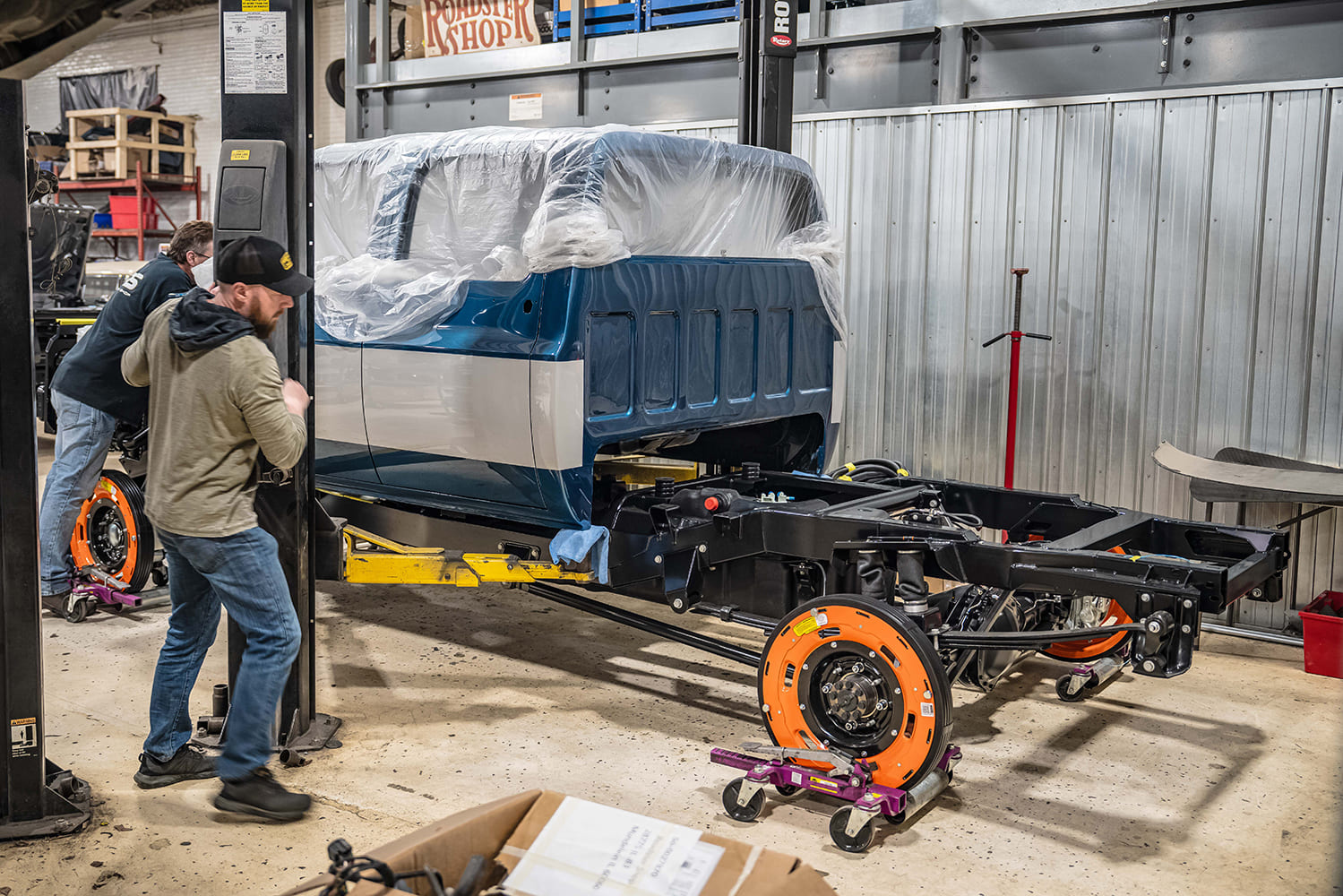
A chassis lift was used to carefully lower the cab and bed onto the frame, allowing precise control as the components were brought together.
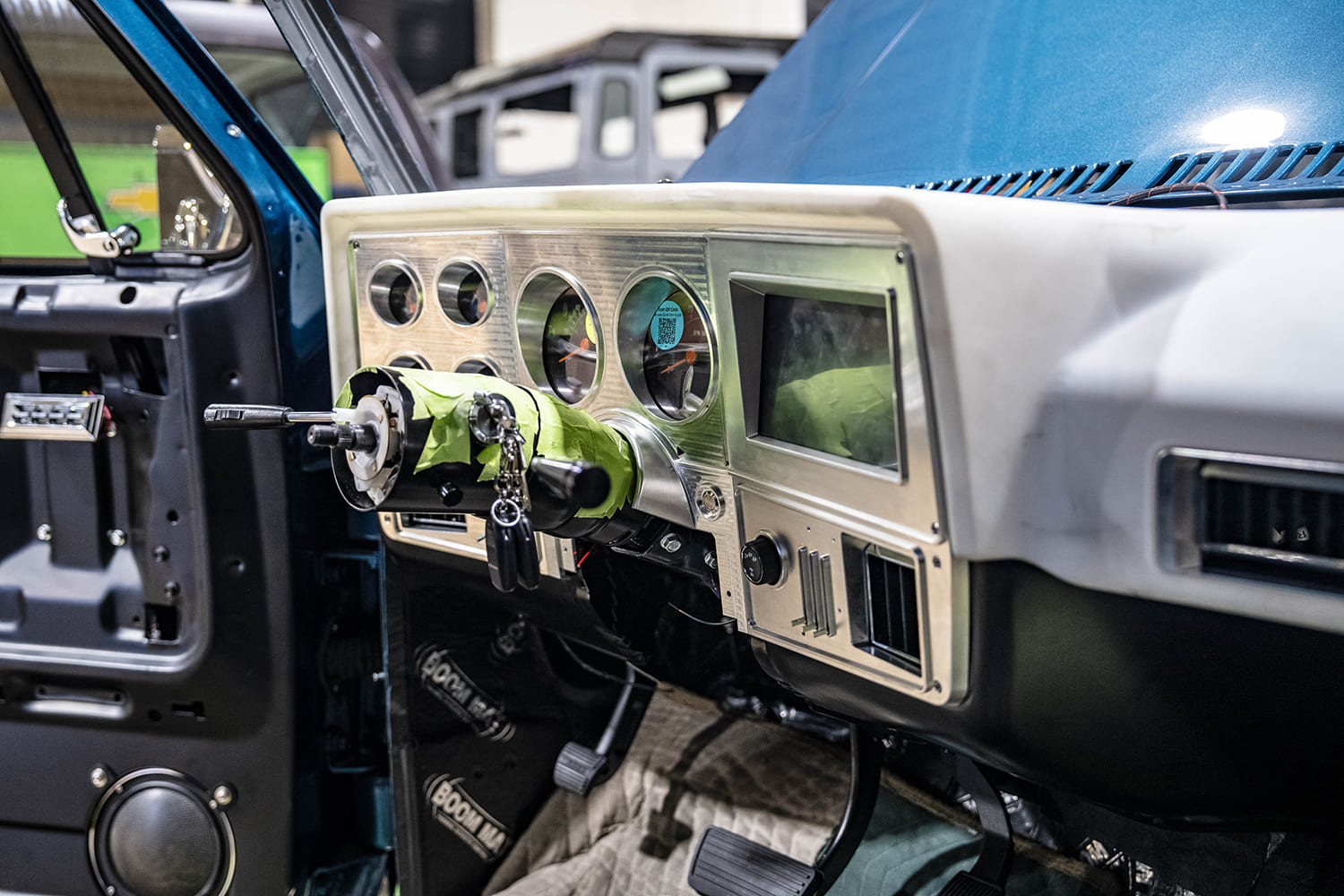
The new instrument cluster is being trial-fitted here.
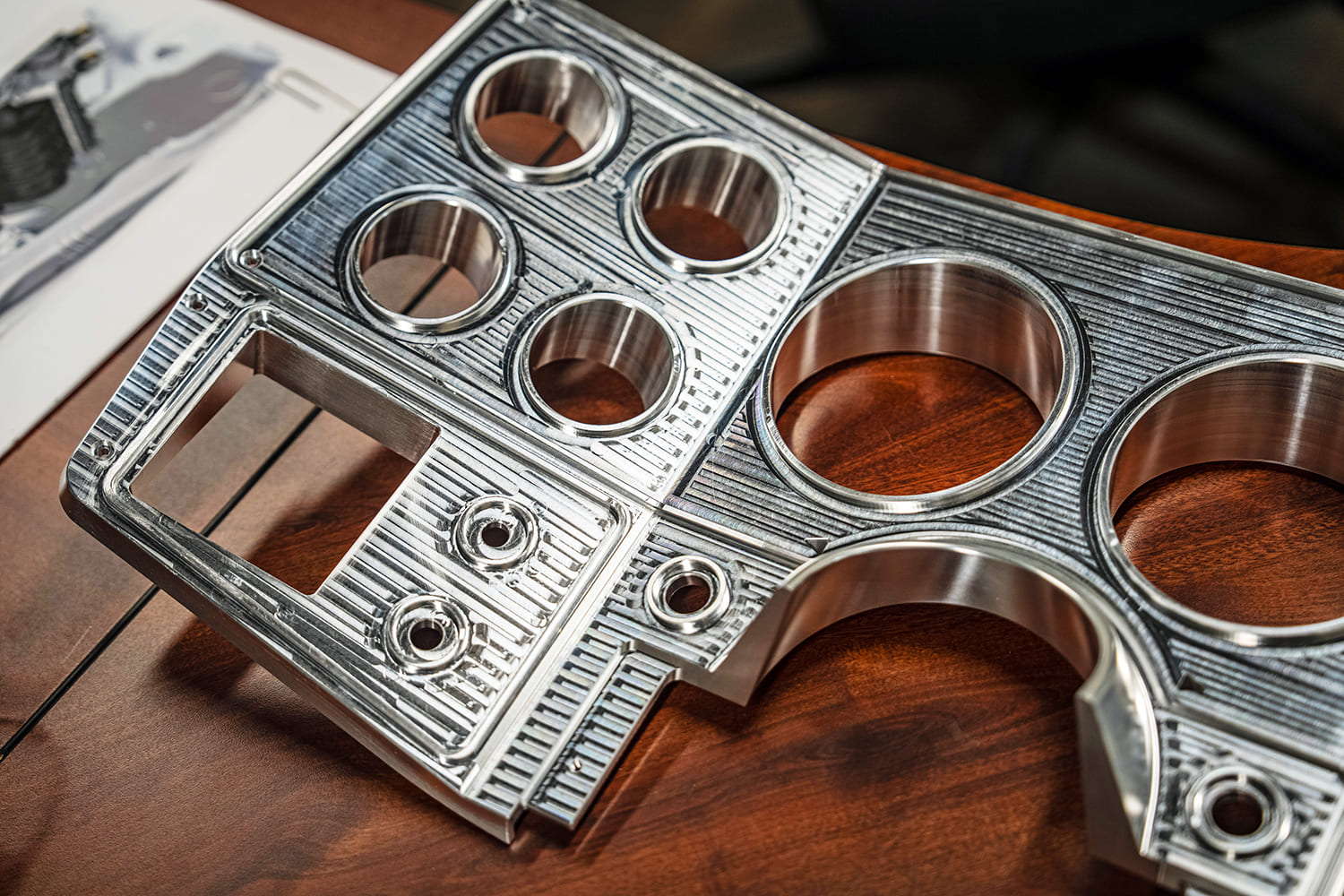
A completely new dashboard was CAD-designed, with prototype parts 3-D printed in polymer to verify the fit and appearance. Once finalized, a striking gauge cluster was machined from solid aluminum billet, and the entire new dash panel was built from scratch. It provides the perfect finishing touch to an otherwise-traditional interior, aligning beautifully with the philosophy of updating a classic design while respecting its heritage.
The original longbed will be replaced with a new shortbed, and the body will be mounted on a Roadster Shop Legend Series chassis.
The cab was removed from the chassis to allow for a thorough reconditioning.
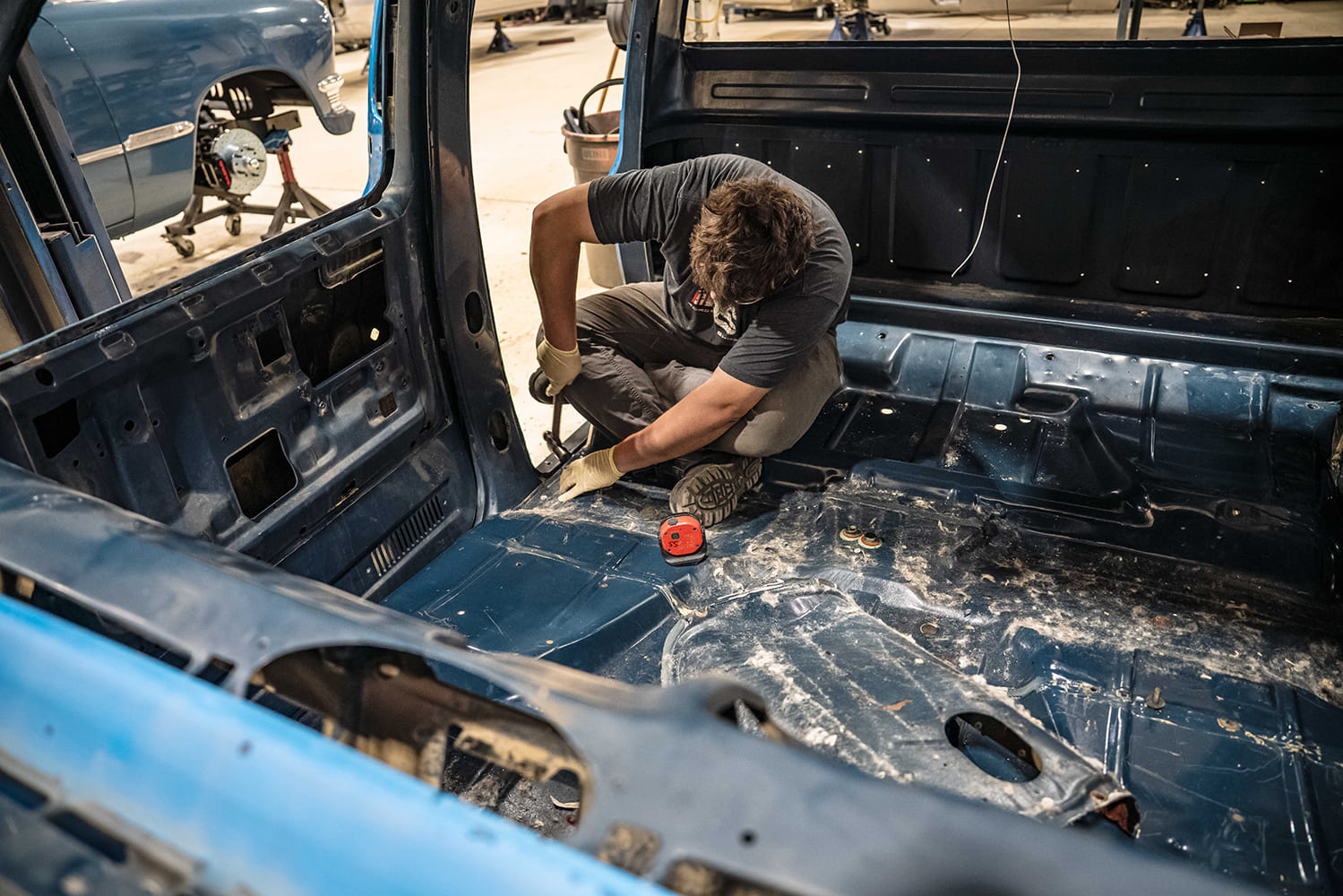
The cab floor was surprisingly sound, and the few minor defects were repaired.
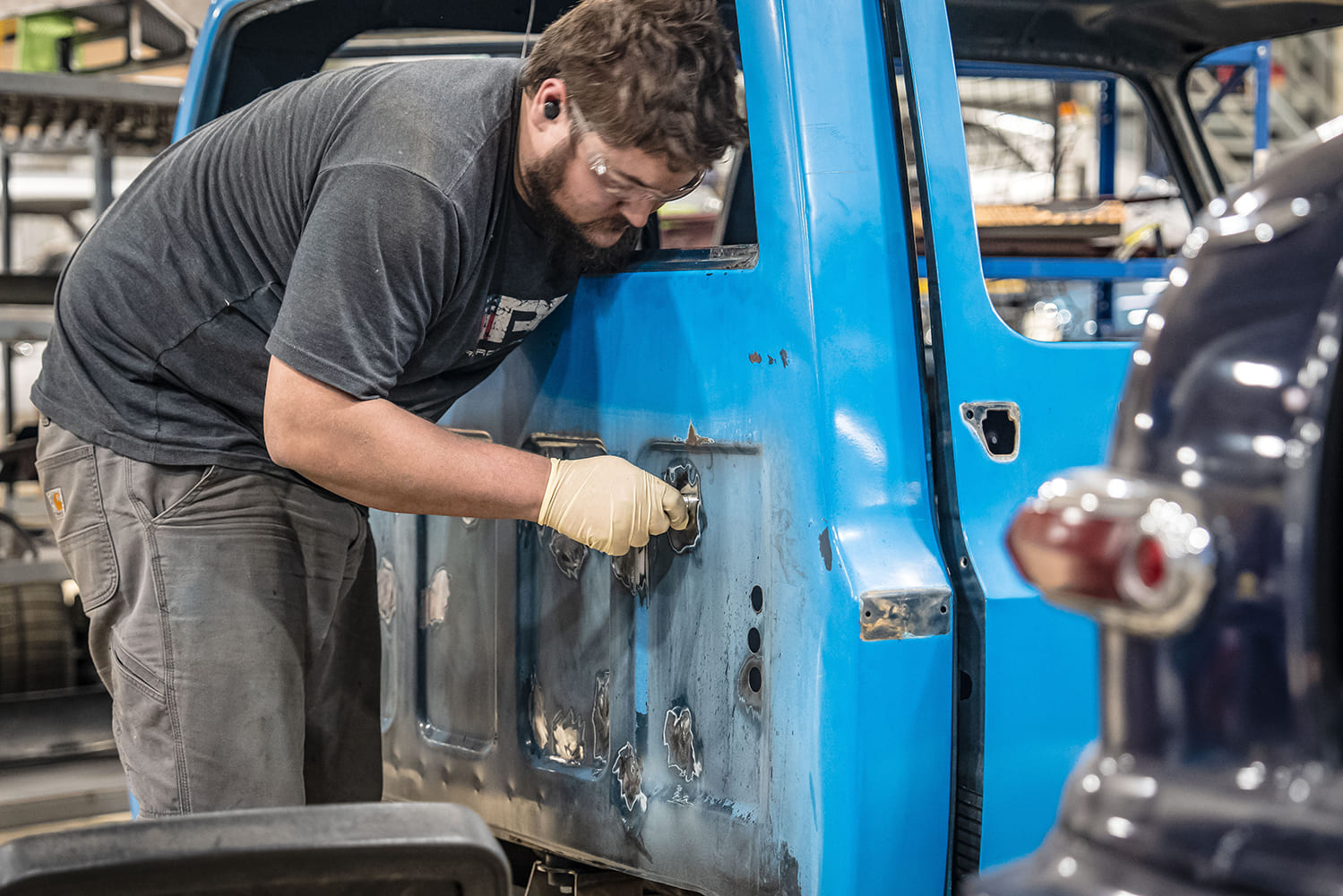
All extraneous holes in the body were filled and smoothed.
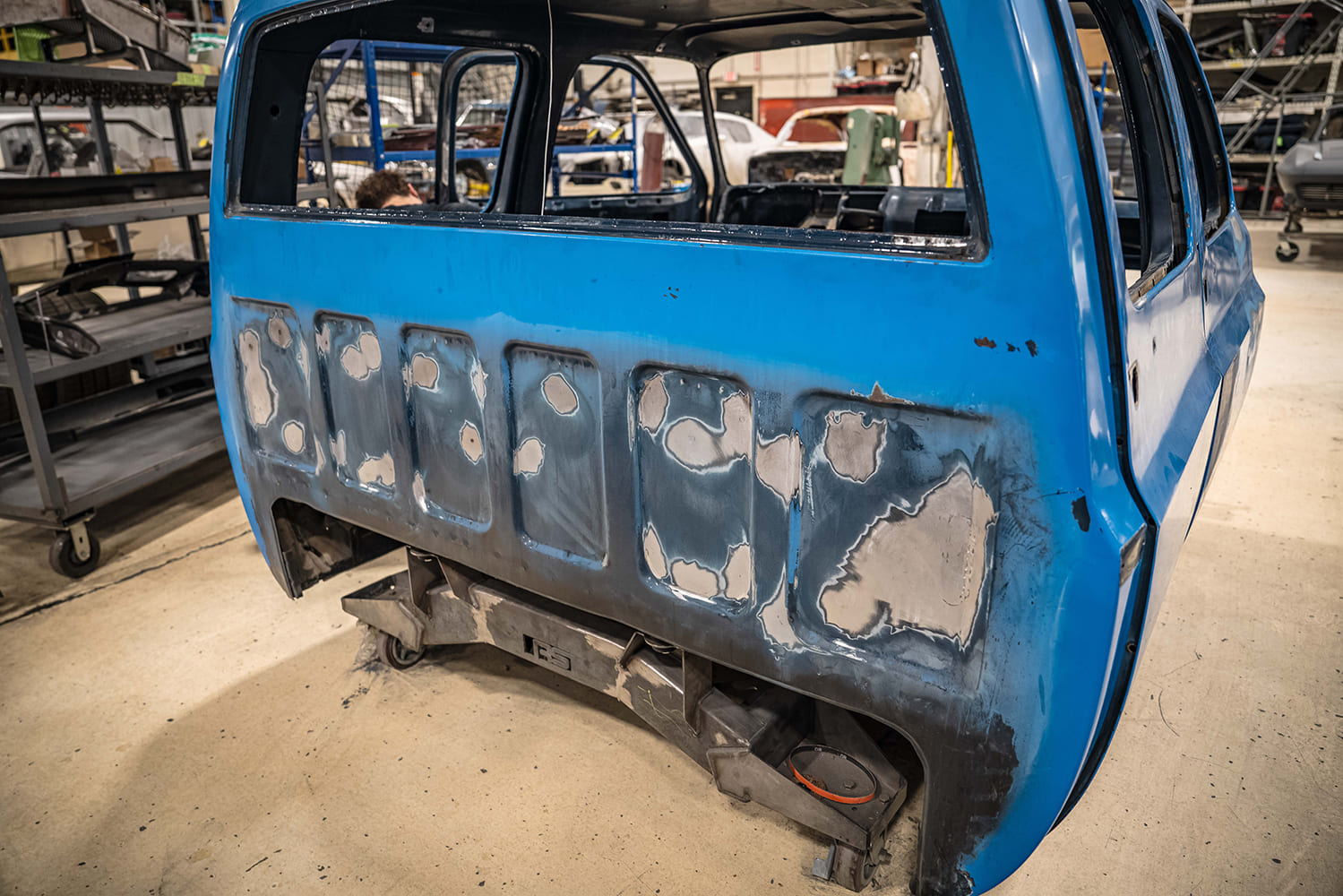
The back of the cab had numerous holes and dents, which were all carefully repaired and smoothed.
After just a few hours of work, the back of the cab is looking much better. Note the dolly that supports the cab at the original mounting points, allowing it to be moved safely and easily.
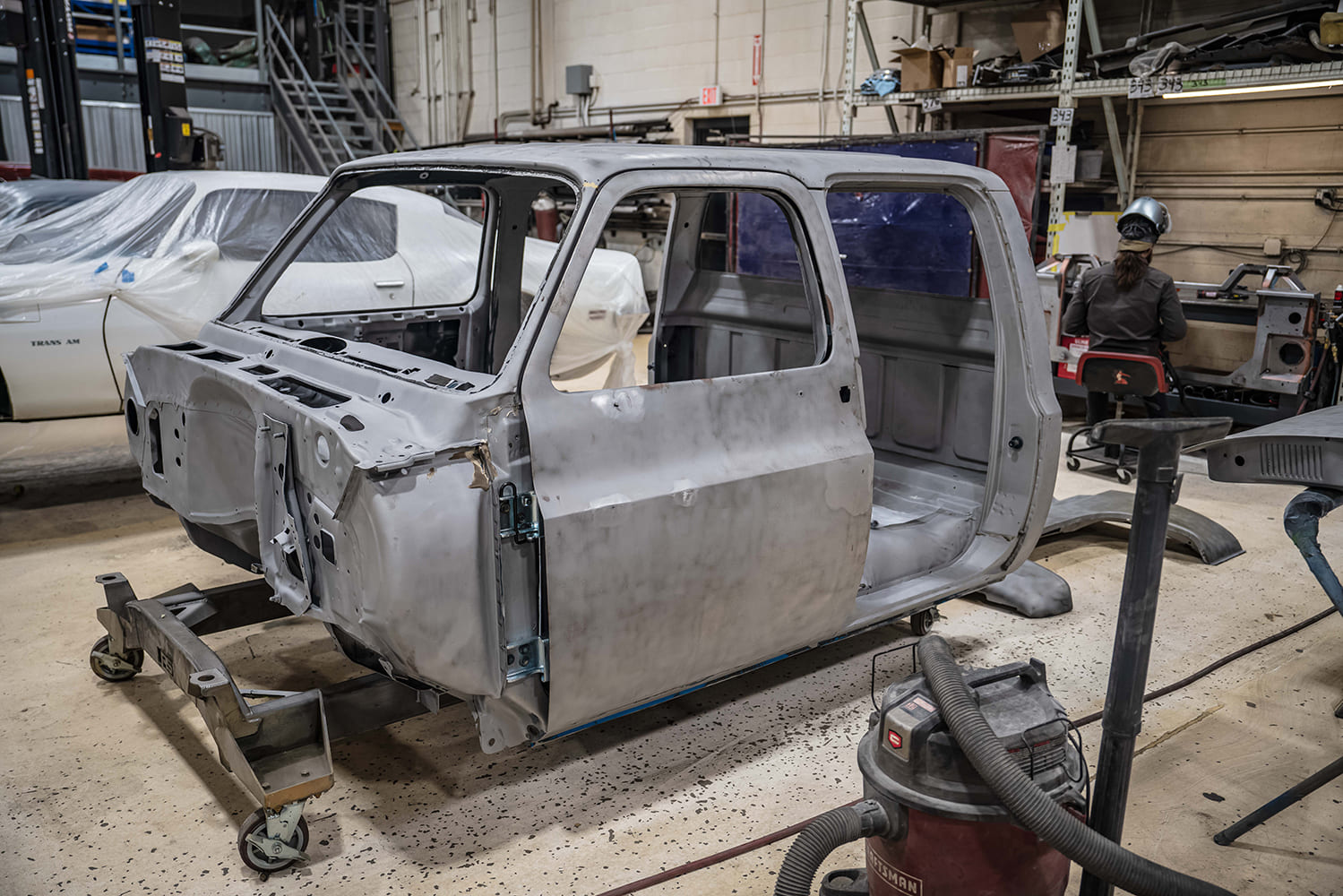
Once the rough bodywork was complete, all sheetmetal parts were media blasted to remove paint and rust.
Considerable time was spent dialing-in the door hinges and latches to ensure precise fitment of the doors to the cab.
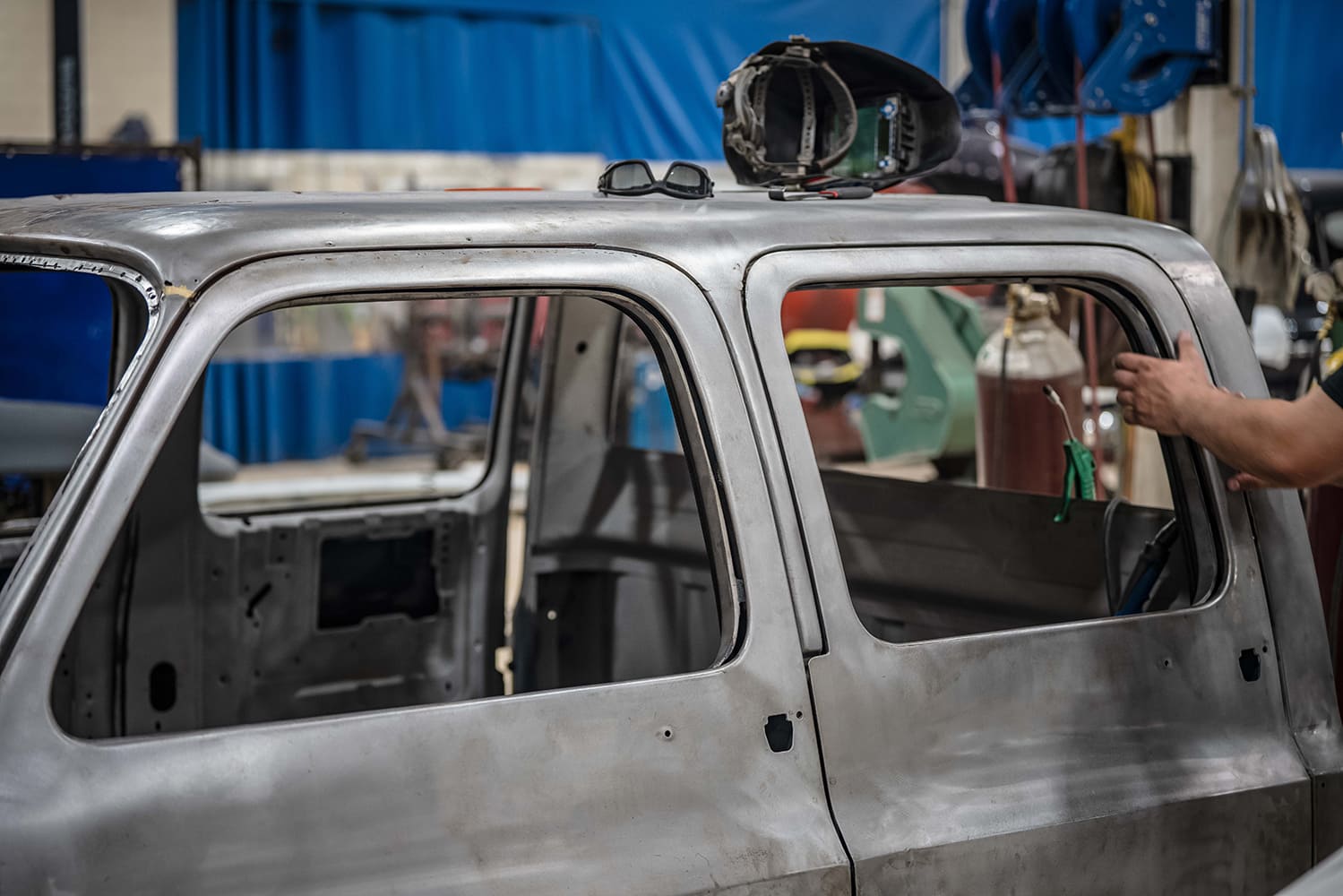
The driprails were removed from the cab for a cleaner, smoother appearance.
Note the uniform door gaps; this level of detail is a hallmark of Roadster Shop builds.
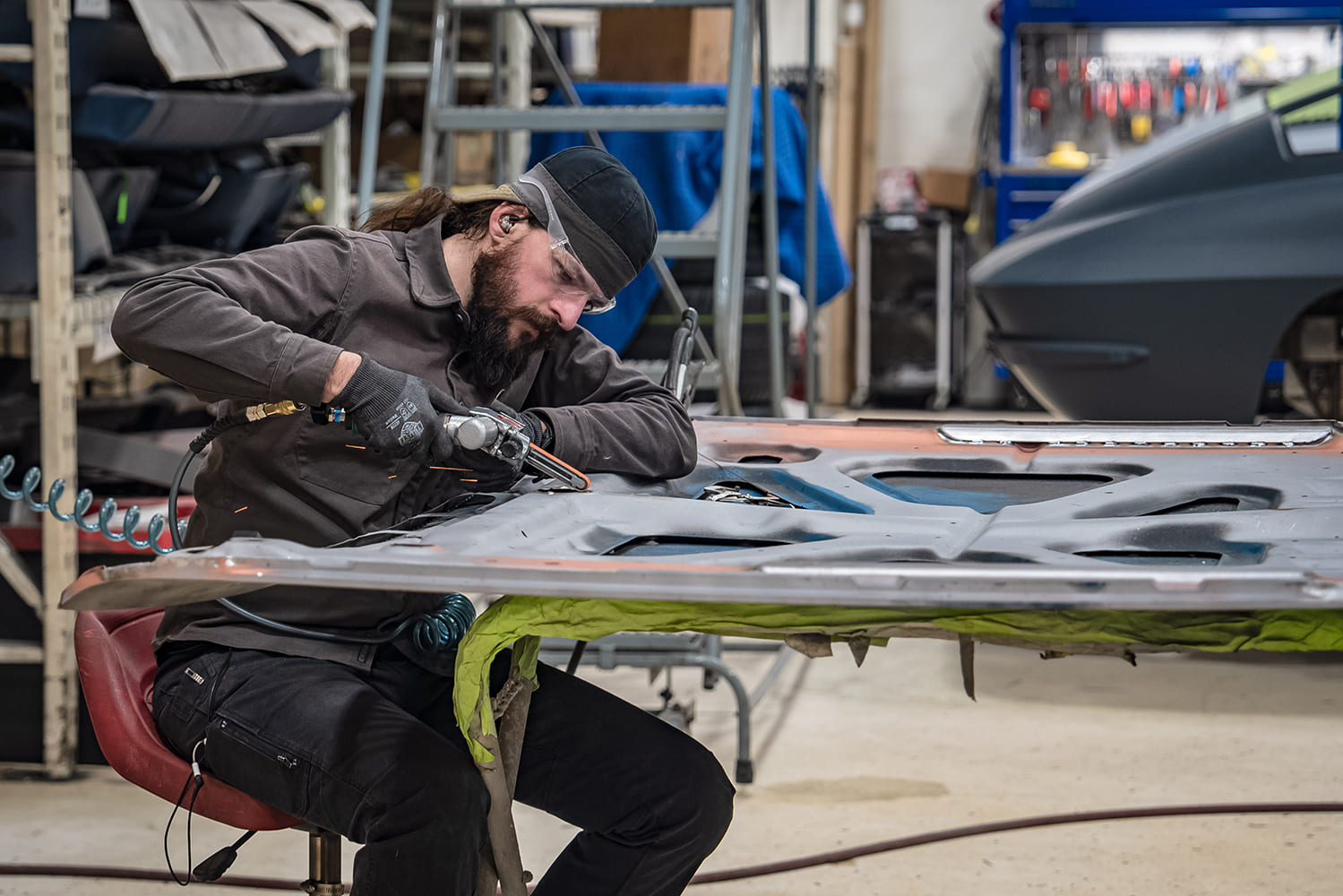
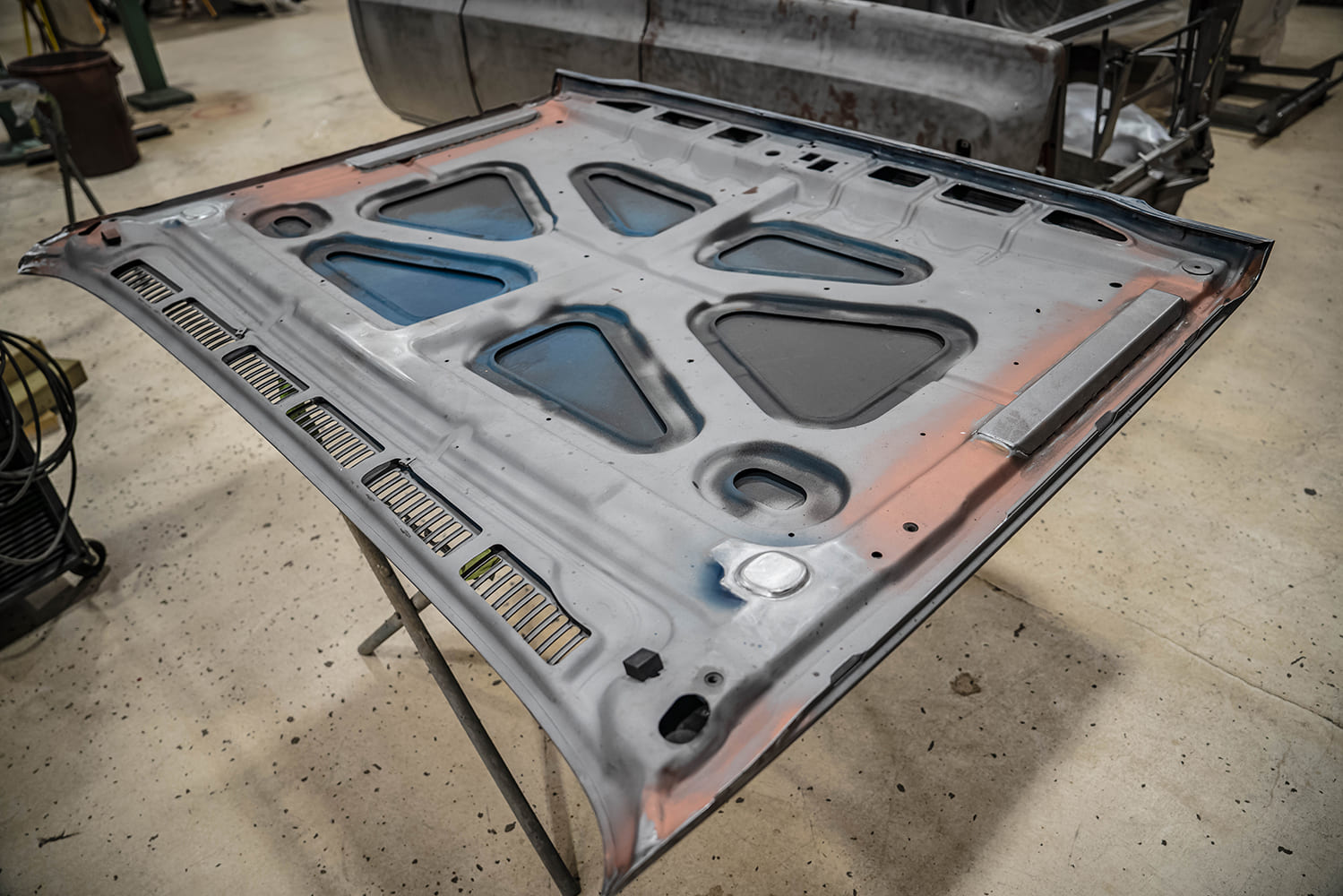
All removable panels received the same attention. Here, minor imperfections are being refined on the underside of the hood.
After careful detail work, the hood looks as crisp as it did when it left the factory.
The bed sections were carefully assembled, with all joints checked for squareness.
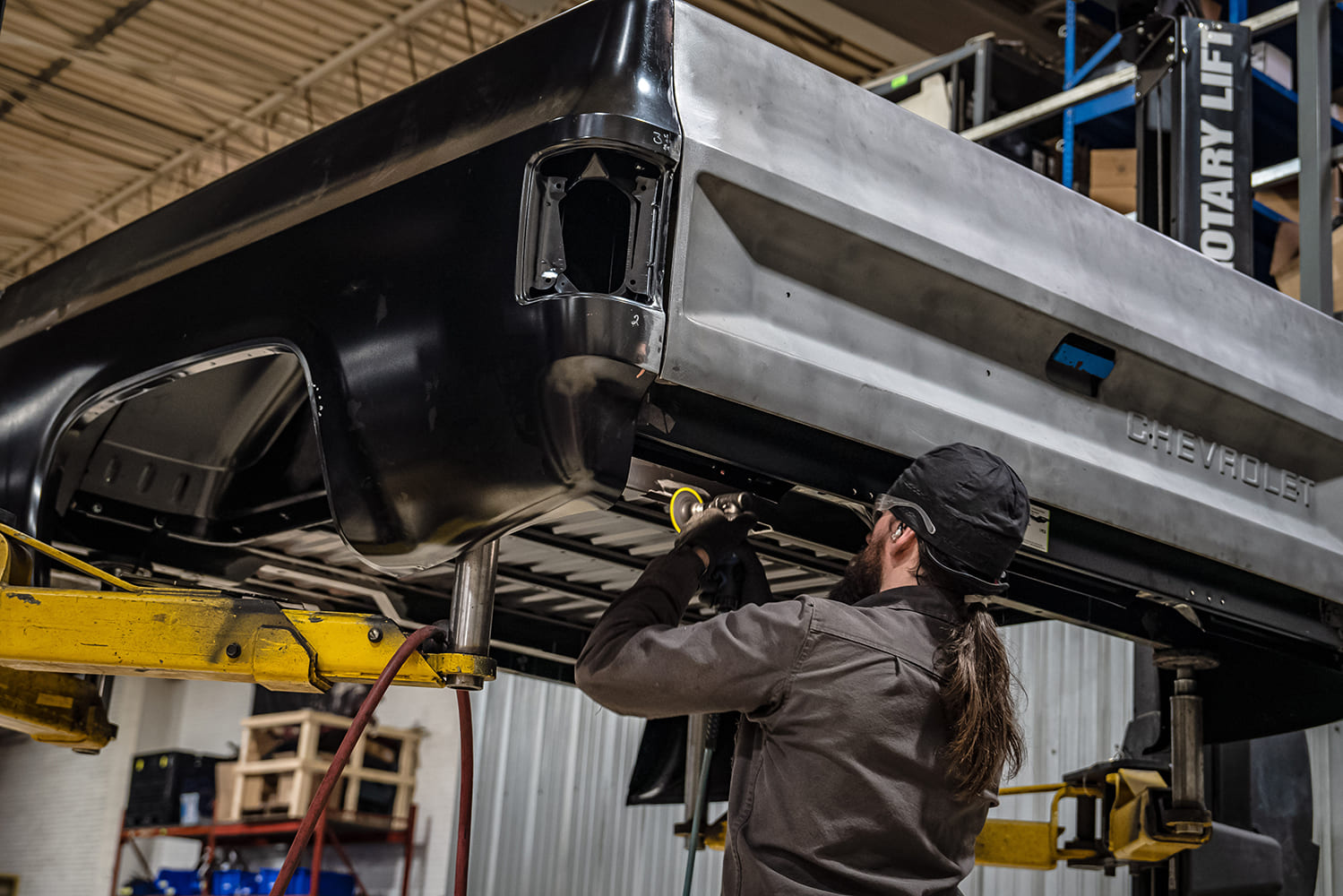
Raising the bed on a lift makes it easier to address details on the lower areas.
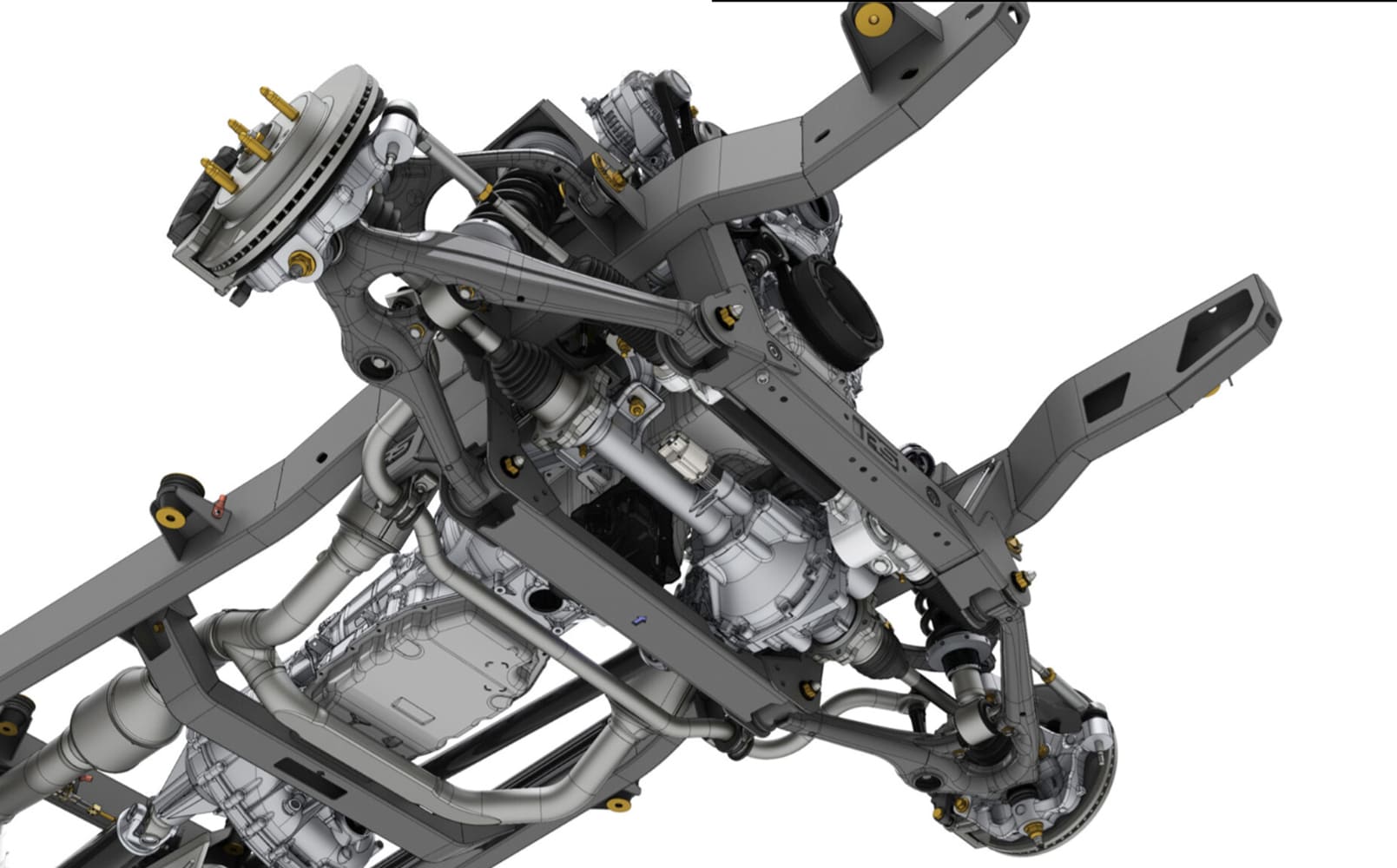
Here’s a view of the front section of the Legend Series chassis. It uses components from a Silverado independent front suspension, along with a GM differential and axle shafts.
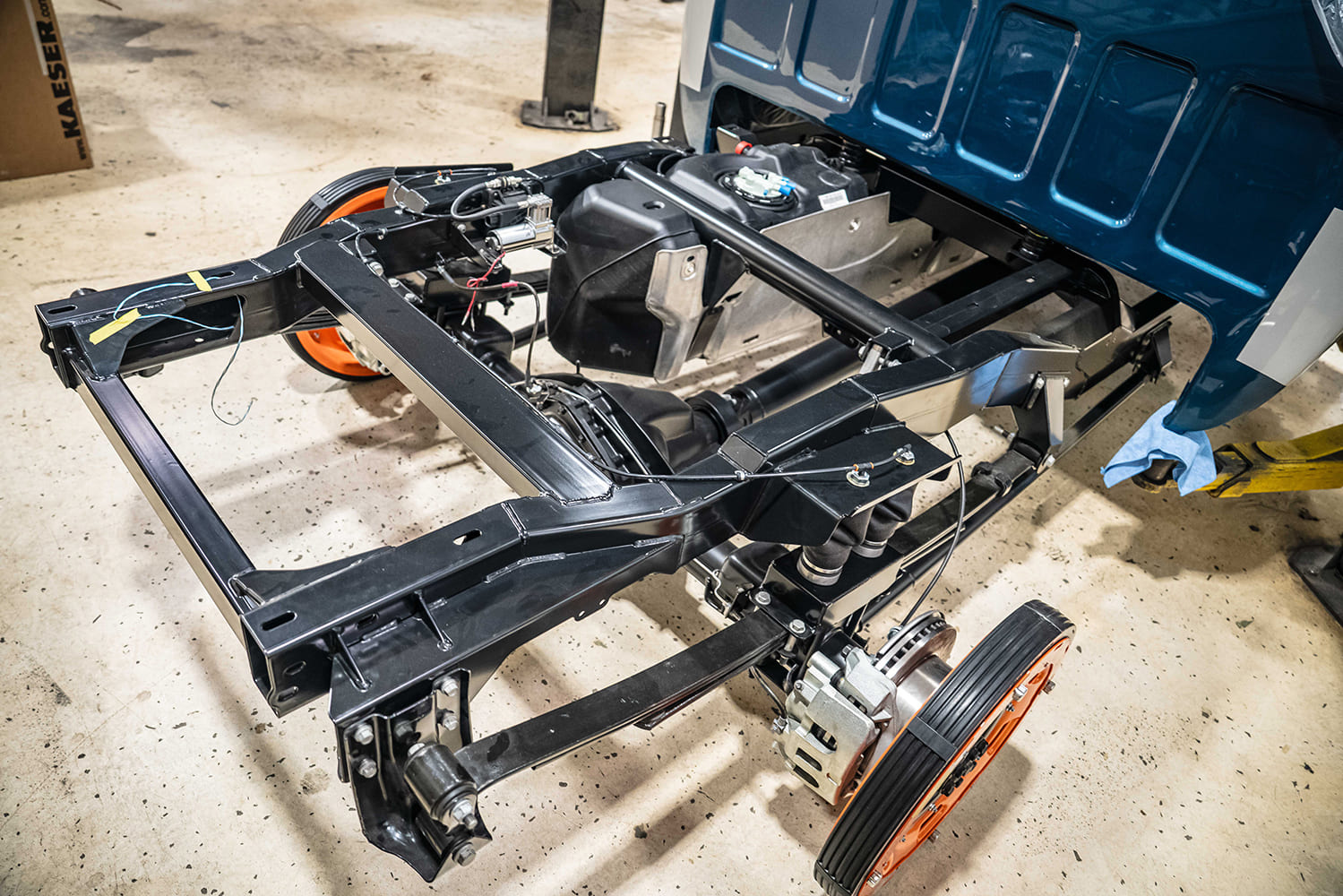
The rear features a GM Silverado 12-bolt axle with a 3.42 ratio and positraction, along with 12-inch rear disc brakes.
This is the “HD” version of the Legend Series frame, built with 2×6-inch main rails, and substantial crossbracing.
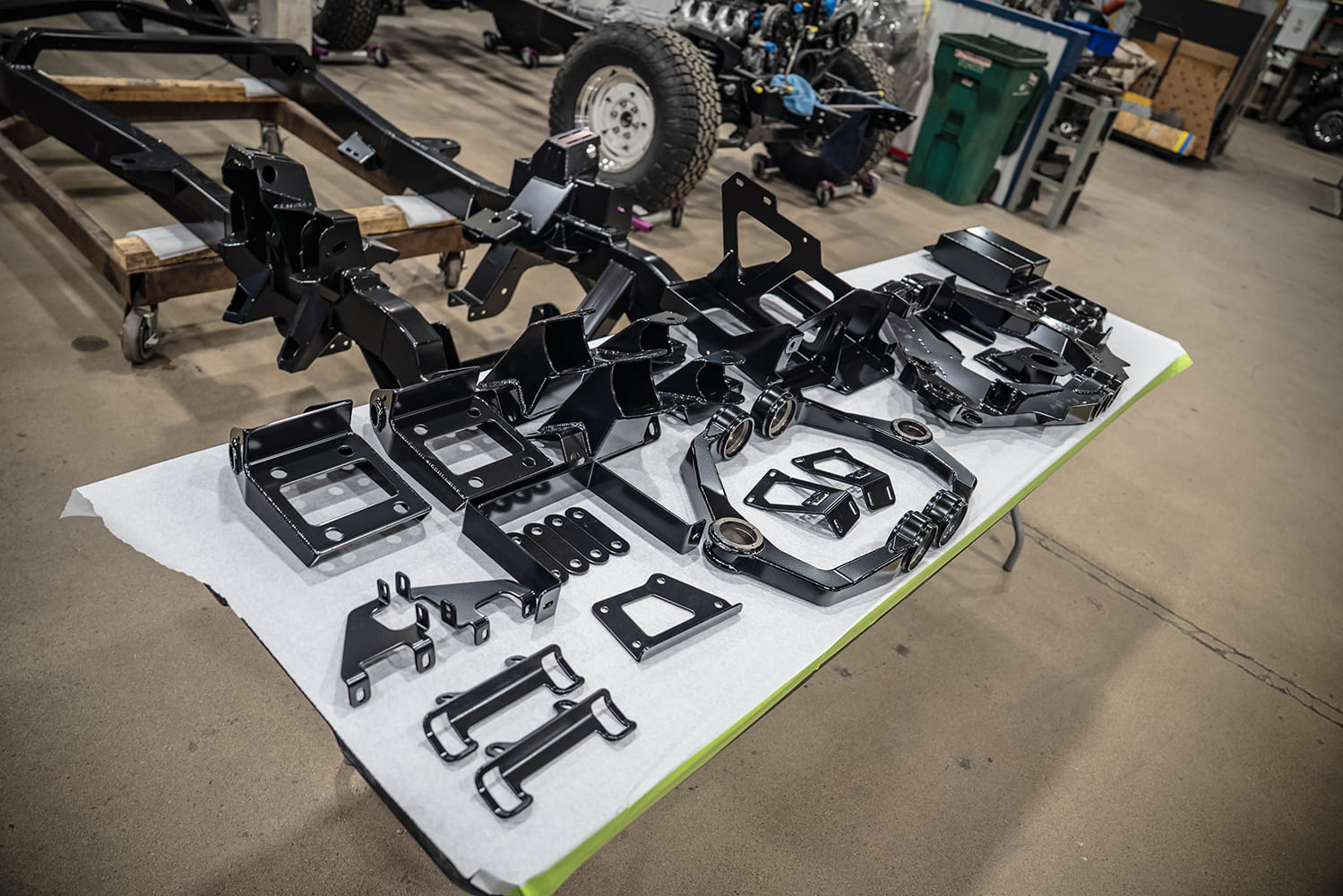
Additional frame components are staged here, ready for assembly.
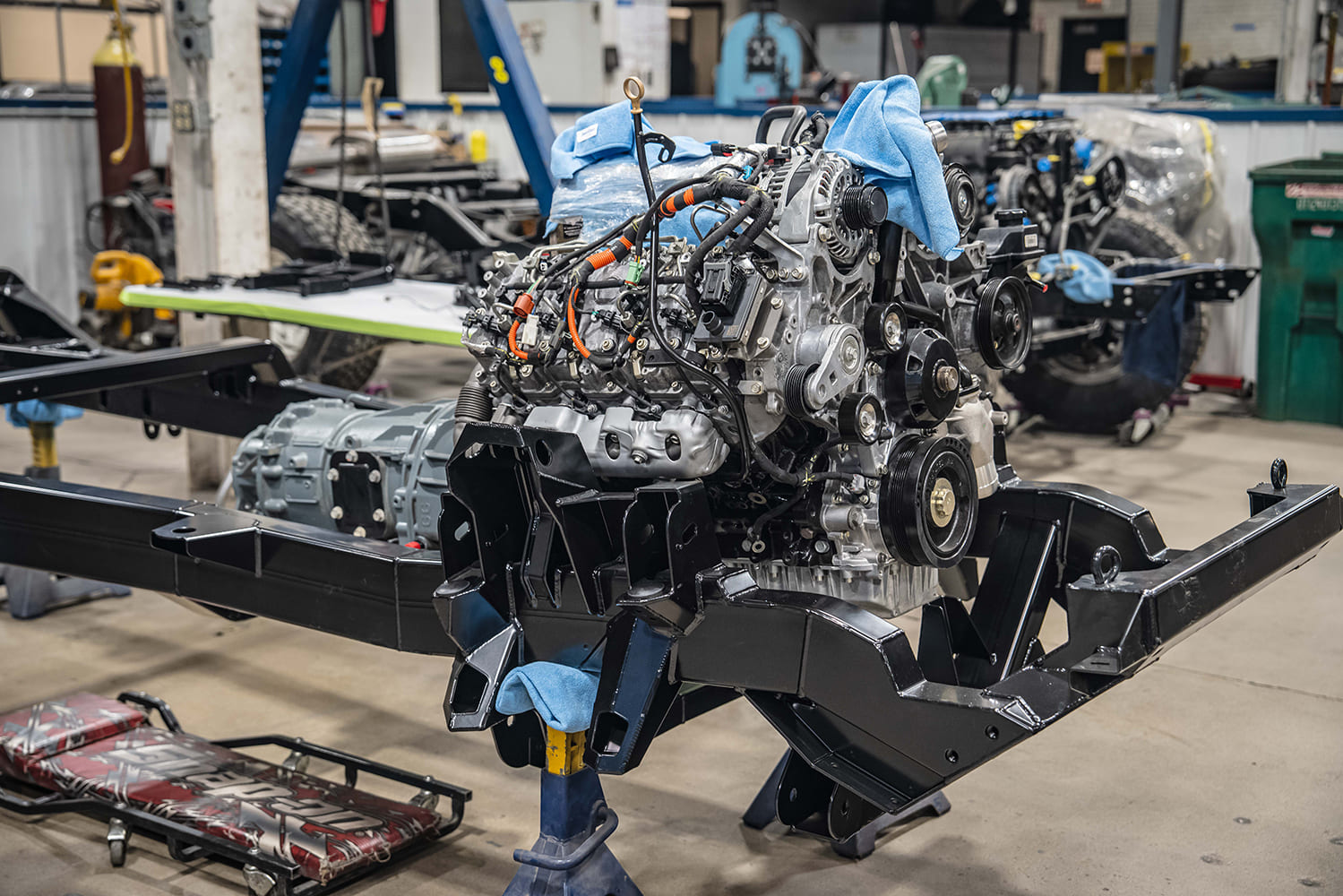
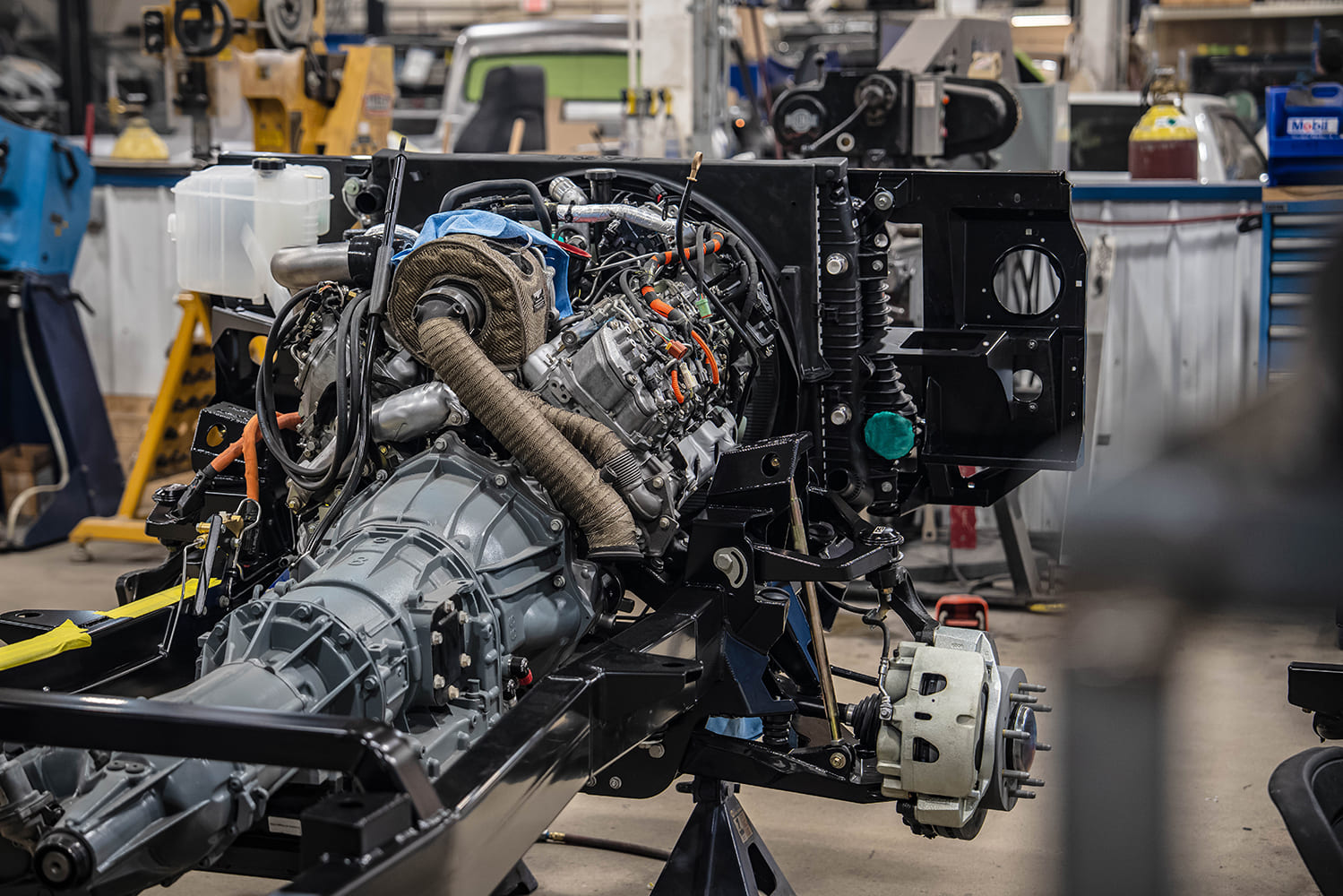
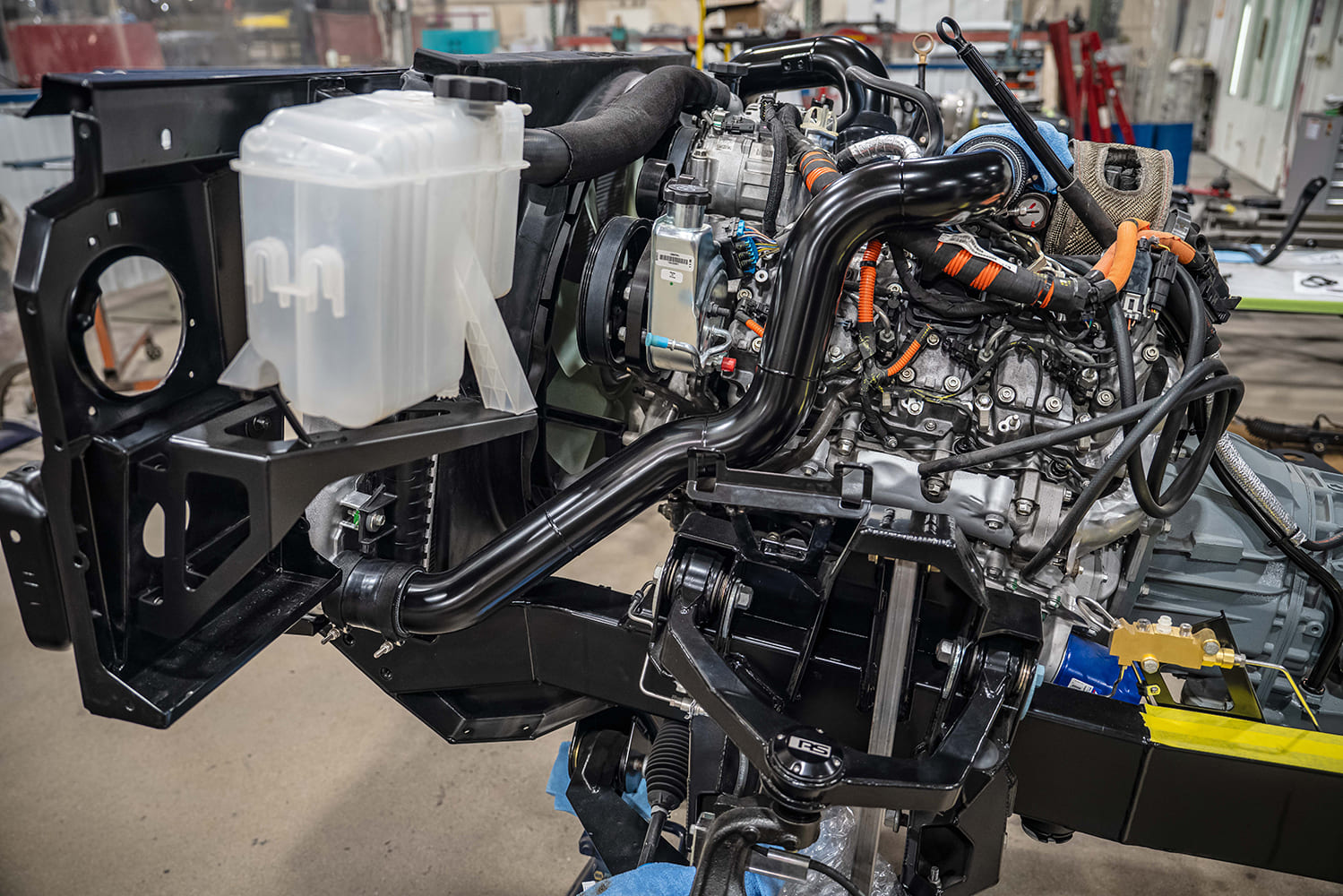
This chassis is configured to accommodate a Duramax diesel engine, coupled with an Allison transmission and heavy-duty transfer case.
Note how efficiently the turbocharger is nestled between the cylinder banks, behind the engine centerline.
All engine and brake plumbing, along with the wiring, was completed before the body was installed on the chassis.
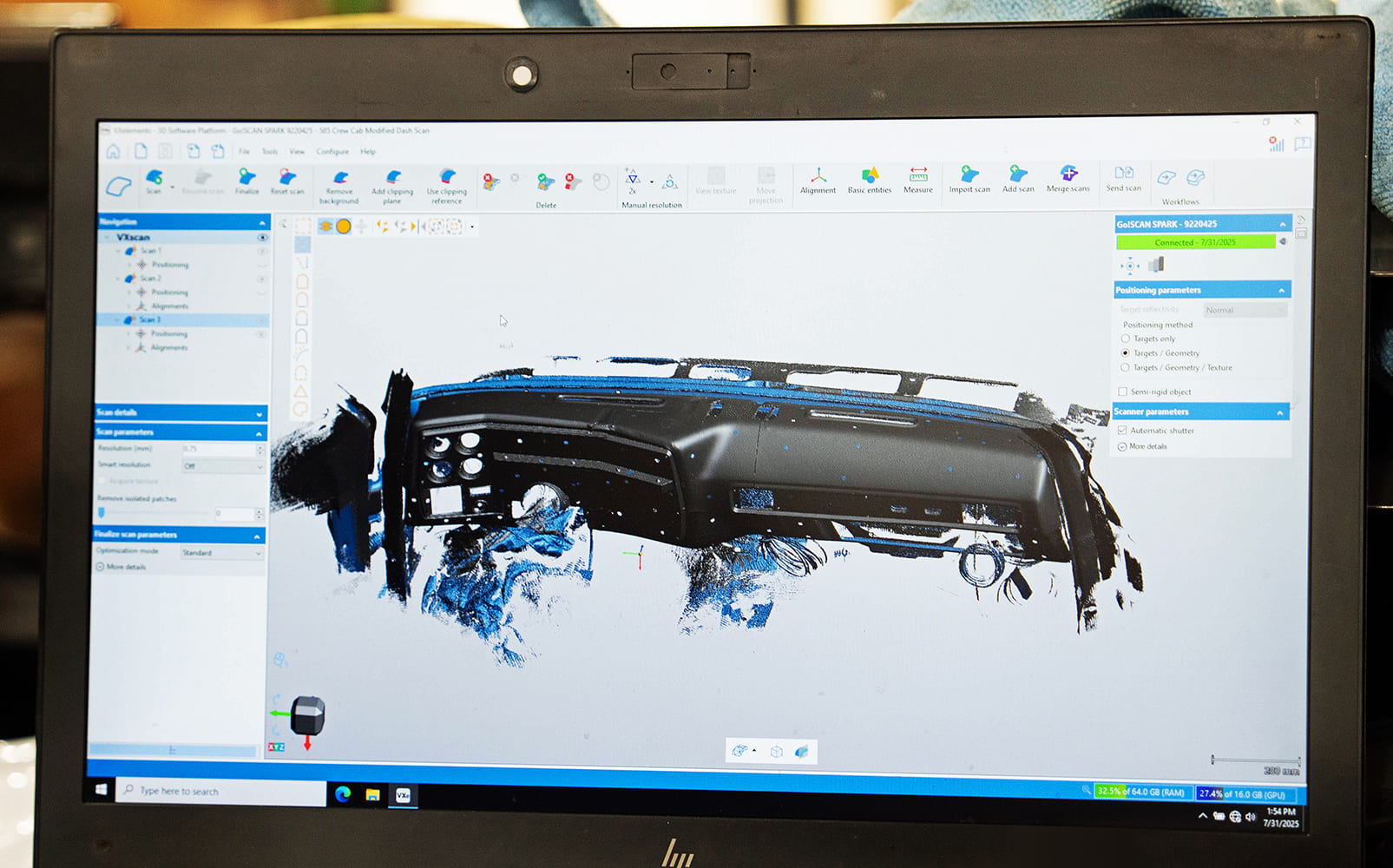
The original dash was scanned to establish the base dimensions for the completely new dashboard and instrument cluster.
A closeup reveals the intricate detailing of the new instrument cluster.
With chassis assembly complete, it’s time to lower the cab onto the frame.
A lift provides a safe, controlled way to lower the body into position.
The rear of the chassis is prepared for the bed installation.
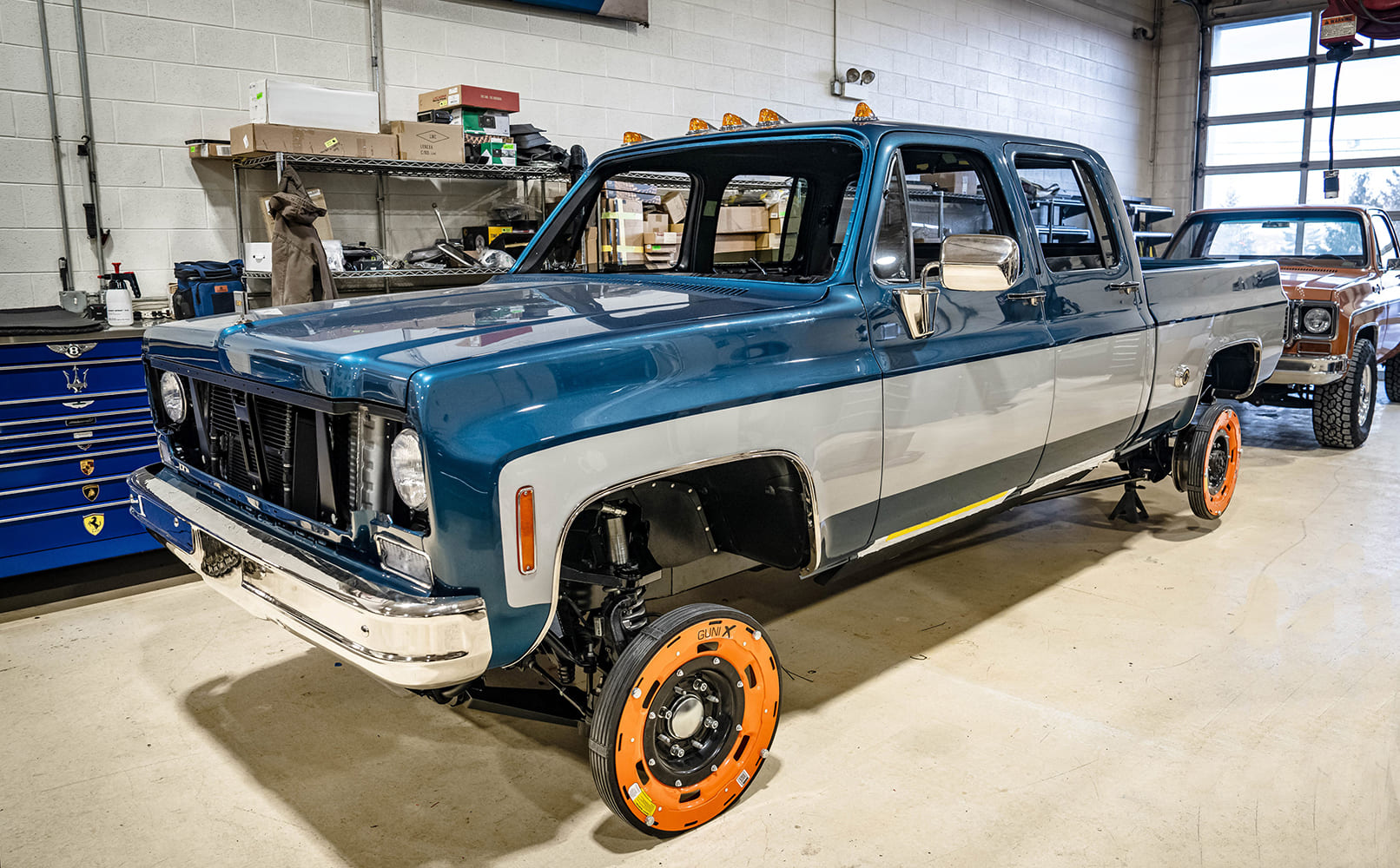
With the cab mounted on the chassis, you can begin to see the proportions of the finished truck.
We use cookies to ensure that we give you the best experience on our website. If you continue to use this site we will assume that you are happy with it.