


By Brian Brennan – Photography By Luke Munnell
Time and again, we hear about a dad’s project being passed down to his son, who then passes it onto his son. But occasionally, we hear a story that’s a bit “cooler.” This generational story still has a grandpa, but now it involves a granddaughter instead.
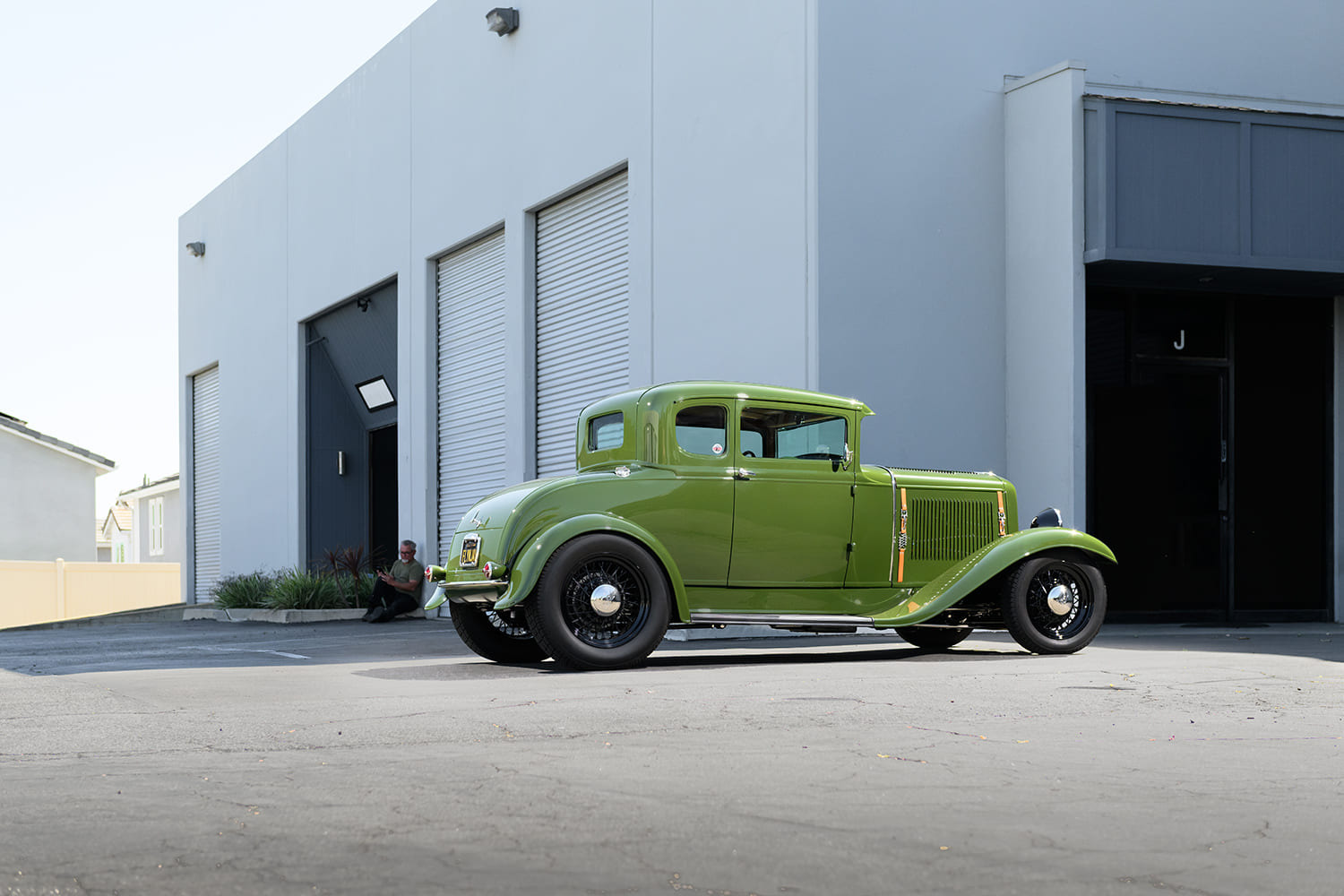
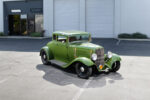
Here’s one Model A, a 1931 Ford coupe that has passed to the hands of Ryan Kalil’s wife, Natalie, from her grandfather to her. Her grandfather, nicknamed “Jav,” is a lifelong hot rodder. Jav’s 1931 Ford coupe was a significant part of his life, and Ryan and Natalie wanted to ensure it was rebuilt into a beautiful hot rod that the family could enjoy for years to come.
Now, we’ve all heard this part more than once. The project initially started at another shop but stalled out. Ryan wanted to avoid “losing” the project, so he asked for help from his fellow hot rod friend, Eric Black, who has designed his share of great-looking hot rods. It was Eric who introduced Ryan and Natalie to Scott and Michelle Bonowski of Hot Rods & Hobbies (HR&H). This sparked both a friendship and a project that eventually led to the impressive results you see today. With Grandpa Jav’s input and approval, they developed a plan to bring the Model A back to life better than ever before.
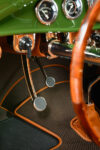
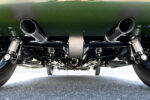
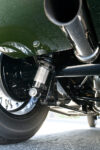
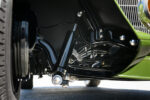
The build starts with the foundation for this 1931 Ford hot rod coupe—the frame. It features a stretched 1932 Ford frame from HR&H, now fitted with a custom tube centersection and designed to fit the Model A body. The front suspension includes a Super Bell 4-inch drop, a 45-inch-wide I-beam front axle, early Ford spindles, a Posies transverse leaf spring, Strange shocks, a Flaming River Vega-style steering box (LimeWorks steering column), wishbone radius rods, and Lincoln drum brakes operated by a 1970s Chevy pickup master cylinder and pedal assembly. The rear suspension uses a Speedway Engineering banjo-style rearend and axles with 3.73 gears, Ford 9-inch style rear brakes, a Panhard bar, and QA1 coilover shocks. The chassis rides on Wheelsmith 16×5 and 18×6 wire wheels fitted with Excelsior 5.50×16 tires in front and Diamondback 255/60R18 rubber in back.
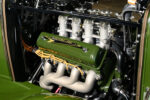
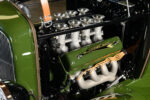
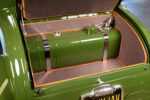
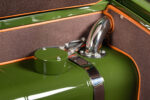
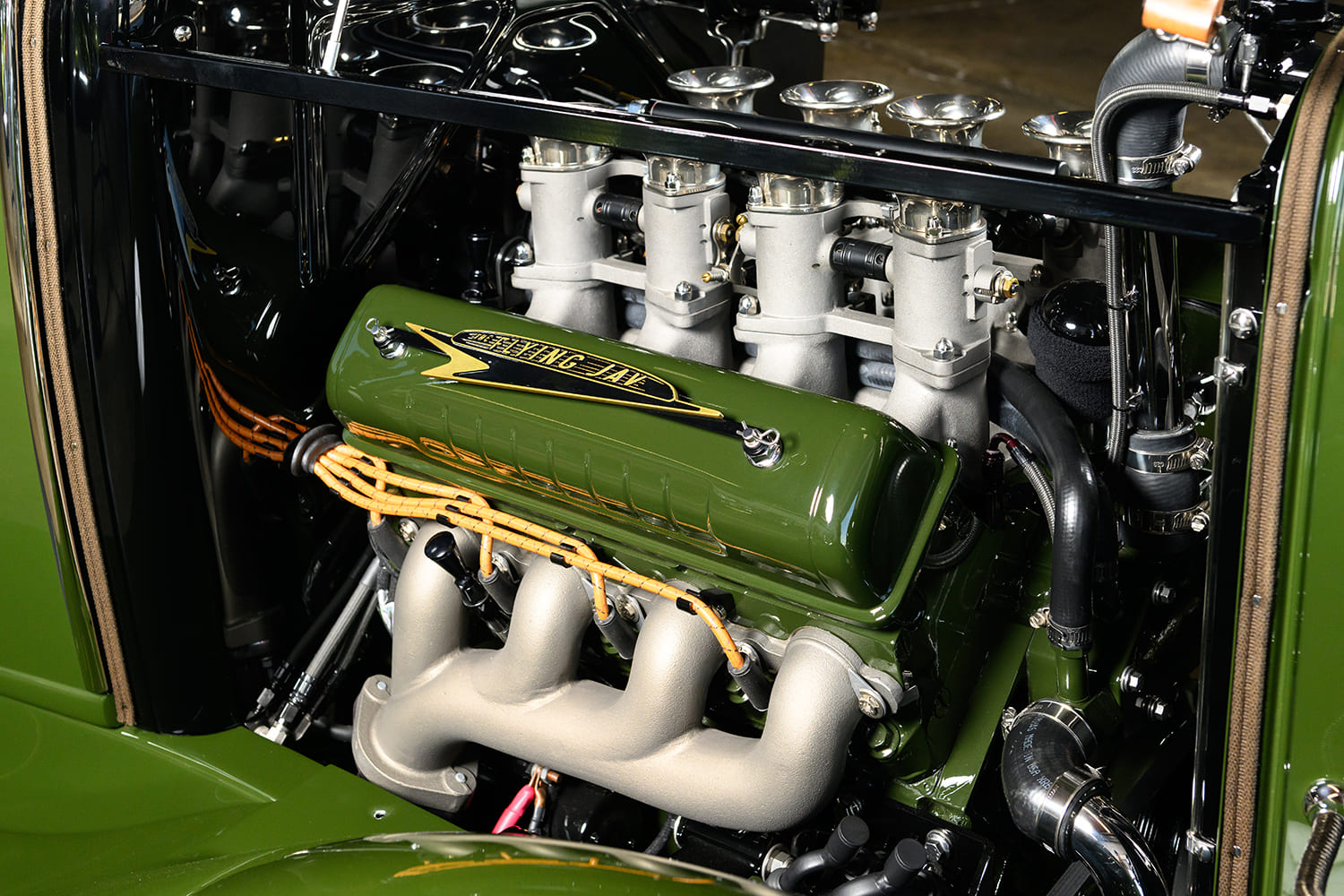
With the foundation in place, the next step was to introduce modern power. Under the hood, you’ll find an LS3 engine, a 525hp and 500 lb-ft version, paired with a 4L65E transmission, all while maintaining a vintage Ford V-8 look. The custom valve covers resemble those on a 1955-57 T-bird, giving the vintage Ford Y-block appearance. A Borla 8-Stack induction system was installed, complemented by early Thunderbird valve covers with quick-release pins and a custom script that reads “The Flying Jav” as a tribute, along with Y-block-esque cast-iron exhaust manifolds. Additional V-8 accessories include a Johnson Radiator, an electric SPAL fan, and an electric water pump, since there wasn’t room for a standard block-mounted water pump. Following a Powermaster starter, a Vintage Air alternator, an A/C compressor, and a pair of 6V REDTOP OPTIMA batteries wired in series to create a 12V system were added. (The basic concept when connecting “in series” is that you add the voltages of the batteries together, but the amp-hour capacity remains the same. Therefore, in our Model A, two 6V batteries wired “in series” can provide 12 V.) This setup was chosen to maximize storage, allowing the custom gas tank to be concealed within the trunk. Filling the tank is via the external, but frenched-for-fit, gas filler cap, and neck assembly.
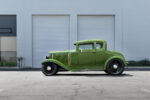
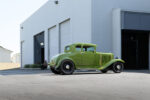
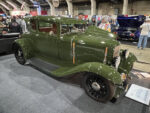
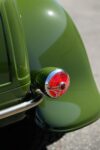
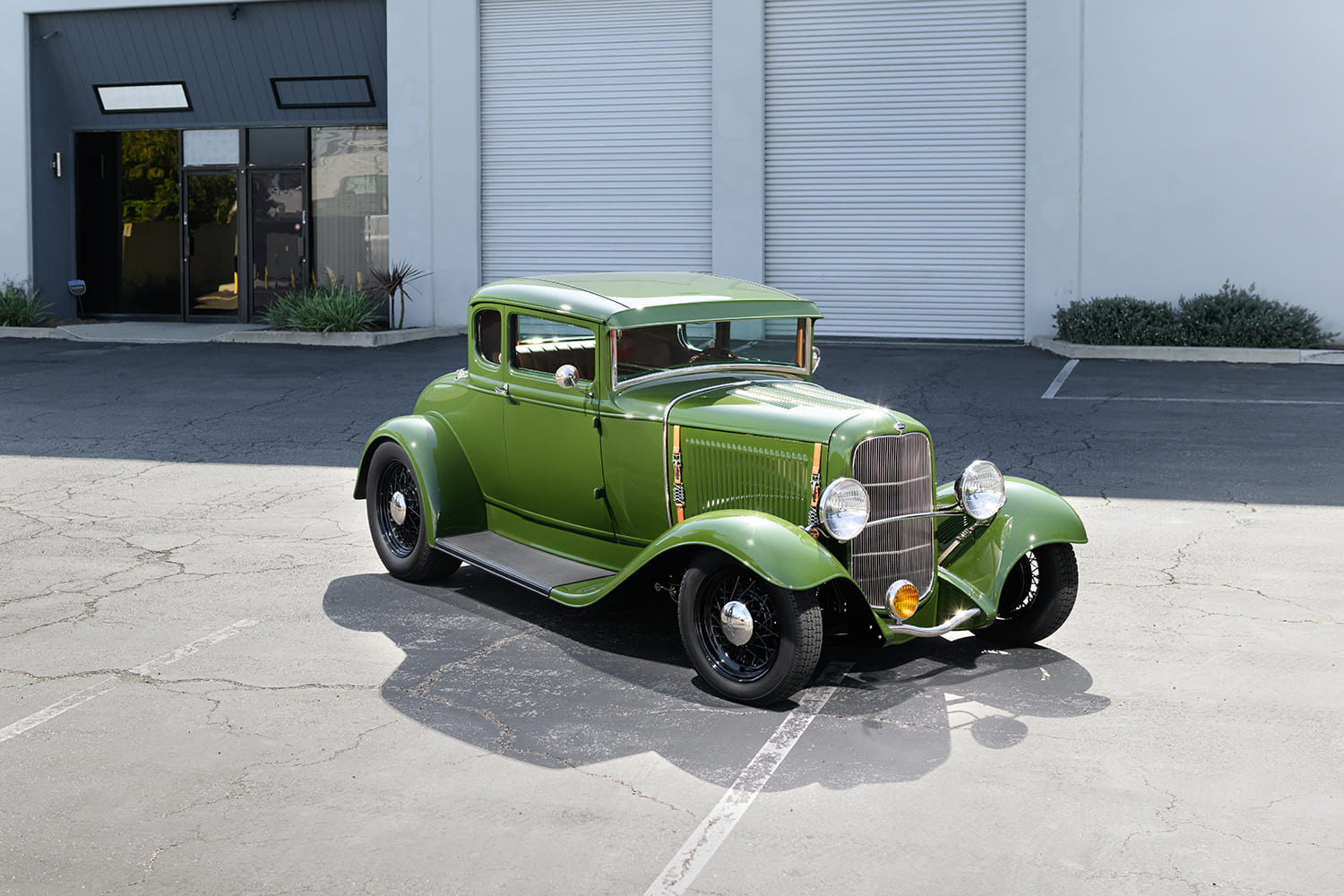
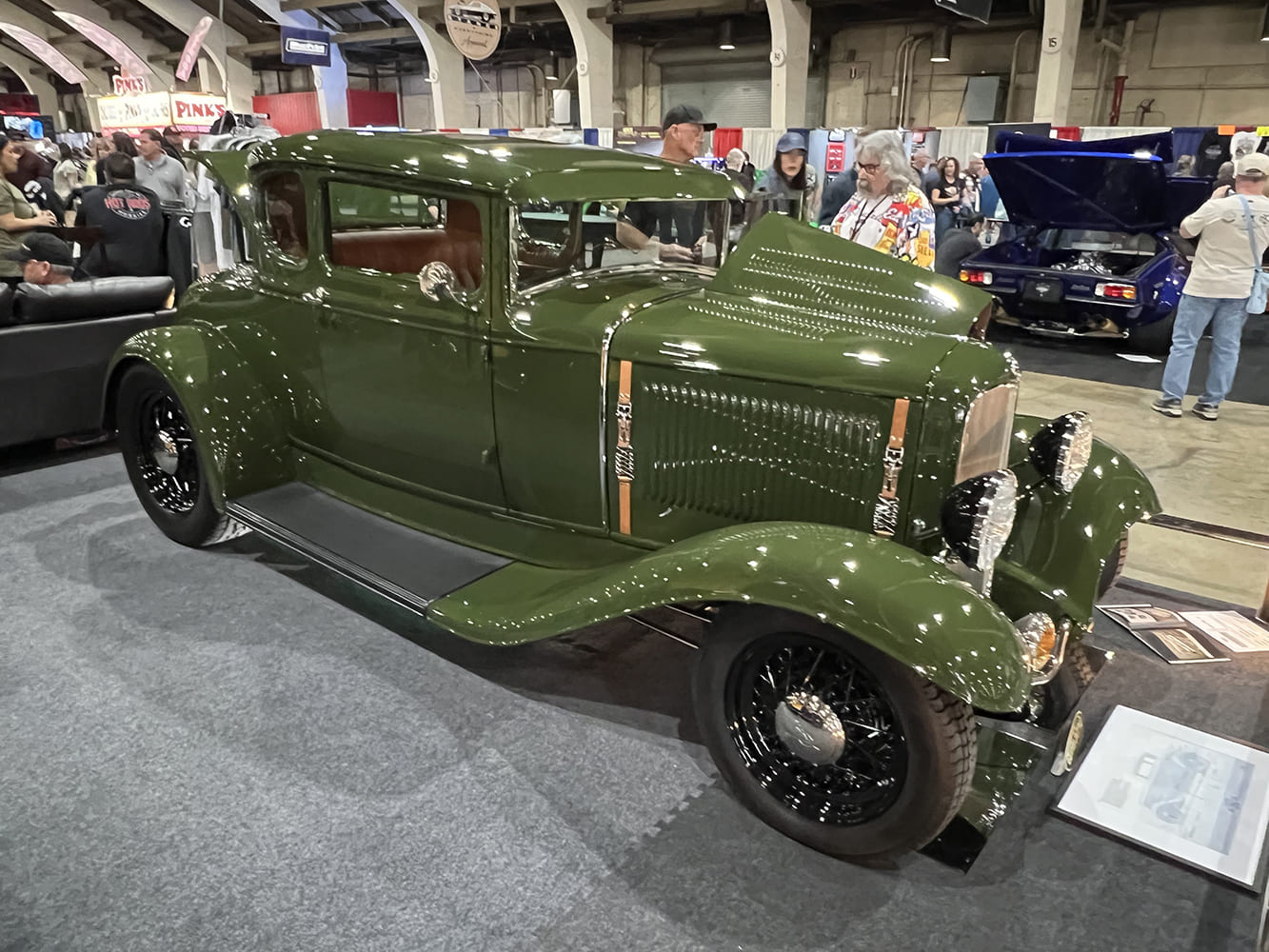
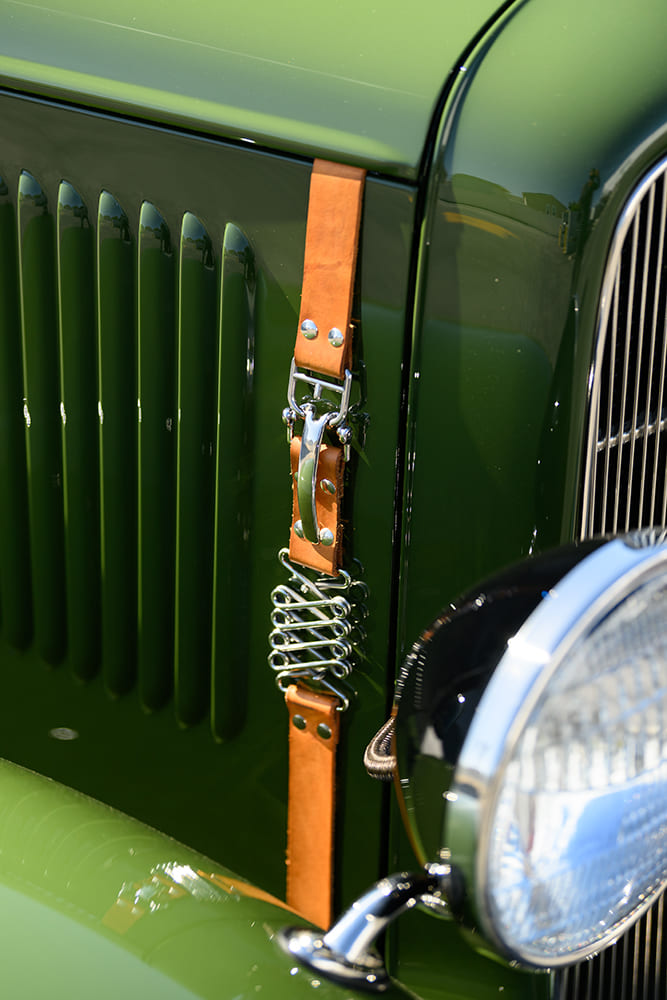
Significant modifications were made to the original 1931 Ford coupe body, including a tasteful 4-inch chop in the front and a 3-inch chop at the rear, creating a slight slant that enhanced visual appeal. All the custom sheetmetal touches were handcrafted at the HR&H Signal Hill shop. The coupe used 1931 Ford sedan doors, with the upper hinge removed, resulting in an overall stretch of 3 inches: 2-1/2 inches from the increased door length and an additional ½ inch to ensure a flush fit. (Remember, a stock Model A has an overlapping door-to-body fit.) The stock roof was then filled, and custom aluminum roof seam strips were installed, incorporating a slight stretch to ensure a flush fit with the sedan doors. The stock cowl gas tank was also removed at this time. Additional custom trim work included custom-fitted quarter-window moldings. The extended driprails are present, but this time they are screwed on rather than welded, simplifying the bodywork and paint process. Blending elements of both a 1931 and a distinctive 1932 Ford, components included modified rear fenders with slightly “bopped” edges and fabricated 2-inch-deep wheeltubs, along with running boards, a grille shell and insert, and a louvered Rootlieb hood assembly with stainless steel straps (custom mounting and leather straps). Other unique features include the rear nerf bar, a front spreader bar with a fog lamp, a frenched fuel filler cap, and a pair of 1937 DeSoto taillight bezels housing custom taillight buckets. The front Deuce headlights are mounted on a dropped 1932 headlight bar, with the rear lighting anchored to the body and mounted on the nerf bar ends. Notably, a body-mounted, machined license plate frame is positioned above the HR&H-fabricated rear roll pan. The body- and paintwork were completed at HR&H in a custom blend of Axalta green.
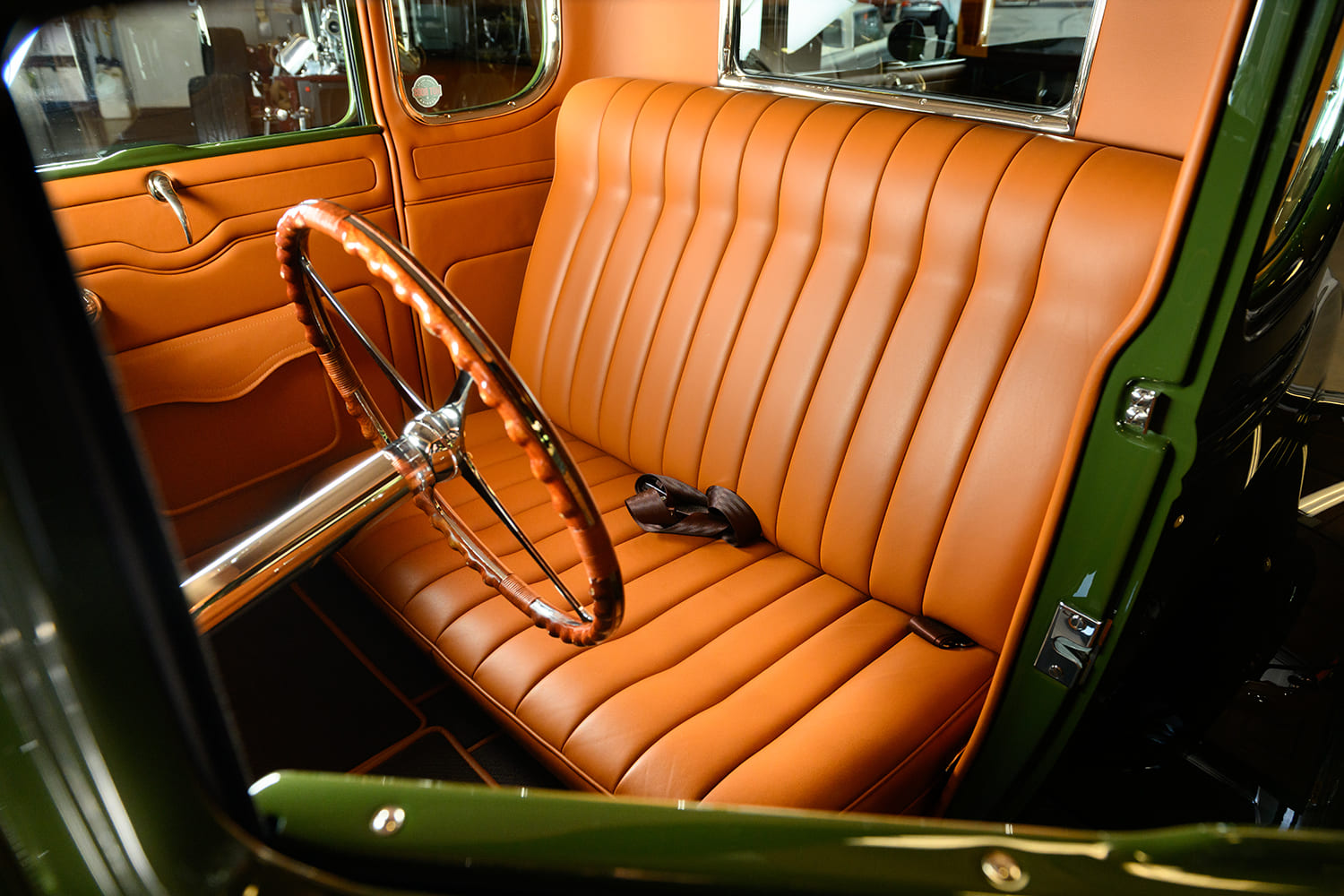
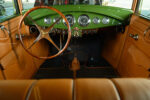
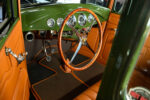
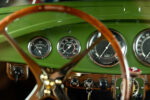
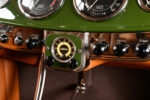
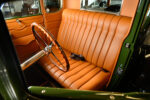
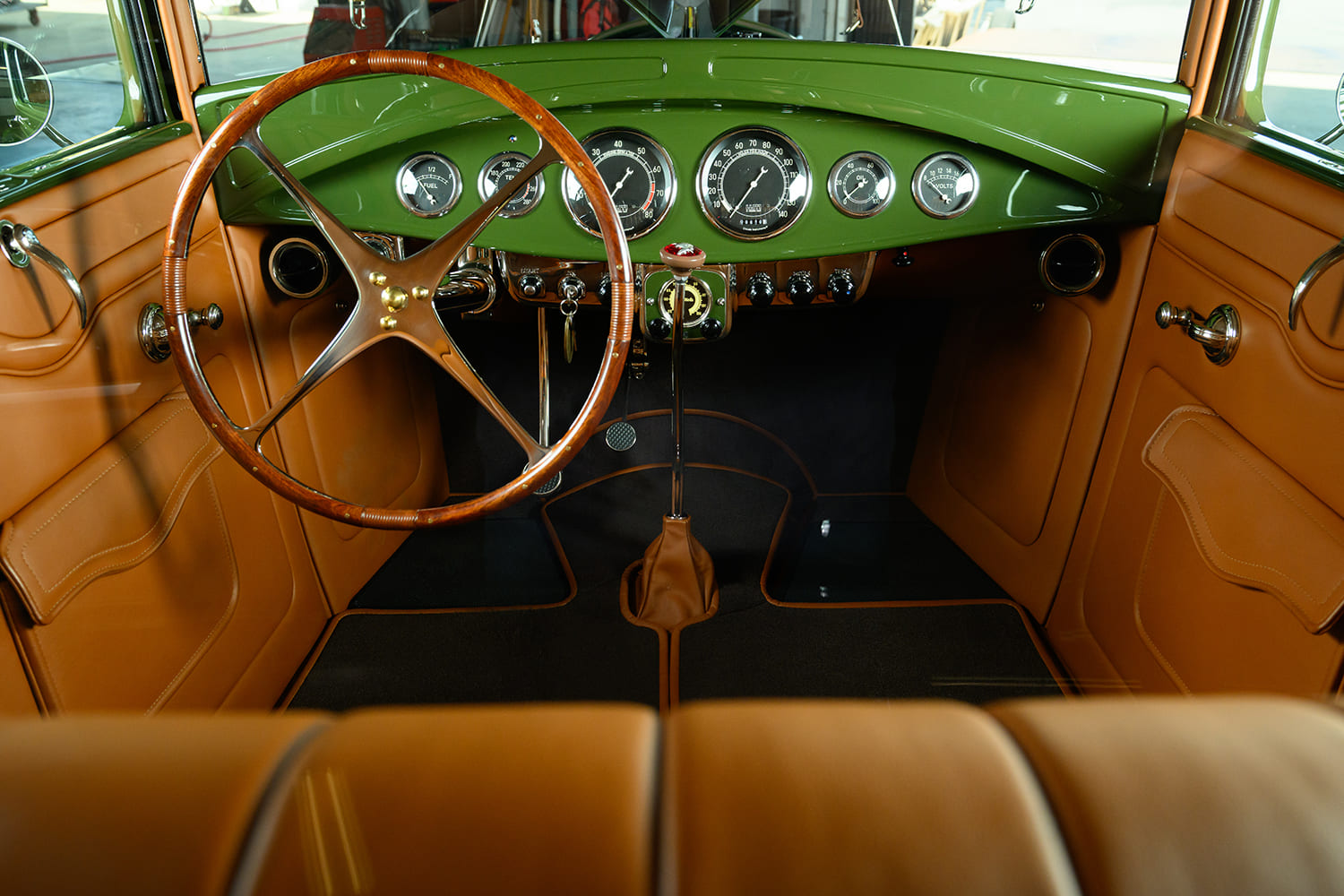
Inside, a custom-formed Glide seat was upholstered in Relicate Leather by Chris Plante at Plante Interior Co., with matching door panels and trim work. The interior was designed in a classic style, featuring a unique Hot Rod Garage custom wooden-rim four-spoke steering wheel atop a LimeWorks column, custom Classic Instruments gauges in the refined dash, and a custom lower dash panel housing the A/C controls, ignition, and an assortment of light switches, all brought to life through the use of a Haywire Fuse panel with custom wiring. A custom shift knob, bearing a knight’s head taken from Jav’s original medallion from his high school “Knights” car club days, tops the Gennie shifter.
Although Jav didn’t live to see his beloved 1931 Model A hot rod completed, the family made sure it was restored with care and respect, allowing it to be enjoyed for generations. The project highlights the importance of family legacy and the passion for hot rodding that passes through generations.
Check out this story in our digital edition here.