


By Ron Ceridono – Photos Courtesy of Detroit Speed & Engineering
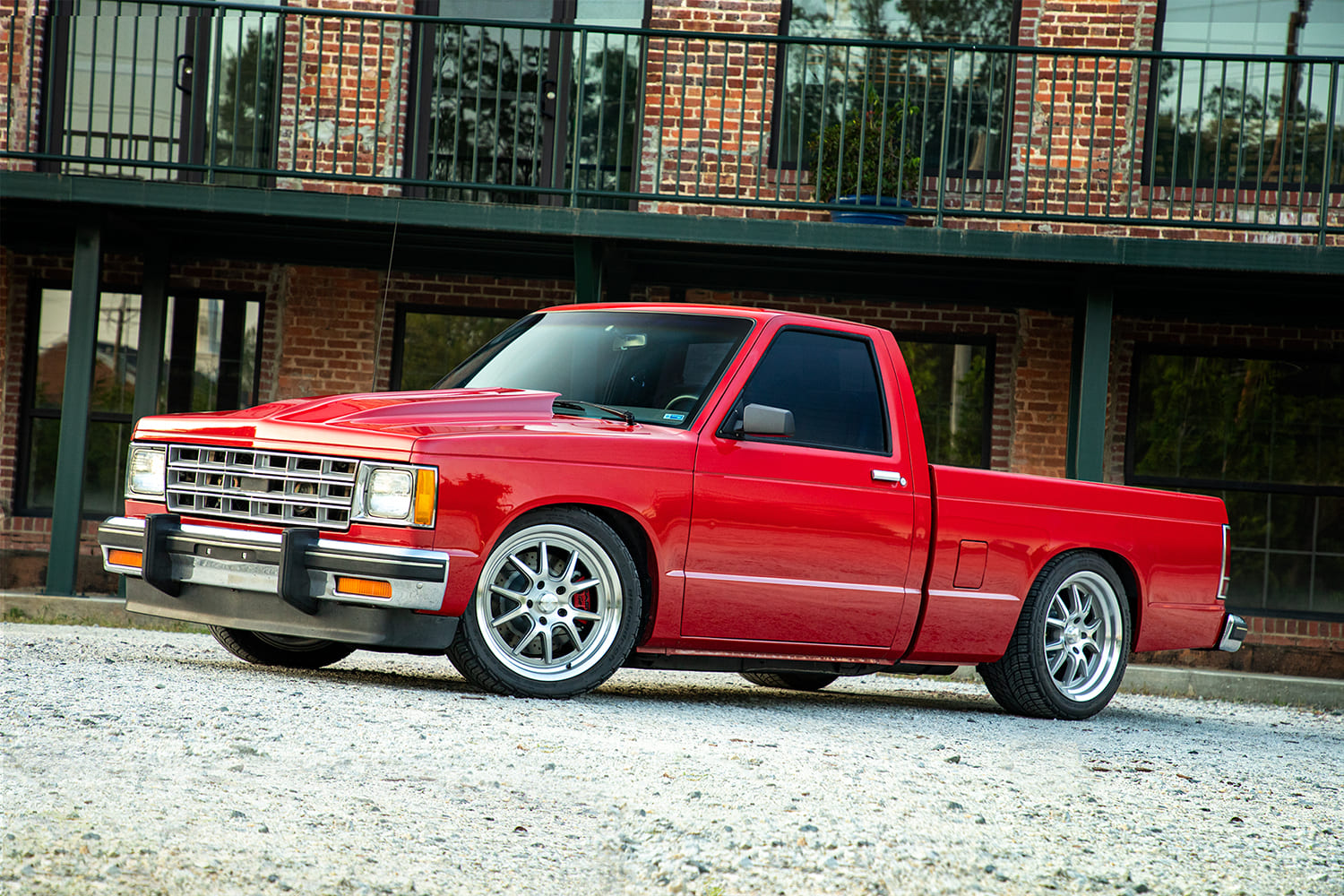
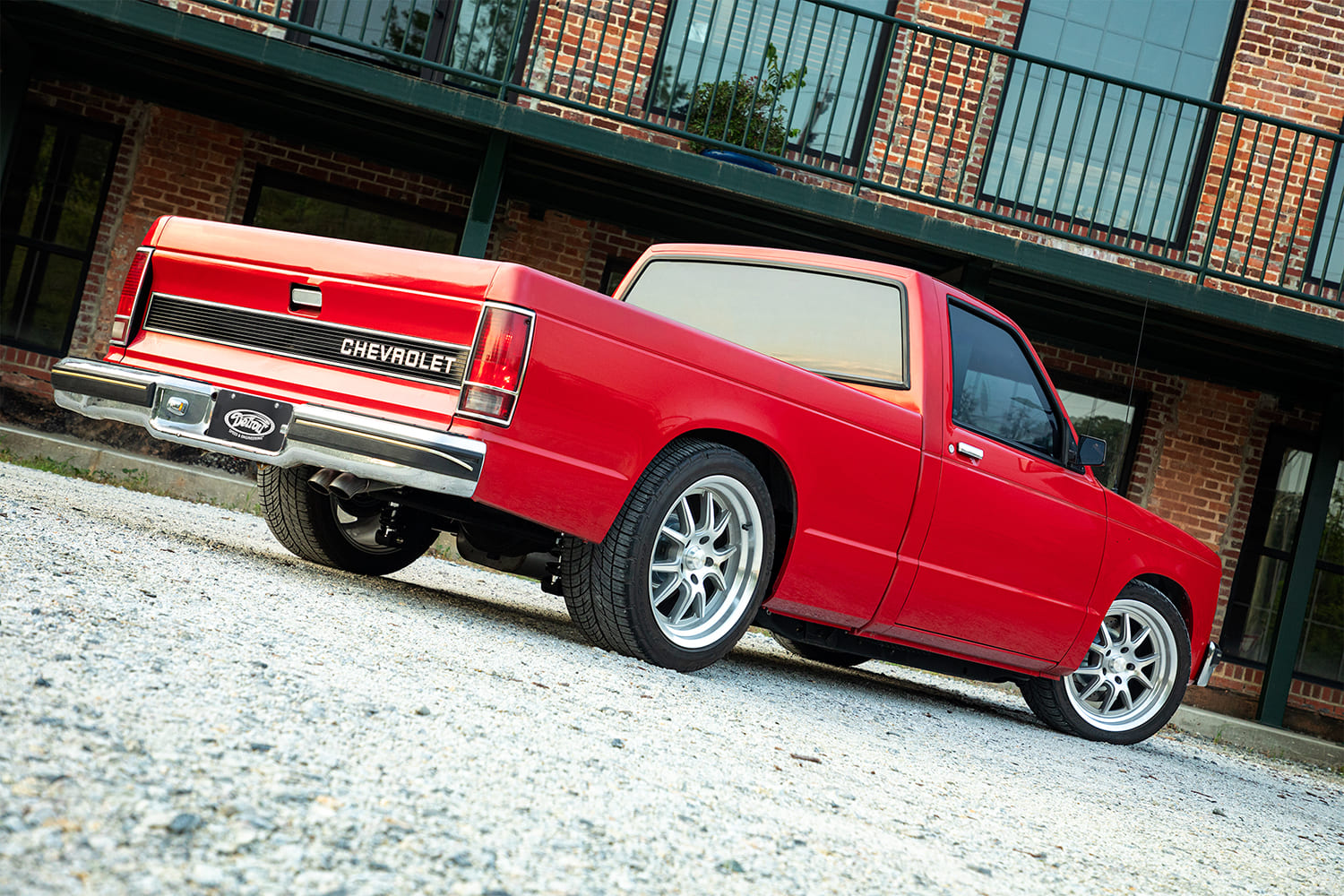
For over three decades Detroit Speed & Engineering (DSE) has been a leading supplier of high-performance suspension and accessory components. Designed and produced in-house using the latest manufacturing methods, DSE has earned a reputation for quality and innovation. Now, as part of the QA1 family of brands, DSE’s legacy continues and includes a variety of recently introduced direct-fit suspension components for Chevy/GMC S-series trucks. Often overshadowed by their fullsize brethren, DSE recognized the performance potential of GM’s compact pickups and did something about it.
General Motors’ first foray into the compact truck market was the Chevrolet Light Utility Vehicle introduced in 1972. Known as the LUV, these trucks were manufactured in Japan by Isuzu. Eventually GM brass caught onto the idea that they could build a small truck of their own, in part by raiding their existing G-body chassis parts bins, and set the wheels in motion. GM introduced their new Chevy S-10 and GMC S-15 trucks in 1981 for the 1982 model year (the GMC became the Sonoma in 1991). The second generation of the Chevy S-10 and GMC Sonoma were both introduced in 1994 and continued in production through 2004.
There’s a lot to like about these little haulers; they’re readily available, affordable, and it seems like they were made with V-8 engine swaps in mind. When it comes to updating the front suspension, that’s easy too. DSE offers three Speed Kits to improve handling, road feel, and ride quality of the first and second generation of these Chevy and GMC trucks.
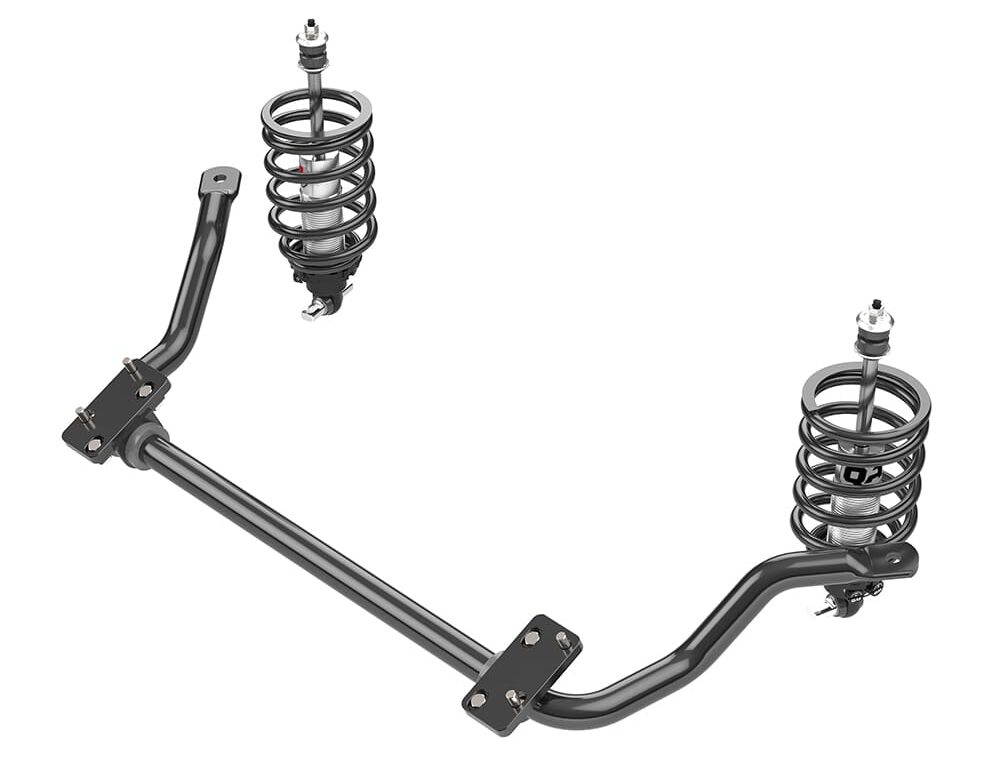
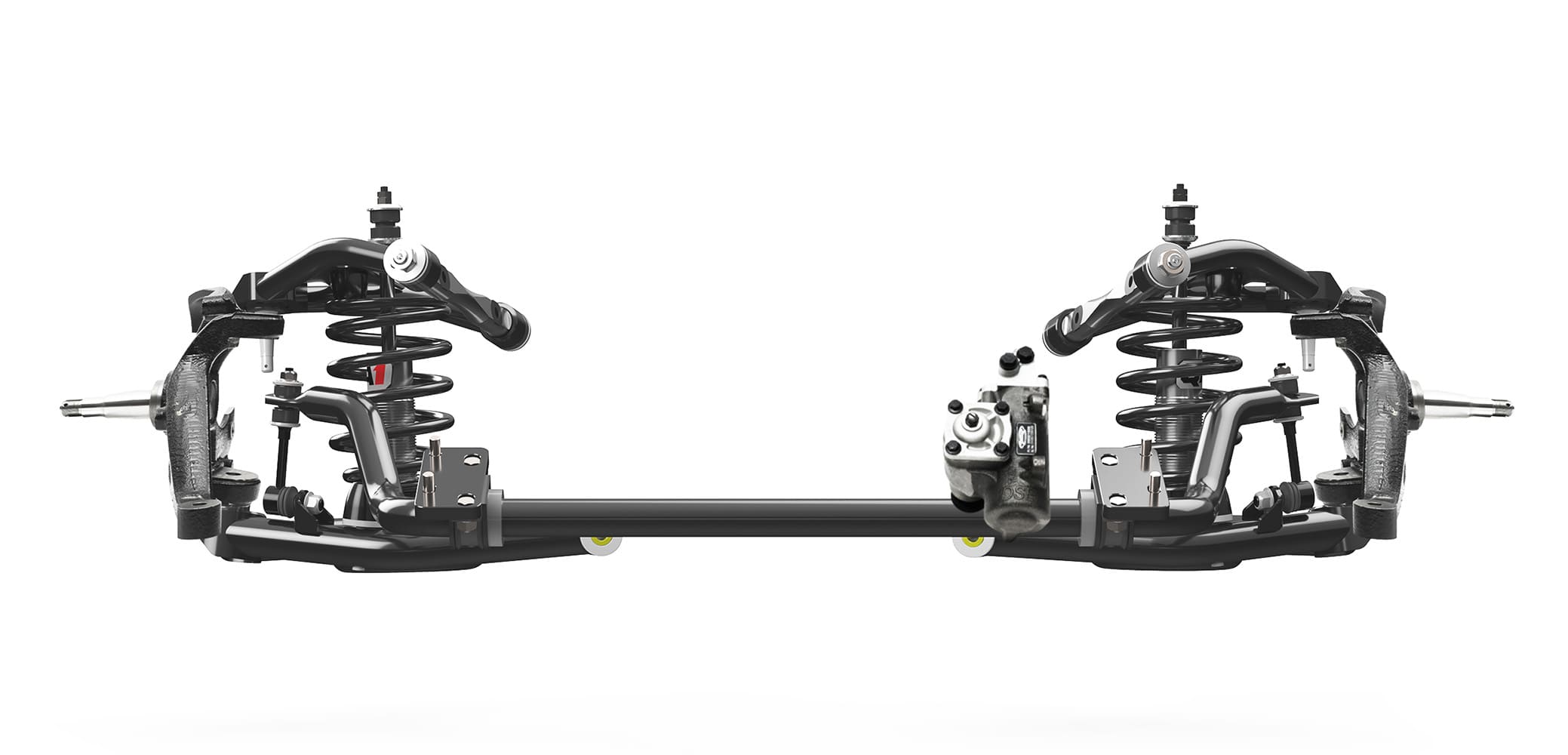
DSE’s front suspension Speed Kit 1 comes with QA1 Pro Coil double-adjustable coilovers to replace the stock springs and shocks. With 18 “clicks” of adjustment for compression and rebound damping, the ride and handling characteristics can easily be fine-tuned. The shocks come with 575-lb/in “DSE Tuned” springs installed that reduce ride height by up to 2-1/2 inches. Also included in this kit is a 1-7/16-inch, 0.188-wall tubular front sway bar to reduce body roll and keep the truck planted in the corners.
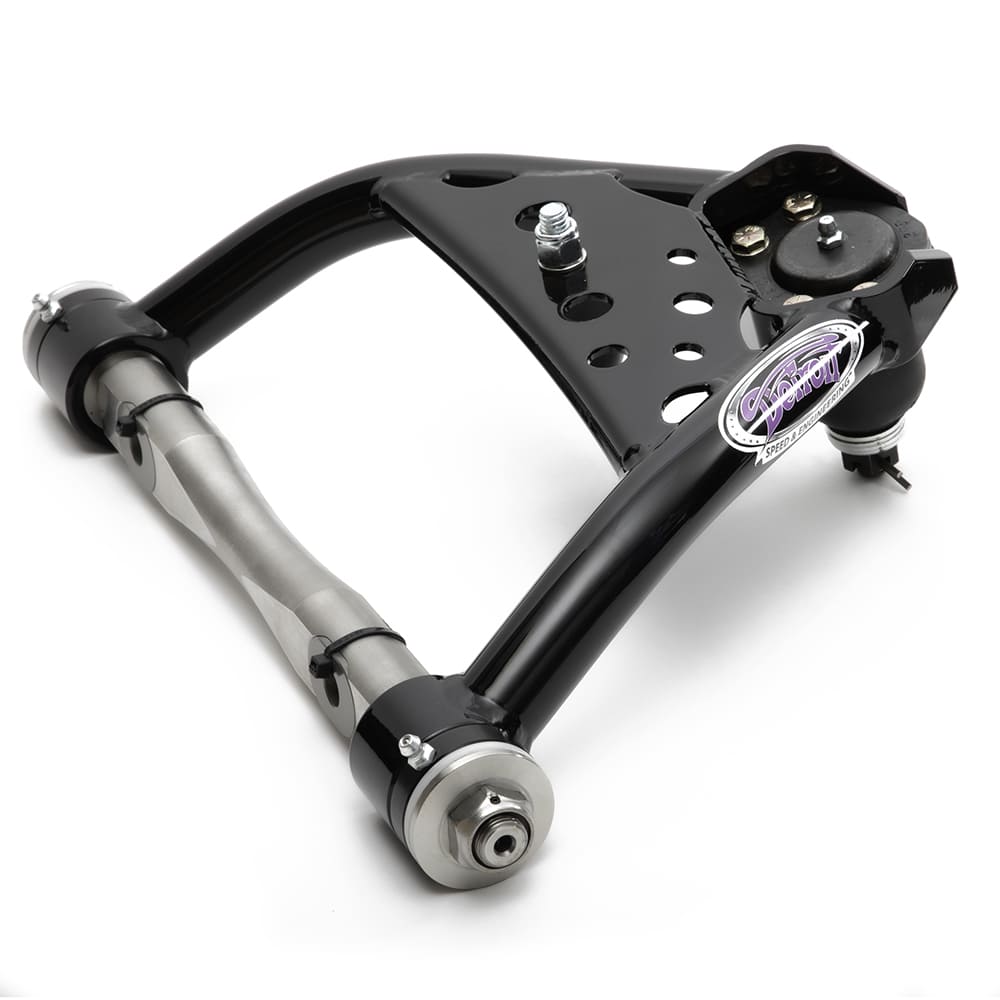
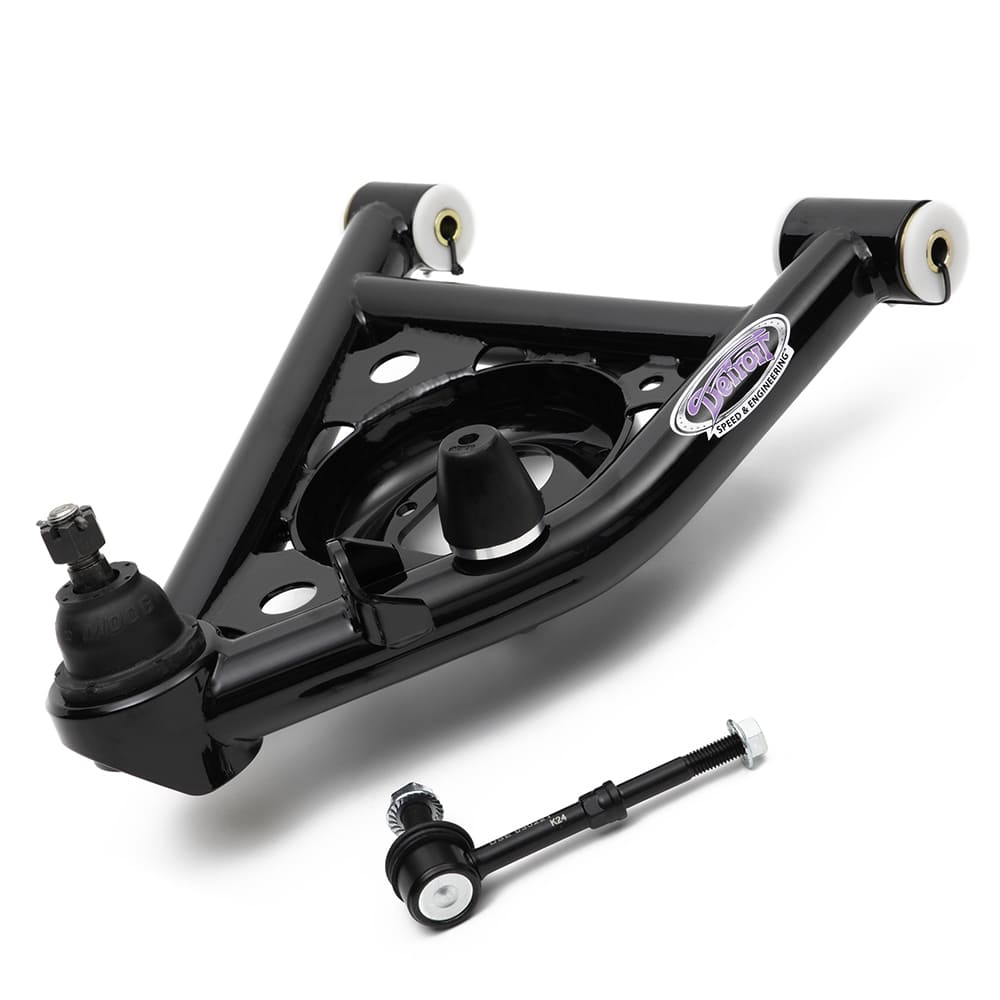
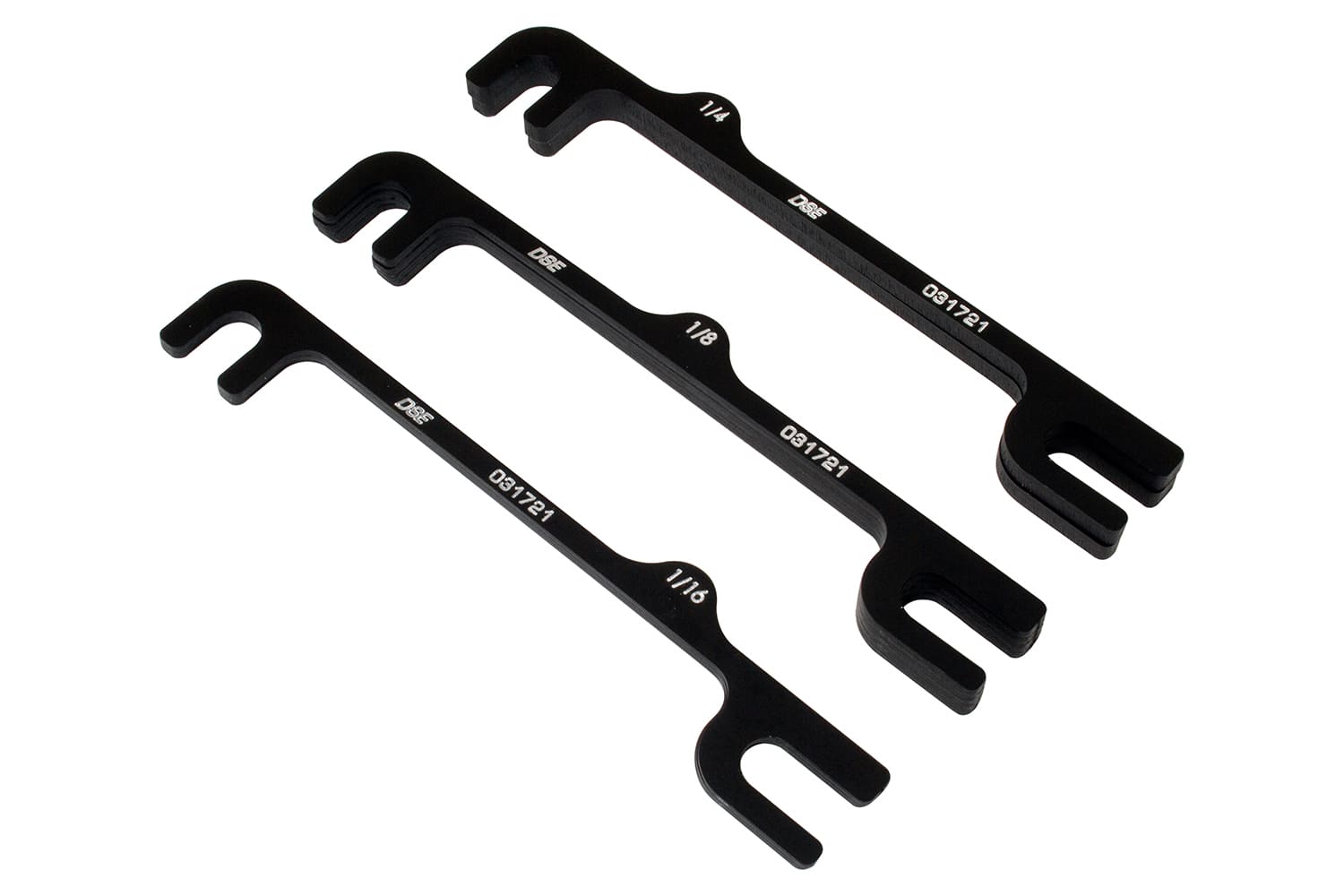
Front Speed Kit 2 includes the components of Kit 1 and adds tubular upper and lower control arms and 2-inch dropped spindles. The tubular control arms are designed to correct suspension geometry at lowered ride heights for better high-speed stability, improved steering feel, and enhanced tire contact. The system provides a camber adjustment range from 0 to -2 degrees and a caster range of 6 to 8 degrees with DSE’s precision-engineered caster tuning shims. The QA1 Pro Coil double-adjustable coilovers combined with the dropped spindles allow for up to 4-1/2 inches of front drop without compromising performance.
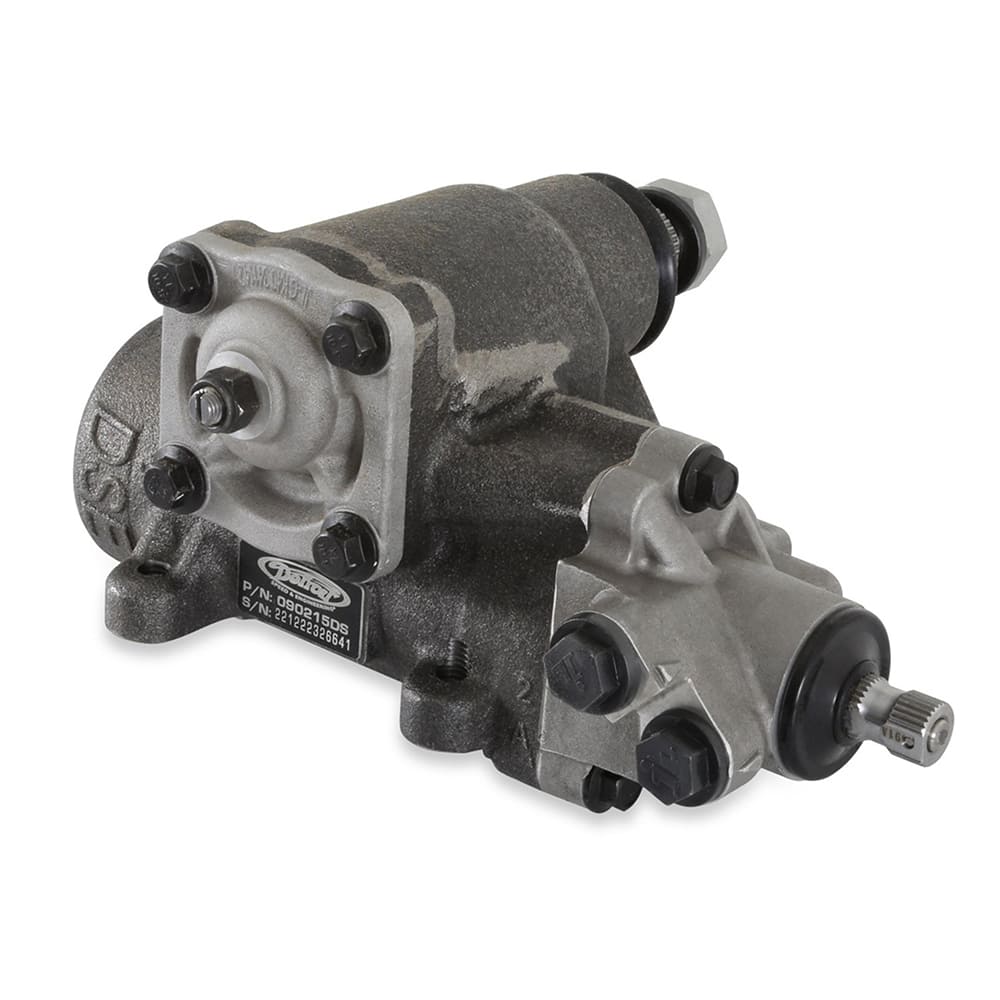
Last and certainly not least is the ultimate front suspension package for S-Series GM trucks, DSE’s Speed Kit 3. Along with all the components included in Kit 2, this one adds DSE’s 12.7:1 fast-ratio steering box for increased response, tighter control, and improved road feel.
To go along with the front suspension kits, DSE offers four rear suspension kits—three Speed Kits with leaf springs and their QuadraLink coilover conversion. All of which provide a lowered stance with noticeable improvements in handling, particularly when paired with DSE front Speed kits.
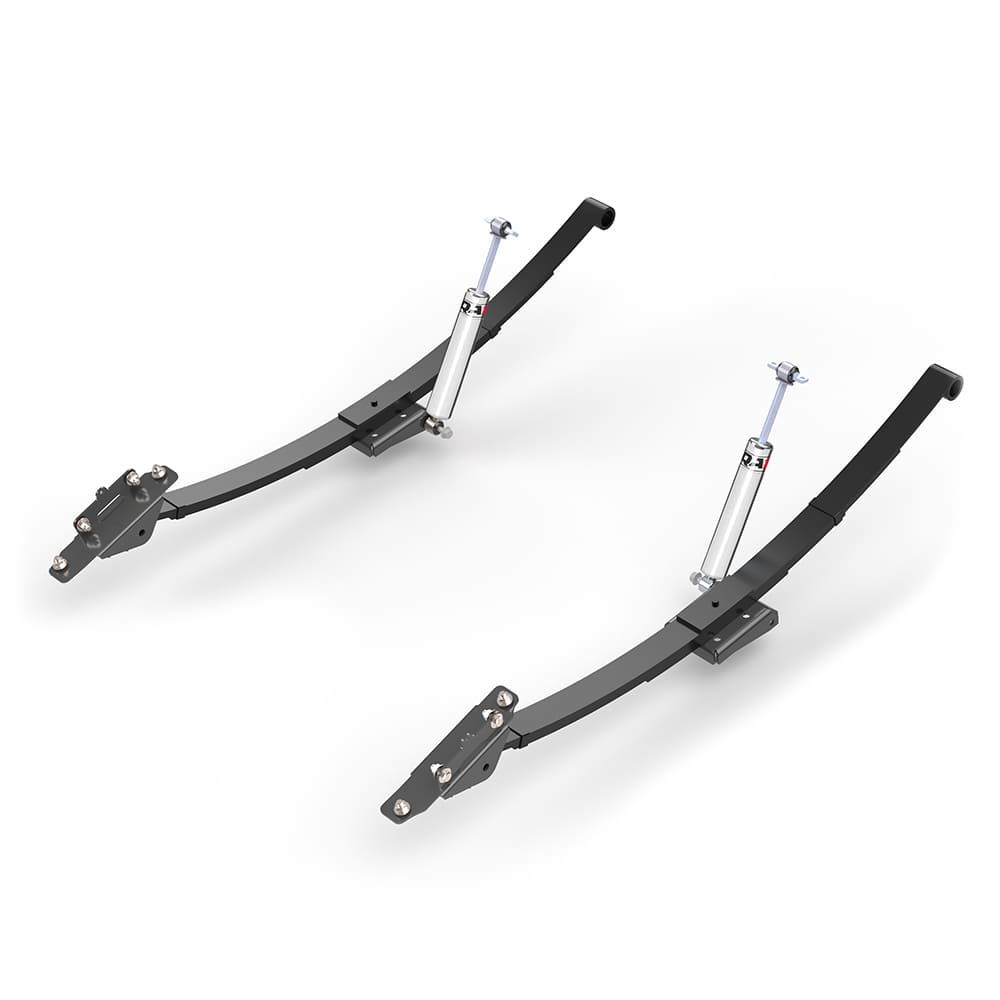
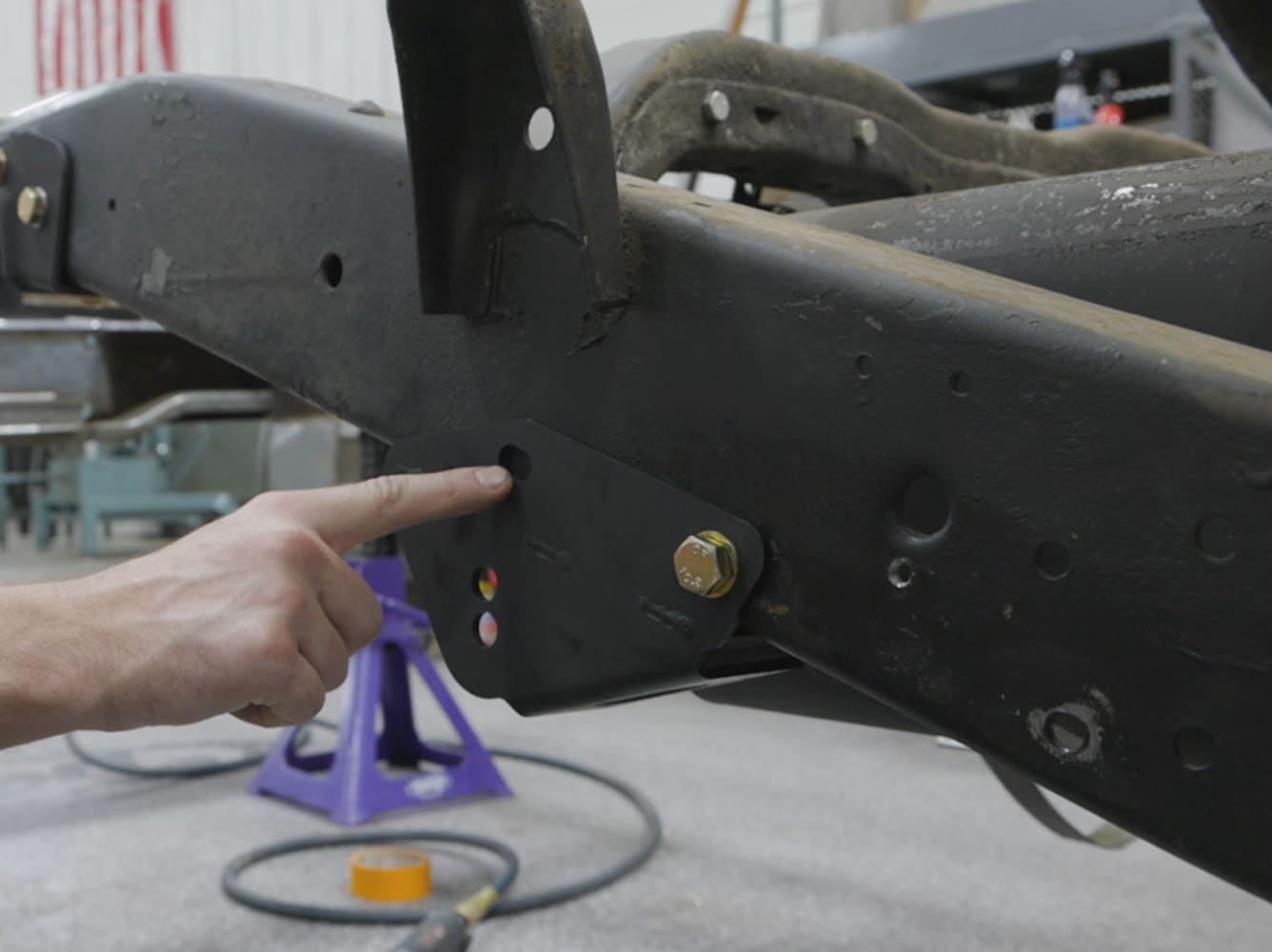
DSE’s rear Speed Kit 1 is a rear suspension upgrade that includes leaf springs with a forward bias to help reduce wheelhop and axle wrap. The reversed eye springs lower the ride height up to 3 inches without notching the frame, compromising ride quality, or suspension. In addition, the relocated leaf spring mounts improve antisquat geometry during acceleration. This kit includes Stocker Star double-adjustable shocks that provide 18 adjustment options for both compression and rebound control. This kit simply bolts in place, and while minor cutting and drilling is needed, no fabrication is required. This kit works with factory sway bars where equipped, but is not compatible with Blazers, Jimmys, or Crew Cab trucks.
DSE’s Rear Speed Kit 2 has added components for even more ride height reduction. This kit provides up to 5 inches of rear drop without cutting into the frame. Along with the reversed-eye leaf springs, 2-inch lowering blocks are provided. The lowering blocks feature 3 degrees of built-in angle to dial in pinion angle and keep driveline properly aligned. To further control wheelhop, the right side shock is relocated to the front of the axle, creating a staggered shock arrangement commonly found in performance leaf spring cars.
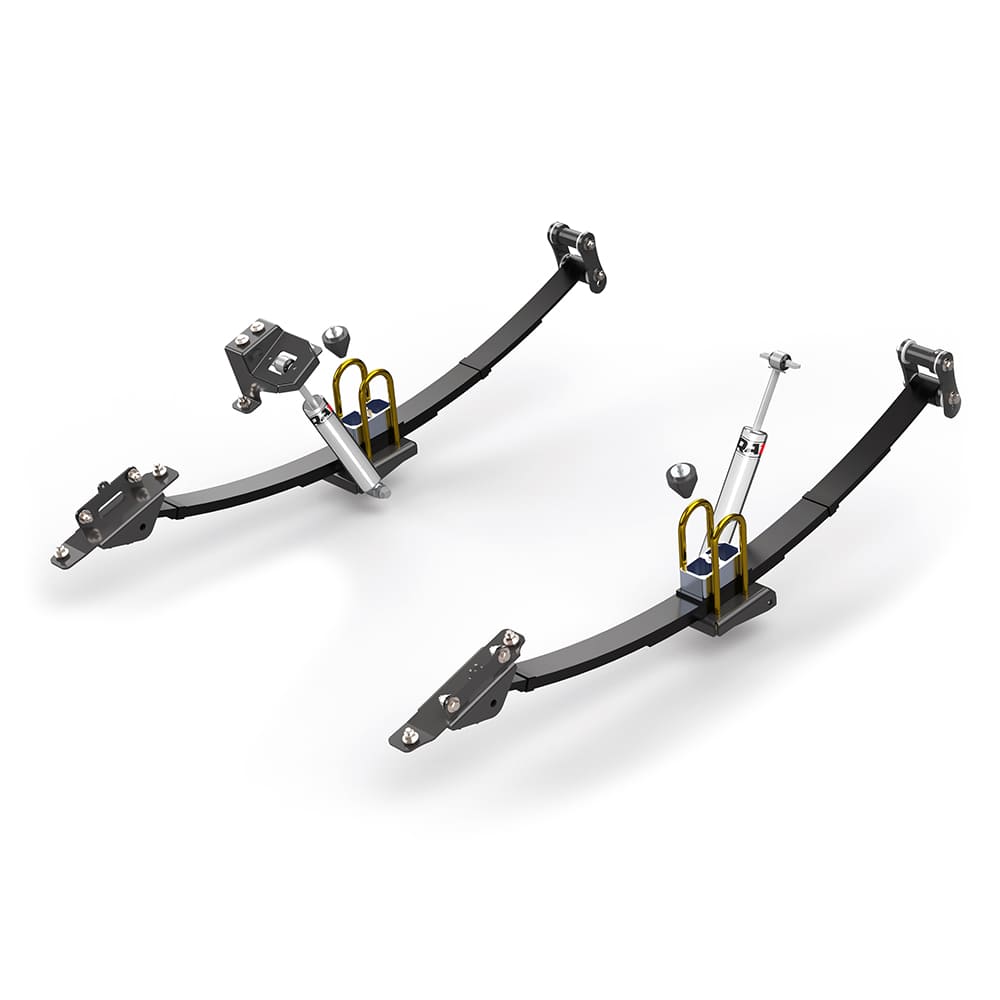
For the ultimate leaf spring suspension system, opt for the Speed Kit 3. This kit includes everything found in Speed Kit 2 with the addition of DSE’s premium Delrin bushing and shackle kit. This upgrade eliminates bushing deflection for tighter, more responsive feel during “spirited” cornering.
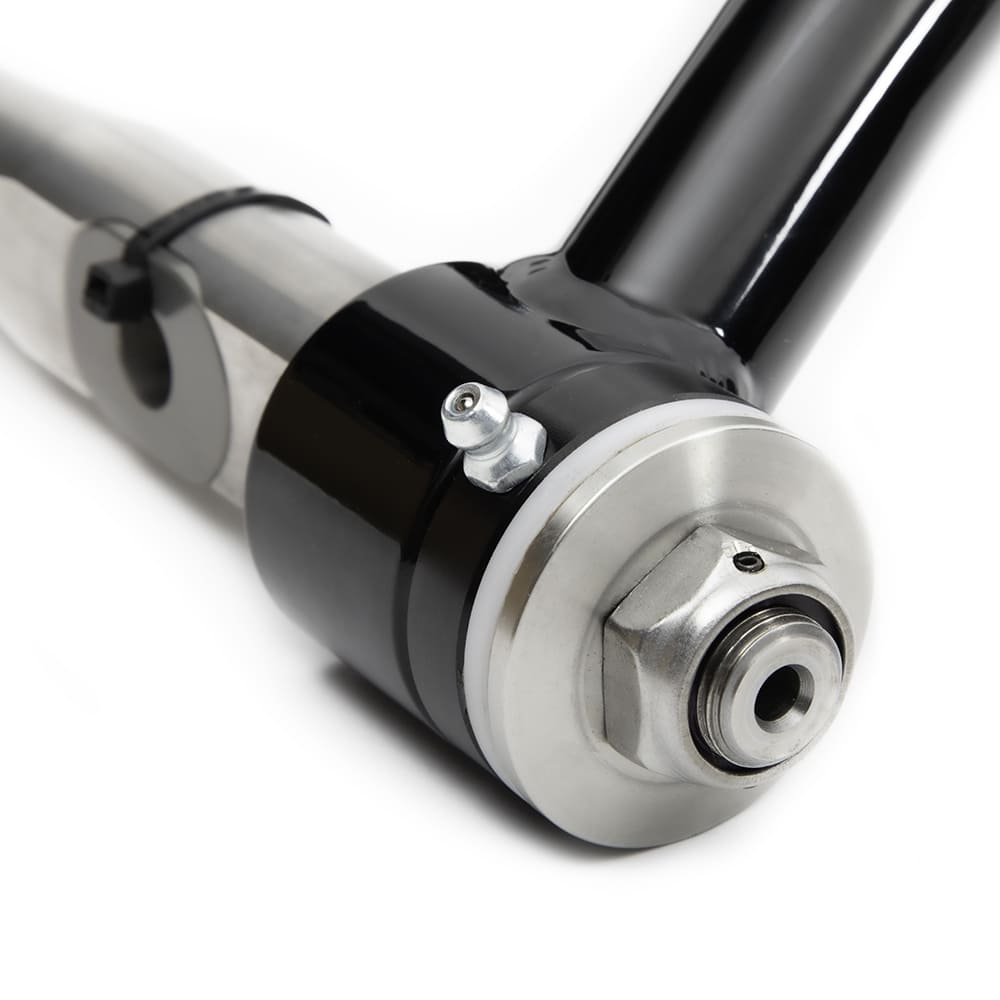
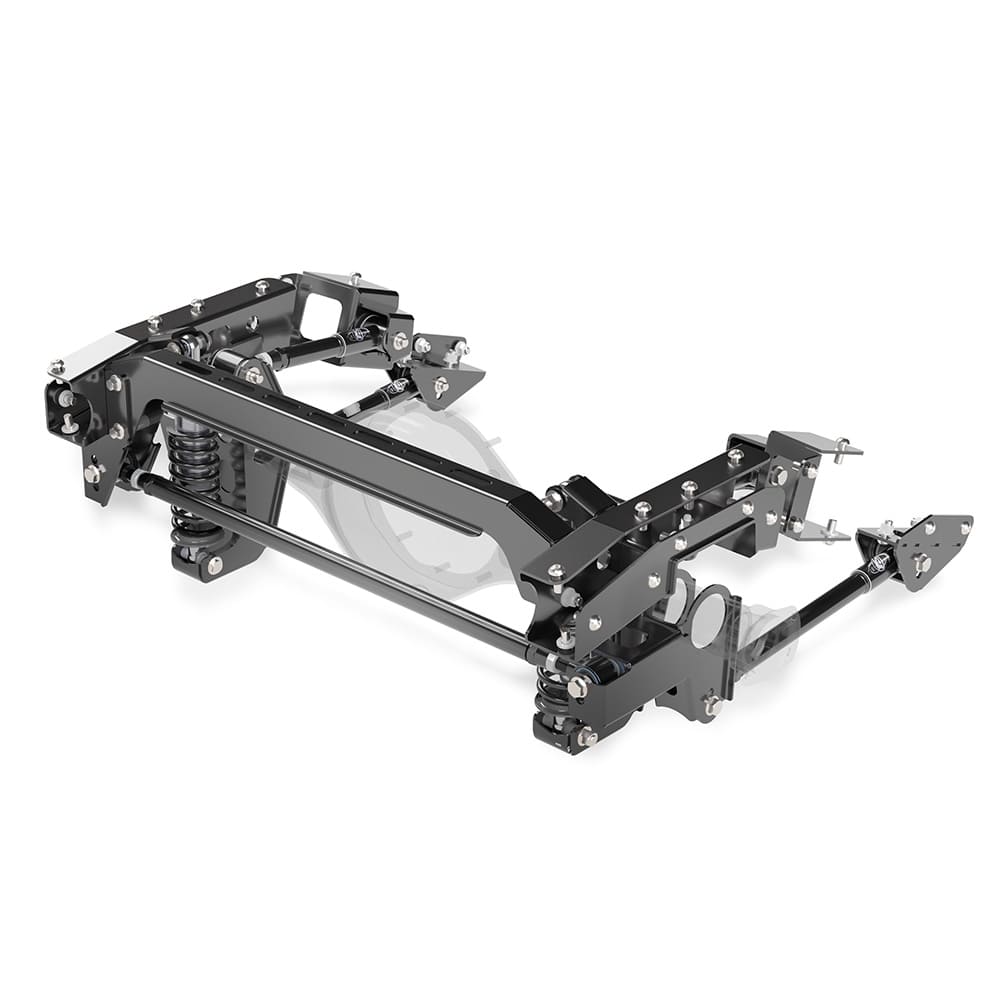
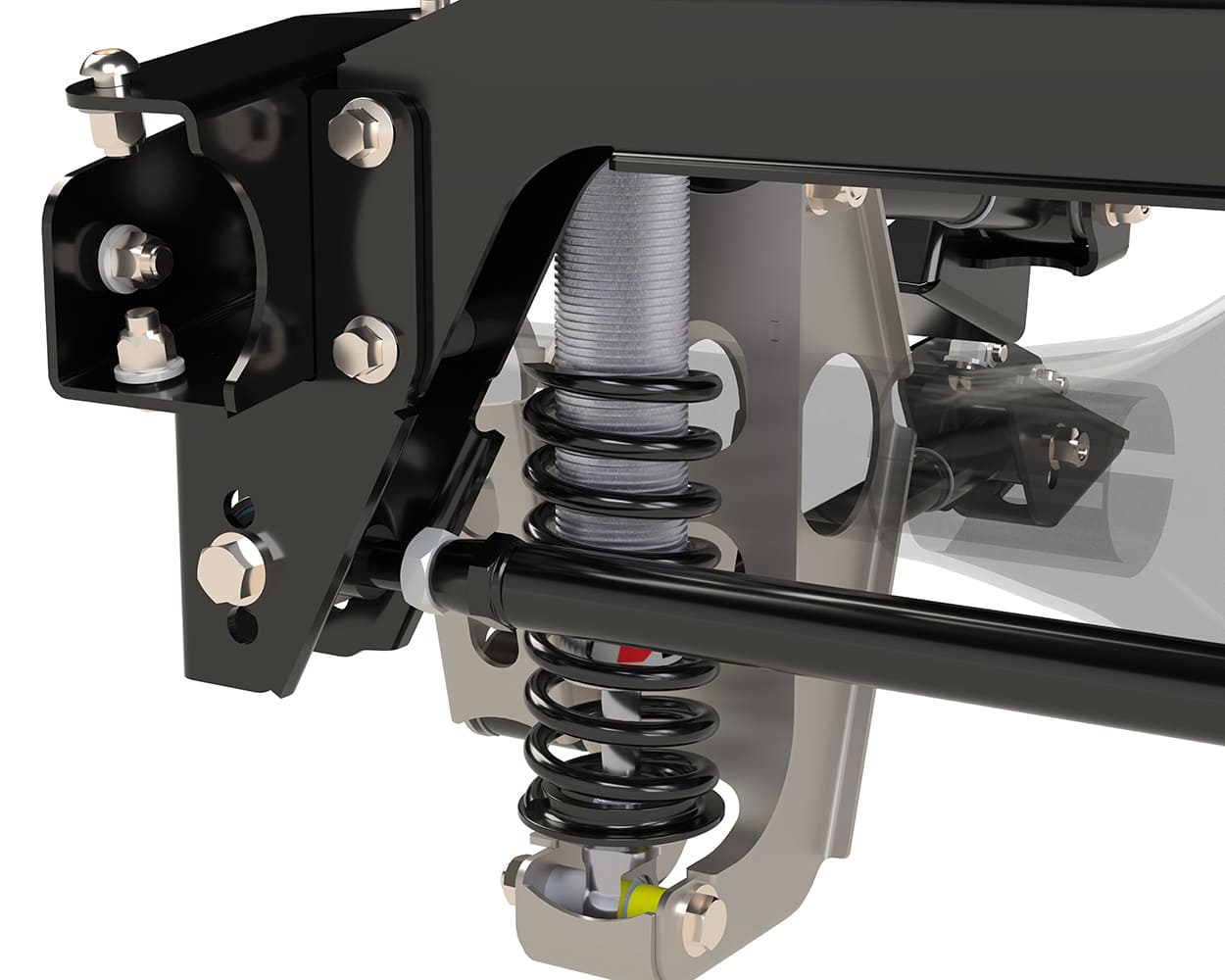
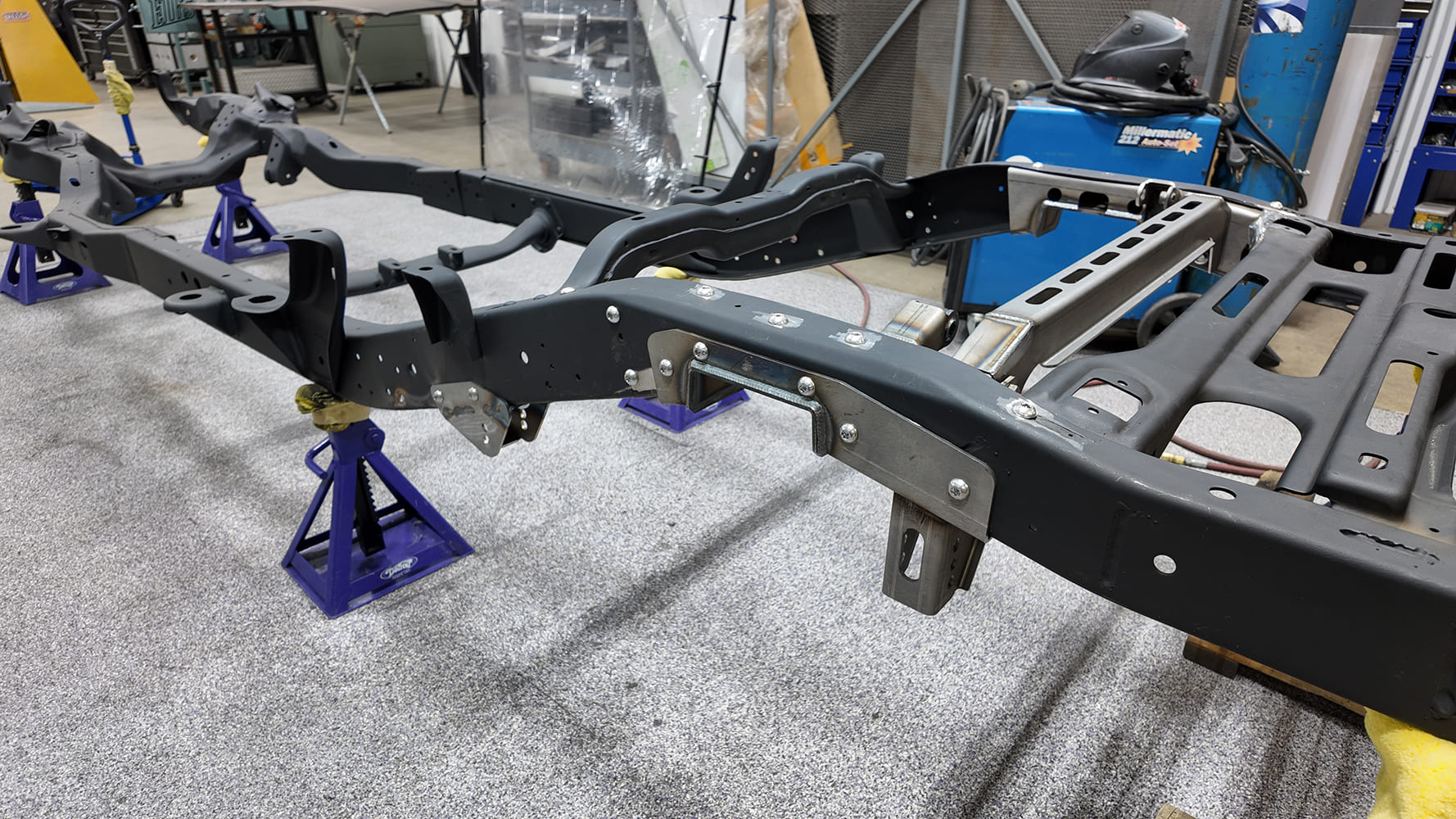
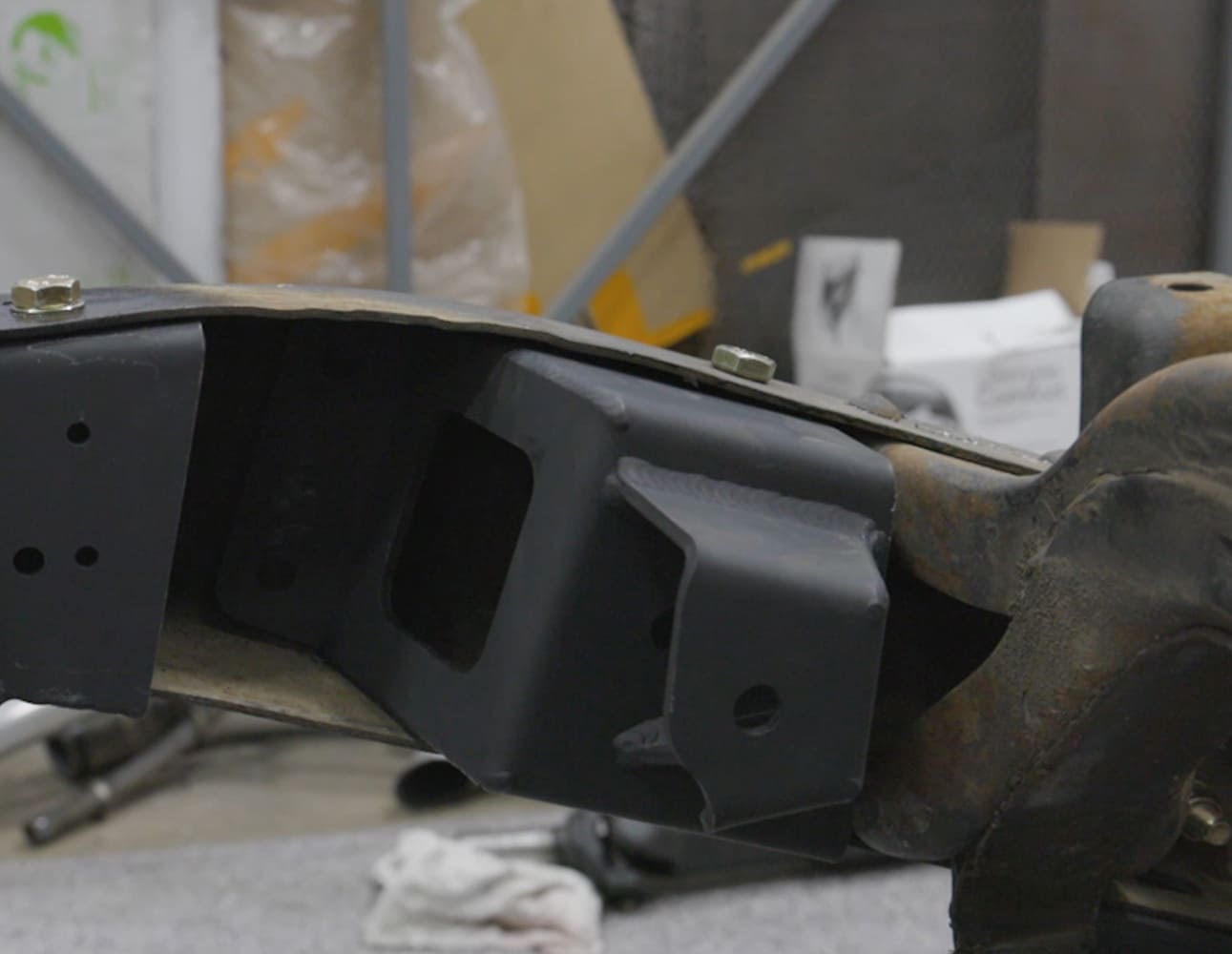
For those looking for maximum performance for S-Series Chevy and Sonoma trucks, DSE offers their QuadraLink rear suspension kit. Designed for high-horsepower applications and serious handling upgrades, the QuadraLink system replaces the leaf spring suspension with parallel four-link geometry, providing antisquat tuning for improved launch and traction control. An adjustable track bar delivers precise lateral control and roll center adjustability. DSE’s four bars are equipped with their patented Swivel Links that allow full suspension articulation without the noise and harshness that come with conventional rod ends.
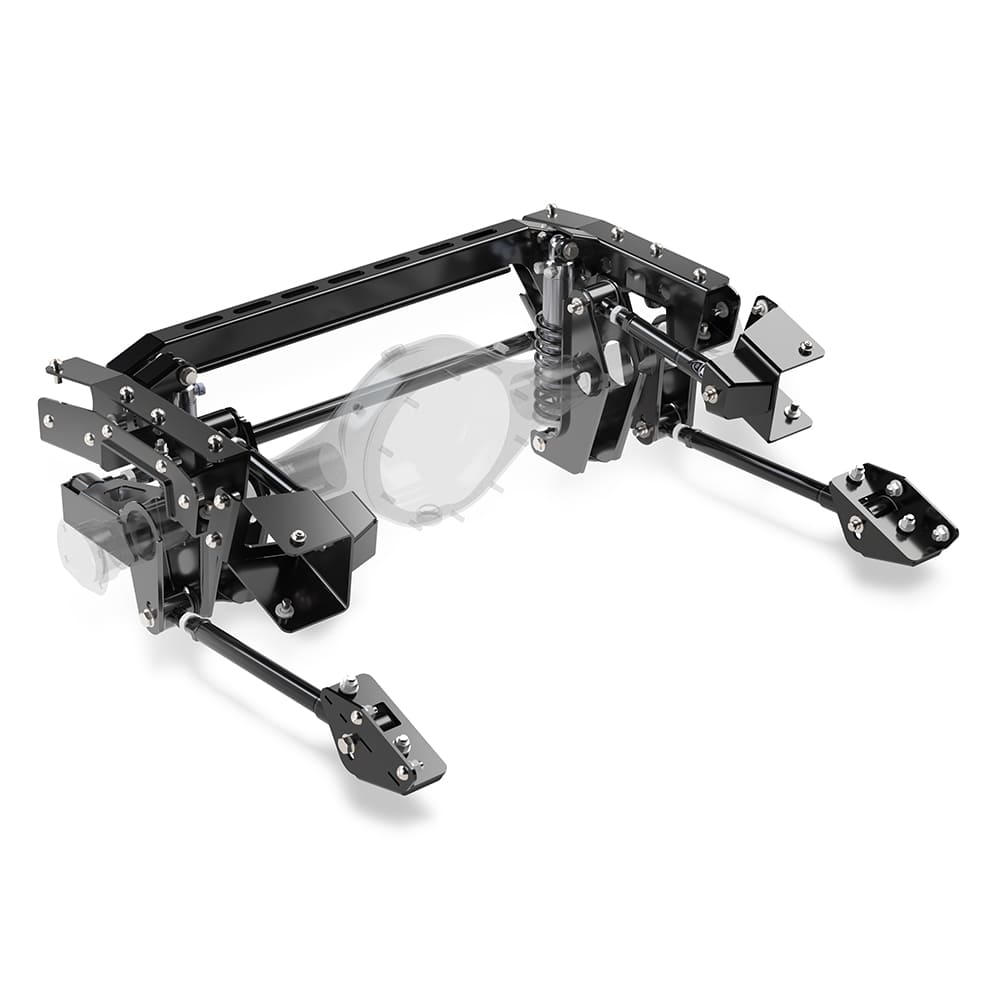
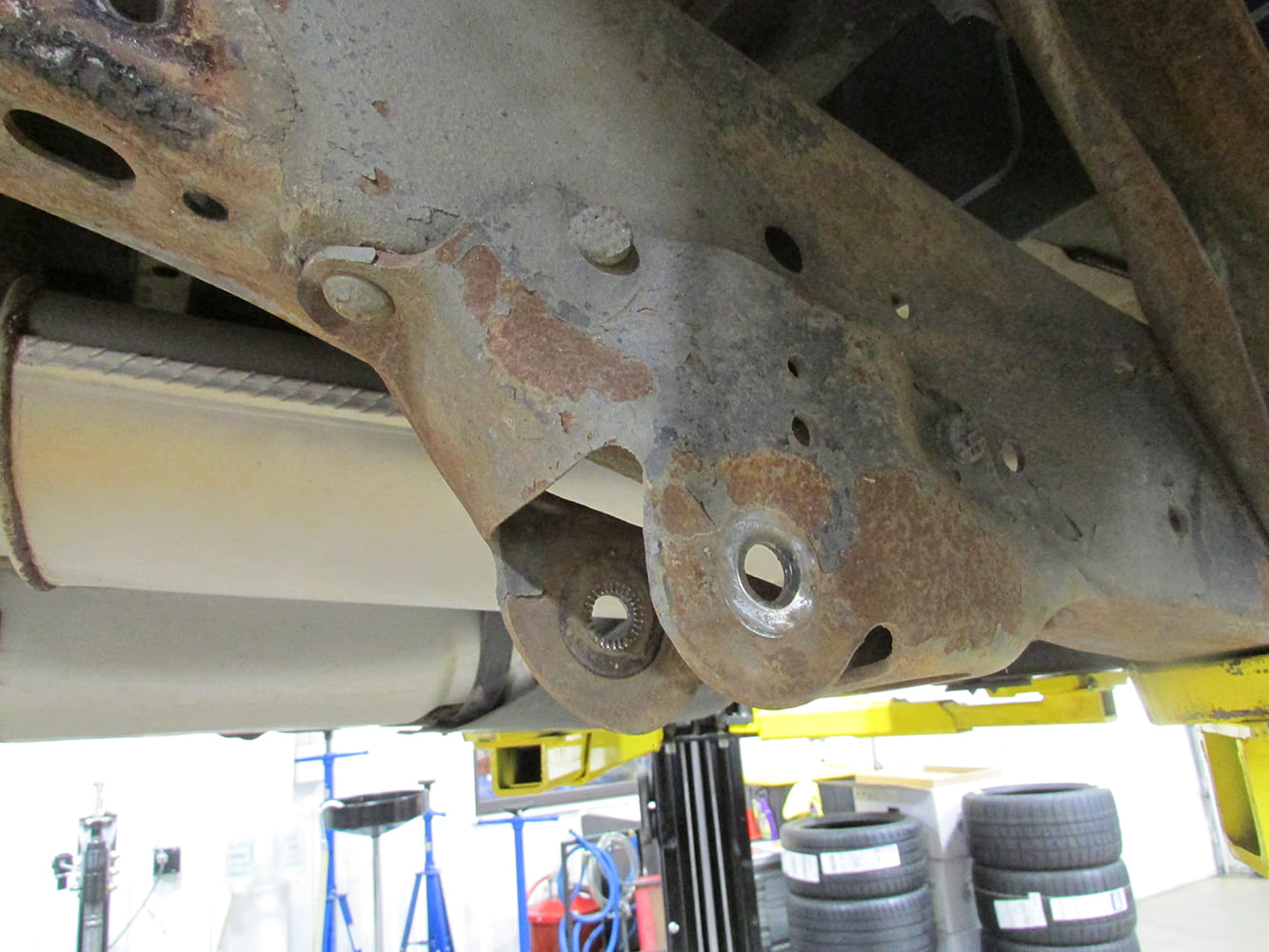
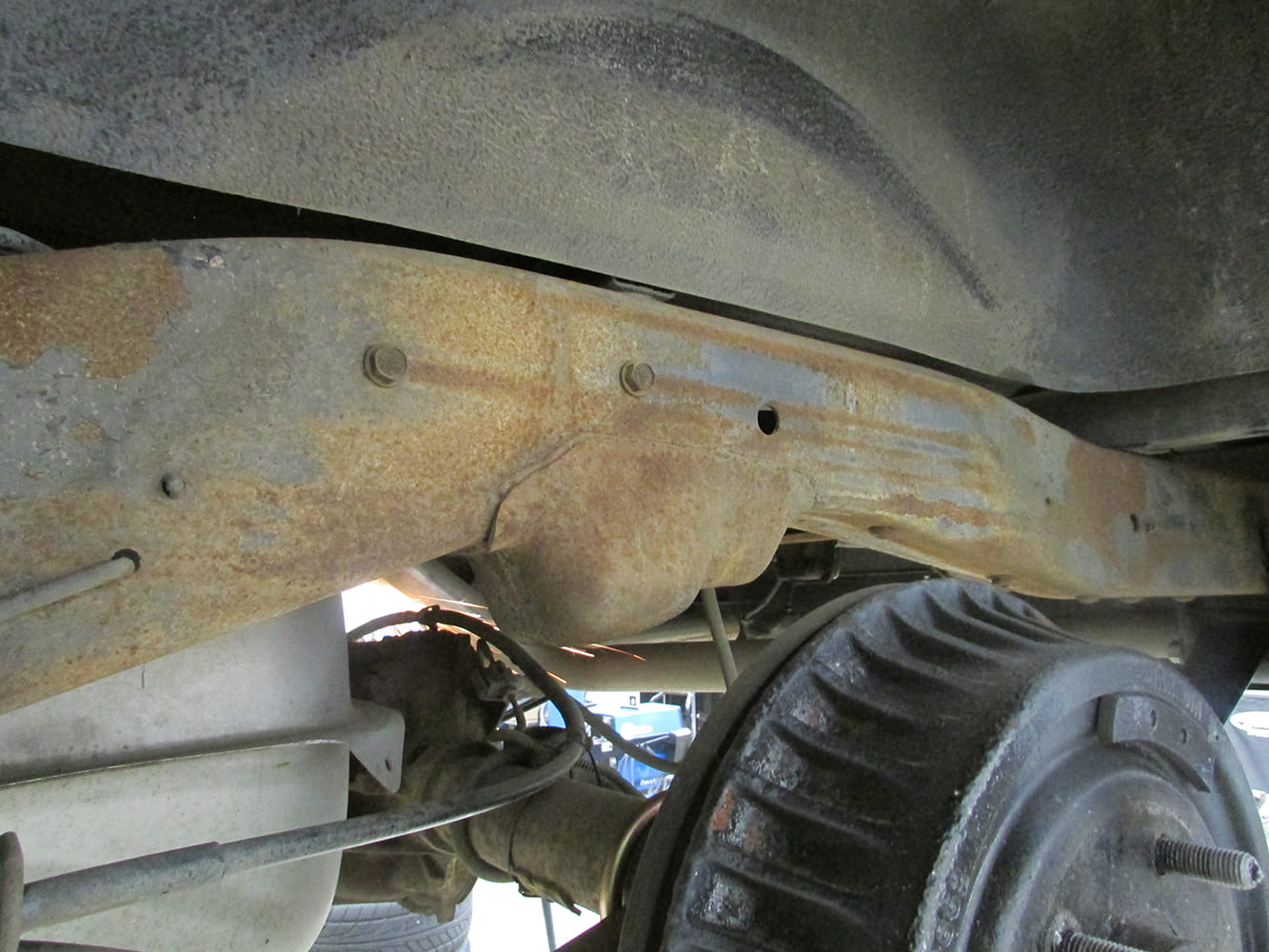
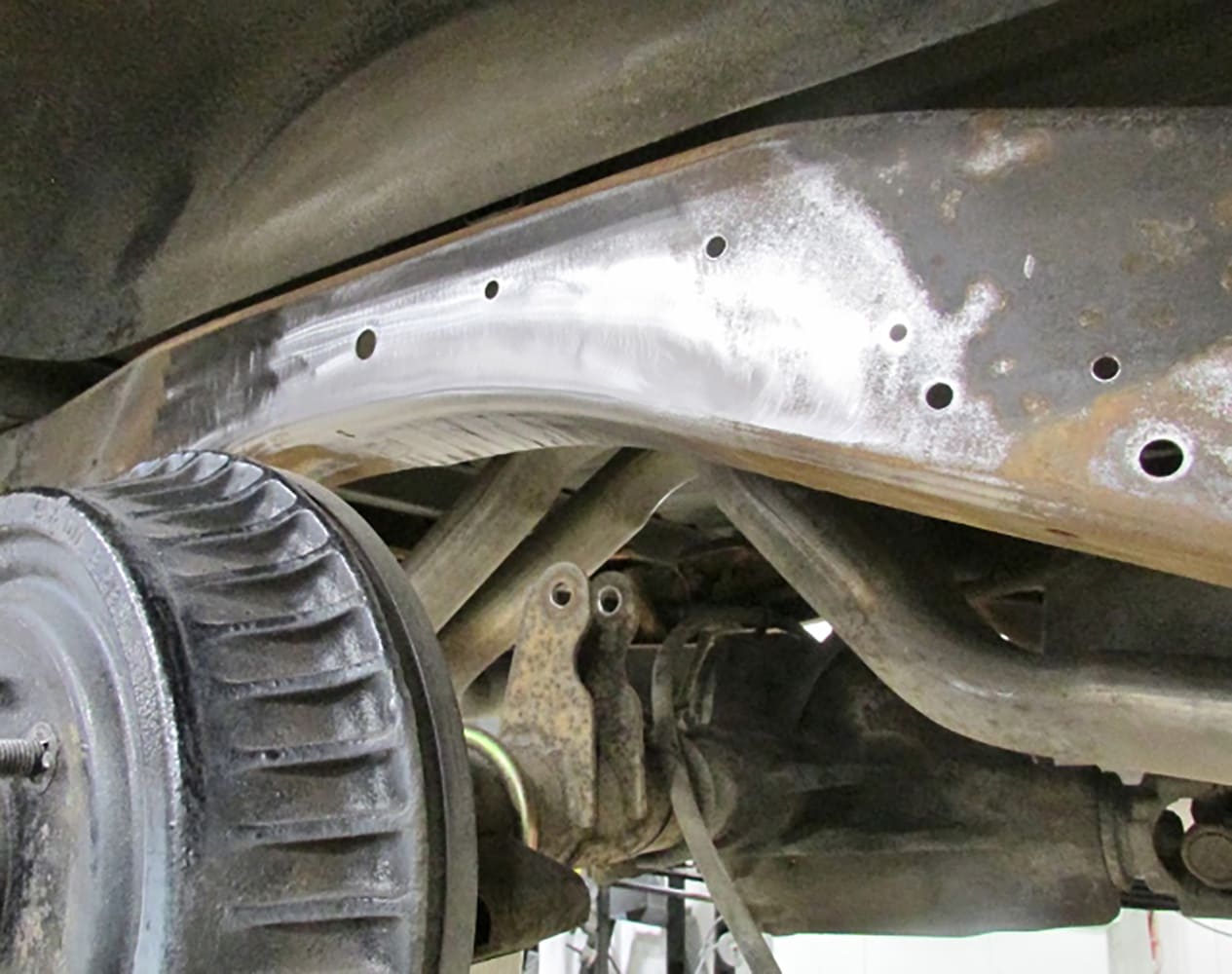
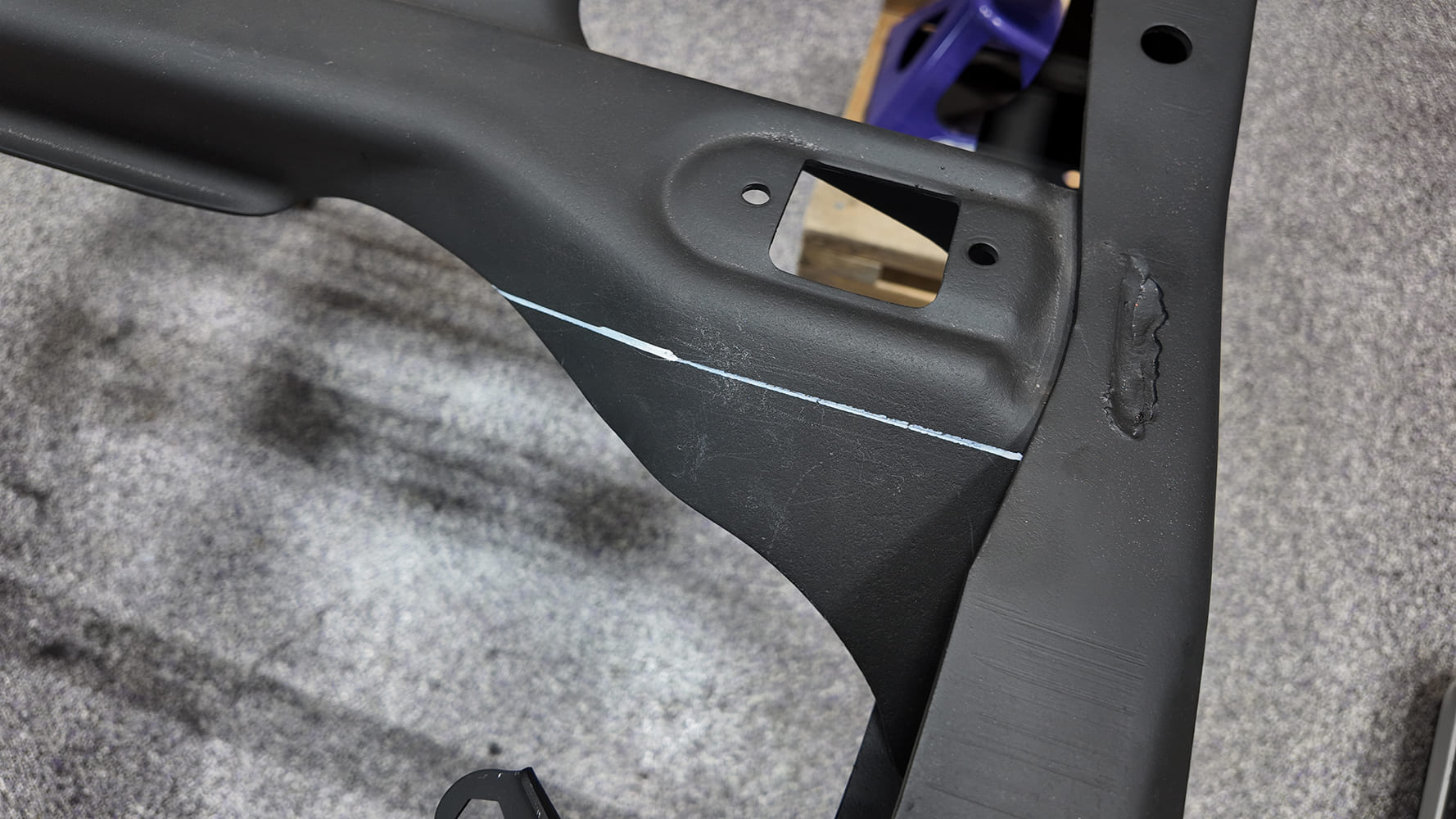
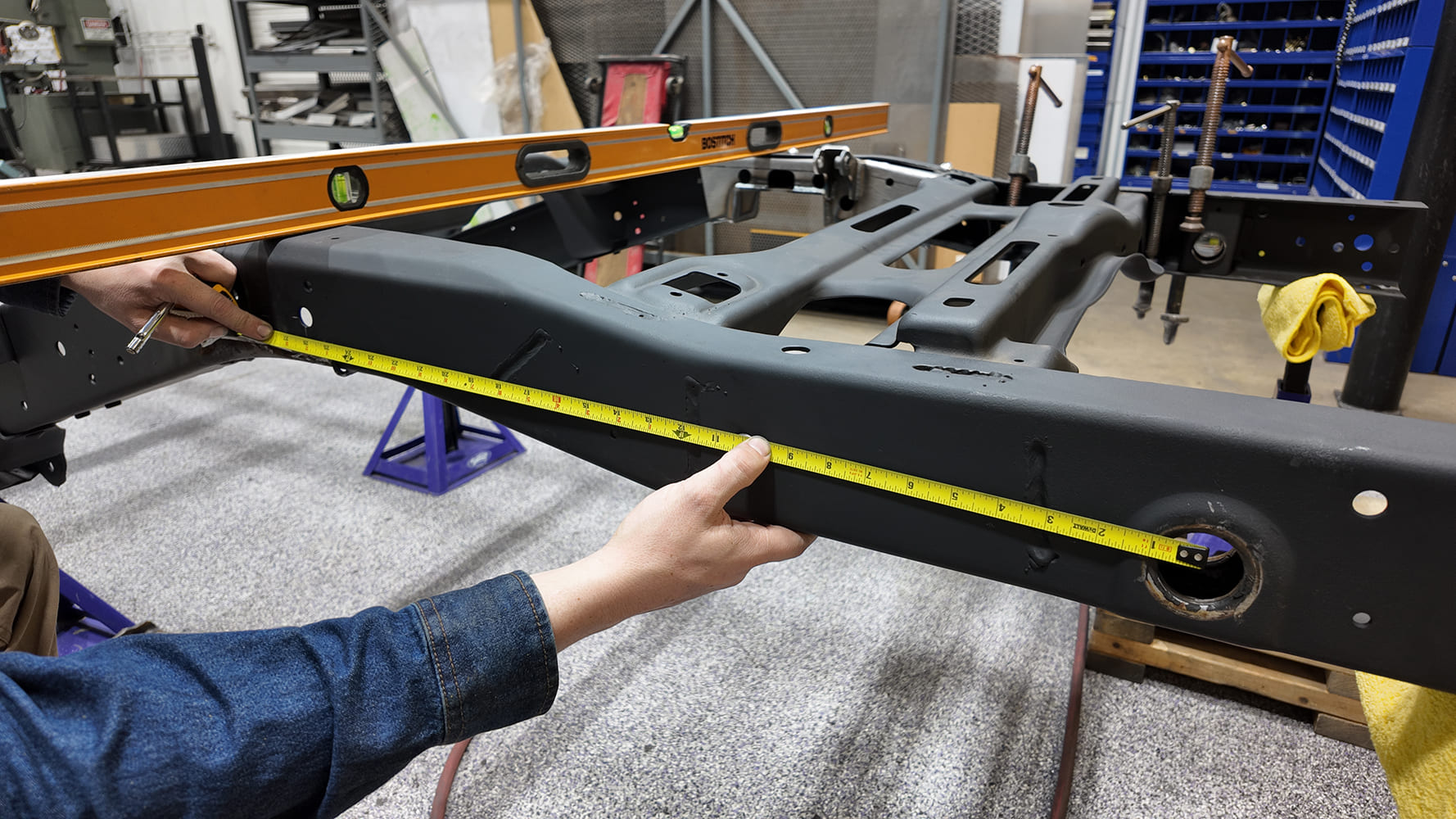
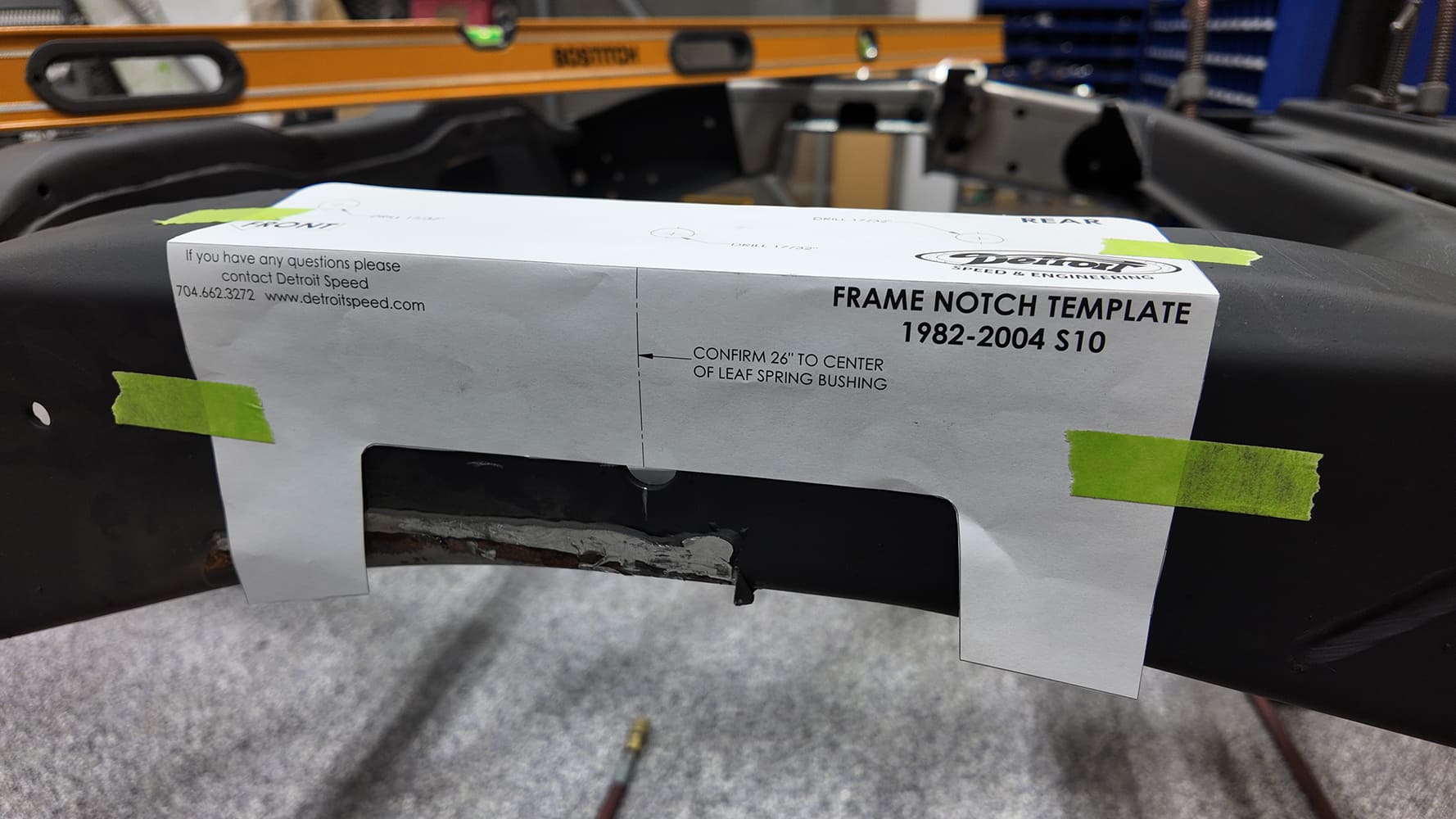
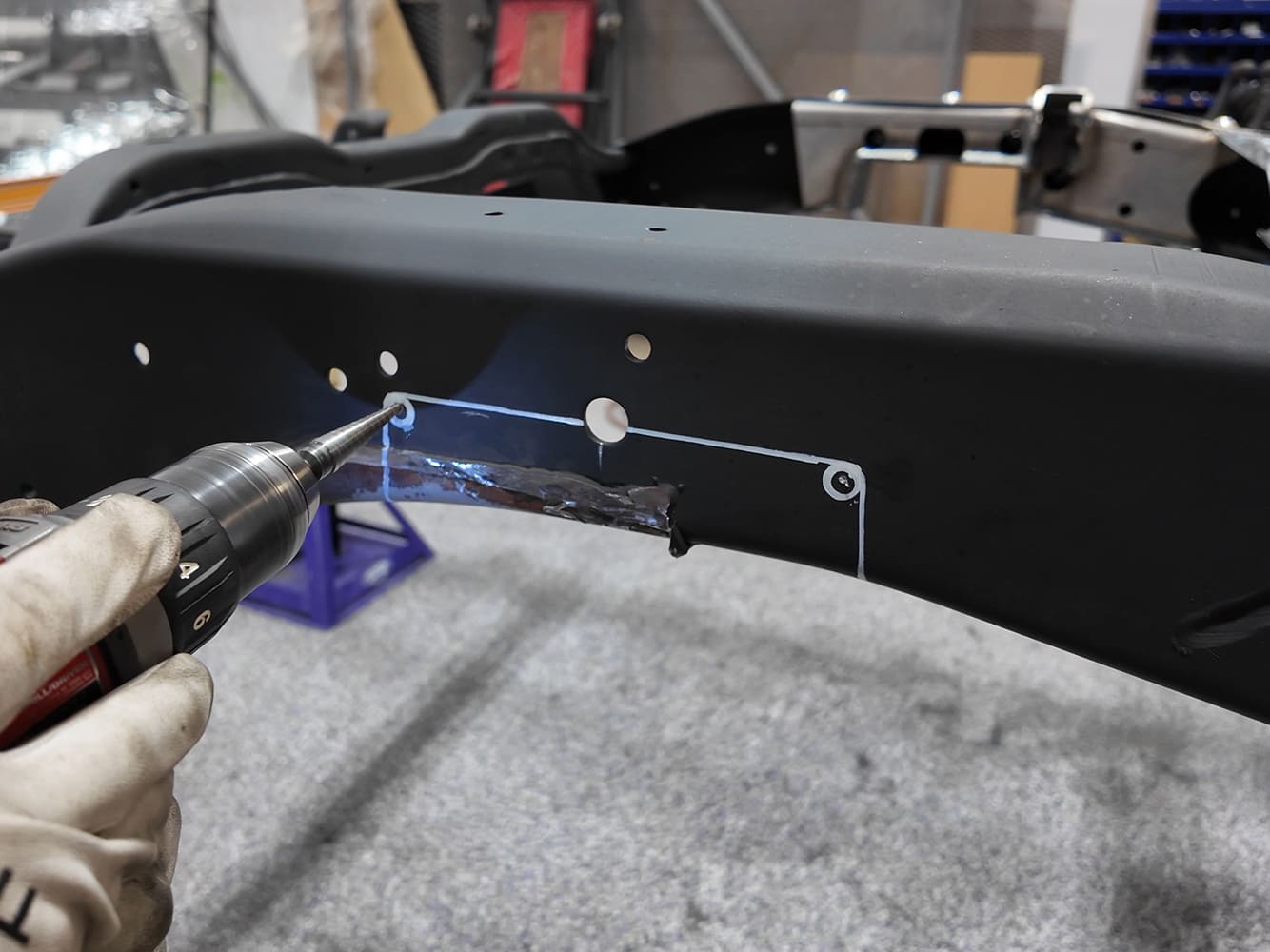
For great ride quality and handling, DSE’s QuadraLink system comes with QA1 double-adjustable coilover shocks and 200-lb/in springs. The QuadraLink system is optimized for 5- to 6-inch lowered ride height and includes a bolt-in frame notch and crossmember for added suspension travel and structural rigidity.
To fully support your build, DSE offers 9-inch axle housings with QuadraLink brackets, FN988 and 9-inch center sections and axles, and a stainless steel fuel tank.
All things considered, with the ease of slipping a V-8 under the hood and updating the suspension with components from DSE, Chevy and GMC’s littlest pickups could well be the best bang for your buck when building a high-performance hauler. Just goes to prove bigger isn’t necessarily better.
Check out this story in our digital edition here.
Source Images: