


By Ron Ceridono – Photography by Tate Radford
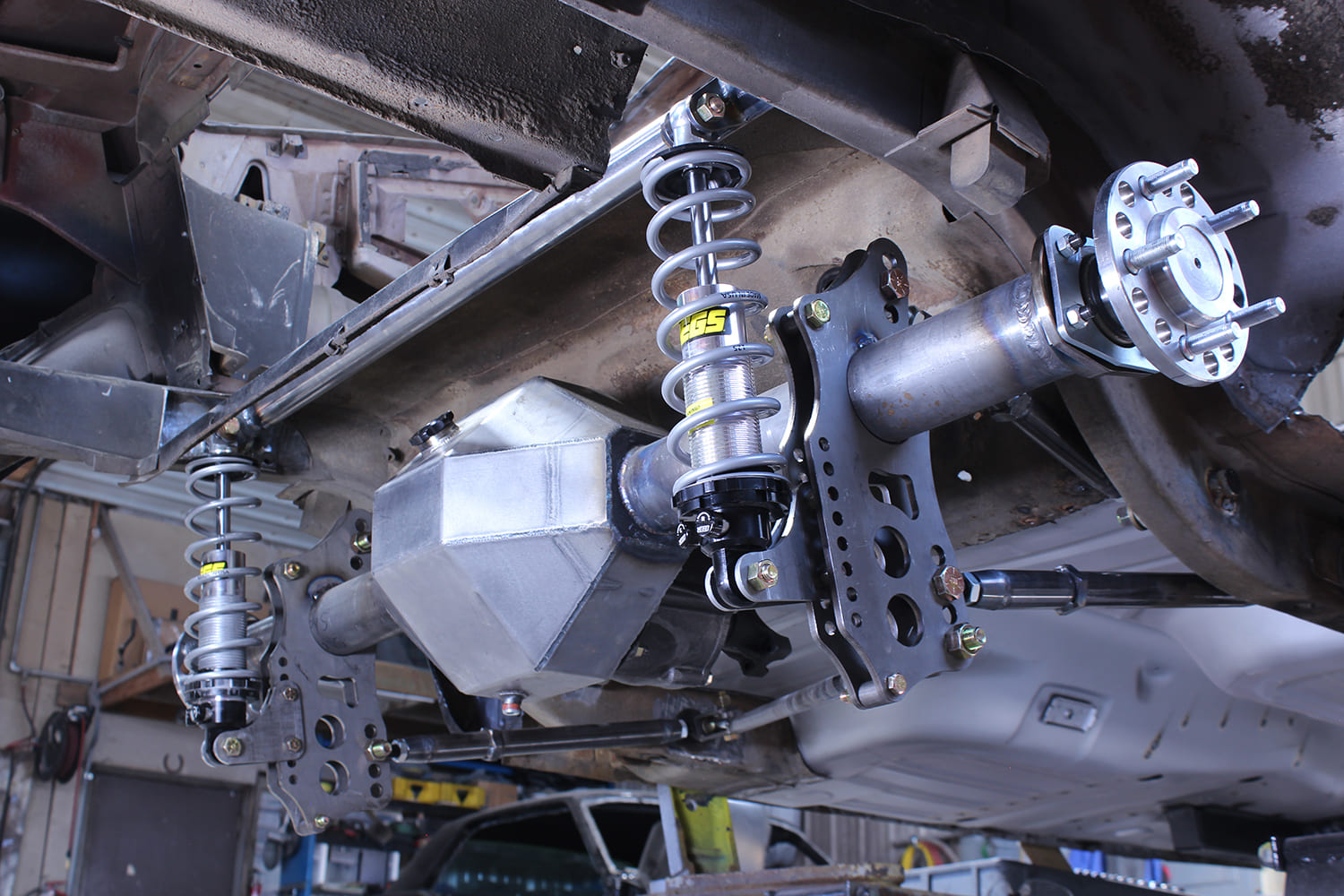
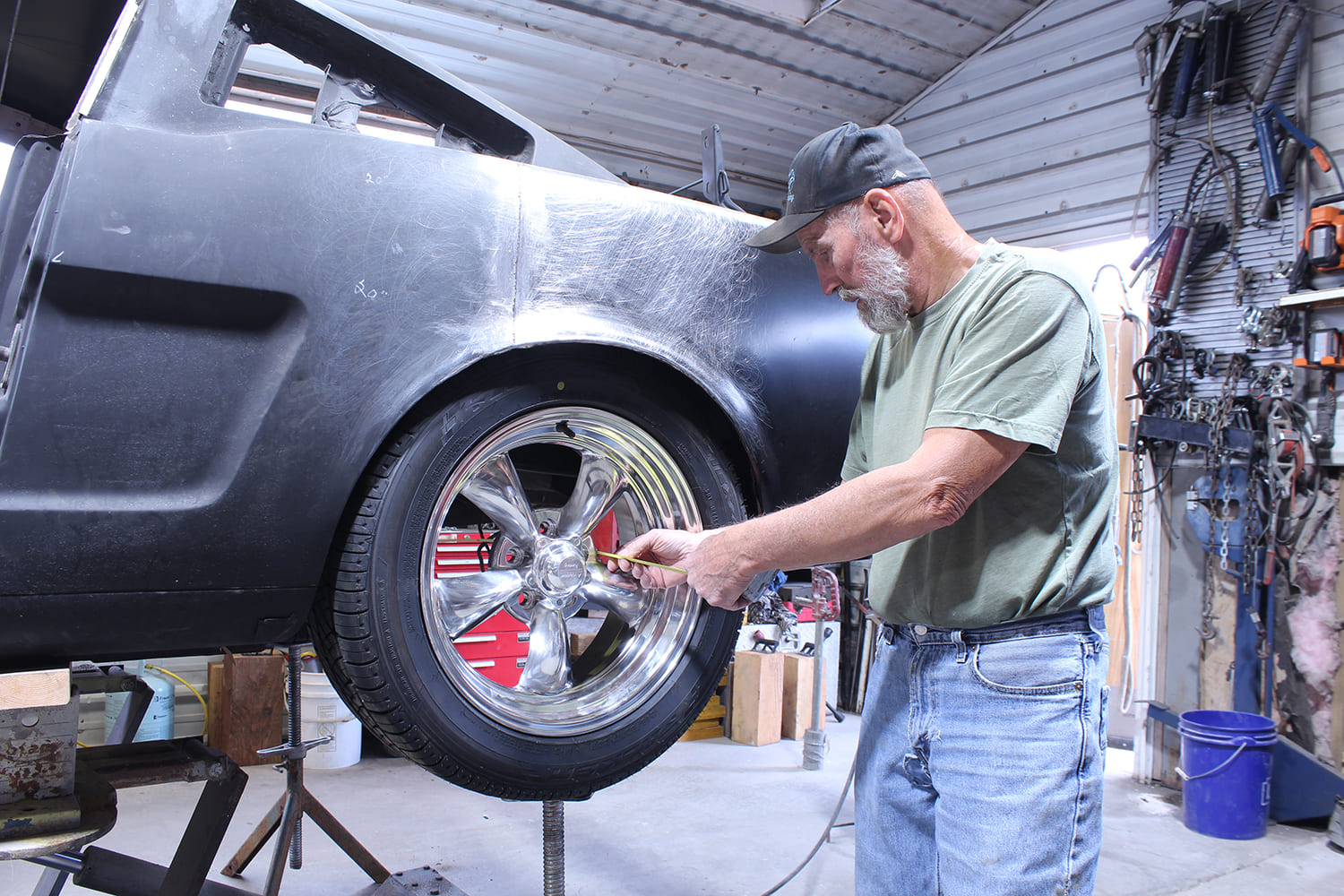
When Colin and Sue Radford chose an early Ford Mustang fastback for their next project, they were ready to start with a car that was not perfect. While that’s a very kind way of describing the condition of the car they found, Colin saw its potential. Even though the body resembled a gunny sack full of walnuts, it needed a new floor, the engine and transmission were missing, but the Radfords, along with their grandson, Tate, took on the challenge. It took many hours in the shop and a long list of replacement sheetmetal from Golden Star Classic Auto Parts to restore the body to excellent condition, and all-new front suspension parts from Classic Performance Products (CPP) to replace the worn-out originals (Previous stories: https://bit.ly/4pVwHii, http://bit.ly/48PvToV, http://bit.ly/4nAVbvy, http://bit.ly/3KVt5g0.) The next step in reviving this old Pony was the installation of a new rear axle and suspension components from JEGS.
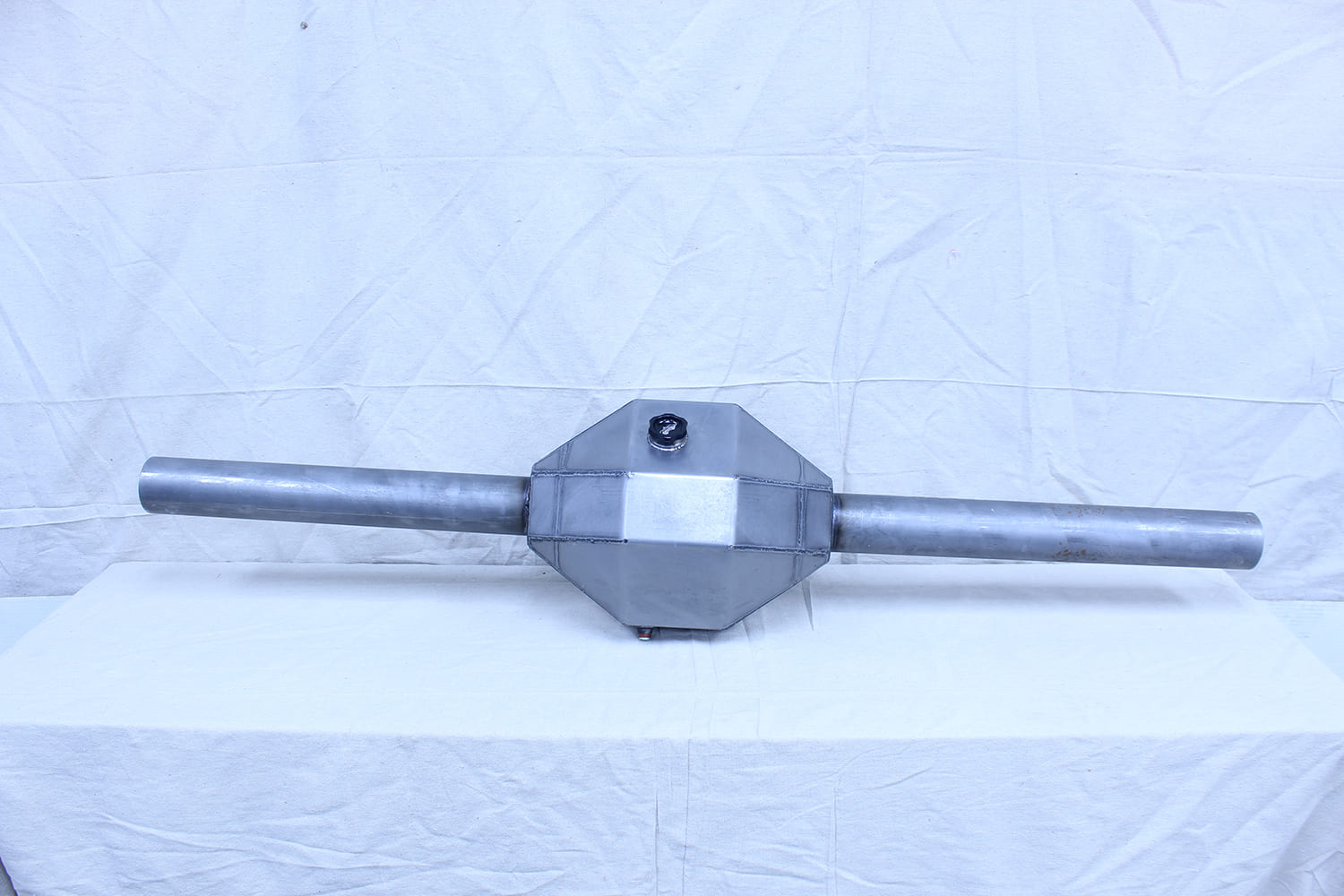
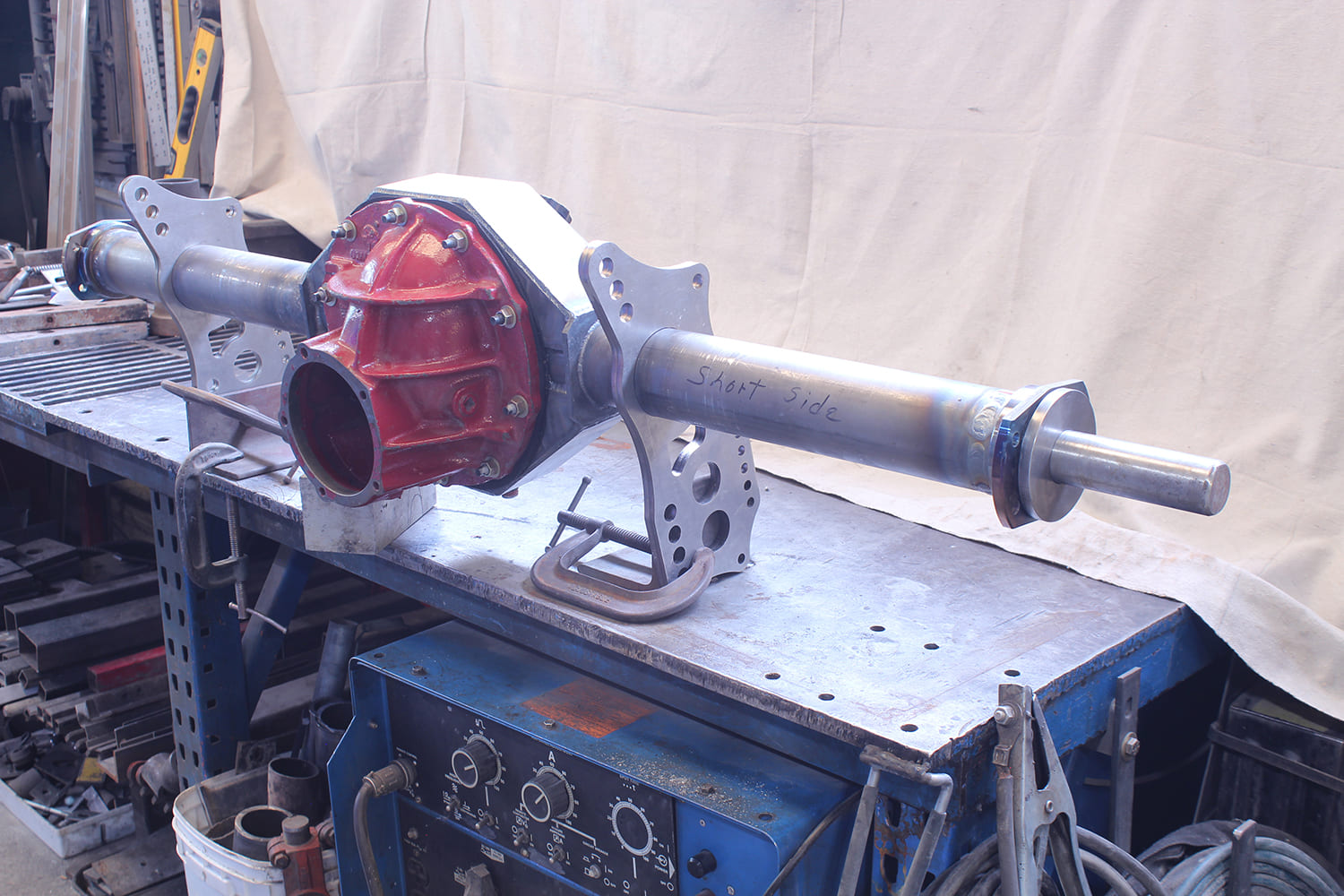
As part of future plans, which include installing a healthy FE Ford V-8 and a manual transmission, the decision was made to replace the original 8-inch rearend with a more robust option. After browsing through a JEGS catalog and exploring their website, Colin selected a 60-inch-wide, 9-inch Ford housing from Rhodes Race Cars. Found under JEGS PN 794-16-0001-60, these axle housings are made from mild steel and feature a ¼-inch-thick 4130 steel face plate that mounts the centersection, along with heavy-walled 3-inch axle tubes. These housings are sold without axle ends, allowing the tubes to be cut to the desired length to achieve the required tread width.
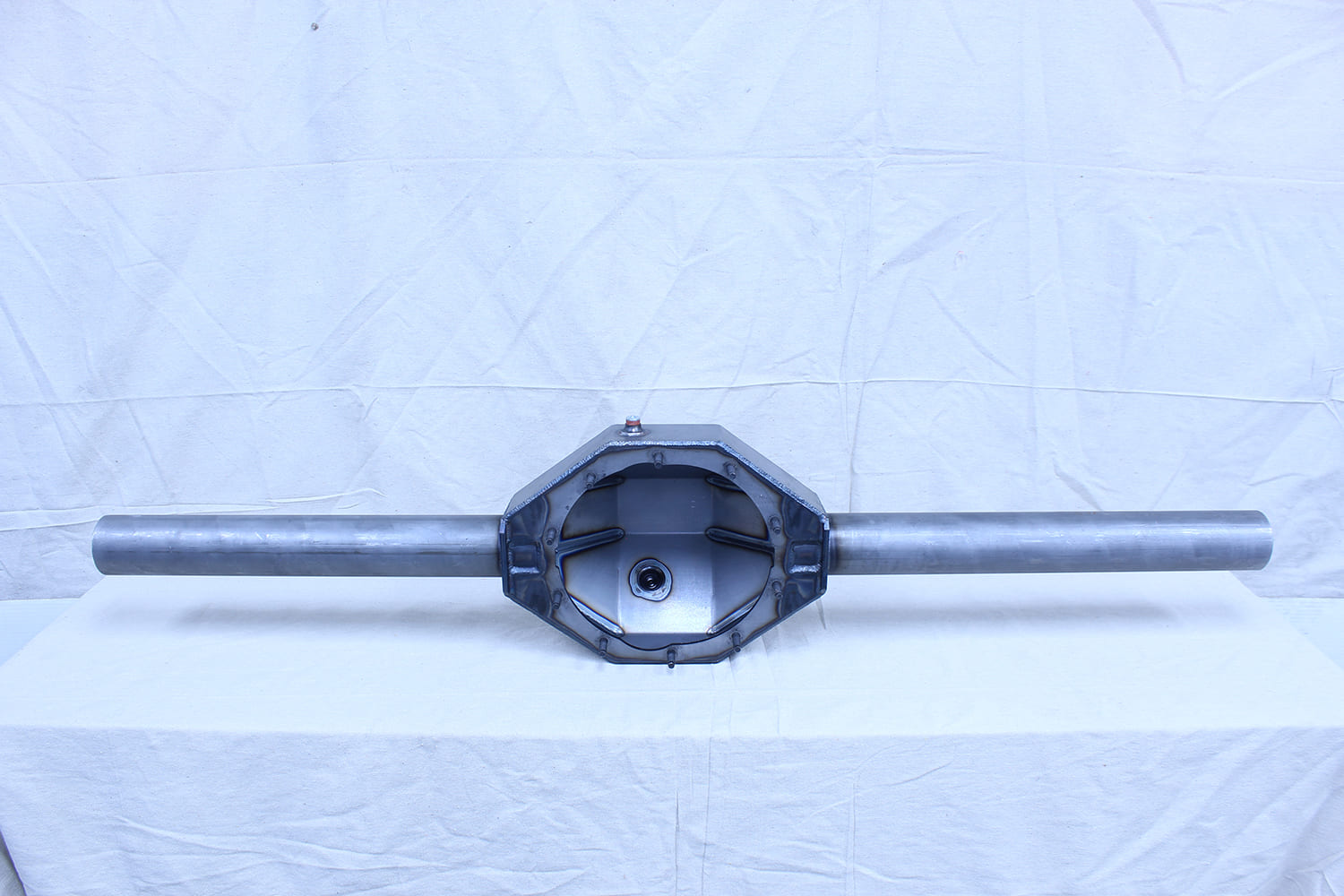
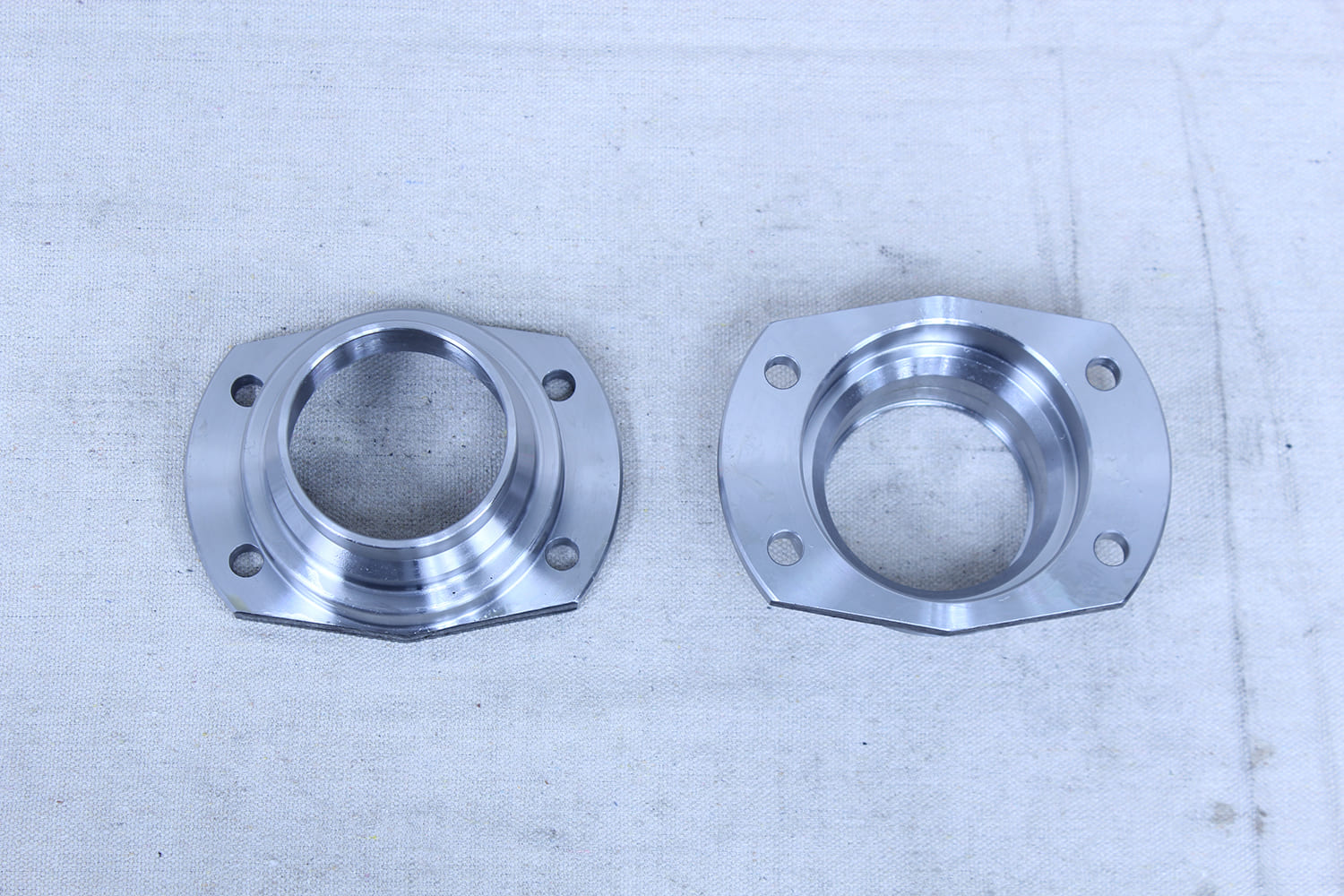
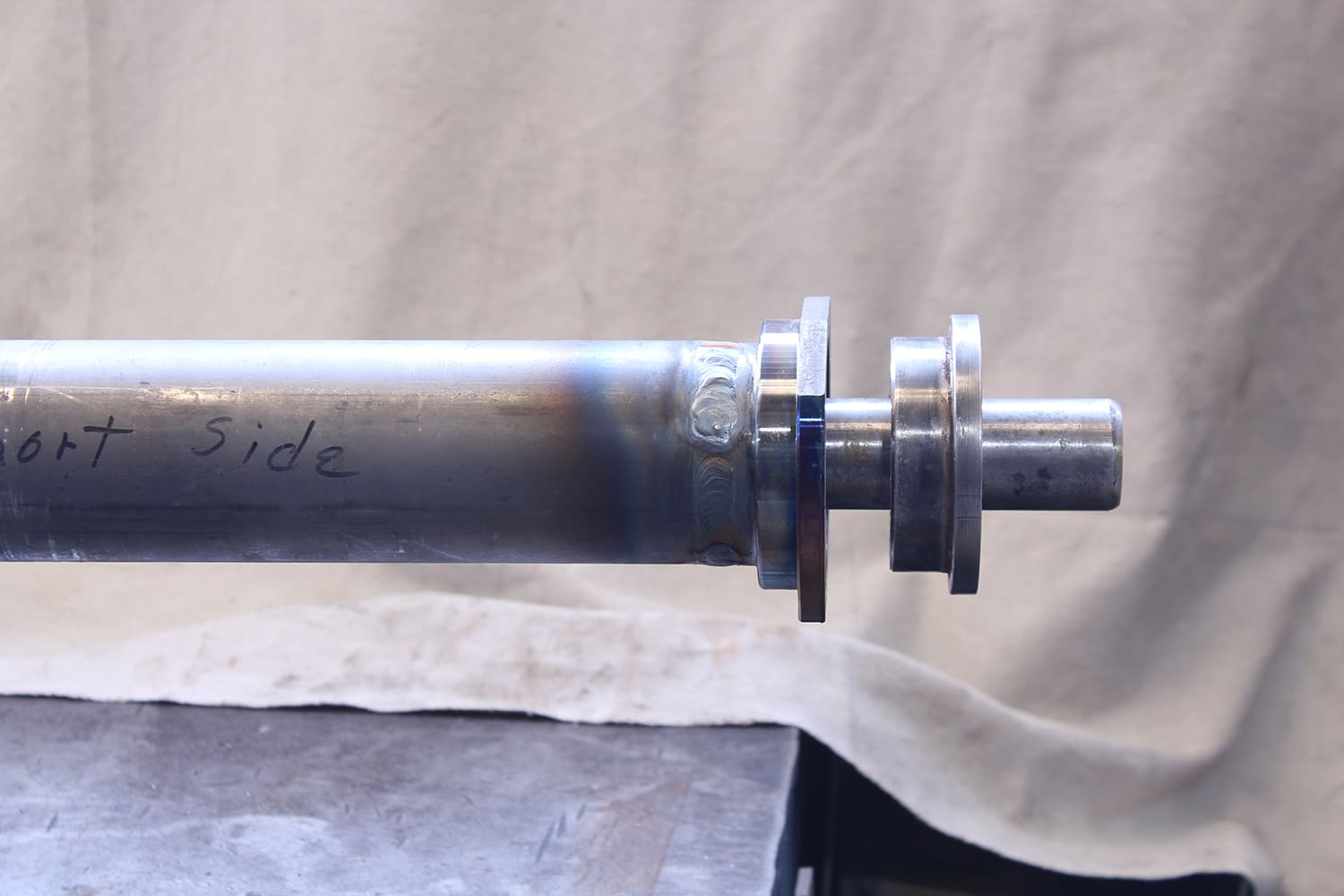
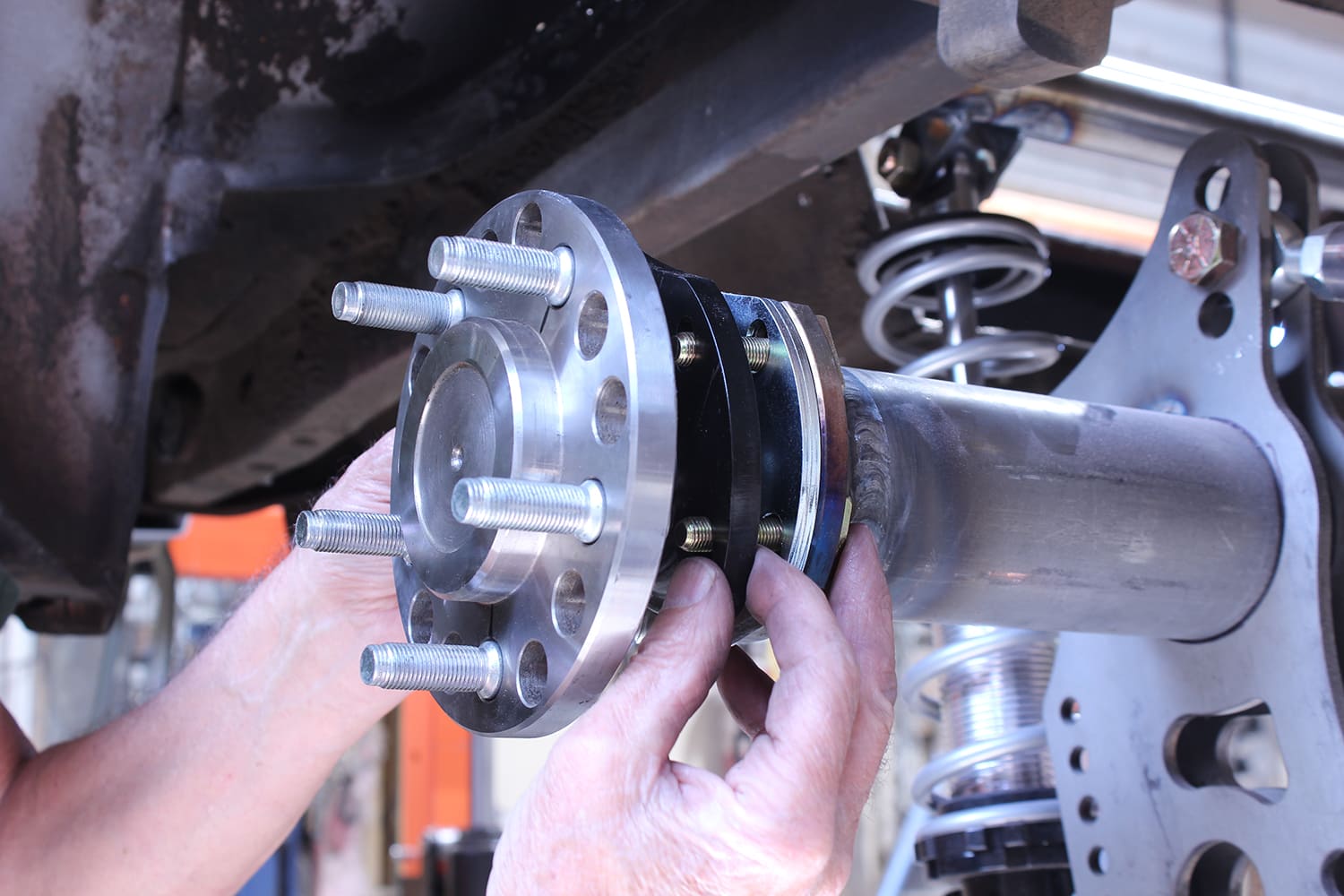
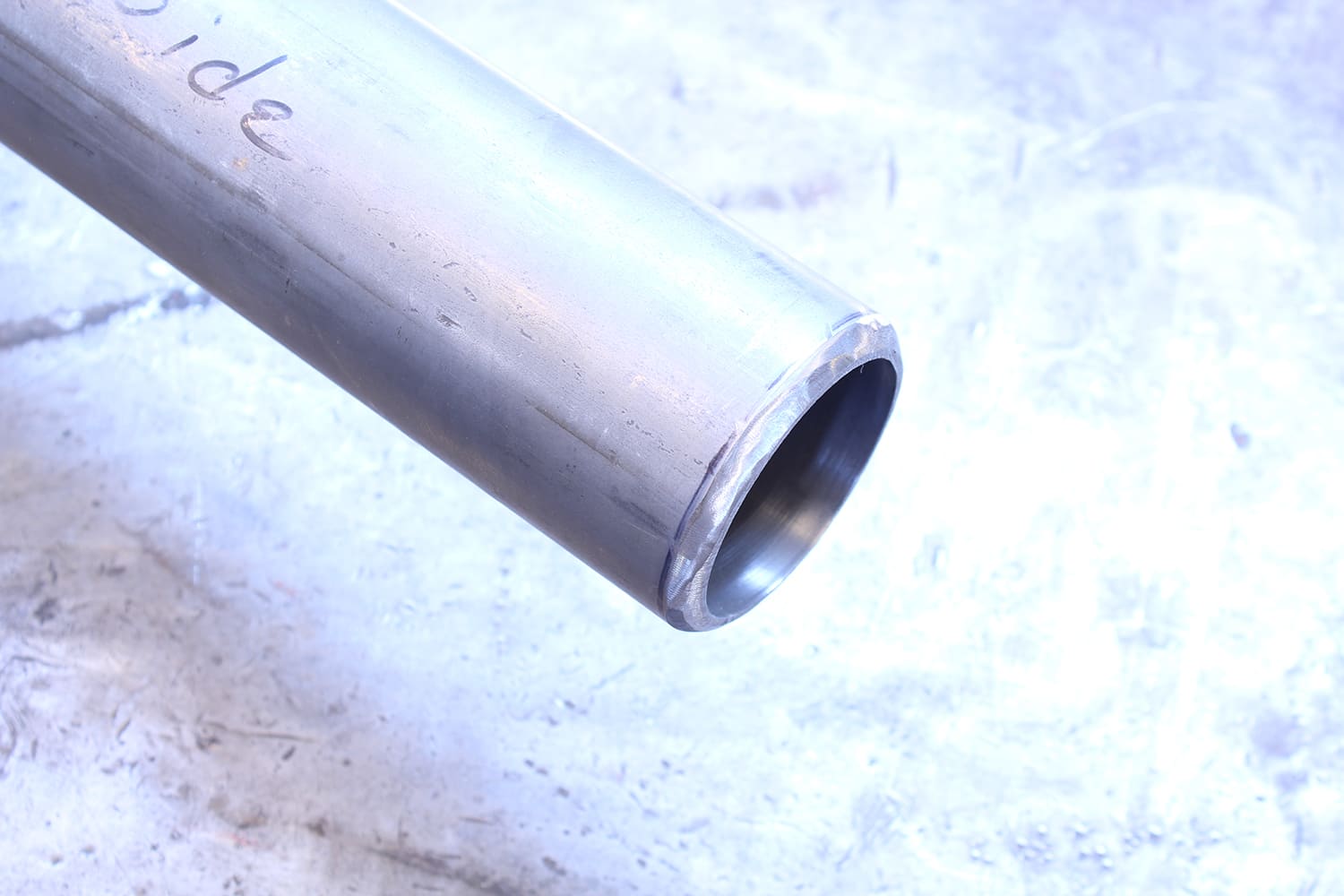
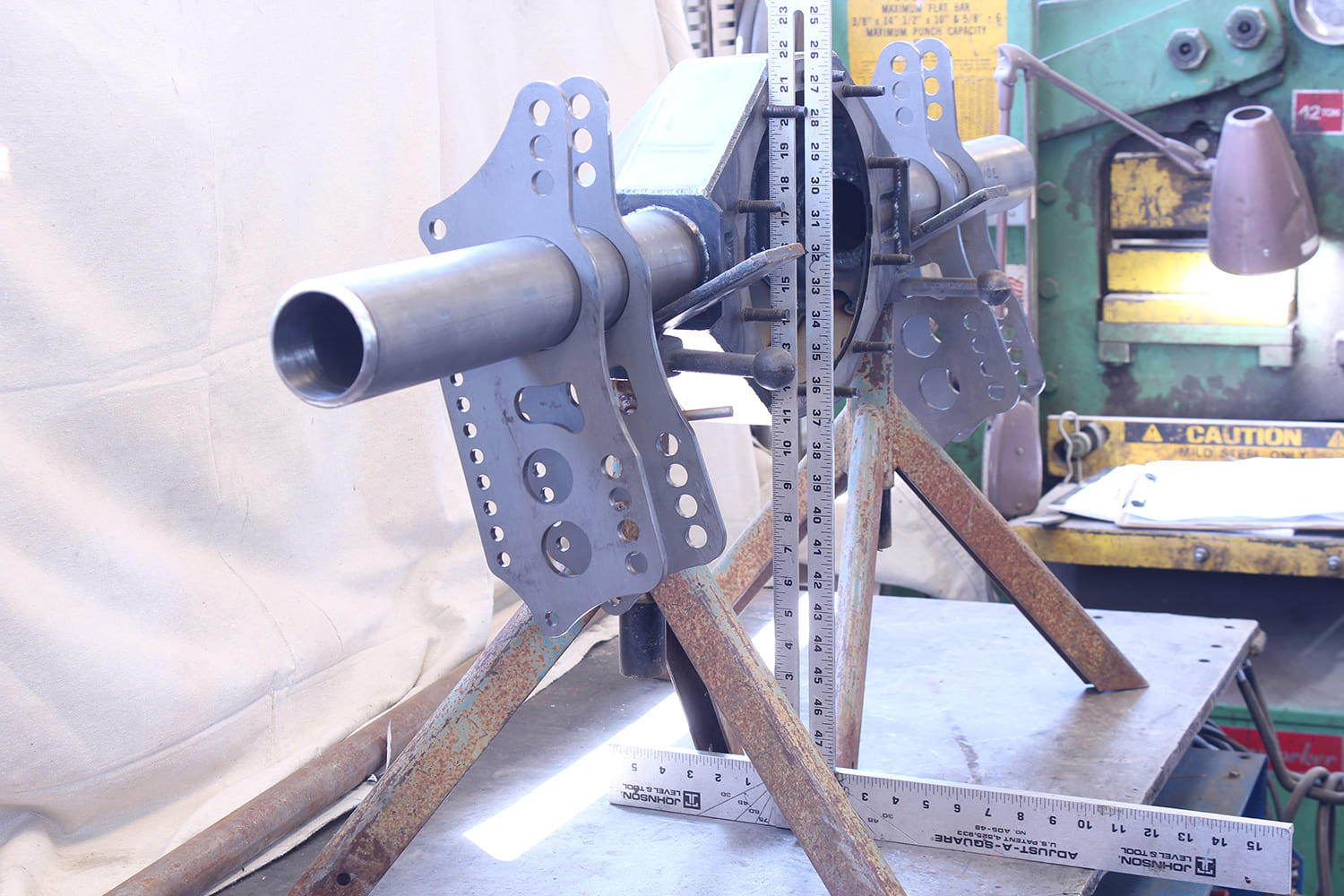
Once Colin established the necessary tread width, axle ends from JEGS (PN 555-62642) were welded onto the housing. These axle ends accept the large Ford wheel bearings (3.150-inch od) and come with ends that have a “stepped down” portion designed to slide into the end of the OEM axle tubes and weld on. However, for this application, the reduced-diameter projection had to be cut off as it wouldn’t fit into the thick-wall fabricated housing.

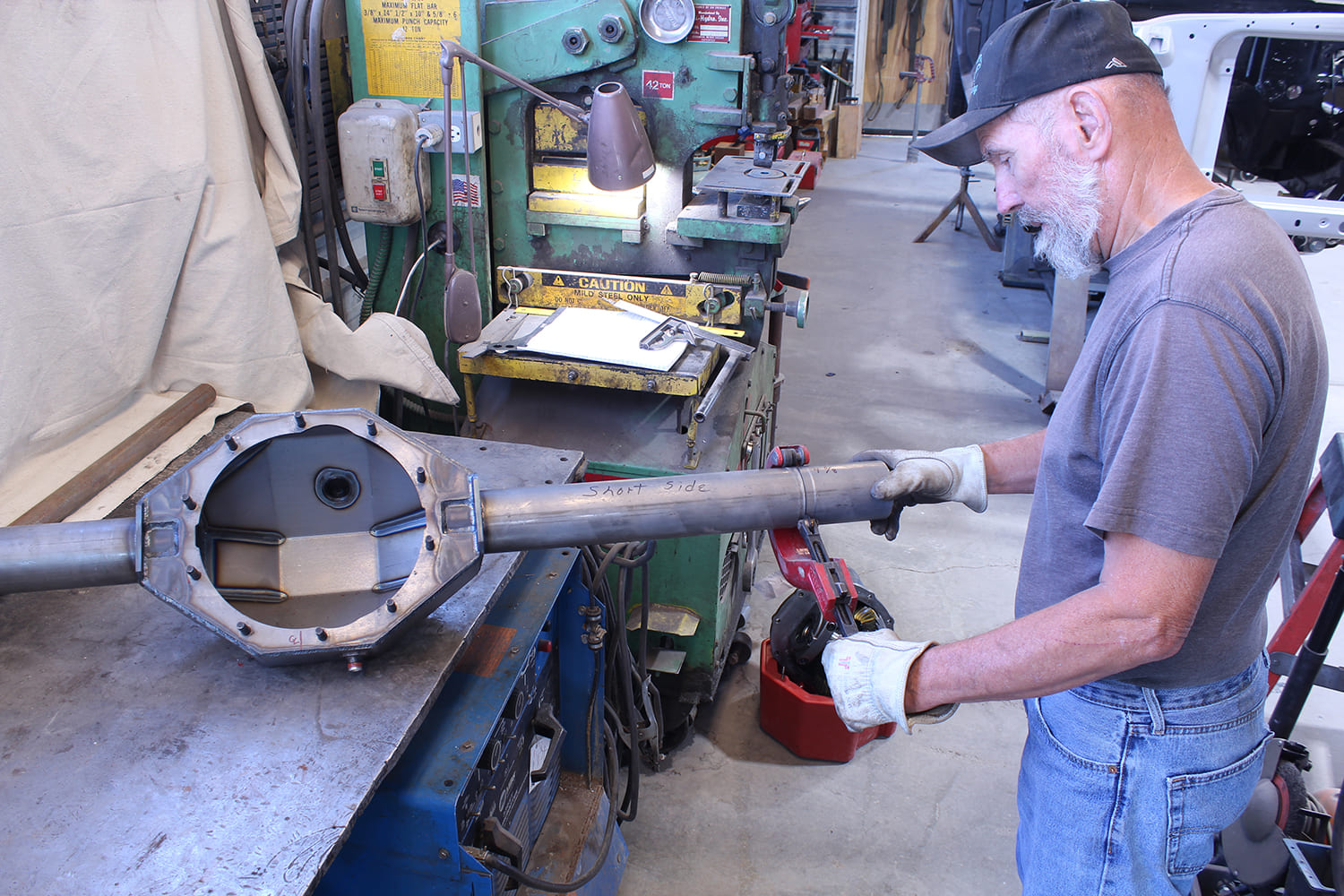
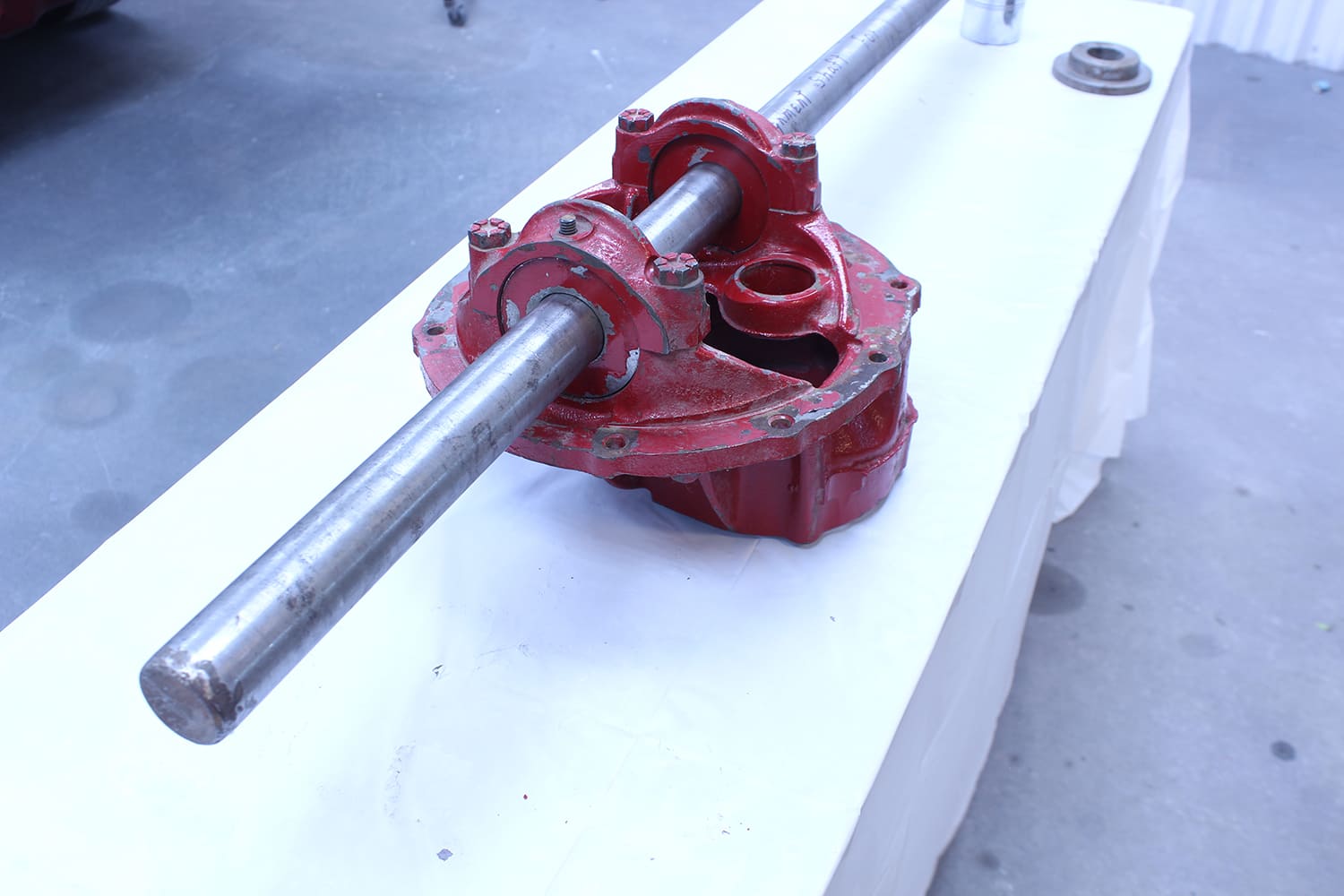
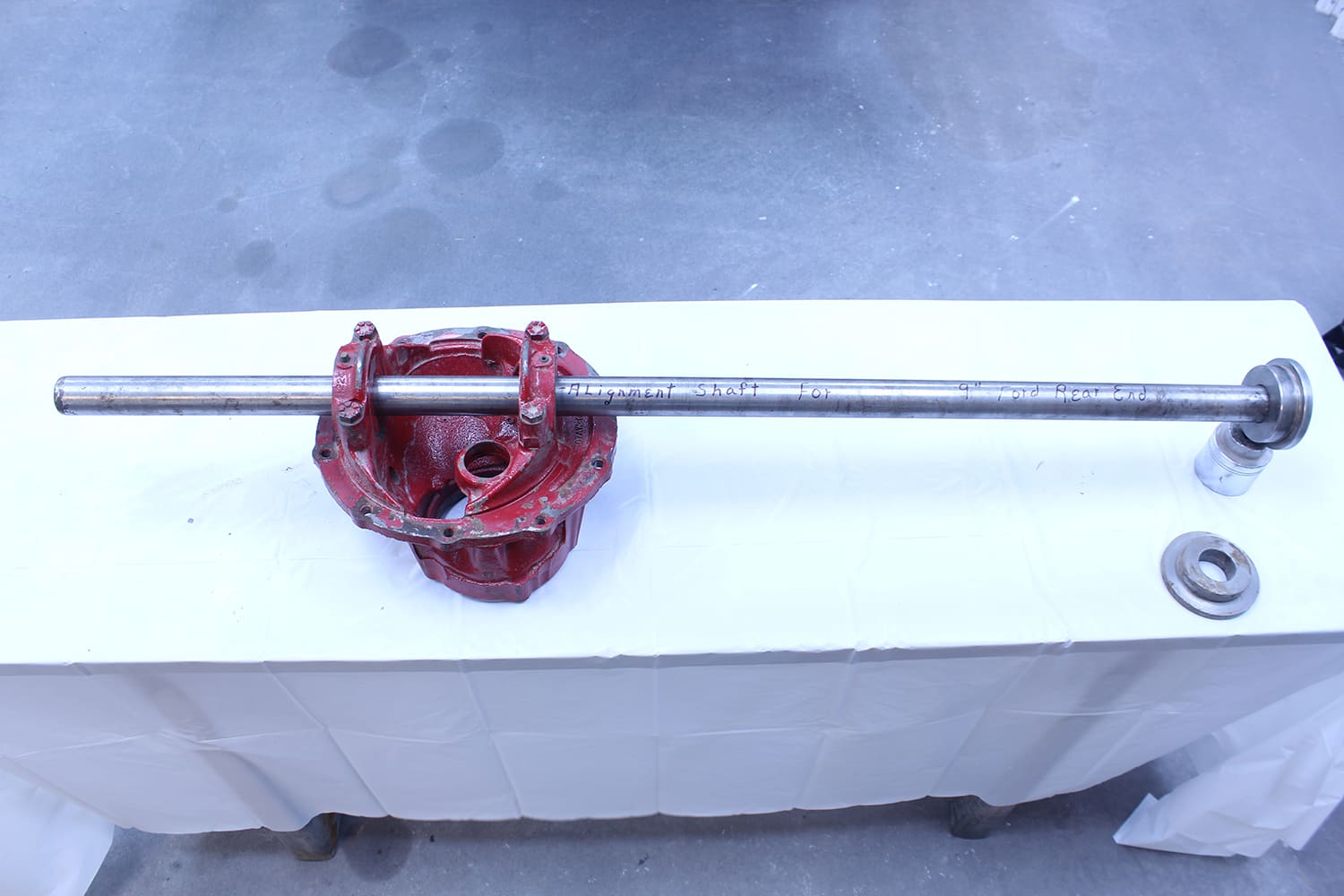
When installing the ends on an axle housing, it is crucial that the axle bearings are perfectly aligned with the differential side bearings. Any misalignment will put the axle bearings in a bind, leading to premature failure. The way to install axle ends on a housing correctly is by using a dedicated fixture. It consists of inserts that fit into an empty third member housing, a solid 1-½-inch bar that is longer than the width of the housing, and another pair of inserts fit into the axle ends to hold them in the proper location for welding.
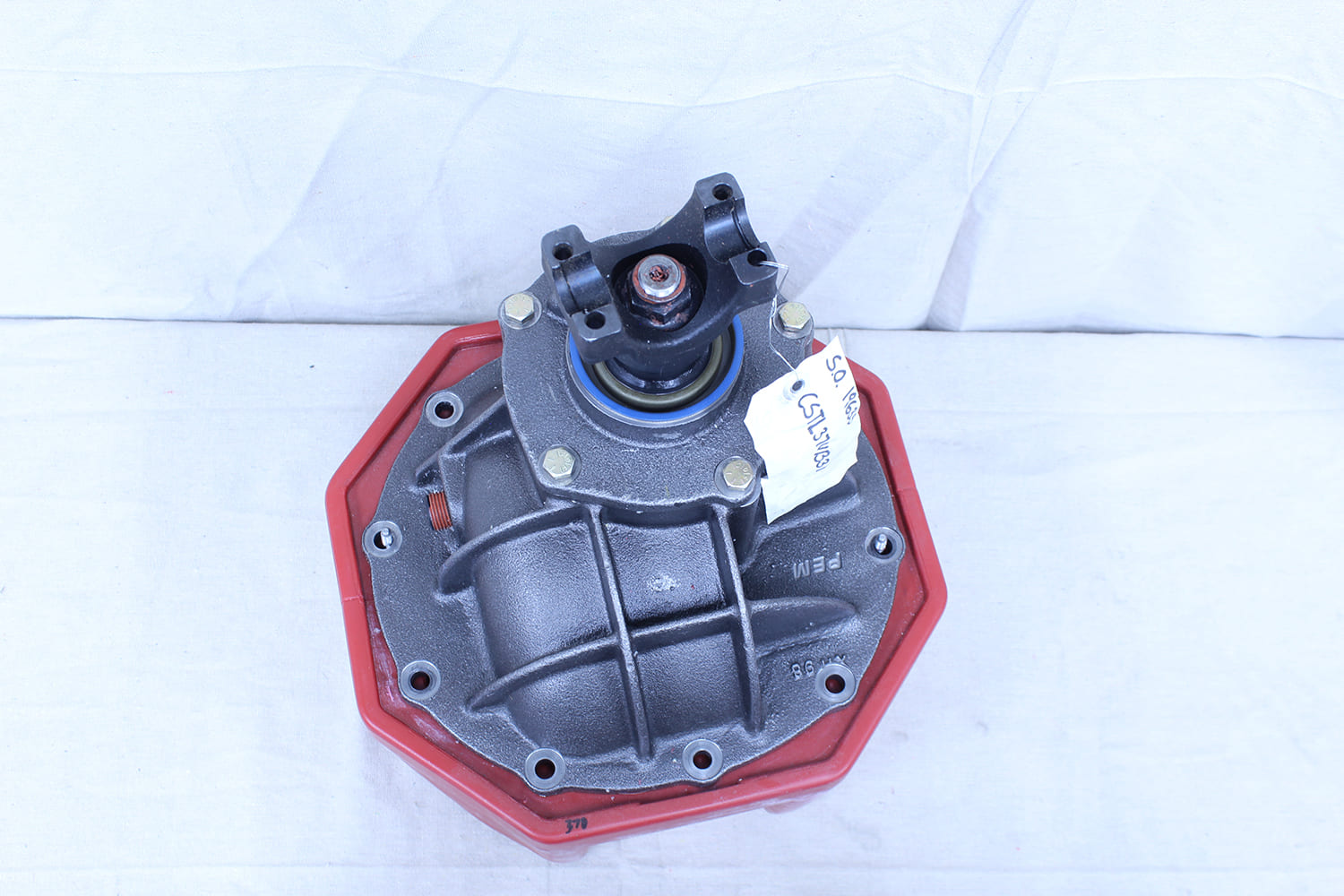
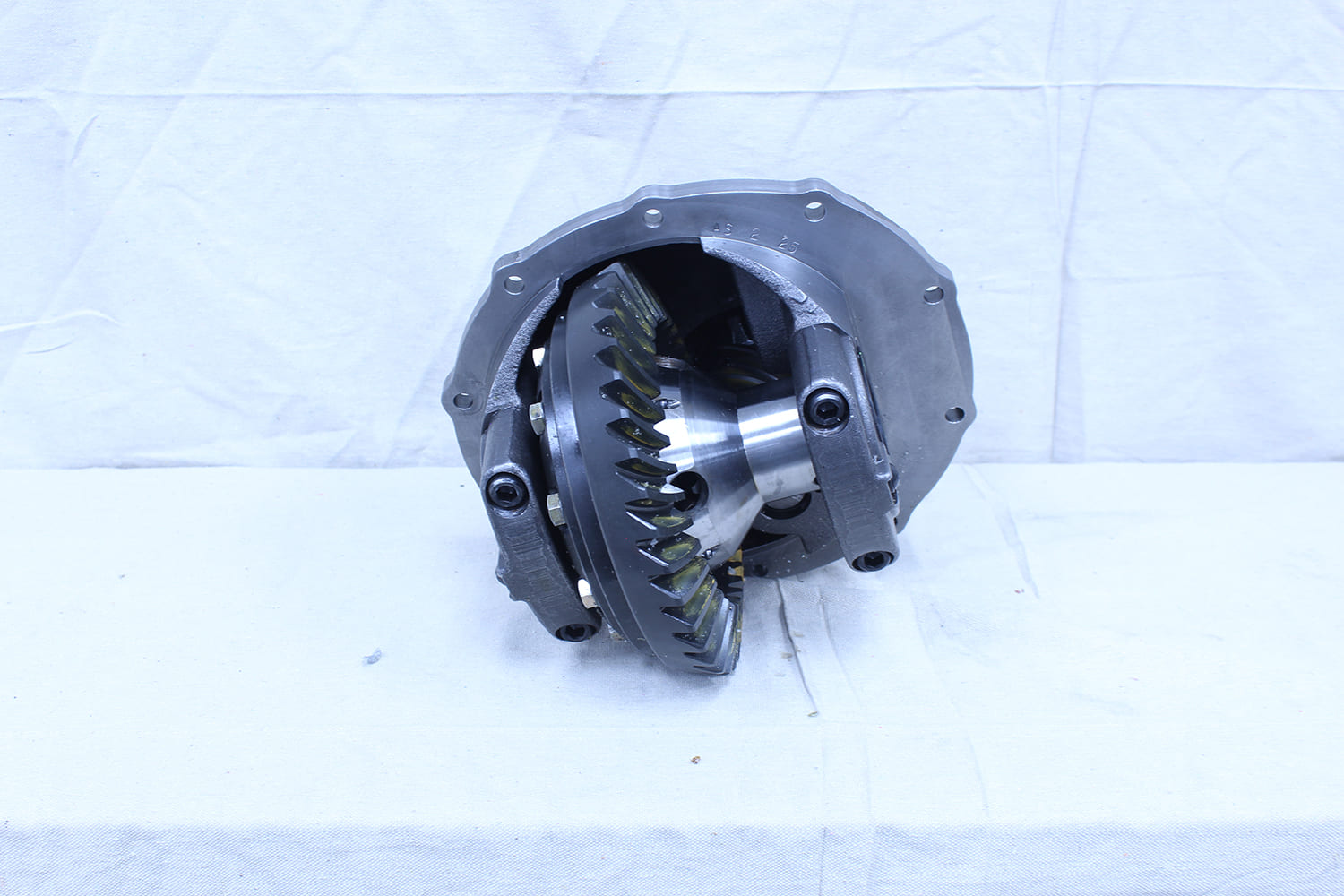
For a centersection, Colin selected a JEGS Ford 9-inch third member assembly with a Trac-Lok limited-slip differential (PN 555-60692). These assemblies begin with a new nodular iron housing and are assembled with new bearings, seals, a heavy-duty Daytona pinion support, and a choice of popular gear ratios. In this case, a 3.70:1 ring-and-pinion combination was chosen.
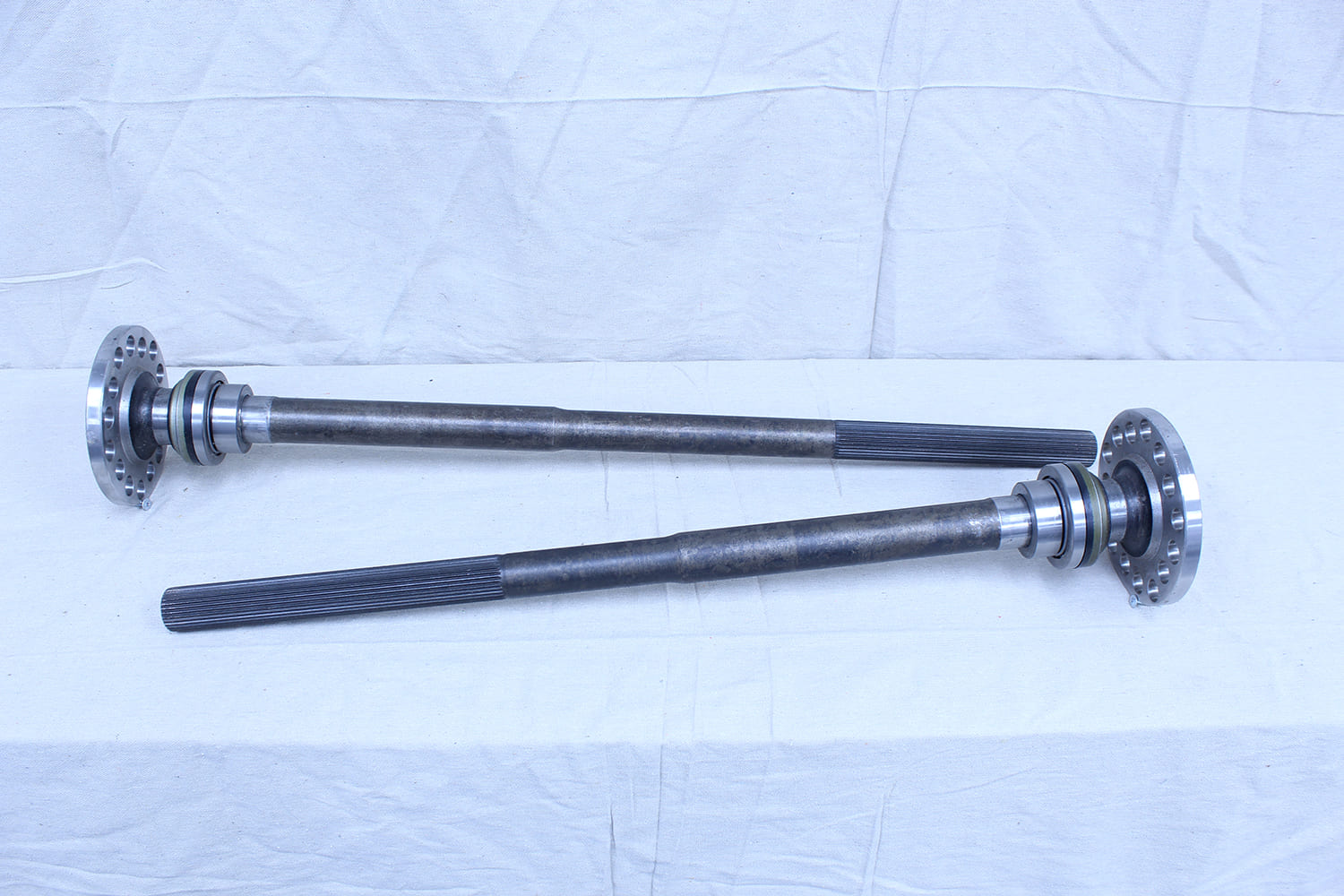
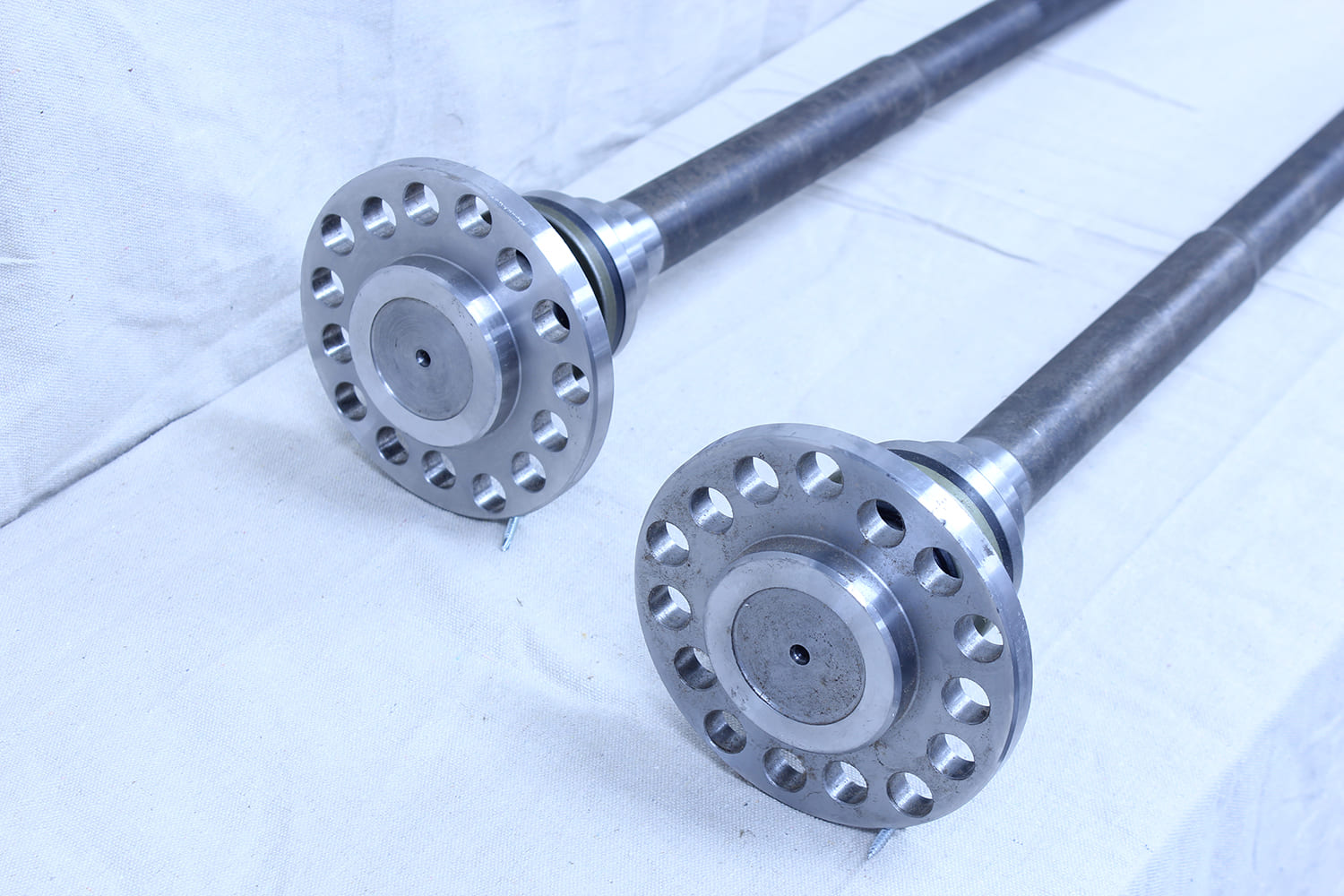
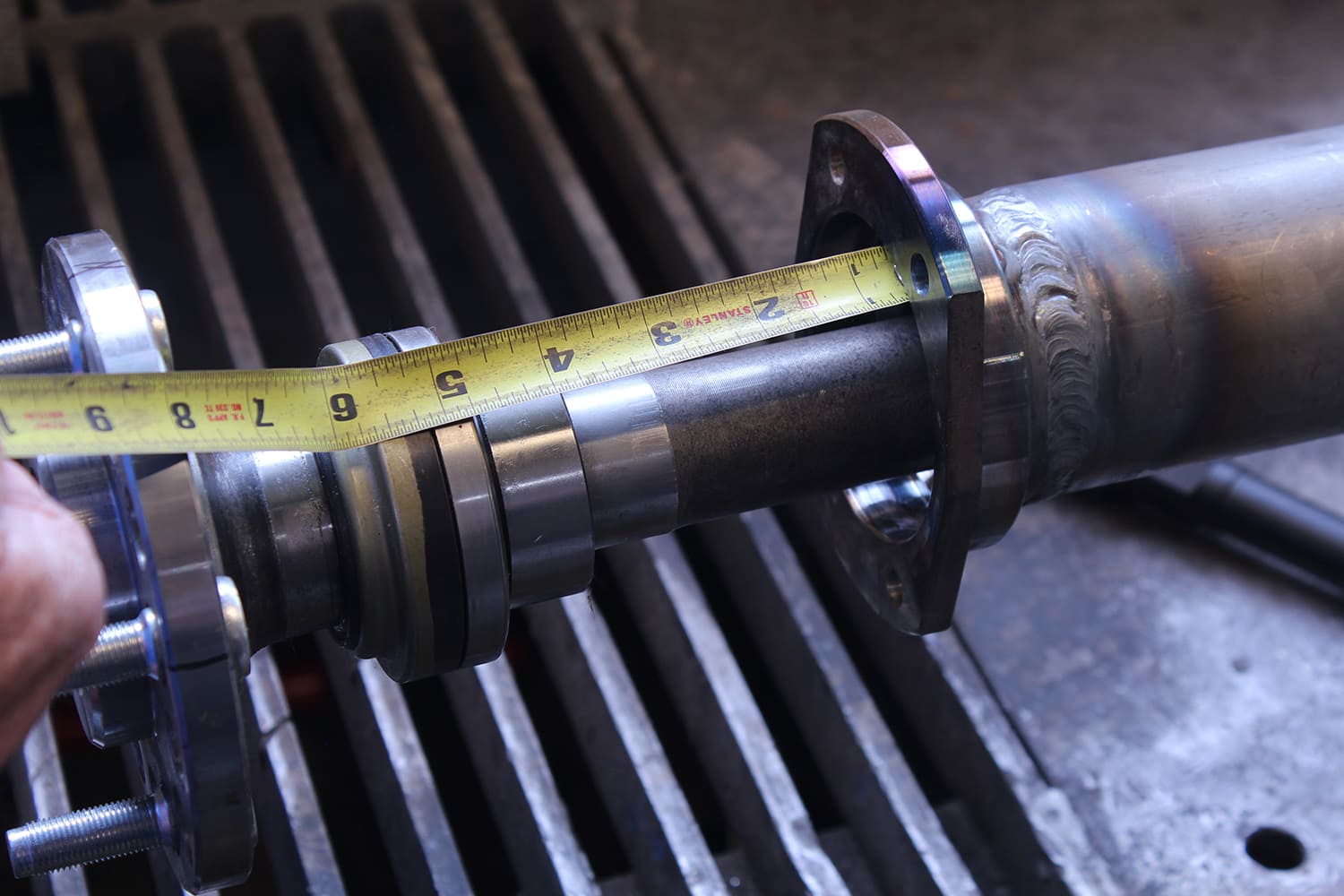
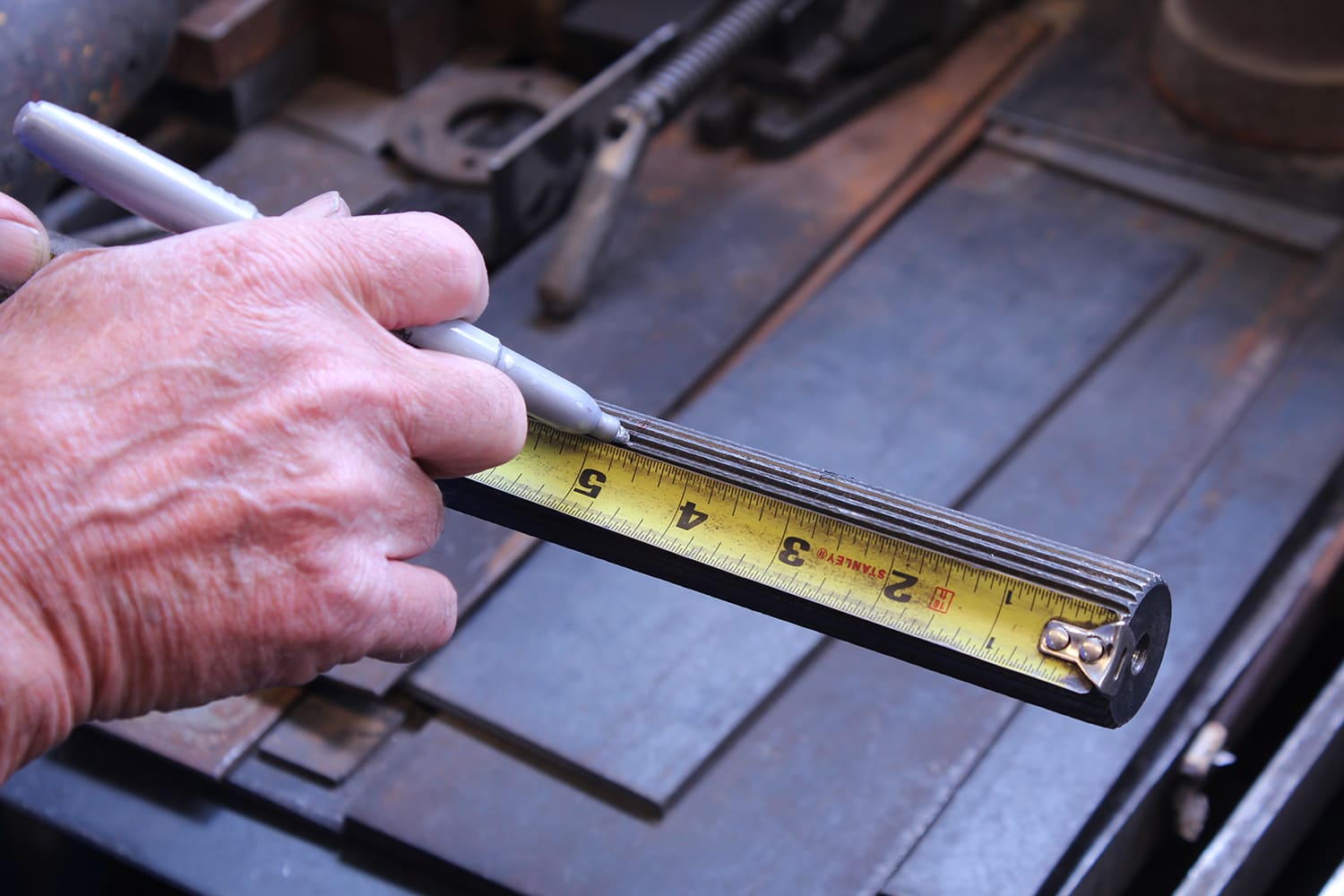
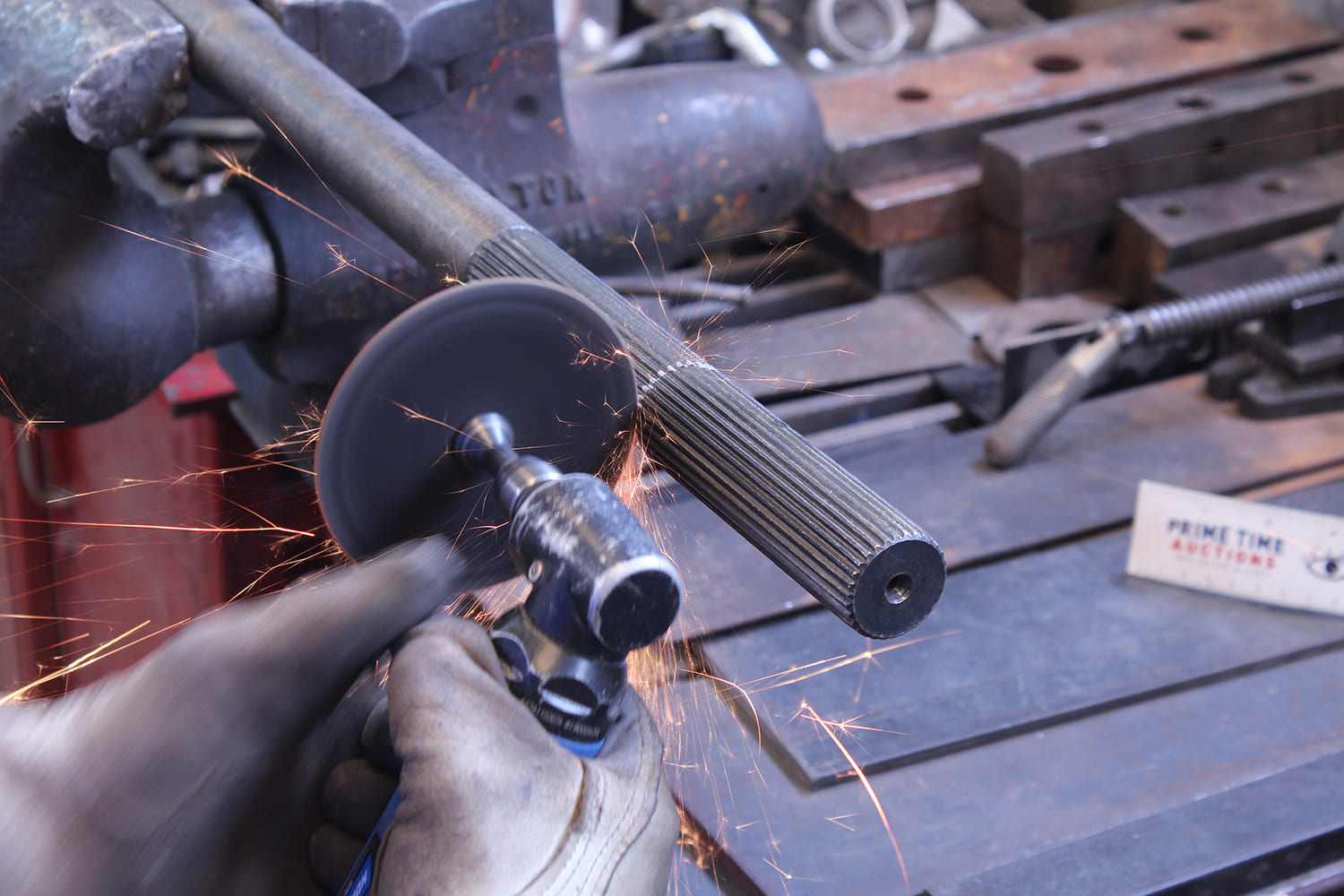
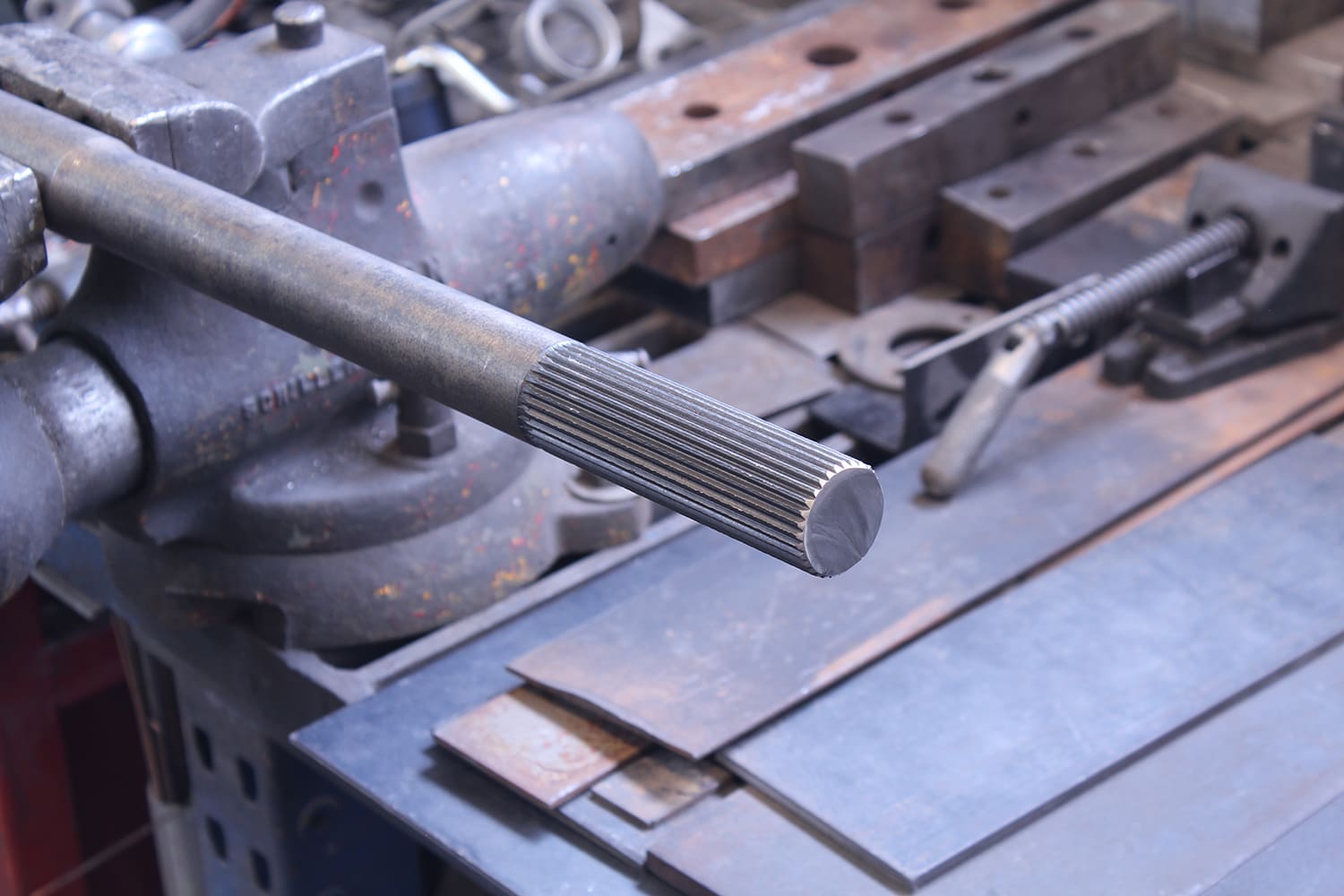
As the axle housing was a custom width, custom axles were also required. To make getting axles that fit perfectly, JEGS offers Allstar Performance “cut-to-fit” axles with extra-long splines that can be trimmed as necessary. For our application, JEGS supplied one 29-½-inch axle with 10 inches of splines (PM 049-ALL67501) and one 33-inch axle with 9 inches of splines (PN 049-ALL67503). These axles come with Ford “big” tapered wheel bearings and the retaining sleeves in place.
At this point, we should explain the difference in Ford late-style “big” rear wheel bearings. Depending on the application, Ford used either sealed ball bearings or tapered roller bearings in 9-inch assemblies. As the name implies, the ball bearings are packed with grease that is sealed inside, while the tapered bearings are lubricated by the rearend’s gear oil. While sealed ball bearings are more than adequate for most street applications, tapered bearings have a higher load-carrying capacity and withstand greater side loads (from hard cornering, such as in road racing or autocross) than ball bearings due to the greater contact area between the rollers and the race. Although both bearings have the same 3.150-inch od, where confusion can crop up is with the id; the sealed bearings measure 1.5312 inches while the tapered bearings measure 1.563 inches. That means the axles are of different diameters where the bearings ride; consequently, specific axles are required for each type of bearing. Although bearings can’t be swapped between axles, the entire assemblies (axles and bearings) will interchange.

Thanks to JEGS, the Radford’s fastback has a custom width, a Ford 9-inch rearend built entirely with aftermarket parts. Next time, we’ll show the Mustangs’ new rear suspension as we continue telling Pony Tales. MR
Check out this story in our digital edition here.