



By Ron Ceridono – Photography By Brian Brennan
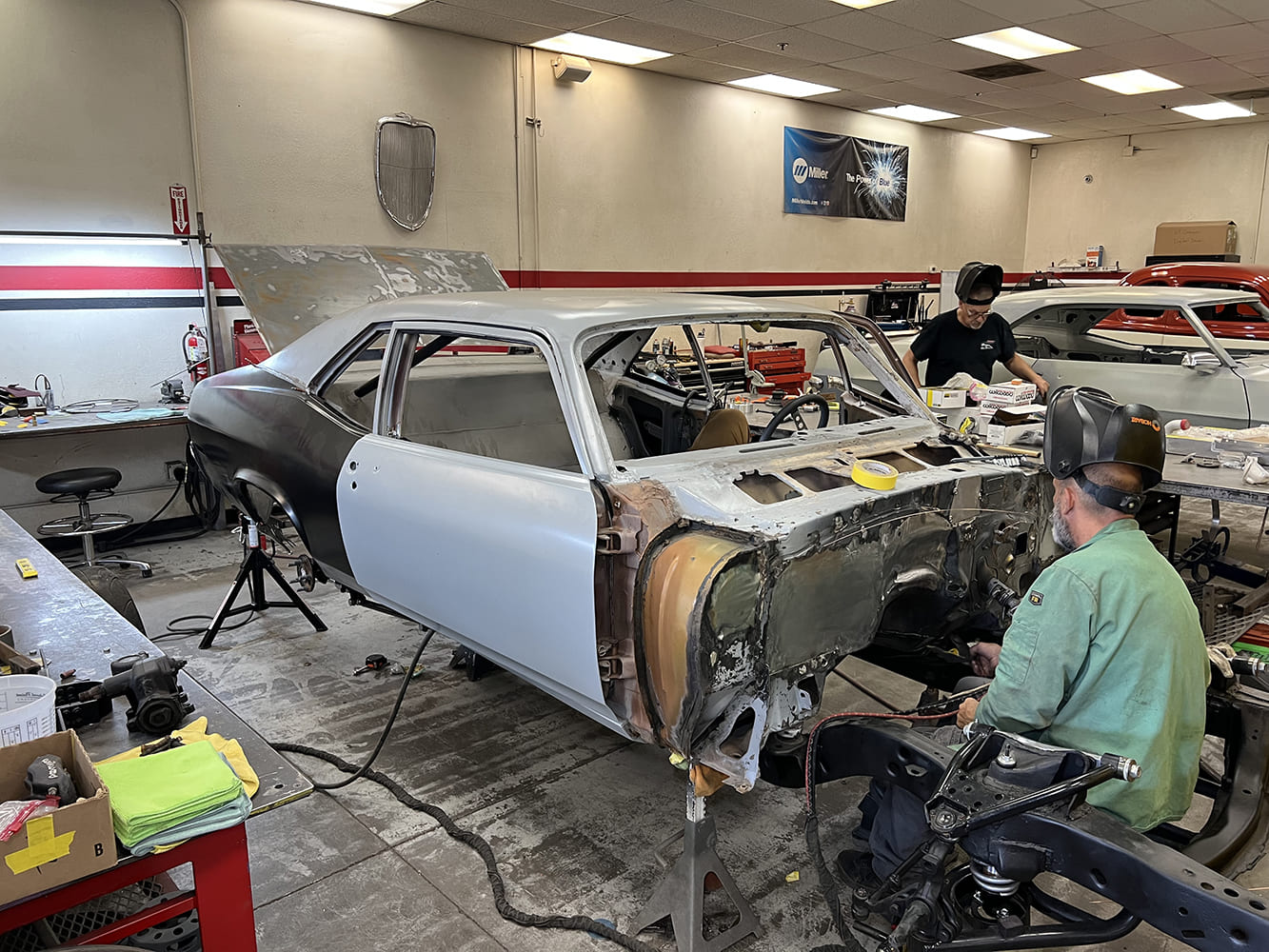
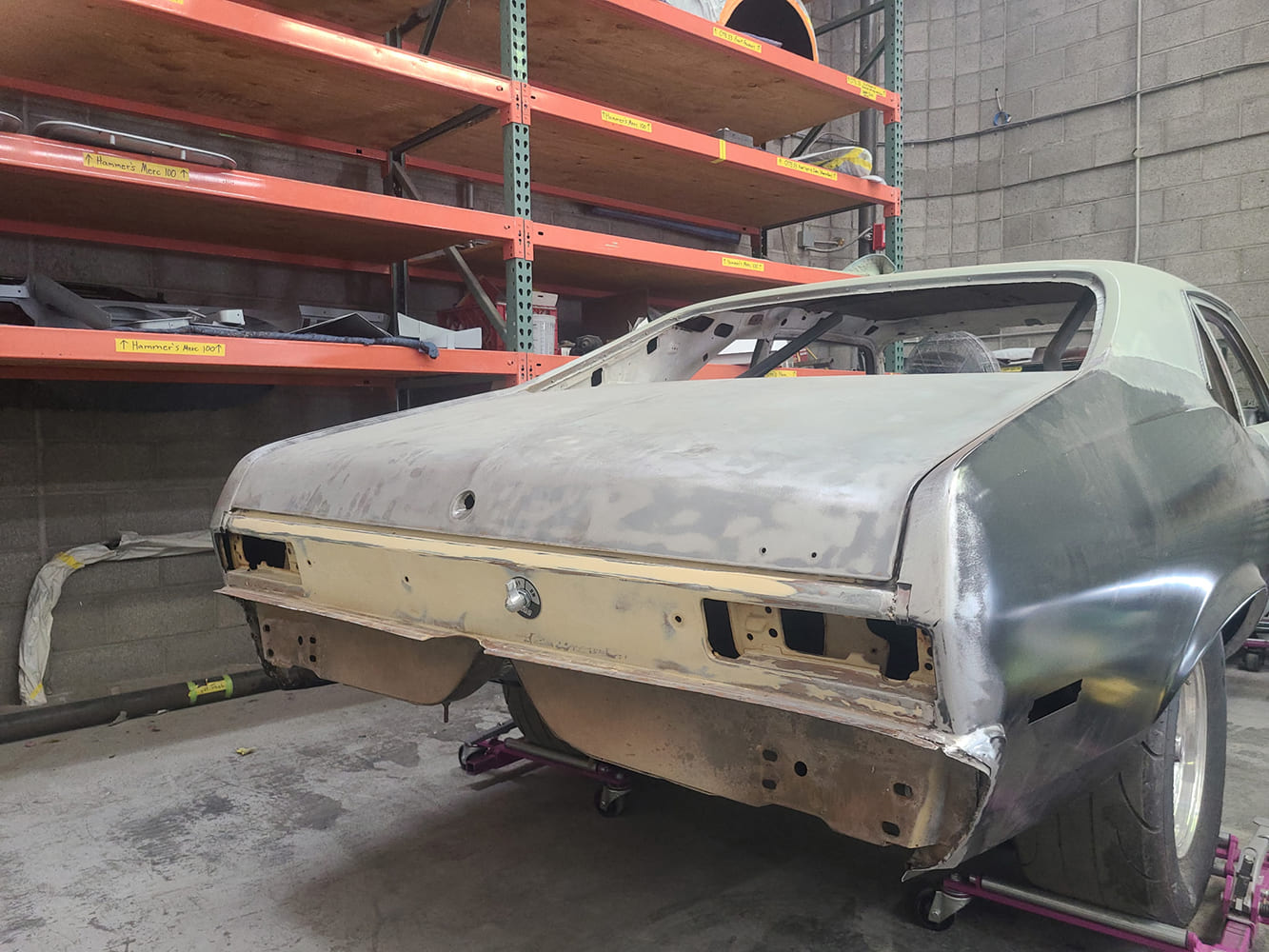
Dean Livermore and the crew at Hot Rods By Dean (HRBD) have built some of the most well-known, award-winning hot rods in the country. So, what do these guys do in their spare time? They build a drag race car to have fun with on the weekends.
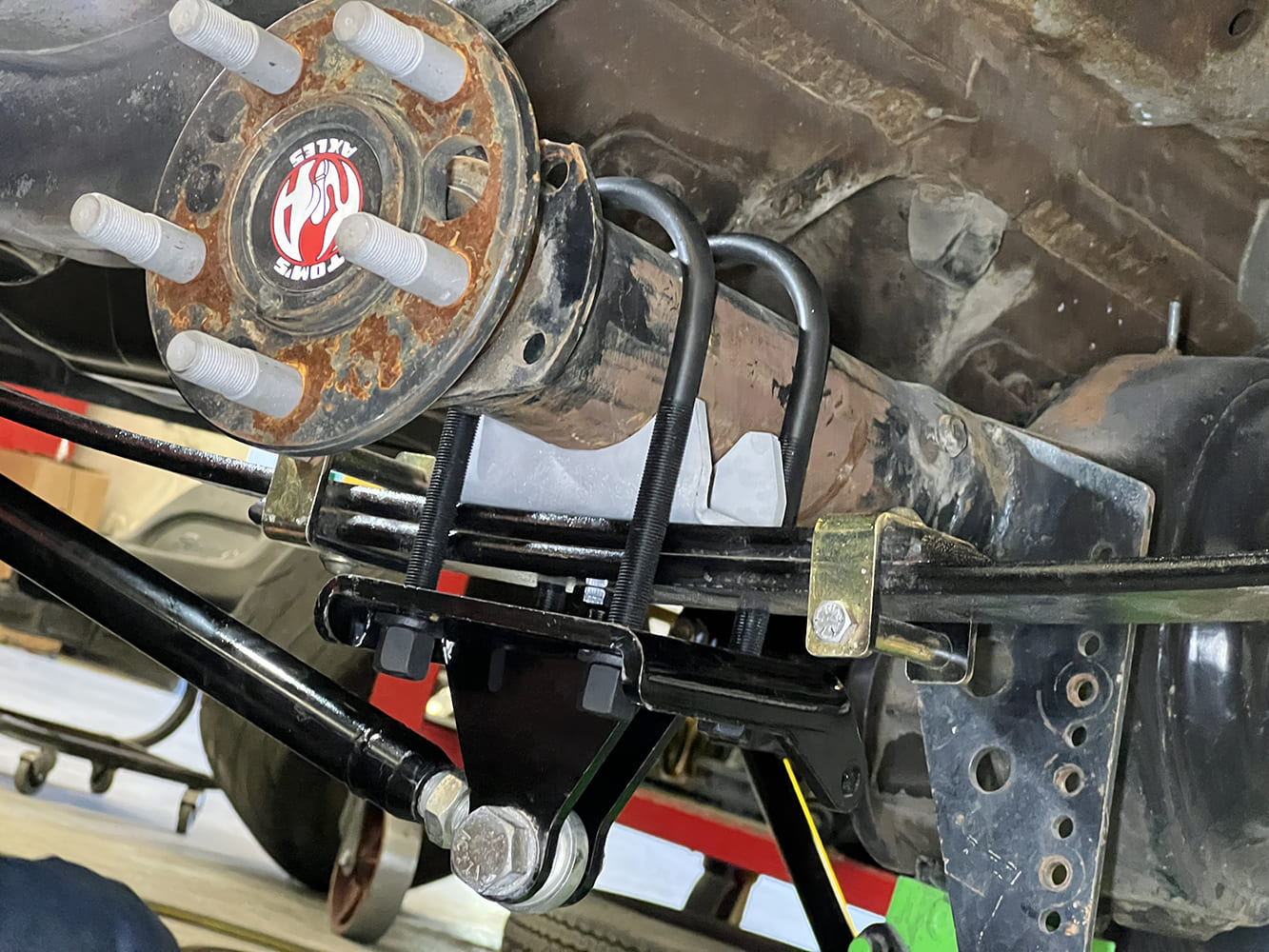
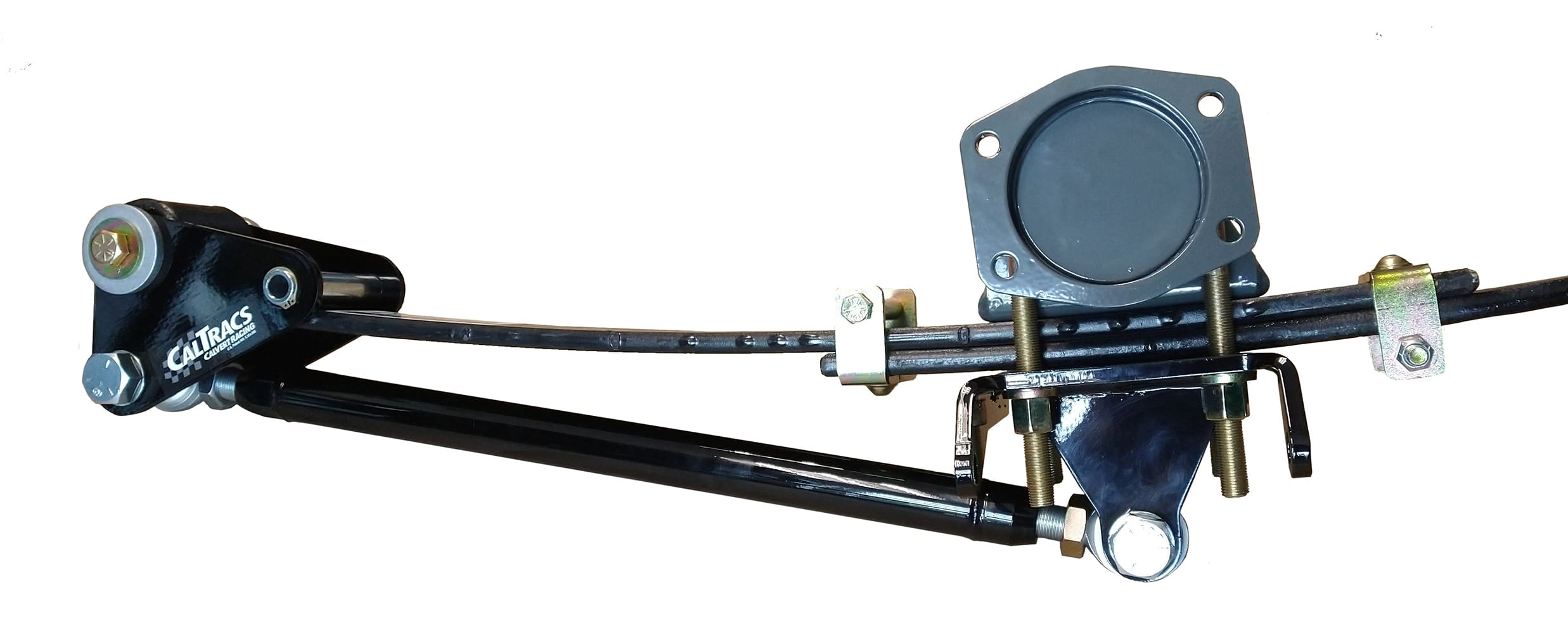
Starting with a moderately rough 1972 Chevy Nova that was a former race car, the HRBD team thumbed through the JEGS Performance Parts catalog to find the needed parts to update the chassis—first up was the rear suspension. As the Nova used monoleaf springs, something would have to be done to control the axle wrap and wheel hop these suspensions are susceptible to. The cure for what ails these suspensions came in the form of Calvert Racing’s split monoleaf springs (PN 294-230-45) and their CalTracs Traction Bar Kit (PN 294-2380K1).
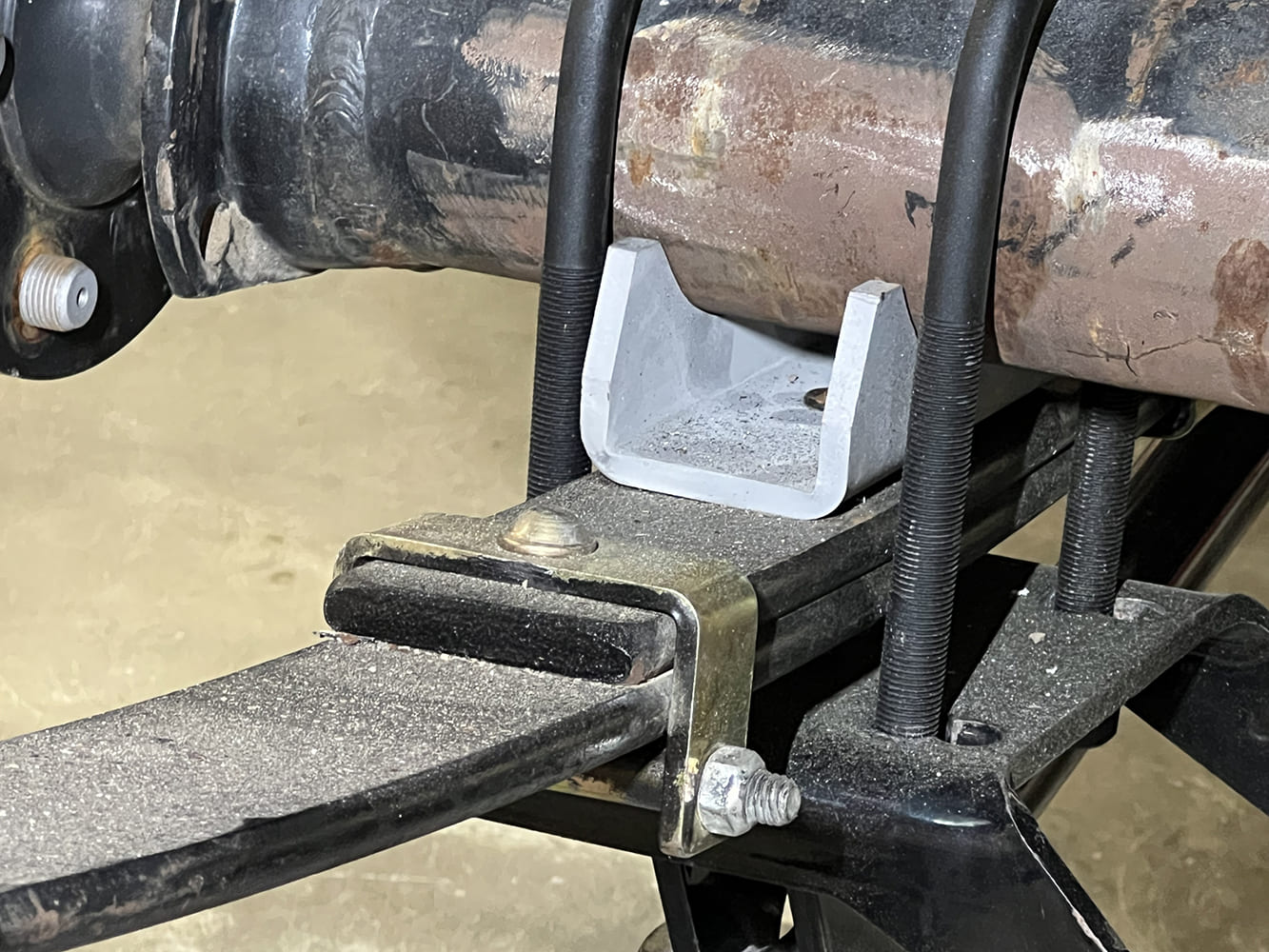
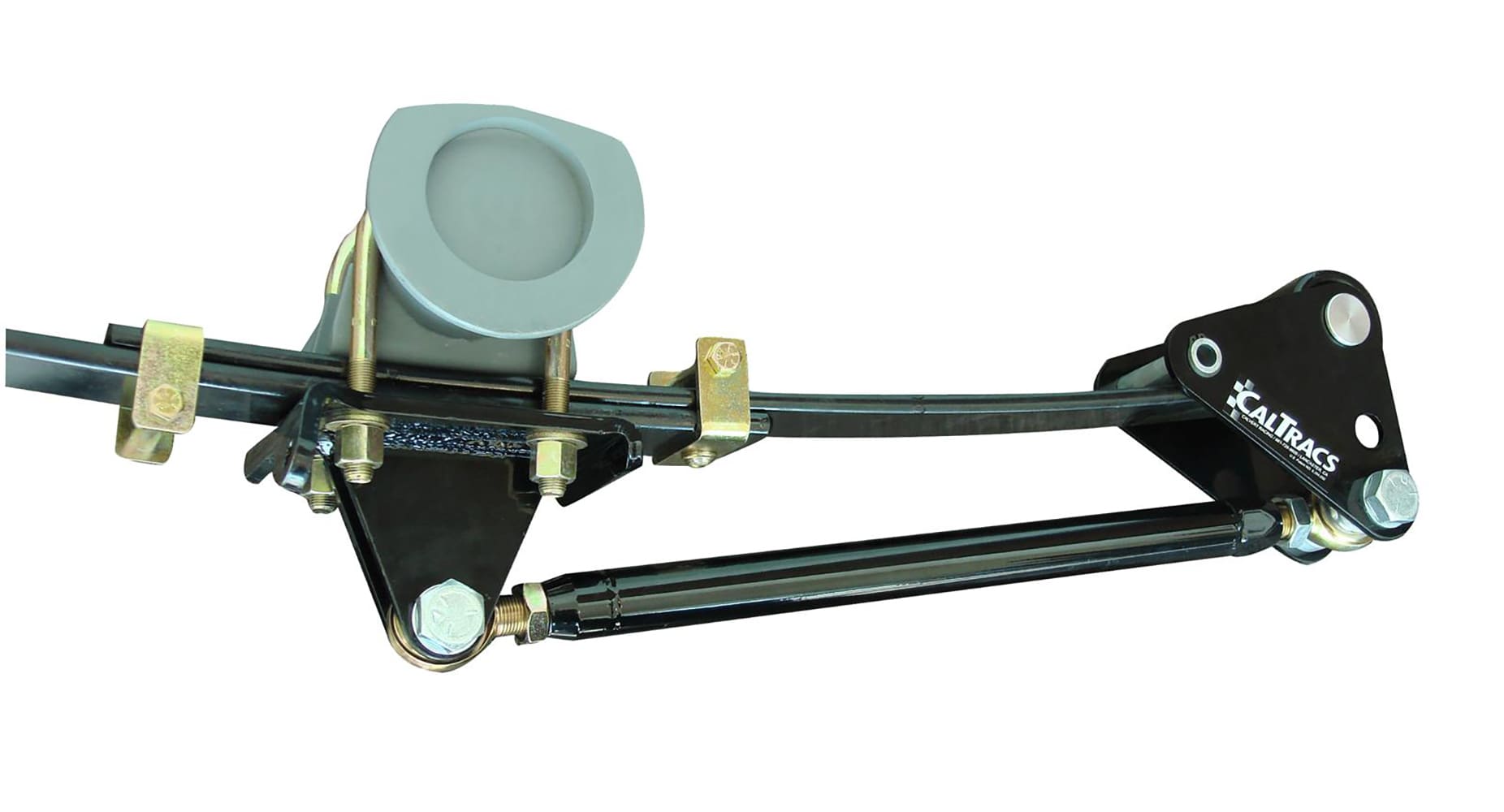
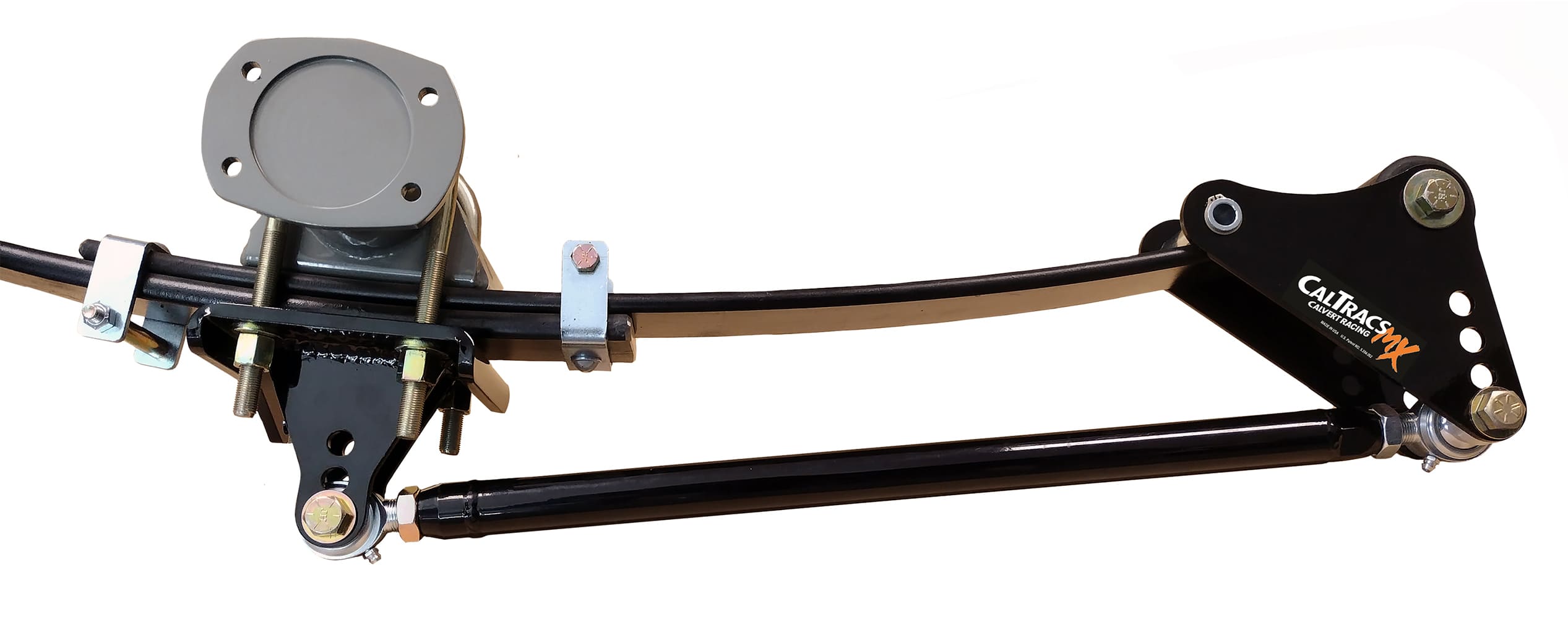
The Calvert Racing split monoleaf springs are unique as they have overlapping spring halves. With this two-piece design, it’s possible to have different spring rates or arc forward of the rear axle as well as behind it. As a result, it’s also possible to keep the front half of the spring soft so that it will work better with the CalTracs. The split monoleaf springs are available in various ride height options; they come in pairs and include heavy-duty spring clamps. Considerably lighter than factory leaf springs (especially multileaf designs), overall weight reduction can be as much as 45 pounds when making the switch from multi-leaf springs to the split monoleaf design.

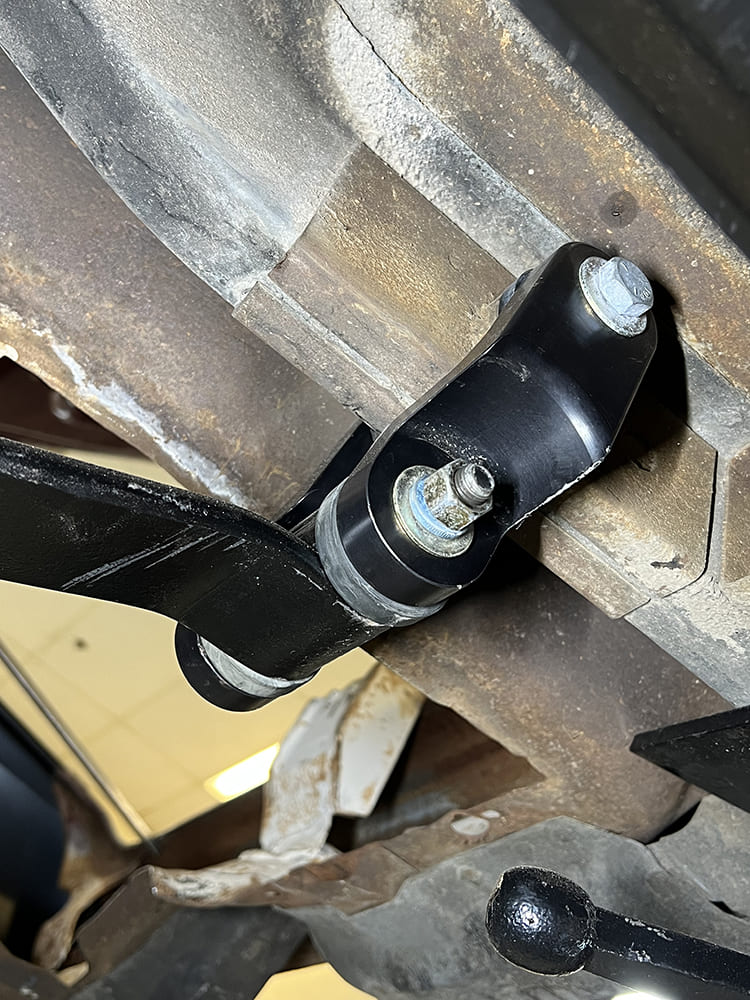
When launching a car from a standstill, anyone who has broken loose the tires on a leaf spring suspension car has probably experienced moderate-to-severe wheel hop. Essentially, what happens is that the axle housing tries to rotate in the opposite direction of the wheels. As the axle housing twists, it causes the springs to warp or deform until they can’t go any further—they snap back, and the cycle repeats. This process results in the tires hopping, which leads to a loss of traction, potential axle breakage, and possible driveline component failure.
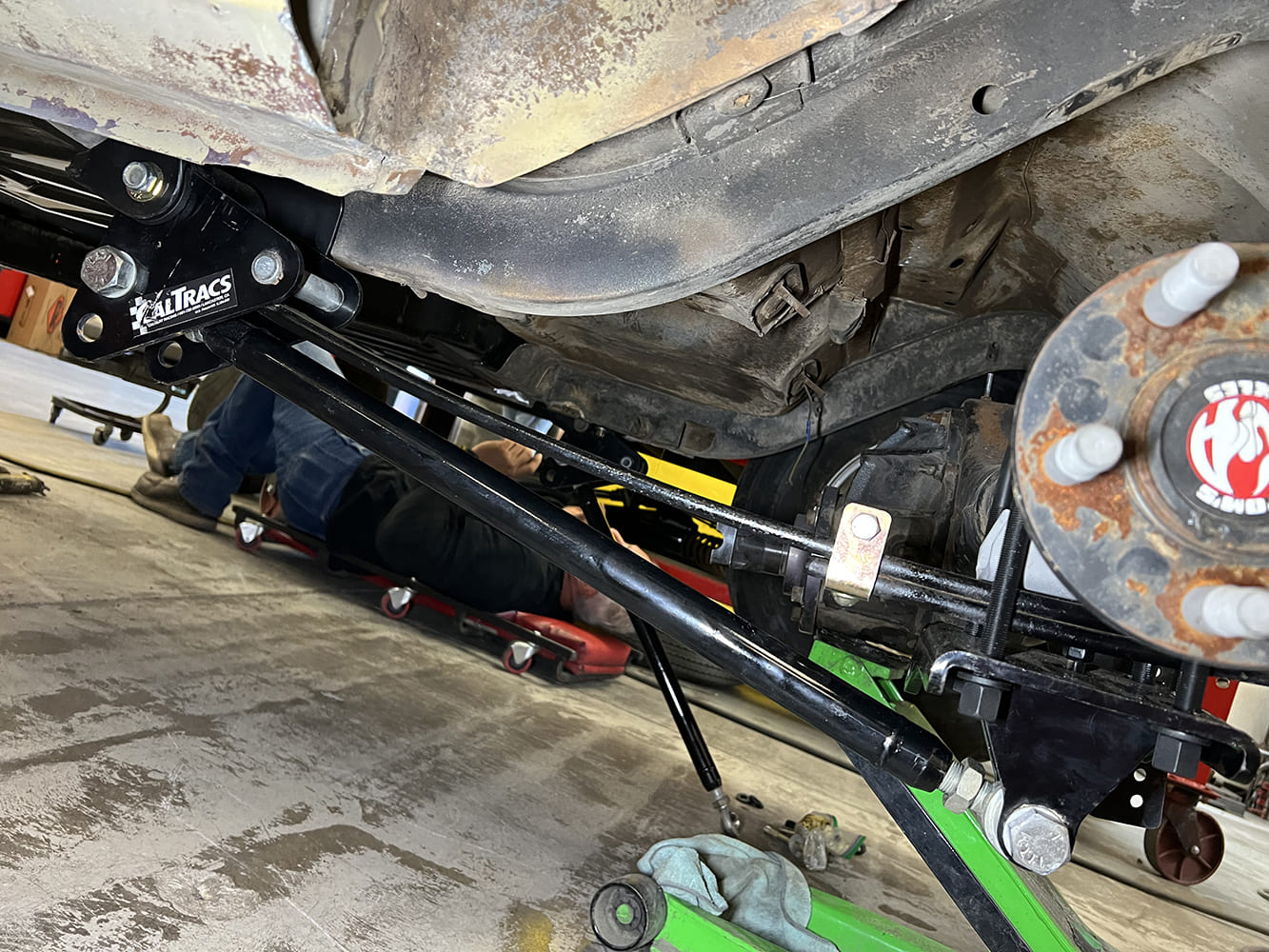
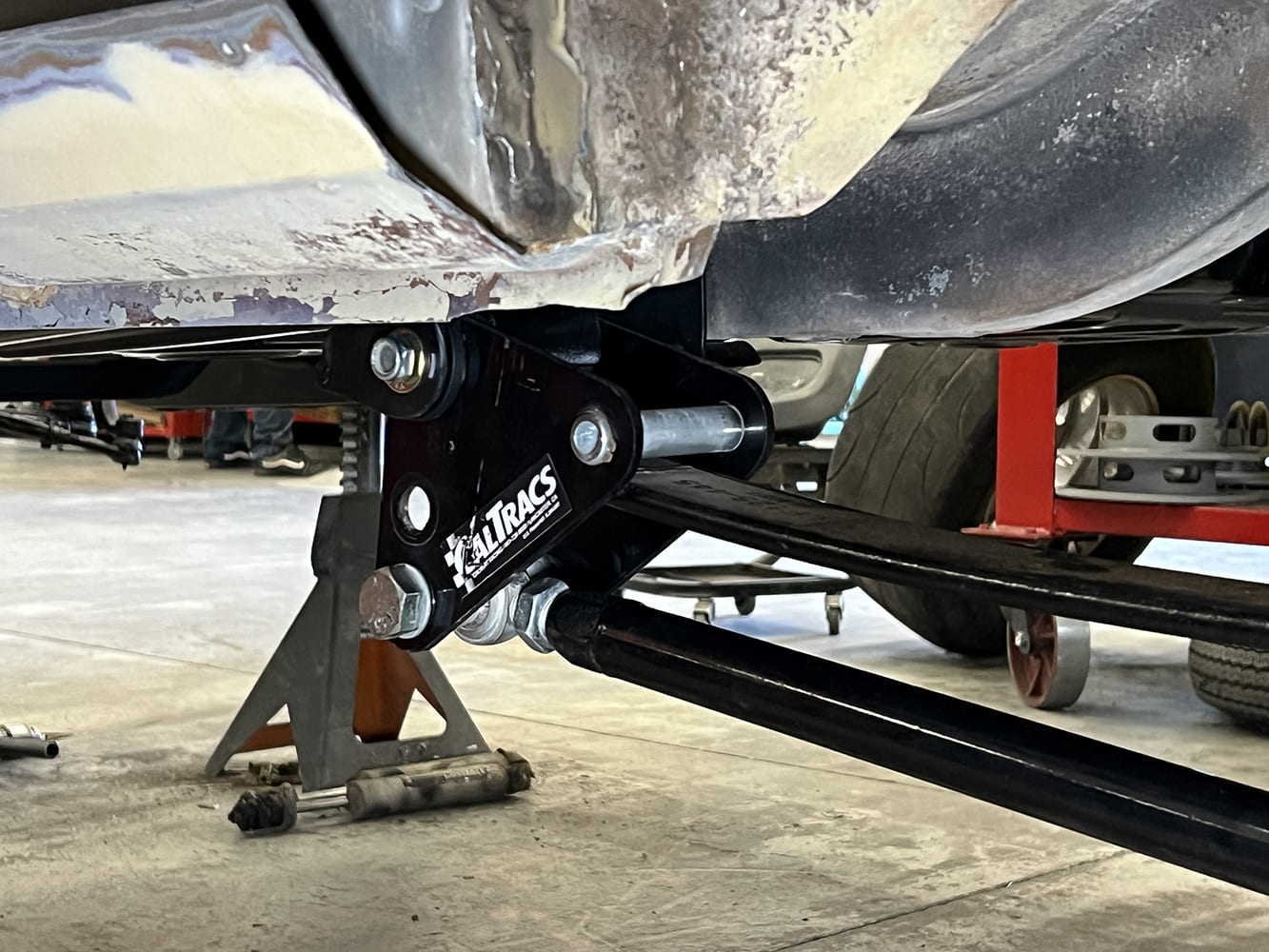
There are several ways to combat individual traction issues, like axle wrap, wheel hop, and tire spin in leaf spring cars, including spring clamps, ladder bars, and traction bars; all are somewhat effective. However, the patented CalTracs solve all these problems at once. As the Calvert Racing team explains, CalTracs use a bar that runs from the rear axle to a triangular-shaped bracket mounted on the front leaf spring eye. The lower hole in this triangle bracket connects to the bar from the axle, the center hole aligns with the leaf spring eyelet, and the top hole has a pin that rides on top of the leaf spring pack. When you accelerate, the axle housing tries to rotate, pushing the lower bar (the Calvert Force Transfer Link) forward. The pivot at the front leaf spring eye then causes the pin on top of the springs to push downward onto the spring pack. This not only eliminates axle wrap but also creates downward force on the entire axle assembly, pressing the tires onto the pavement for better traction. CalTracs are easy to install, affordable, and effective.
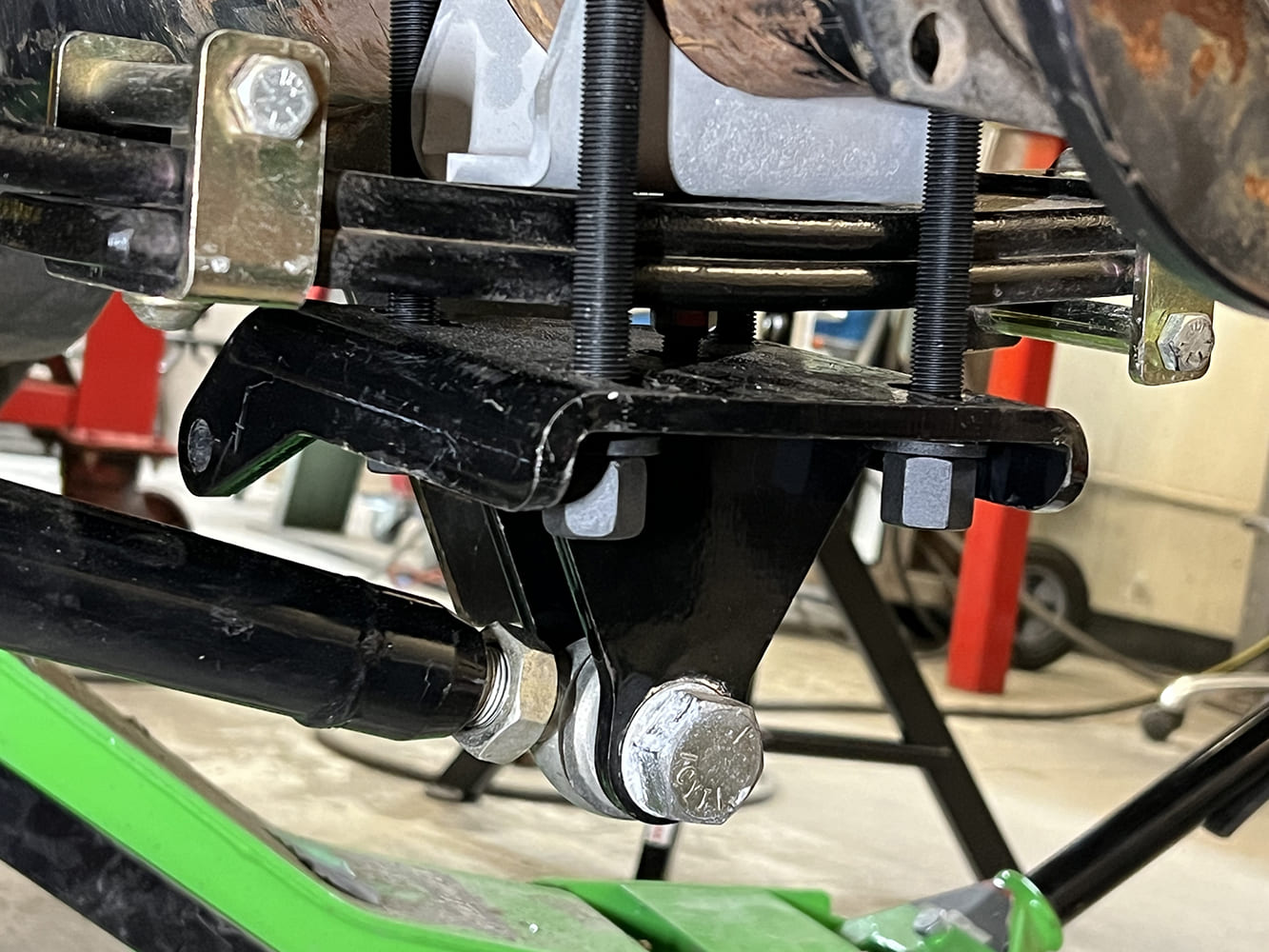
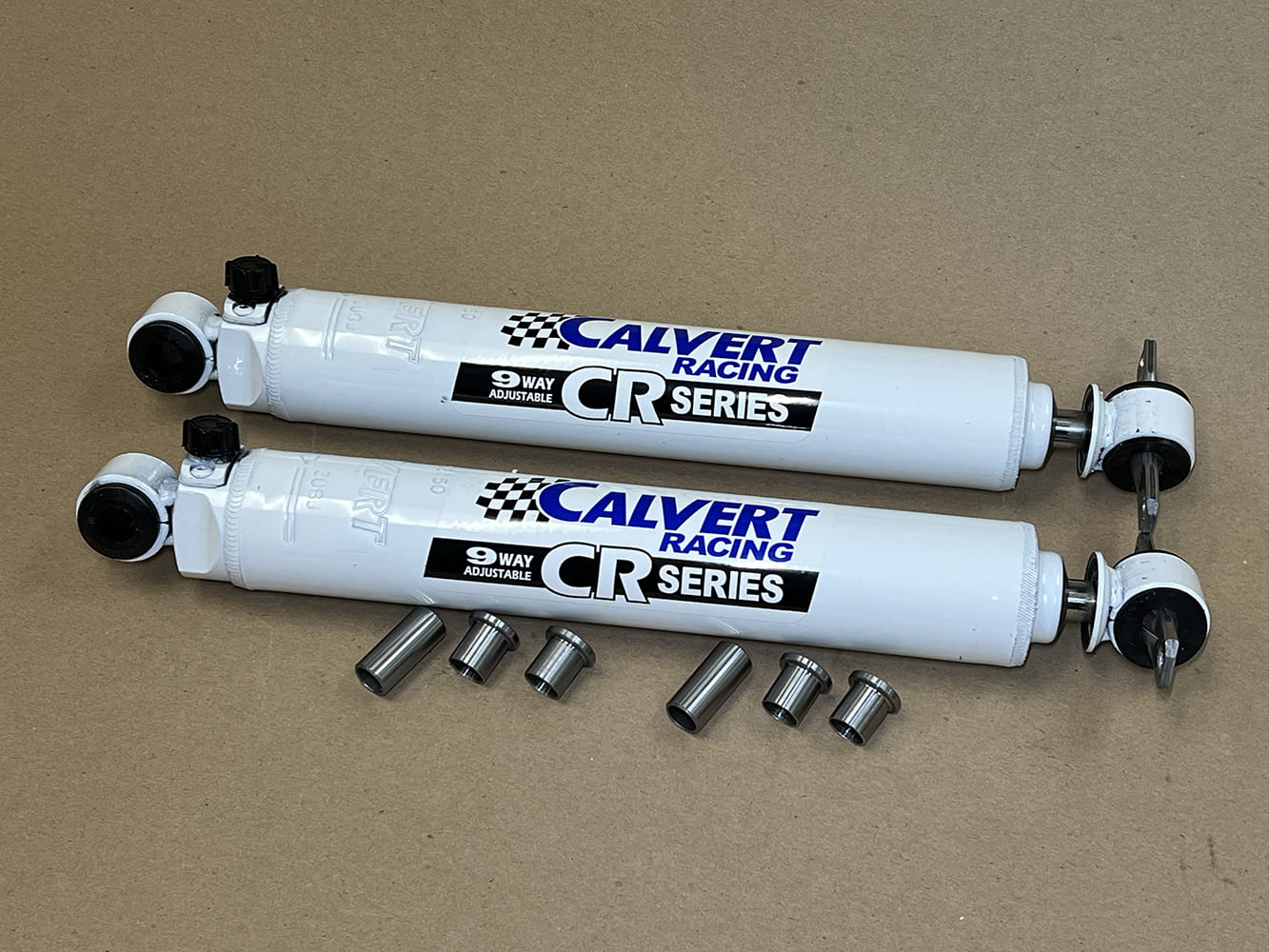
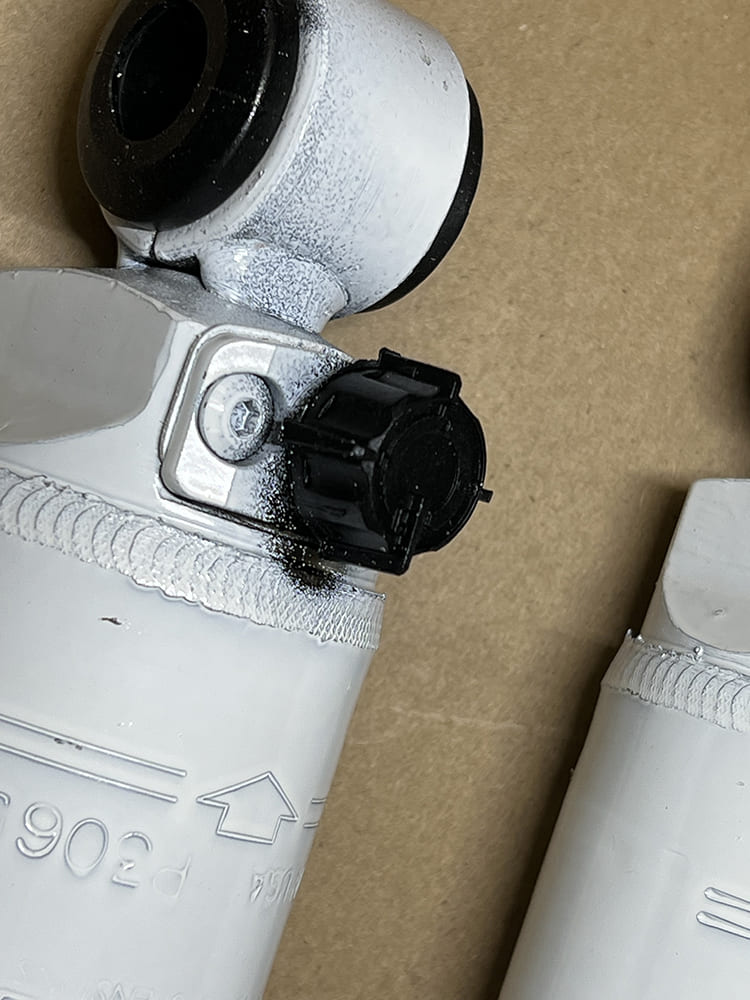
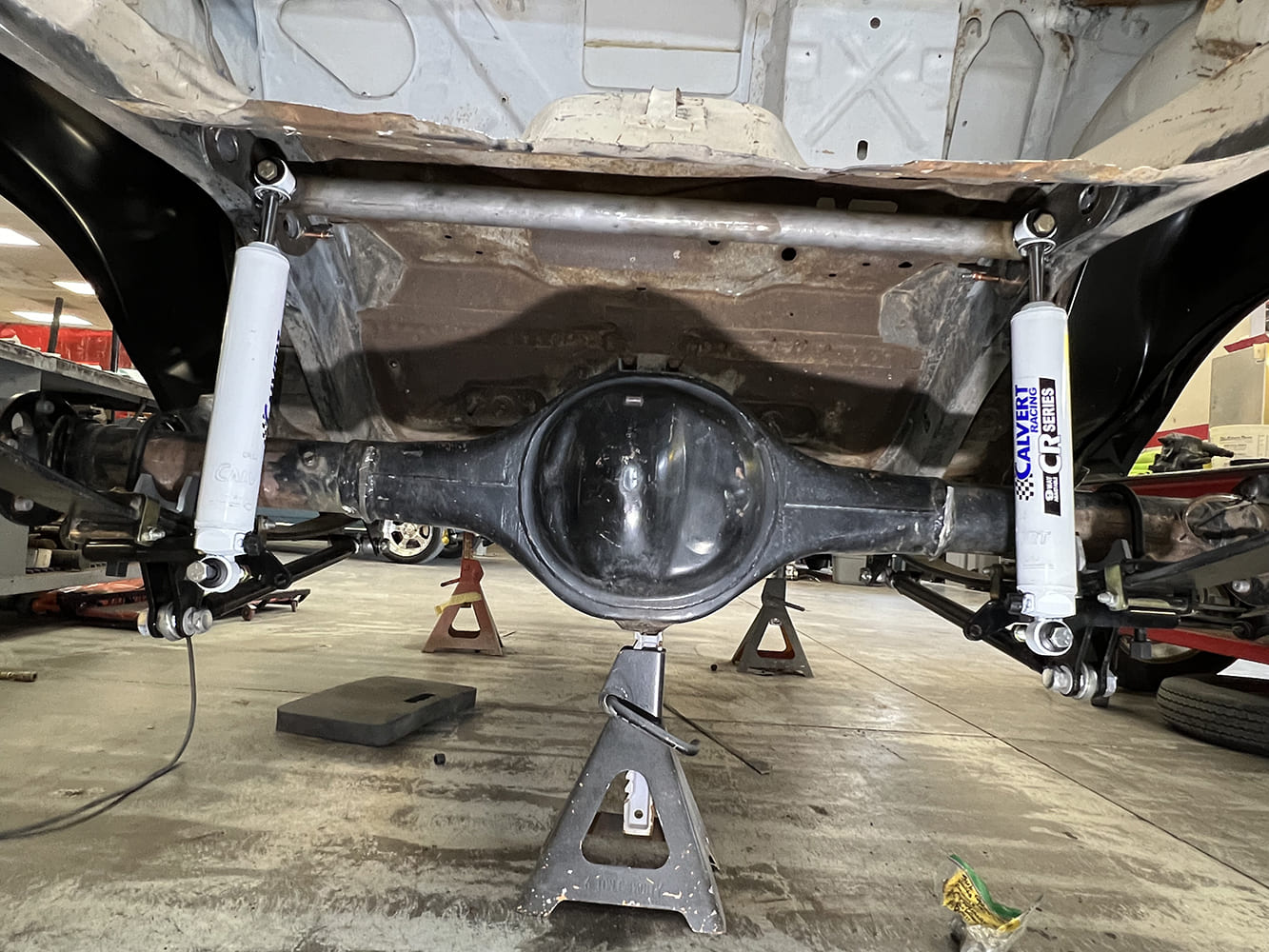
As part of the rear suspension update, the GM rear axle was replaced with a Ford 9-inch. This required different U-bolts and axle plates for the CalTracs than those used by the stock Nova setup. HRBD chose to modify the hole in the Nova’s plates due to time constraints; however, Calvert Racing can supply the correct versions for almost any application. To complete the rear suspension upgrades, HRBD added Calvert Racing’s adjustable universal shocks (PN 294-CR22116) with loop mounts on both ends, as the upper shock mounts were modified from the original. In stock configuration, Novas use shocks with crossbar upper mounts (PN 294-CR32150).

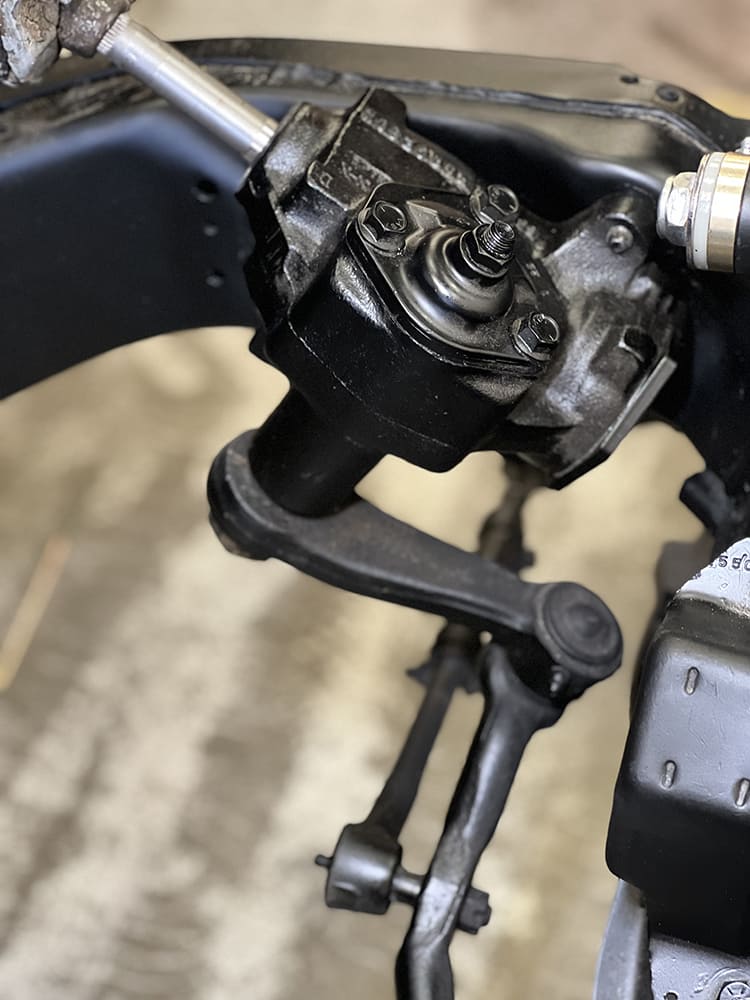
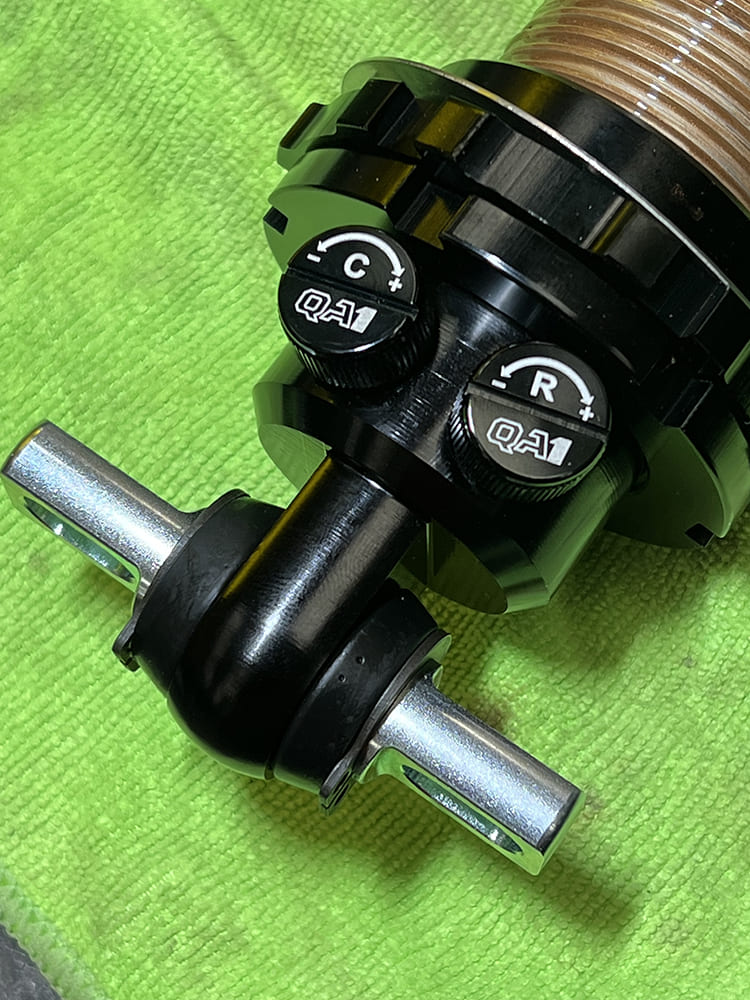
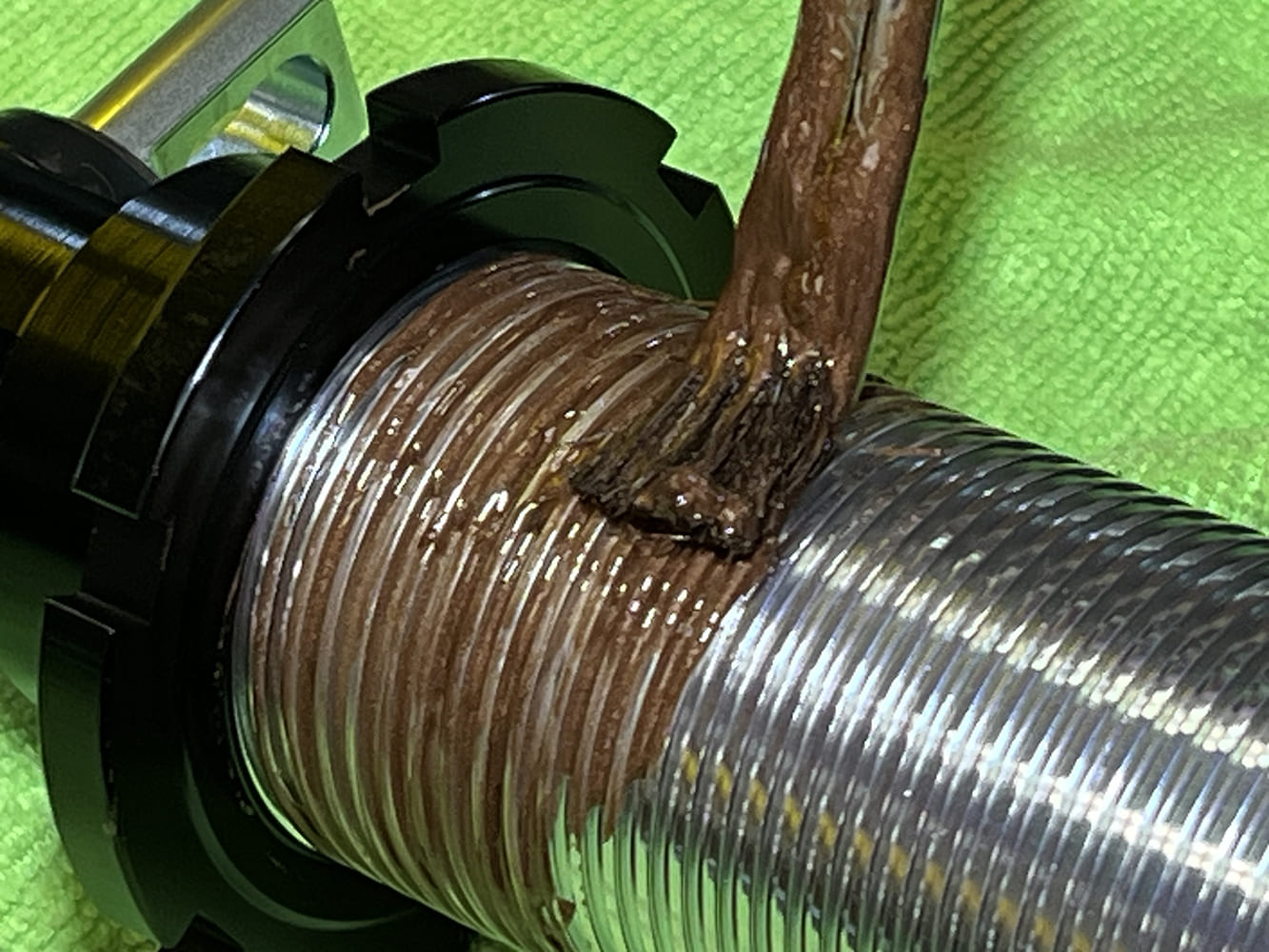
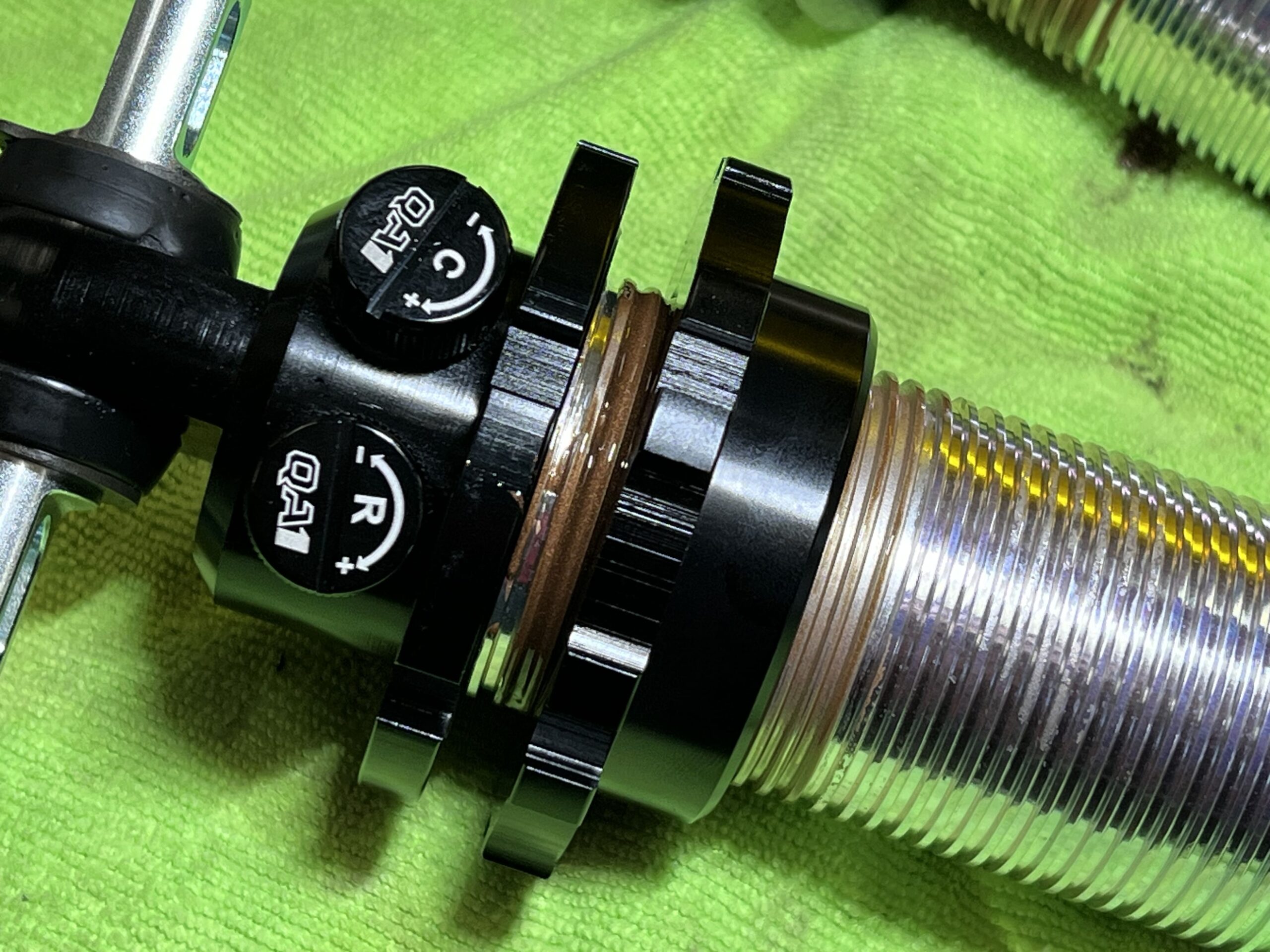
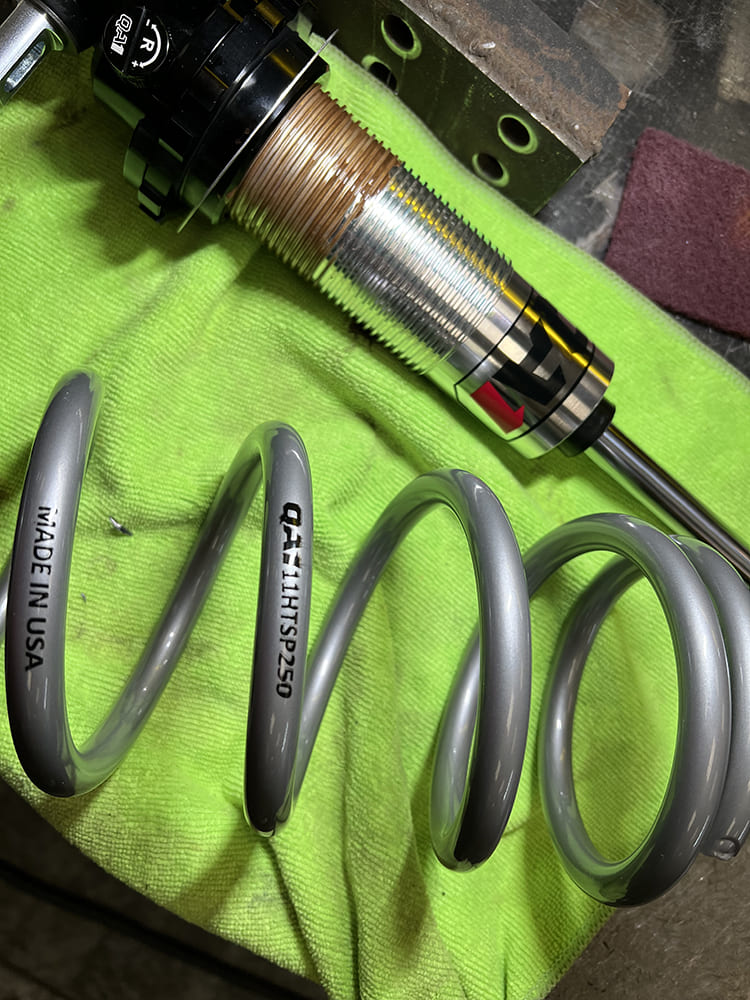
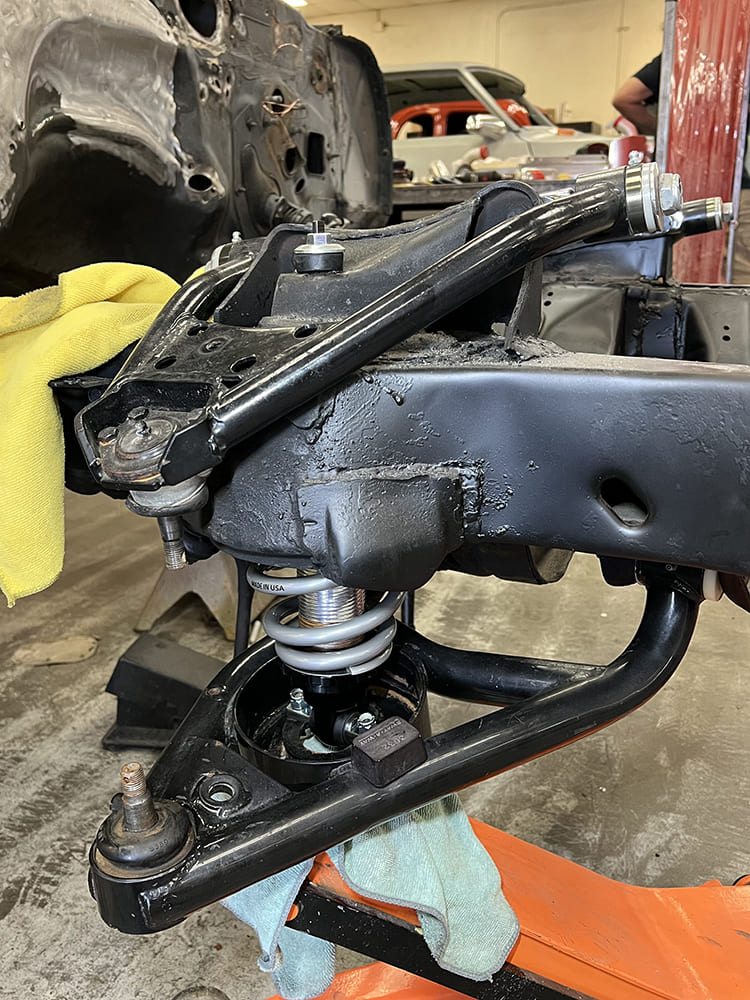
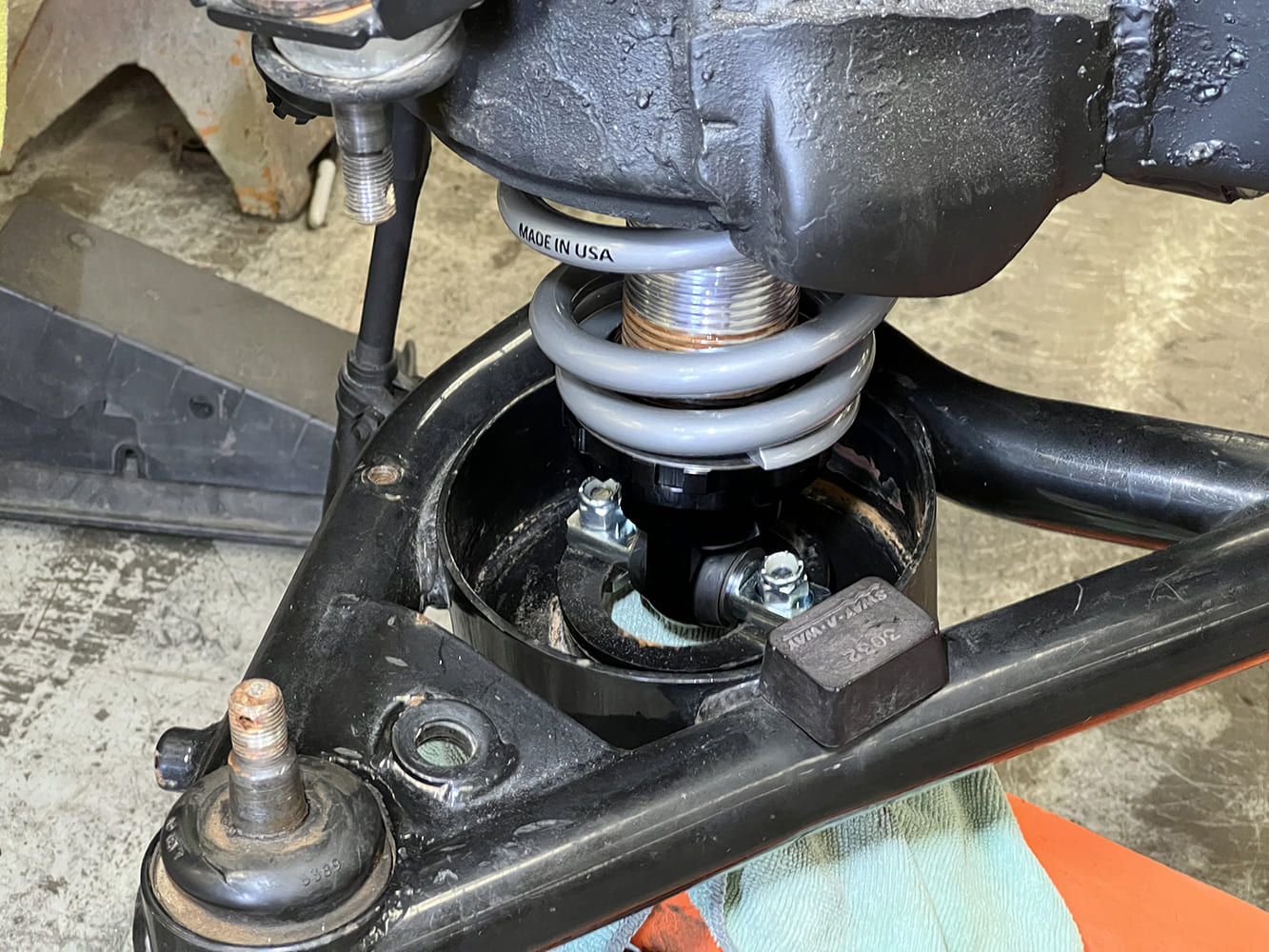
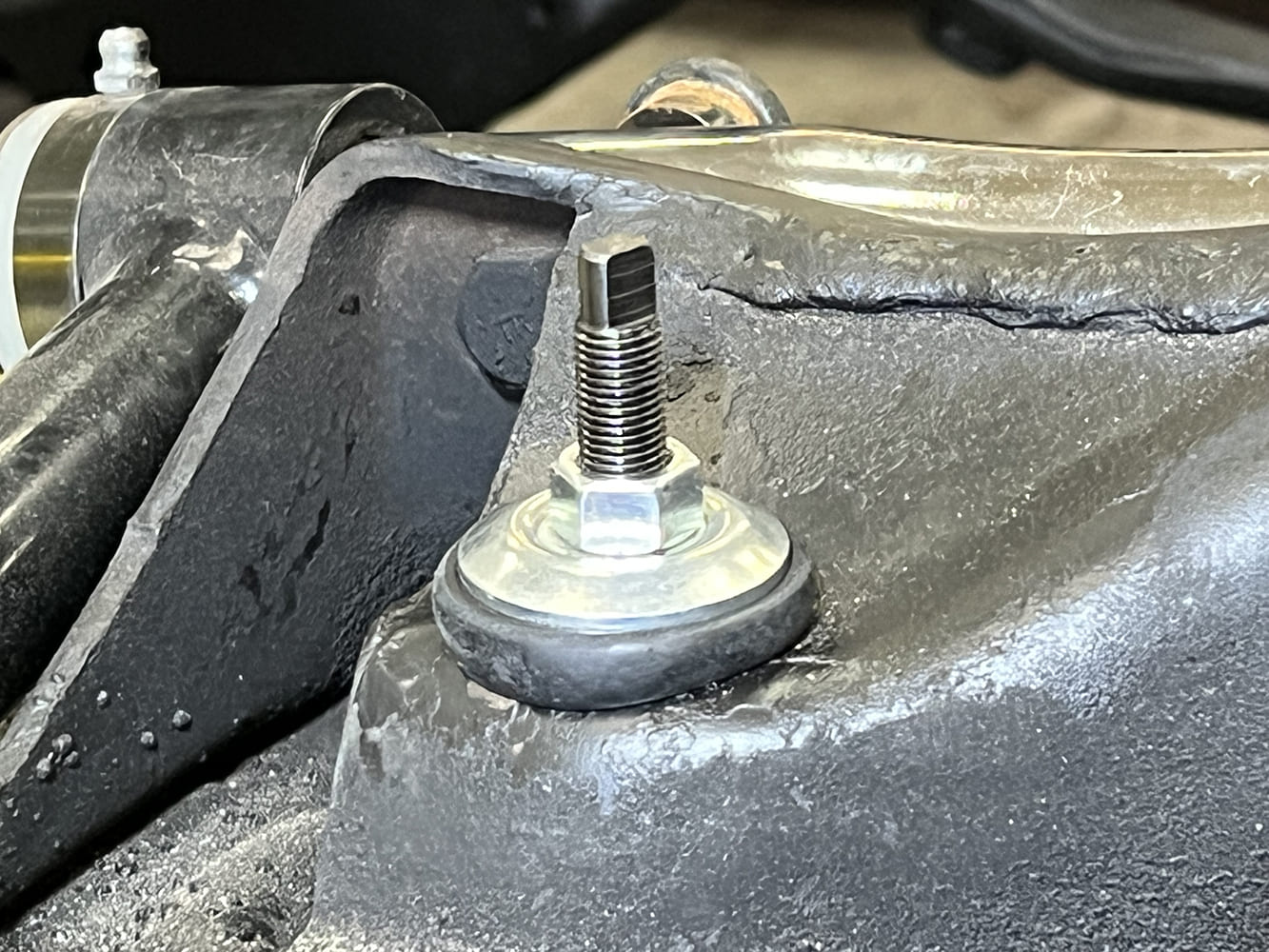
First, more parts from JEGS were added to the Nova, including a new Saginaw 525 manual steering box (PN 153-920010) and QA1’s Pro Front coilover system with double-adjustable shock absorbers (PN 122-GD401-11250A). These shock absorbers feature 18 rebound settings on one knob and 18 compression settings on the other, offering 324 valving options for the ultimate in front suspension tuning.
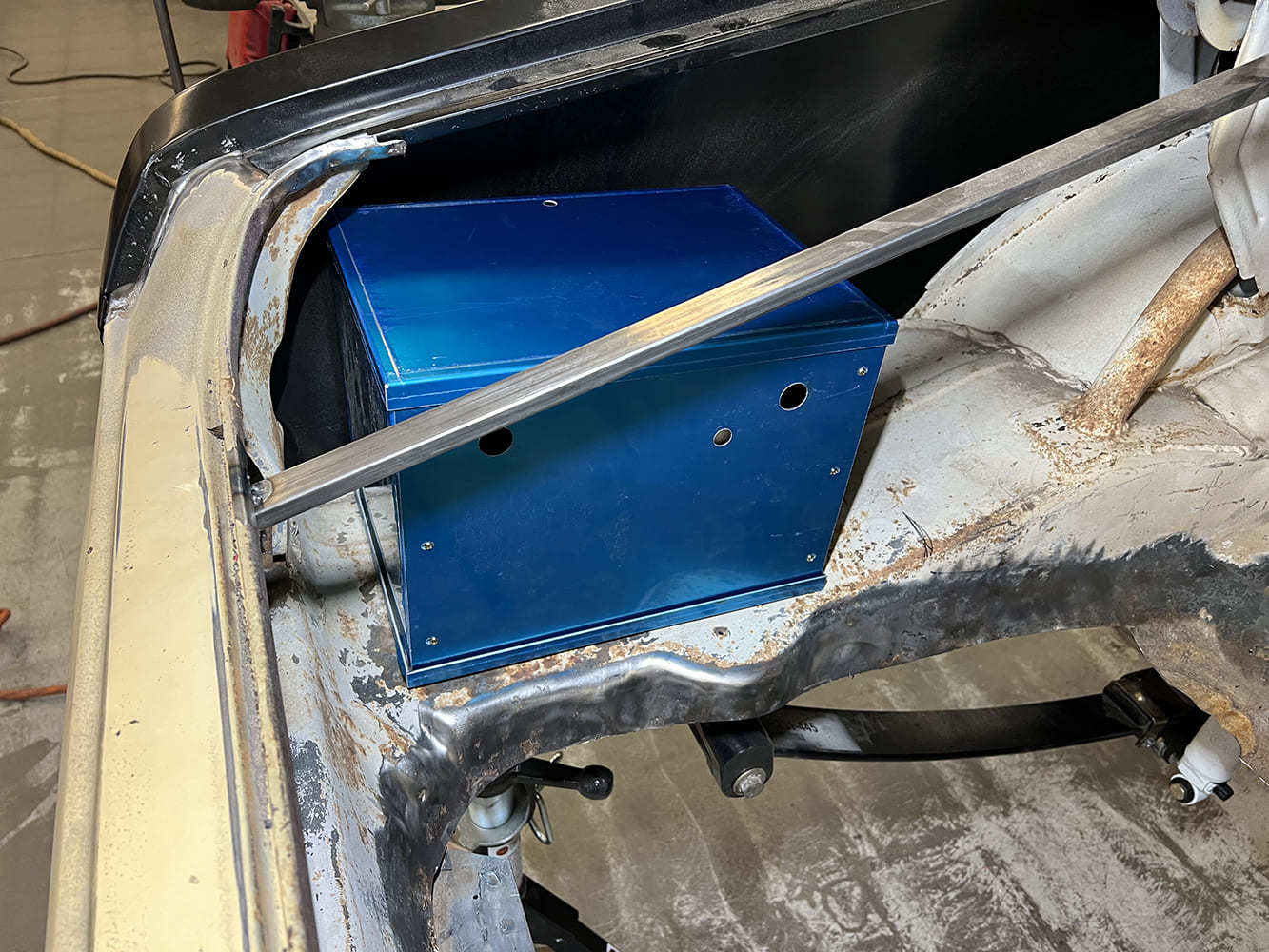
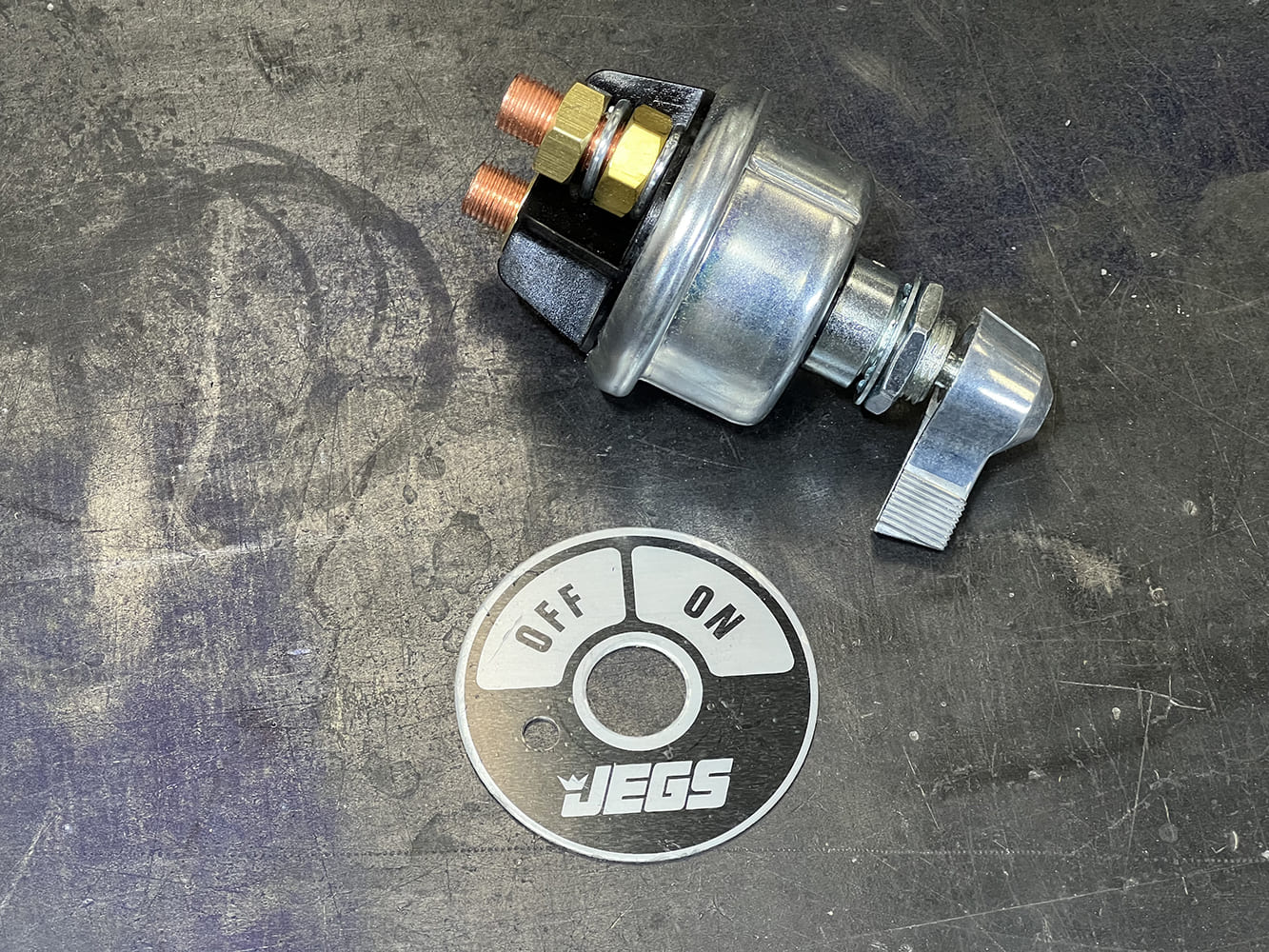
Along with the suspension improvements, a JEGS battery box was added to the trunk. Made from 0.060-inch aluminum, the battery box kit (PN 555-10235) includes 16 feet of positive battery cable, 3 feet of negative cable, a battery hold-down, mounting hardware, vent tube fitting, and tube.
A work in progress powered by a big-inch small-block, HRBD’s Nova isn’t intended to be a show car but a weekend warrior that’s safe and dependable, at least as much as a race car can be. Above all, it’s built for fun by a bunch of guys who love hot rods in all their forms, even weekend warriors. MR

Sources
Hot Rods By Dean
(623) 581-1932
hotrodsbydean.com
JEGS
(800) 345-4545
jegs.com