1965 Ford Mustang Receives JEGS Rear Suspension Part 2
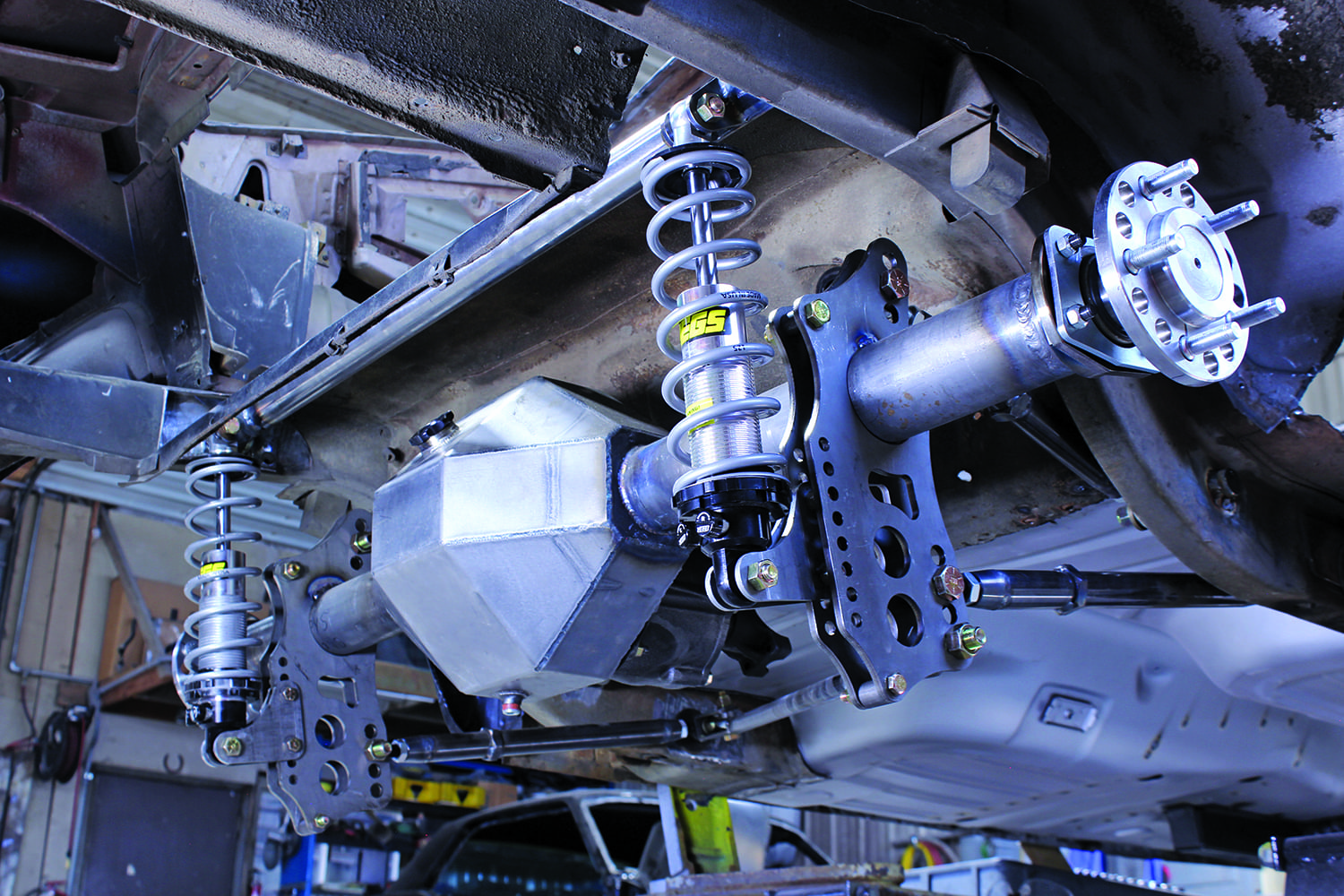
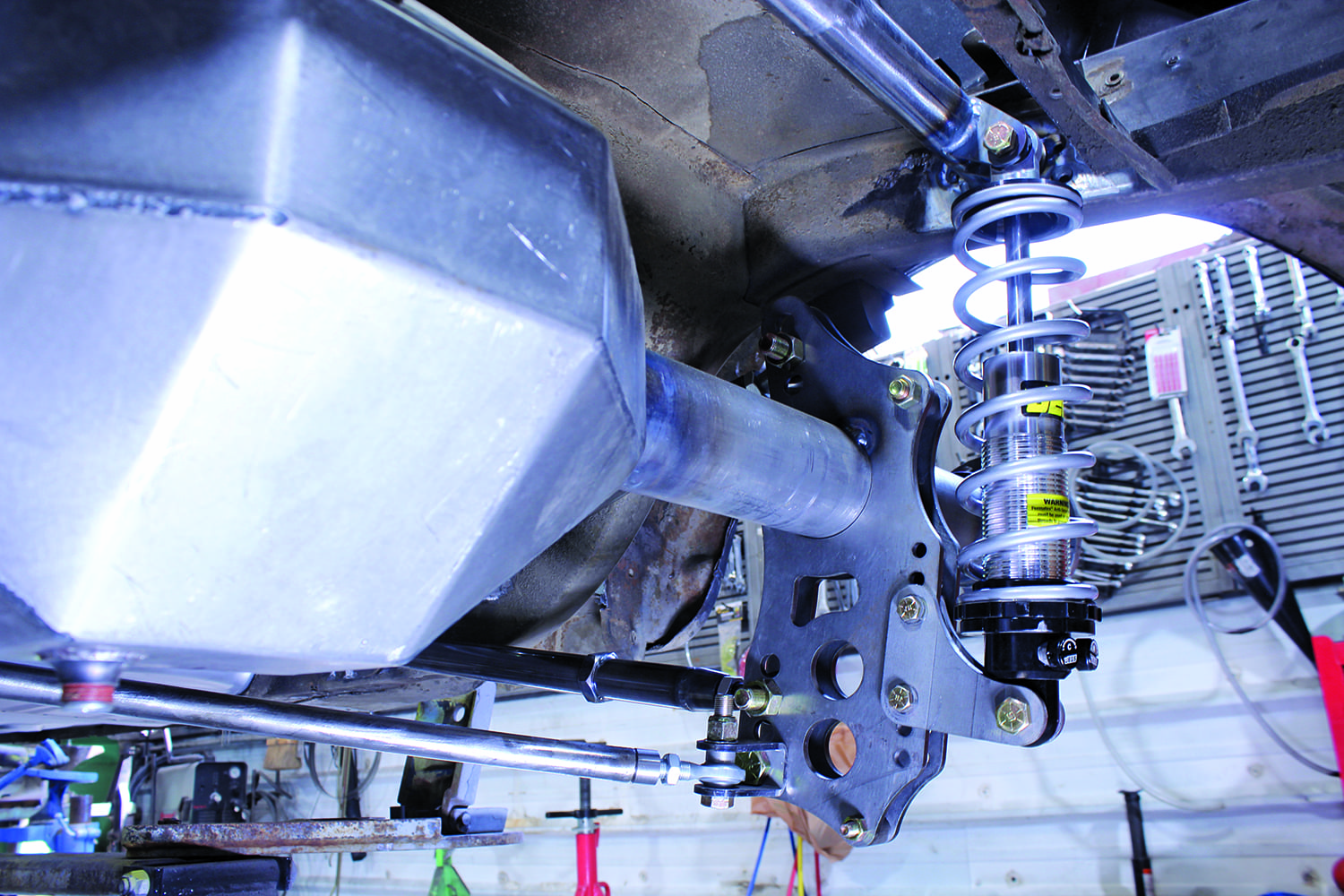
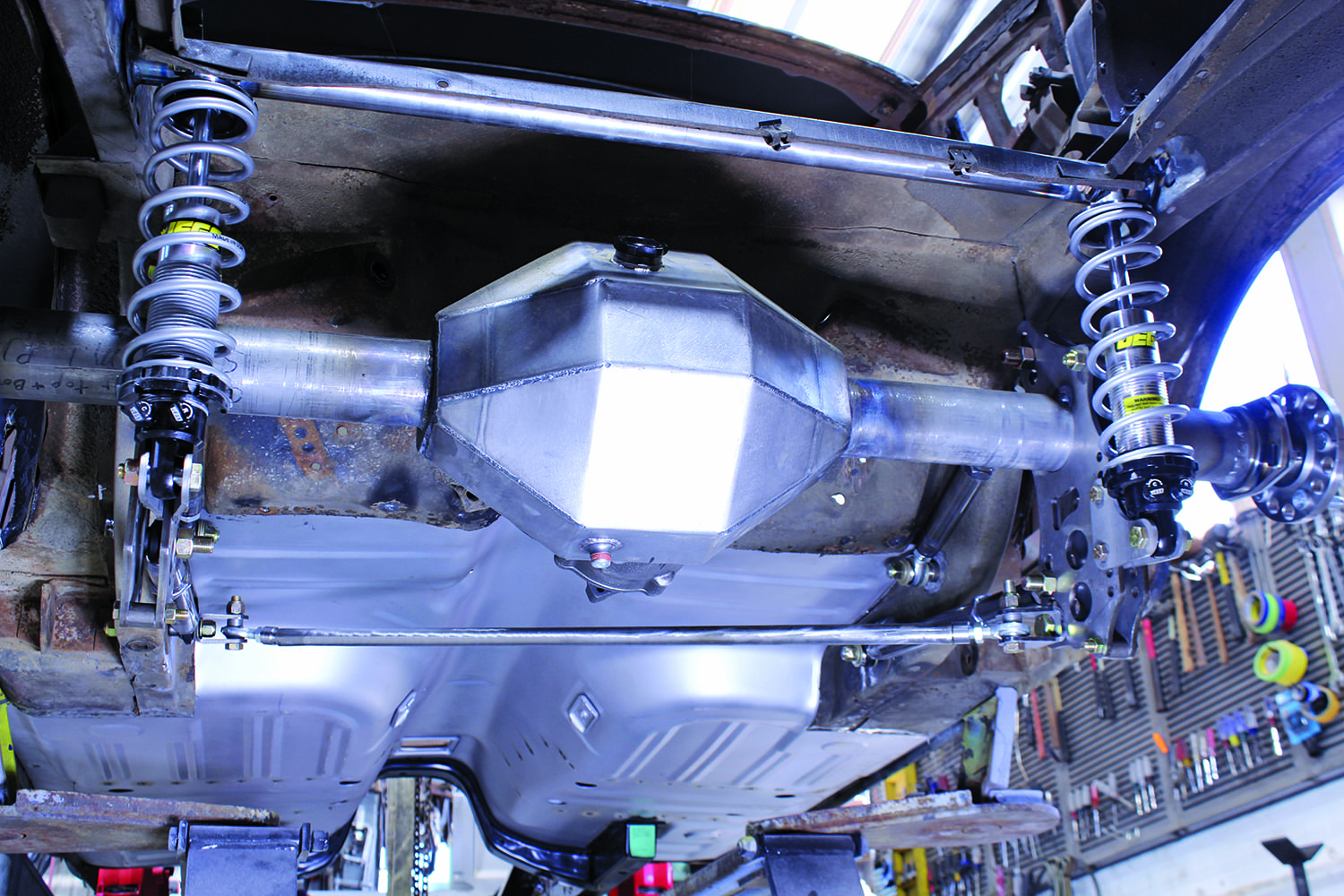
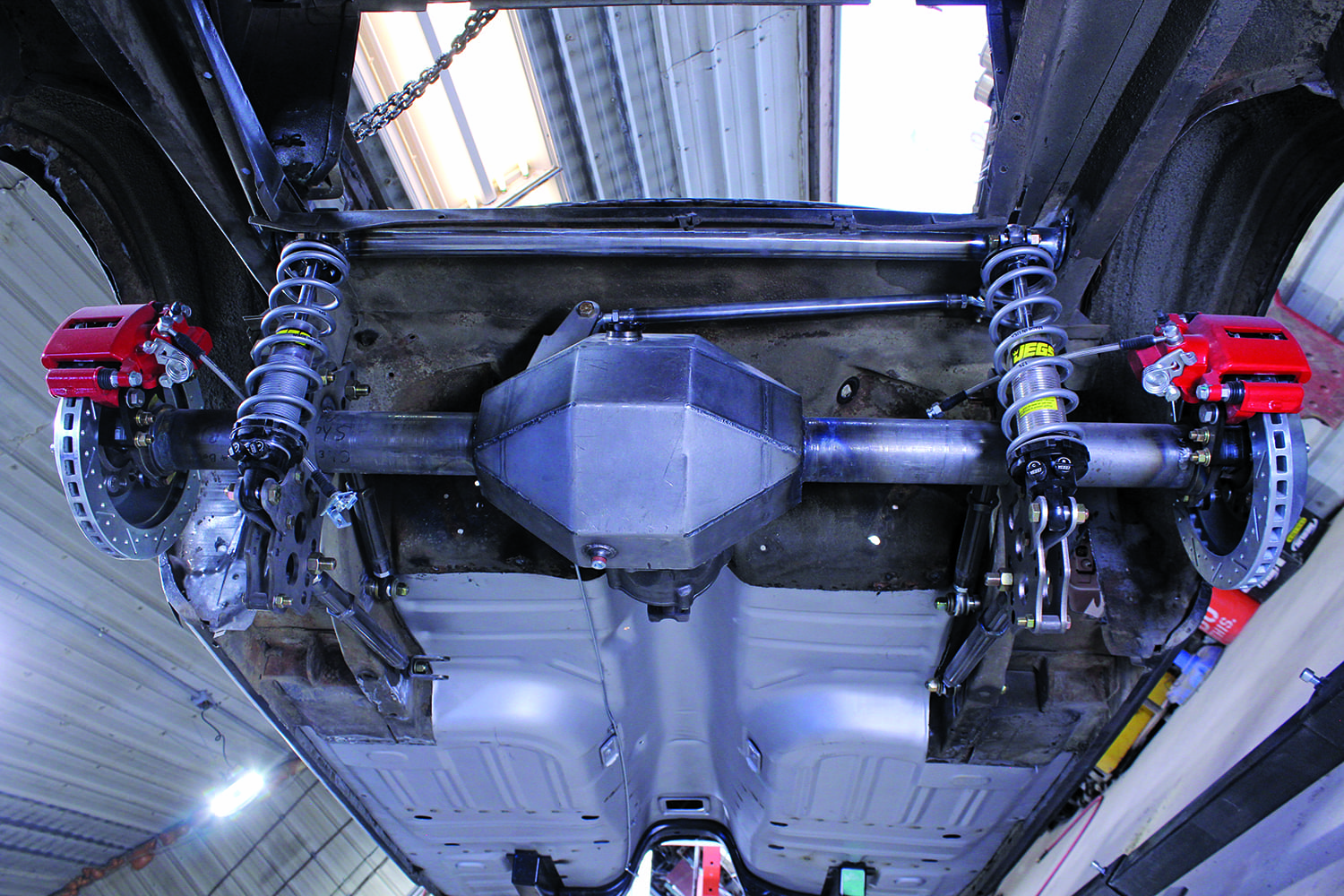
The unique rear suspension under Colin and Sue Radford’s 1965 Mustang fastback consists of a fabricated 9-inch housing, coilovers, and four-links, all from JEGS.
Since the beginning of hot rodding (or roughly the same length of time Brennan has been involved), most enthusiasts have focused on improving their vehicle’s performance. Their typical goals include more powerful engines, better suspension, and improved brakes. For Colin Radford of Radford Auto, these are also his goals and the reasons behind the modifications to his 1965 Ford Mustang fastback. So far, we’ve followed the installation of the new front suspension from Classic Performance Products. Last month, we showed how he assembled a completely new fabricated 9-inch rear axle assembly from JEGS. This time, we caught up with Colin as the ponycar’s rearend received all-new suspension components.
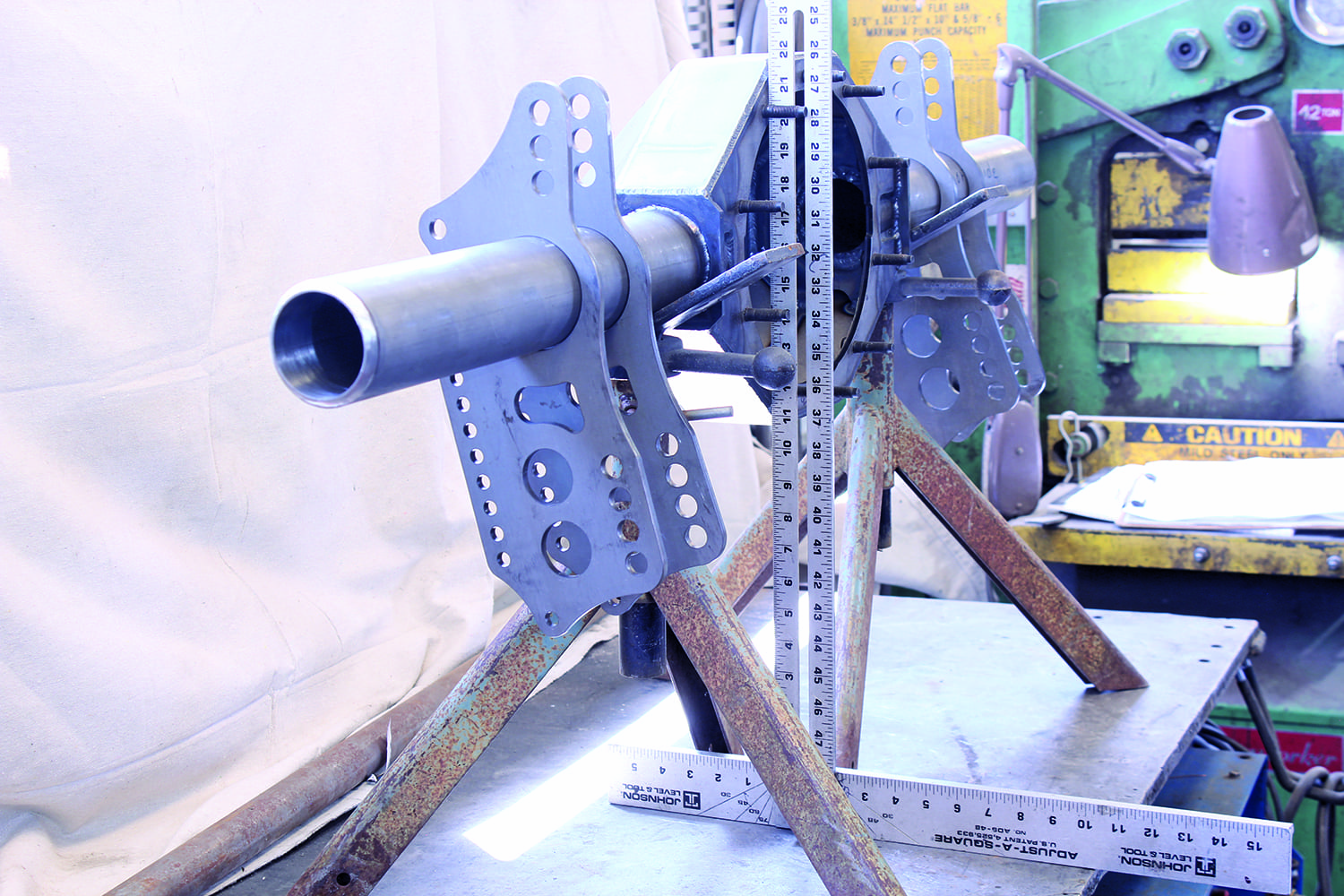
Before the ends were welded to the axle tubes, the four-link brackets were put in place and secured with a small tack weld.
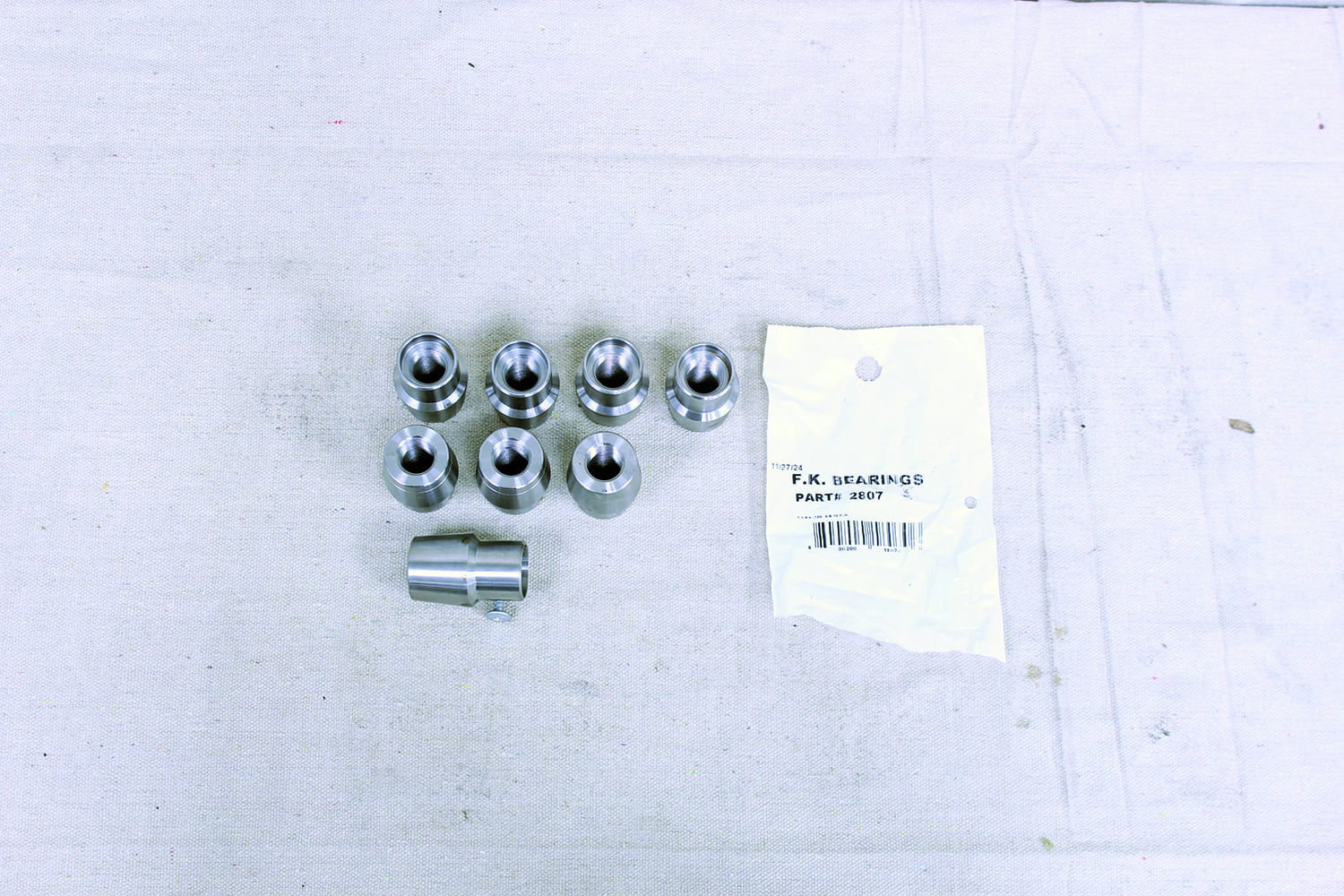
To replace the original springs and shock absorbers, Colin chose a four-link suspension kit from JEGS (PN 555-64650) with coilover shocks. Designed for rearend housings with 3-inch axle tubes, these four-link kits come with ¼-inch-thick housing and frame brackets, four-link bars, threaded inserts made from 4130 chromoly steel, and 5/8-inch rod ends. The axle brackets also serve to mount coilovers and are drilled to accept an antiroll bar.
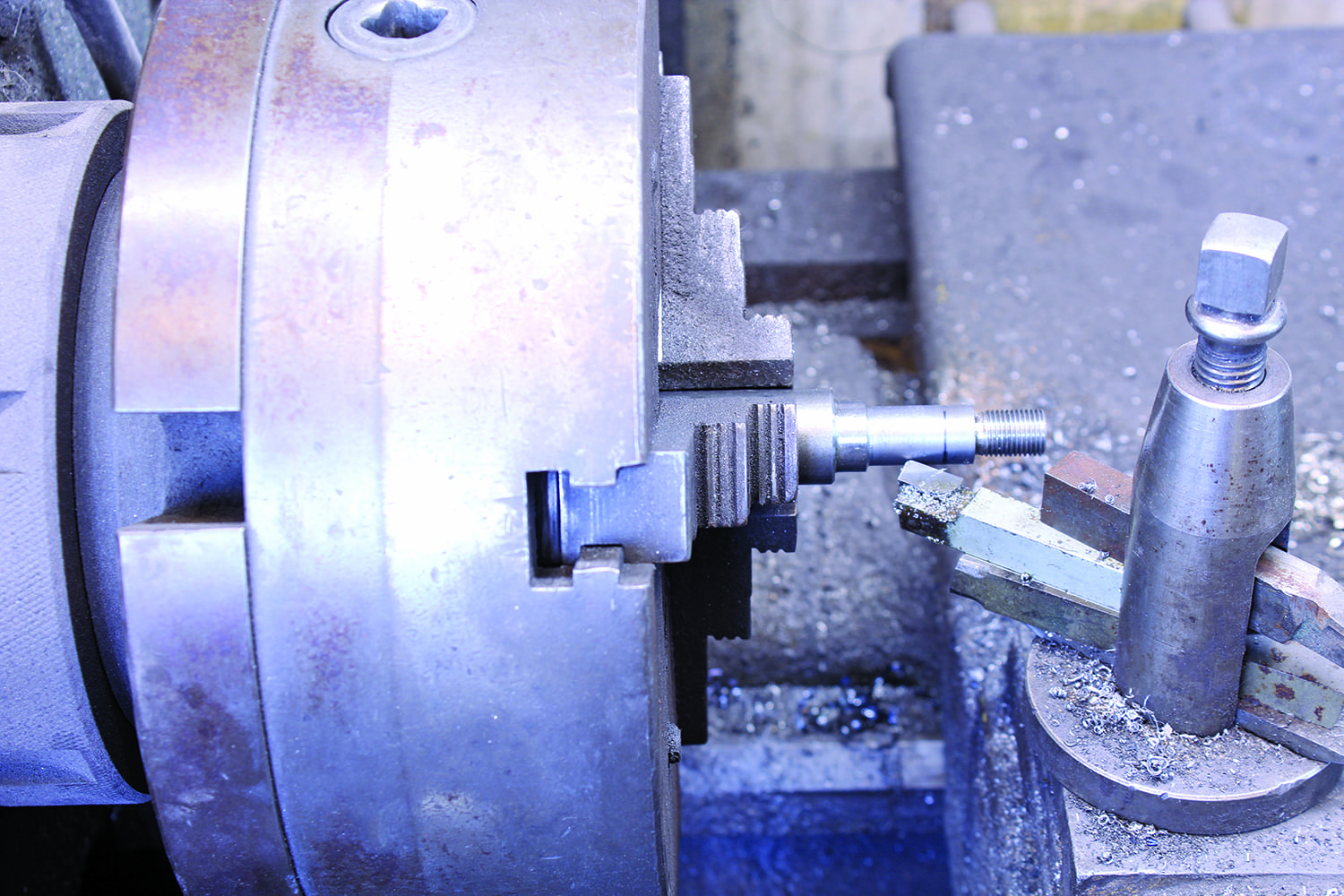
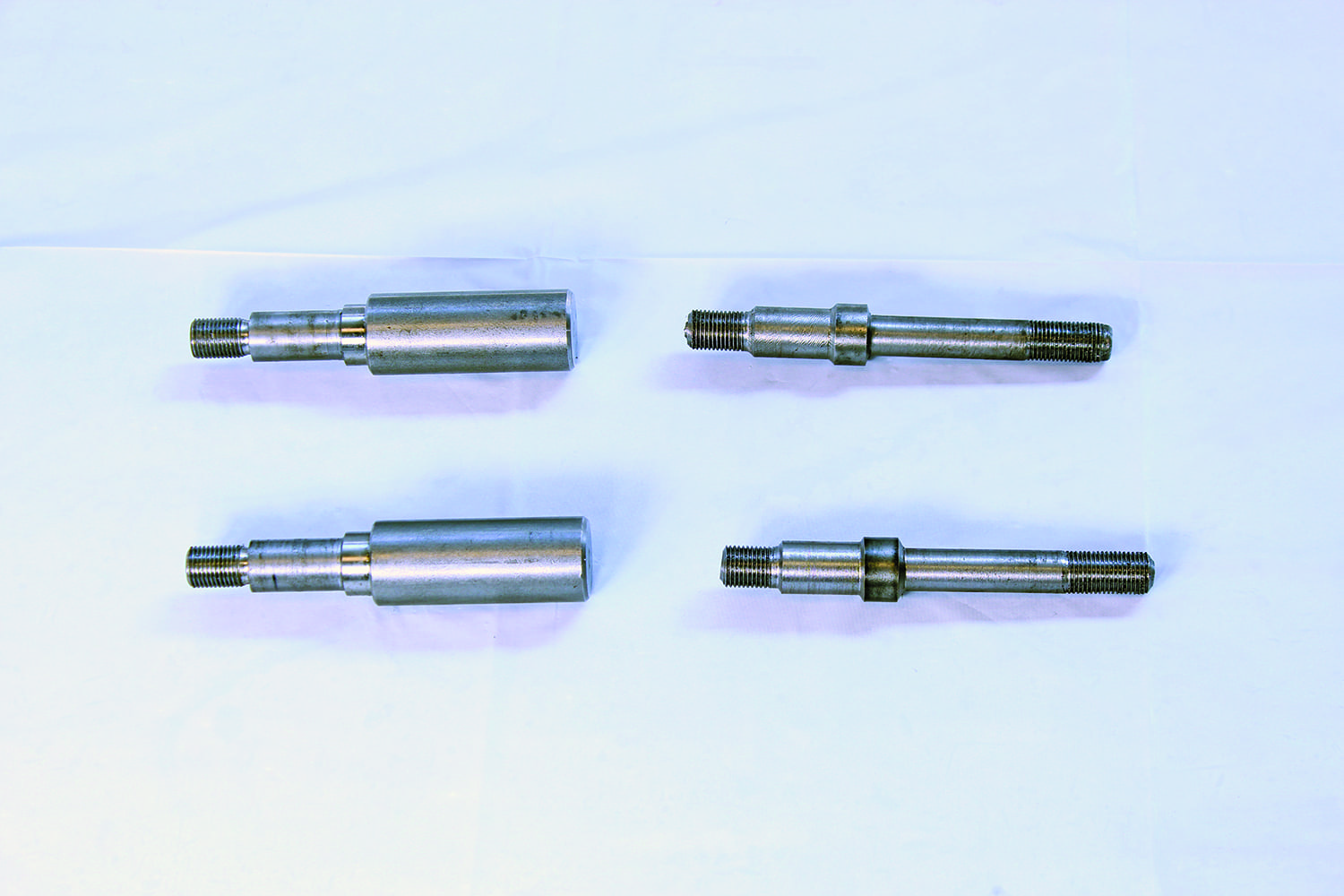
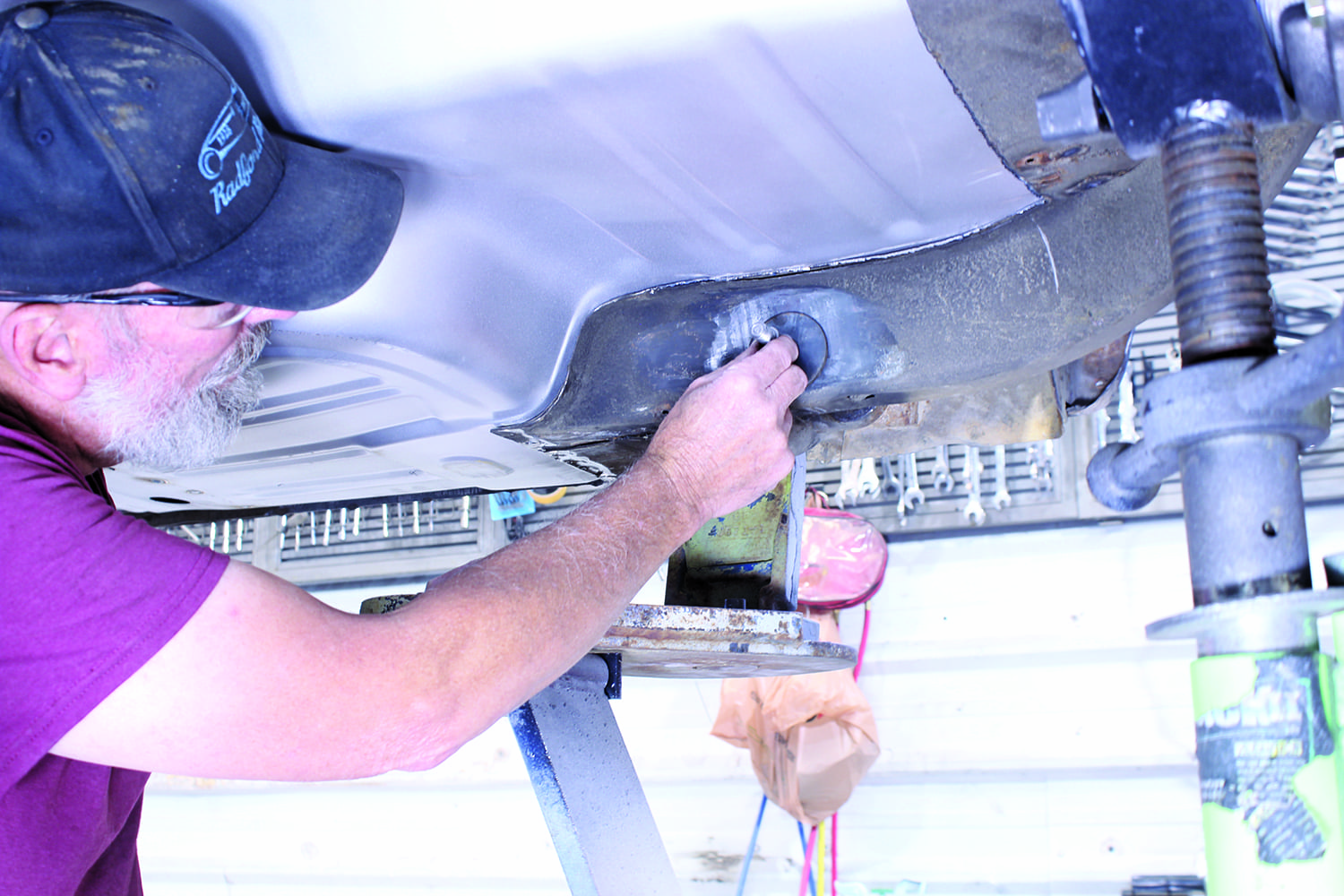
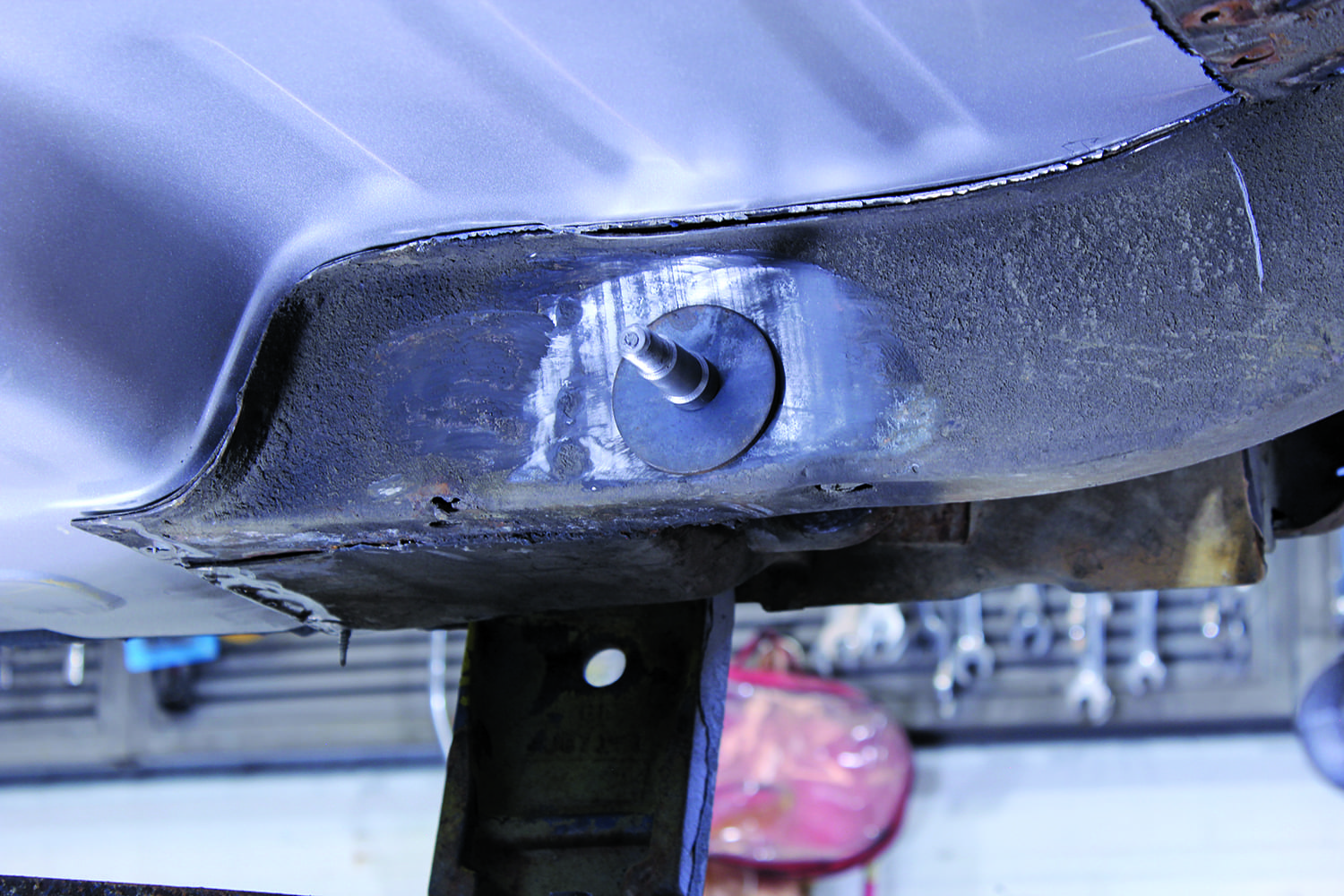
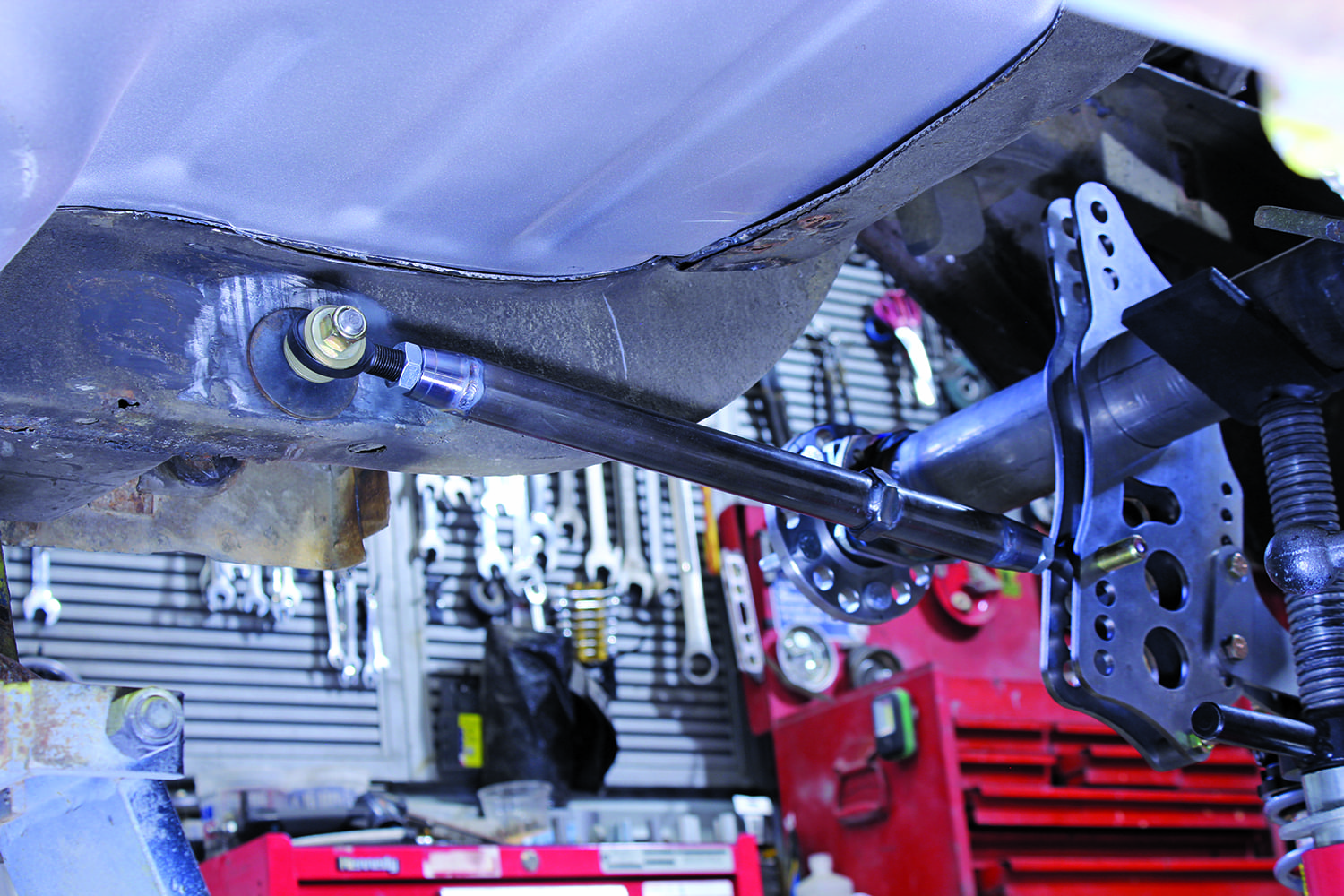
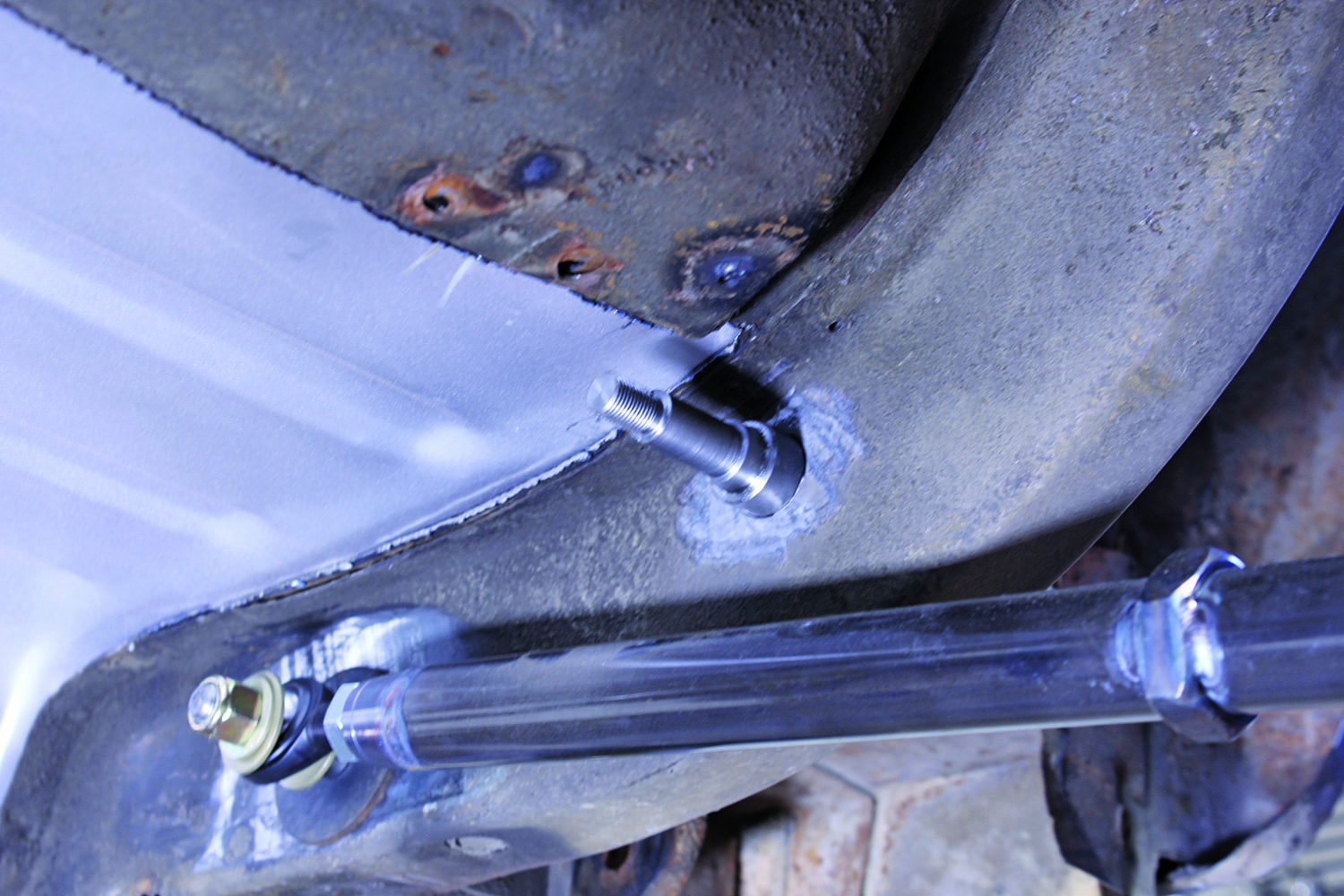
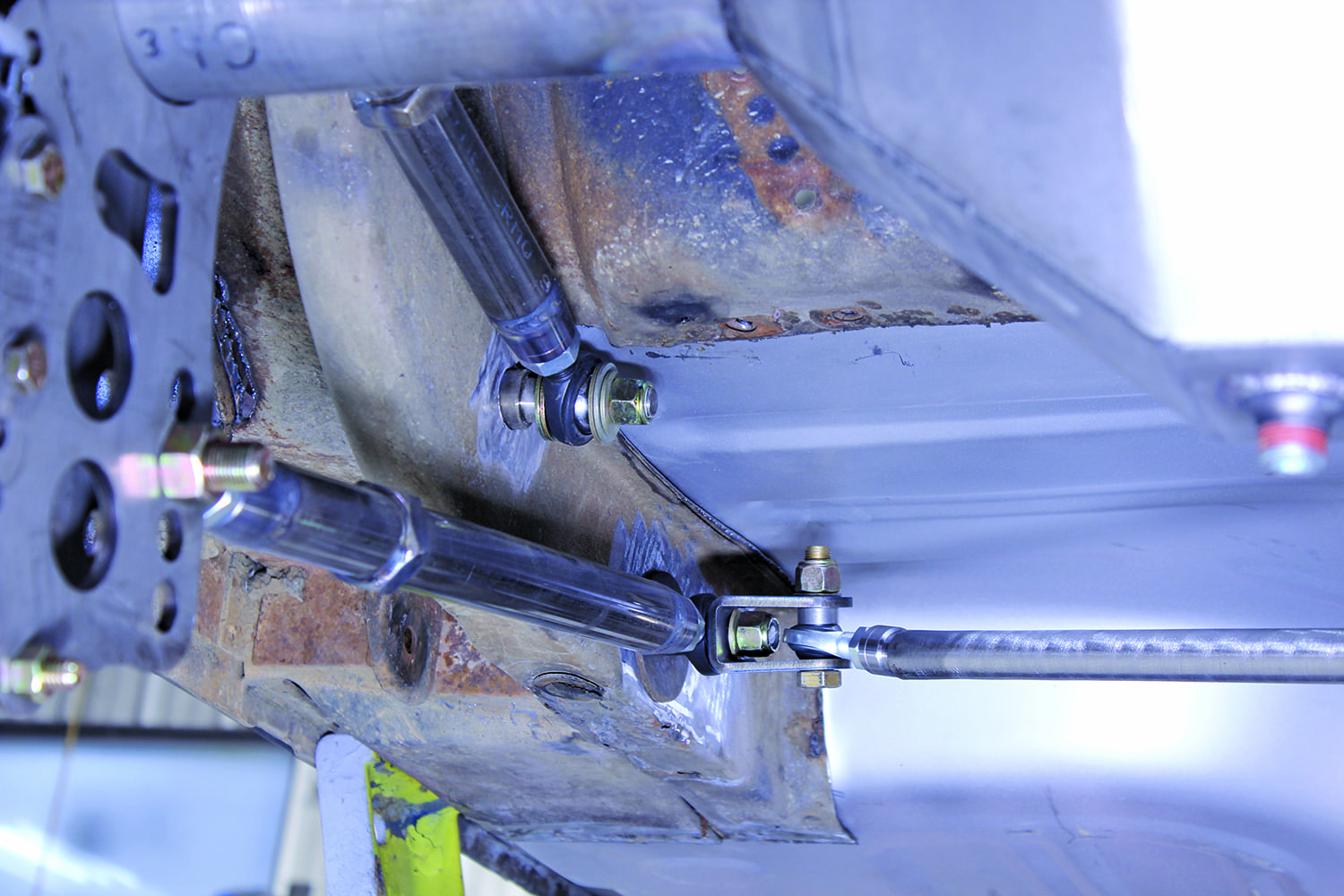
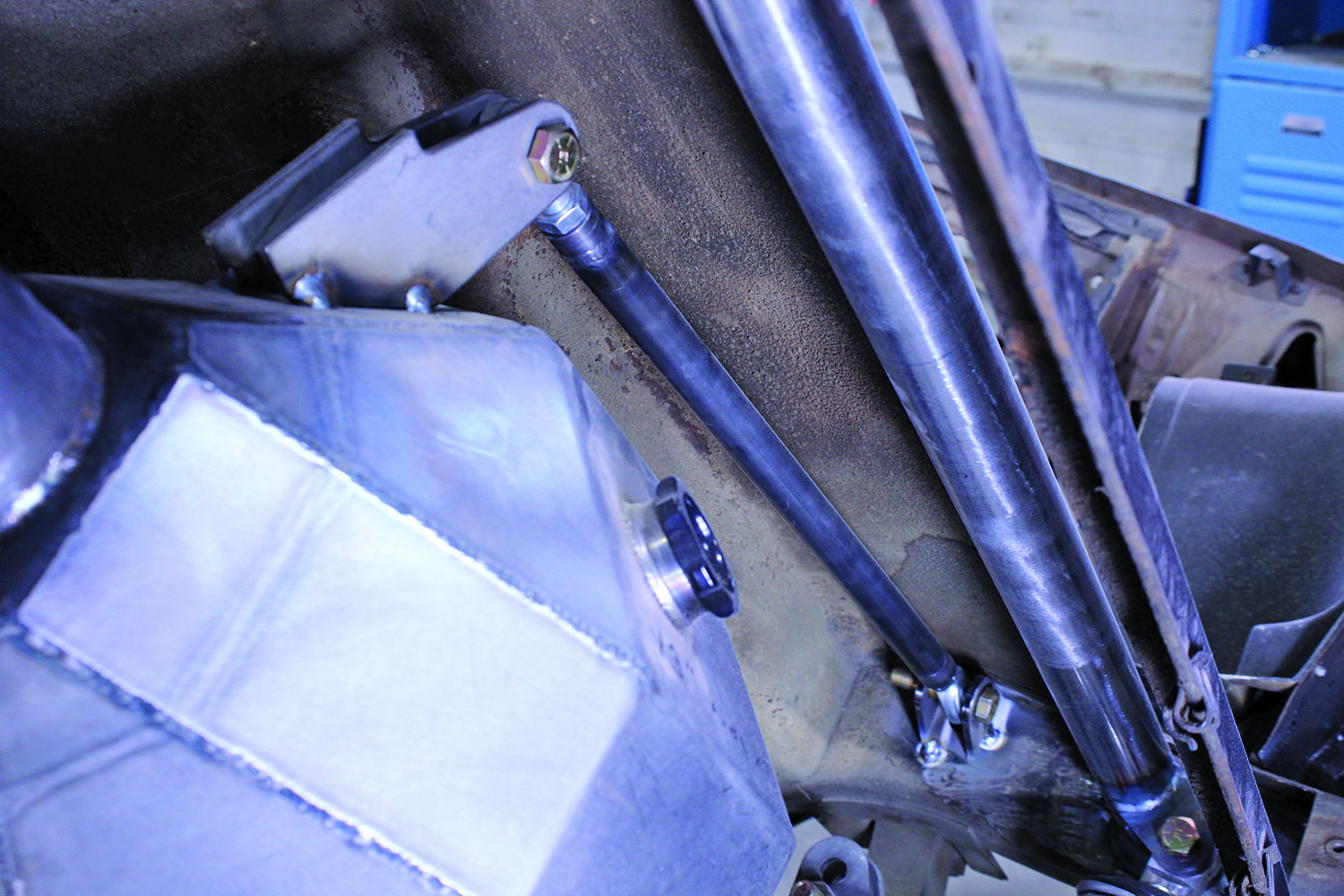
Due to the cramped confines under the rear of the Mustang, Colin fabricated custom mounting studs to secure the four-link’s rod ends to the subframe.
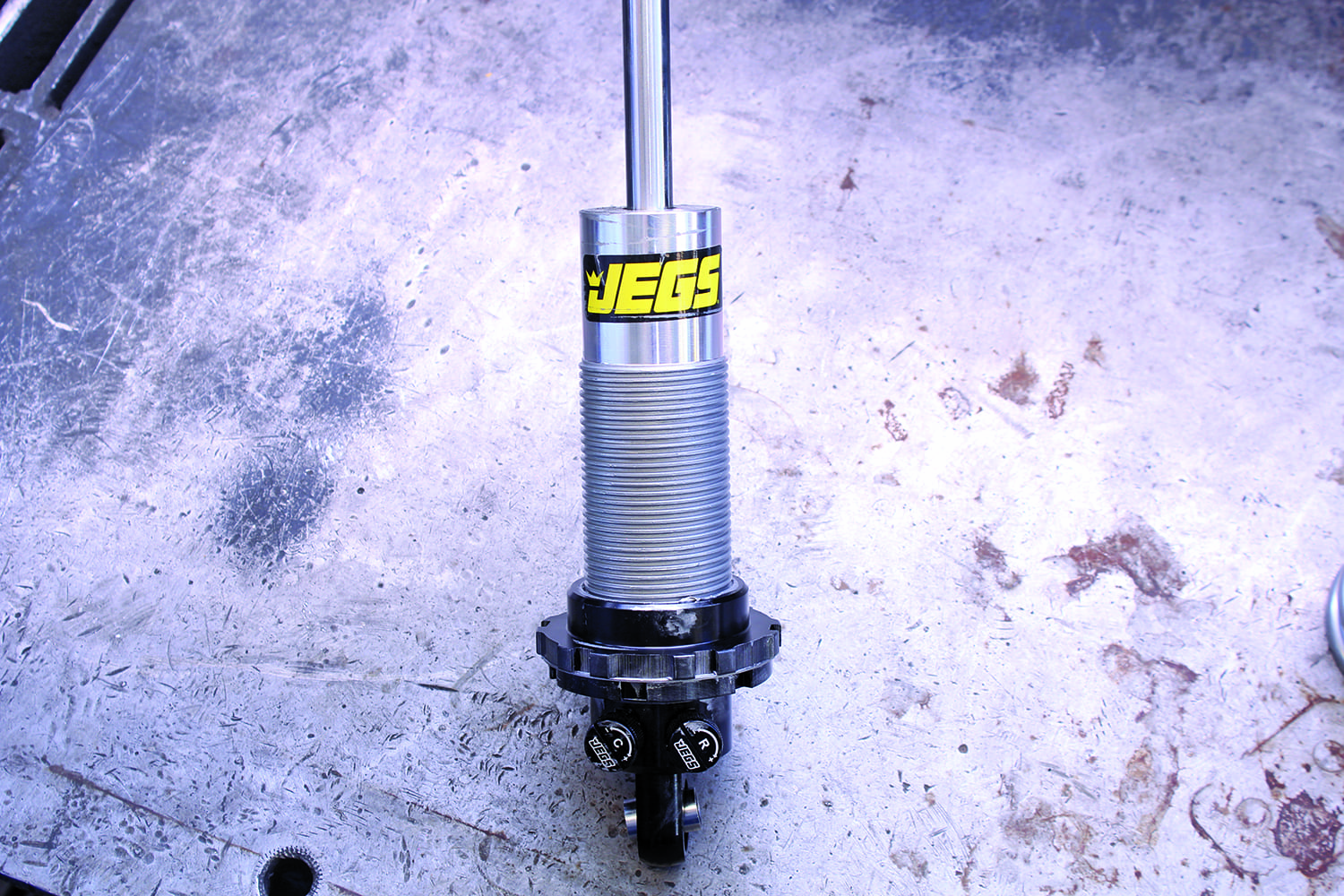
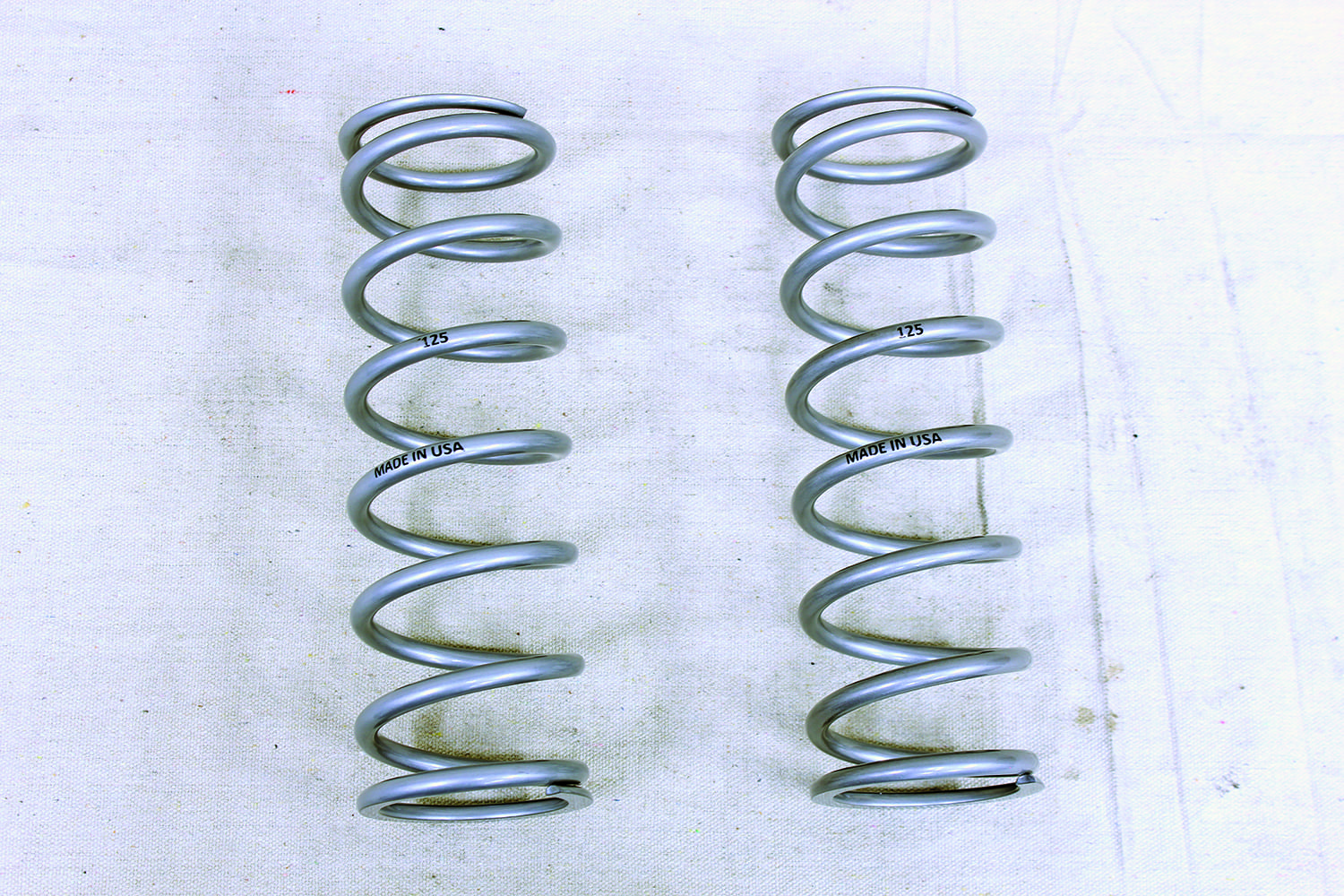
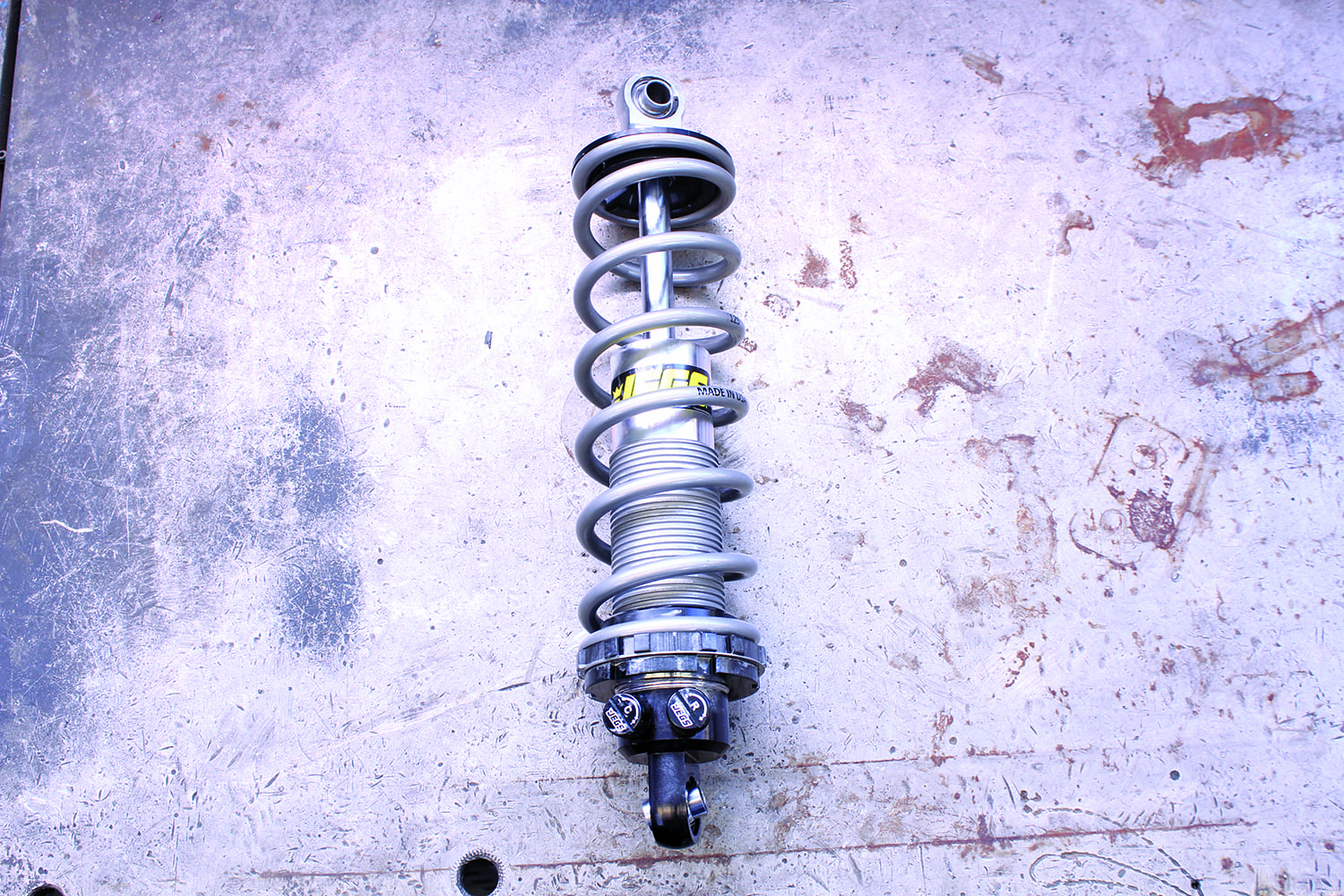
Replacing the factory leaf springs are JEGS aluminum coilovers (PN 555-64900K1). They have a compressed length of 10-1/8 inches and an extended length of 14 inches. For precise suspension tuning, the double-adjustable shocks offer 18 compression and 18 rebound adjustment positions, providing 324 valving options. Rated at 125 lb/in, the included silicon steel springs (PN 555-64952) are silver powdercoated.
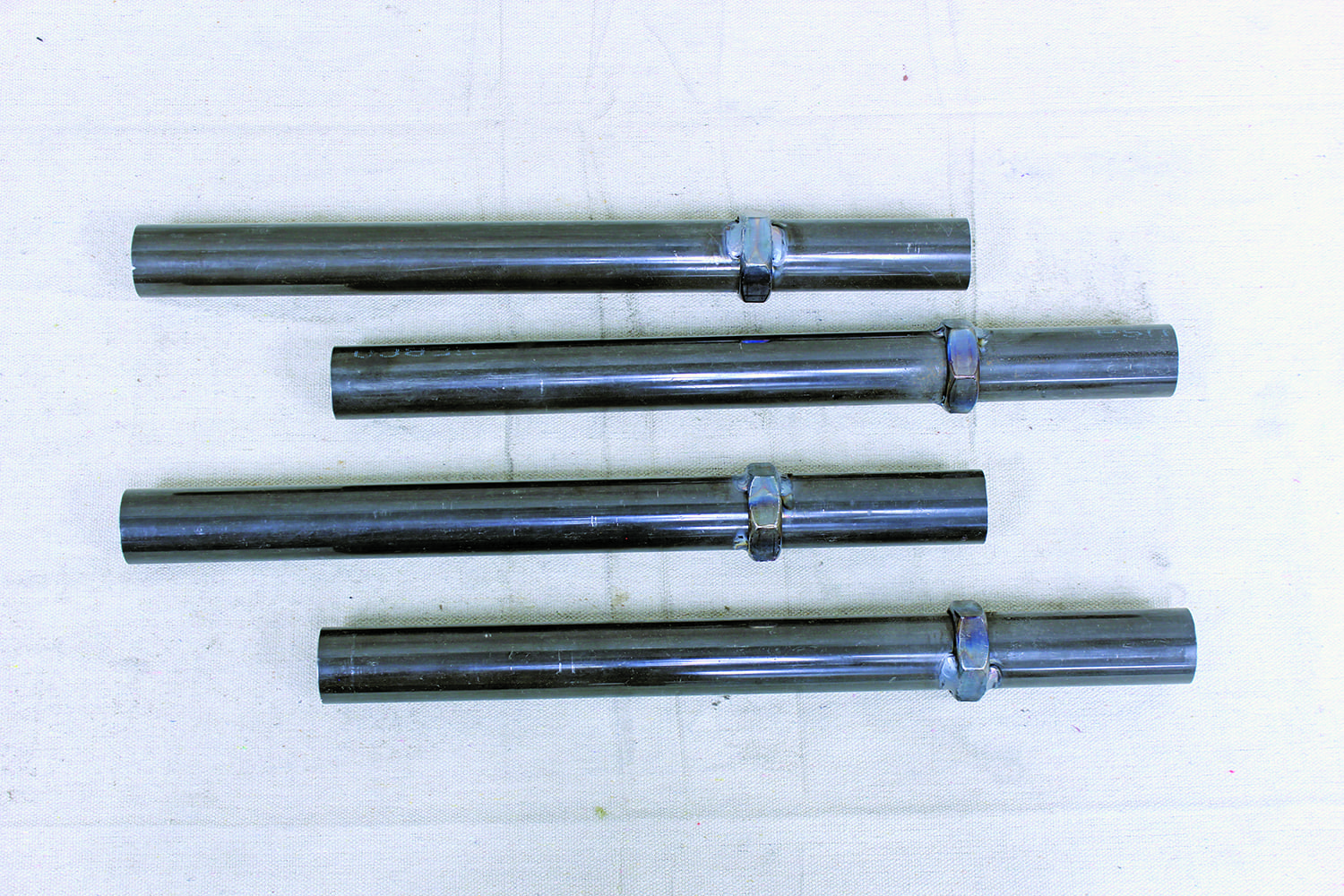
On the left are the mounting studs for the upper links that weld to the subframe. On the right are the studs that fit into the original leaf spring brackets to mount the lower links.
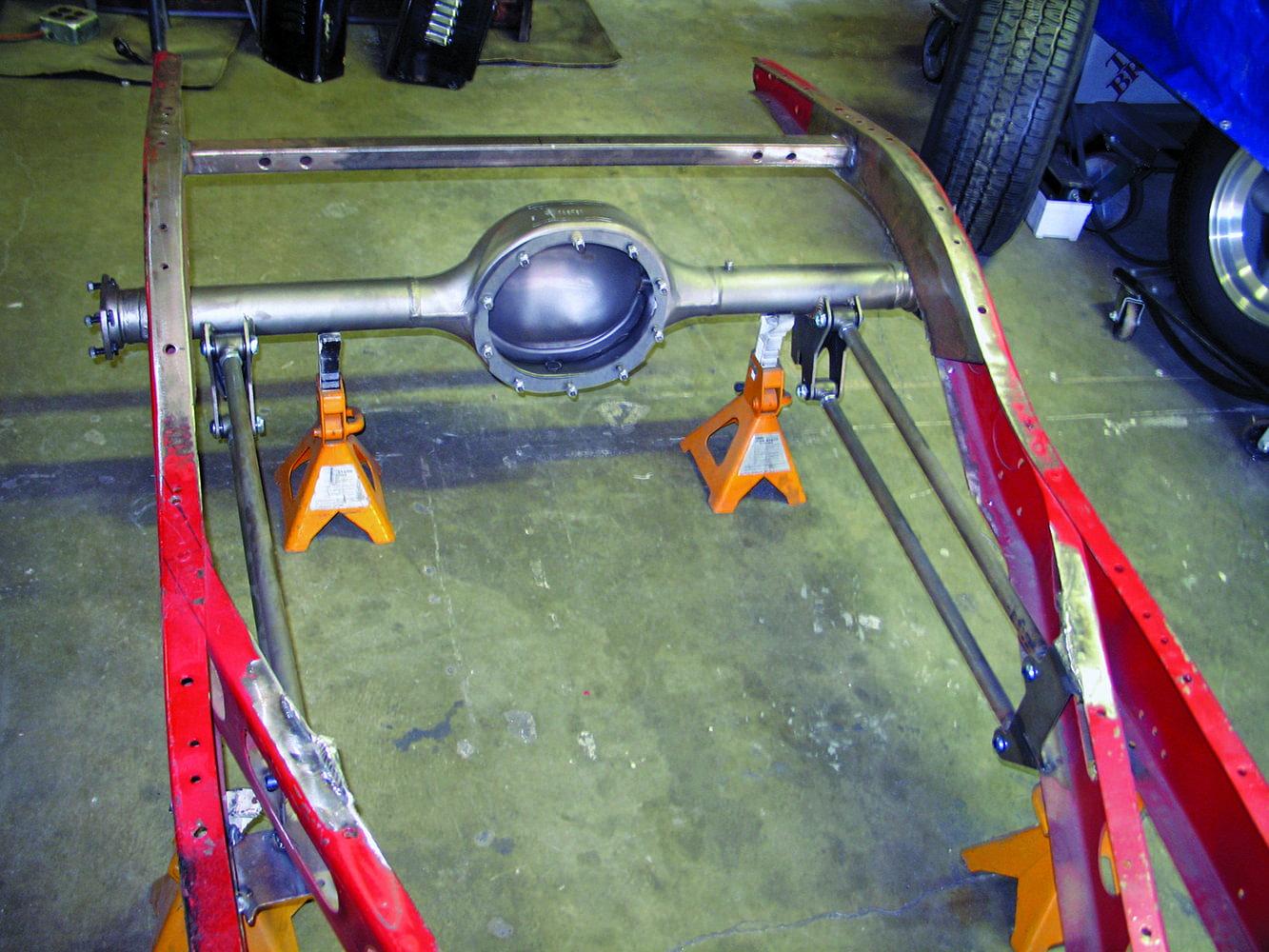
One advantage of a four-link over a conventional four-bar system is its adjustability. By altering the attachment points of a four-link suspension, its behavior, particularly during launch from a standing start, can be changed. Another advantage is that when compared to ladder bars, four-links allow the car to turn without compromising traction, as ladder bars can bind the suspension when the car leans in a corner.
The custom lower links stud pass through the subframe from the inside and are secured on the outside with a nut, just as was done with the original leaf spring. There are factory-installed inserts that prevent the subframe from collapsing when the bolts are tightened.
Something that four-bars (other than the triangulated design), four-links, and ladder bars have in common is the need for some sort of lateral locator to keep the rearend centered under the car. One option is a lateral locator that runs from the rear of one lower four-link to the front of the lower link on the opposite side of the car.
Large flat washers are used on the inside and outside of the lower link stud to distribute the stress and reinforce the subframe.
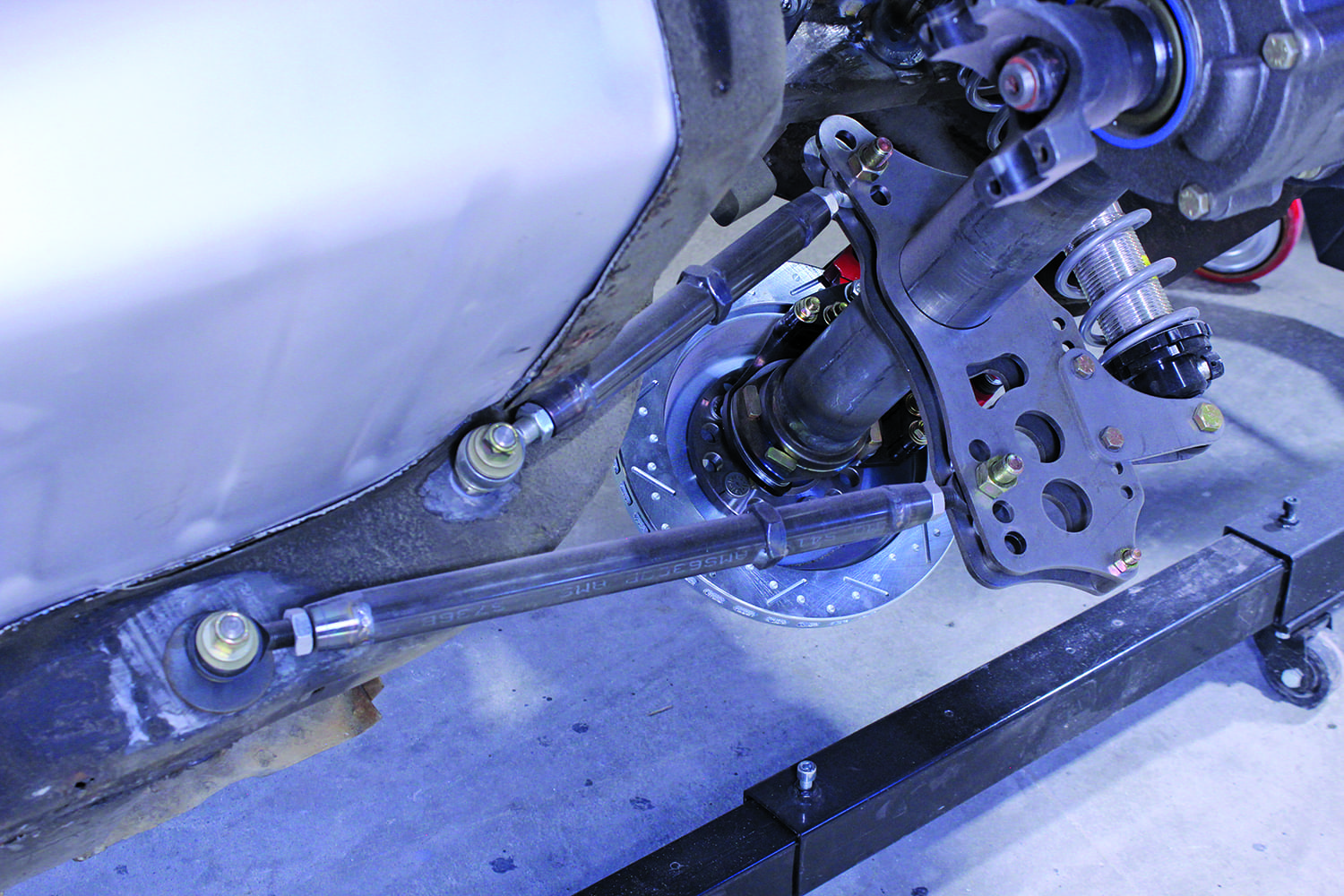
Originally, Colin installed a lateral link under the Mustang, but there was an issue with the driveshaft clearance. This locator style should be attached to the pivot points of the lower links; however, in this case, the rear connection point had to be lowered to clear the driveshaft. So, rather than compromising the performance of the lateral link, Colin did what most hot rodders would do—he cut it up and made it into a Panhard bar. Problem solved: the driveshaft issue was resolved, and the rearend was laterally located.
JEGS four-links are 4130 chromoly tubing threaded inserts for left- and right-hand rod ends to allow adjustments. The hex on the tubing allows adjustments to be made with a wrench.
With the suspension on both ends taken care of, there are still some goals Colin plans to achieve: more power with a built FE Ford V-8 and disc brakes on both ends. But those are stories for another time … MR
Check out this story in our digital edition here.
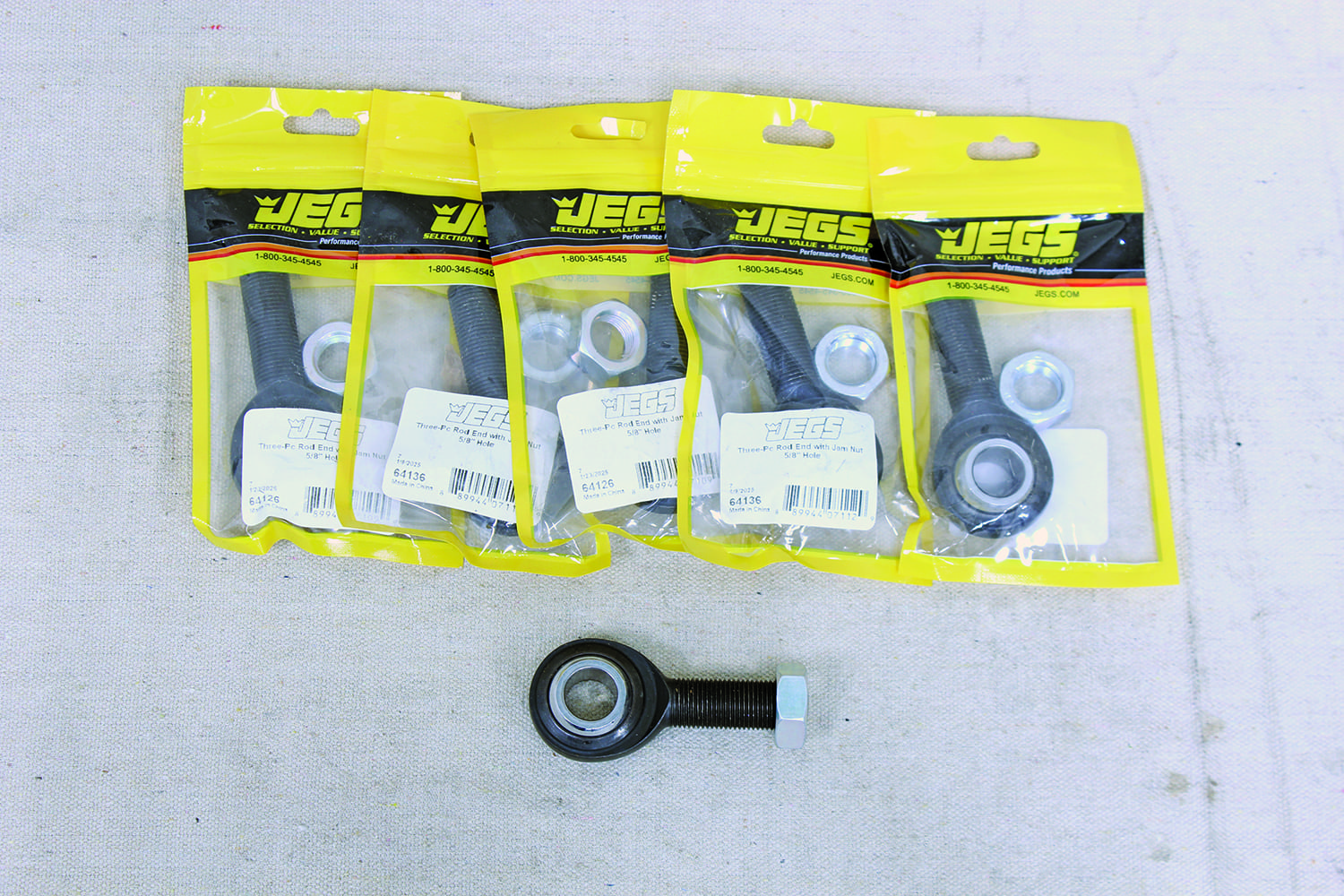
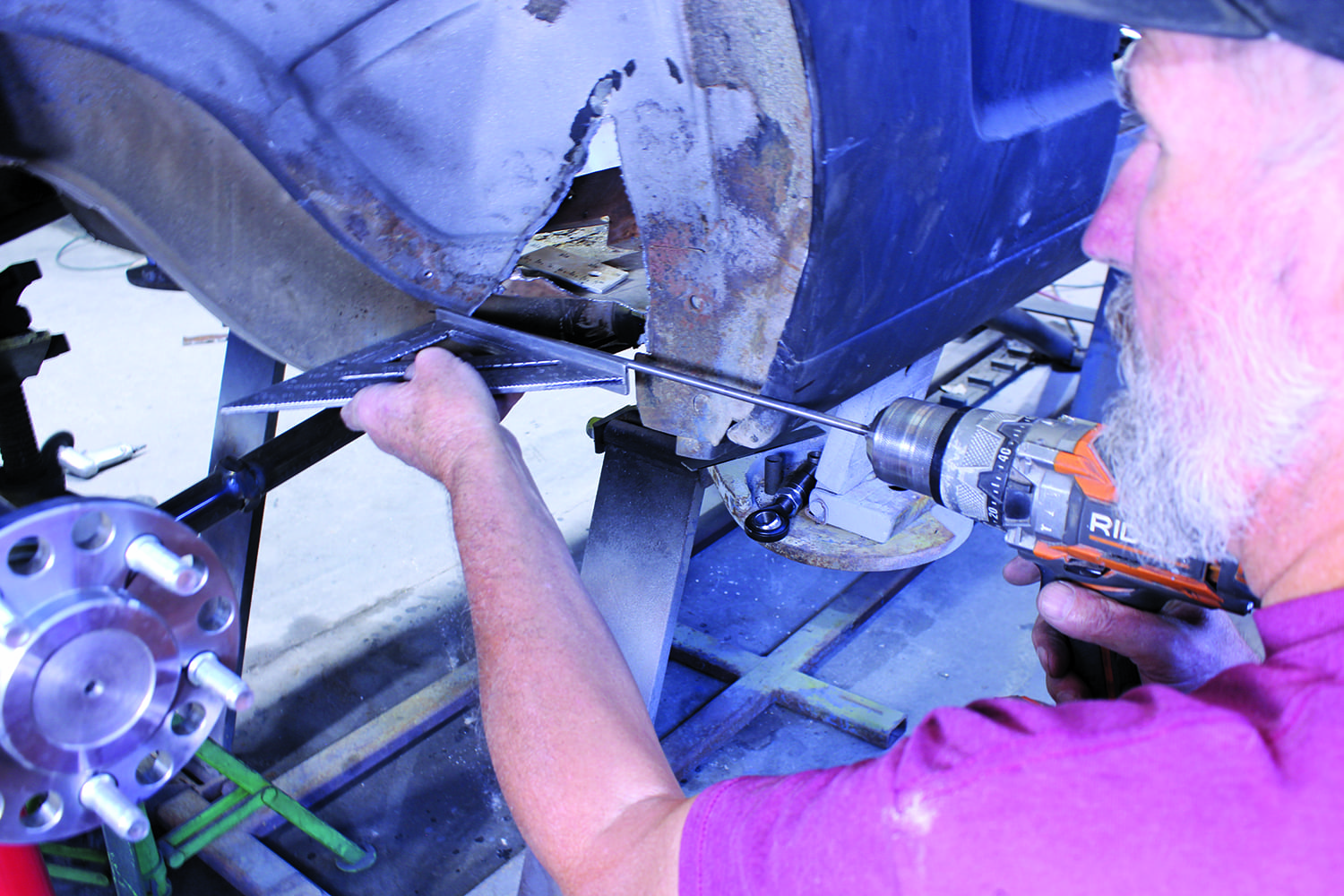
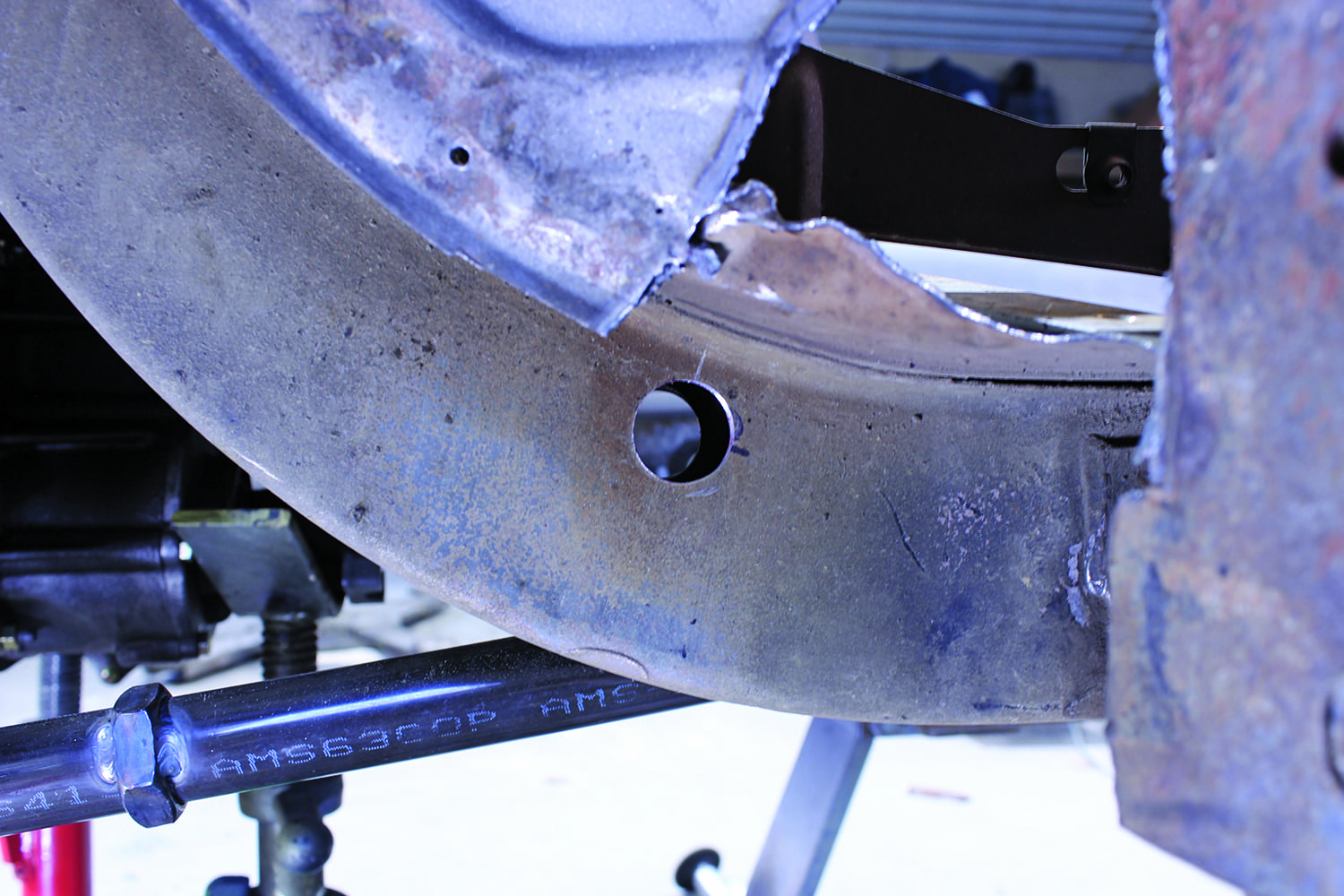
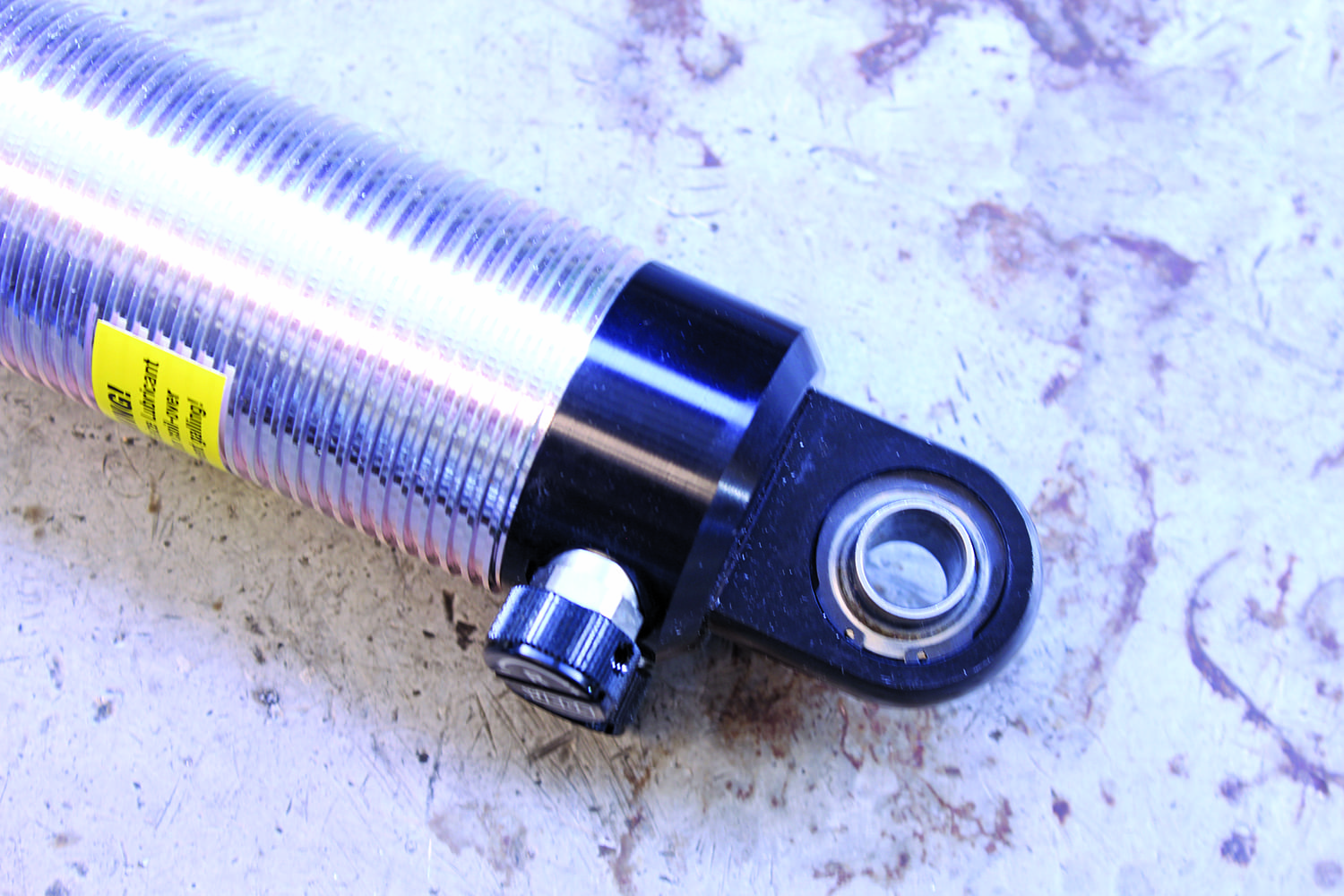
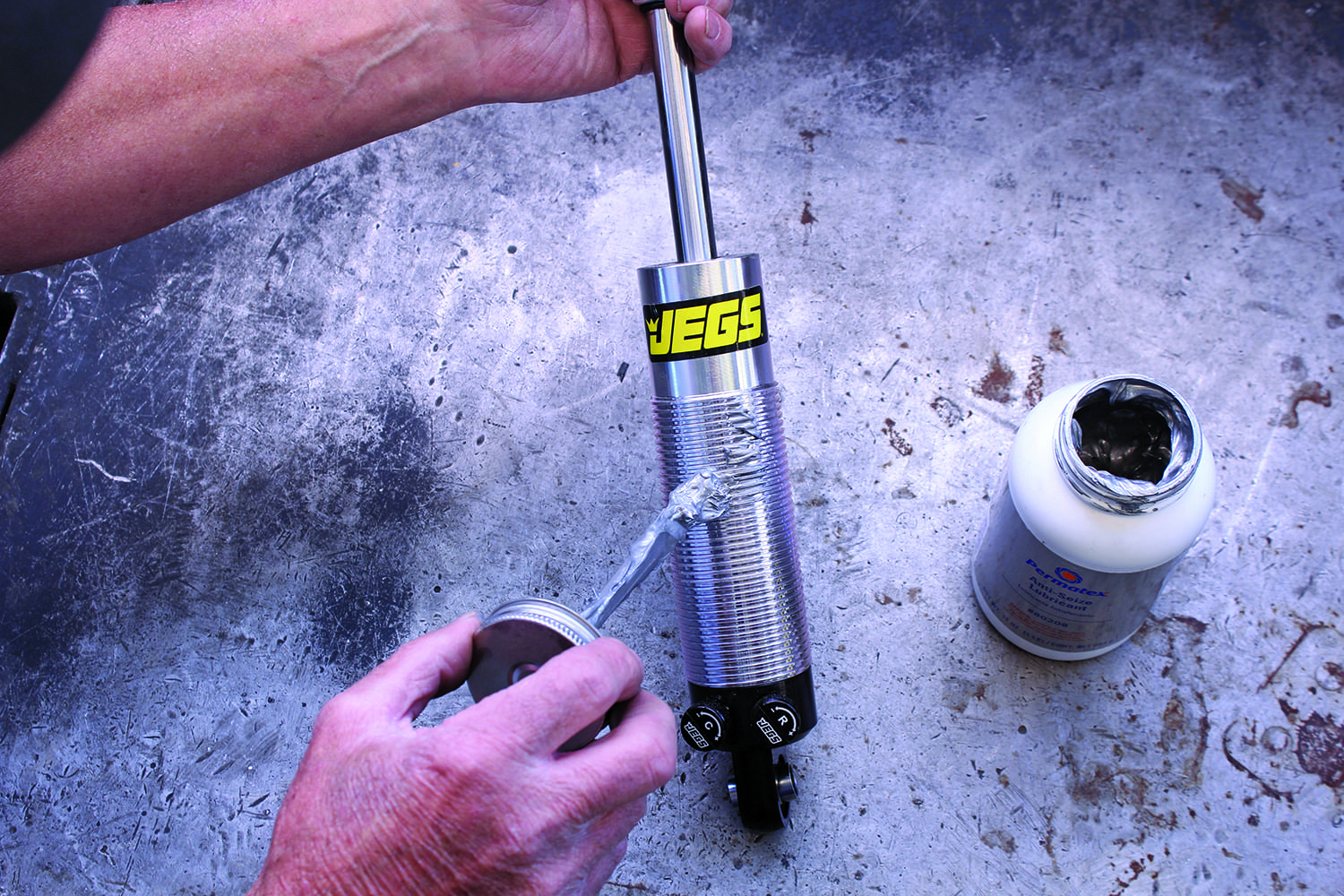
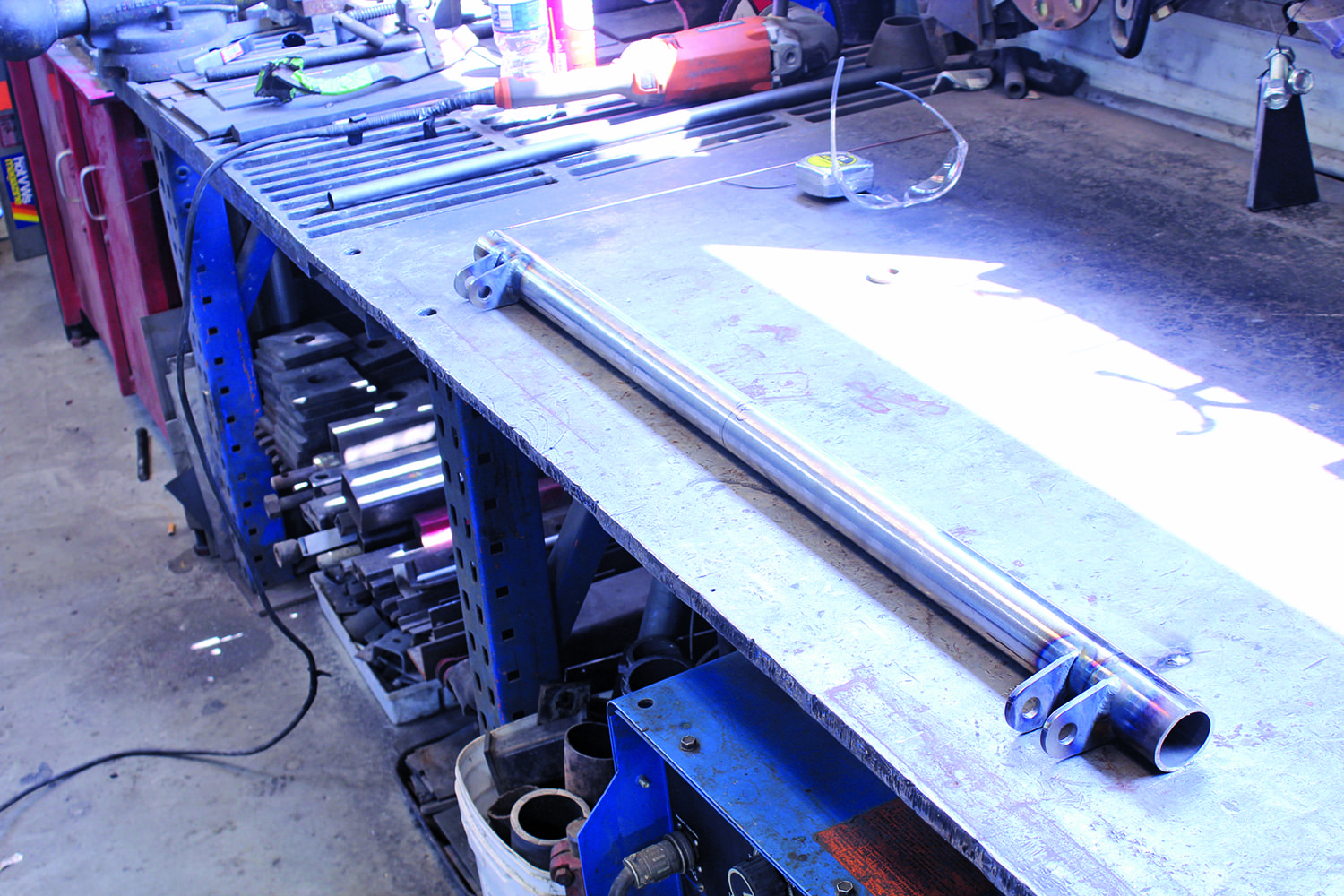
The four-link tubes can be used as-is or cut to length, as necessary. With the length determined, the 4130 chromoly inserts are welded in place—making sure to use a right-hand-threaded insert on one end and a left-hand-threaded insert on the other.JEGS supplied four left-hand and four right-hand rod ends with lock nuts. Threads and mounting holes are 5/8 inch in diameter.Here, a lower link is in place. Note the multiple mounting holes in the axle bracket to allow the angle of the links to be adjusted.With the mounting location of the upper links determined, Colin drilled pilot holes in the subframe for the upper links. Note that a square is being used to guide the drill, as it must pass through both sides of the tube.After drilling the pilot holes, Colin used a hole saw to cut through both sides of the subframe.With the holes cut to size, the upper studs were put in place and welded on both sides of the subframe.The JEGS coilover mounts were equipped with spherical bearings rather than conventional bushings. The bearings are more forgiving of misalignment in the mounting points as the suspension moves.Before installing the adjustable spring seats, the shock bodies were coated with antiseize compound.For the initial installation, the spring adjusters were left at their lowest point. The preload is easily adjusted once the car is fully loaded.JEGS identifies spring rate with numbers on the coils. For this application, 125-pound springs were installed.Along with spring preload adjustment, the JEGS coilovers offer individual compression and rebound adjustments.JEGS’s upper coilover mounting kit comes with a 36-inch length of 1-3/4-inch tubing that can be cut to length as necessary. Included in the kit (PN 555-64082) are four coilover mounting tabs to weld on.The lower coilover mounting brackets on the axle housing have a series of mounting holes that allow ride height adjustments. Note the attachment point for the diagonal locator (arrow).Initially, a diagonal bar was used to locate the rearend side to side attached to the front of the lower-left ink.The original diagonal link seemed like a good idea at the time. However, it would be changed due to the driveshaft interference.The advantage of a four-link is the range of adjustment available. The cramped confines under the Mustang made locating the chassis ends of the upper bars a challenge.By comparison to a four-link, this is a common parallel four-bar system. The bars are parallel and non-adjustable.
We use cookies to ensure that we give you the best experience on our website. If you continue to use this site we will assume that you are happy with it.