


By Ron Ceridono – Images by the Author
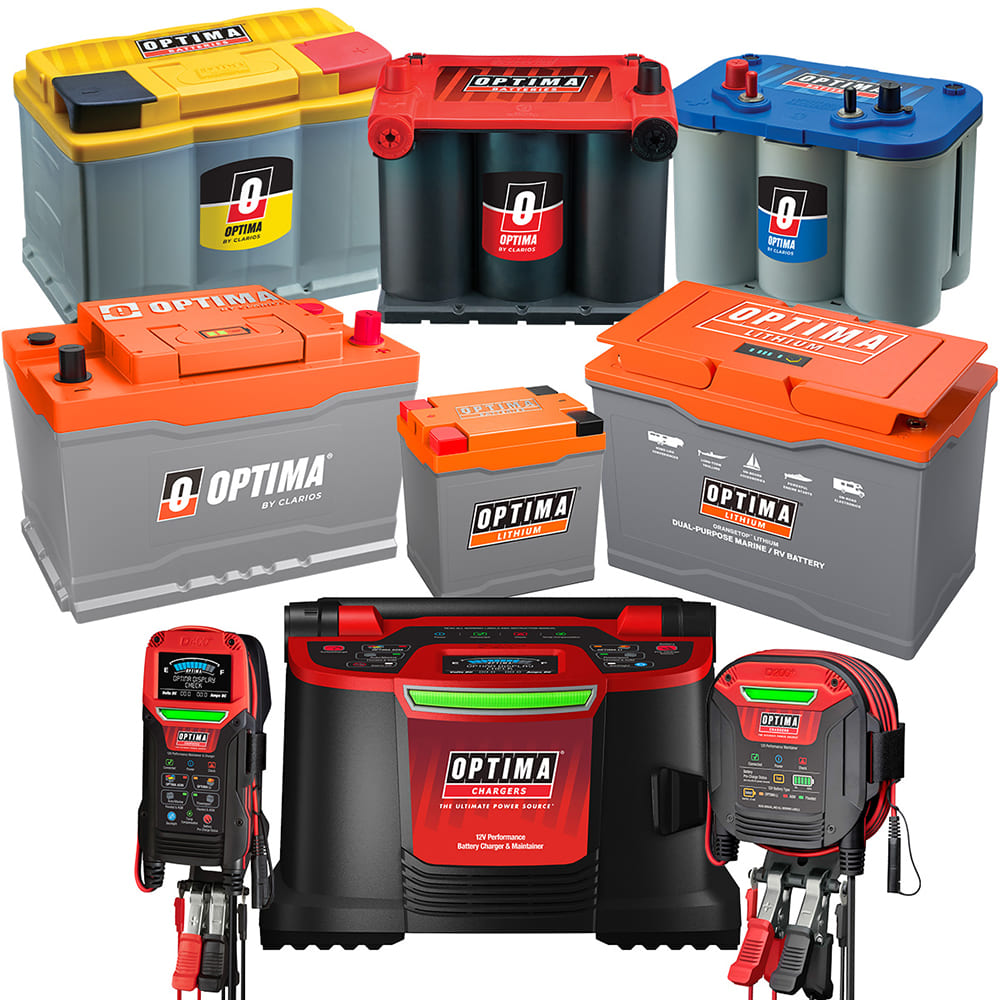
When it comes to batteries most of us don’t think about them until you jump in your truck, turn the key, and nothing happens. So it’s at this point you decide it’s time to replace that old battery, but that’s not the simple chore it once was. At one time the choice easy to make: you bought a battery that fit. However, today there are far more considerations, and with the help of a pair of experts, Daryl Brockman from OPTIMA and Brady Basner from XS Power, we’re going to tell you everything you need to know when it comes to choosing a battery.
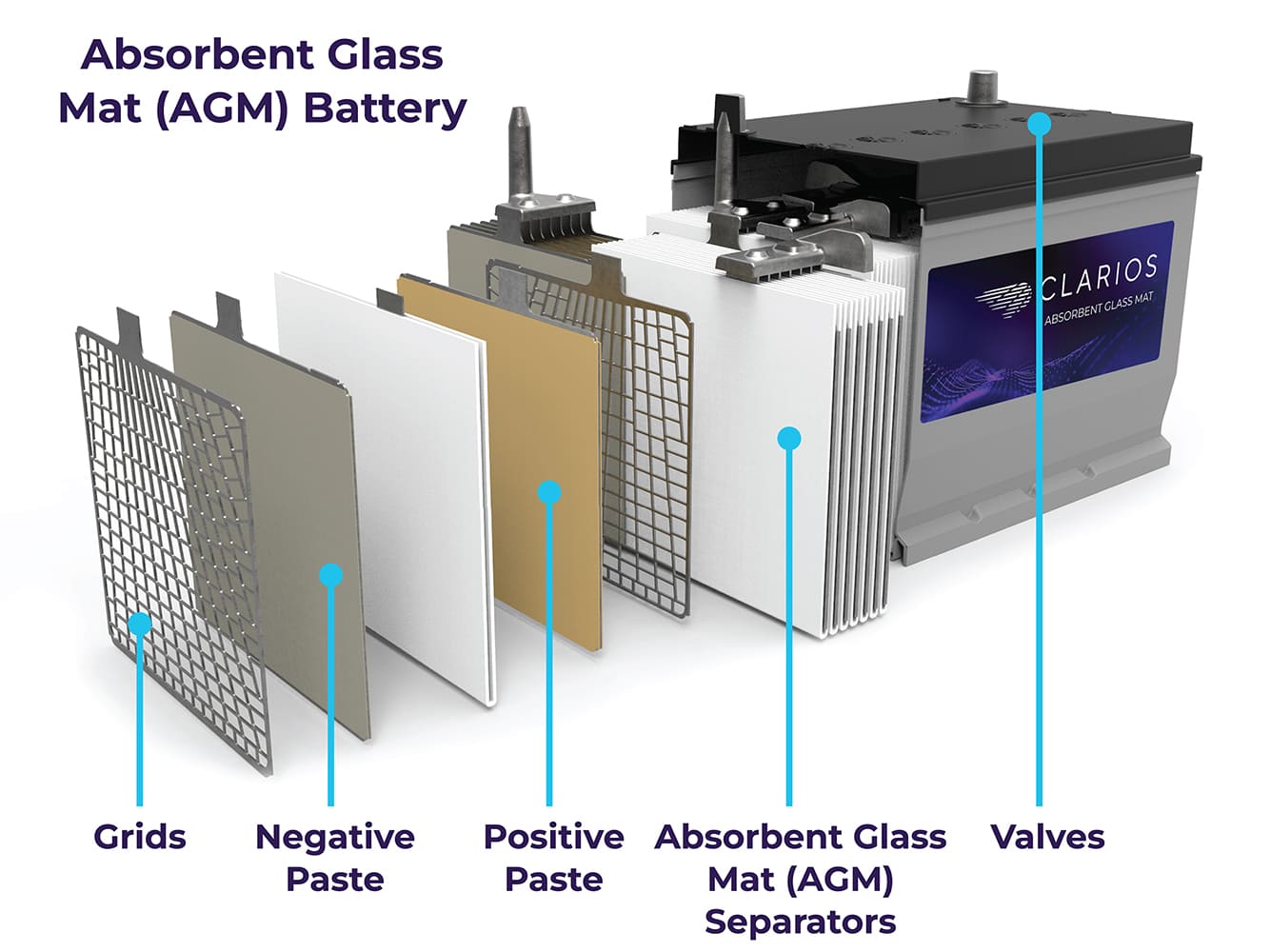
In simple terms, a battery is an electrochemical device for storing the electrons we know and love as electricity. A battery has anodes (negative plates), cathodes (positive plates), and an electrolyte that allows electrons to move between the plates. In a lead-acid battery the plates are made up of a lead grid covered with lead oxide paste to carry the current. In use (supplying an electrical load), electrons travel from the anode where they’re “stored” to the cathode and on to the device using power. During the charging process the electrons are moved in reverse direction from cathode to anode. While there are several reasons for batteries to fail, when the lead oxide paste eventually “wears out” the battery can no longer function.
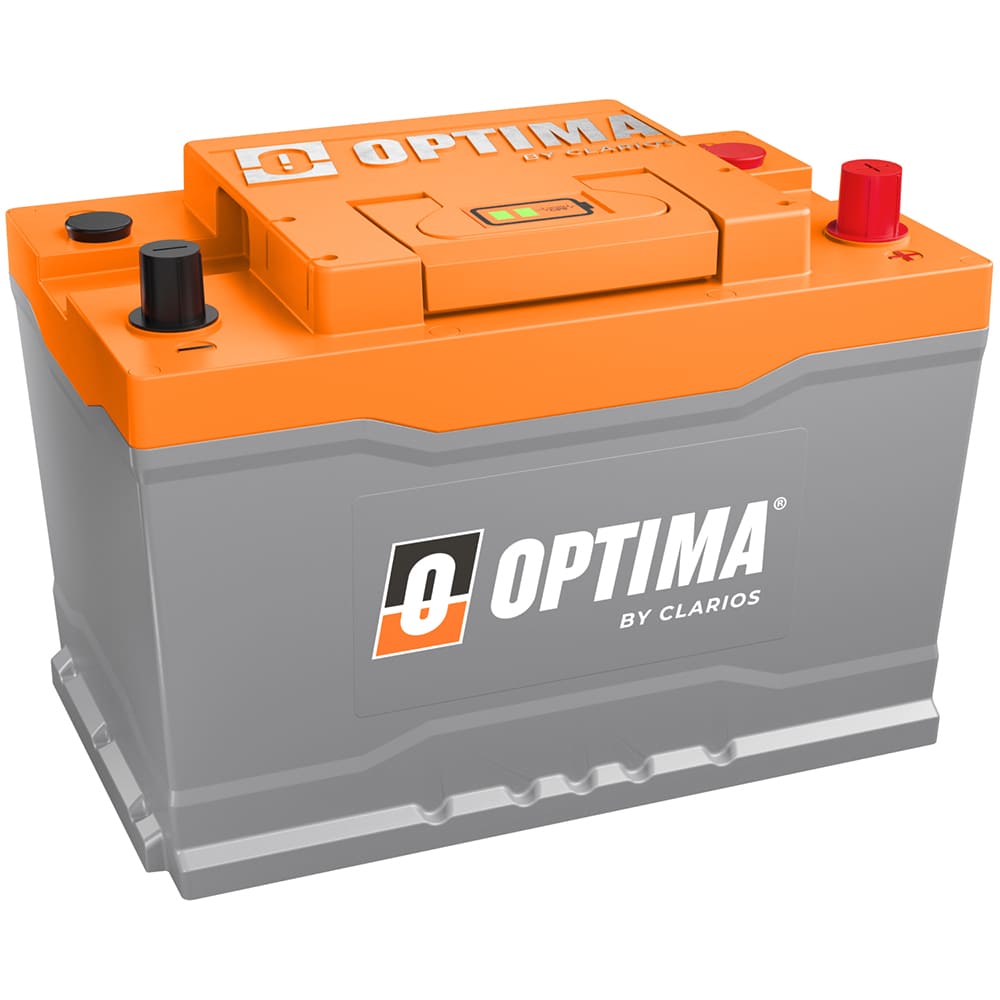
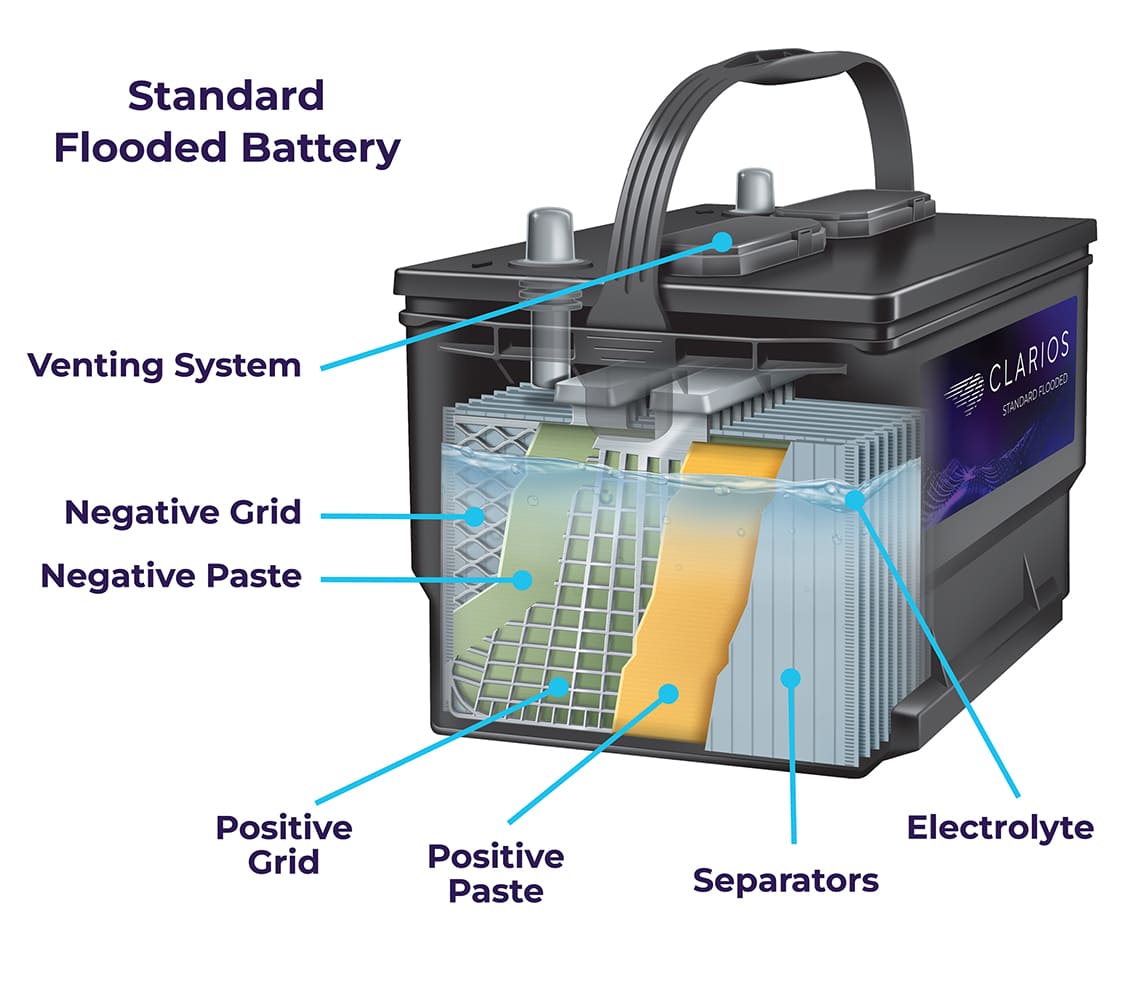
When choosing a lead-acid automotive battery they will fall into these basic categories: flooded, maintenance-free, AGM, and gel. In a flooded battery, the plates are in a bath of liquid electrolyte. Because the plates are not held tightly together, batteries of this type can be more susceptible to vibration-induced failure and “paste shedding,” where paste can fall away from the grids reducing performance and life. Flooded batteries often require maintenance in the form of checking and adding water (distilled water is recommended as tap water contains harmful minerals). Maintenance-free batteries are sealed flooded batteries without the ability to top off the electrolyte.
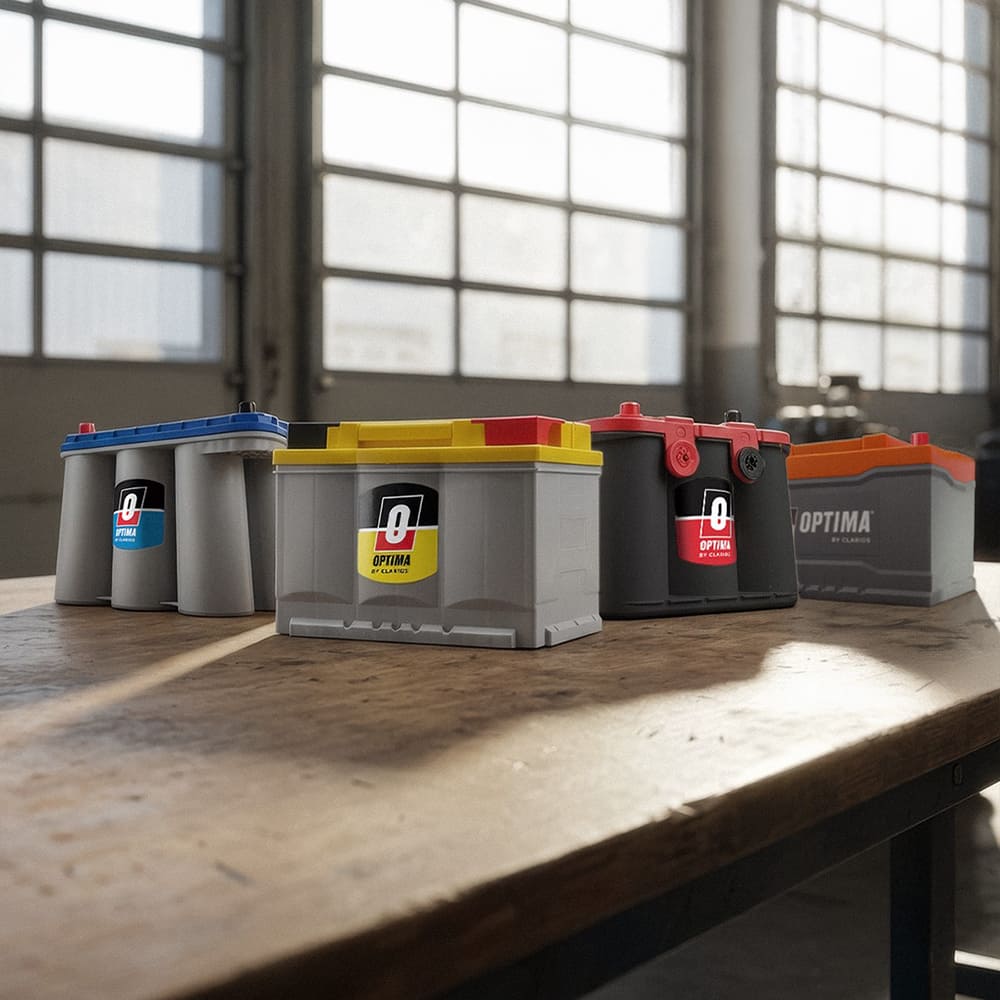
Similar to the flooded design, gel batteries use a thick electrolyte rather than a liquid. The gel in these batteries is usually a combination of sulfuric acid (the same as used in other lead-acid batteries) and silica powder. The blending of the two materials turns the liquid electrolyte into thick substance that absorbs and suspends the electrolyte. Gel batteries (often mistaken for AGM) aren’t commonly used for engine starting.

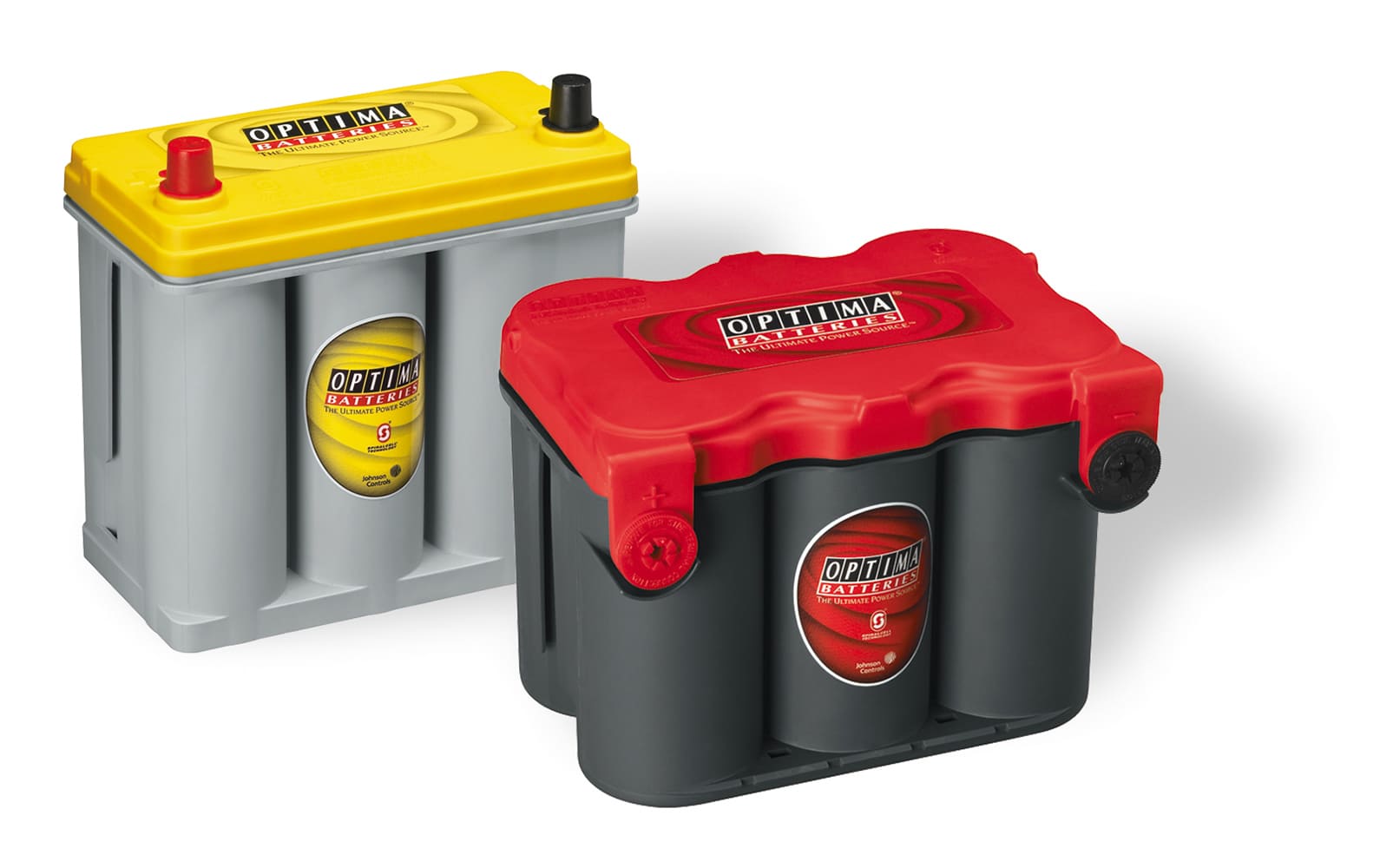
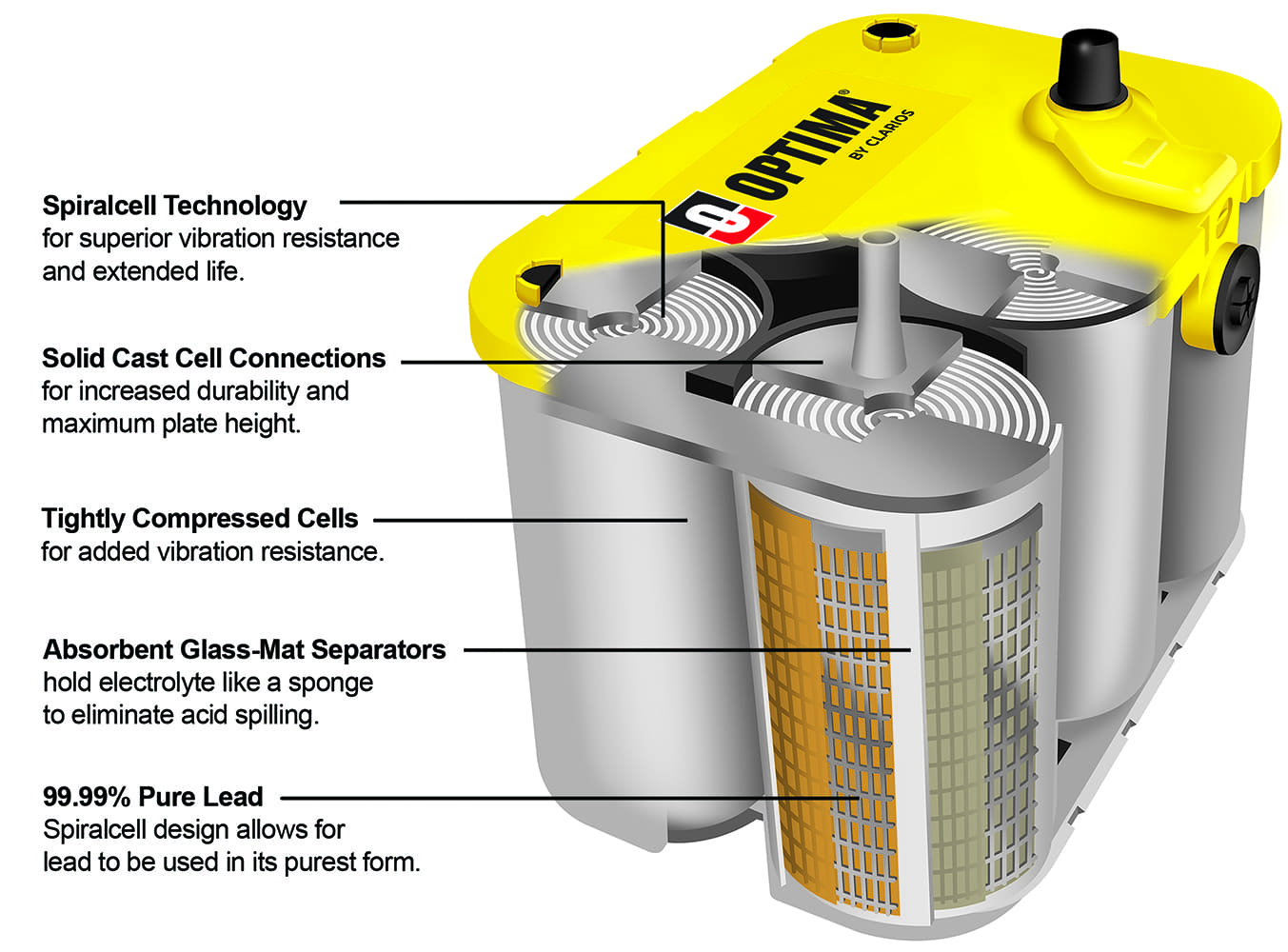
A popular option is the AGM (absorbent glass mat) battery. This design uses fiberglass material to hold the acid in suspension, like a sponge so there is no “free” liquid inside the battery to spill. AGM batteries have several advantages over flooded batteries, including no maintenance, increased efficiency, improved vibration resistance, and elimination of paste shedding.
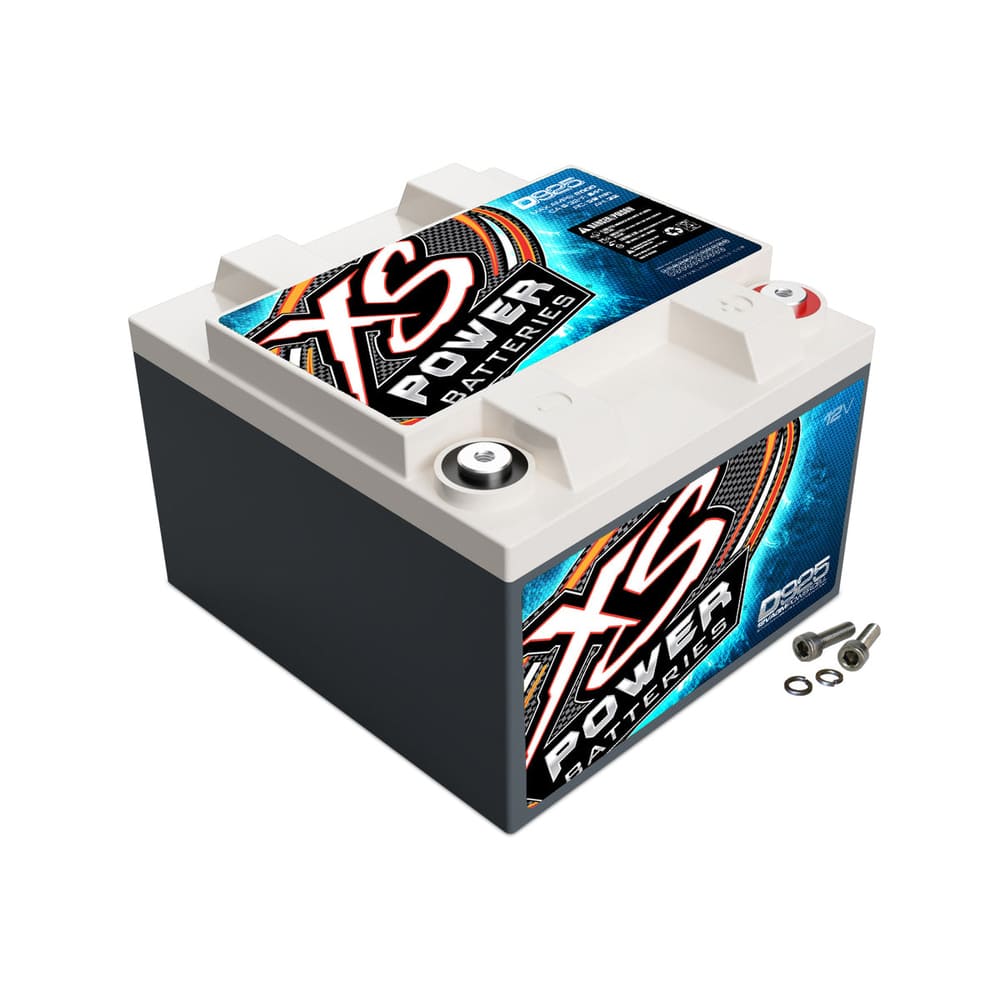
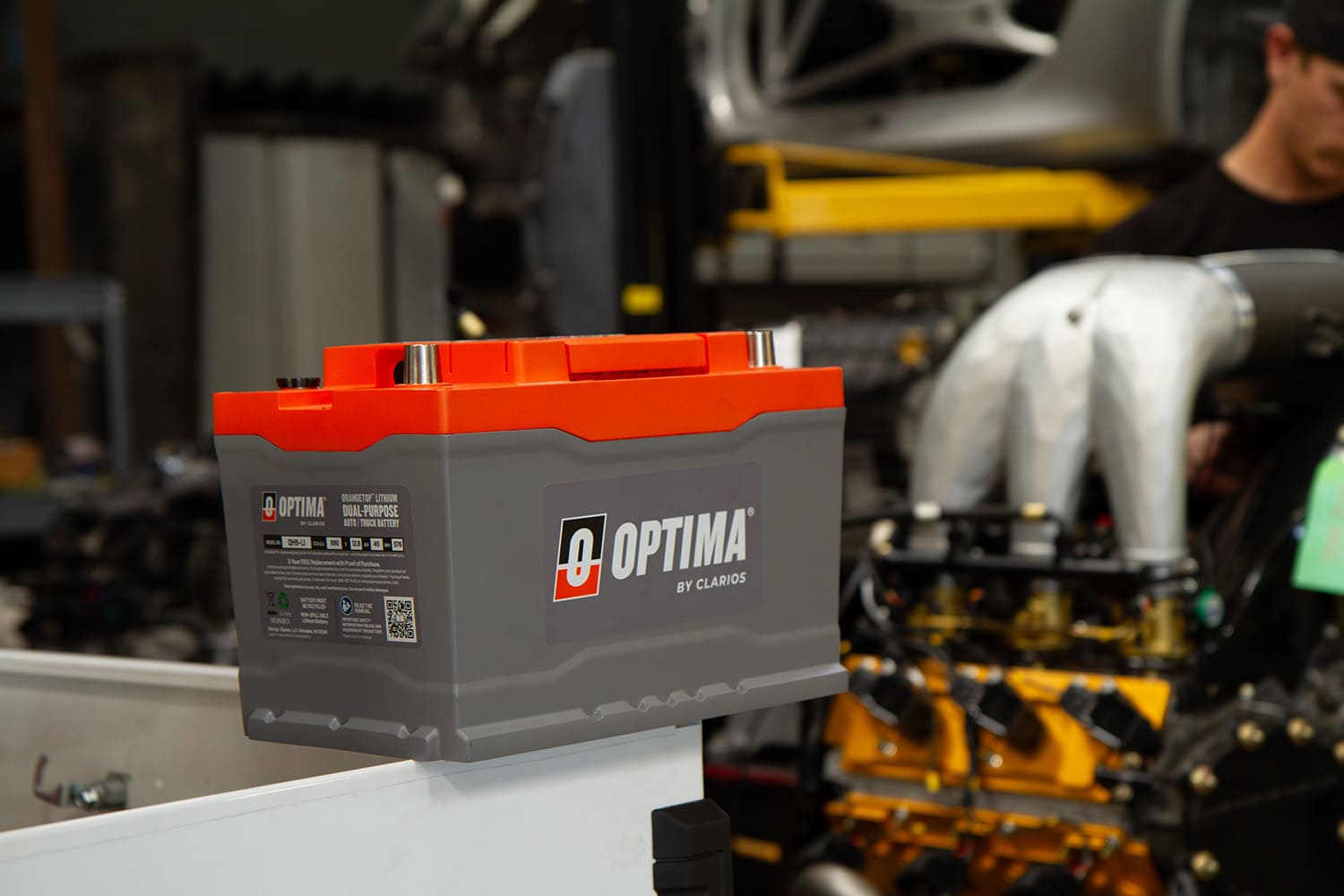
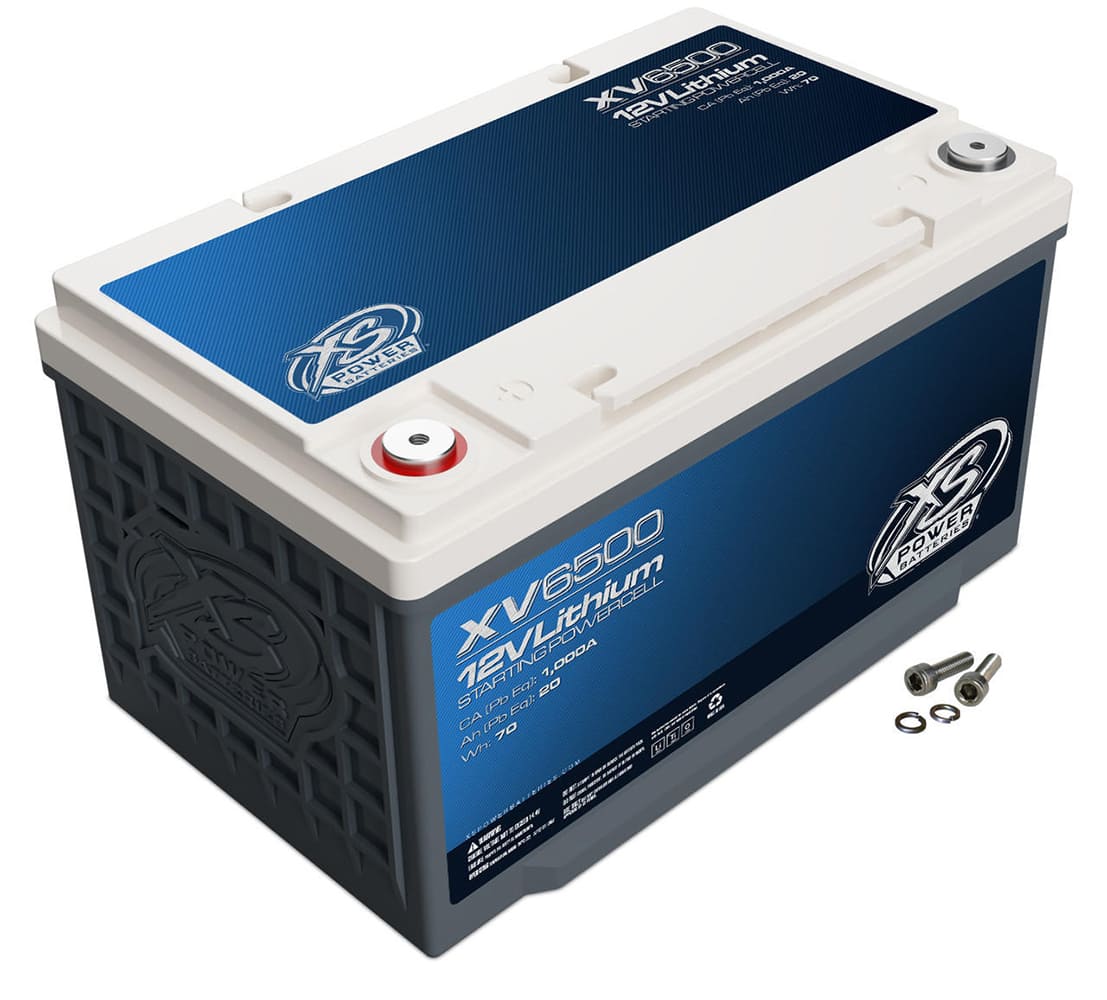
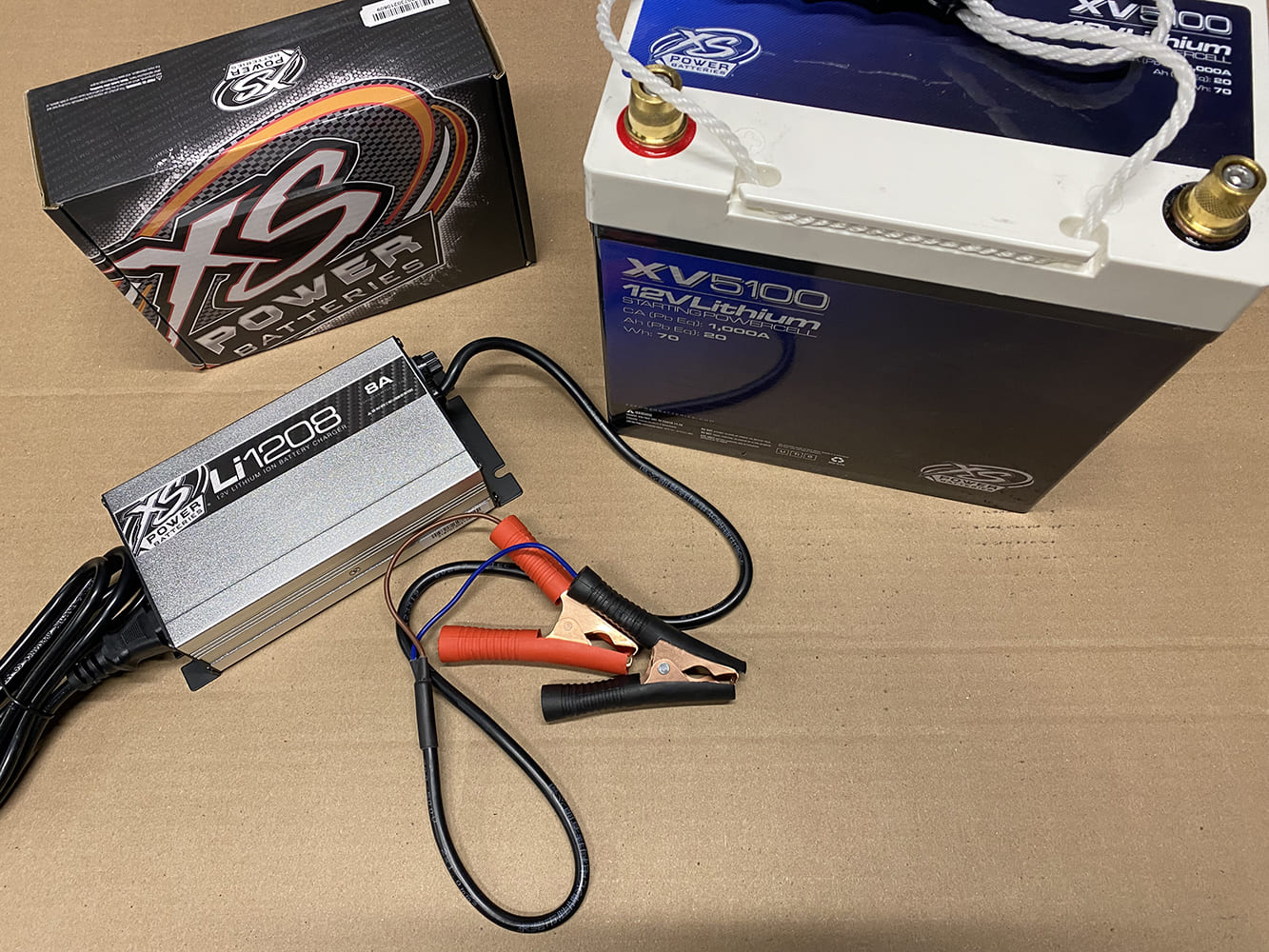
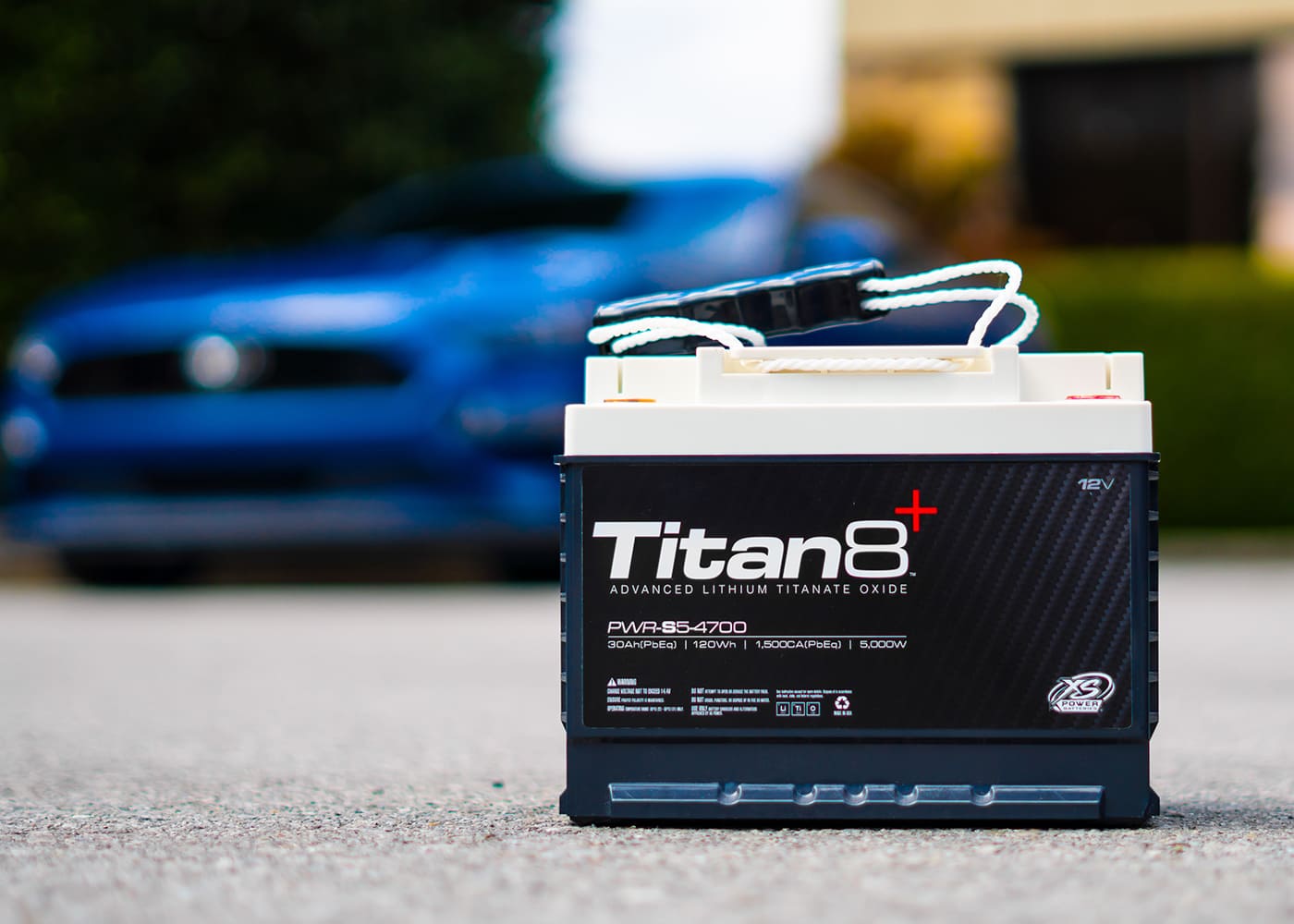
The latest thing on the scene are lithium batteries. These have a lithium metal cathode, an anode most commonly made from graphite, and use a unique electrolyte that allows lithium ions (Li⁺) to move between the plates during charging and discharging. Generally, lithium batteries have a cycle life of up to 10 times that of lead-acid batteries, weigh approximately half as much as lead-acid batteries of similar capacity and can be much smaller.
Currently, there are several different lithium chemistries available. The most common chemistry for 12V batteries is lithium iron phosphate (aka LFP or LiFePO4), which is widely considered the safest and most abuse-tolerant lithium chemistry. Nonetheless, lithium batteries require a sophisticated internal battery management system (often referred to as BMS) to monitor voltage, temperature, and current to help ensure safe operation and long life. The BMS is important due to the safety considerations with lithium batteries and is part of the reason lithium batteries have a higher cost than lead-acid batteries.
For decades, batteries have been rated by cold cranking amps, which indicates how many amps a fully charged battery can deliver for 30 seconds before dropping to 7.2 V at a true 0 degrees; cranking amps refer to this same metric at 32 degrees.

Interestingly, lithium batteries normally use a shorter duration for this test, but then cars don’t take 30 seconds to start like they did when these ratings were developed. Also keep in mind that these numbers are especially helpful when comparing batteries for specific applications. As examples, campers, boats, and recreational vehicles would benefit from lots of reserve capacity. On the other hand, a big-block, while a 12:1 compression, would need more cranking capacity.
One of the more confusing references to describe batteries are “group numbers.” There are several international standards that define the group size, which includes the length, width, height, terminal location, and type of a battery. But, unfortunately, there’s not a great formula to make it easy to understand battery group sizes. Some things make sense, for instance a group 27 is longer than a group 24. Similarly, groups 47, 48, and 49 are similar in height and width but are progressively longer. Best bet is to bring a tape measure when buying a battery for other than “stock” replacements.
Another decision to be made when buying a battery is choosing between a starting, deep cycle, and marine battery style. In most cases engine cranking is the most demand any battery will see. A starting battery is designed to deliver a burst of power to crank an engine, and to do this job thousands of times for many years. The tradeoff is that deeply discharging this type of battery will dramatically reduce its useful life.
A deep cycle battery is optimized for higher energy storage capacity and to be discharged more deeply. Marine batteries are typically the deep cycle type with threaded studs for battery connections along with common male automotive terminals.

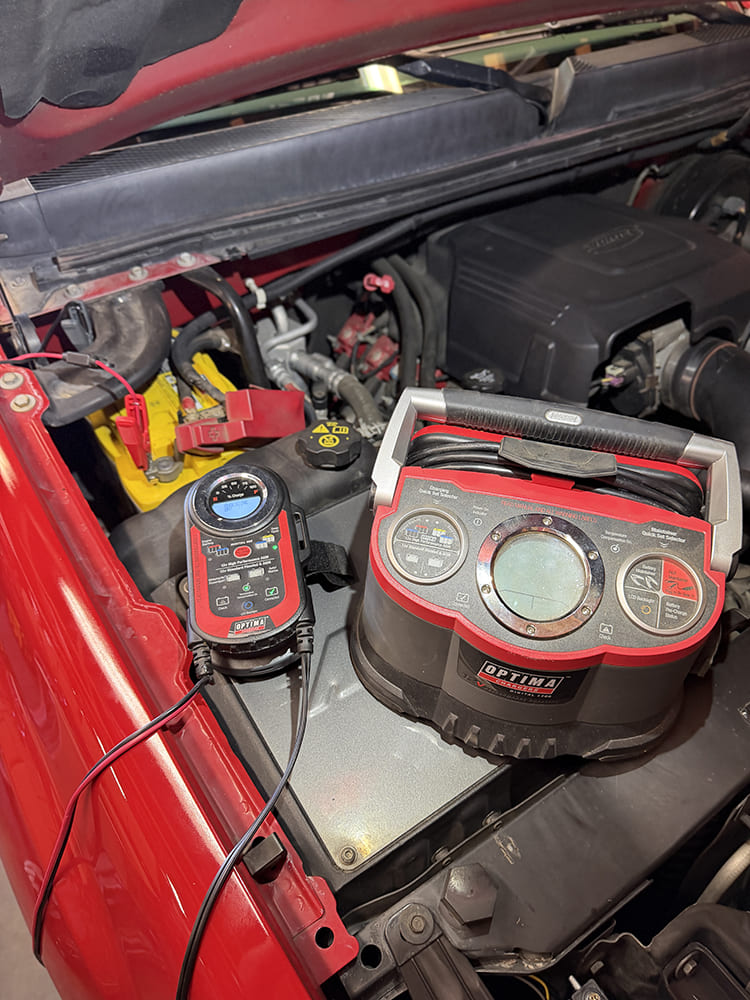
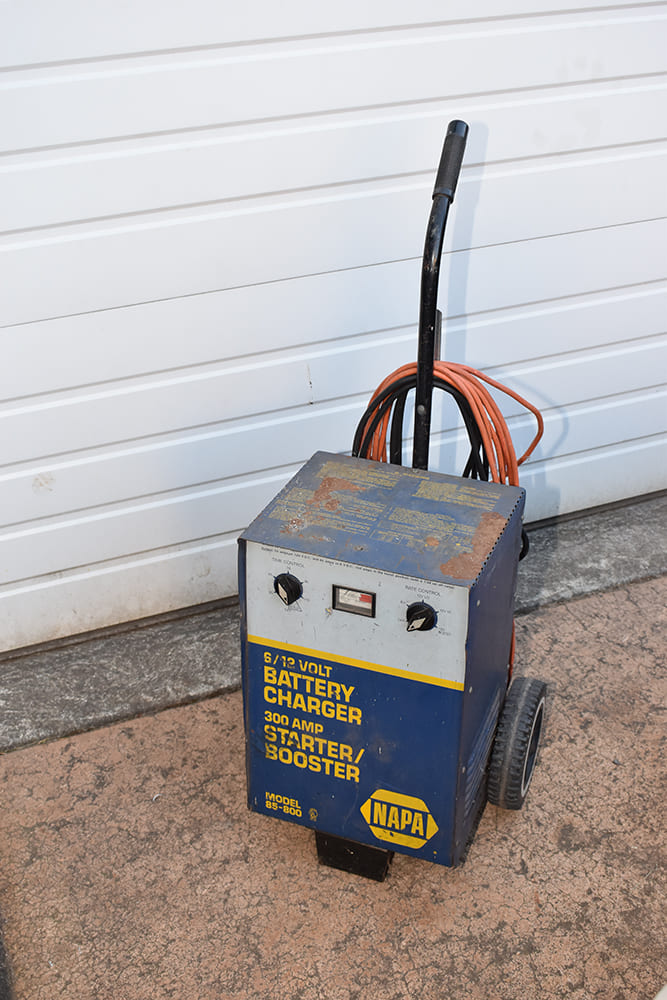
Regardless of the type of battery installed, keeping it charged is important. For many classic truck enthusiasts our vehicles aren’t daily drivers, and for any vehicle that falls into the “occasion use” category, a good battery maintainer is critical to ensure the long life of a lead-acid battery. In situation where the battery is stored for any length of time it should be fully charged upon removal from the vehicle.
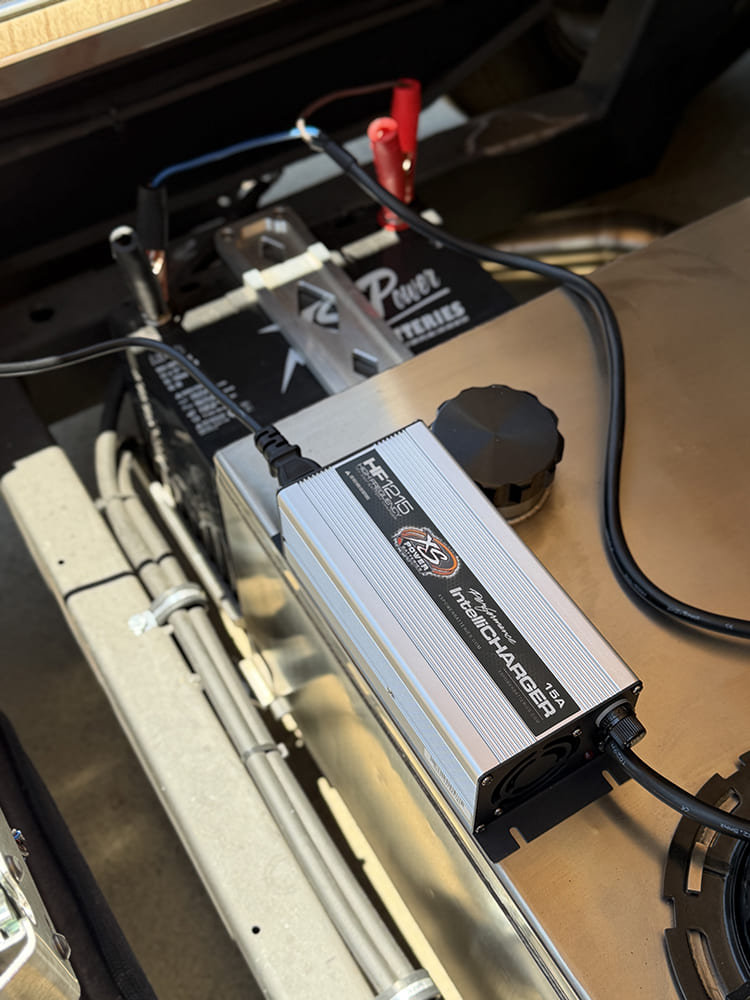
Something else that has come along with the developments in battery chemistry is the need for specialized “smart” chargers. Old-school chargers typically push a given current for a given time—15 amps for 30 minutes as an example and that’s what you’d get. On the other hand, the sophisticated “smart” chargers for AGM and gel batteries will charge to about 95 percent and then fall into a very low and slow surface charge. Without that these batteries would be overcharged in the last 5 percent of the cycle. Lithium battery chargers charge to 100 percent and then turn off. If you were to use an AGM charger on a lithium battery it could potentially never get a full charge after going into the final stage. Many, but not all, AGM and gel chargers can also be left on and work as maintainers, floating between ultralow amperage stages. This same process is used on a lithium battery, however, the float charge is different. The good news is there are chargers that are suitable for AGM, gel, and lithium batteries.
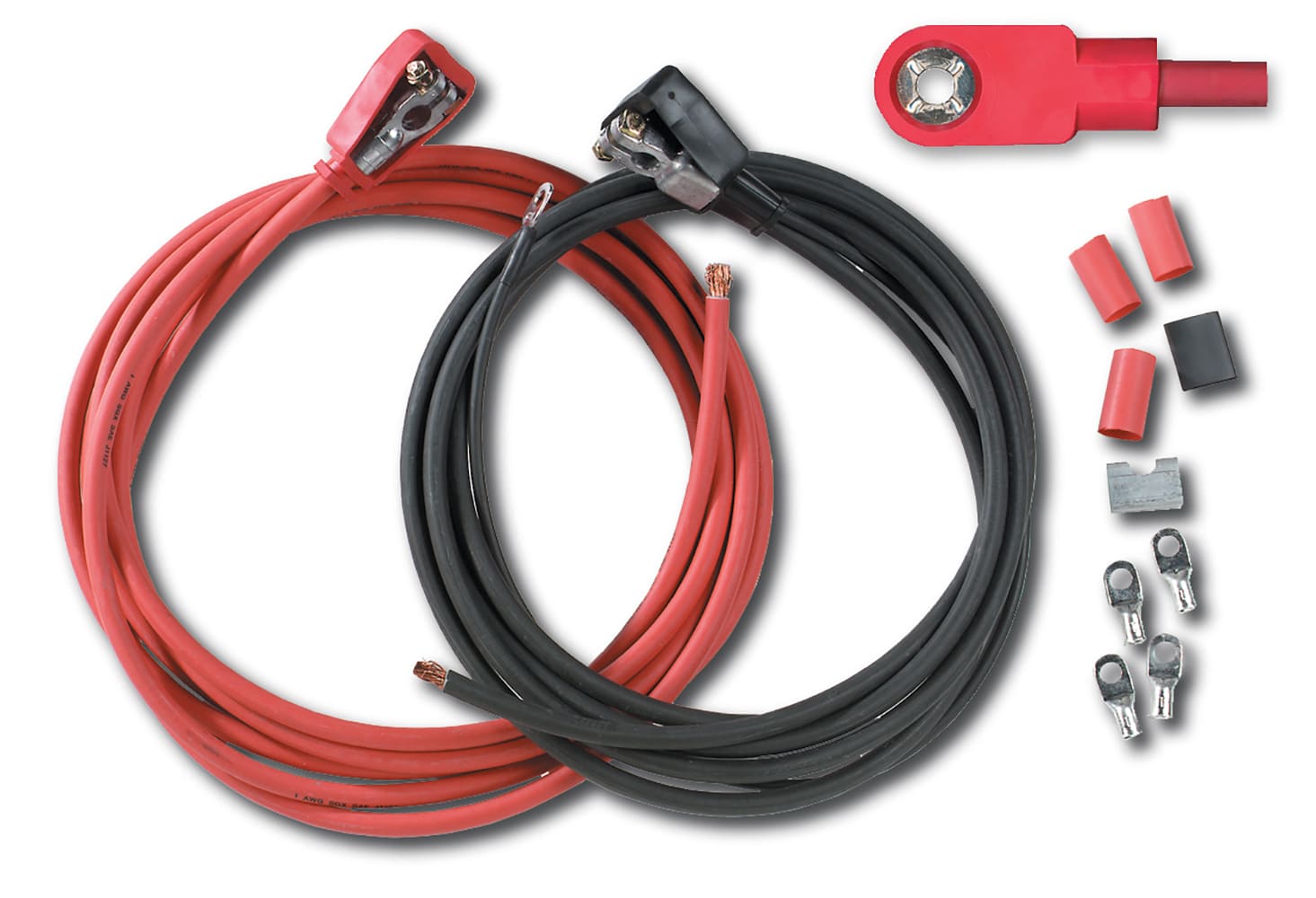
Finally, a basic tech tip. Sooner or later you’ll probably have to remove or replace a battery, and like everything else there’s a right and wrong way to do it. Lead-acid batteries may pose a hazard due to the hydrogen gas that may be present during and after charging, which can be ignited by a spark. For that reason, when removing a battery, always disconnect the ground cable first—if the wrench hits ground there won’t be a spark because the battery is already grounded. With the ground removed if the wrench hits metal while removing the positive cable there won’t be a spark because there isn’t a complete circuit with the ground removed.
Given all the options, there’s much to think about when buying a new battery. Hopefully we’ve made the decision-making process for your application easier, because the best battery you can choose is one you install and don’t have to think about anymore.
Check out this story in our digital edition here.